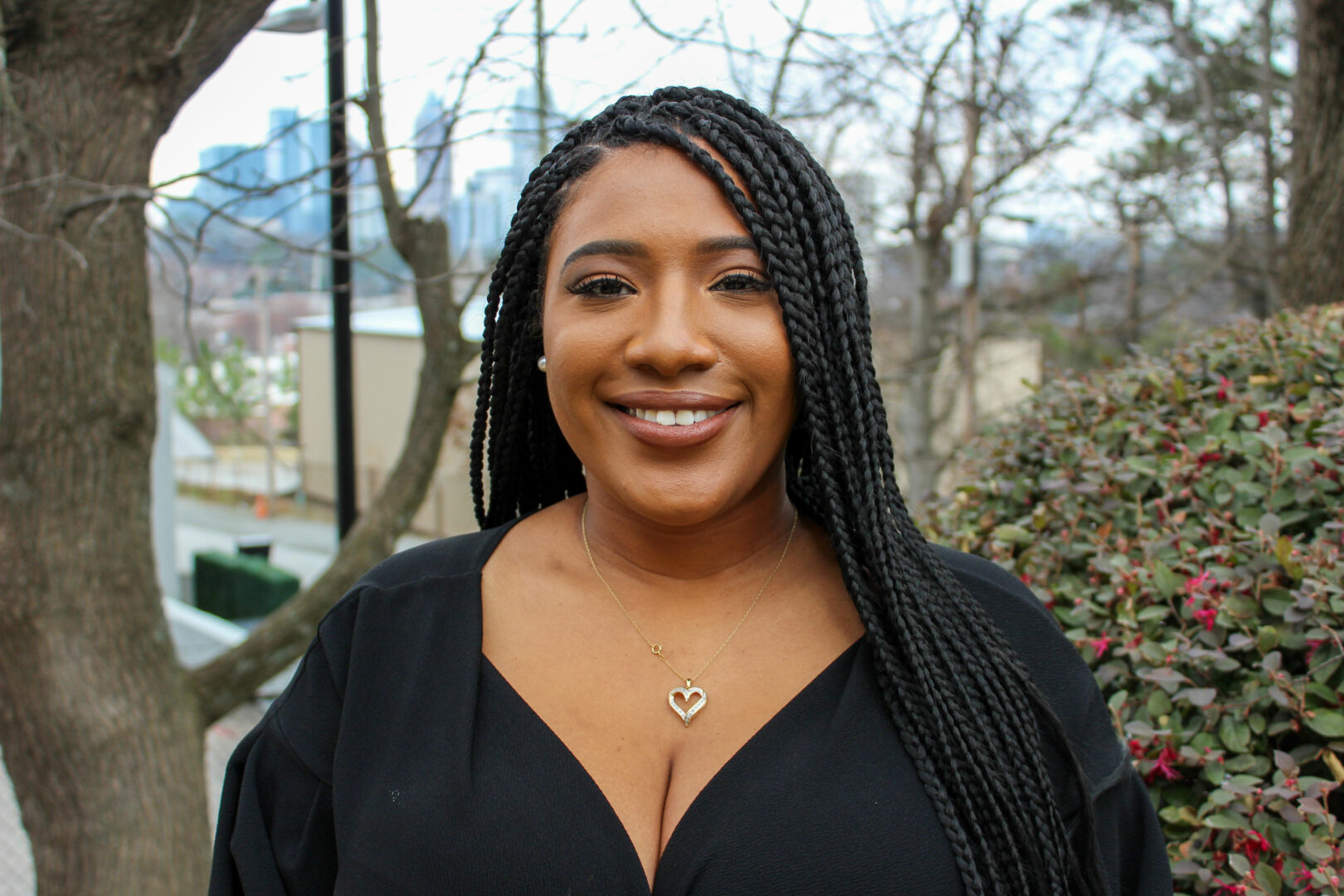
We’re excited to introduce you to the always interesting and insightful Tracie Bearden. We hope you’ll enjoy our conversation with Tracie below.
Tracie, so good to have you with us today. We’ve always been impressed with folks who have a very clear sense of purpose and so maybe we can jump right in and talk about how you found your purpose?
Finding my purpose in life took 37 years, surviving some of the most traumatic experiences possible, and continuing to pay for research-based trauma therapy out of my own pocket. I am in no way grateful for the traumatic experiences that have happened to me. What I am grateful for is the way I chose to handle them and the decisions that I made.
In 2018, I survived a physical assault by a male nurse that left me with a chronic visual processing condition. He had turned himself into the police and was originally charged with domestic violence, which escalated to a felony. The trauma of this assault was slowly picked apart and put back together again over 16 court hearings, 14 of which I attended.
Because he turned himself in and gave a guilty admission, I was never given the opportunity to have a lawyer or express an opinion on what “justice” should look like. That opinion rested in the palms of the district attorney and the judge. The final decision was to drop his felony charge and let him walk away with a misdemeanor of disturbing the peace, instead.
His slap on the wrist became my slap to the face.
Throughout the year of this case, I regularly attended neuro-opthamology appointments where I learned more information about my visual processing impairment. Unfortunately, I’m stuck with this impairment for the rest of my life.
I regularly attended Eye Movement Desensitisation and Reprocessing (EMDR) therapy and Al-Anon meetings, which is a mutual support program for people who have been affected by someone else’s drinking (often their parents, which was the case for me). I learned radical acceptance of certain things. The phrase “it is what it is” became part of my daily routine. I was able to accept the fact that I could do the hardest things in my life on my own, but I shouldn’t have to – and I didn’t want to.
And I certainly didn’t think anyone else who had survived a traumatic experience or complex medical event should have to, either.
I quickly tried to channel my PTSD symptoms into advocating for my patients and for other people. I learned that the most important part of being a healthcare provider was listening to your patients, educating them on what they did not know about their diagnoses and deficits, and being their advocate for their successes and challenges.
A few years later, I lost a contract job after refusing to adhere to unethical billing practices. I took this as a sign to do things on my own once again. I opened a private practice for traumatic brain injury survivors. As my practice grew, I was given an opportunity to move and work for a large hospital system. I took the job while putting a pause on my practice, however, I quickly became disappointed in the large healthcare system yet again. I witnessed employees being taken advantage of. Their mission and principles that were so proudly expressed to me appeared to be a series of empty promises, so I walked away from this job with no regrets.
My purpose and my passion for advocacy and providing evidence-based care to others were too strong to compromise.
Like I initially said, I am not grateful for traumatic experiences. I’m certain that I could have successfully found my purpose without being physically assaulted or being overworked and exploited by a large hospital system.
But the choices those experiences forced me to make helped me find my true purpose and passion which are to provide education and quality of care to patients and other healthcare providers. Ultimately, my purpose drives me to improve our healthcare system as a whole. I live out this purpose through my non-profit organization, TBI MedSLP, Inc. and every day at my job.
My purpose is my mission; it’s what gives me life.
Thanks, so before we move on maybe you can share a bit more about yourself?
I am a speech pathologist and the founder of TBI MedSLP, Inc. TBI MedSLP is a non-profit, charitable organization dedicated to providing education and support to speech pathologists and healthcare providers who work with and treat traumatic brain injury (TBI) patients. Since our establishment in 2022, TBI MedSLP Inc. has expanded to a five member board of directors and has been committed to advancing knowledge and expertise in the field of speech language pathology with the goal of improving TBI patient care and outcomes. There are so many advances in brain injury assessment and treatment, I love being able to have the ability to educate other professionals and survivors at an affordable cost and in an accessible way. We provide donation based webinars, speaking events, written education, and resources for speech pathologists on our website!
There is so much advice out there about all the different skills and qualities folks need to develop in order to succeed in today’s highly competitive environment and often it can feel overwhelming. So, if we had to break it down to just the three that matter most, which three skills or qualities would you focus on?
The three most important qualities that have made my journey successful are humor, humility, and authenticity. Throughout the challenges I have faced, I have held on to my sense of humor tightly. Experiencing and surviving traumatic events can make it incredibly difficult to find a way to laugh, however, through humility and being able to laugh at myself I’ve never lost my sense of humor. Humility has been just as important in my journey. Receiving constructive feedback and being able to implement changes to move my business and outlook on life forward has been critical to my success. Authenticity has remained one of my key principles.Without true authenticity, it’s difficult to expect a community to trust and rely on you. Authenticity is what sets you apart from everyone else. My advice to anyone reading this is to just be yourself in everything you do, ask questions, and be open to feedback and adapting your skillset.
One of our goals is to help like-minded folks with similar goals connect and so before we go we want to ask if you are looking to partner or collab with others – and if so, what would make the ideal collaborator or partner?
TBI MedSLP is looking for healthcare professionals that are interested or already involved in treating the brain injury population to help us grow our grassroots movement. We are also looking for brain injury survivors open to sharing their story, no one knows the experience of a brain injury like a survivor does. Please reach out by email: [email protected] if you’re interested in collaborating on education or are looking for professionals to speak on the topic of brain injury at your event.
Contact Info:
- Website: https://www.tbimedslp.com
- Instagram: https://www.instagram.com/tracieb.slp
- Linkedin: https://www.LinkedIn.com/in/traciebearden9
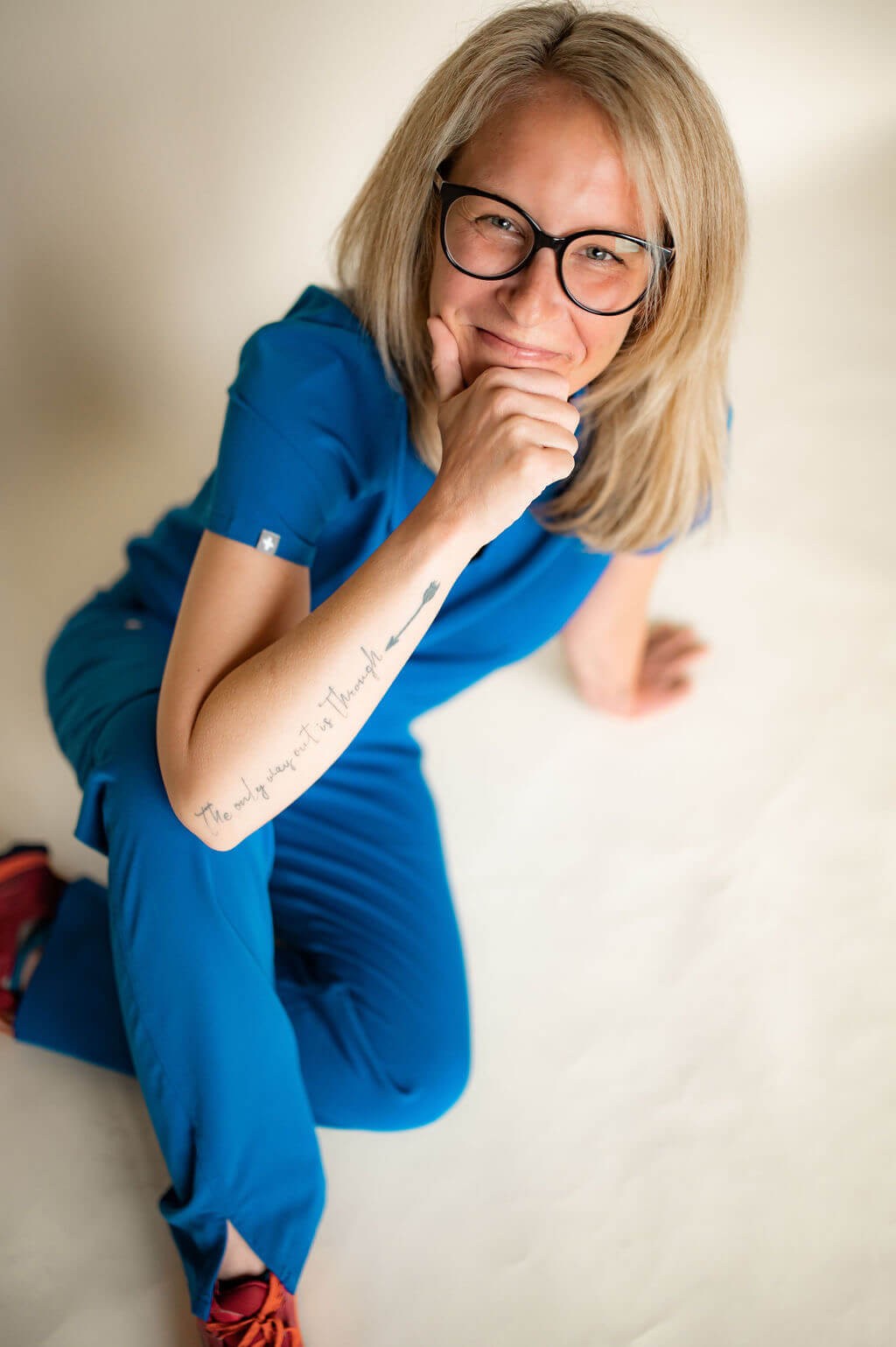
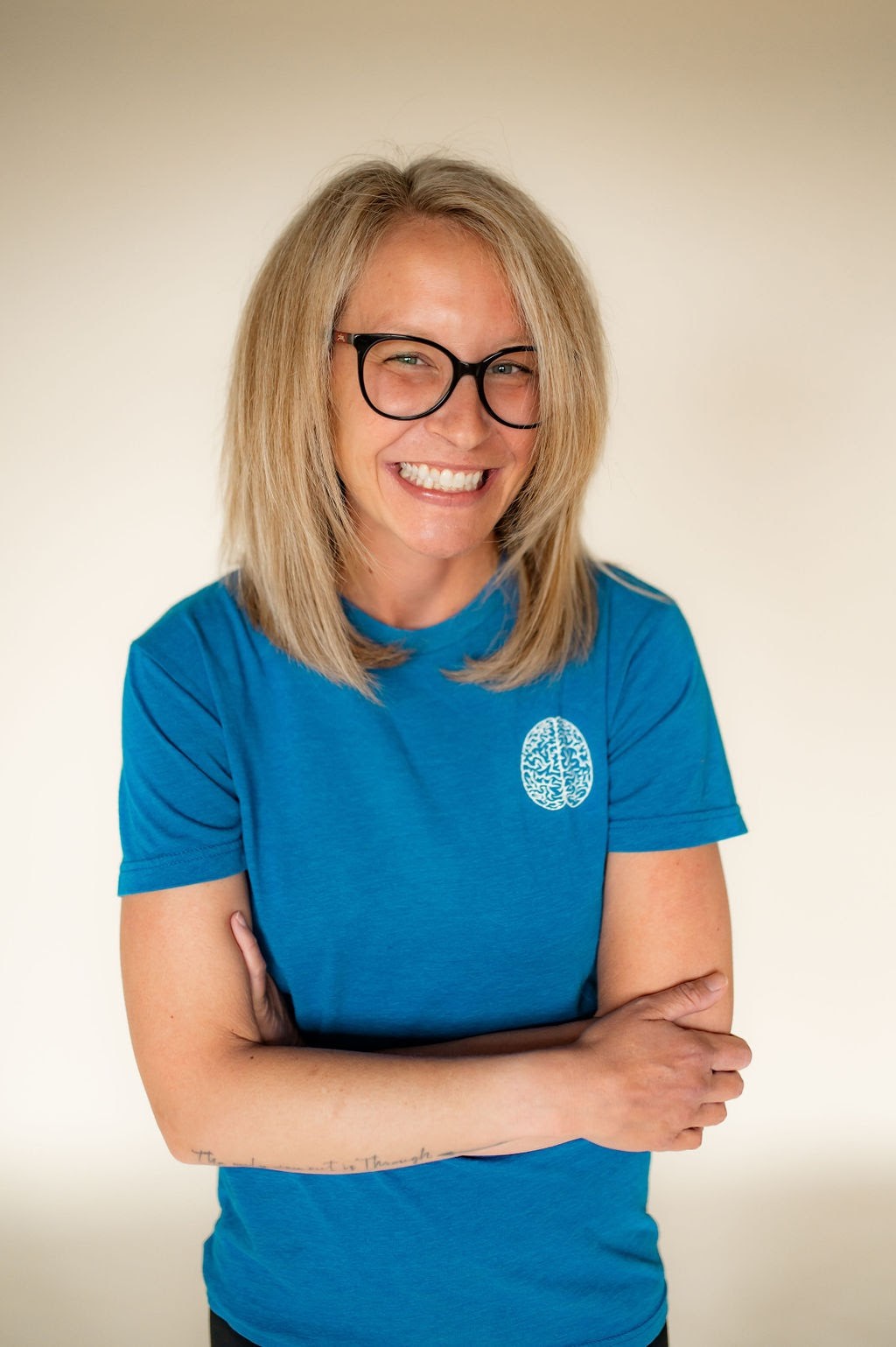
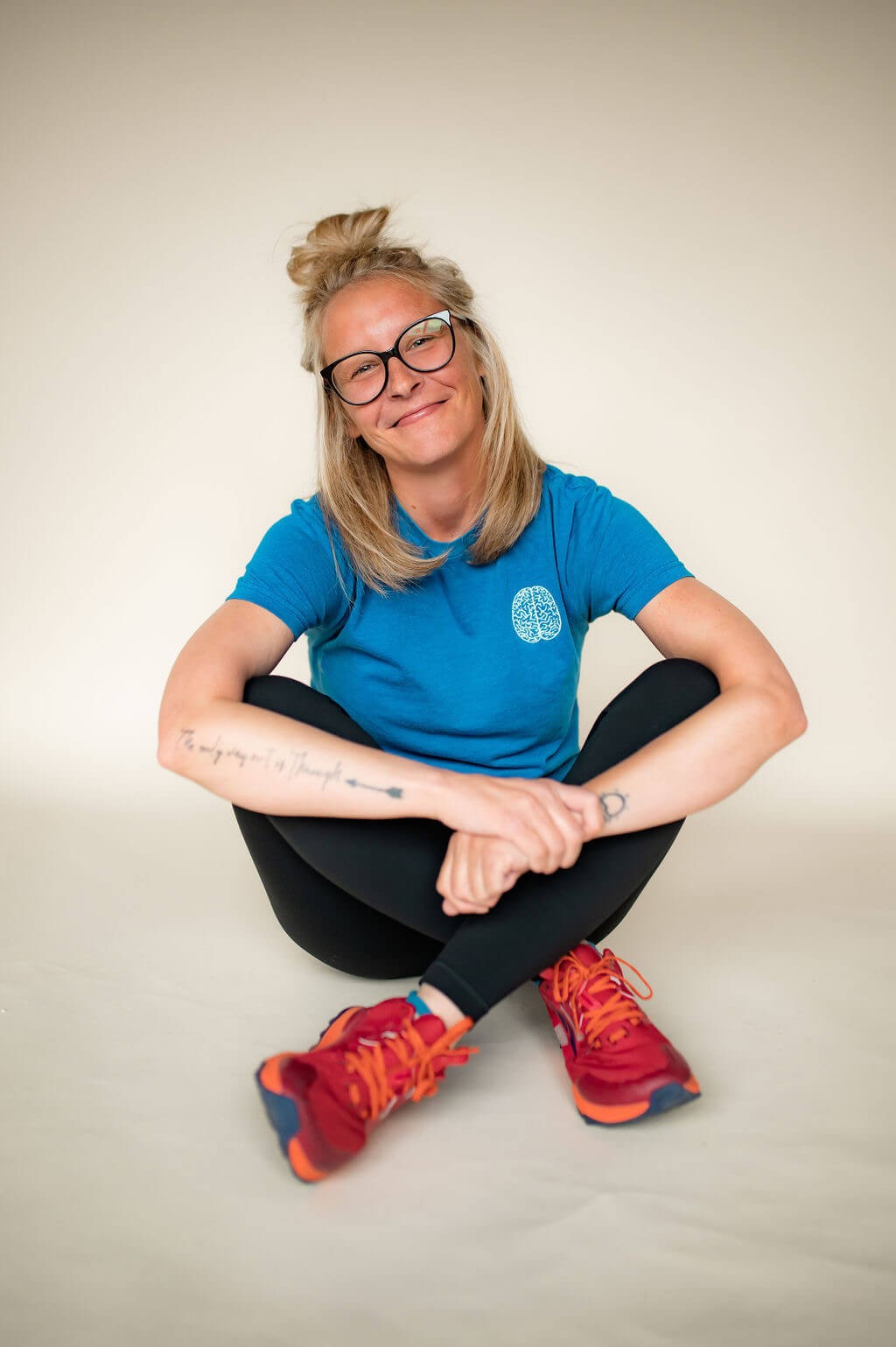
Image Credits
Tiffany Maksimowicz