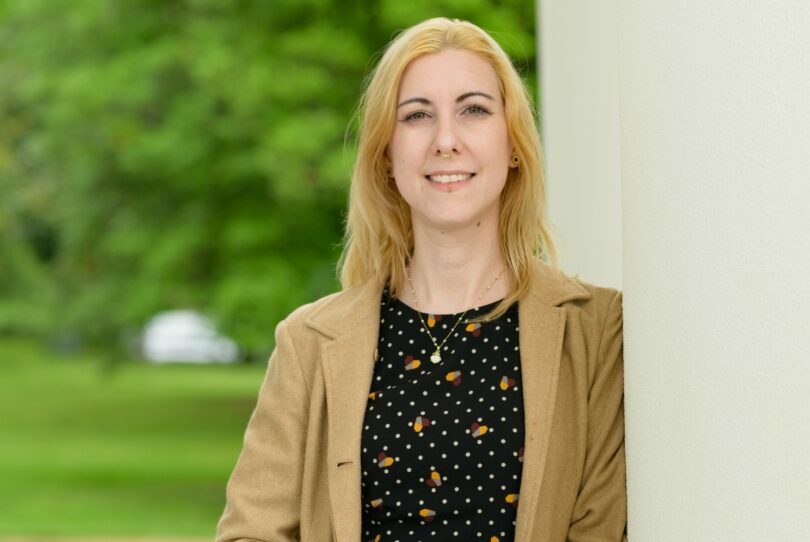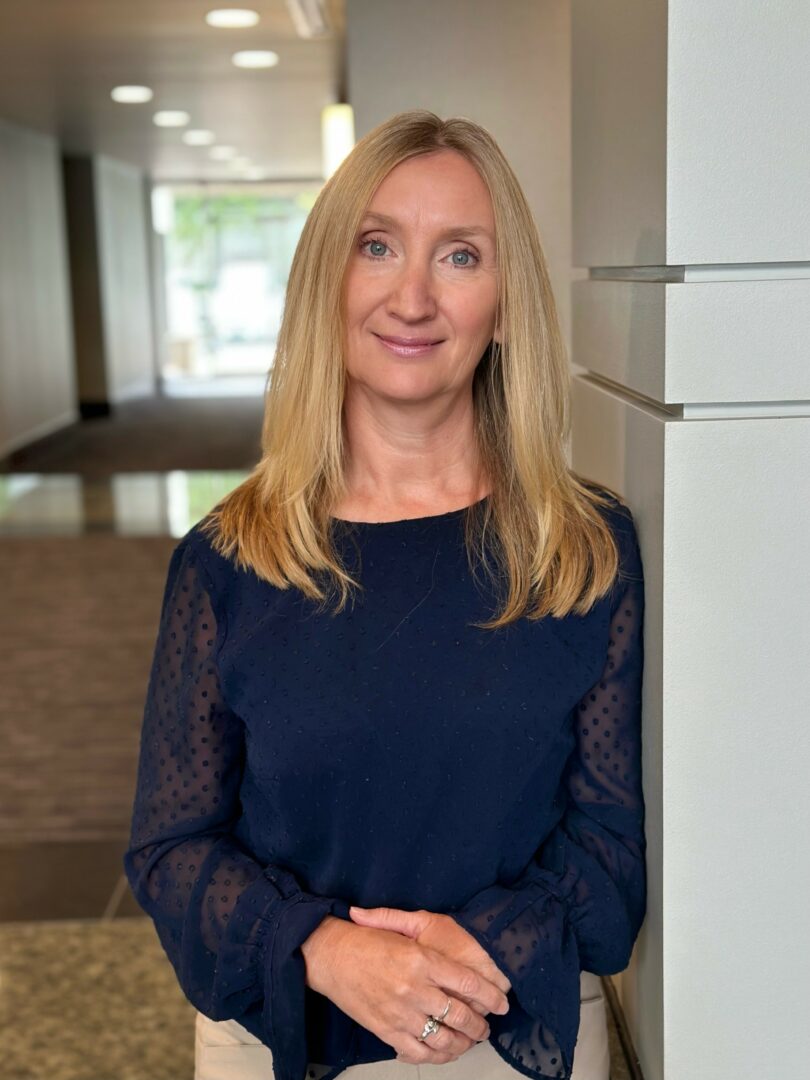
We caught up with the brilliant and insightful Trish Caldwell a few weeks ago and have shared our conversation below.
Hi Trish, appreciate you sitting with us today to share your wisdom with our readers. So, let’s start with resilience – where do you get your resilience from?
Building resilience in my life has been shaped largely by the lessons I learned from my parents. Growing up, my family faced significant adversity, but my mom taught my siblings and me to always find the positive, even in the most difficult times. She instilled in us the understanding that challenges are temporary and that setbacks don’t define who we are. My mom and dad emphasized the importance of perseverance, reminding us that one bad thing doesn’t determine our future, and that hard work is the key to overcoming obstacles. Their unwavering belief in the power of resilience helped me navigate through tough times, reinforcing the value of staying focused, positive, and committed to working through difficulties.
Appreciate the insights and wisdom. Before we dig deeper and ask you about the skills that matter and more, maybe you can tell our readers about yourself?
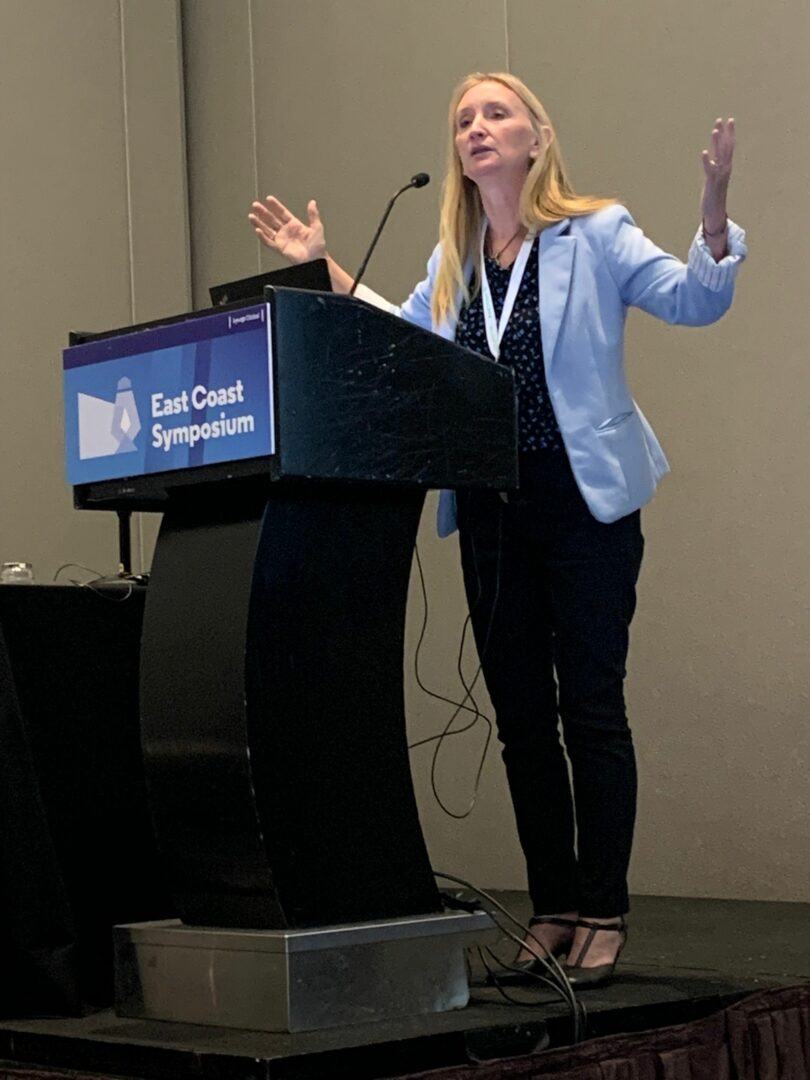
I am someone who has committed my career to serving others, deeply believing in the power of hope, recovery, and the strength of families in the healing process. I am dedicated to improving the industry by leading teams to rethink and reshape how we deliver care, with a strong focus on using patient outcomes to guide treatment decisions. I believe our field often relies too much on anecdotal evidence, discussing what works and what doesn’t in patient recovery. I feel we must hold ourselves to a higher standard, continuously striving for better, more evidence-based practices to truly make a lasting difference in patients’ lives.
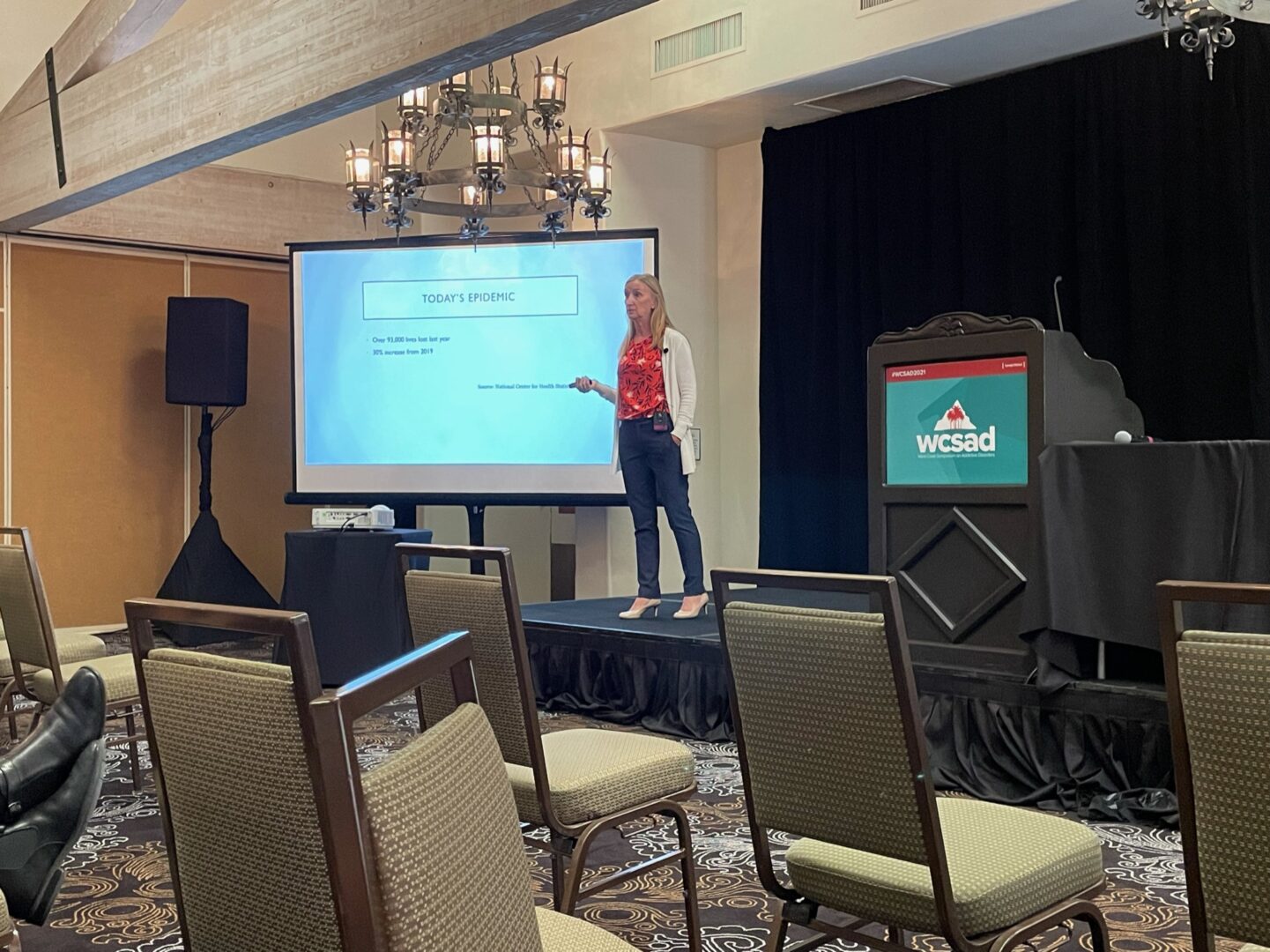
There is so much advice out there about all the different skills and qualities folks need to develop in order to succeed in today’s highly competitive environment and often it can feel overwhelming. So, if we had to break it down to just the three that matter most, which three skills or qualities would you focus on?
Looking back, the three qualities that have been most impactful in my journey are grit, perseverance, and servant leadership.
Grit has been essential because it’s the driving force that pushes me through challenges and setbacks. It’s about staying committed to my goals despite the difficulties I face, and continuing to move forward when things get tough. My advice to those early in their journey is to embrace discomfort and learn to push through it. Develop the habit of sticking to your goals, even when progress feels slow. The ability to keep going when others might quit is what separates those who succeed from those who don’t.
Perseverance has played a key role as well, especially when the path ahead seems uncertain. It’s about having the patience to work steadily over time and trusting the process. For those early in their journey, I would say that consistency is more important than perfection. Celebrate small wins and keep moving forward. Understand that progress is often incremental, but persistence will pay off in the long run.
Finally, servant leadership has shaped how I approach both my work and relationships with others. Leading by example and always prioritizing the needs of those I serve has been a core principle. For those just starting out, I would encourage you to always listen, be empathetic, and put others’ needs first. True leadership is not about power or recognition, but about empowering and uplifting those around you. The more you focus on serving others, the more you’ll find fulfillment and success in your journey.
Thanks so much for sharing all these insights with us today. Before we go, is there a book that’s played in important role in your development?
A book that has played a significant role in my development is Start with Why by Simon Sinek. The central idea of the book — that knowing and focusing on why you do something is more important than what you do or how you do it — has profoundly shaped my approach to both leadership and personal growth.
One of the most impactful nuggets of wisdom from the book is the concept of the “Golden Circle,” which emphasizes the importance of understanding and articulating your purpose or “why” before anything else. Sinek argues that great leaders and organizations inspire action by starting with a clear sense of purpose, which then drives everything else. This idea has been pivotal in shaping my own leadership style. When I am clear on why I do what I do, it becomes easier to stay motivated and inspire others to join me in a common mission.
Another key takeaway is the idea that people don’t buy what you do, they buy why you do it. This has reinforced the importance of authenticity in my work, especially in the service of others. Whether I’m leading a team or working with patients, people are more likely to connect with and trust you when they understand the deeper purpose behind your actions.
Finally, the book teaches that purpose-driven leadership fosters loyalty and trust. This aligns with my belief in servant leadership — putting others first and creating environments where people feel they are part of something meaningful. Sinek’s message encouraged me to continuously reflect on my own “why” and to communicate it clearly to those around me, which ultimately leads to stronger, more motivated teams and a more fulfilling career
Contact Info:
so if you or someone you know deserves recognition please let us know here.