
Alright – so today we’ve got the honor of introducing you to Tyler Jordan. We think you’ll enjoy our conversation, we’ve shared it below.
Tyler , so great to be with you and I think a lot of folks are going to benefit from hearing your story and lessons and wisdom. Imposter Syndrome is something that we know how words to describe, but it’s something that has held people back forever and so we’re really interested to hear about your story and how you overcame imposter syndrome.
Imposter syndrome is something I’ve had to overcome by trusting my curiosity and my perspective, even when the work I wanted to make didn’t fit into anything familiar. As an artist, designer, and brand owner, I realized that part of my purpose is to create things that I’ve never done before, and in many cases, things that haven’t been seen before. That mindset pushed me to fully embrace my long exposure light photography on the NYC subway, a space I know deeply, and transform it into something imaginative, emotional, and new.
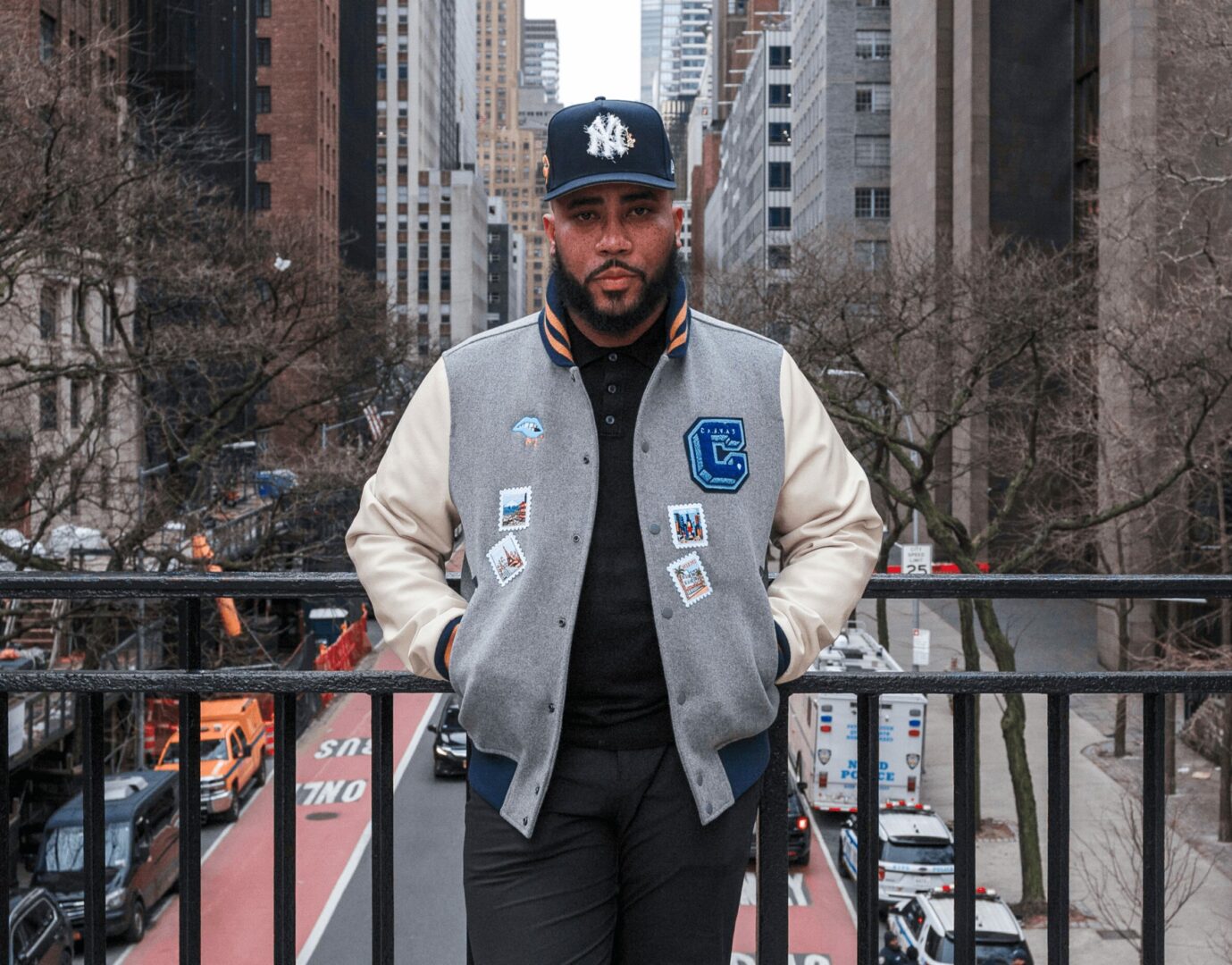
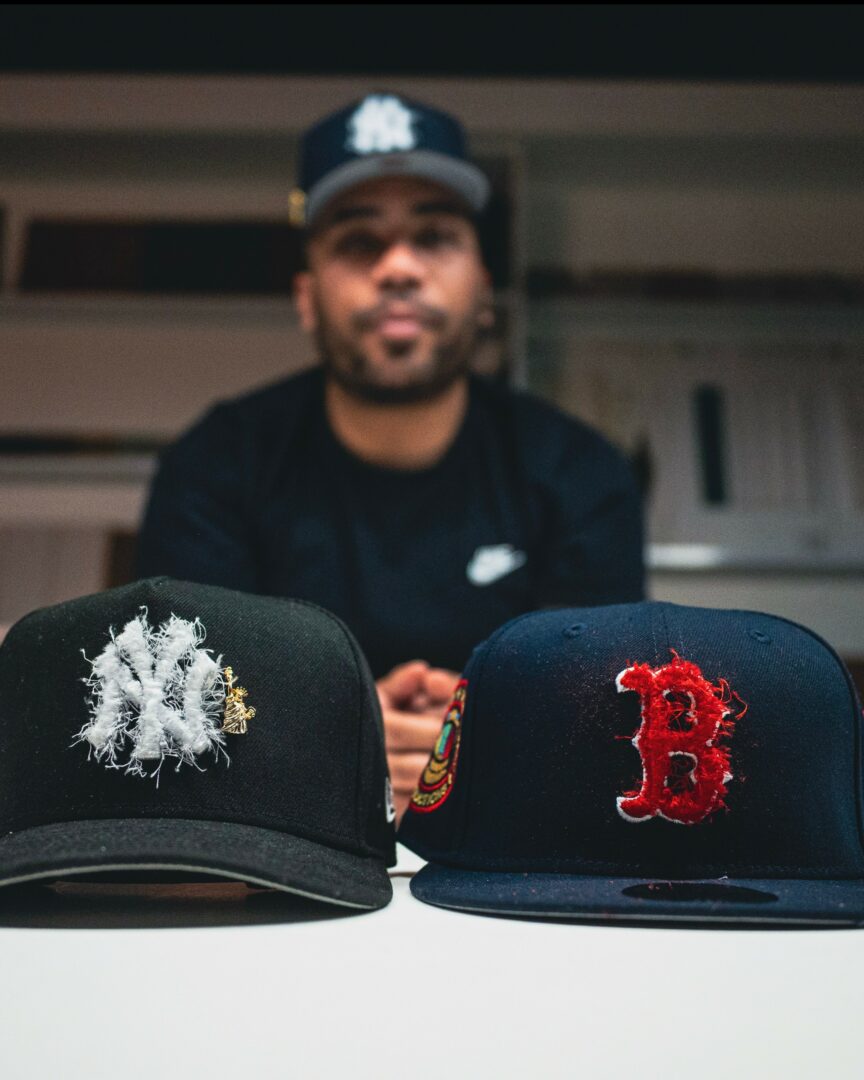
The same applies to C.A.N.V.A.S. and pieces like my Escape from NY Yankee hat. It’s a hand-distressed hat, but to me it represents much more than fashion, it symbolizes being beaten but not broken, surviving harsh environments, and wearing your scars with pride. I overcame imposter syndrome by understanding that my lived experience, my eye, and my ideas are what make the work valid. I stopped waiting for permission and started trusting that originality comes from fully leaning into who I am and what I see.
Thanks, so before we move on maybe you can share a bit more about yourself?
I’m a multidisciplinary artist, photographer, designer, and the founder of C.A.N.V.A.S., which stands for Creating A New View Around Society. My journey as an artist has not only been about producing work, but about learning more about myself through the work. Photography has taught me patience in a very real way. When you are working with movement, light, timing, and an unpredictable environment like the subway, doubt can throw everything off. I’ve learned that patience is only possible when there is no doubt, and that lesson has shaped me beyond the camera. It has taught me to trust my eye, trust my instincts, and trust that the vision will come together the way it is supposed to when I stay committed to it.
What feels most special about my work is that it reflects both my curiosity and my growth. I am always chasing ideas that feel emotionally honest and visually new, whether that is through my photography or through C.A.N.V.A.S. as a brand. Pieces like my Escape from NY hand distressed Yankee hat carry that same spirit. It represents resilience to me, the idea of being beaten but not broken, surviving difficult environments, and wearing your scars with pride.
More than anything, I want people to understand that my work is personal. It comes from experience, from observation, and from a real desire to create things that hold meaning. C.A.N.V.A.S. is not just about what I make, but about how I see the world and how I continue to grow through that way of seeing.
Looking back, what do you think were the three qualities, skills, or areas of knowledge that were most impactful in your journey? What advice do you have for folks who are early in their journey in terms of how they can best develop or improve on these?
For people who are early in their journey, my advice would be to give yourself time to develop instead of rushing to prove something. Be consistent with your practice, stay curious, and pay attention to what keeps pulling you back creatively. Learn the fundamentals of your craft, but also learn yourself. The more you understand your instincts, your discipline, and your voice, the stronger your work becomes. A lot of people focus only on becoming better at what they do, but I think it is just as important to become clearer about why you do it.
Looking back, I think the three most impactful things in my journey have been patience, perspective, and self trust.
Patience has been essential because so much of my work, especially my long exposure photography, depends on timing and on being willing to let the process unfold. Not every idea comes together immediately, and not every season of growth looks productive from the outside. I’ve learned that patience is not passive. It is an active choice to stay committed to your vision even when the results are not instant.
Perspective has also been a major part of my growth. A lot of what I create through C.A.N.V.A.S. comes from looking at familiar things in a different way and finding meaning where others might overlook it. That applies to my photography, my design work, and even the way I think about challenges. Some of my strongest ideas have come from reframing what was already around me and trusting that there was something worth seeing more deeply.
The third is trust your gut!!When you first start, it is easy to question whether your ideas are strong enough, original enough, or worthy of being pursued. I had to learn that growth really began when I stopped measuring my vision against everyone else’s and started listening more closely to what felt honest to me. Self trust gave me the confidence to pursue work that felt unconventional and personal, and that has made all the difference.
Thanks so much for sharing all these insights with us today. Before we go, is there a book that’s played in important role in your development?
A few books have played an important role in my development, both creatively and professionally. This Is Marketing by Seth Godin helped me understand that connection matters more than simply trying to sell something. It made me think more deeply about audience, intention, and the importance of creating work that truly resonates with people. Hustle Harder, Hustle Smarter by 50 Cent reinforced the value of discipline, self awareness, and learning how to move with strategy instead of just effort. This Is Not a T Shirt by Bobby Hundreds was also impactful because it showed me that building a brand is really about building meaning, community, and culture, not just products.
If I had to choose one that stands out the most, it would be The Go Giver. That book taught me a lesson that has stayed with me in a real way, which is the importance of giving value even when you are not the immediate beneficiary of it. That idea changed how I think about relationships, collaboration, and the way I move through both business and creativity. It reminded me that real growth is not always about chasing what you can get, but about understanding what you can contribute.
One of the biggest lessons I’ve taken from all of these books together is that success is not just about talent or ambition. It is about how you serve, how you connect, how you stay disciplined, and how you build something with real substance behind it. Those lessons have influenced not only how I approach my brand and my art, but also how I try to show up as a person.
Contact Info:
- Website: https://nyccanvas.com/
- Instagram: lyfeofty
- Linkedin: https://www.linkedin.com/in/tyler-jordan-29a9562ab/
- Twitter: https://x.com/CanvasRaw
- Other: My Artwork Site is: nycanvas.myportfolio.com
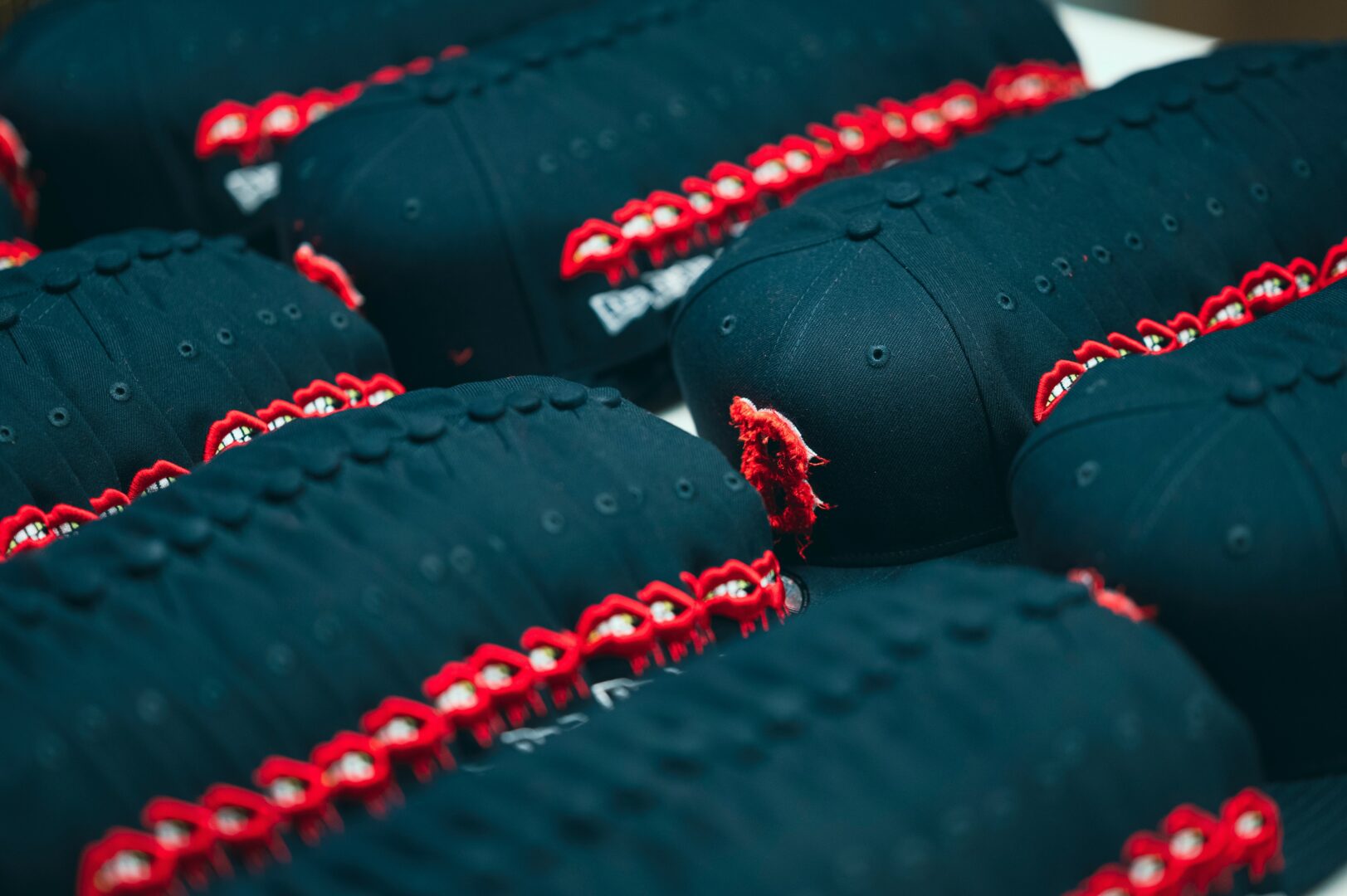
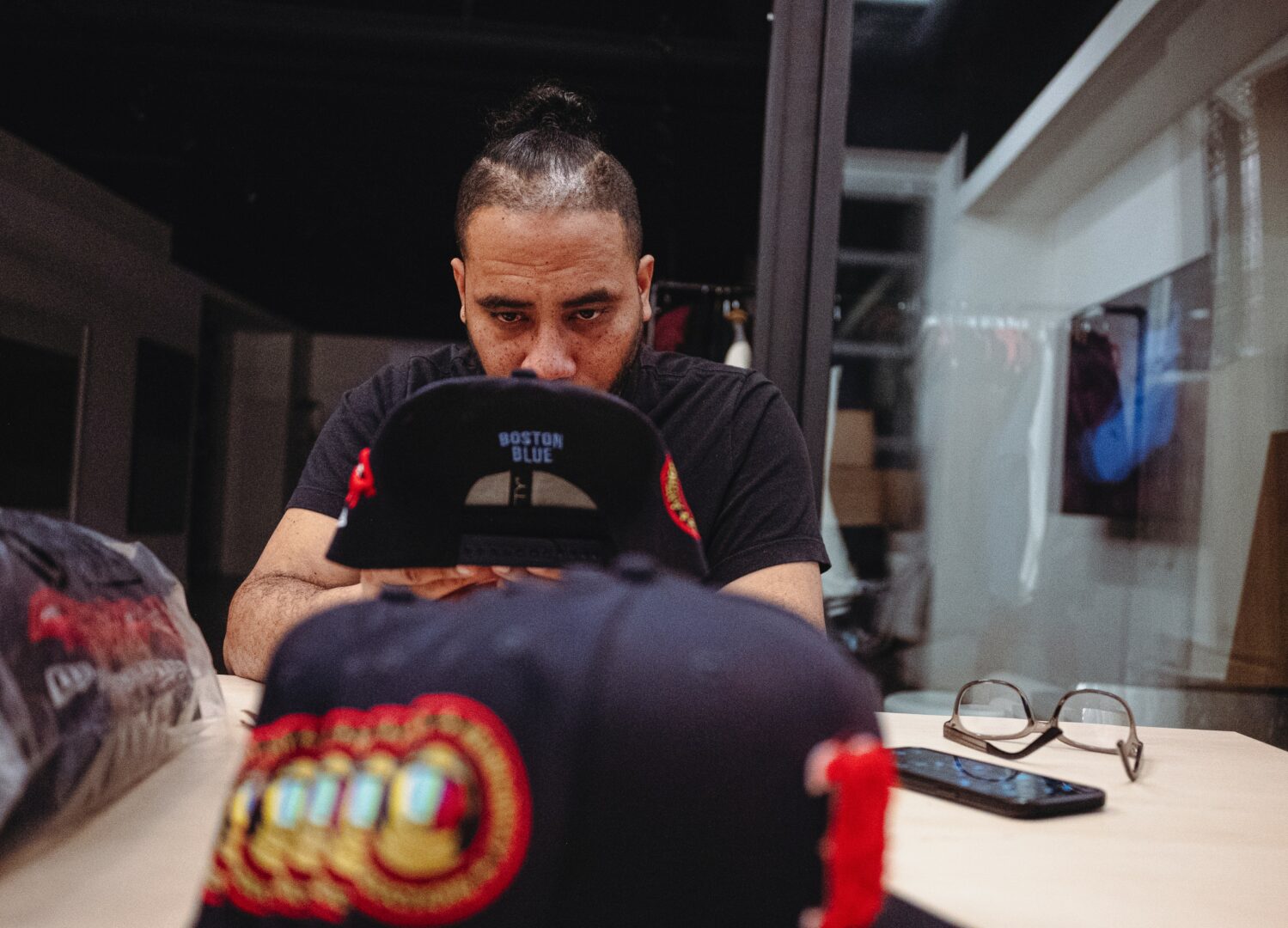
Image Credits
Tyler Jordan
so if you or someone you know deserves recognition please let us know here.


