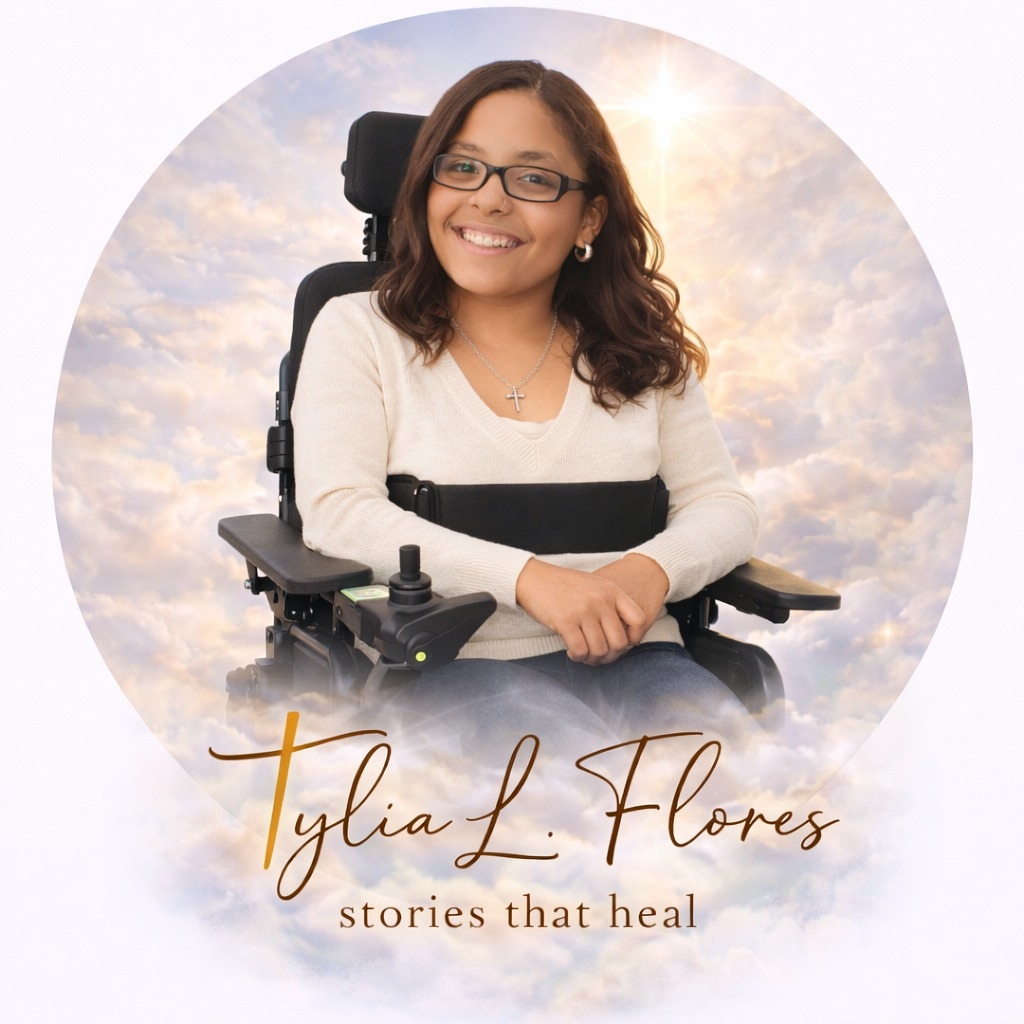
We were lucky to catch up with Tylia L. Flores recently and have shared our conversation below.
Tylia L. , thank you so much for joining us and offering your lessons and wisdom for our readers. One of the things we most admire about you is your generosity and so we’d love if you could talk to us about where you think your generosity comes from.
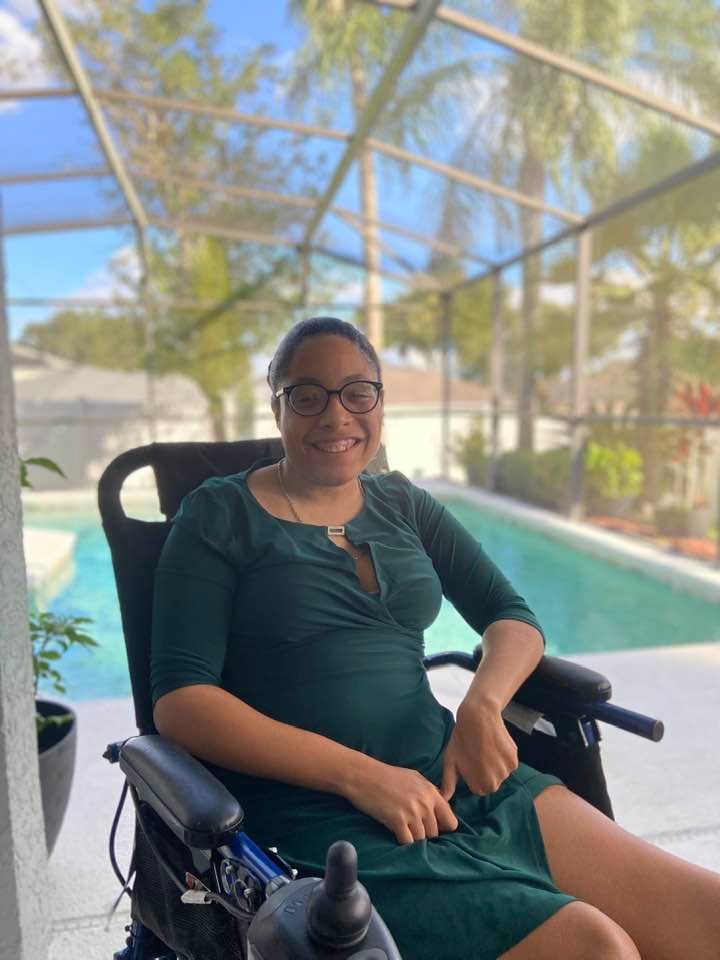
My generosity comes from my life experiences. Growing up with cerebral palsy, I faced a lot of moments where I was judged, underestimated, or misunderstood. Those experiences could have hardened my heart, but instead they deepened it. They taught me empathy. When you know what it feels like to struggle, you begin to see other people’s pain more clearly.
For me, generosity isn’t just about giving things—it’s about giving grace, patience, encouragement, and kindness. My faith in Christ is at the center of that. Jesus teaches us to lead with love, and I try to carry that in everything I do.
I believe generosity truly comes from the heart. When your heart is rooted in compassion and guided by faith, people can feel it. They recognize sincerity. And when people see that your message comes from a genuine place, they’re more likely to believe in it too.
My journey with cerebral palsy shaped who I am, but my faith shaped how I respond to it. Instead of bitterness, I choose generosity. Instead of resentment, I choose love. And that choice is what I hope people see when they hear my story.
Thanks, so before we move on maybe you can share a bit more about yourself?
Professionally, I’m an Amazon best-selling author, youth pastor, Christian storyteller, and media founder whose work centers around faith, storytelling, and representation. For many years my work focused primarily on disability advocacy. I live with cerebral palsy, and for over a decade I ran an advocacy platform called Stomping on CP, where I worked to raise awareness about disability, inclusion, and dignity.
Today my mission has expanded into something broader and more faith-centered. My brand now operates under my own name, Tylia L. Flores, with the message “Stories That Heal.” Through my writing, ministry, podcasts, and media work, I want to bring awareness to our Lord and Savior Jesus Christ. In today’s culture there are many misconceptions about Christianity, especially in media, and my goal is to create stories and conversations that show faith in an authentic and compassionate way.
One of the projects I’m most passionate about is Able by Grace Ministries, which reflects my belief that our abilities and purpose ultimately come from God’s grace. The ministry focuses on encouraging people in their faith journey while also advocating for disability inclusion within churches and Christian communities.
I also host a podcast called “Faith Over Fried Chicken with Tylia L. Flores,” where I talk about faith, culture, and everyday Christian life. The goal of the show is to create real conversations about following Christ in a modern world.
While my brand has expanded, disability advocacy is still an important part of my life. I co-host another podcast called Palsy Power alongside my fiancé, Cody A. McWhorter, a well-known poet and cerebral palsy advocate. Cody is a devoted Christian and romantic poet who writes about love, dignity, and relationships for people with disabilities, helping bring awareness that people with disabilities deserve love just like anyone else. Despite having a speech impediment, he is also known for traveling and advocating for living boldly with cerebral palsy. On Palsy Power, we talk about everything related to CP, self-love, resilience, and learning to embrace the life God has given you.
As an author, disability representation remains something I deeply value. Many of my books include characters with disabilities because I believe representation matters. When you write a book, you’re creating a person and a world that readers can connect with, and those stories can help someone feel seen and understood.
Some of my published works include “Storyteller Made of Fire: How God Turned My Test Into Books,” a memoir about my faith journey and how God transformed my struggles into purpose, as well as Christian love stories such as “The Retreat Badge With His Last Name,” which explores faith, prayer, and discovering love through shared belief.
Many of my stories are part of a larger faith-centered storytelling world where themes of love, disability, redemption, and faith come together. I still strive to include disability representation in my literature, but now with Christian faith as the central focus of the stories.
As Scripture reminds us:
Psalm 139:14 — “I praise you because I am fearfully and wonderfully made.”
That verse reflects the heart behind my work. Every person—disabled or able-bodied—is wonderfully made by God.
Recently, I also launched my own media publication called The Christian Ledger, a platform for Christian journalism rooted in biblical truth and a conservative Christian worldview. Its mission is to provide thoughtful analysis about faith, culture, and the issues shaping our time under the message:
“Biblical Truth in a Challenging World.”
Alongside that, I also created Faith IRL — Christian Life Beyond Sunday, which serves as the teen edition of The Christian Ledger. It focuses on faith-based articles, encouragement, and stories for Christian teens who are trying to live out their faith in real life.
At the heart of everything I do—whether it’s writing, ministry, podcasting, or journalism—is a simple belief: stories have the power to heal, encourage, and point people back to God. My hope is that through storytelling and faith-centered media, people will feel seen, represented, and reminded that their lives matter in God’s plan.
If you had to pick three qualities that are most important to develop, which three would you say matter most?
Looking back on my journey as a storyteller and person of faith, there are a few qualities and lessons that I believe were the most impactful in shaping who I am today.
The first is life experience. The stories we tell as writers often come directly from the lives we’ve lived. For me, living with cerebral palsy and navigating the world with a disability shaped my perspective in ways that I now realize were incredibly important to my work. I grew up experiencing both challenges and blessings that taught me empathy, resilience, and faith. Those experiences helped me understand people more deeply, and that understanding naturally found its way into my writing. When readers pick up a story, they can often tell when something comes from a real place. Authenticity is one of the most powerful tools a storyteller has.
The second quality is the ability to speak your truth through your writing. Storytelling allows us to give voice to experiences that might otherwise remain unheard. For me, writing has always been a form of healing. It has been a way to process emotions, reflect on life, and share the lessons God has taught me along the way. But over time I’ve also learned that speaking your truth requires wisdom. Not every emotion has to be shared immediately, and not every experience needs to be published the moment it happens.
That leads into the third quality I’ve learned: patience and discernment. When you’re a writer who draws from personal experiences, it’s easy to want to release every emotion onto the page and share it with the world right away. But I’ve learned that sometimes the most important thing you can do is pause, pray, and process what you’re feeling first—especially when other people are part of the story. Writing can be medicine, but it’s also important to make sure we’re sharing our truth in a way that is thoughtful and respectful. Sometimes the most meaningful stories come after we’ve taken time to reflect and allow God to shape how we tell them.
There are also some lessons I wish I had understood earlier in my career. One of the biggest is knowing your worth as a writer and as a person. When I first started writing as a teenager and into my twenties, I spent years contributing articles, poetry, and creative work to platforms that made money from my content while I received nothing in return. At the time, I believed that exposure alone was enough. And while exposure can be helpful, it’s important for writers and creatives to understand that their work has real value. Your creativity, your voice, and your time matter. Learning to respect your own worth is an important part of any creative journey.
Another part of my journey that has become incredibly meaningful is ministry. If someone feels called to ministry, my advice is simple: be yourself and speak from your truth. Ministry isn’t about trying to appear perfect or having every answer. It’s about showing up as the person God created you to be and allowing Him to work through you.
Prayer plays a huge role in that. One of my favorite reminders is that prayer equals strength—it does not equal weakness. In fact, I often say that prayer equals pride in God and strength in our faith. When we lean on God in prayer, we invite Him to guide us in the right direction.
I especially want to encourage people who may feel different or who live with disabilities. If you have a disability or something about you that stands out, and you feel a calling to pursue something you love—whether it’s writing, ministry, leadership, or another passion—don’t let fear stop you. Bring it to God in prayer. Ask Him to use you. Ask Him to guide you. I truly believe that when you surrender your gifts to Him, He will open the doors that are meant for you.
As a writer and as a Christian, I can honestly say that God has never failed me. He has been my firm foundation, the rock on which I stand. Every step of my journey—from advocacy to storytelling to ministry—has been guided by faith. When I place my trust in Him, He leads me exactly where I need to go.
For anyone who is just beginning their journey, my biggest advice is to stay true to who you are, trust the process, and keep your faith at the center of what you do. Your story matters. Your voice matters. And when you allow God to guide your path, you may discover that the journey becomes far greater than anything you originally imagined.
And speaking from my own experience, I can say with confidence that putting my faith in Him is one of the greatest decisions I have ever made. I have never been more grateful to stand on that found
As we end our chat, is there a book you can leave people with that’s been meaningful to you and your development?
When people ask what book played the most important role in my development as a writer, the honest answer is that there really isn’t just one. My journey as a reader and storyteller has been shaped by many books, authors, and stories over the years. Books have always been my research, my inspiration, and my classroom. Every story I read gives me a new perspective, a new lesson, or a new way to understand people. Because of that, my knowledge as a writer continues to grow and grow. Reading is how I learn. Reading is how I research. There really isn’t one specific book that defines my knowledge because every book I read adds something new to it. The only genre I usually stay away from is fantasy—it’s just never been my personal preference—but beyond that, I read almost everything because stories are one of the greatest teachers.
In my early years as a writer, I published my first book, James: Ticking Time Bomb, which marked the beginning of my journey as an author. Looking back now, I sometimes laugh when I think about the early romance manuscripts I wrote after that book. Some of those early drafts were honestly… just plain ridiculously horrible. But every writer has to start somewhere, and I’m grateful for those imperfect beginnings because they helped me grow. They taught me discipline, patience, and how to improve my storytelling over time.
During those early romance-writing years, I was deeply inspired by Nicholas Sparks, especially his novel Dear John. His ability to tell emotional love stories that felt real and heartfelt influenced the way I approached romance in my own writing. Around the same time, I was also inspired by Karen Kingsbury and her novel A Thousand Tomorrows. That story showed me that faith and love could coexist beautifully in literature and that Christian storytelling could be both emotional and spiritually meaningful.
Young adult authors also influenced me greatly. I remember reading The Thing About the Truth by Lauren Barnholdt and realizing how relatable stories about relationships and growing up could be. I also read the Bluford Series written by Paul Langan and Anne Schraff, especially The Bully. Those books showed me that literature could address real struggles young people face while still offering hope.
Many classic and school-assigned books shaped my understanding of storytelling as well. I fell in love with Of Mice and Men by John Steinbeck when I was placed in English II Literature in ninth grade after my schedule unexpectedly changed. That class introduced me to a deeper appreciation for storytelling and character development. Books like The Watsons Go to Birmingham – 1963 by Christopher Paul Curtis, Tangerine by Edward Bloor, Hatchet by Gary Paulsen, and The Cay by Theodore Taylor also taught me about resilience, perseverance, and the strength of the human spirit.
I’ve always admired classic authors as well, including Jane Austen and Mark Twain. Twain’s stories such as The Adventures of Tom Sawyer and Adventures of Huckleberry Finn helped me appreciate humor, adventure, and social commentary in storytelling. I was also deeply moved by Anne Frank and her memoir The Diary of a Young Girl, which reminds readers of the courage it takes to document one’s story even in difficult circumstances.
Other stories that influenced me include Carrie by Stephen King and the story behind Forrest Gump, originally written by Winston Groom. That story especially resonated with me because it reminds us that someone can face challenges and still live an extraordinary life.
Some of the earliest books that sparked my imagination came from children’s literature. I grew up reading The Berenstain Bears, Little Bear, Franklin the Turtle, Clifford the Big Red Dog, Arthur, The Magic School Bus, the adventures of Max and Ruby, and the comforting stories of Kipper the Dog.
One book that stands out to me personally is The Very Hungry Caterpillar by Eric Carle. As simple as that story may seem, it meant something powerful to me as a child. The caterpillar goes through a journey of growth and transformation before becoming a butterfly. As a kid living with cerebral palsy, that story was one of the first times I remember feeling a sense of representation in a children’s book. It reminded me that transformation and growth are part of every life journey.
Another childhood favorite was Brown Bear, Brown Bear, What Do You See? by Bill Martin Jr. and illustrated by Eric Carle. I also loved classic fairy tales like The Little Mermaid by Hans Christian Andersen, Peter Pan by J. M. Barrie, and The Adventures of Pinocchio by Carlo Collodi, which showed me how imaginative storytelling could be.
Another influence that deserves recognition is VeggieTales, created by Phil Vischer and Mike Nawrocki. While many people know VeggieTales from television, the stories were also shared through books and literature that brought biblical lessons to life in creative ways. VeggieTales helped reinforce the idea that storytelling can teach faith and values while still being joyful and creative.
Beyond books, storytelling also came from television. Shows like Boy Meets World and 7th Heaven told meaningful stories about faith, family, forgiveness, and growing up. Those shows helped reinforce my understanding that storytelling can teach life lessons while still entertaining people.
All of these influences—books, authors, stories, television, and faith-based media—became part of my personal storytelling research. They gave me wisdom about people, emotions, struggles, and hope. Every story I encountered helped shape the storyteller I would eventually become.
But if I’m being completely honest, my greatest inspiration came from my parents. My mom, Lissette, and my dad, Carlos, always encouraged me to read growing up. My dad used to say something that stayed with me my entire life: “Readers are leaders.” My mom has always been the creative one, someone who loves poetry and artistic expression. Between my dad encouraging reading and my mom nurturing creativity, storytelling naturally became part of my life.
So when people ask what book shaped me the most, the truth is that it wasn’t just one book. It was a lifetime of stories, lessons, and encouragement that helped shape the writer I am today.
Contact Info:
- Website: https://tyliaflores.com/
- Instagram: https://www.instagram.com/tyliafloreschristianauthor/
- Facebook: https://www.facebook.com/tyliafloreschristianauthor
- Linkedin: https://www.linkedin.com/in/tylia-l-flores-b84889161/
Image Credits
Tylia L. Flores
so if you or someone you know deserves recognition please let us know here.