We recently connected with Varun Thirtha and have shared our conversation below.
Hi Varun, we’re so appreciative of you taking the time to share your nuggets of wisdom with our community. One of the topics we think is most important for folks looking to level up their lives is building up their self-confidence and self-esteem. Can you share how you developed your confidence?
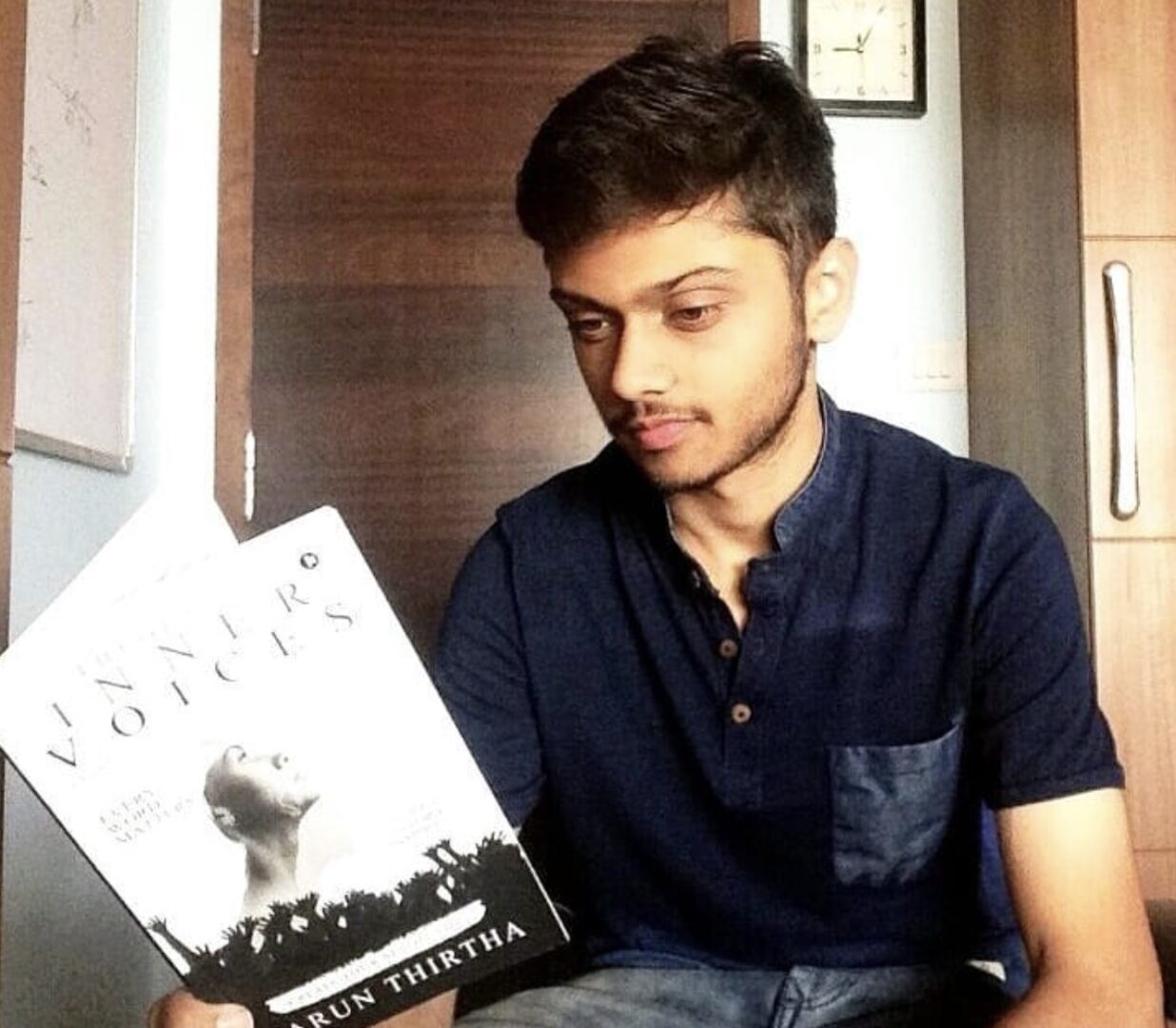
I’ve learned that confidence doesn’t come from one big moment. It starts with doing one small thing really well, and then repeating it. For me, that began with writing. I started with simple one-page reflections about my travels or experiences. Those eventually grew into short stories, which became magazine features, and eventually a national best-selling book when I was 17.
That same pattern played out in my career too. Instead of trying to master everything at once, I focused on doing a few things exceptionally well. Those small wins built momentum, and that momentum helped me rise from intern to director at global companies before turning 30. Confidence, at its core, is like building a foundation for a skyscraper – you lay one brick at a time, and over years, it becomes something strong and steady.
Of course, confidence fluctuates. When I’ve had moments where I felt it dip, I’ve gone back to the basics: waking up on time, making my bed, staying consistent with workouts. They may sound simple, silly or even stupid, but these small habits quietly teach your mind that you can follow through. And when your brain gets used to achieving small goals, it naturally becomes more comfortable reaching for bigger ones. It’s very much in the spirit of Atomic Habits (the book), which has definitely influenced me.
Self-esteem, for me, comes from setting my own expectations instead of absorbing everyone else’s. It’s easy to fall into the trap of comparing timelines, when you should earn $X / buy a house/get married/hit a title/check some box by a certain age. But the more I learned to cut out that noise and focus on what genuinely motivates me, what energizes me, and what I value, the more grounded I felt.
So for me, confidence and self-esteem go hand in hand: build small wins until they compound, create your own blueprint for life, and stay committed to the standards you set for yourself. When those two things work together, they create a strong sense of who you are and what you can achieve.
Appreciate the insights and wisdom. Before we dig deeper and ask you about the skills that matter and more, maybe you can tell our readers about yourself?
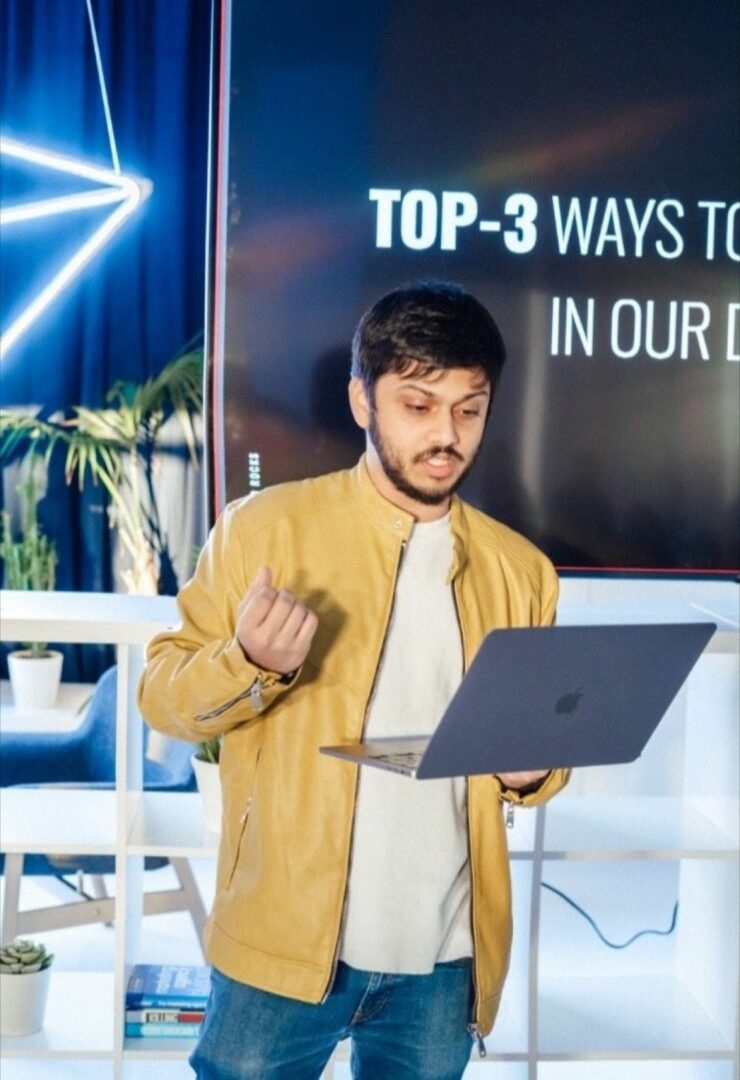
I’m currently a Director of AI Marketing, Transformation, and Innovation, and my work sits at the intersection of business and technology. At its core, my job is to help large companies rethink how they approach marketing, sales, e-commerce, and even supply chain by using AI-driven products and solutions. The end goal is always the same: make the business more efficient, improve ROI, and strengthen the connection between brands and the people they serve.
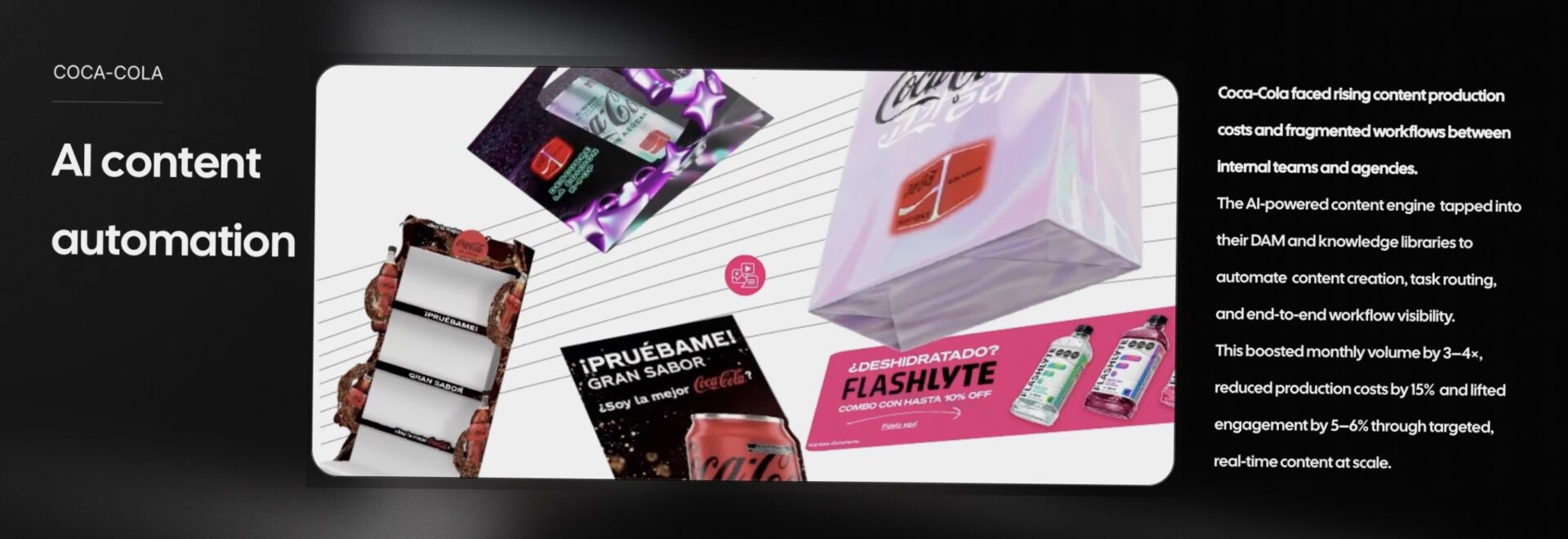
Over the years, I’ve had the chance to partner with companies like Coca-Cola, McDonald’s, Nestlé, Walmart, Reckitt, Nike, and others. My role often involves working with a wide range of stakeholders – marketing leaders, e-commerce teams, sales organizations, engineers, data scientists, and product managers – to build automation, generative AI, and digital transformation solutions across both global and regional markets.
What I really enjoy is the process of deeply understanding what a business is trying to achieve. Sometimes that means helping McDonald’s better engage and convert younger audiences. Sometimes it means supporting Walmart in reducing in-store stockouts, or helping Coca-Cola optimize their media spend and cut down on waste. Each challenge starts as a high-level business goal, and my job is to translate that into very specific, actionable AI or technology solutions. It’s a mix of strategic thinking and very hands-on problem-solving, improving the business one brick at a time while keeping an eye on long-term transformation.
One of the most exciting parts of this work is how quickly everything is evolving. AI, automation, digital experiences: these worlds shift every few months (actually weeks!), and being at a stage in my career where I can experiment, build, and take real accountability at scale is incredibly energizing. Every project requires choosing when to be bold and push boundaries, and when to be precise and measured. That balance keeps me constantly learning.
I also wear a lot of different hats, which I love. Some days I’m a product strategist, other days I’m thinking like an engineer, and sometimes I’m working closely with creative teams. The conversations I have with a head of art direction are completely different from the conversations I have with a data scientist or a technical architect, and switching between those worlds makes the work dynamic and fun. It pushes me to expand my thinking and communicate in a way that brings all these perspectives together.
I’ve been fortunate to work with teams that have gone on to win global and regional awards for the solutions we’ve built, and I share more of that work on my portfolio. Looking ahead, I’m continuing to focus on building products and AI solutions that help companies think differently, move faster, and create more meaningful impact. This space is moving at lightning speed, and being part of that evolution is something I feel genuinely grateful for every day.
If you had to pick three qualities that are most important to develop, which three would you say matter most?
One lesson that’s really shaped my career, and something I always share with people starting out is this: you can’t be a jack-of-all-trades and master of none, but you also can’t be a master of everything. The sweet spot is to become truly exceptional at one or two things early in your journey. Those become your foundation, the skills that make you indispensable. Once you have that anchor, you can build everything else around it.
A lot of people rush to become generalists from day one. They try to know a little bit about everything, but without deep understanding in anything. On the flip side, some people go so deep into a niche that they lose perspective on how the rest of the ecosystem works. I’ve learned that the best path is to master something specific first, and then gradually expand outward.
Start with depth, then build breadth around it.
That’s exactly how I approached my own career. In the beginning, I decided that customer insights and empathy would be my core strengths. I wanted to truly understand what data means, how consumers behave, how journeys are shaped, and how insights translate into business decisions. Once I built that expertise, I layered other skills on top of it – paid media, CRMs, automation, data integration, LLM training and inference, solution architecture, cloud tools, SEO, product management, and more. But everything I learned connected back to that central foundation, which made my growth feel cohesive rather than scattered.
If I were to simplify the advice into a few points:
1. Learn by doing.
There has never been a better time to practice. Today you can prototype, experiment, and build quickly and cheaply. Real confidence, and real expertise, comes from hands-on work, not theory.
2. Learn and then teach.
One of the best ways to know if you truly understand something is to teach it to someone else. Whether it’s a friend or a colleague, explaining a concept forces clarity and sharpens your own thinking. It also makes you a better communicator, which is invaluable in any field.
3. Stay cross-functional.
Even if you’re a phenomenal 3D artist, knowing how your work ties to business outcomes makes you far more effective. Or if you’re in a business role, understanding what actually goes on behind the scenes technically makes you a better partner. Curiosity across functions isn’t optional anymore – it’s the baseline for thriving in today’s world.
Ultimately, build deep expertise, surround it with complementary skills, stay curious, and keep practicing. That combination creates a career story that’s both powerful and uniquely yours.
Before we go, any advice you can share with people who are feeling overwhelmed?
I’m glad you asked this question because I think it’s something almost everyone struggles with today. Whether you’re looking for your first job, trying to land a promotion, preparing to move countries, or navigating major life decisions, the feeling of being overwhelmed is extremely common, especially in your 20s and 30s.
There’s no single formula for managing overwhelm, but one approach that has always helped me is breaking big, complex situations into small, manageable steps. When we’re stressed, we tend to think time is slipping away faster than it actually is. Everything starts to feel urgent, and that creates a kind of mental claustrophobia. But in reality, we usually have more time and more control than we think.
So whenever I feel overwhelmed, I take a step back and break the situation into micro milestones. Overwhelm often comes from trying to jump from point A to point C without knowing how to get there. It’s like shooting in the dark – you feel lost, and that creates anxiety. But when you break the journey into small, structured steps, everything becomes more achievable.
For example, if you’re a college graduate searching for your first job, the whole process can feel intimidating. But what if you divide your efforts? Spend the first part of your time understanding which industries and roles excite you. Use the next portion to network with people in those spaces. Then dedicate time to refining your CV and portfolio. After that, allocate time toward targeting a mix of dream, reach, and safe opportunities.
Suddenly the chaos starts to look like a plan – that’s when you know the ball is in your court!
I’ve learned that structured thinking, finding order inside the madness, is one of the most effective ways to reduce overwhelm. Sequence your path from A to Z. Focus on one step at a time. And these small wins add up faster than you realize.
Another thing that helps is not trying to handle everything alone. When you’re overwhelmed, don’t hesitate to confide in someone you trust. Tell them what you’re working toward and ask them to check in on you once in a while. That sense of shared accountability can lighten the psychological load in a big way. Even though the responsibility is still yours, the burden feels shared, and that makes a huge difference.
In the end, managing overwhelm isn’t about having all the answers. It’s about creating clarity, building structure, and taking small, steady steps until the big things feel possible again.
Contact Info:
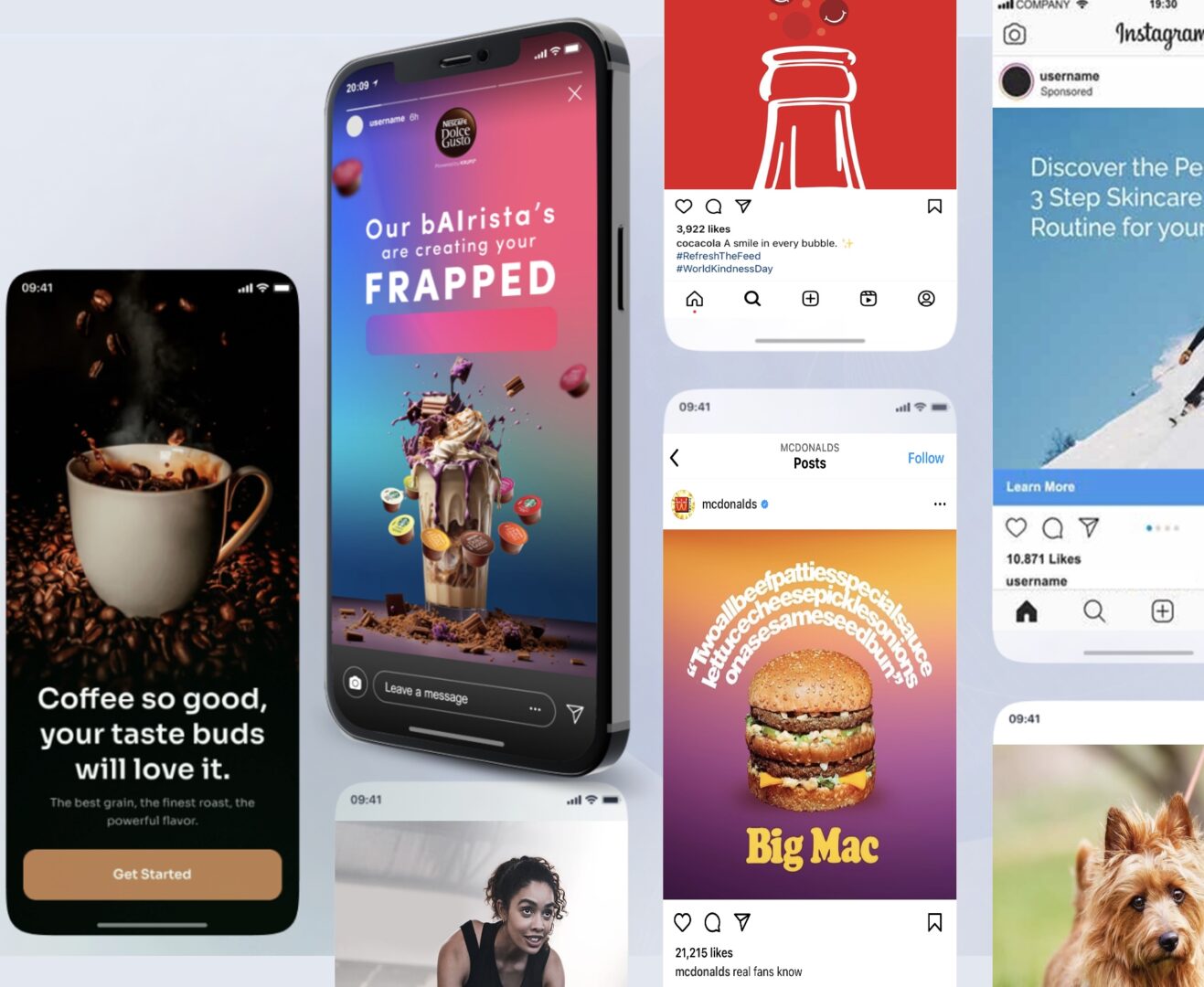



Image Credits
No image credits applicable
so if you or someone you know deserves recognition please let us know here.