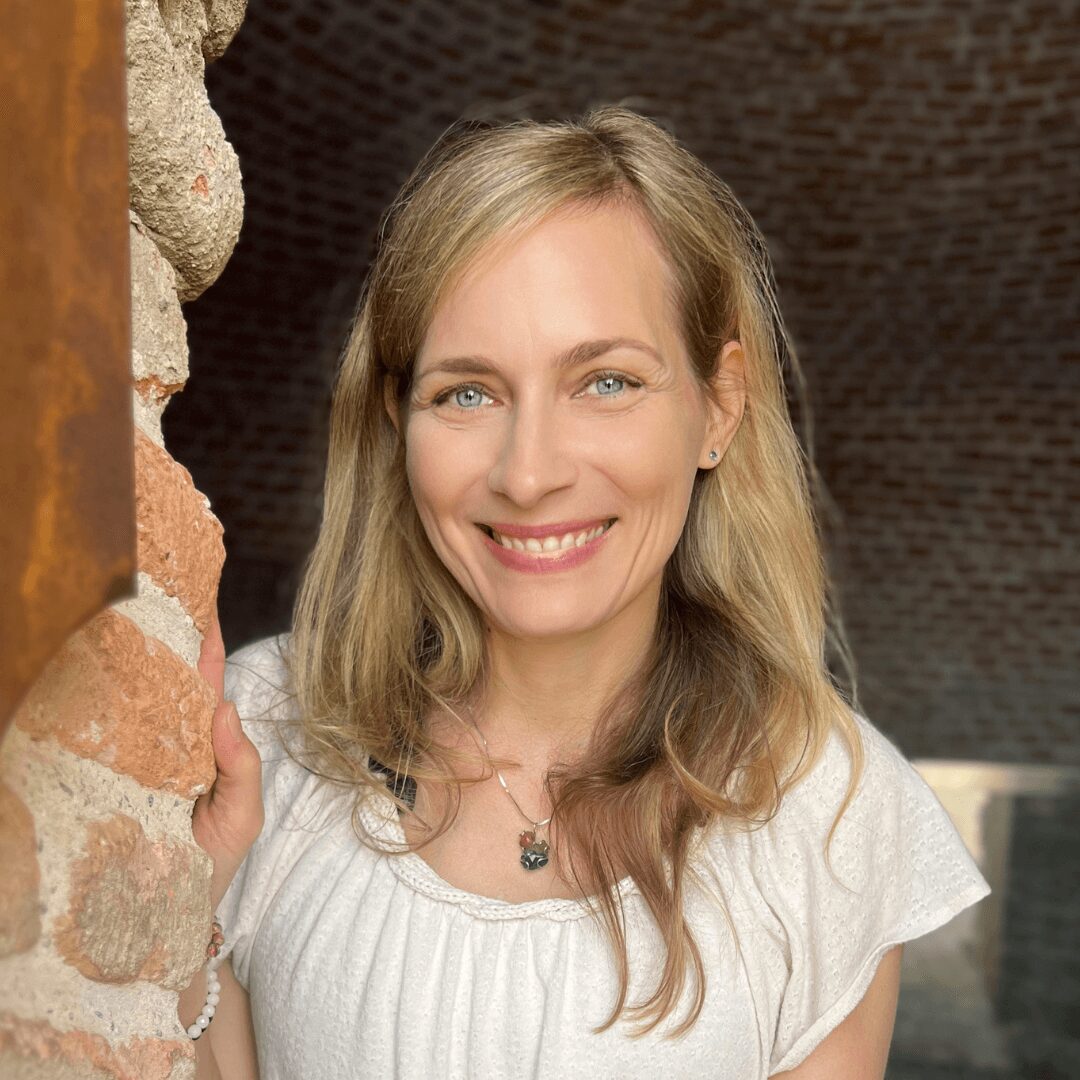
We caught up with the brilliant and insightful Veronika Monteith a few weeks ago and have shared our conversation below.
Veronika, so great to have you sharing your thoughts and wisdom with our readers and so let’s jump right into one of our favorite topics – empathy. We think a lack of empathy is at the heart of so many issues the world is struggling with and so our hope is to contribute to an environment that fosters the development of empathy. Along those lines, we’d love to hear your thoughts around where your empathy comes from?
When I look back, I think empathy has always been part of my personality – but life certainly deepened it.
I grew up with a father who was physically present but emotionally distant. As a child, you don’t have the language for it, but you instinctively sense when emotional connection is missing. That early experience made me more aware of how people feel, even when they’re quiet. I naturally tuned into small cues and shifts in energy because it was the only way to understand what was happening around me.
Later in life, a series of experiences developed that awareness even further.
At twenty-two, I moved from Slovakia to Oman straight after university. I had no experience living abroad, no familiarity with the culture and everything felt new and very different from what I knew. Most of the time I was fascinated by the culture and the way of life – but there were moments when I felt completely out of my depth. Adjusting to a place so far from home taught me to stay open, curious, flexible and willing to understand people whose lives were shaped by completely different backgrounds and realities.
Fourteen years later, we returned to Slovakia for our children’s schooling. My husband stayed in Oman to finish his contract, so I found myself navigating a new chapter mostly on my own. Parenting alone, especially through the early teenage years and the challenges brought by the global pandemic, stretched me in ways I didn’t expect. My two children have such different personalities and raising them taught me that understanding someone requires patience, paying attention and a willingness to really listen.
There were many moments during those years that felt almost impossible to manage. But every time I made it through something difficult, I dismissed it as “not a big deal”, assuming anyone would have handled it the same way. Only later did I recognise how much those experiences had shaped my resilience.
And it was that mix of resilience and emotional sensitivity that strengthened my empathy.
My healing and purpose journey added another layer to it. Understanding my own emotions, patterns and beliefs helped me understand others on a deeper level. You begin to realise that everyone carries their own history, fears, untold stories and reasons for behaving the way they do.
So yes – I think I naturally leaned toward empathy, but the combination of my childhood, big life transitions, motherhood, uncertainty and ongoing personal growth shaped it into something much stronger. It’s a big part of who I am today and a foundation of the work I do.
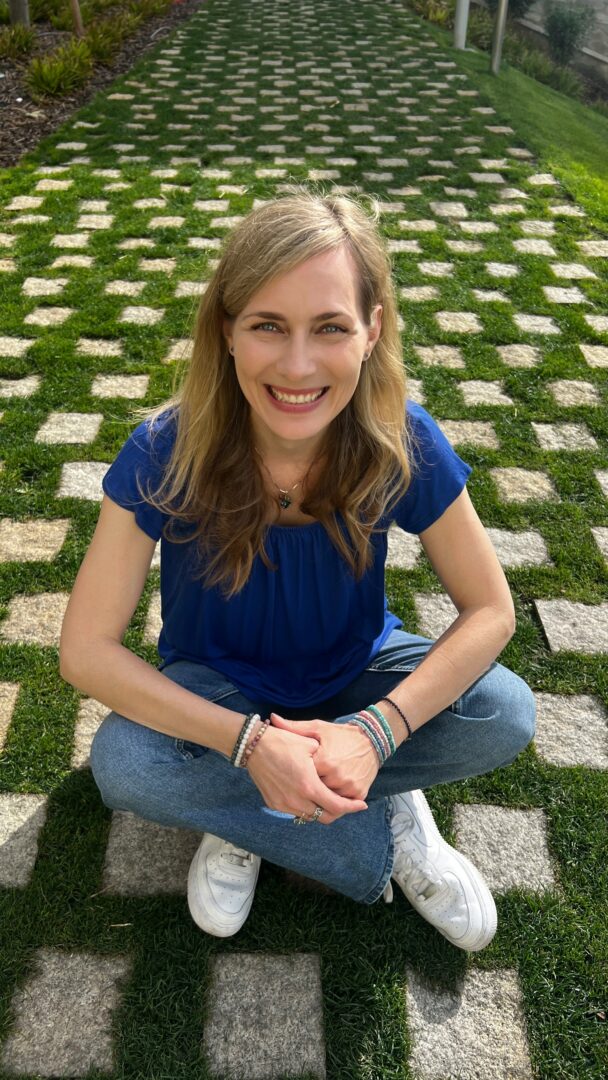
Appreciate the insights and wisdom. Before we dig deeper and ask you about the skills that matter and more, maybe you can tell our readers about yourself?
My personal journey naturally evolved into the work I do today. After years of navigating big life transitions, questioning myself and rebuilding my own sense of confidence and clarity, I became deeply inspired to support women who feel the same way – capable on the outside, yet overwhelmed on the inside.
Through Mindflow Coaching, I work with women who are tired of overthinking, constantly doubting themselves or feeling pressure to hold everything together. They’re smart, self-aware and used to achieving a lot – but internally, they’re stretched thin, unsure of their next steps or disconnected from their own needs. What excites me most is helping them shift from that quiet inner chaos into a steadier, more grounded way of being.
My approach blends practical, neuroscience-informed tools with a deep understanding of emotional patterns and personal identity. I’m not interested in surface-level motivation; I focus on helping women understand why they feel stuck and how to create change that lasts. What clients often tell me is that the biggest difference is how deeply heard and understood they feel – and how simple, clear and doable the process becomes once things finally make sense.
A core part of my work is The Triple A Shift™, a framework that helps women interrupt old patterns and make intentional choices. It begins with Awareness, the ability to recognise what you’re feeling and why you’re reacting the way you are. The next step is Acceptance, which is about releasing resistance and acknowledging what’s present rather than fighting it. And finally, there’s Action – taking small, intentional steps that support the future you want to create. When these three elements come together, women move out of autopilot and into a more conscious, confident way of living.
For those wanting deeper transformation, I offer a 12-week private coaching programme that focuses on rewiring the beliefs and patterns behind self-doubt, perfectionism, people-pleasing and overwhelm. Across three months, clients move from feeling uncertain and emotionally drained to making clearer decisions, setting healthier boundaries and trusting themselves again.
Alongside my coaching work, I’m expanding into workshops, an online course and new resources to make this support more accessible. One project I’m especially excited about is The Mindflow Transformation Journal – a six-week guided journey designed to help women slow down, reflect and reconnect with their inner confidence. It combines gentle prompts with neuroscience-inspired insights, encouraging meaningful shifts into a calmer, more grounded way of moving through daily life.
Ultimately, everything I create – whether it’s coaching, a journal or future courses – comes back to one intention: helping women feel more confident in who they are and more capable of navigating their lives with clarity, ease and self-trust.
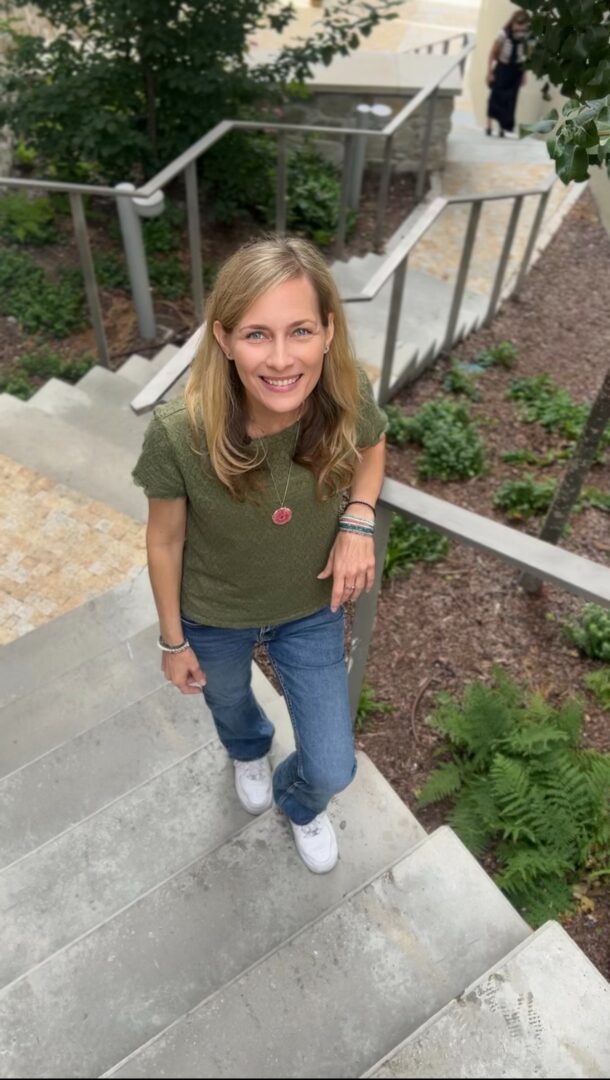
Looking back, what do you think were the three qualities, skills, or areas of knowledge that were most impactful in your journey? What advice do you have for folks who are early in their journey in terms of how they can best develop or improve on these?
When I reflect on the qualities that have shaped my personal and professional growth, three stand out: self-awareness, emotional resilience and self-trust. They weren’t skills I mastered quickly – they developed over time, through experiences that pushed me to look inward and understand myself more honestly.
Self-awareness was the first turning point. For years, I operated on autopilot, reacting to situations without fully understanding the beliefs or emotions driving me. Developing self-awareness meant slowing down enough to notice my patterns – why certain things triggered me, what I was afraid of and where my expectations came from. It wasn’t always comfortable, but it changed everything.
My advice for anyone beginning this journey is to start small: reflect at the end of the day, notice your tone of self-talk or pay attention to the moments you feel tension in your body. Awareness grows through curiosity, not pressure.
Emotional resilience was the second. Life will always bring uncertainty but learning to stay steady while navigating it is what builds real strength. For me, resilience wasn’t about pushing through or appearing tough – it was about learning to feel things without being overwhelmed by them. It meant creating pauses instead of rushing, asking myself what I needed and allowing emotions to move through rather than accumulate.
To those working on this skill, my advice is to anchor yourself in simple practices you can return to: breathing, stepping away from a situation briefly or naming what you’re feeling. Resilience grows in moments, not leaps.
And then there is self-trust, which has been the most transformative of all. For a long time, I looked outside myself for reassurance – doubting decisions, questioning my instincts and assuming others knew better. Rebuilding self-trust was about learning to value my own voice again, even in uncertainty. It meant taking small risks, choosing what felt right rather than what felt expected and recognising that confidence often appears after the decision, not before it.
If you struggle with self-doubt, begin with small commitments to yourself – and keep them. Each follow-through is a quiet reminder that you can rely on yourself.
These three qualities continue to shape how I live and work. They’re not traits you “achieve” once; they’re skills you grow through everyday choices, moments of honesty and a willingness to understand yourself more deeply.
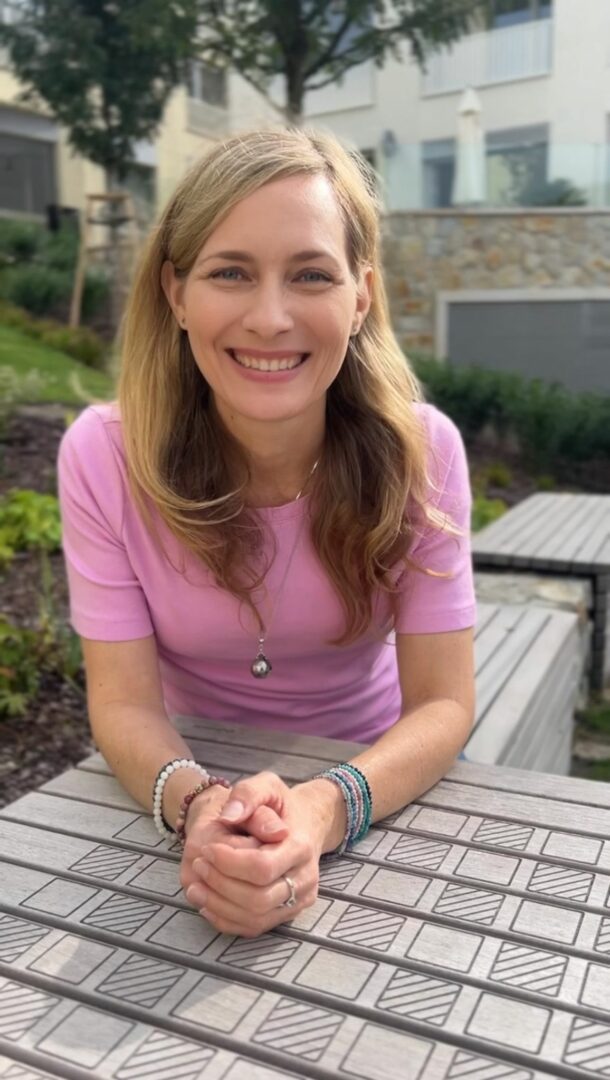
Any advice for folks feeling overwhelmed?
Overwhelm used to be something I pushed through without thinking. I would keep going, take on more and convince myself it was “fine.” But over time I realised that overwhelm isn’t a sign of weakness – it’s a signal. It’s your mind and body asking for a pause before everything becomes too much.
These days, the first thing I do when I feel overwhelmed is simply acknowledge it. Instead of trying to outrun the feeling, I name it: “This is a lot right now.” That small moment of honesty immediately makes everything feel a little lighter.
From there, I try to create a bit of space. Sometimes that means stepping away from what I’m doing for a few minutes, taking a short walk or just breathing more intentionally. Other times, it’s asking myself a simple question: “What do I need most in this moment?” The answer is rarely dramatic – usually clarity, rest or a moment to reset.
One thing that has helped me immensely is breaking things down. Overwhelm often comes from trying to solve everything at once. When I separate what truly needs my attention from what can wait, things feel more manageable. It’s incredible how much calmer you become when you stop treating every task like an emergency.
My advice to anyone experiencing overwhelm is this: don’t rush to fix it. Slow down enough to understand it. Notice what your mind is telling you, what your body is feeling and what expectation you may be holding yourself to. Then choose one small, realistic step that brings a sense of relief rather than pressure.
Overwhelm doesn’t disappear by pushing harder. It eases when you listen to yourself, even briefly, and give yourself permission to respond with clarity instead of urgency.
Contact Info:
- Website: https://www.mindflowcoaching.co
- Instagram: https://www.instagram.com/mindflowcoaching.co/
- Facebook: https://www.facebook.com/mindflowcoaching/
- Linkedin: https://www.linkedin.com/in/veronikamonteith
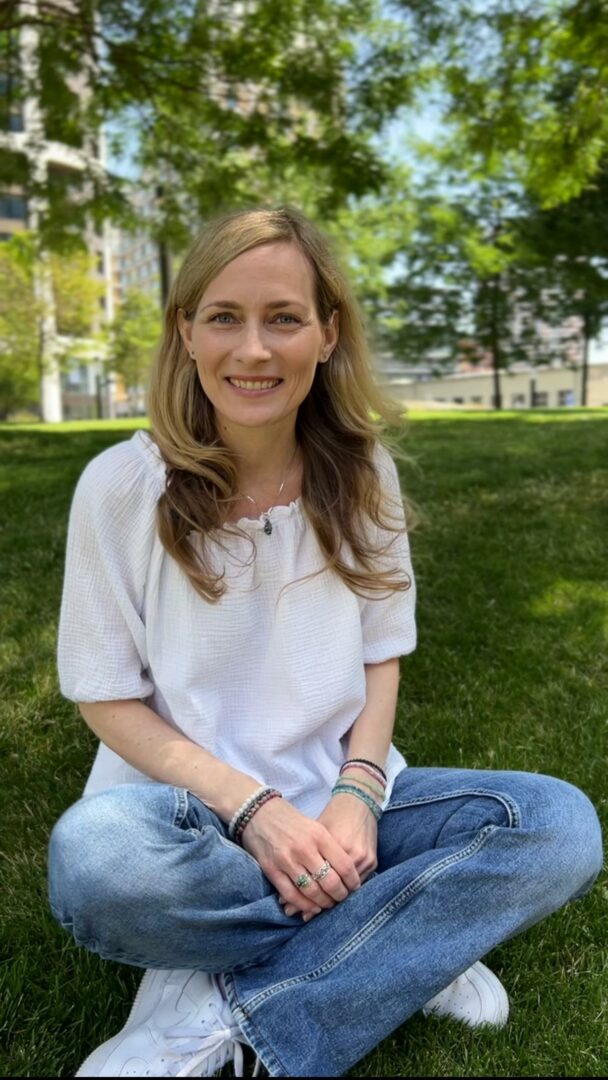
Image Credits
Inez Buci
so if you or someone you know deserves recognition please let us know here.