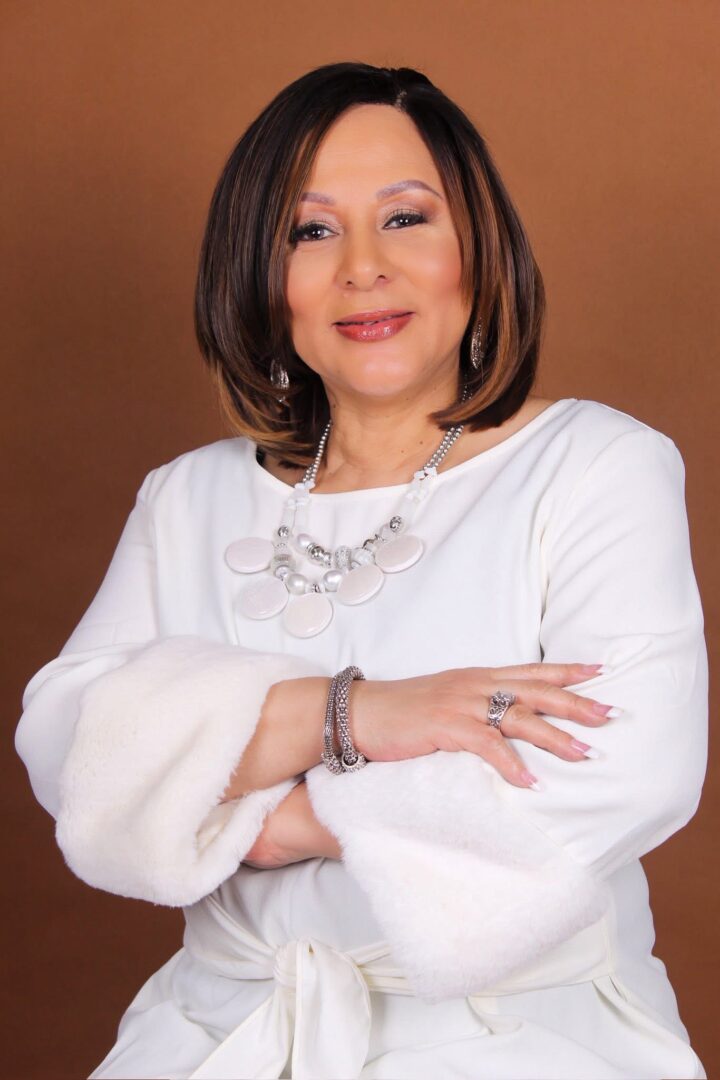
We’re excited to introduce you to the always interesting and insightful VICKI HARRIS. We hope you’ll enjoy our conversation with VICKI below.
VICKI, so good to have you with us today. We’ve got so much planned, so let’s jump right into it. We live in such a diverse world, and in many ways the world is getting better and more understanding but it’s far from perfect. There are so many times where folks find themselves in rooms or situations where they are the only ones that look like them – that might mean being the only woman of color in the room or the only person who grew up in a certain environment etc. Can you talk to us about how you’ve managed to thrive even in situations where you were the only one in the room?
Throughout much of my executive leadership journey, I have often found myself as the only person of color in the room—and more specifically, the only African American woman at the table. In many of the organizations I’ve served, some with over 100 years of history, there had never been a female executive in leadership before me. So, stepping into those spaces wasn’t just a personal milestone—it was a moment of disruption, of shifting what leadership could look like.
I quickly realized that I wasn’t just carrying my title—I was carrying representation, perspective, and in many ways, responsibility. Walking into environments that were historically led by older Caucasian men required both courage and wisdom. I had to learn how to navigate unspoken cultural norms, build credibility in spaces where there was no precedent for someone who looked like me, and remain confident in my voice even when it was different from the majority.
But what I discovered is that my difference was not a disadvantage—it was a strength. I brought a unique lens to leadership—one rooted in empathy, resilience, faith, and people-centered strategy. I learned how to bridge gaps, build trust across differences, and lead with both excellence and authenticity.
There were moments that required perseverance—moments where I had to push past bias, challenge assumptions, and sometimes even overcome isolation. But I stayed grounded in purpose. I knew I wasn’t just there for myself—I was there to open doors, to expand what was possible, and to leave a pathway for others to follow.
Over time, I didn’t just learn how to navigate those environments—I helped transform them. I contributed to cultures becoming more inclusive, more aware, and more open to diverse leadership voices. And I believe that’s one of the greatest impacts we can have as leaders—not just succeeding within a system, but helping evolve it.
So yes, it was a huge step—but it was also a calling. And I’ve learned that when you are anchored in who you are and whose you are, you can walk into any room—no matter how unfamiliar—and lead with confidence, grace, and authority.
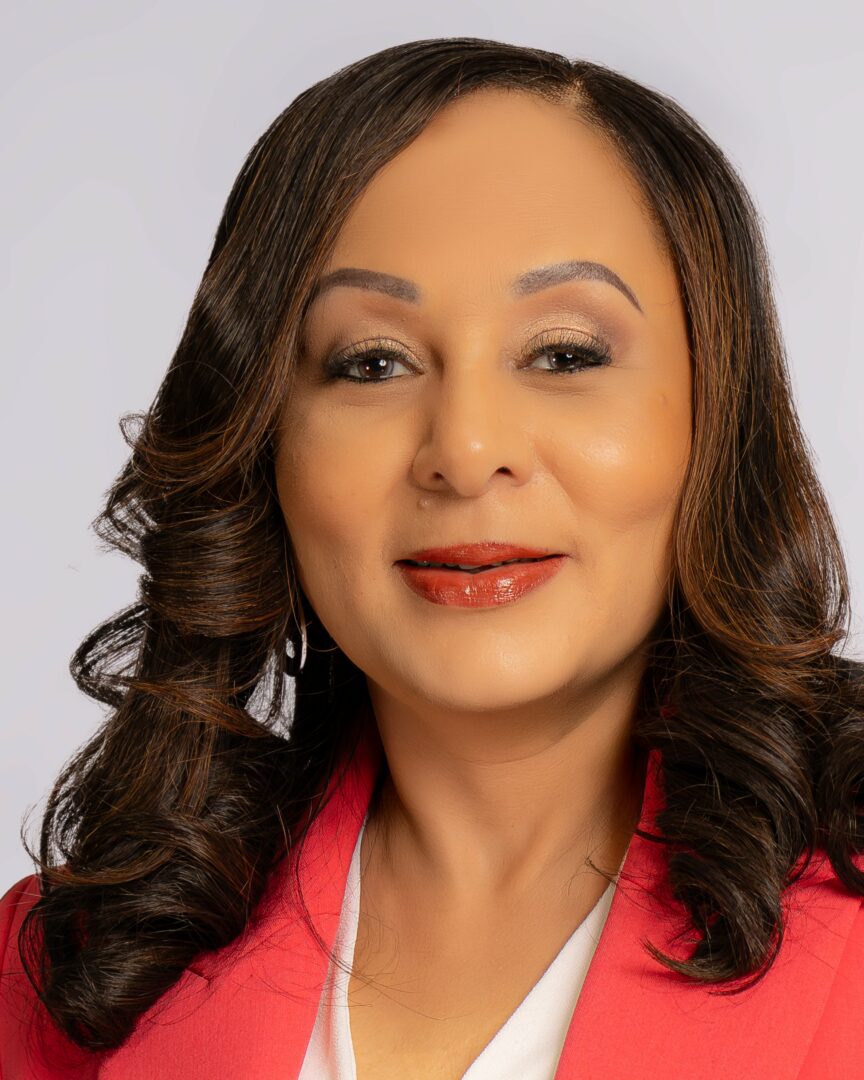
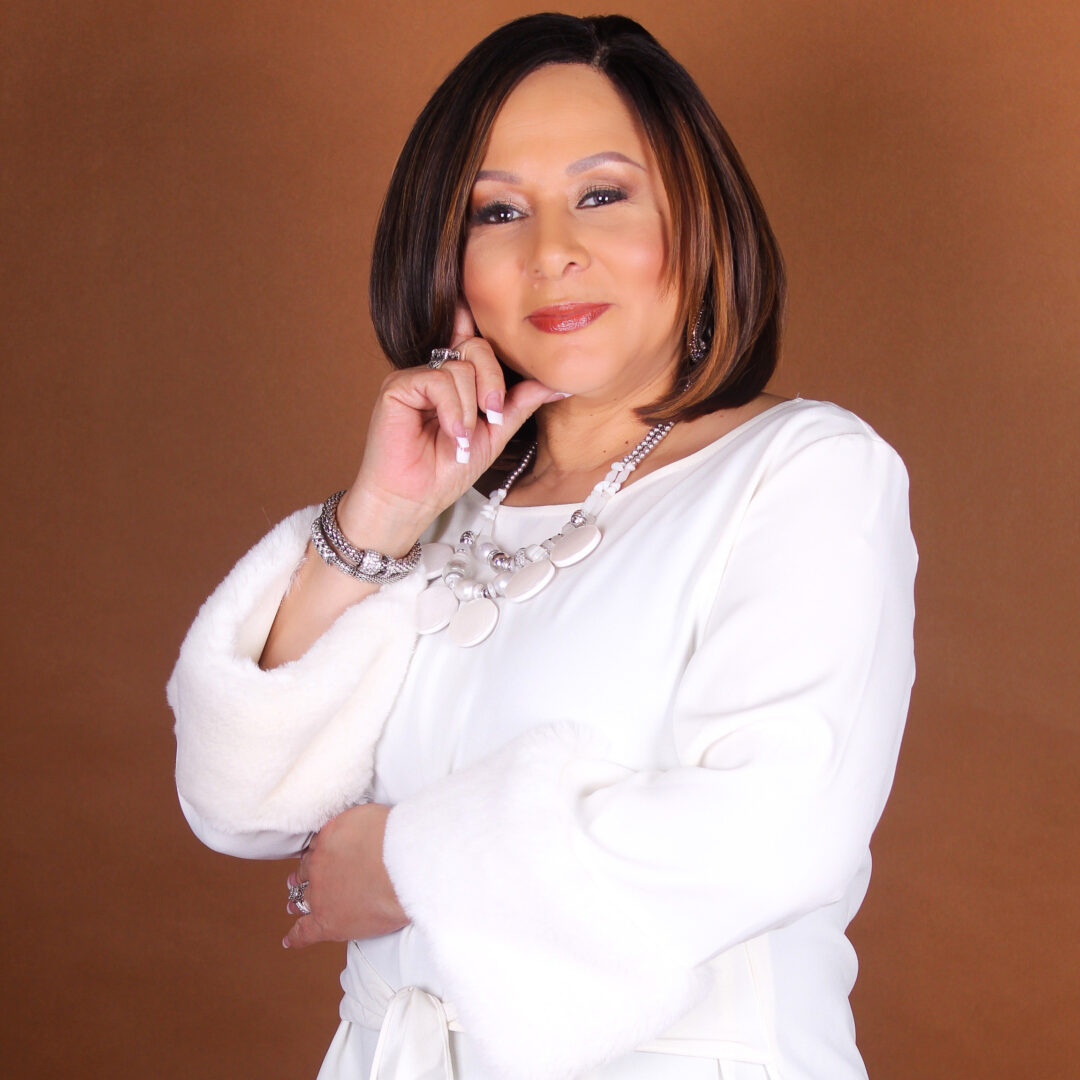
Thanks for sharing that. So, before we get any further into our conversation, can you tell our readers a bit about yourself and what you’re working on?
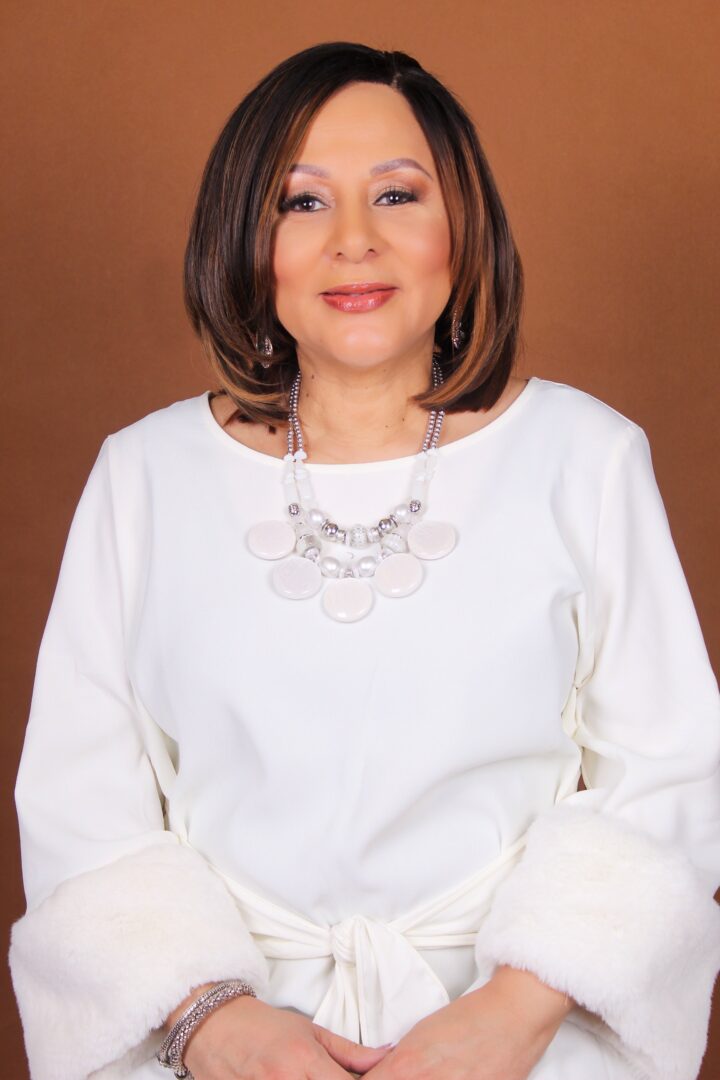
I am a global Chief Human Resources and People & Culture executive with over 35 years of leadership experience, and at the core of everything I do is a deep commitment to helping individuals discover and walk in their God-given purpose. Throughout my career, I’ve had the opportunity to travel internationally—training, coaching, and developing leaders across diverse cultures and industries. What excites me most is not just building organizations, but building people—equipping the next generation of leaders to lead with clarity, resilience, and integrity.
A significant part of my passion is centered on developing female leaders—especially those who may feel unseen, overlooked, or uncertain about their place at the table. My own journey has shaped that passion. I was raised by a strong Black single mother who instilled in me the values of discipline, character, faith, and perseverance. She taught me how to rise above adversity with both strength and grace—and those lessons have become foundational to how I lead, serve, and pour into others.
Today, I serve as the Senior Vice President of People & Culture at Mel Trotter Ministries, a nonprofit organization dedicated to helping individuals experiencing homelessness find stability, dignity, and a pathway to a better life. This work is incredibly meaningful to me because it allows me to align my professional expertise with my personal calling—transforming lives not just through systems and strategy, but through compassion and human connection.
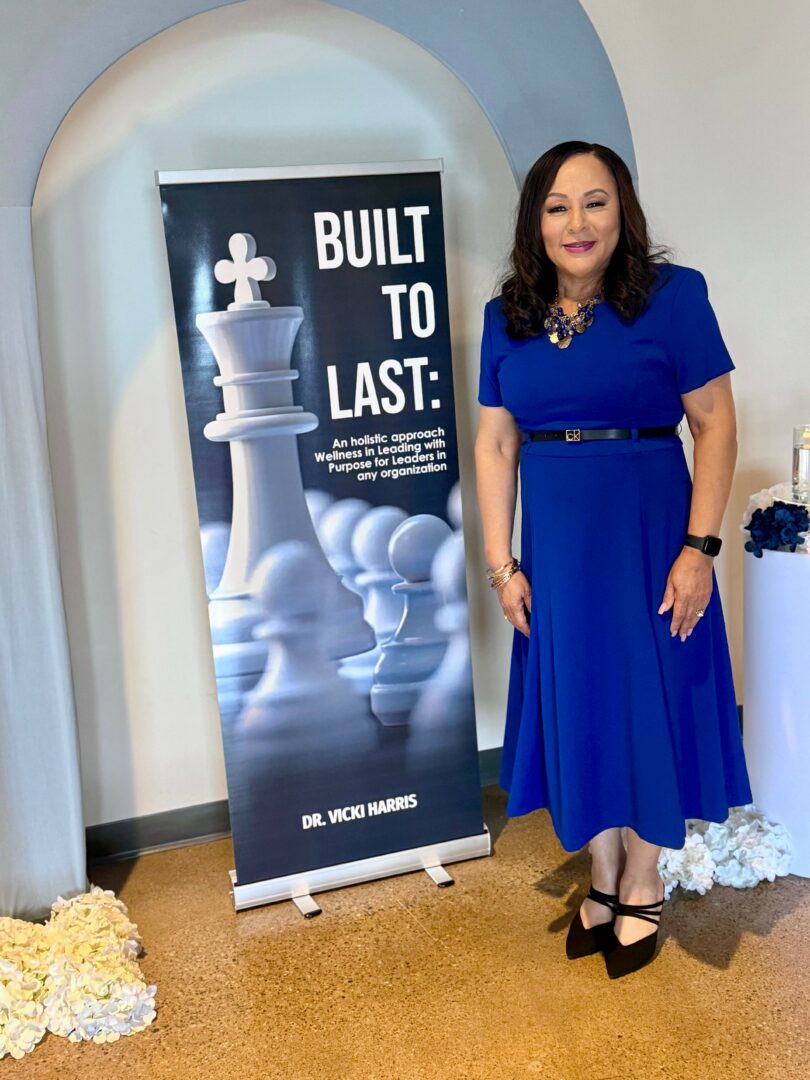
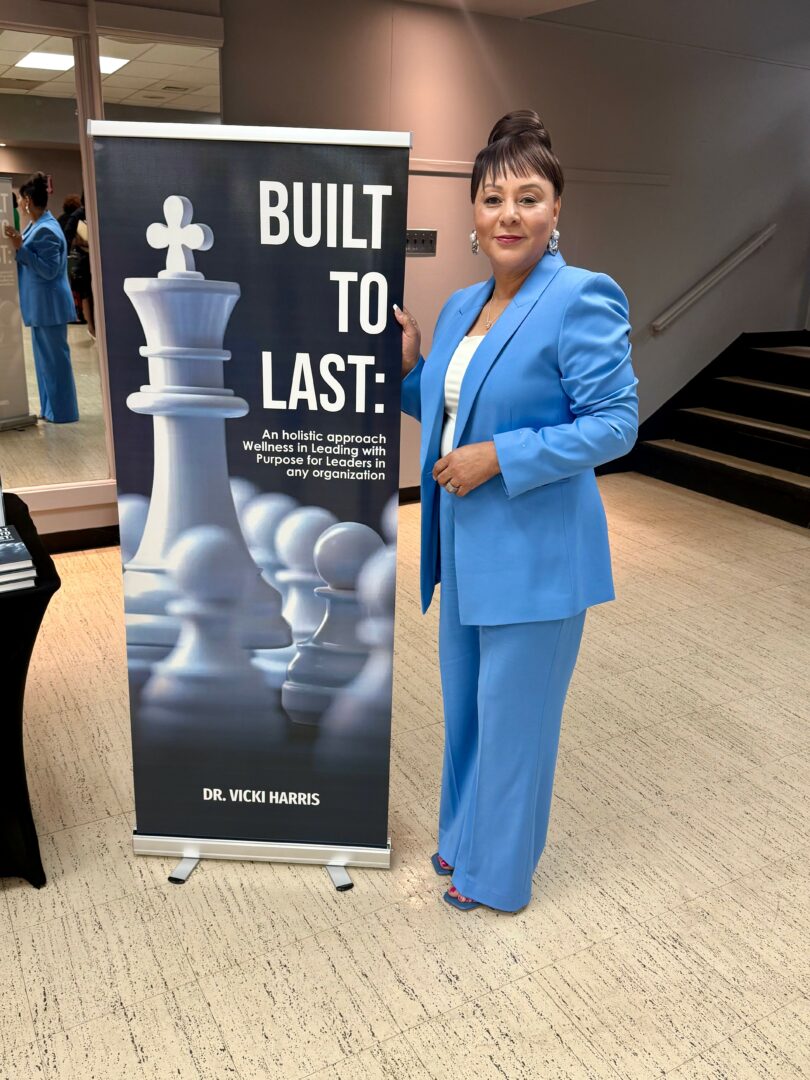
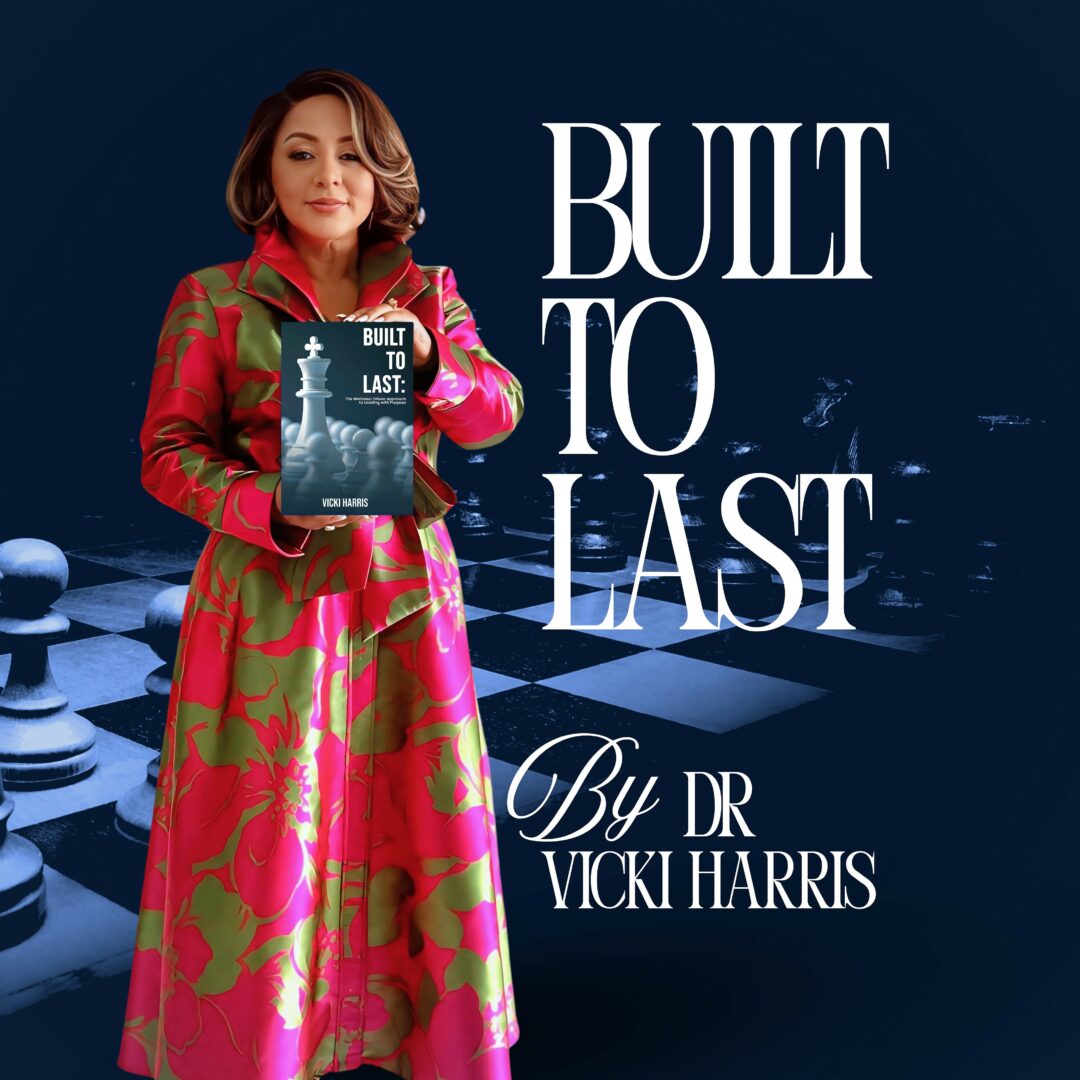
In addition to my executive role, I am also the author of Built to Last: A Wellness-Driven Approach to Leading with Purpose. This book is more than a leadership guide—it’s a movement that empowers leaders to prioritize their wellness—body, mind, and spirit—so they can lead sustainably and effectively. From that message, I’ve developed workshops, leadership seminars, and empowerment experiences designed specifically for executive women and purpose-driven leaders who are ready to grow, reset, and lead at their highest level.
What makes my work unique is the integration of faith, leadership, and wellness. I believe that true, lasting leadership is not just about performance—it’s about alignment. When leaders are strong in soul, steady in spirit, and grounded in purpose, they are truly built to last.
Currently, I continue to expand the Built to Last platform through leadership workshops, speaking engagements, and empowerment gatherings—including events for women leaders focused on resilience, identity, and purpose. I’m also actively creating spaces—both in-person and virtual—where leaders can be poured into, restored, and equipped for what’s next.
At the heart of my brand is a simple but powerful belief: You were built on purpose, for a purpose—and when you lead from that place, your impact becomes transformational.
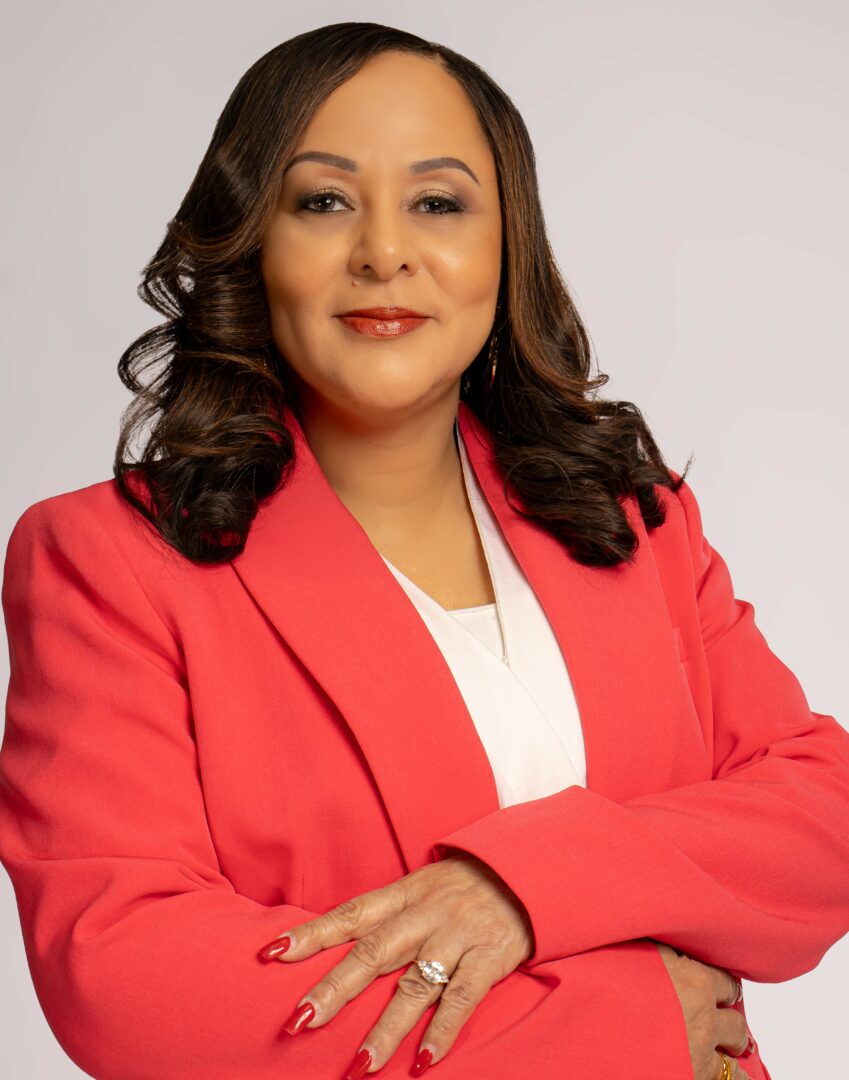
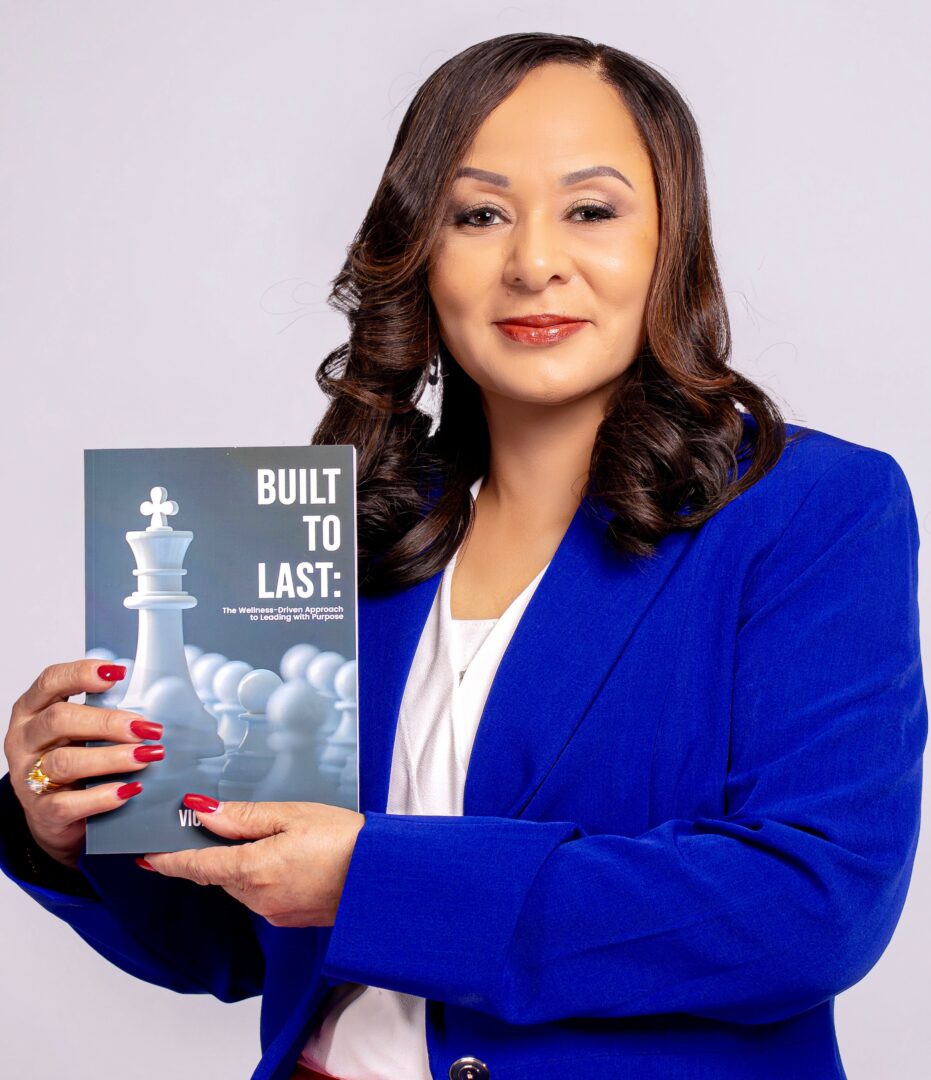
There is so much advice out there about all the different skills and qualities folks need to develop in order to succeed in today’s highly competitive environment and often it can feel overwhelming. So, if we had to break it down to just the three that matter most, which three skills or qualities would you focus on?
First, resilience.
Life didn’t come without challenges—I was raised by a strong Black single mother who instilled in me discipline, grit, and unwavering faith. That foundation taught me how to push through adversity with grace, not just strength. Resilience isn’t just about bouncing back—it’s about becoming stronger, wiser, and more anchored in purpose through every experience. In leadership, especially in the nonprofit and ministry space, resilience is what allows you to keep showing up when the work is hard but deeply meaningful.
Second, a commitment to continuous growth and learning.
Over the past 35+ years as a global HR leader, I’ve never stopped being a student. Whether it was formal education, global experiences, or learning directly from people, I’ve always believed that growth is intentional. Leadership requires both competence and curiosity. The world is constantly evolving, and if we’re going to lead effectively, we have to evolve too—professionally, personally, and spiritually.
Third, purpose-driven leadership grounded in faith and values.
Everything I do is anchored in purpose. My work—whether leading People & Culture, developing women leaders, or serving through ministry—is deeply rooted in my faith. I’ve learned that when your leadership is aligned with your values and calling, it becomes sustainable. It’s not just about success—it’s about impact. That’s really the heartbeat behind my book Built to Last—leading in a way that nurtures your body, soul, and spirit so you can endure and thrive over time.
For those early in their journey, my advice would be this:
Invest in your inner foundation before chasing external success. Who you are matters more than what you do. Build your character, your discipline, and your spiritual grounding.
Seek mentors and stay teachable. Don’t try to navigate everything alone. Learn from those who have gone before you, but also remain open to learning from every experience.
Be patient with the process. Growth takes time. There will be seasons of stretching, but those are the very seasons that prepare you for your next level.
Take care of your whole self. You can’t lead well if you’re depleted. Prioritize your wellness—mentally, physically, and spiritually. That’s what it truly means to be “Built to Last.”
At the end of the day, leadership is not a destination—it’s a journey of becoming. And if you stay rooted in purpose, committed to growth, and resilient through challenges, you will not only succeed—you will make a lasting impact.
Awesome, really appreciate you opening up with us today and before we close maybe you can share a book recommendation with us. Has there been a book that’s been impactful in your growth and development?
One book that has had a profound impact on my leadership journey is The 7 Habits of Highly Effective People by Stephen Covey. It’s truly a foundational leadership guide that shaped how I think about personal responsibility, growth, and leading with intention.
There are a few nuggets from the book that have stayed with me over the years:
First, “Be Proactive.”
This principle taught me that leadership starts with ownership. I don’t have to be defined by my circumstances—I can choose my response. That mindset has been critical throughout my journey, especially in seasons of challenge. It aligns deeply with my faith as well—understanding that I have both responsibility and authority in how I show up.
Second, “Begin with the End in Mind.”
This one really shaped how I lead strategically. Whether I’m developing leaders, building culture, or writing Built to Last, I’m always thinking about purpose and legacy. What impact do I want to leave? What does success truly look like beyond just results? That clarity helps guide every decision.
Third, “Put First Things First.”
This habit reinforced the importance of priorities and discipline. As leaders, we can get pulled in so many directions, but effectiveness comes from focusing on what truly matters. For me, that includes my faith, my wellness, my family, and the people I’m called to serve. If those aren’t in order, everything else eventually suffers.
And finally, “Seek First to Understand, Then to Be Understood.”
This transformed how I lead people. In HR and leadership, listening is everything. When people feel seen, heard, and valued, trust is built—and that’s where real transformation happens.
What I appreciate most about Covey’s work is that it’s not just about success—it’s about character. It’s about becoming the kind of leader who is grounded, intentional, and impactful.
If I were to offer one takeaway to others, it would be this:
Don’t just read leadership books—live them.
Apply the principles daily, reflect often, and allow them to shape not just your leadership, but who you are becoming.
Contact Info:
- Website: https://www.dvhinternational.com/?
- Instagram: @drvickiharris
- Facebook: facebook.com ay1hV6OlegS.ico
- Linkedin: https://www.linkedin.com/in/vicki-a-harris-mba-ms-gphr-global-training-development-coaching-consulting-1946154/
so if you or someone you know deserves recognition please let us know here.