We recently connected with Victor Selin and have shared our conversation below.
Victor, appreciate you making time for us and sharing your wisdom with the community. So many of us go through similar pain points throughout our journeys and so hearing about how others overcame obstacles can be helpful. One of those struggles is keeping creativity alive despite all the stresses, challenges and problems we might be dealing with. How do you keep your creativity alive?
How I keep my creativity alive? I follow 3C: Constraint, Curiosity, Community
Constraint: I move one step at a time toward a larger goal. If I want to scale up, I first secure a substrate in the big size. Then I test adhesives, drying windows, and burnish on small swatches before I commit. Many “brilliant” ideas vanish the moment they touch a surface, so I keep stakes low and learning fast. I plan most tests in my head during the morning drive to work. I run the micro-tests every evening, change one variable, log the result, and stop. Small wins feed big leaps.
Curiosity: I study what artists are doing today and what great artists used to do. History teaches methods I can adapt with modern tools. I borrow principles from iconography, gilding, and calligraphy, then apply current adhesives, cutters, and planning software. Ancient logic plus present technique gives me almost endless options. When a spark arrives, I try a quick trial, keep what holds, and compost the rest for later.
Community: Creativity grows in conversation. I visit openings and studio events, and I ask friends, collectors, and visitors what resonates. My loved one gives clear, honest feedback that often becomes the line I needed. Close friends nudge direction and bring fresh energy. Their questions refine the next experiment.
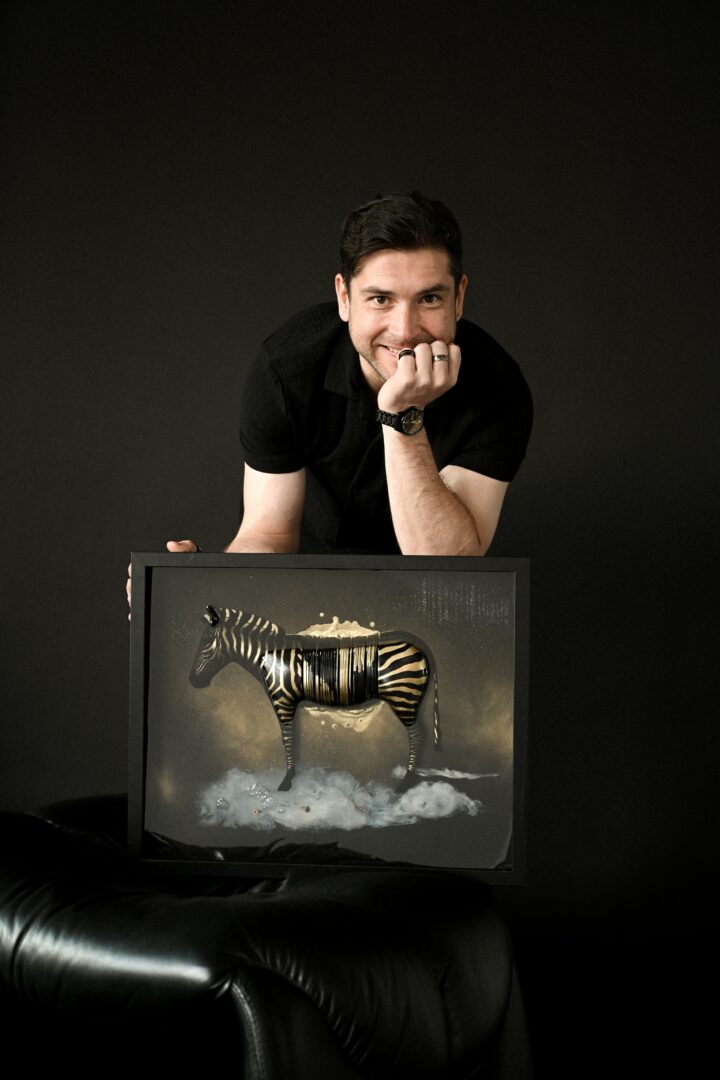
Let’s take a small detour – maybe you can share a bit about yourself before we dive back into some of the other questions we had for you?
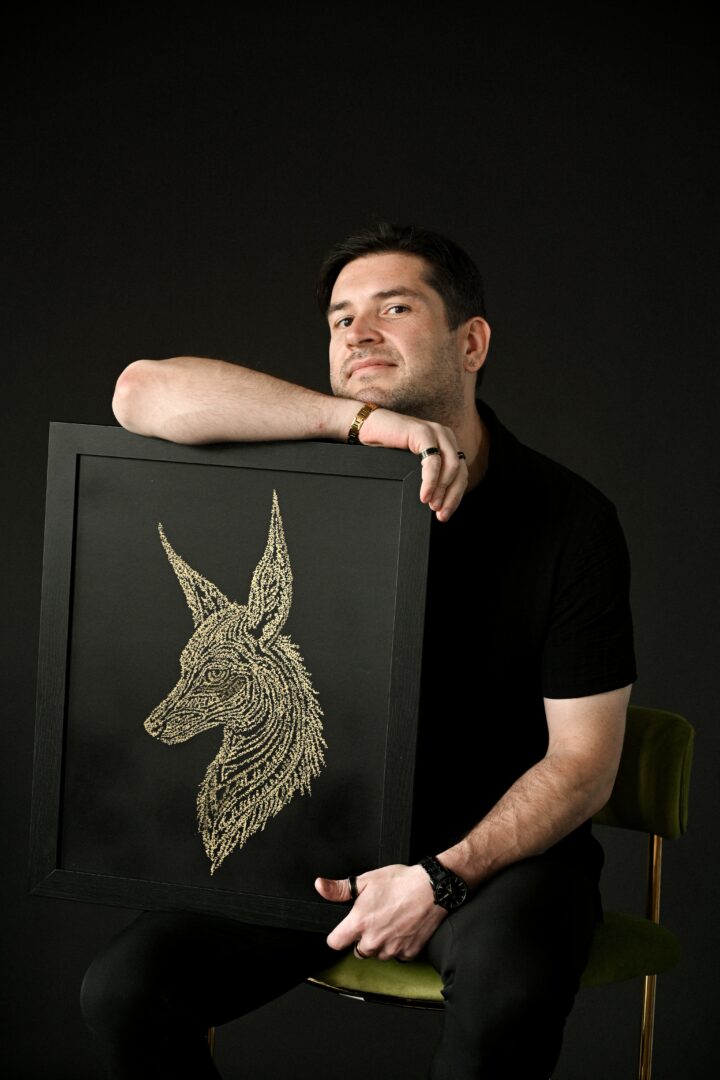
I make gold calligraphy on black, a personal script that feels ancient and modern at once. The pieces are built for light. From across the room you see a clean silhouette. One step closer you catch the cadence of strokes. Up close you find tiny marks and shifts from mirror to satin that change as you move.
What feels most special is the experience. I design for real rooms and real lives, not just a photograph. People tell me the work calms a space and then surprises it. It reads like a language you almost remember.
Professionally I focus on three paths so anyone who resonates can participate:
Originals: one-of-one works with strict surfaces and meticulous finishes.
Limited Editions: small runs that keep quality high and let more people live with the art.
Commissions: site-specific pieces sized and tuned for a particular room, with framing and installation guidance.
What is new now?
Studio T8 open days: Every 2nd and 4th Saturday at Art Hub ATX in Austin. I host easy conversations with artists, curators, and collectors, show brand-new work, and share in-process tests. Some pieces are seen only once because they sell the same day.
Small 8×10 and 11×17 edition drop: Archival paper, protective packaging, and a signed certificate. Sized to gift easily or frame immediately.
Going large: New works at 32×40 and beyond. I am exploring how gold on black can light up larger rooms, offices, luxury homes, and open interiors. I am testing substrates available in big formats, refining adhesive and burnish plans, and studying how mirror versus satin reads across distance.
More gold, more ideas: Expect fresh scripts, new textures, and a few surprises. I like to keep viewers curious and delighted.
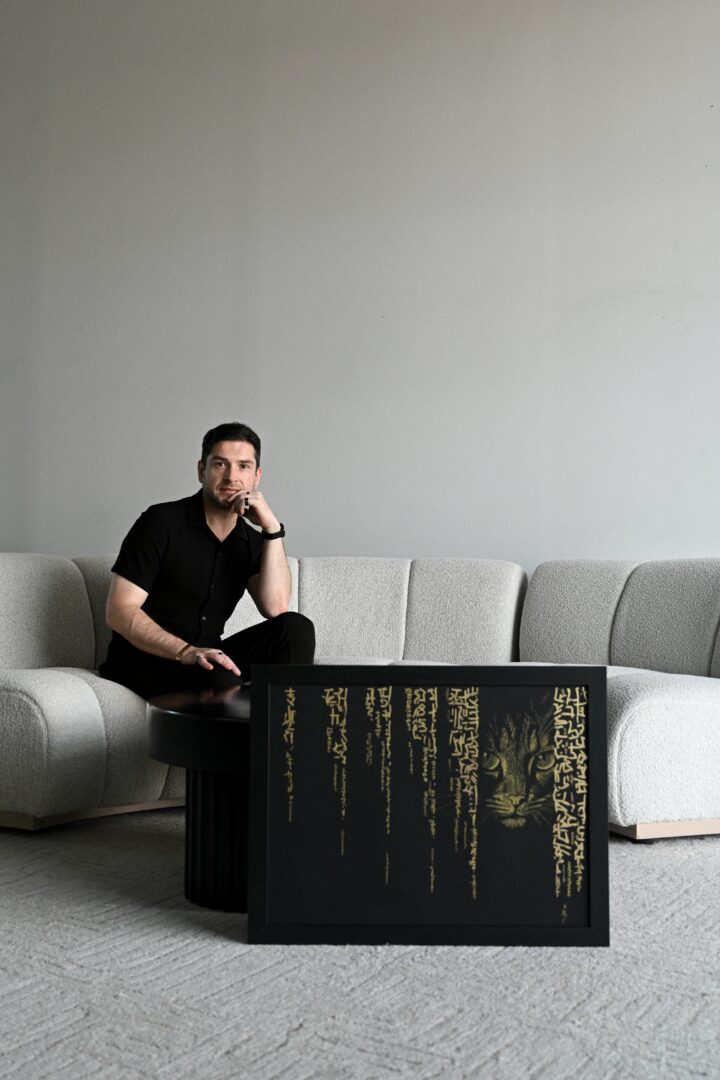
Looking back, what do you think were the three qualities, skills, or areas of knowledge that were most impactful in your journey? What advice do you have for folks who are early in their journey in terms of how they can best develop or improve on these?
Three qualities that shaped my journey, and how to build them
1) Lab discipline with materials and process
Gold and black are beautiful and strict. What helped most was treating the studio like a small lab. I plan tests in the morning on my commute, then run micro-tests every evening. One variable at a time, write the result, keep what holds, retire what fails. Over time, this becomes a reliable build recipe that collectors and curators can trust.
How to build it: keep a pocket notebook (yes, I write with gold ink on black!), name every test, change one thing only, photograph results under two lights, stop before overwork. Turn the keepers into a simple “standard sequence” you can repeat.
2) Identity through constraint and taste
A narrow language creates depth. My focus is gold calligraphy on black with a personal script. Limiting palette and form lets me refine surface, gloss, spacing, and how the piece reads from three distances: across the room, a few steps away, up close. The work stays recognizable, and craft gets better.
How to build it: write one sentence that defines your language, pick a palette you can live with, design for three viewing distances, keep a “compost wall” of failed swatches so taste improves without fear.
3) Relationship design, listening, and hospitality
Creativity grows in conversation. I ask people what actually resonates, then shape the offer accordingly. Originals stay rare, editions give access, commissions solve specific rooms. Open studio days, quick demos, and real questions turn visitors into collaborators. My loved one and close friends give daily, honest feedback that keeps the compass true.
How to build it: host a regular open hour, ask three questions, what did you notice first, where did your eye rest, how did the room feel, then adjust. Maintain a clear ladder of options, original, edition, commission, and make framing and delivery easy.
Advice for early-stage artists: Start small, test nightly, and write everything. Choose a tight identity for six months so your eye gets sharper. Keep people close, invite feedback, and let demand help write your next proposal. The mix of discipline, taste, and hospitality keeps the spark alive and the work moving forward.
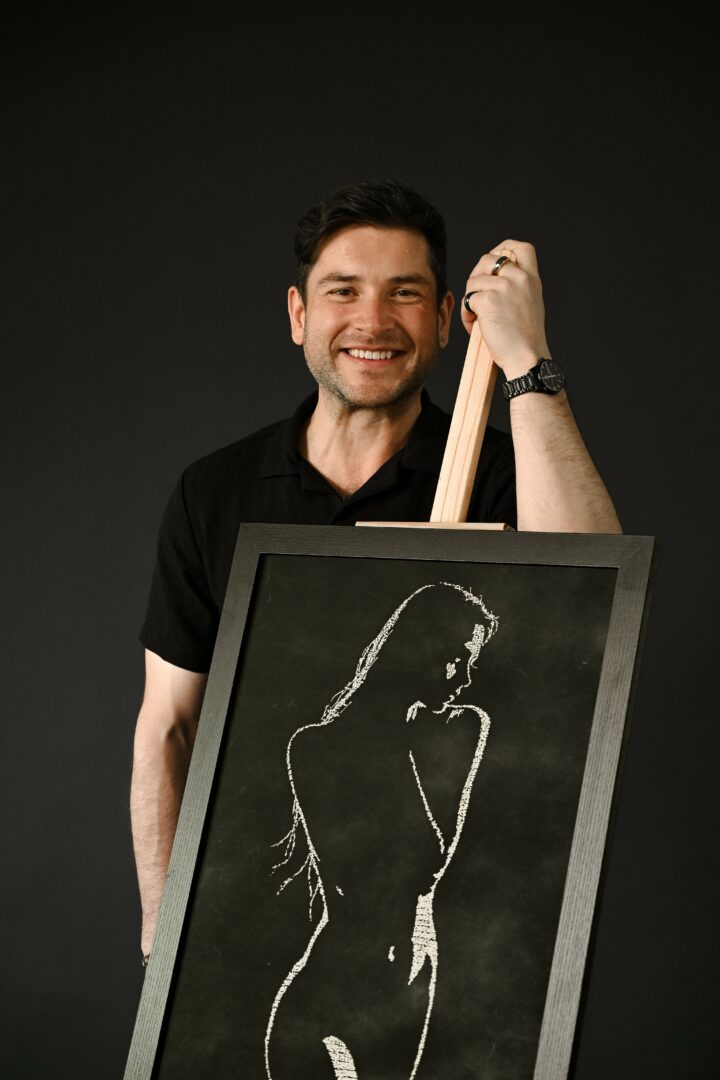
One of our goals is to help like-minded folks with similar goals connect and so before we go we want to ask if you are looking to partner or collab with others – and if so, what would make the ideal collaborator or partner?
Yes, I am looking to collaborate. I am building live sets that blend projection mapping and body paint so my gold script moves with light, venue design from intimate stages to murals and large interiors, and photographic or editorial stories that place the work in real rooms and on bodies. I also want Texas-first product runs that carry the script into everyday objects, for example a collaboration beer can for a local brewery, a small batch coffee bag, a chocolate sleeve, a candle label, and a limited nail capsule in real gold leaf with a local salon partner. I bring clean vector assets, prototypes, mapping tests, modular panels, and print specs. You bring crew, venue, brand guidelines, dielines, and timelines. I am Austin based and available for local projects and select travel. Studio T8 at Art Hub ATX is open on second and fourth Saturdays for quick previews. If this resonates, subscribe to my Instagram profile and message @noirgold.art, or send me an email at [email protected] or use the contact form on my website.
Contact Info:
- Website: https://noirgold.art
- Instagram: https://www.instagram.com/noirgold.art/
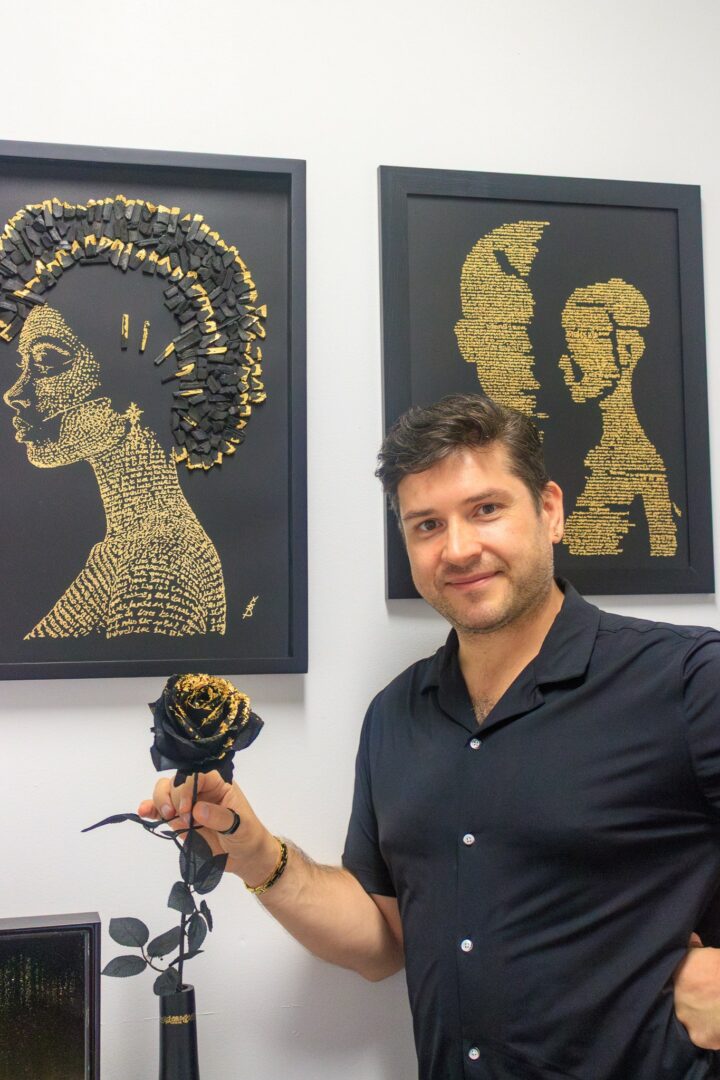
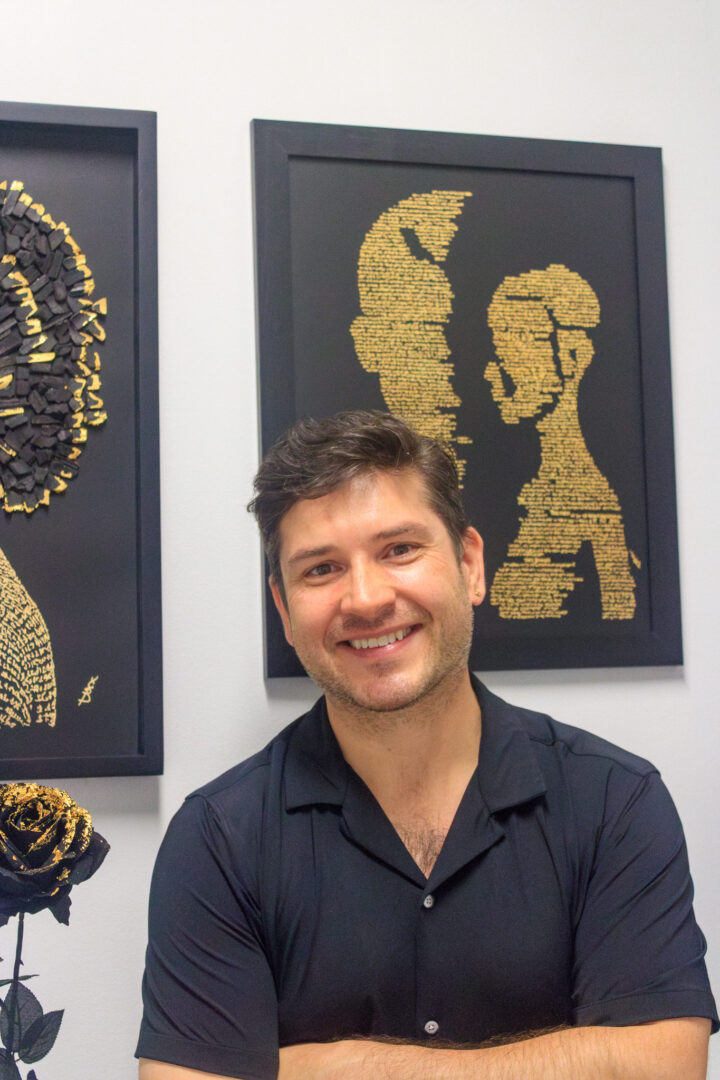
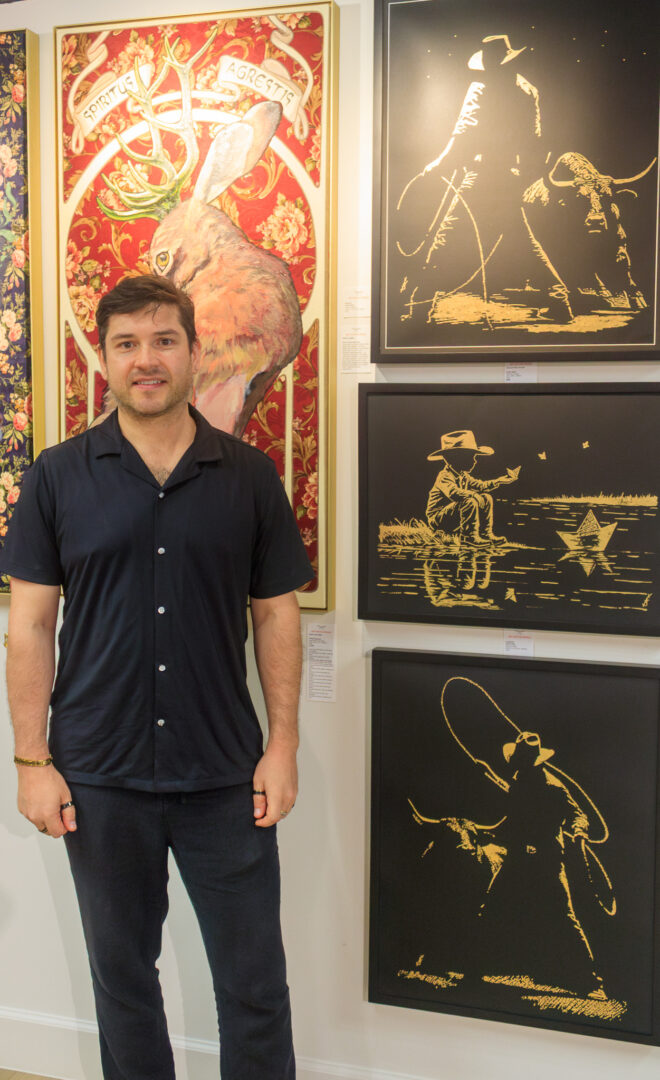
Image Credits
Anastasiya Ilinskaya
Olga Bulava
so if you or someone you know deserves recognition please let us know here.