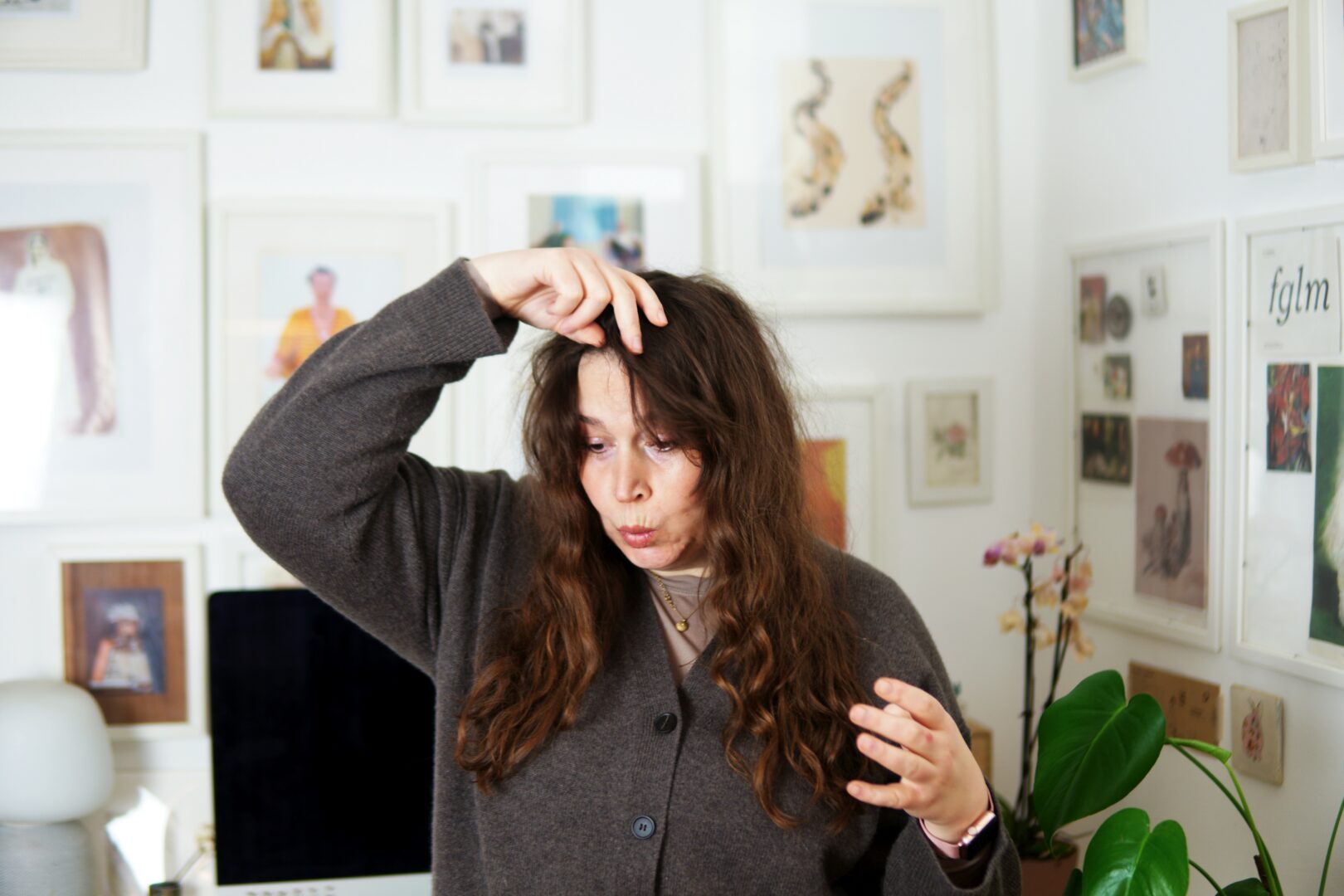
Alright – so today we’ve got the honor of introducing you to Victoria Cecé. We think you’ll enjoy our conversation, we’ve shared it below.
Hi Victoria, so great to have you on the platform. There’s so much we want to ask you, but let’s start with the topic of self-care. Do you do anything for self-care and if so, do you think it’s had a meaningful impact on your effectiveness?
As a first step, after years of not doing it, I’ve started to listen to myself. It sounds silly and a bit basic, but in reality, it has taken me a long journey to do it.
When you’ve always received affection and it has been reinforced for you to be nice and easy-going as a form of approval, you just become a people-pleaser and forget yourself along the way.
I cannot remember how I realised, but it was sudden: I had become this insecure person that didn’t really know what she wants except if there are others to content.
Of course, this was just part of a bigger problem, but for the sake of not losing the plot, let’s just focus on this. Because when I realised I was behaving this way, I started doing exactly the opposite.
I wanted with all my might not to be the agreeable and understanding person anymore just because, so I had a transition of being rude. It wasn’t exactly on purpose, and maybe I wasn’t really that rude, but it was a contrast to my usual nice. I was fighting something that was intrinsic to me, and having all my life being quite good at socialising, I suddenly became this weird person that couldn’t be nice but wasn’t really rude, didn’t really know her preferences truly, and then overthought every scenario and replayed every conversation.
This transitional period was longer than I would like to admit, but it was necessary: to figure out how to put myself first, to find the right tone of assertiveness without being defensive, because I was mad, mostly at me. And after seeing how even when I wasn’t agreeable, people didn’t reject me, was eye-opening. Therefore, I felt I could be more vulnerable as well. Because I was learning this new way of communicating, I’ve started to just become more open. No more social games, no more double-meaning sentences, just explaining exactly how I felt about something, and in general, people cared. I was astonished.
Of course, there were people along the way that didn’t care, but here it came another big revelation: I was pleasing people that I didn’t even like! Why? I don’t really know, but it took away a big weight when I gave myself permission to just leave these people behind.
But then it was time to tackle the big question: What did I really want? I wasn’t exactly lost in my life, but under the habit of giving away small little things, everything starts to escalate and you lose part of the person you were, so it was time to listen to myself again.
I was in a better place to do it and, more importantly, I started seeking my own approval, what genuinely felt good to me, and respecting it. That translates into prioritising my time on activities that are important to me, reinforcing this sense of what I was building for myself had a purpose, and regaining my confidence.
Respecting my routines, long walks, or having “me time” are a form of self-care to me, and mostly I don’t compromise my values for others. I’ve grown to trust my way, what I want, and that has had the most effective impact on all aspects of my life.
Thanks, so before we move on maybe you can share a bit more about yourself?
I attended university for my Bachelor’s degree in Graphic Design and Communications, where I initially thrived on the conceptualisation and strategy behind effective design. I worked as a freelance graphic designer for a long time, but eventually, I started to abhor the projects I was working on. The relentless focus on transient trends, pure marketing purposes, and a lack of creative cohesion made my work feel generic and homogenised. The joy was gone.
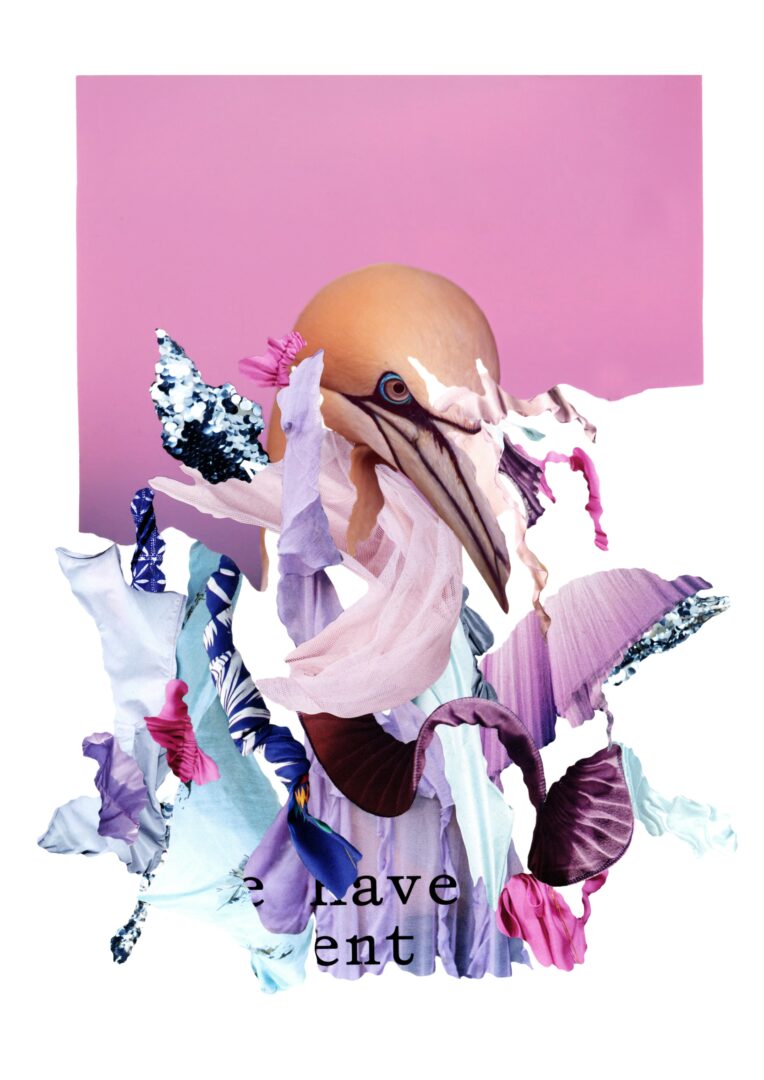
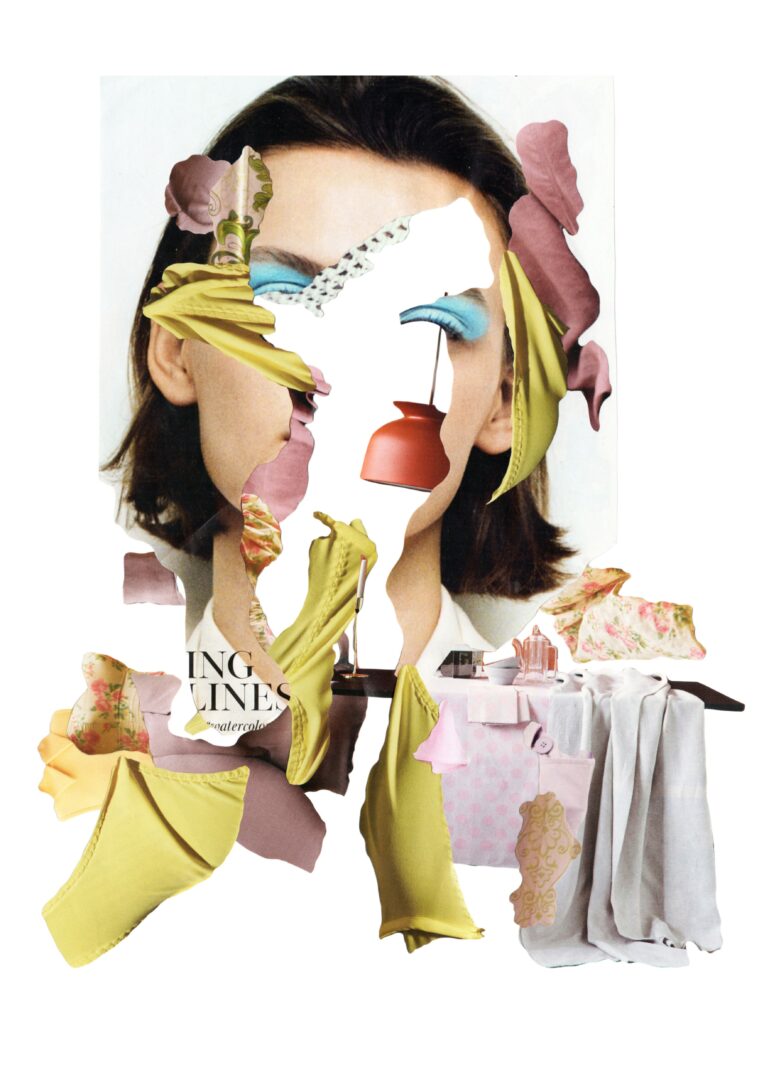
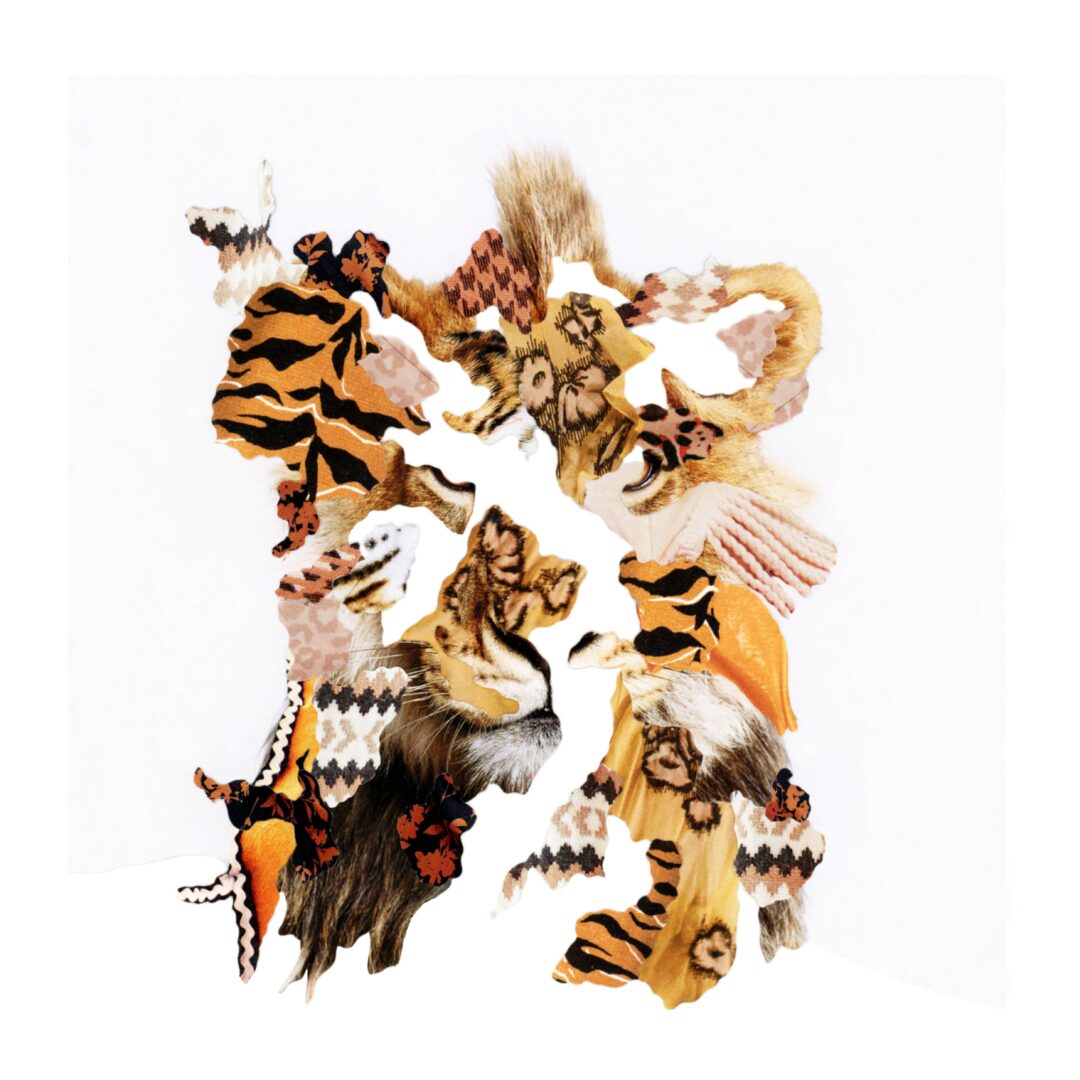
Feeling unfulfilled and needing a genuine creative outlet to pour myself into, I reacquainted myself with the practice of collage. In university, I had seized every opportunity to incorporate collage into my assignments, but it had eventually taken a backseat, becoming more of a hobby than a primary focus. The time had come to renew my passion for the practice. From that point on, I completely redirected my efforts to predominantly focus on collage work.
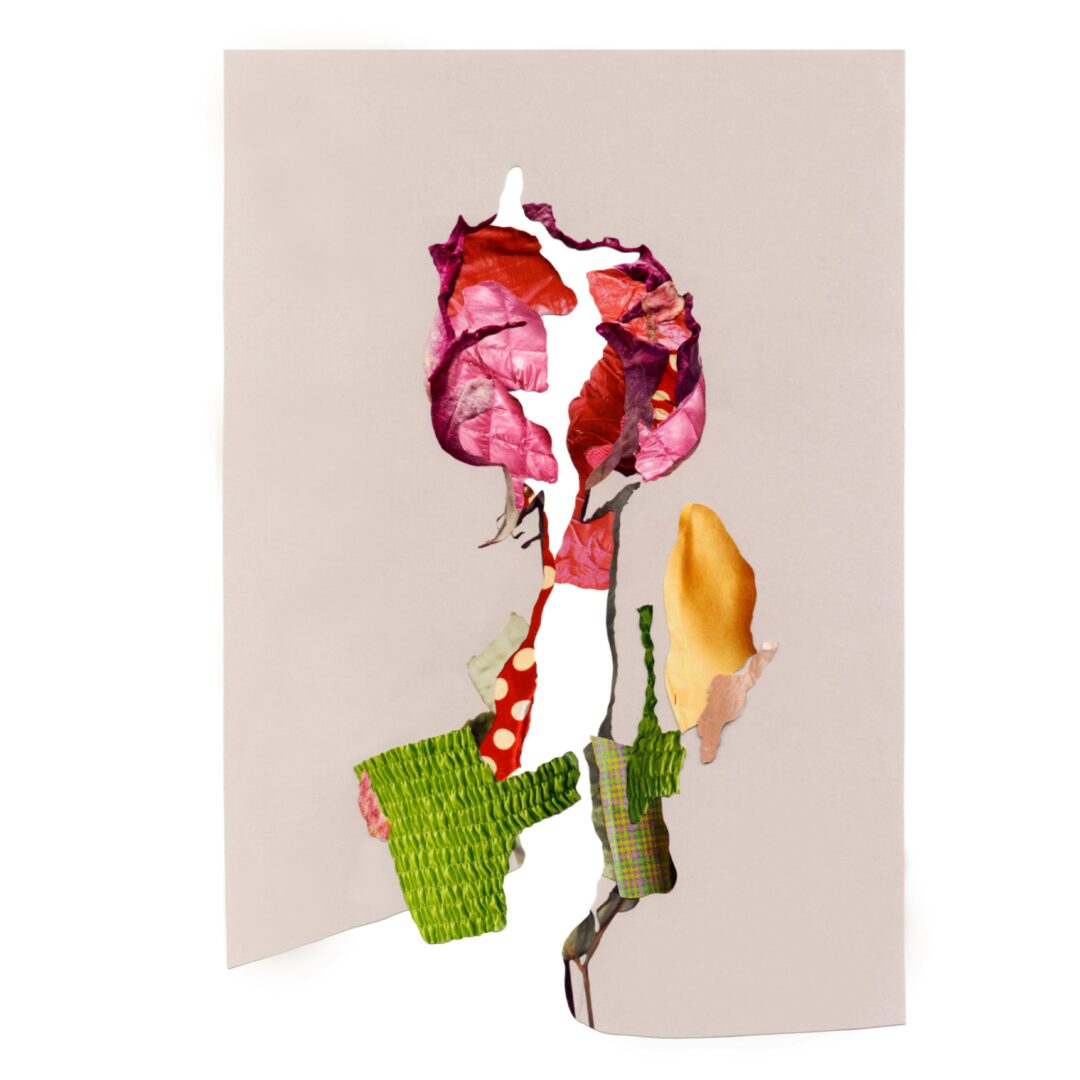
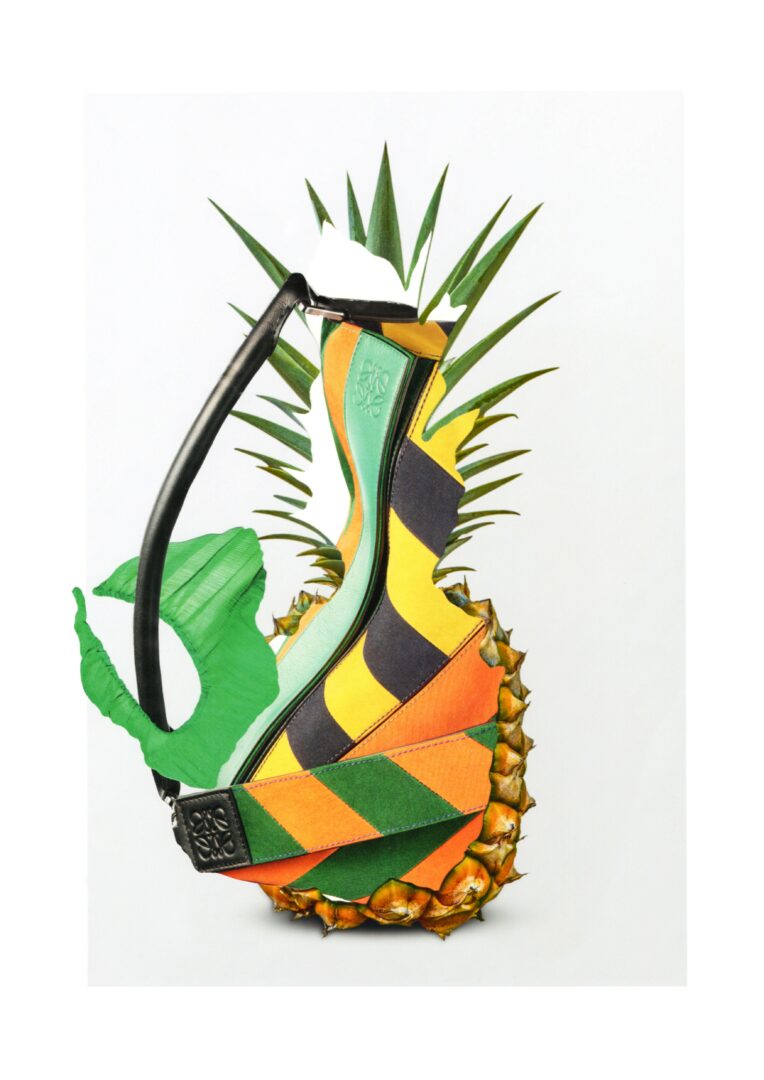
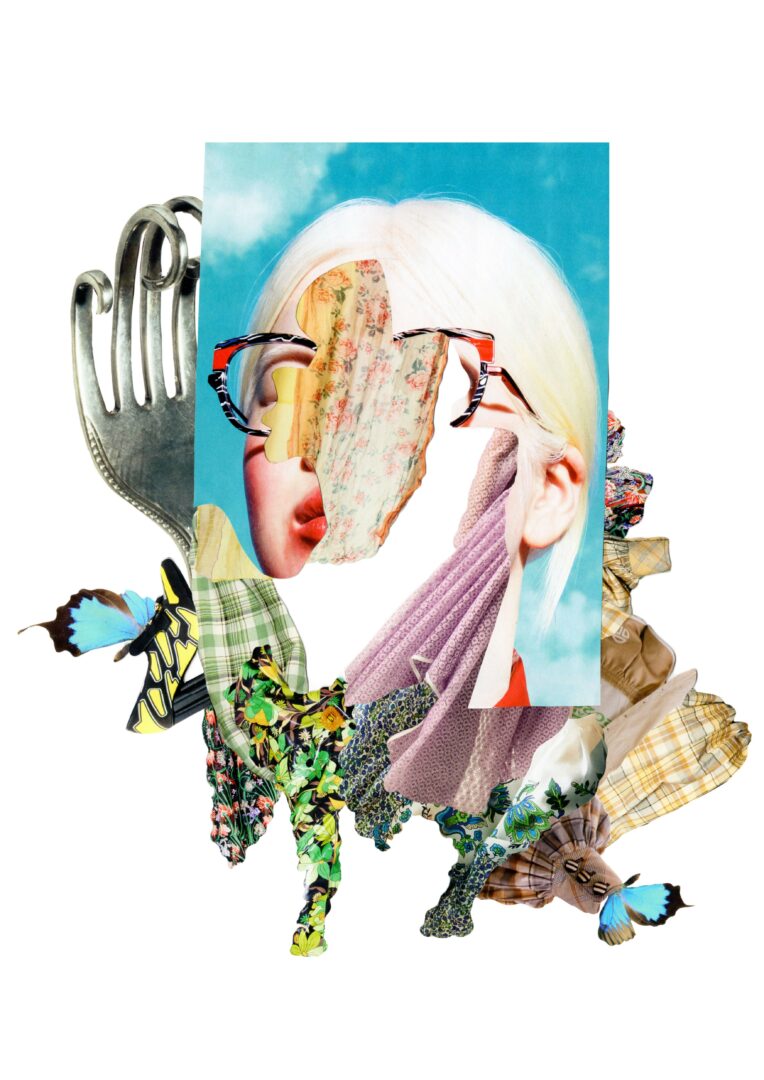
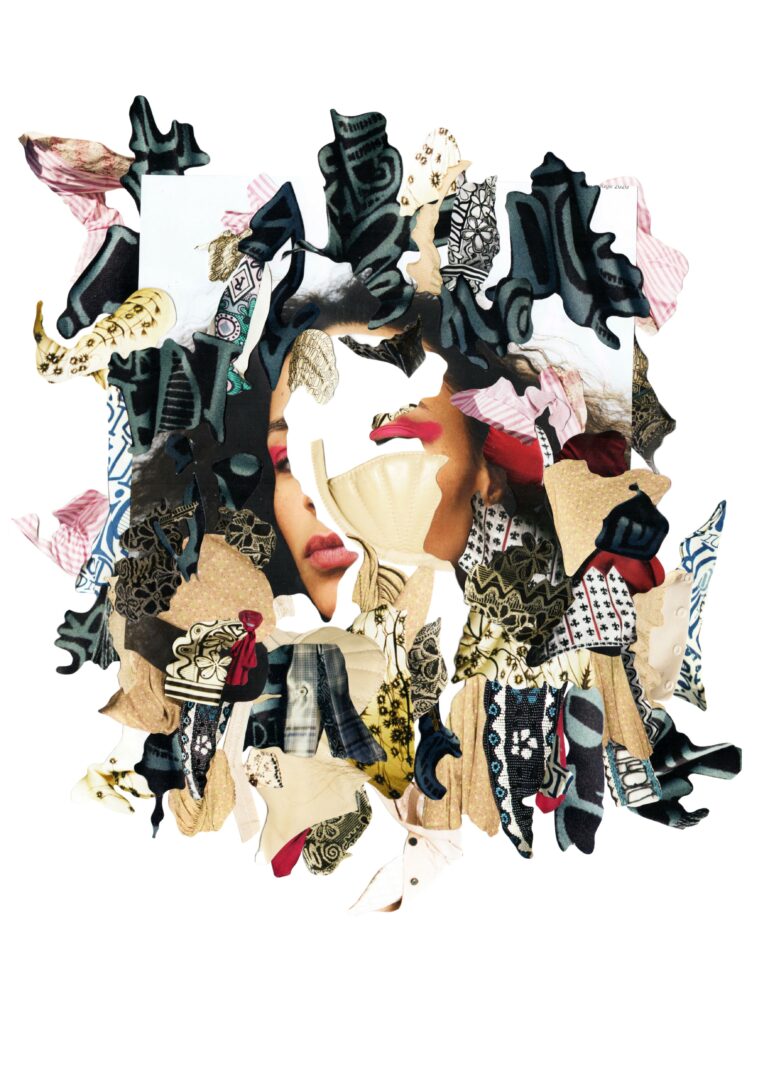
When collaging, I play an ongoing game with semantics and their limitations; seeing how far I can push the boundaries of the original meaning and how I can approach and re-approach recurrent subjects. I’m compelled by lively subjects and the idea of transforming and embellishing them to provide them with a sort of contained movement is deeply appealing to me. While I still provide graphic solutions to specific briefs, ultimately the exploration of new concepts, and primarily the process itself, is my obsession. I’m enamoured with the creative experience and want to translate this medium into other areas where it’s not traditionally associated.
Looking back, what do you think were the three qualities, skills, or areas of knowledge that were most impactful in your journey? What advice do you have for folks who are early in their journey in terms of how they can best develop or improve on these?
The first quality is the courage to question yourself: to constantly ask if you still genuinely love what you are doing and working so hard for. While this applies heavily in a professional context, it’s true for all aspects of life.
Here is my somewhat unpopular opinion: I don’t believe that wanting to do or be something since childhood necessarily gives that pursuit more value or meaning. If it remains your authentic truth in the present, that is marvellous. But often, this false concept of ‘authenticity’ can lock us onto paths that no longer represent who we are. I certainly wouldn’t trust a child to make definitive, meaningful life choices, why did I give my child-self that much credit?.
Second, don’t be afraid to be different. That doesn’t necessarily mean acting in a dramatically eccentric way; it just means finding what works for you, first and foremost. The majority of people comply with norms simply for the sake of conforming, without ever questioning the status quo.
And third, make dedicated time for what truly matters to you. Time is an incredibly precious, “unrefundable” resource, yet it is completely and utterly yours to allocate. We should be more deliberate with it.
In today’s world, with the rhythms of social media narratives and a short-lived desire consumption system, we feel pressured to multitask constantly and monetise every minute. I think when we pour our time into something we genuinely care about, the effort will yield its own, often in ways that aren’t immediately transactional but that will end up harvesting deeply rewarding fruits.
What’s been one of your main areas of growth this year?
My biggest area of growth in the past 12 months has been learning how to truly “let go” of control and embrace uncertainty.
At the start of the year, my partner and I, after 20 years together, made a thoughtful and planned decision to become parents. We felt we were in a stable place mentally, situationally and economically. Now, however it feels like 250, I’m 31 weeks pregnant. We researched everything about conceiving, pregnancy, the baby’s arrival, My partner is curious by nature and I’m a bit of a control freak (without the bit) so we covered every angle that could manage. But we didn’t prepare for the profound impact of uncertainty.
I had answers for everything except this primal, almost metaphysical experience of having a creature growing inside me that I won’t meet until it’s time, a situation where, beyond health habits and little outcomes, I have very little control over. I was so prepared, I knew so much, and then, suddenly, I had to let all of that meticulous planning go. It wasn’t easy, until it was.
Fortunately, the pregnancy has been very smooth so far. The process has required me to trust my body and instinct to do the right thing, which has been a significant personal shift. I’m learning to enjoy this “head load off” time.
This newfound ability to release control has felt incredibly freeing, and I’m now slowly applying it to other aspects of my life. I developed control as a mechanism to combat anxiety, but I’m realising it isn’t always as necessary as I thought. I’m happy about this growth because I feel this is just the beginning of a new way of navigating the world. It’s all about the baby steps, literally.
Contact Info:
- Website: https://victoriacece.com
- Instagram: @victoriacecee
so if you or someone you know deserves recognition please let us know here.