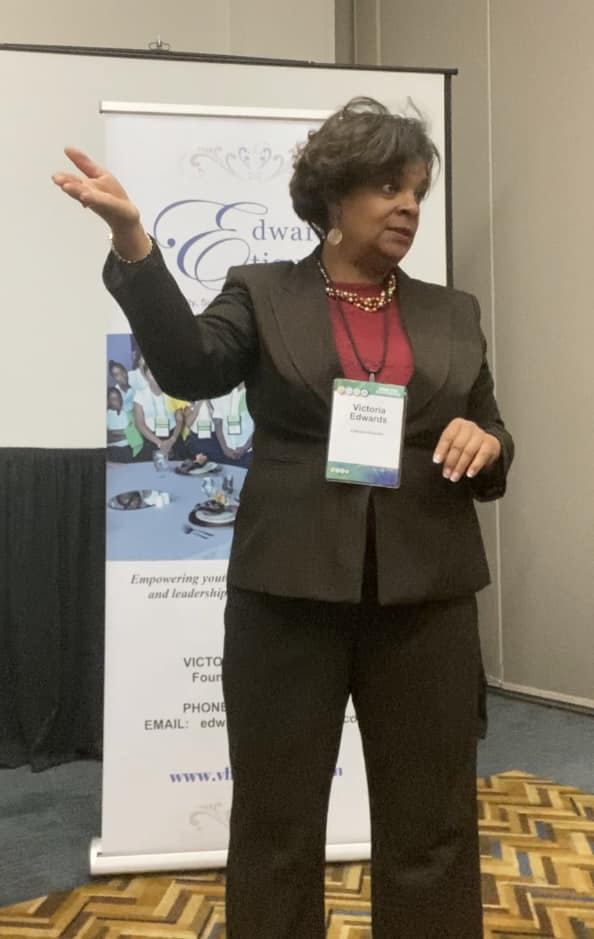
Alright – so today we’ve got the honor of introducing you to Victoria B. Edwards. We think you’ll enjoy our conversation, we’ve shared it below.
Hi Victoria, so excited to talk about all sorts of important topics with you today. The first one we want to jump into is about being the only one in the room – for some that’s being the only person of color or the only non-native English speaker or the only non-MBA, etc Can you talk to us about how you have managed to be successful even when you were the only one in the room that looked like you?
As the only person in the room that looked like me, I learned effectiveness and success by adopting the mindset that I have been sent/guided/put there to succeed or learn. I may be the only person that looks like me now, but there will be those (as a result of me being there) that will follow and will bring others that look like me in those once isolating spaces
Thanks, so before we move on maybe you can share a bit more about yourself?
My name is Victoria B. Edwards, and I am the founder and Managing Director of Edwards Etiquette, a Detroit based children’s etiquette organization. Licensed by the Emily Post Institute and a graduate of the Campaign School at Yale University, I am a nationally recognized etiquette expert and internationally known authority on table settings. For more than a decade, I have partnered with families, schools, and community organizations across Michigan to deliver programs that promote civility, confidence, and character.
As Managing Director, I bring over 20 years of experience teaching etiquette and social-emotional skill building to students across Metro Detroit. Our elementary and middle school programs complement academic mission by helping students:
Practice respectful communication and active listening
Strengthen confidence in both formal and everyday settings
Prepare for the social and interpersonal expectations of high school
Understand digital etiquette and responsible online behavior
Navigate teamwork, leadership, and special occasion situations
We offer year-round courses, signature programs: the Junior Cotillion and our Summer Golf & Etiquette Camp as well as private instruction. At Edwards Etiquette, we believe “every student deserves the confidence, courtesy, and cultural inclusivity to step into leadership and succeed with poise.”
Programs & Services – Public Courses (Seasonal)
Social Graces – Winter Etiquette Class, Grace & Charm – Spring Etiquette Class, Aces, Birdies & Clubs – Summer Etiquette & Golf Camp, Courtesy & Manners – Fall Etiquette Class and Junior Cotillion of Detroit
Programs & Services – Public Courses (Adult Programs)
Personal Presence – Social Etiquette and Executive Presence – Business Etiquette
Programs & Services – Public Courses (Private Programs)
Dining Diplomacy – Formal Dining Etiquette, Afternoon Tea Etiquette, Beauty & Grace – Young Girls’ Etiquette, Boys to Gentlemen – Young Boys’ Etiquette, Family Manners – Sibling Etiquette
Our introductory Winter Etiquette Class, Social Graces begins January 24, 2026 where we will impart the guiding principles of civility, social and communication skills, and formal dining etiquette. Private programming will resume February 1, 2026.
There is so much advice out there about all the different skills and qualities folks need to develop in order to succeed in today’s highly competitive environment and often it can feel overwhelming. So, if we had to break it down to just the three that matter most, which three skills or qualities would you focus on?
Looking back, the three qualities that were most impactful in my journey with Edwards Etiquette were intentionality, cultural empathy, and professionalism rooted in service. 1. Intentionality
From the beginning, I knew Edwards Etiquette had to be more than a business—it needed to be a mission. Every workshop, partnership, and curriculum update was done with clear intention: to equip children with the tools to show up confidently and respectfully in any space. Intentionality kept me focused when opportunities were abundant but not always aligned, and it ensured that the brand remained authentic and purpose-driven.
Advice:
For anyone early in their journey, take time to define your “why.” When your work aligns with a deeper purpose, it becomes easier to make decisions, pivot when needed, and stay consistent. I would offer, set small, intentional goals—and revisit them often—to ensure your steps match your mission.
2. Cultural Empathy
Much of my work involves serving diverse communities—children, teens, professionals, and organizations from different backgrounds. Understanding culture, identity, and lived experiences allowed me to teach etiquette in a way that is relevant, inclusive, and accessible. My 20+ years in Corporate America provided an insight that I was able bring as real-world experience to my students. The earlier respect, consideration and honesty is learned, the more it becomes habit and normal behavior. Etiquette is fundamentally about respect, and cultural empathy helps bridge gaps, build trust, and create welcoming learning environments that generally are not as one would expect.
Advice:
Cultivate curiosity about people. Listen more than you speak. Learn how different communities experience the world. When you truly understand the people you serve, your work becomes more meaningful, and you can make a deeper impact.
3. Professionalism Rooted in Service
Edwards Etiquette on the belief that professionalism is not a performance—it’s a service mindset. Whether I am teaching dining protocols, facilitating a youth workshop, preparing a corporate training, or simply showing up in the community, my goal is to be of service. That mindset has opened doors, strengthened relationships, and taught me the value of consistency, reliability, and grace.
Advice:
Lead with service, not status. Develop habits that reinforce professionalism—punctuality, preparation, kindness, and clear communication. These qualities build trust, and trust builds opportunity. Practicing professionalism daily will shape both your reputation and your results.
Your journey will not always be a straight line, but if you stay intentional, lead with empathy, and commit to serving with excellence, you’ll build something that lasts and touches lives in ways you never imagined
We’ve all got limited resources, time, energy, focus etc – so if you had to choose between going all in on your strengths or working on areas where you aren’t as strong, what would you choose?
When people ask whether it’s better to lean into your strengths or invest time in improving your weaker areas, I always say: your strengths will naturally stay strong, but your areas of growth deserve attention too—if for no other reason than to broaden your understanding and allow you to engage meaningfully in conversations that affect you and your work.
Until recently, I’ve always believed we should operate from our strengths; they are the gifts that come most naturally to us. But I have since learned that it’s worth the investment to improve areas where we feel less confident. Not because we need to become experts in everything, but because expanding our knowledge—even a little—opens doors, builds confidence, and allows us to make more informed decisions.
Over the past couple of years, I’ve had to lean into this more than ever. As my business grew, I found myself taking on tasks I would normally outsource. I took chances, made mistakes, and discovered quickly that there were parts of my business I simply didn’t know enough about. Instead of avoiding those areas, I decided to learn them.
Recently, I enrolled in a Social Enterprise course at the University of Detroit Mercy this college experience was eye-opening. College looks very different now than it did 27 years ago. In is class designed specifically for business owners, we analyzed our own businesses each week. Instead of analyzing Ford Motor Company, Coca-Cola, or the American Red Cross—the types of case studies I tackled decades ago. It totally transformed how I viewed Edwards Etiquette ultimately myself as a brand.
Back when I completed my undergraduate and graduate business degrees, I left still unclear about the differences between a balance sheet, an income statement, and a profit and loss statement. Accounting was something I never intended to participate in anyway, so I didn’t push myself to understand it. But in this recent class, I had no choice but to dig in. The assignments required it, and my business depended on it. For the first time, I can confidently create and interpret a balance sheet for Edwards Etiquette, along with a proper income statement and profit and loss statement. It might sound small, but to me, it was a major accomplishment. More importantly, it forced me to view my business through a new lens—one that made me a stronger and more informed leader.
This experience taught me that strengthening your weaknesses doesn’t diminish your strengths—it elevates your entire journey. You don’t need to become an expert in every area, but stretching yourself makes you more well-rounded, more confident, and more capable of steering your own success. So, I would advise: lead with your strengths, but don’t be afraid to grow the areas you once avoided. The investment always pays off—in clarity, competence, and confidence.
Contact Info:
- Website: www.vbedwards.com
- Instagram: www.instagram.com/edwardsetiquette
- Facebook: www.facebook.com/EdwardsEtiquetteDetroit
- Linkedin: www.linkedin.com/EDWARDSETIQUETTE
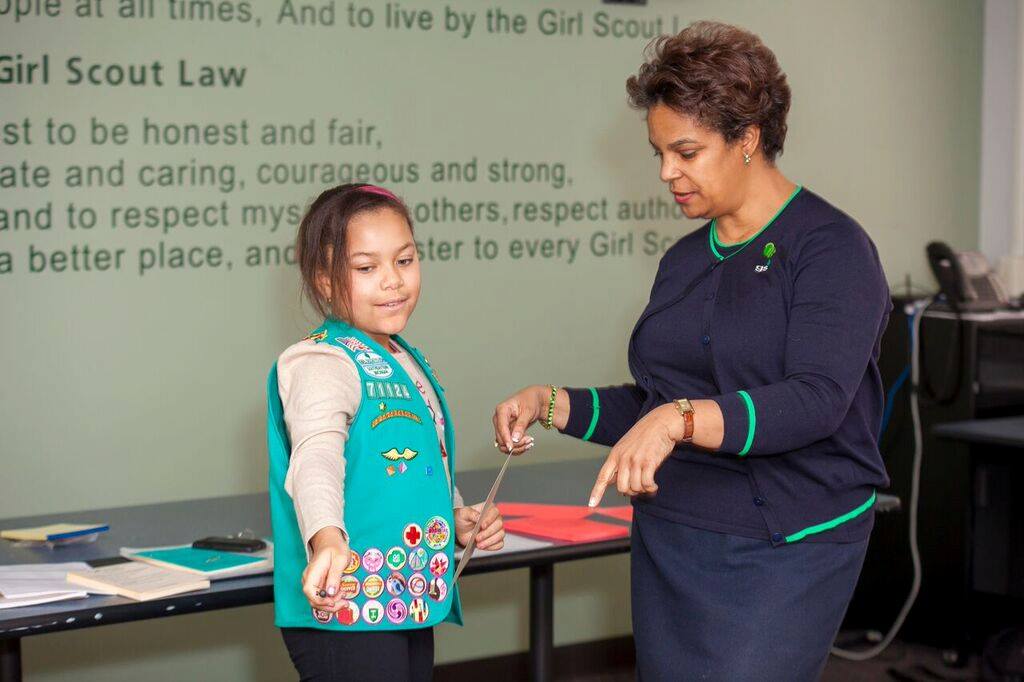
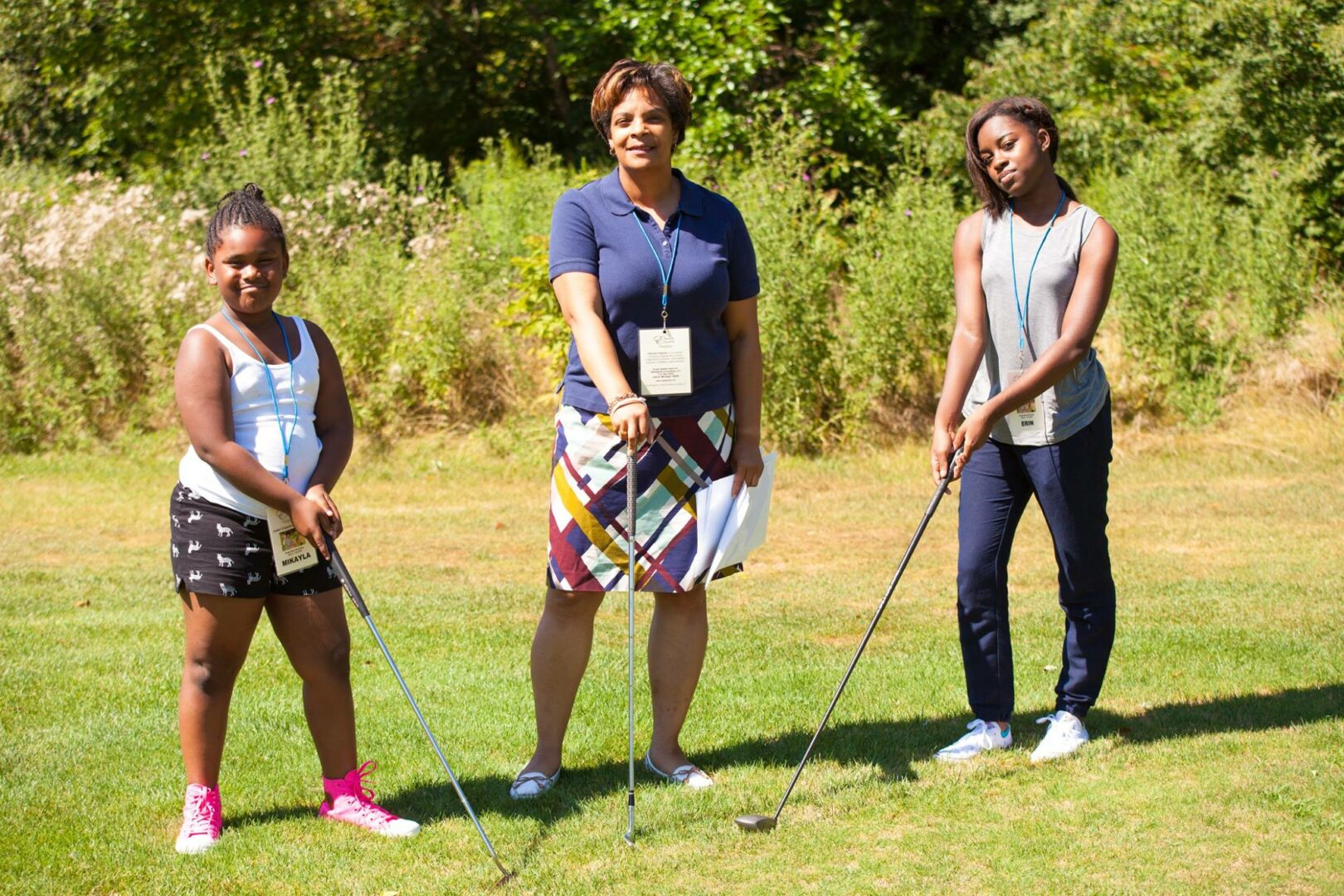
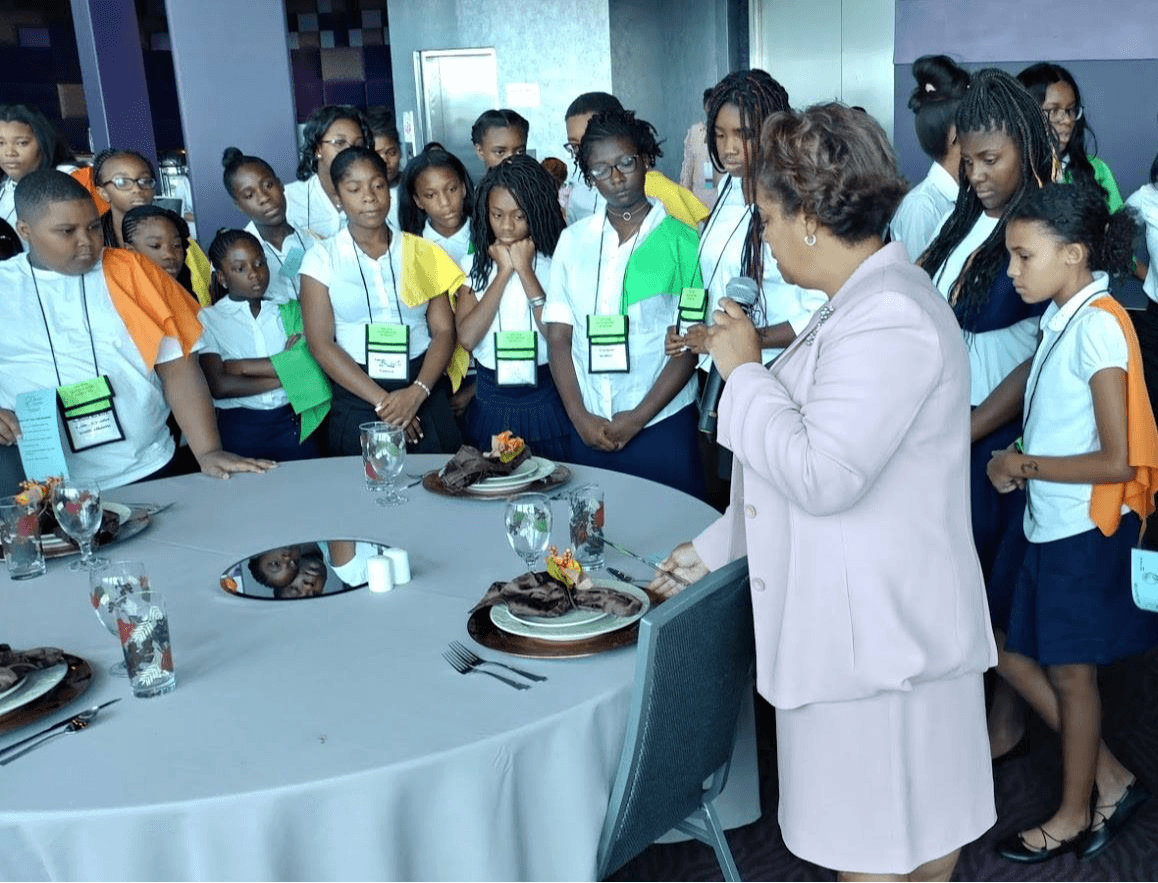
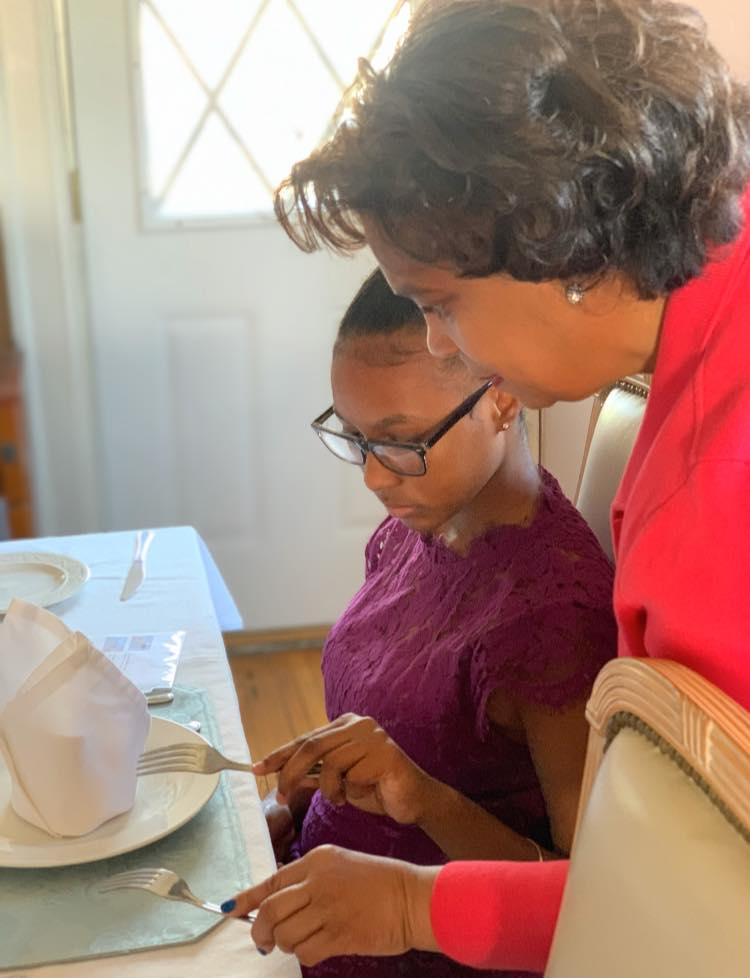
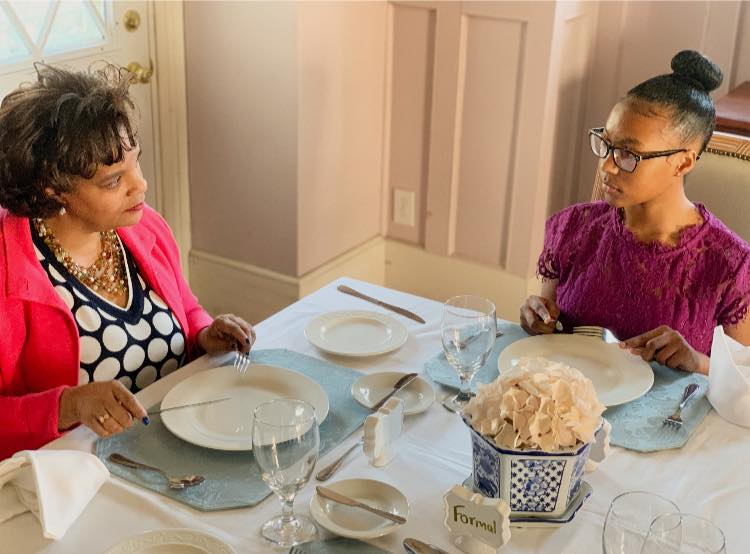
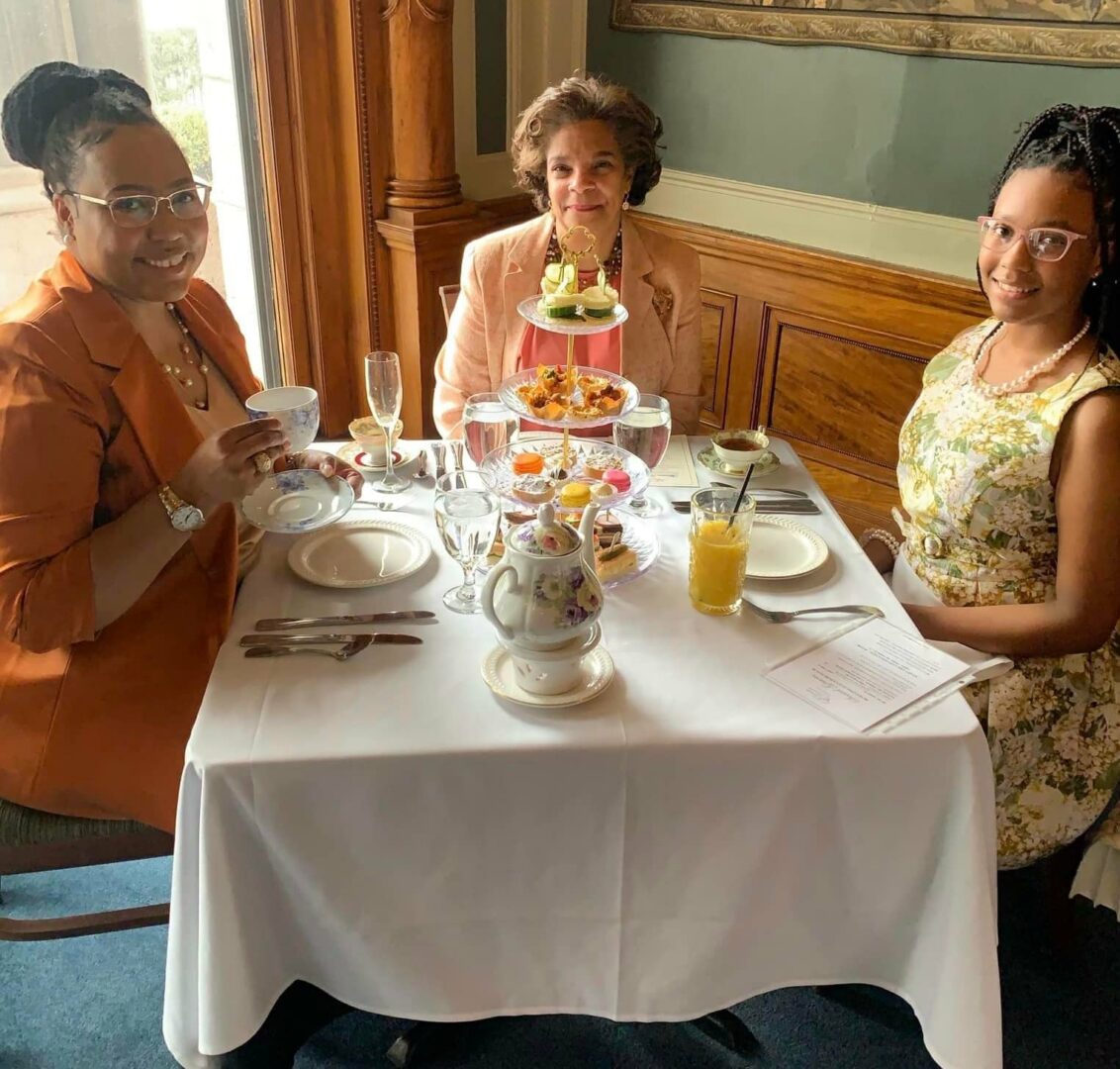
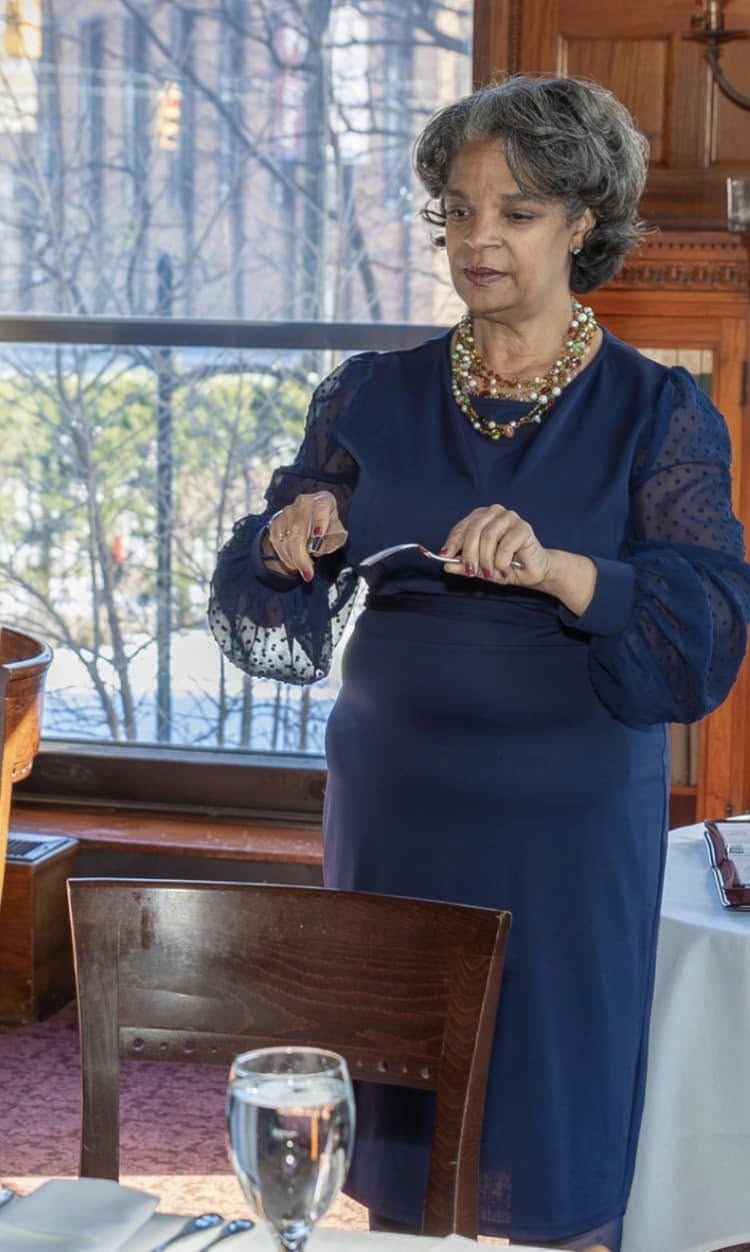
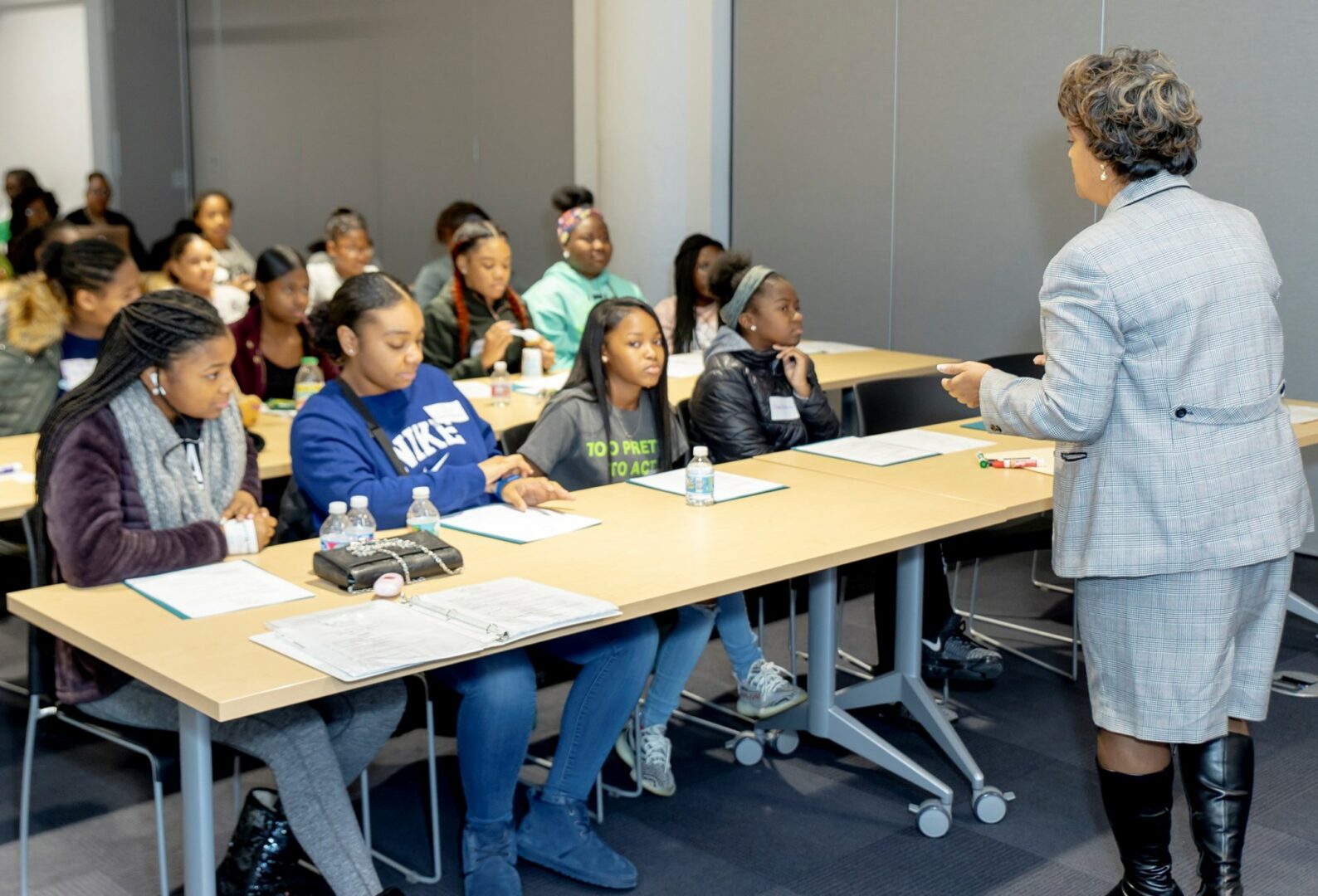
Image Credits
Wayne Norman Photography