
We were lucky to catch up with Vince Wilcox recently and have shared our conversation below.
Hi Vince, appreciate you sitting with us today to share your wisdom with our readers. So, let’s start with resilience – where do you get your resilience from?
How a Conversation with an Inmate Changed My Music Career
The year was 1983. My wife and I had recently moved back to Virginia Beach from Nashville, where I had been pursuing a career in the music business. Growing up in Virginia, I wrote and performed music throughout high school and college. When Sharon and I moved to Nashville in 1979 for her to finish up her undergraduate degree, I couldn’t help but wonder if I could make a career of it. Eventually, I landed a job in the sales department at a record label, all the while writing new material and playing dates with friends, hoping I’d get “discovered.”
But alas, this was not to be. When I played my demo tapes for producers and publishers, they were kind but firm: I needed to continue to hone my craft until my songs were commercially viable. When Sharon graduated, we decided to move back home to Virginia to be closer to friends and family. In the back of my mind, I had written off any hope of commercial success.
One day, I got a call from someone who asked me if I would be willing to play for some inmates at the jail in Suffolk, Virginia. I said yes, knowing that these kinds of performances were often iffy. My fears were well-founded.
When we got to the jail, we were told that our team would be able to sing and share with ten men at a time, one cellblock at a time. We would only have about ten minutes with each group and would have to wait till there was a commercial on the TV show they were watching before we could begin. [I distinctly remember that the TV show was The Dukes of Hazzard. We definitely weren’t going to have their attention if Catherine Bach was on the screen wearing her “Daisy Duke” cut-off shorts!]
After being duly searched and admitted to the inmate area, we were escorted into a narrow hallway about three feet wide. Heavy metal bars separated us from the inmates who were serving short sentences for relatively minor offenses. [Longer sentences for more serious crimes were served at the state prison.] Ten minutes at a time, ten men at a time, our speaker shared a short devotional and I closed with a song after saying something about how I had dreamed about playing my music for tens of thousands of people, but now my priorities had changed. [In retrospect, I’m embarrassed how self-centered it was for me to say something like that to men who were in jail.]
After we had finished up with a particular cellblock, one of the men called me over to where he stood behind the bars, looked me in the eyes, and said, “Brother, I believe that the Lord is going to grant your desire to sing to thousands of people. It may be ten men at a time, but you’re going to sing to thousands.” I thanked him for his kind words and moved on to the next cellblock.
But the next day, the next week, and in the months to follow, I couldn’t get his words out of my head. That conversation with an inmate was a turning point in my music career. I decided I would write, sing, and play for the joy of it. Rather than pursuing fame and fortune, I would simply try to be faithful with my modest gifts—no matter where it led me.
Over the next few years, I continued to write and play. I sang in churches, in jails, in schools, for youth groups, and in skating rinks; for anyone who wanted me to come. Sharon and I eventually moved back to Nashville, and I began years of collaborating with generous co-writers. I took voice lessons and learned how to put together an effective live performance. Like the biblical parable of the talents, I tried to be the best possible steward of what I had been entrusted. I recorded a few albums with producers and players who were far more talented than me. I started calling around and booked 100 dates a year for the next five years, many of them with my musical partner, Don Pardoe. We even performed at the historic Ryman Auditorium the night we received the Horizon Award for Best New Artist from the Christian Country Music Association.
Looking back, that inmate was right.
The Lord did grant my desire to sing to thousands of people. And sometimes, it was ten people at a time. But that didn’t matter. When I changed my goal from fame to faithfulness, I was blessed with the incomparable joy of having my songs connect with the hearts and minds of those who were generous enough to give me their attention.
Did I want to make a good living from music? Yes.
Did I enjoy playing and singing my songs for others? Absolutely.
But are fame and finances the best measures of success?
That’s a question you’ll have to answer for yourself.
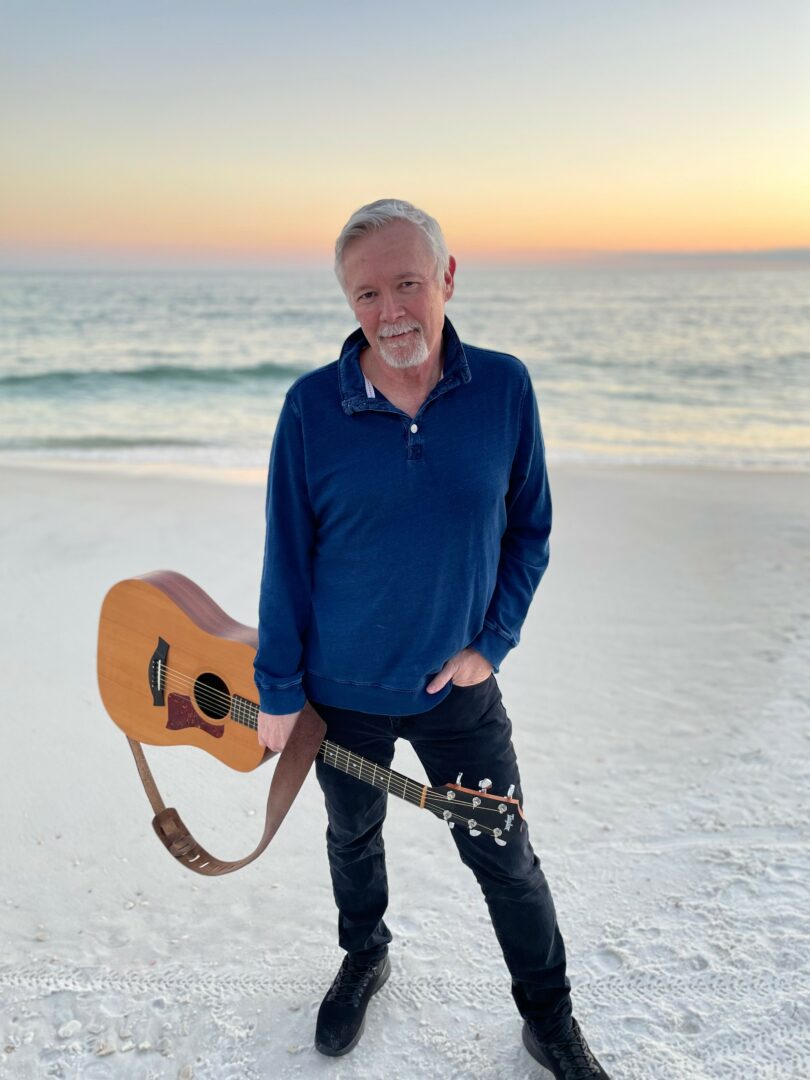
Thanks for sharing that. So, before we get any further into our conversation, can you tell our readers a bit about yourself and what you’re working on?
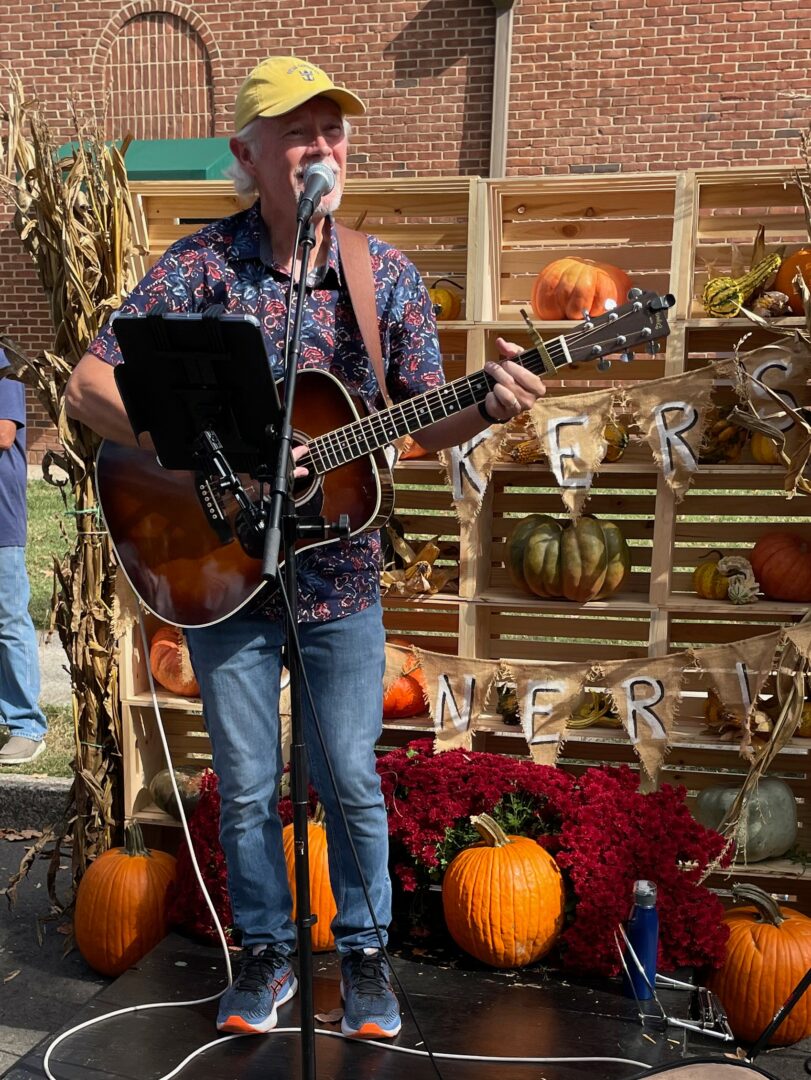
Of course. For the past four decades, I’ve been active in virtually every aspect of the Nashville music scene, including serving as a label VP of marketing, VP of sales & distribution, general manager for an online publishing company, and co-founder of a successful artist & tour management company. Along the way, I spent five years writing, recording, and touring as a music artist. In my fifties, I earned a law degree and served as an entertainment attorney and assistant professor in the Skinner School of Business at Trevecca Nazarene University. I authored two texts, How to Make a Living in the Music Business, and Introduction to Music Industry Law (both available through Amazon). I’ve recently retired from teaching and lawyering and have returned to performing covers locally (www.acousticfavorites.com). I can be reached at [email protected].
There is so much advice out there about all the different skills and qualities folks need to develop in order to succeed in today’s highly competitive environment and often it can feel overwhelming. So, if we had to break it down to just the three that matter most, which three skills or qualities would you focus on?
Looking back, the three most important components in my journey have been 1) my identity as a follower of Christ, 2) my calling as a husband and father, and 3) finding joy in using my skills and experiences to serve others.
First and foremost, I’ve come to understand that I am a beloved child of God. My identity isn’t based on my own successes or failures; rather, I’ve found my significance in what Christ did on my behalf. I am loved. Period. I don’t have to “perform” to be accepted. That knowledge has freed me up to pursue my life without fear of failure—not that I don’t need to be reminded of this!
Second, I’ve been intentional about not sacrificing my relationship with my wife and kids in furtherance of my career goals. Our jobs should serve our families, not the other way around. Over the decades, I’ve seen a lot of marriages suffer in pursuit of vocational success. The true measure of a person’s success is often best seen in the eyes—and lives—of their spouse and children.
Finally, I’ve found great satisfaction in using my skills and abilities to serve others rather than primarily using others to achieve my own goals.
If you are just beginning your journey, I would encourage you to find your identity in eternal things rather than in temporal, material achievements. When you start your family, I would encourage you to invest daily in your relationship with your wife and children. You will never regret putting them first, but you very well might regret not doing so. Finally, please realize that you are the steward—rather than the source—of your gifts and abilities. You will be blessed as you pour yourself into others.
What was the most impactful thing your parents did for you?
Because my parents grew up during the Great Depression and World War II, they were extremely frugal, hard-working, and anxious about finances. My father worked long hours, and my mom was a full-time homemaker who urged my sister and me to grow up to be a doctor, lawyer, or even President of the United States. I must confess that I developed a “performance” identity—I was a straight-A student my first three years of school and was devastated when I got a C in fourth grade (in music, nonetheless!).
When my sister and I were in elementary school, our mother developed severe psychosis and had to be institutionalized several times. Throughout it all, our father refused to give up on our mother and us. They both taught us to lean hard into our faith and to persevere in spite of seemingly hopeless circumstances. My mom’s mental health challenges taught me the importance of taking care of myself emotionally and physically. When I’ve faced depression and loss, I’ve had the benefit of a strong support system and good medical care. I’m happy to see my children making mental health a priority in their own lives.
Image Credits
n/a
so if you or someone you know deserves recognition please let us know here.