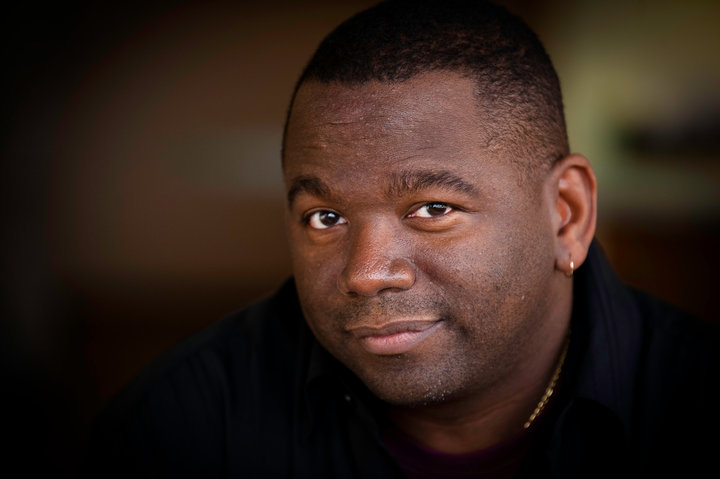
We recently connected with William “Chip” Beaman and have shared our conversation below.
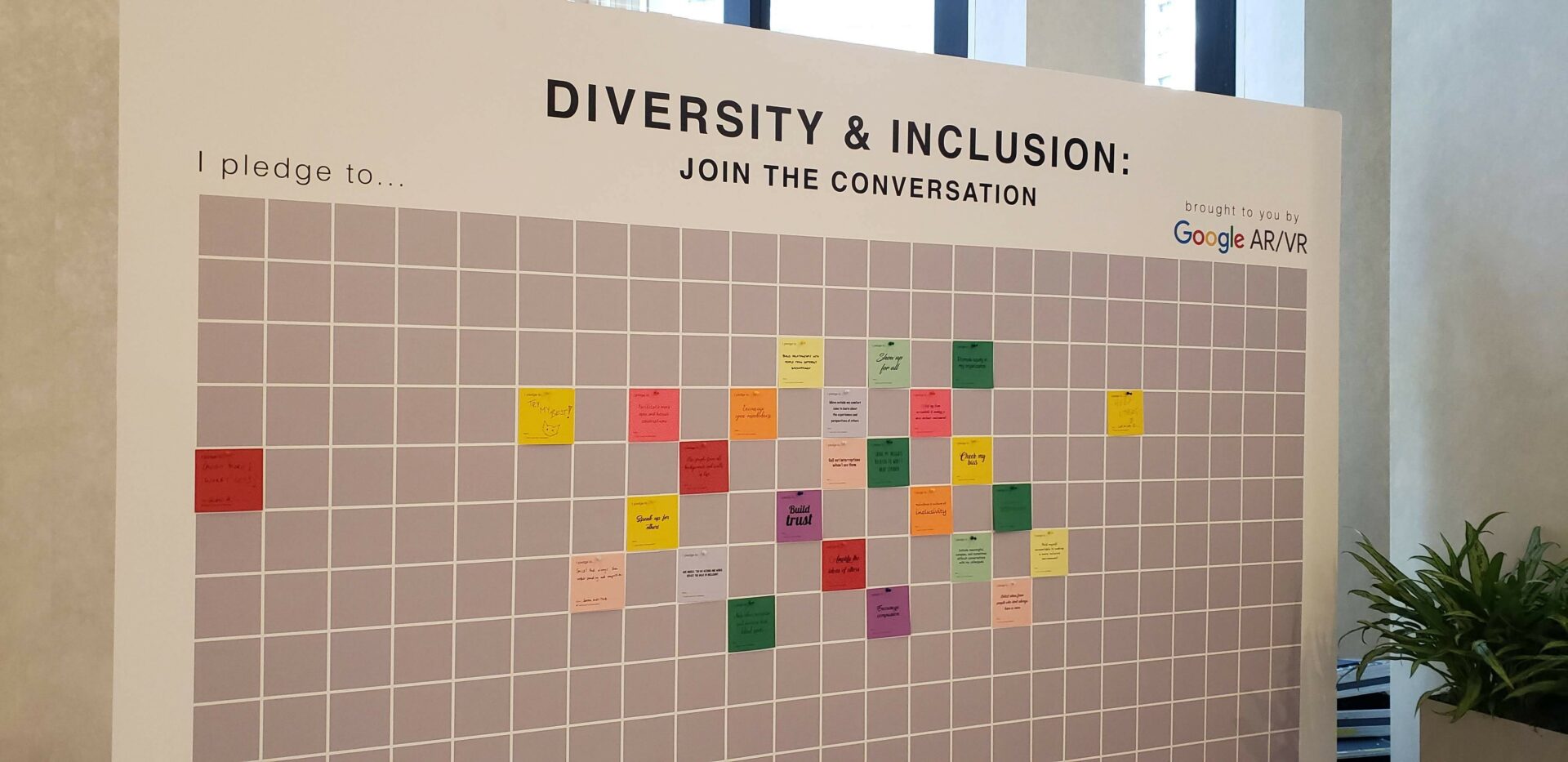
William “Chip”, so good to have you with us today. We’ve got so much planned, so let’s jump right into it. We live in such a diverse world, and in many ways the world is getting better and more understanding but it’s far from perfect. There are so many times where folks find themselves in rooms or situations where they are the only ones that look like them – that might mean being the only woman of color in the room or the only person who grew up in a certain environment etc. Can you talk to us about how you’ve managed to thrive even in situations where you were the only one in the room?
Being the only one in the room didn’t begin with my career. It began in childhood.
I grew up in Yonkers, New York in the 1970s and 80s, a city with a well-documented history of racial segregation. Yonkers was eventually sued by the United States government for intentionally segregating schools and housing, and that reality showed up in everyday life. I attended schools where I was one of only a few Black students, and even in the neighborhood where I grew up, there were only a handful of Black families. Long before I entered my professional career, I had already learned what it meant to often be the only one in the room.
That early experience taught me how to observe before reacting, how to listen carefully, and how to understand dynamics that weren’t always being spoken aloud. It also taught me that belonging is not always granted. You sometimes have to decide for yourself that you belong.
I remember one moment from an early job that crystallized this for me. I attended a backyard barbecue with coworkers, where I was often one of only two Black employees. At some point, race became a topic of conversation, and it became unmistakably clear that at least one coworker harbored negative feelings toward me because of the color of my skin. If not for the rhetoric being spoken, I might have tried to rationalize it away as a personality clash. But there was no ambiguity. I left that gathering heartbroken, shocked, and ashamed, and it was nearly impossible to return to work feeling the same sense of ease or belonging I had felt before.
Experiences like that have not been frequent, but they have not been nonexistent either. And while those moments were painful and disorienting, they were not the entirety of my experience. I became stronger not because of them, but because of how I learned to navigate around them without letting them define me.
When I moved to California in the mid-90s and began working in the video game industry, the pattern continued. I’ve worked for organizations built on storytelling, collaboration, and high standards. But like much of the industry, they weren’t always built with everyone equally in mind. Over time, I learned something important: love still feels like love, loss still breaks the heart, and faith still wrestles with doubt and hope in familiar ways. Those human experiences are shared and transcendent. What differs from a Black perspective isn’t the emotion, it’s the conditions under which those emotions are lived, expressed, and interpreted. There is often an unspoken requirement to justify your presence before your ideas are evaluated, to prove competence before trust is extended. Even today, decades later, the video game industry remains overwhelmingly white and male, despite real and meaningful progress to widely diversify (race, gender, ethnicity, etc) in recent years.
I’ve sat in countless meeting; business development, executive pitch meetings, production reviews, finance updates, corporate strategy sessions, and I am hard-pressed to recall many moments where I wasn’t one of the only, if not the only, Black person in the room.
Preparation, clarity, and consistency became non-negotiable for me because I didn’t always have the luxury of being assumed competent or assumed to belong. I learned to read rooms quickly—what was being said, what wasn’t, and who was being centered by default. Over time, that awareness translated into credibility, not because I tried to assimilate, but because I showed up informed, reliable, and focused on outcomes.
The challenges I faced were rarely about overt obstruction. They were about sustained isolation and the invisible cognitive load of having to be excellent before being believed. I often had to anticipate misunderstandings before they surfaced and translate intent and tone in rooms where no one shared my cultural shorthand. The challenge wasn’t a lack of talent or ambition; it was the absence of mirrors and mentors, and the narrow margin for error that comes with being “the only.”
What allowed me to move through that wasn’t a single breakthrough moment, but a mindset shift. I stopped waiting for permission to belong and focused instead on becoming useful, trustworthy, and values-driven. I learned how to lead without ego, how to advocate without centering myself, and how to take up space with intention,asking questions others might not ask, naming concerns others might feel but not voice, and speaking for people who weren’t yet in the room.
That lived experience directly informed the creation of the The Halp Network. THN exists because I understood firsthand what it feels like to be capable yet overlooked. Rather than trying to force change from the outside, I built infrastructure connecting talent to opportunity, centering authenticity, and creating safer, more intentional pathways for creatives who are often marginalized in production pipelines. Success there isn’t measured only in projects delivered, but in trust built and careers sustained.
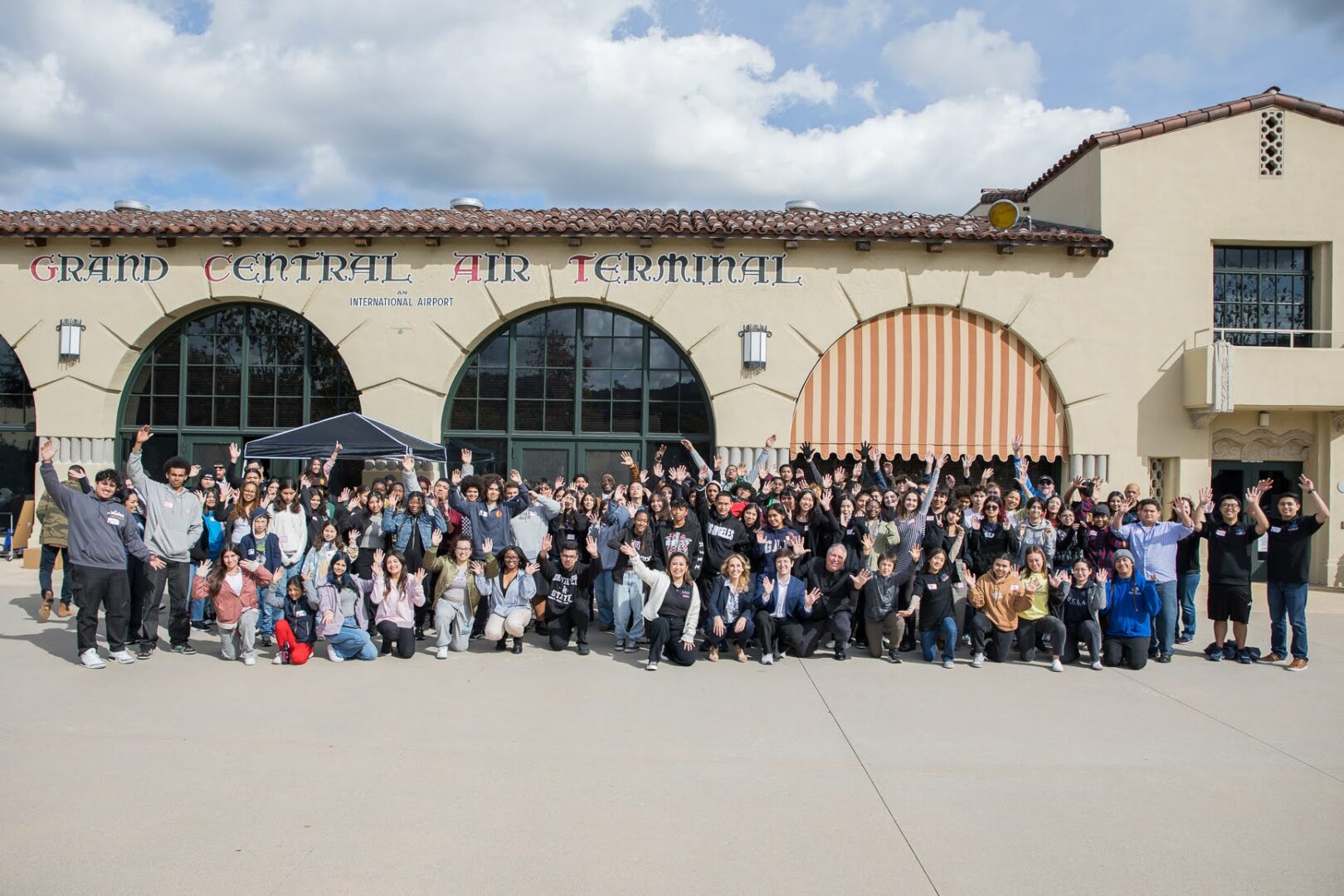
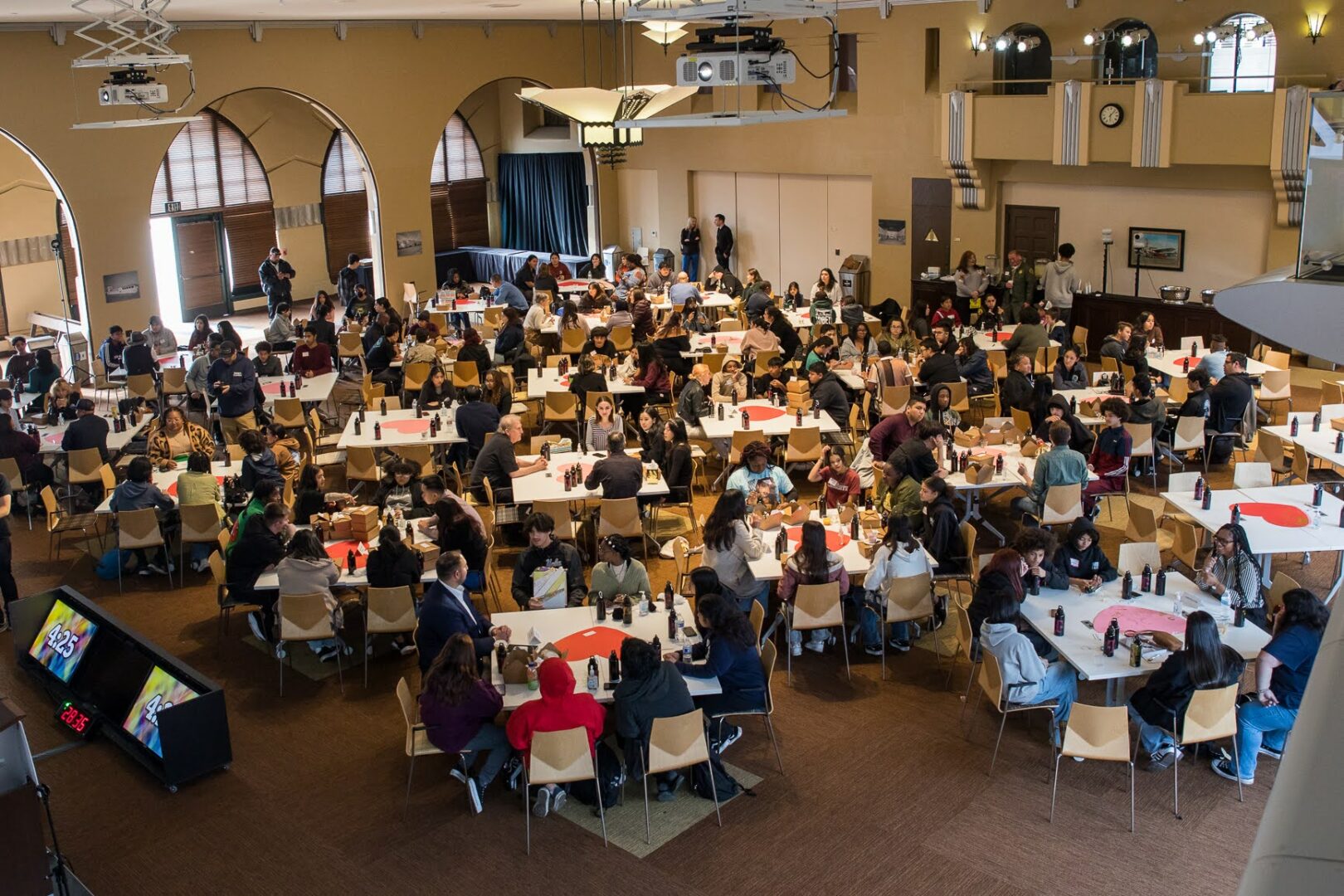
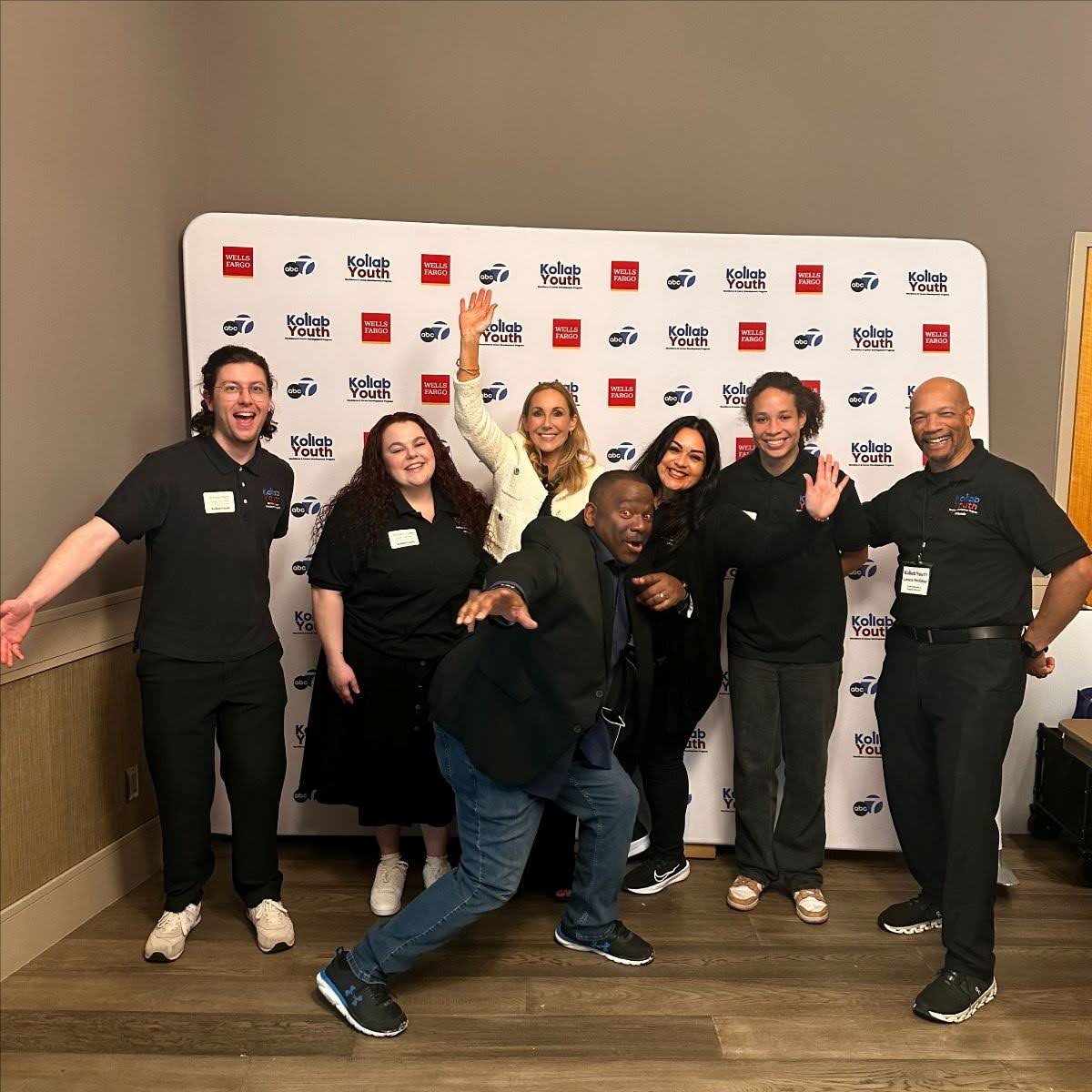
My work with Kollab Youth is the long view of that same journey. If THN addresses inequity at the professional level, Kollab addresses it at the starting line. Being “the only one” doesn’t begin in boardrooms, it begins in classrooms and neighborhoods. By investing in youth, I’m not trying to make them tougher for the world; I’m trying to make the world less hostile by giving them access, confidence, and support earlier than I had.
That same mindset also informs my work through Knighthawk Digital Entertainment Group. Knighthawk was created to develop and support projects that center story, voice, and perspective with intention, particularly those that might otherwise be overlooked by traditional pipelines. The work is rooted in the belief that access to high-quality production, thoughtful leadership, and cultural fluency should not be limited to a narrow set of creators or narratives. Whether through narrative podcasts, interactive media, or development partnerships, we focus on creating space for meaningful stories to be told well, by teams that reflect the world they’re building for. It is another way of turning lived experience into infrastructure, and ensuring that being “the only one” is not a prerequisite for creative excellence.
I don’t see myself as representing everyone who looks like me. But I am mindful that how I move through these spaces matters. Success, for me, has meant reframing “only” into “first” or “for now.” My goal has always been to leave rooms more open than I found them so that eventually, being the only one becomes the exception, not the rule.
Thanks for sharing that. So, before we get any further into our conversation, can you tell our readers a bit about yourself and what you’re working on?
At this point in my career, my work sits at the intersection of storytelling, talent, and access.
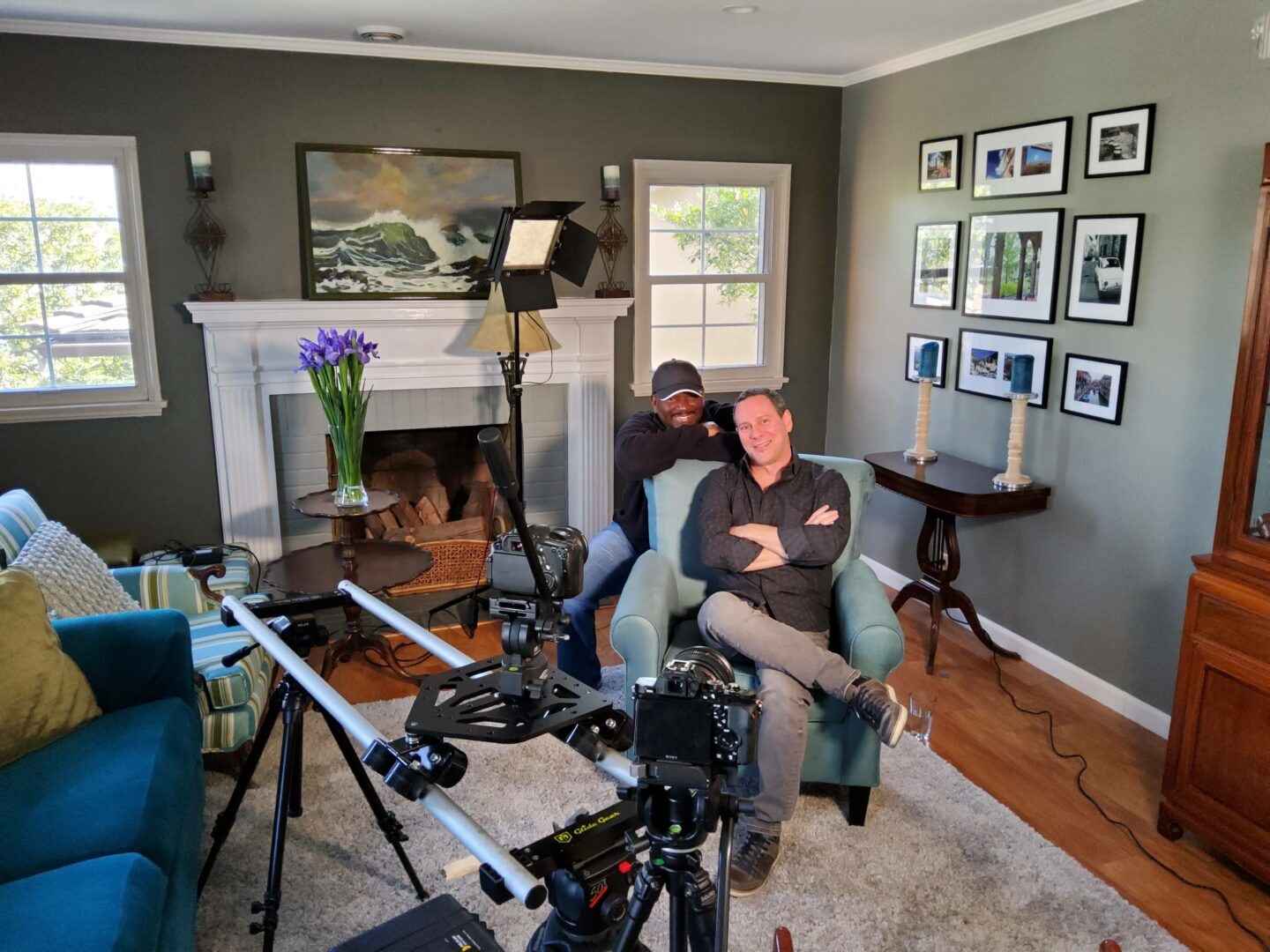
Professionally, I lead three interconnected efforts. Through the The Halp Network, I work with studios and creators across games, animation, and interactive media to connect exceptional talent with meaningful opportunities. What makes THN special is that it’s built on trust and intention. We focus not just on filling roles, but on building teams thoughtfully, centering authenticity, and supporting productions in ways that respect both the creative process and the people behind it. The most exciting part of the work is seeing careers grow over time and knowing we’ve helped create environments where talent can do their best work without having to fight to be seen.
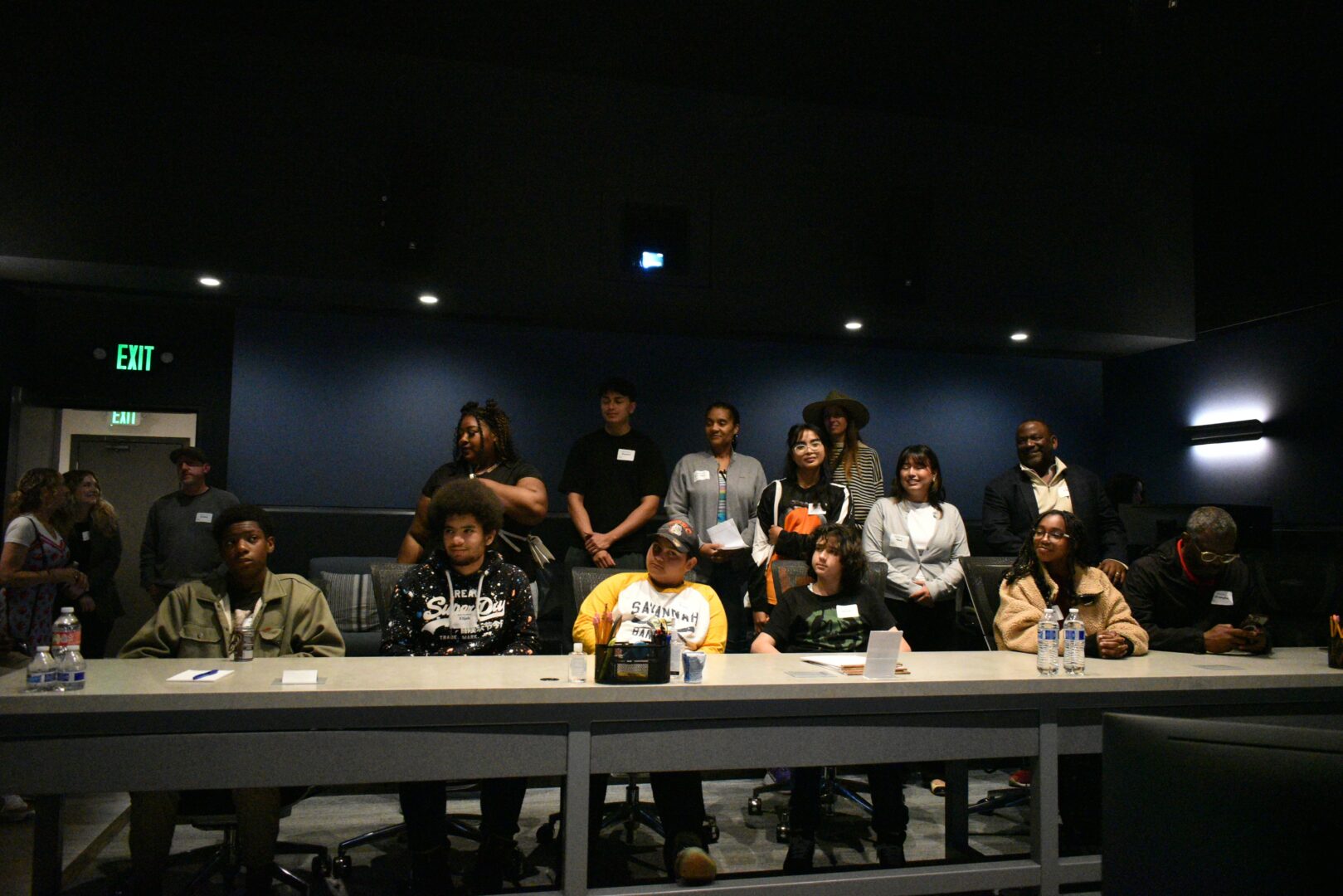
Alongside that, I’m deeply committed to workforce development through Kollab Youth. Kollab exists to address inequity at the starting line by providing young people, particularly those from under-resourced communities, with access, training, mentorship, and real pathways into sustainable careers. What excites me most there is the long-term impact: watching students gain confidence, develop skills, and begin to see themselves in futures they may not have imagined were possible. The work is about more than jobs; it’s about agency and belonging.
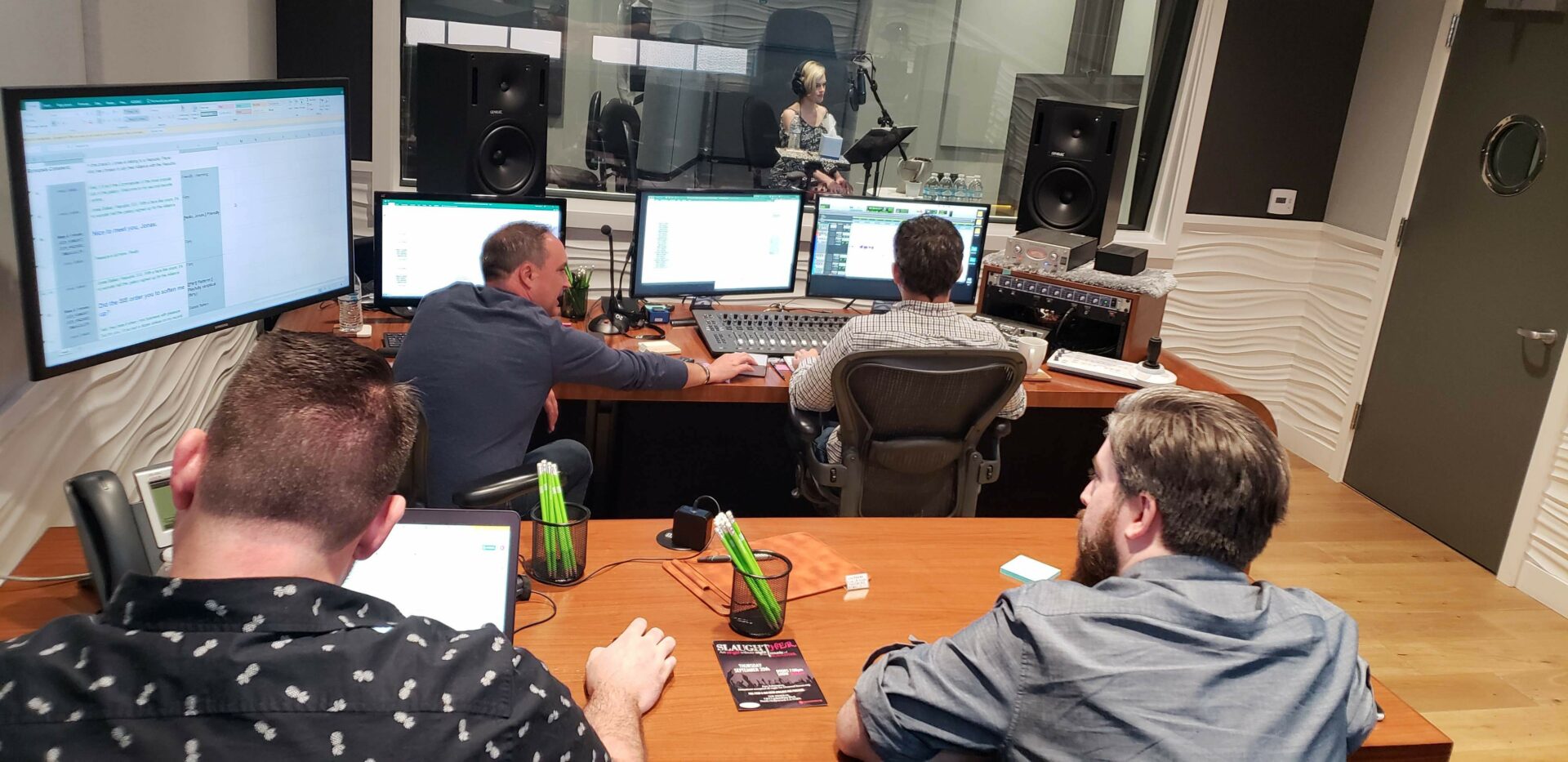
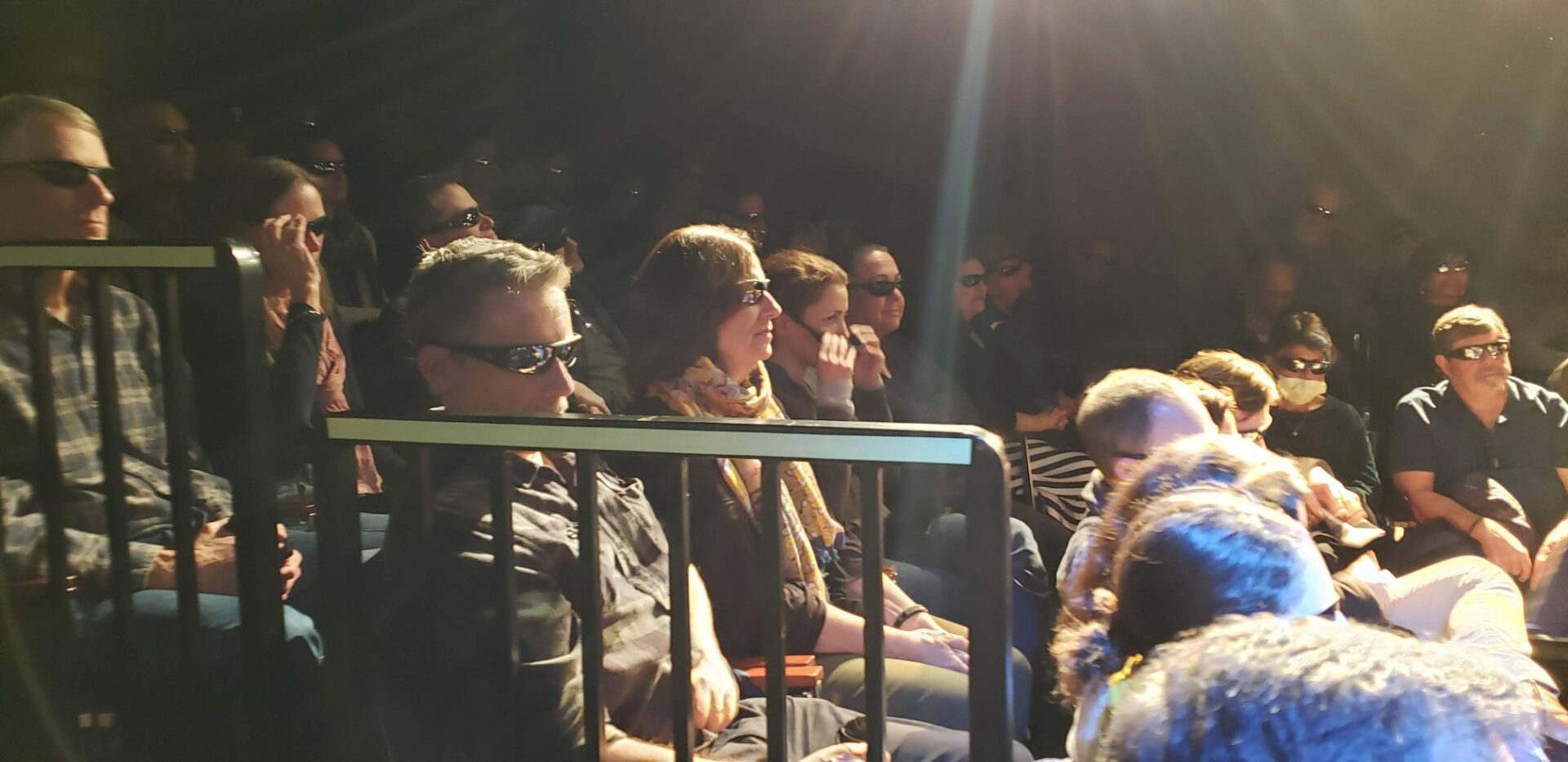
I also run Knighthawk Digital Entertainment Group, which focuses on developing and producing narrative-driven projects across audio, interactive, and emerging media. Knighthawk is where my love of story really comes to life, supporting underrepresented voices, experimenting with form, and creating projects that prioritize craft, collaboration, and cultural fluency. Whether it’s a narrative podcast, a performance-driven experience (we developed an interactive play and released a children’s album), the goal is always the same: tell meaningful stories well, with the right people in the room. This company is my creative endeavor, allowing me to scratch the creative itch that I’ve had for years.
Across all of this, my “brand,” if you want to call it that, is really about building infrastructure. Systems that make creative industries more humane, more inclusive, and more sustainable. What’s new is less about a single launch and more about continued expansion: deeper partnerships, broader reach, and creating more on-ramps for talent and youth alike. At the moment, KDEG is focused on a soon-to-launch narrative podcast called 2wenty Pages that brings the first twenty pages of unproduced scripts to life through live table reads performed by professional actors. Created to spotlight underrepresented writers, the series gives audiences a rare chance to hear new voices as they were meant to be experienced: spoken aloud, grounded in performance, and shaped by subtext rather than spectacle.
Looking back, what do you think were the three qualities, skills, or areas of knowledge that were most impactful in your journey? What advice do you have for folks who are early in their journey in terms of how they can best develop or improve on these?
Looking back, three things have had the greatest impact on my journey: preparation, emotional intelligence, and a genuine passion for the work.
For people early in their careers, my advice is simple: do the homework. Understand not just your role, but how your work fits into the larger ecosystem. Curiosity and readiness compound. Preparation is foundational. I didn’t always have the luxury of being assumed competent or belonging, so I learned early to come into rooms informed, thoughtful, and clear on both the creative and business context. That kind of preparation builds confidence and credibility over time.
Emotional intelligence may be the most underrated skill in any industry. Being able to read a room, listen without defensiveness, and respond with intention rather than reaction has been critical for me especially in collaborative, high-pressure environments. For those just starting out, invest in this soft skill; learning how to listen well, ask better questions, and manage your own responses. Talent opens doors; emotional intelligence keeps them open.
Finally, I constantly preach passion for your work is what sustains you when progress feels slow or recognition doesn’t come quickly. Passion isn’t about constant excitement, it’s about care, curiosity, and a willingness to keep learning even when things get hard. My advice is to choose work that aligns with your values, stay connected to why you started, and let that passion guide you through setbacks as much as successes.
Any advice for folks feeling overwhelmed?
When I feel overwhelmed, I try to slow things down rather than push harder.
One of the most important supports I’ve built into my life (for well over 10 years) is going to therapy once a week – an appointment I have rarely ever missed. Having a dedicated space to process stress, pressure, and perspective has been invaluable not just when things are difficult, but as ongoing maintenance. It helps me recognize patterns, name what I’m carrying, and respond more intentionally rather than react in the moment.
I also rely heavily on structure to keep overwhelm from compounding. I religiously use a Pomodoro timer to organize my work into focused, manageable blocks. That rhythm creates boundaries around my attention, keeps tasks from feeling endless, and gives me permission to step away and reset. When things feel heavy, breaking work into small, defined intervals makes progress feel possible again. (I used it for this interview, LOL!)
Beyond that, I create space, literally and mentally, by stepping away, taking a walk, or pausing before responding. I remind myself of purpose, focus on what’s actually within my control, and lean on people I trust. My advice to others is to normalize overwhelm as part of meaningful work, invest in support systems like therapy without shame (mental health is VITAL), and build simple structures that help you move forward steadily rather than burning out. I’m surrounded by people I trust and who understand me and the overall mission. I know I can rely on them, and they know they can rely on me when we are all in a good place.
Contact Info:
- Website: www.halpnet.com www.knighthawkdeg.com
- Instagram: https://www.instagram.com/thehalpnetwork/ https://www.instagram.com/knighthawkdeg/
- Linkedin: https://linkedin.com/in/wcbeaman
- Other: https://kollabyouth.org/
so if you or someone you know deserves recognition please let us know here.