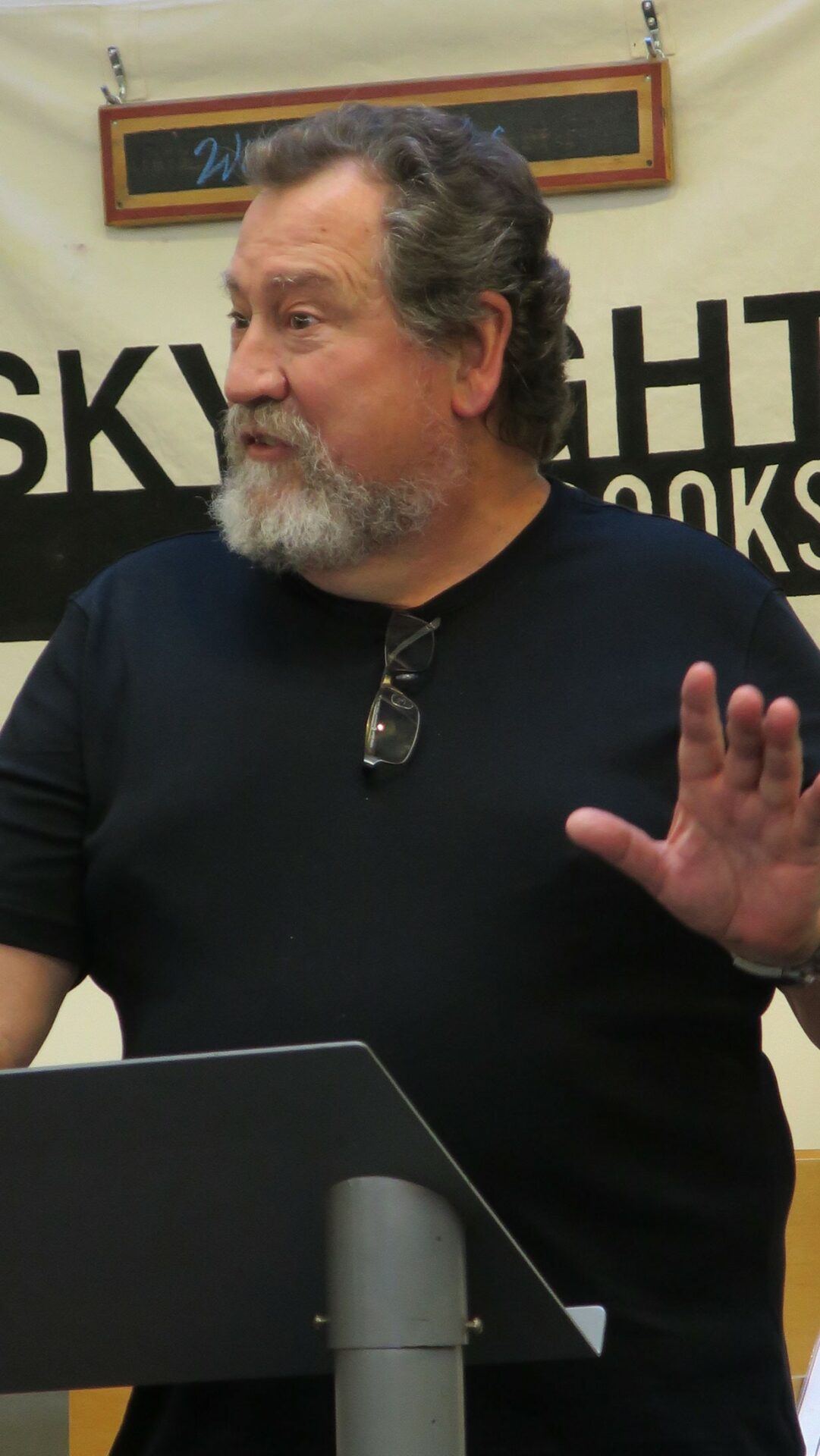
We recently connected with William Luvaas and have shared our conversation below.
Hi William , really happy you were able to join us today and we’re looking forward to sharing your story and insights with our readers. Let’s start with the heart of it all – purpose. How did you find your purpose?
I had no idea what I wanted to do when I graduated from Berkeley years ago. I had been a VISTA Volunteer/community organizer in Alabama after my Sophomore year in college, fighting poverty and racism, and knew I wanted to do something significant with my life. But what? I majored in psychology and thought I would work in mental health. Waiting to be interviewed for a job at the Berkeley Public Health Division, I realized I didn’t want the job and walked out. I moved to the Mendocino Coast and built a shelter in a huge, burned out redwood stump and lived for a year in a magical place we called “The Meadows,” sleeping under the stars and communing with nature. For the next ten years life was an odyssey. My future wife Cin and I checked out homesteading in Alaska, where I was offered a job as head of a new mental health program focusing on native peoples. They must have been desperate to want to hire an inexperienced twenty-four year old. It was tempting, but I said no and we drove south in Cin’s VW bus and landed in the foothills of the Sierras where we made hash pipes and saved enough to travel around Southern Europe on motorcycles. We lived for a time in Spain, Israel and England, then returned to the Mendocino Coast and lived on the cheap in a refurbished chicken coop. I found work as a window washer, dishwasher and carpenter (making great use of my university education). I had begun to feel like I was drifting sideways. I told a friend about my magical days in the redwoods and the idiosyncratic free spirits who lived there. He urged me to write about it, which stirred something in me. I began what was to become an 1,100 page novel, “The Uranian Circus,” which took years to write and was never published, but I knew I had found my calling. My advice to aspiring writers: Don’t settle into a groove too soon; explore the world some and find out who you are and what you want to do. Add to this what an older writer advised me when I was starting out: “Always put your writing first.” I’ve tried to do that. This said, there are many ways of becoming a writer. Jack London went into the wild; Emily Dickinson stayed at home. Whatever works for you.
Great, so let’s take a few minutes and cover your story. What should folks know about you and what you do?
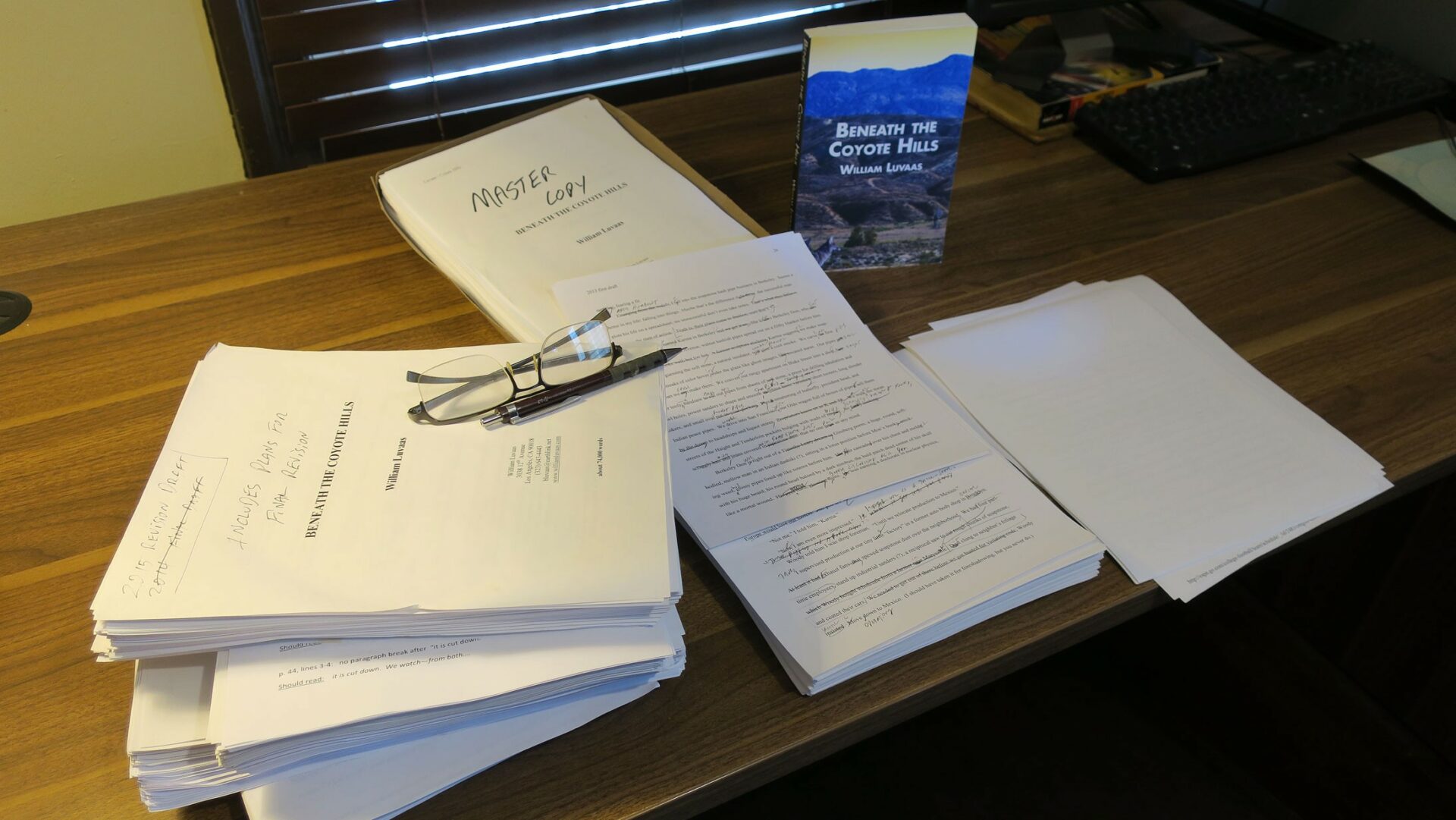
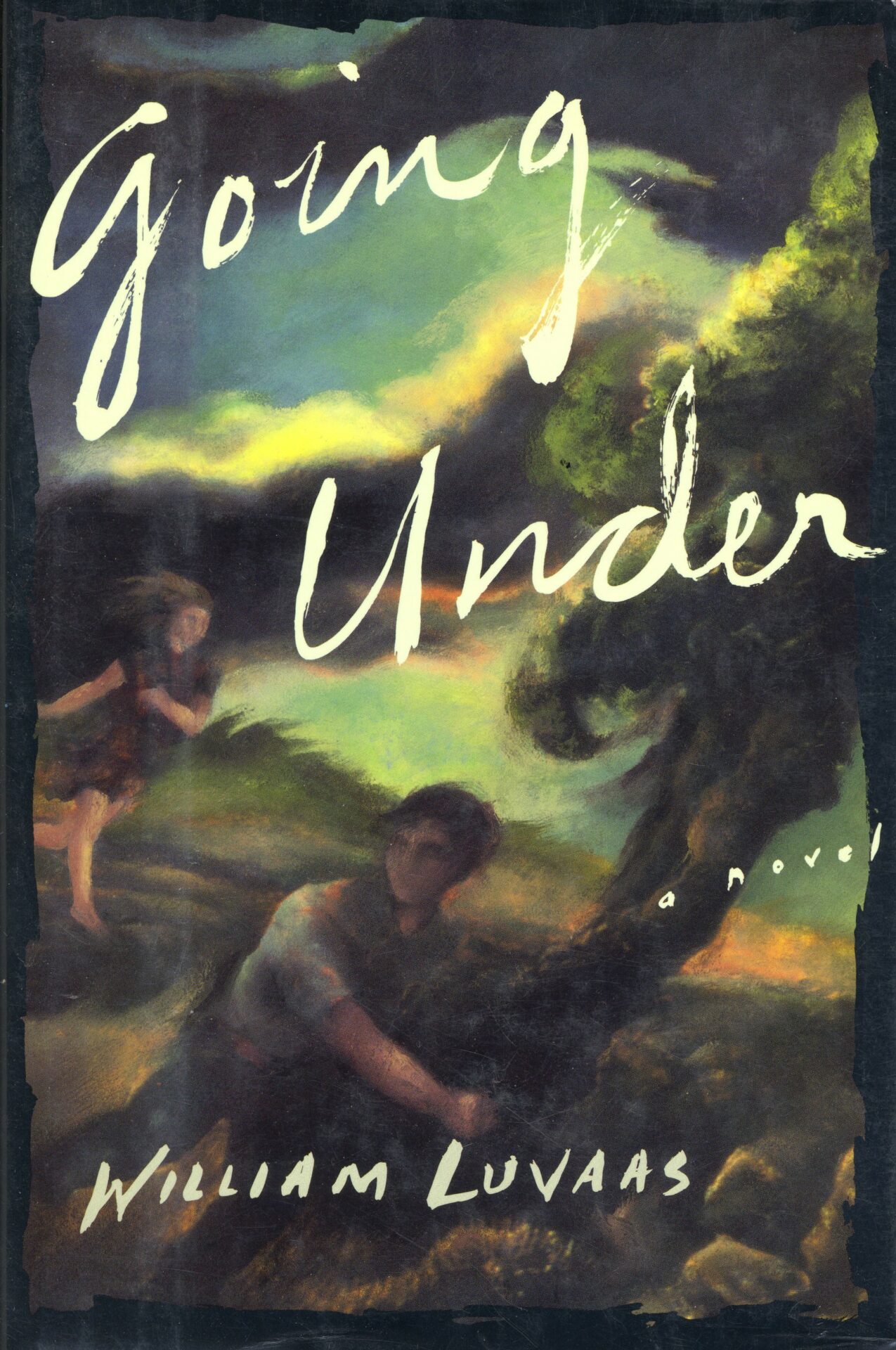
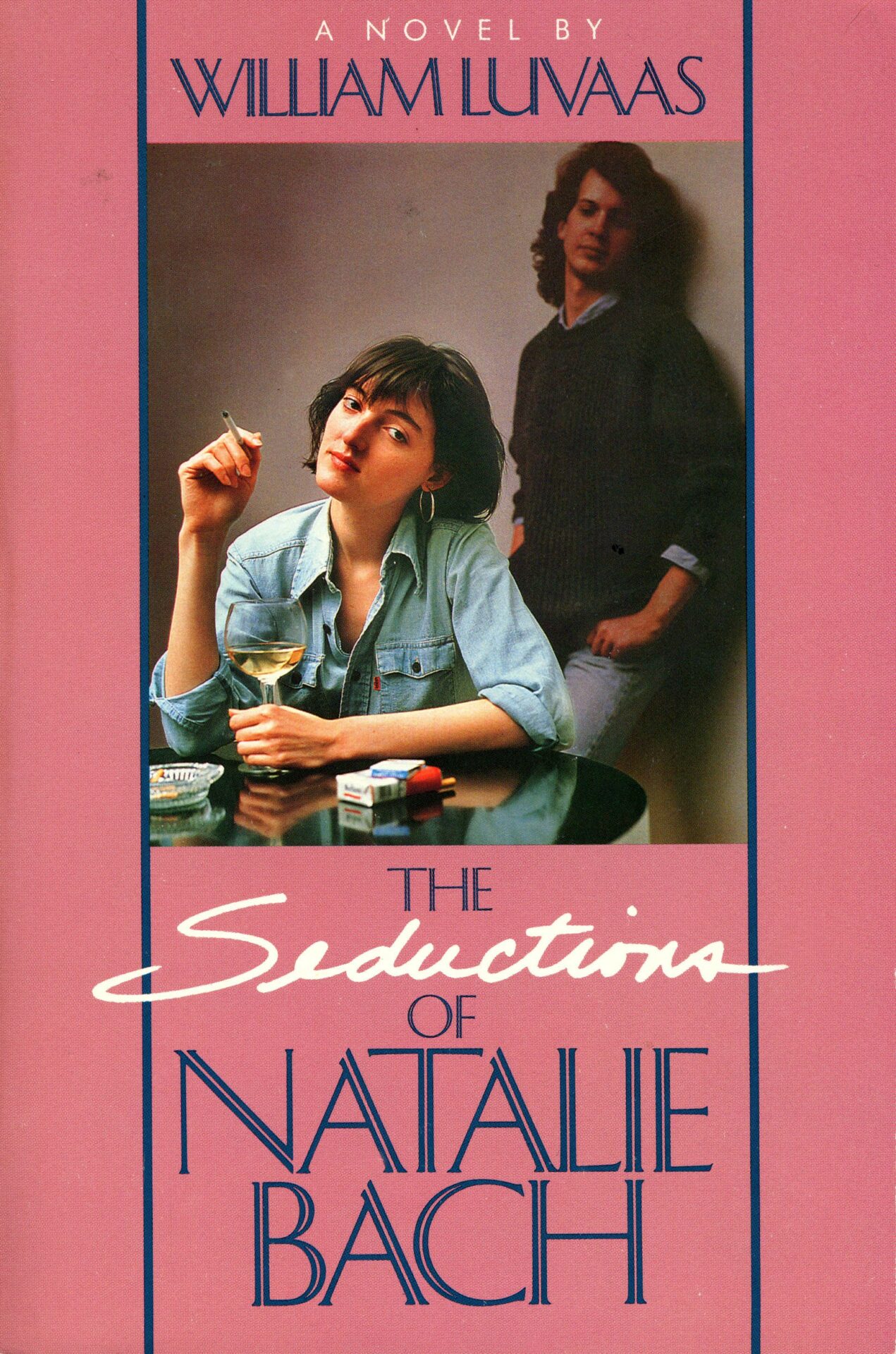
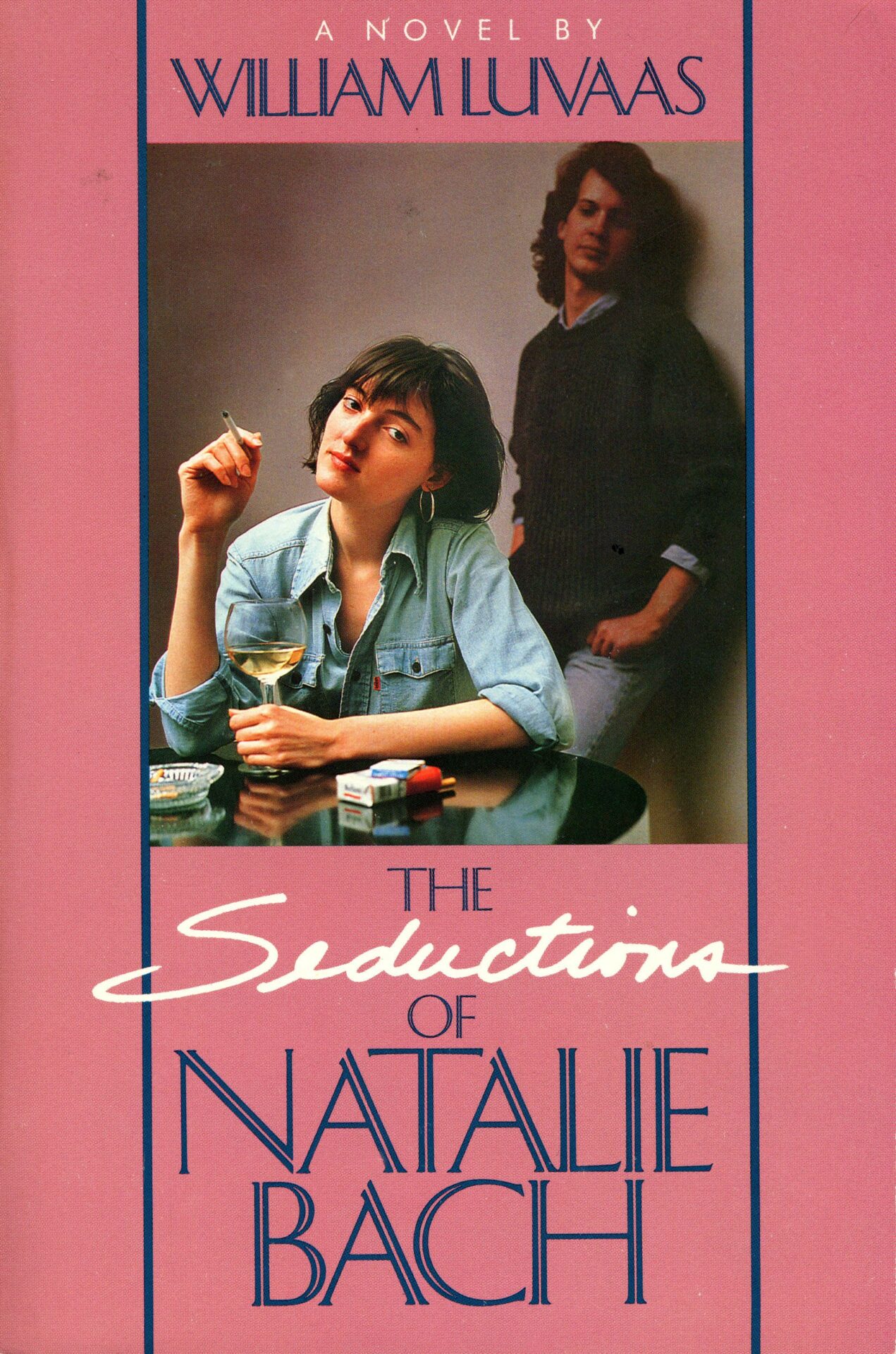
I grew up in Oregon in an affluent but troubled home. My novel “Going Under” is a loosely autobiographical story about a dysfunctional family. The parents fight constantly, the mother is an alcoholic, the father is weak, the sons dig a tunnel behind the house, seeking refuge underground, the daughter thinks she is a spider and hides in corners. My first published novel “The Seductions of Natalie Bach” was based on my wife’s much different upbringing in New York. It came out from Little, Brown with much fanfare. It’s an exciting thing to see your book in New York bookstore windows. From those first close-to-home writerly steps, I broadened to write about others’ lives. “Report From God’s Country” focuses on conflict between evangelical Christians and secular humanists; “Beneath The Coyote Hills” on homeless epileptic Tommy, who struggles to get by and write a new life for himself. He creates a wealthy man whose wife seems to be writing his story as Tommy writes hers. While hyperbolic, it is also a touch autobiographical, as is my next novel “Welcome to Saint Angel,” wherein a community of small town folks stop greedy developers from destroying the place they love. My new novel “Blind Flight” is about a mother and son fleeing an abusive husband who pursues them through American outbacks like some demonic force. They always manage to escape and finally build a new life for themselves.
Generally, my work focuses on people struggling with adversity. My short fiction is often apocalyptic and inspired by places I’ve lived and motifs that haunt me—global warming of late. My new collection The Three Devils and other stories, which comes out with Cornerstone Press in early 2025, is set mainly in Los Angeles in a near future when the city is plagued by the “Foul Air Syndrome” pandemic and rendered nearly uninhabitable by temperature rise.
From California we took a leap to New York in our thirties. I worked as writer-in-residence in public schools and taught writing workshops. Ten years later we returned to California, and I taught creative writing at San Diego State University and UC Riverside. We moved to Los Angeles in 2013.
Looking back, what do you think were the three qualities, skills, or areas of knowledge that were most impactful in your journey? What advice do you have for folks who are early in their journey in terms of how they can best develop or improve on these?
Writer Thomas Mann once said, “Writers are people who can’t live without writing.” It’s true of all the arts. Creation is our life’s blood. But while greatly rewarding at times, a creative life can be grueling, even tedious. Your commitment is tested by rejection, doubt, impatience, and fatigue. Robert Frost once said, “If you want to be courageous, consider the arts.” You must be willing to take risks. I don’t know where that comes from, but it has to be there. As does resiliency. There’s only one rule: Never ever ever give up. My first novel The Seductions of Natalie Bach was rejected 56 times before Little, Brown selected it off the slush pile (books not submitted by an agent), one of only 3 books they accepted that way in twenty years. Their note came out of the blue like a lightning flash: “We have been seduced by Natalie Bach and want to publish it!” You must be dogged in pursuit of your craft, always polishing, thinking this could glow more brightly. But be a little kind to yourself too. Pat yourself on the back sometimes. Many of us are headstrong. My first rejection read: “Your work is as subtle as a rhinoceros in heat.” I didn’t want to be subtle. I believe that “writing should be an assault on the reader,” as Joan Didion says. Some people write to lull people to sleep; some of us write to wake them up.
Is there a particular challenge you are currently facing?
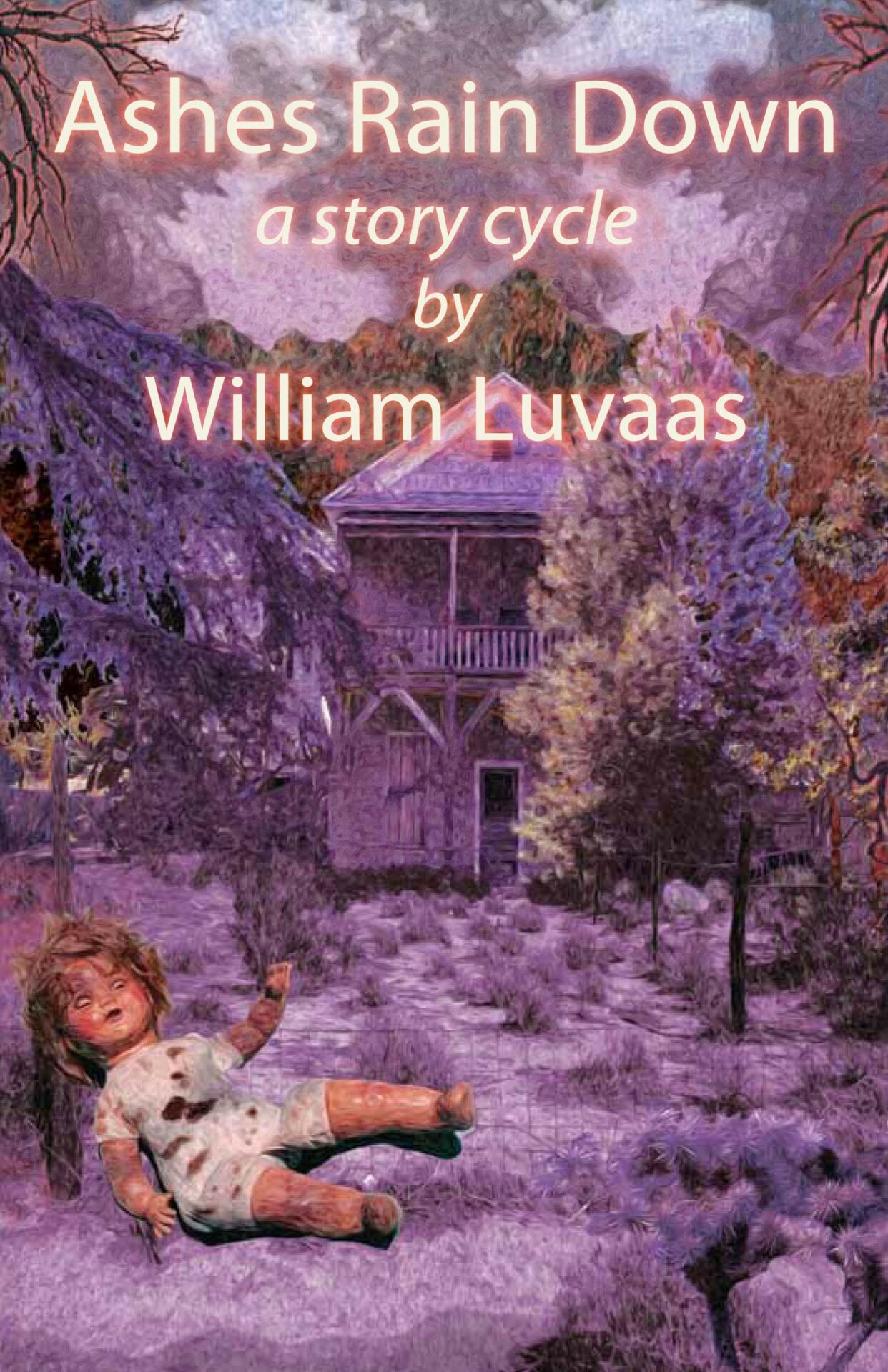
It has to do with waking readers up. I am at work on a cycle of connected stories that stand alone as individual pieces but share characters and motifs in common. It focuses on climate change as did my 2013 collection Ashes Rain Down: A Story Cycle. The danger in writing about fraught issues like this is becoming too preachy. I want stories to show that our world is in peril, but I don’t want to belabor the message. Stories must be compelling, dramatic, even entertaining, the characters must come to life as real people, not didactic props. But at the same time I have a point to make. It’s a balancing act. As counter-intuitive as it may seem, I don’t rely on conscious thought to find the right balance between telling and showing but on subconscious impulse. I dive in, having no idea where a story will go. For example, the record-breaking heat wave in Phoenix captures my imagination. When I sit down to write about it, I find myself leaping ahead twenty years to an abandoned Phoenix, a parched ghost town where not even coyotes or cactuses can survive. I know that somewhere in that hellish scene a story is lurking, and I hope to find it.
Contact Info:
- Website: https://williamluvaas.com/
- Facebook: https://www.facebook.com/williamluvaasauthor/
- Linkedin: https://www.linkedin.com/in/william-luvaas-3b9b07b7