
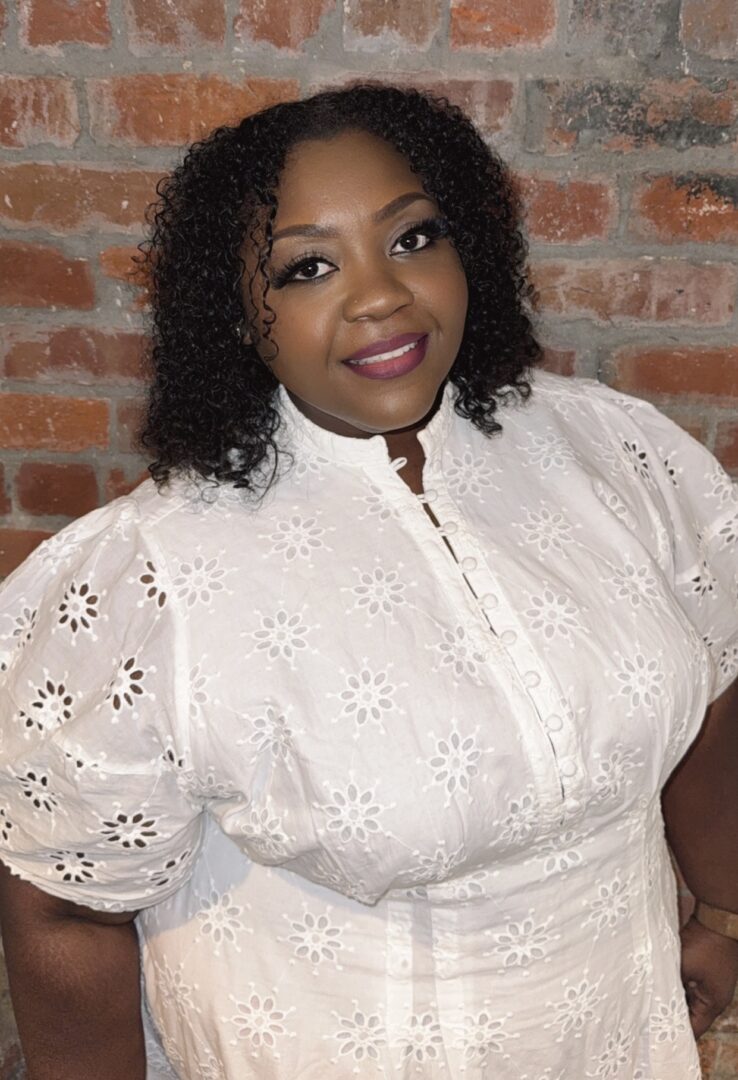
We were lucky to catch up with Xaviera Bell recently and have shared our conversation below.
Xaviera, so good to have you with us today. We’ve got so much planned, so let’s jump right into it. We live in such a diverse world, and in many ways the world is getting better and more understanding but it’s far from perfect. There are so many times where folks find themselves in rooms or situations where they are the only ones that look like them – that might mean being the only woman of color in the room or the only person who grew up in a certain environment etc. Can you talk to us about how you’ve managed to thrive even in situations where you were the only one in the room?
I love this question. I recall being the only black person in the room on many occasions. For many it could be intimidating, however, for me it was an opportunity to stretch out in a new skill set. In my 20s I determined that I was going to be the thermostat and not the thermometer. I was going to bring the climate of any room to meet my expectation. Even if the room did not accommodate me, respect me, or elevate me, it would have to collaborate with me. I learned quickly that all tables that you are invited to you shouldn’t eat from. Not all tables will have a chair for you. Some rooms are meant for you to come in and build a table in the presence of adversarial individuals. You build this table not as a “gotcha”, you build this table to show others that you never know famine until bounty is presented. Build tables so that others can eat well!
Thanks for sharing that. So, before we get any further into our conversation, can you tell our readers a bit about yourself and what you’re working on?
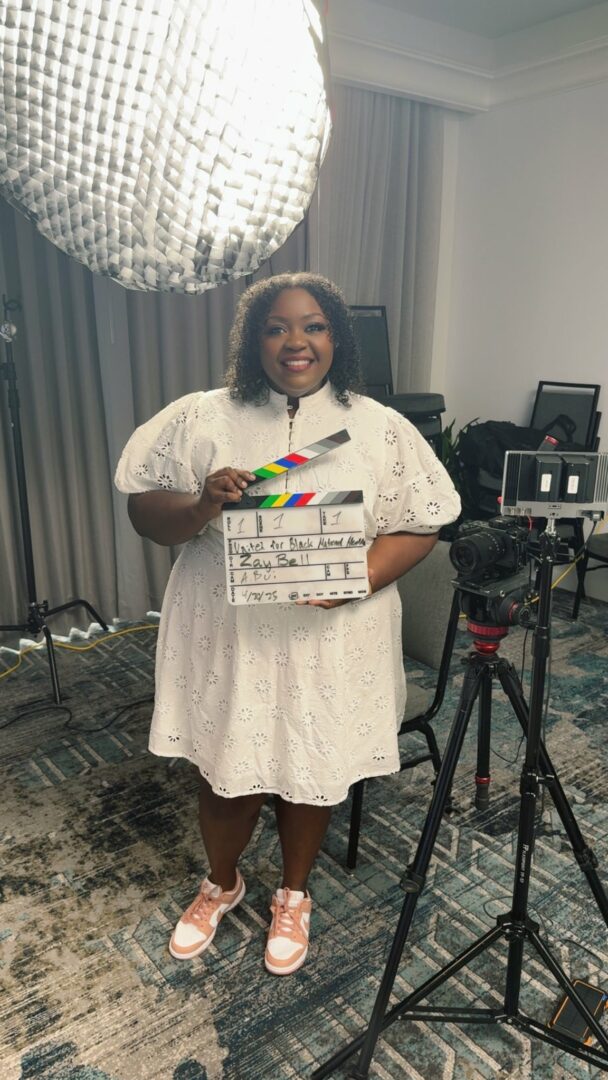
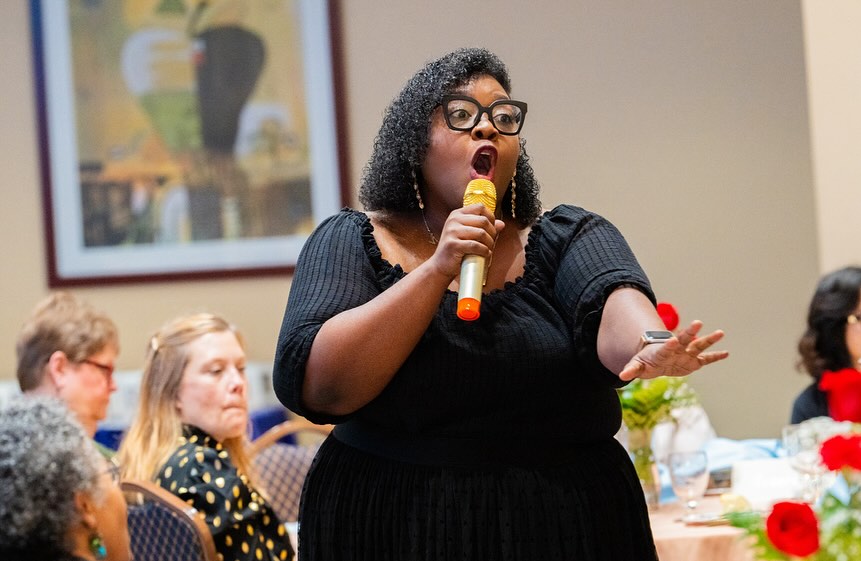
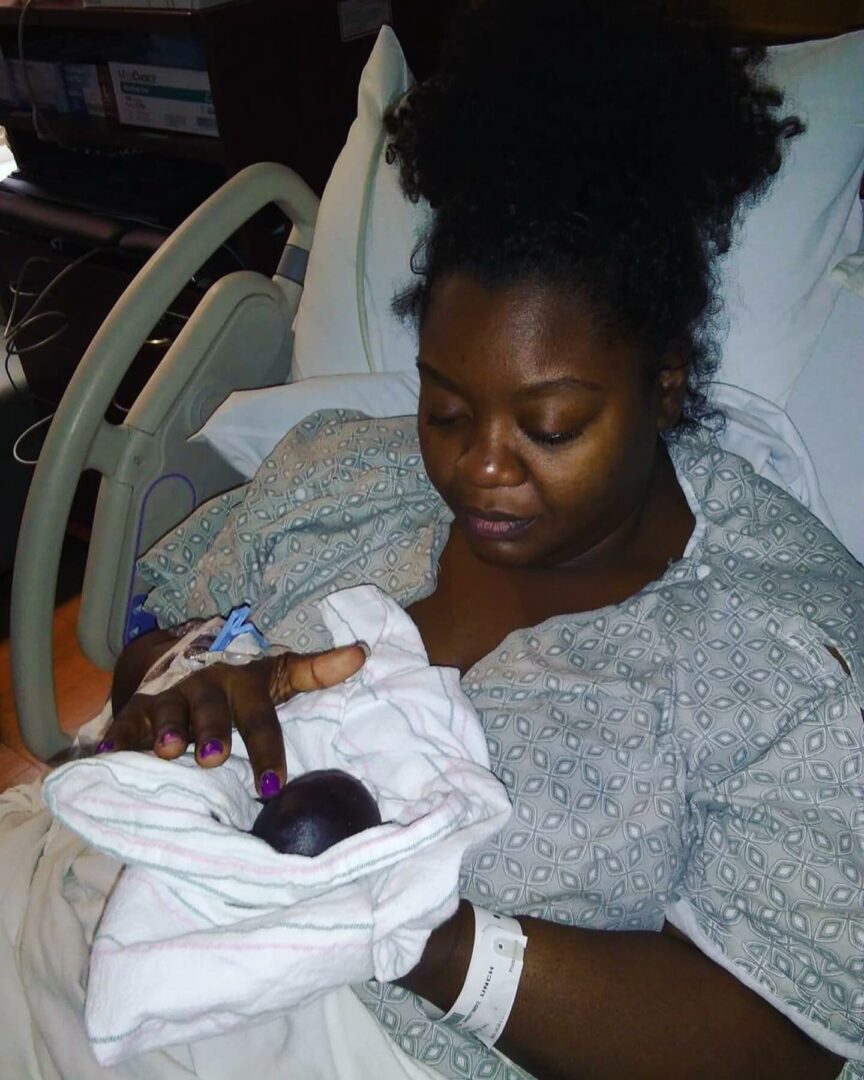
After the loss of my son Xander, I became a passionate advocate for maternal health. She is the creator and founder of one impactful nonprofit, Zeal of Xander, Inc and an LLC, The Black Birth Institute. I am dedicated to addressing the unique needs and challenges faced by black women and families in her community.
I hold a Master of Science degree and has also completed specialized training in Perinatal Mood and Anxiety Disorders (PMADs). In addition to her full spectrum and community-based doula certifications, I am also a certified life coach with a focus on Rational Emotive Behavior Therapy (REBT) and Cognitive Behavioral Therapy (CBT). This combination of skills enables me to provide holistic support, addressing not only the physical aspects of maternal health but also the emotional and mental well-being of individuals that I service.
As the creator of The Black Birth Institute, I am dedicated to addressing the disparities faced by Black women in maternal health outcomes. Through this business, I am dedicate to providing doula training and professional development training for doulas and providers. I strive to provide culturally competent care, education, and advocacy to empower Black women and families throughout their reproductive journey. With my PMADs training, I am well-equipped to support individuals and families who may be experiencing perinatal mood disorders. I offer a safe and non-judgmental space for healing, providing guidance and resources to navigate the complex emotions and challenges that arise during this vulnerable time.
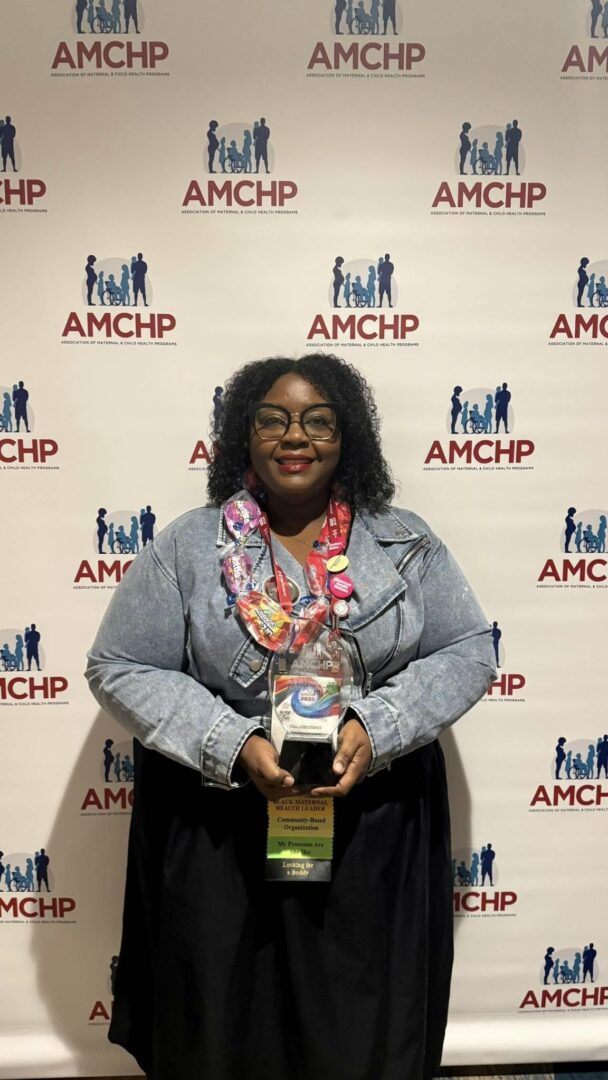
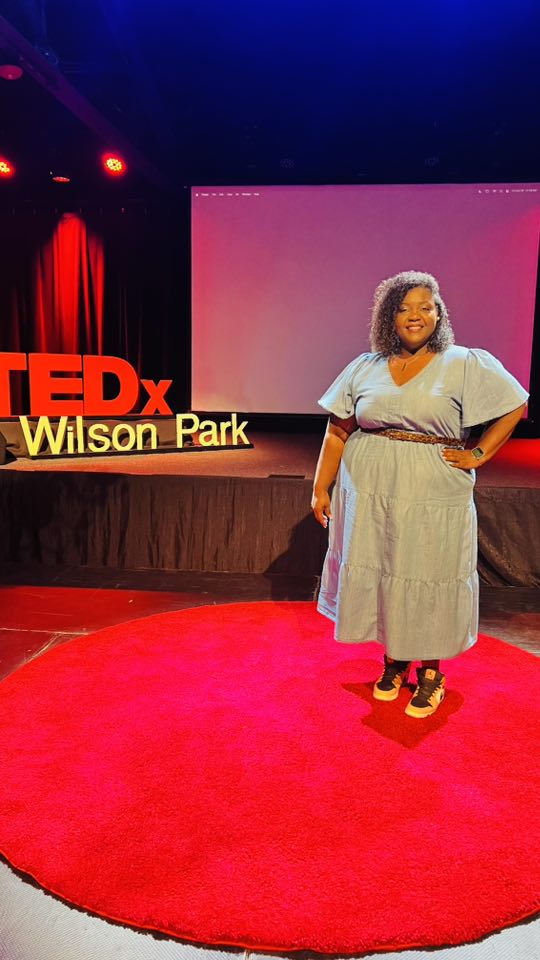
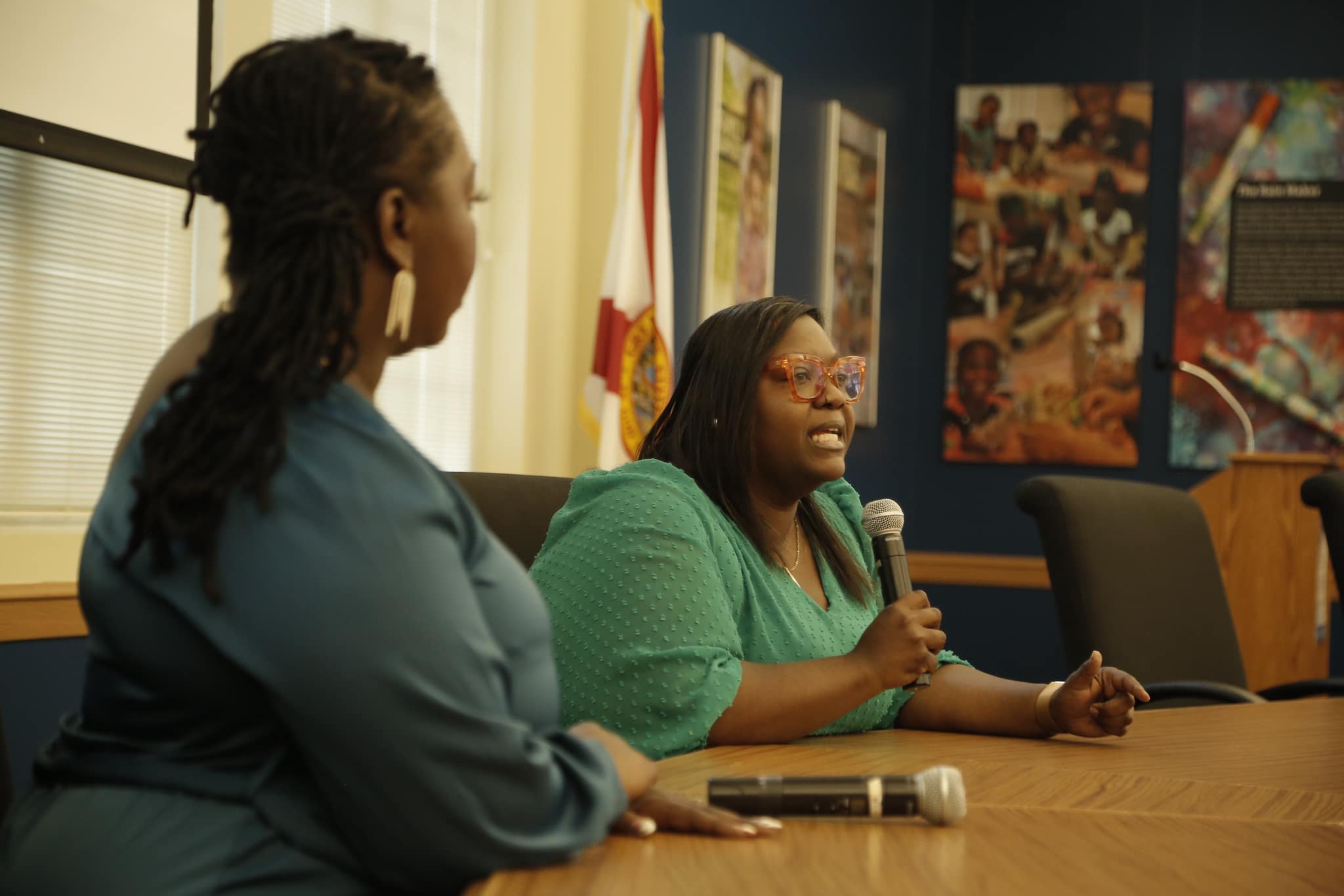
I am a TEDx speaker and a nationally recognized lecturer through AMCHP. I am a published author and am responsible for creating the first ever black infant mortality anthology, The Mourning After, that brought together black mothers in loss, providers, and legislation. I am honored to serve my community and make a positive impact on the lives of women and families. I strive to create a more inclusive and supportive environment for all individuals during their maternal health journey.
If you had to pick three qualities that are most important to develop, which three would you say matter most?
I believe that my skill set was acquired not through education but through upbringing and grit. My mother has always been a great judge of character, she taught me the importance of discernment. My father can fix anything, he taught me to be responsible with my hands! That my hands could dismantle or build, I choose which one. My life taught me resilience. That sometimes the halts are semicolons and not periods. I also believe that I have to quality of relatability. I never meet a stranger and I make people feel comfortable in my presence.
As we end our chat, is there a book you can leave people with that’s been meaningful to you and your development?
Writing the book, Black Womb Disorder, stretched me in so many ways. It developed me as a woman, as a researcher, as a mother that has lost a baby, and as a black person. I learned that Black women need equity in some Black spaces as well. My eyes were opened to the fact that the body keeps the score but the heart collects the scars.
Contact Info:
- Website: https://www.zealofxander.org
- Linkedin: http://linkedin.com/in/xaviera-bell-ms-pfp-chet-cd-cle-a63666a6
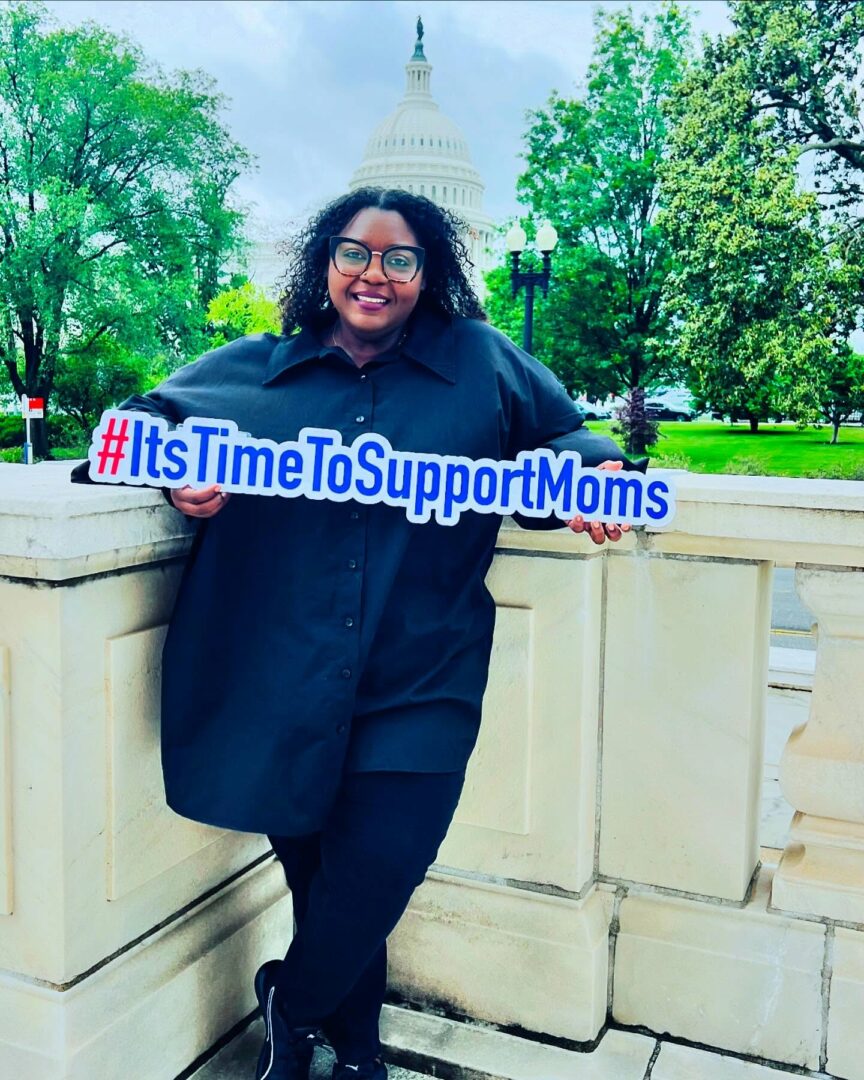
Image Credits
Annistique Photography, Jacobs Photography
so if you or someone you know deserves recognition please let us know here.


