Alright – so today we’ve got the honor of introducing you to Xiaoyu Zhang. We think you’ll enjoy our conversation, we’ve shared it below.
Alright, so we’re so thrilled to have Xiaoyu with us today – welcome and maybe we can jump right into it with a question about one of your qualities that we most admire. How did you develop your work ethic? Where do you think you get it from?
I believe my work ethic is rooted in a combination of my upbringing and personal passion for design. Growing up, I was always encouraged to pursue my interests with dedication and persistence. My parents instilled in me the importance of hard work and resilience, teaching me that success often comes from consistent effort and a willingness to learn from failures.
Moreover, my passion for design drives me to put in the extra hours and continually push my boundaries. I am deeply motivated by the idea of creating innovative, user-centric designs that can make a difference in people’s lives. This passion fuels my work ethic, making it easier to stay committed and focused even when facing challenges.
The support and collaboration of my friends, classmates in college and colleagues also play a significant role. Working with a talented and motivated people inspires me to maintain a strong work ethic, as I see the collective effort leading to amazing results. This combination of upbringing, passion, and collaborative environment shapes the work ethic I bring to my projects every day.
Thanks for sharing that. So, before we get any further into our conversation, can you tell our readers a bit about yourself and what you’re working on?
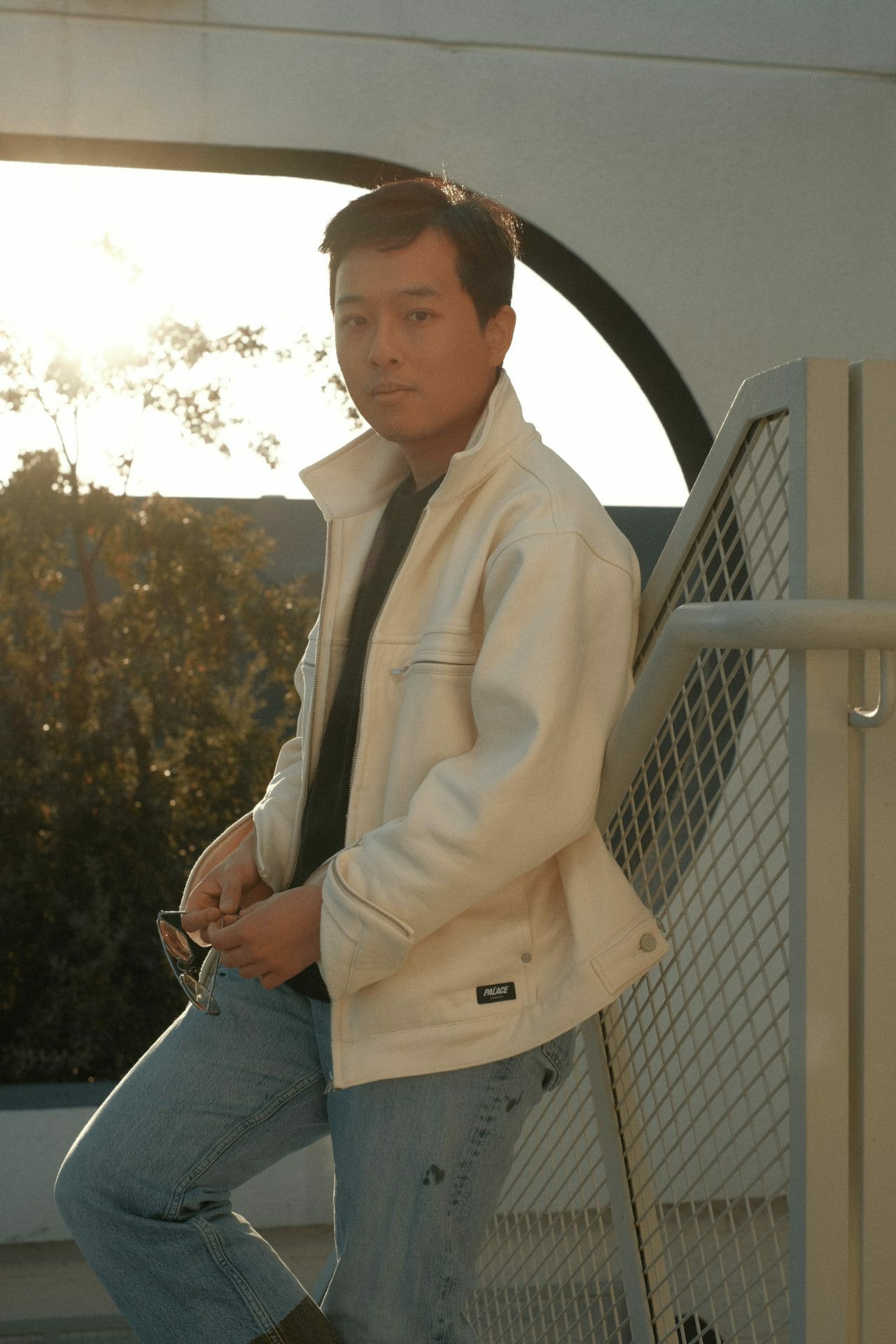
Hey everyone, I’m Xiaoyu Zhang, a product designer with a passion for creating innovative and user-centric designs.
From a young age, I was irresistibly drawn to drawing. There was a certain magic in creating designs that melded utility with aesthetics. My textbooks, diaries—virtually every surface I encountered—became a canvas for my sketches of cars, products, and other designs. In my leisure hours, I was captivated by observing objects and, more importantly, observing people interact with those objects. I witnessed firsthand the frustrations evoked by flawed design and the sheer joy that thoughtful, well-executed design could bring. Most users were unaware of these subtle emotions, but to me, design was akin to performing unspoken magic that delighted while also delivering value. My love for drawing and these observations transformed design from a mere passion to a lifelong pursuit.
When it came to choosing a college, my love for cars took the front seat. I simply googled “the best car design school in the world.” ArtCenter College of Design in Pasadena emerged at the top, and two years later, I found myself in Pasadena—living, learning and working.
My journey in design has been one of constant evolution. I consistently push my boundaries, asking: Can this design be more user-friendly? Can it be more visually appealing? Can it be more engaging? Stepping out of my comfort zone was never easy (perhaps that’s why it’s named so), but the rewards were undeniable. My focus shifted from individual designs to more holistic experiences—think of the difference between designing only an ice cream versus an entire ice cream shop. This broader perspective deepened my empathy for users and clients. Many designers dream of the ideal conditions—a perfect user, perfect timing, perfect everything. But reality is almost never so accommodating. Despite this, I’ve strived to infuse meaning into my designs, ensuring they resonate on multiple levels, not just aesthetically.
My professional journey granted me opportunities to work with some iconic brands, including Aptera, Lucid, Koenigsegg. This association was enlightening. Designing for a niche demographic versus a broader audience presented unique challenges, but it reiterated a fundamental design truth: Regardless of external factors, the essence of design lies in surpassing expectations within the given constraints.
Currently, I’m venturing into several possibilities through different medias, exploring avenues that unleash the latent potential of the users. For me, this feels like a puzzle—an engaging challenge that keeps me rooted in my foundational design principles: observation, innovation, and challenging the status quo.
There is so much advice out there about all the different skills and qualities folks need to develop in order to succeed in today’s highly competitive environment and often it can feel overwhelming. So, if we had to break it down to just the three that matter most, which three skills or qualities would you focus on?
Reflecting on my design journey, I believe three qualities have been most impactful: perseverance, creativity, and empathy.
Perseverance: The ability to keep going despite obstacles and setbacks has been crucial. The design process is often iterative and can involve numerous revisions and failures before arriving at a final product. Perseverance has helped me stay committed and focused, turning challenges into learning opportunities. For those early in their journey, my advice is to embrace the setbacks. They are an inevitable part of the creative process and can provide valuable insights. Cultivate resilience by setting small, achievable goals and celebrating progress along the way.
Creativity: As a designer, creativity is at the core of what I do. It allows me to think outside the box and develop innovative solutions that stand out. To nurture creativity, I recommend everyone to explore various sources of inspiration, whether it’s nature, art, or different cultures. Practice creative thinking by experimenting with new ideas and not being afraid to take risks. Engaging in activities like sketching, brainstorming sessions, and collaborative projects can also stimulate creative thinking.
Empathy: Understanding and relating to the needs and experiences of users is essential for creating meaningful designs. In my creative journey, empathy enabled me to design with the user in mind, ensuring that the products are intuitive and beneficial. For creatives starting out, developing empathy involves active listening and observing. Take the time to understand your audience through user research, interviews, and feedback sessions. Putting yourself in the user’s shoes helps create designs that truly resonate with people.
What has been your biggest area of growth or improvement in the past 12 months?
In the past 12 months, my biggest area of growth has been in collaborative design and project management. While I’ve always valued teamwork, this year has really highlighted the importance of effective collaboration and coordination in bringing complex projects to life.
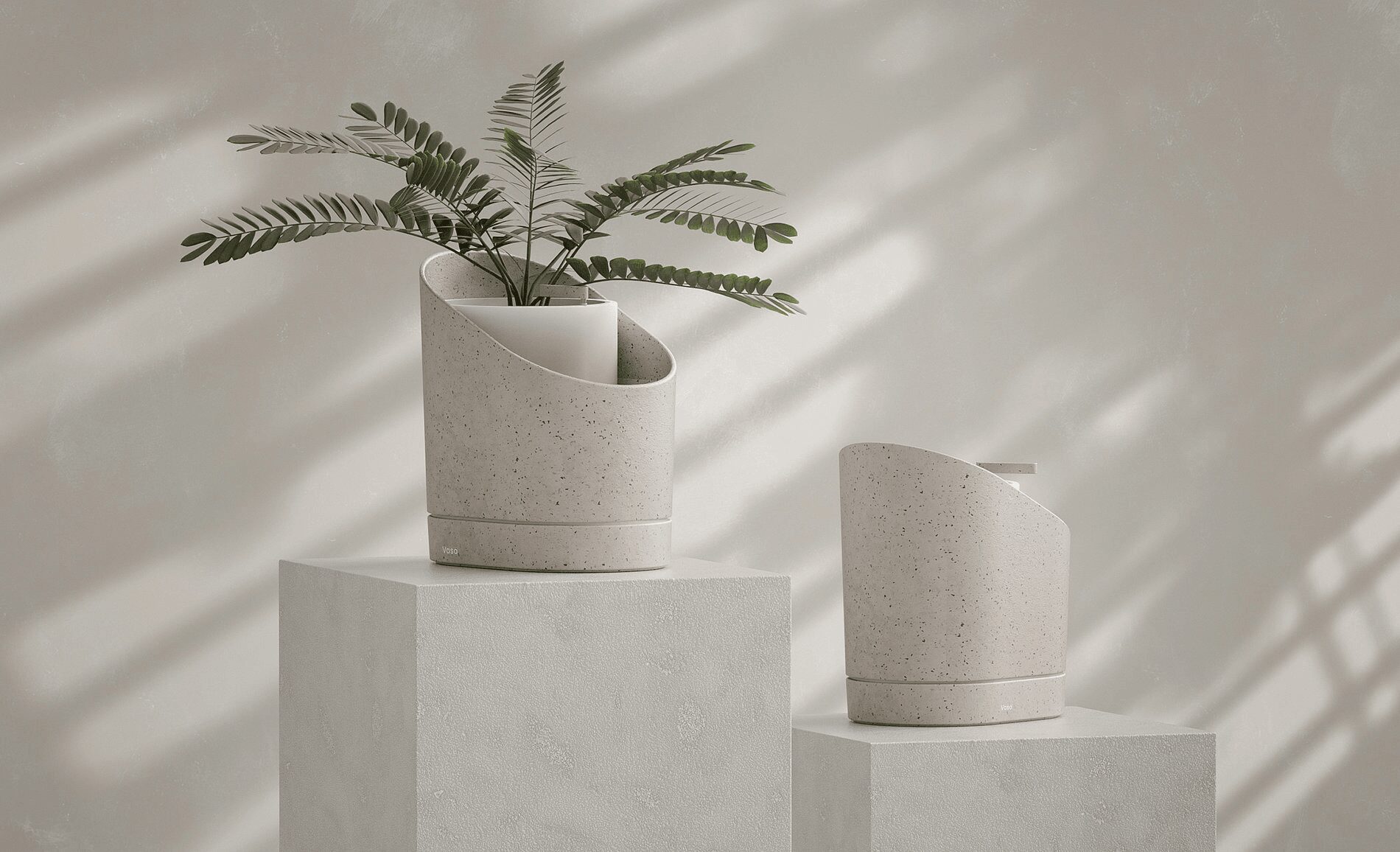
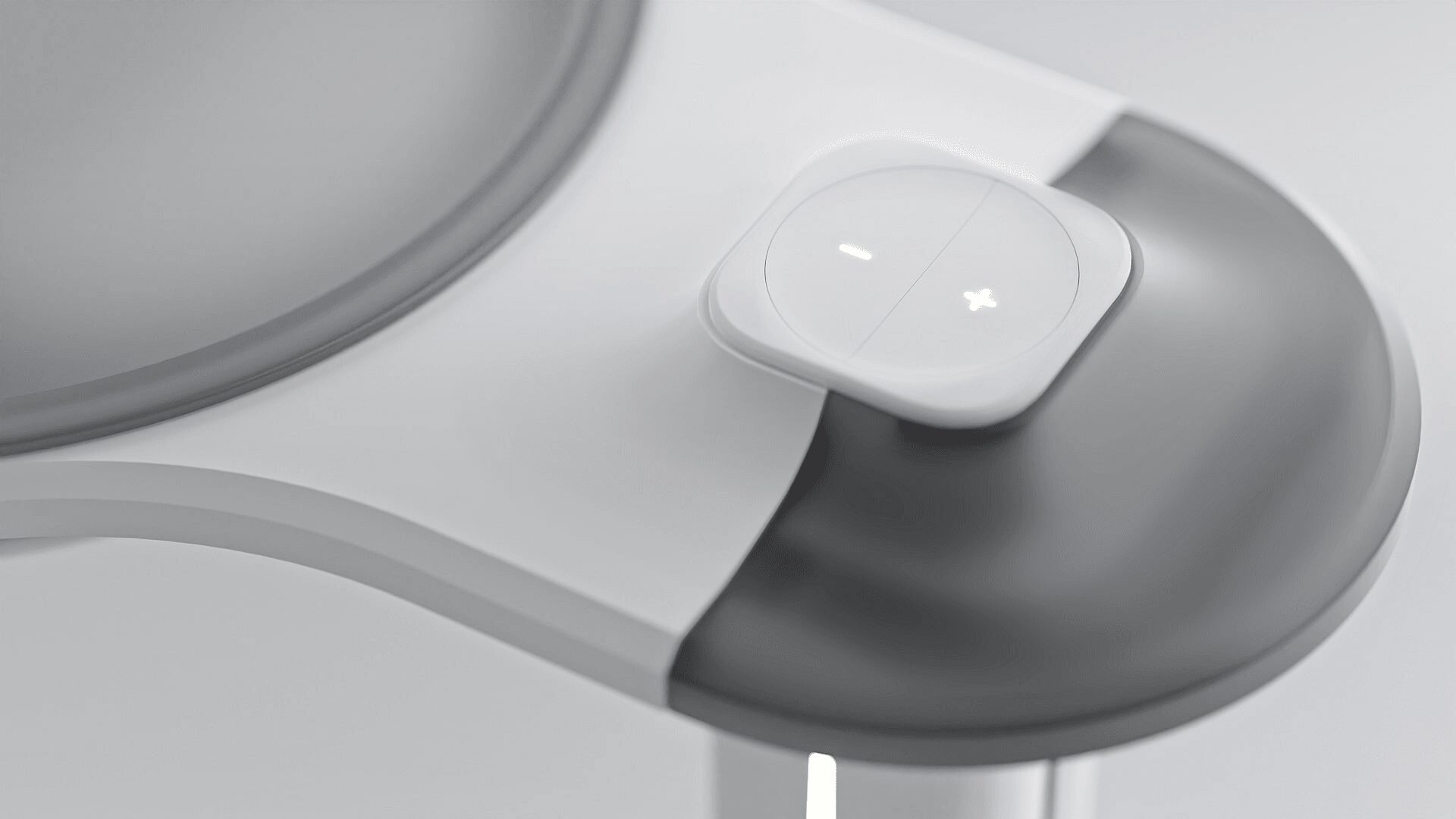
Working on the Vaso project, for instance, required close collaboration with a diverse team of designers and engineers. This experience taught me how to better communicate my ideas, listen to and integrate feedback, and manage various aspects of a project simultaneously. I learned to balance creative vision with practical considerations, ensuring that our designs were not only innovative but also feasible and market-ready.
Additionally, I improved my project management skills, learning how to set realistic timelines, delegate tasks effectively, and keep the team motivated and focused. This growth in managing both people and processes has been instrumental in pushing our projects forward efficiently and successfully.
For those looking to grow in these areas, my advice is to actively seek out collaborative opportunities and embrace the challenges they bring. Practice clear and open communication, be receptive to feedback, and always keep the project goals in sight. Learning to manage both the creative and logistical aspects of a project will significantly enhance your ability to turn ideas into reality.
Contact Info:
- Instagram: @xiaoyu.studio
- Linkedin: https://www.linkedin.com/in/xiaoyuzhangux/
- Other: https://www.red-dot.org/zh/project/vaso-62396
Image Credits
Profile Photo: Duvit Kakunegoda
so if you or someone you know deserves recognition please let us know here.