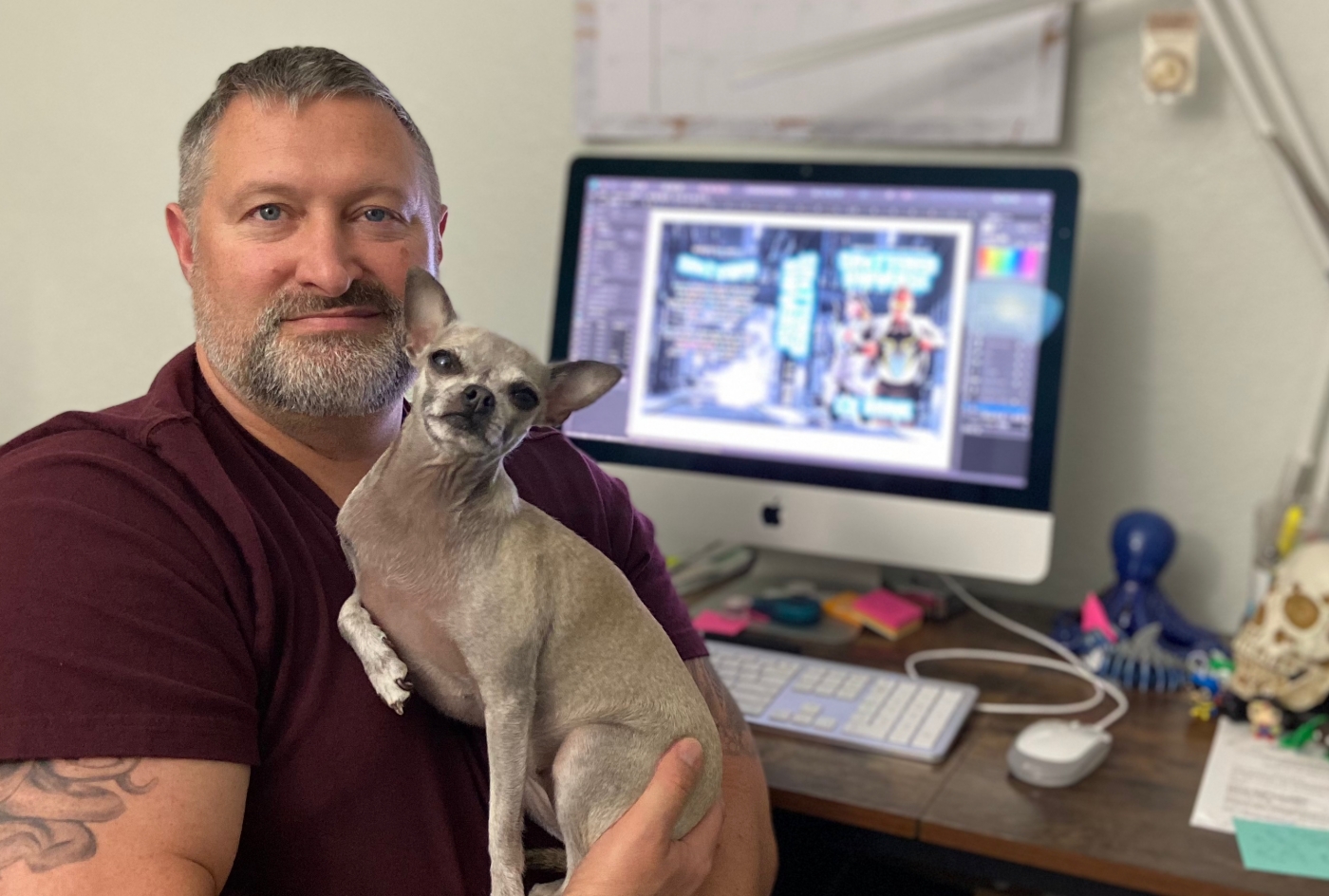
We caught up with the brilliant and insightful Yash Kapoor a few weeks ago and have shared our conversation below.
Yash, we’re thrilled to have you on our platform and we think there is so much folks can learn from you and your story. Something that matters deeply to us is living a life and leading a career filled with purpose and so let’s start by chatting about how you found your purpose.
I didn’t find my purpose in a well-lit studio or during a polished recording session. I found it in a crowded Mumbai living room, surrounded by rappers I didn’t belong to — but whose sound I was asked to help build.
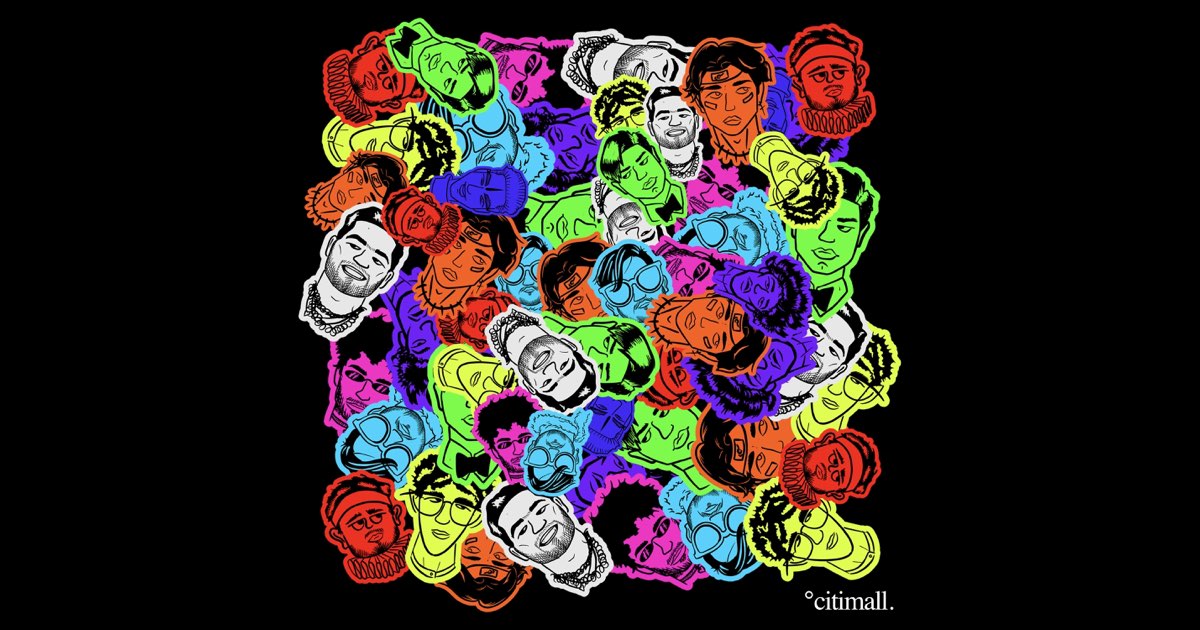
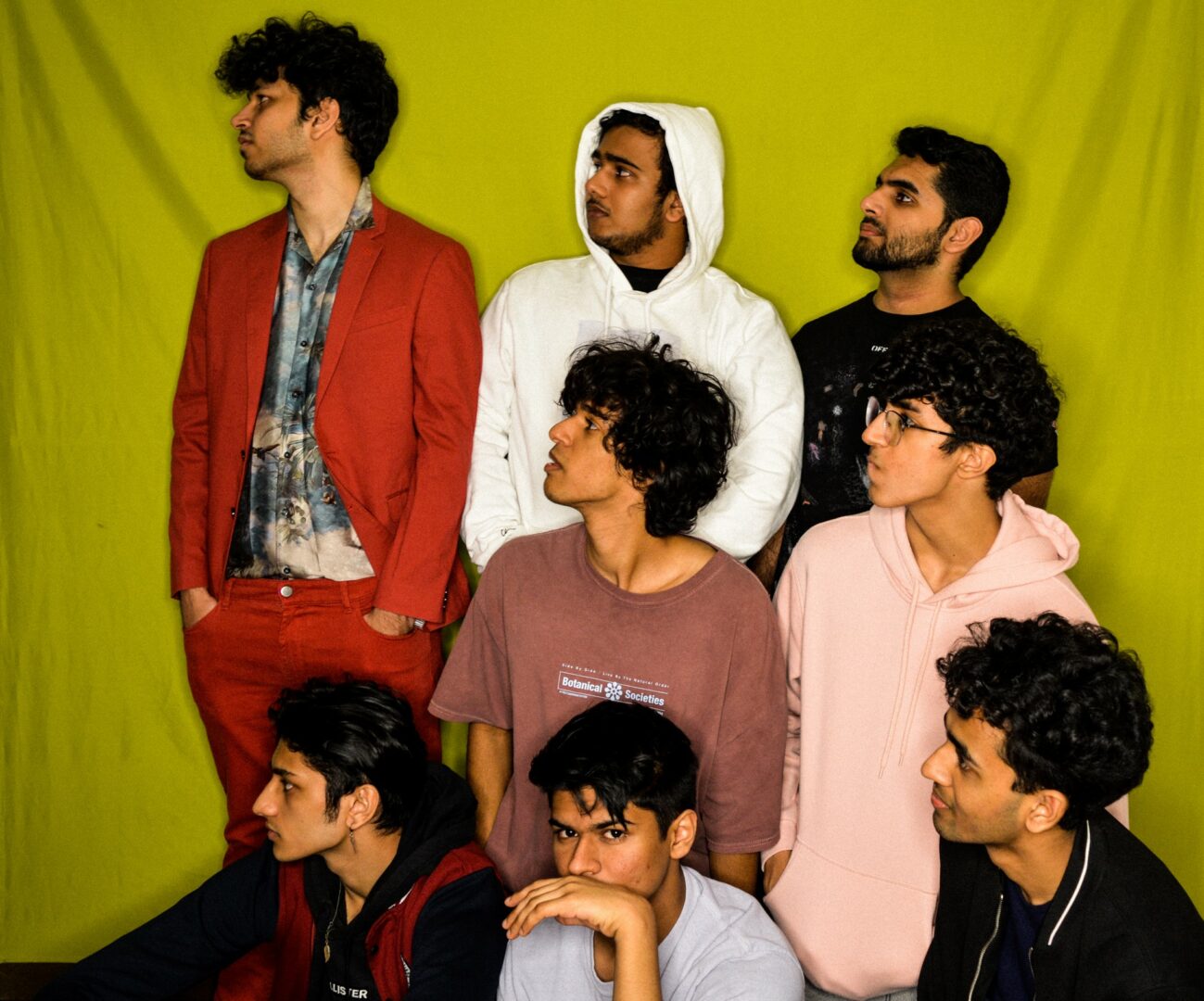
In 2022, I was brought in as an independent producer and engineer to work with Citimall, one of Mumbai’s most fearless young hip-hop collectives. They weren’t a polished act yet; they were a group of friends who wound up at producer Soham Mukherji’s house after a trip to the movies and turned a casual hangout into a late-night creative storm. Ideas were flying faster than the fans could cool the room, and someone hit play on a rough beat that would later become “JOHNNY” — a gritty track that took everyday frustrations and blew them up into a theatrical, satirical crime story.
I wasn’t there to rap, perform, or claim a spot in the crew. I was there to shape what was already passionate, messy, and loud. My job wasn’t to tame their energy — it was to preserve it while making every kick, vocal take, and bass line feel intentional. That night, I realized something I didn’t know I’d been looking for:
my purpose isn’t to be the loudest artist in the room, but to amplify the artists who are.
Working alongside Citimall showed me that production isn’t about imposing my identity onto someone else; it’s about unlocking theirs. These musicians didn’t need another creative voice telling them what to be. They needed someone who could translate what they already were into sound that would hit speakers with the same unfiltered honesty they carried in real life.
That philosophy followed me from that tiny Mumbai apartment to Berklee and now to Los Angeles. Whether I’m mixing hip-hop, producing pop, or scoring film, I carry the same lesson: a producer’s purpose isn’t to shine — it’s to make the artist’s truth impossible to ignore.
I found my purpose not by becoming part of a group, but by learning how to elevate one I could stand behind, respectfully, from the outside. And I’ve been shaping stories through sound ever since.
Great, so let’s take a few minutes and cover your story. What should folks know about you and what you do?
Spreading the Word: My Work, My Focus & What Makes It Special
My work sits at the intersection of sound, storytelling, and identity. I’m a producer and audio engineer who builds sonic worlds around artists — the kind of worlds that make listeners feel who they’re hearing, not just hear what was recorded. My role isn’t to take center stage. It’s to shape the atmosphere, intention, and emotional impact of the artist’s voice, beat, or melody.
A big part of my artistic focus grew out of working as an independent collaborator with Citimall, a Mumbai-based hip-hop collective who have become one of the most exciting underground acts in India. What drew me in wasn’t just their talent, but their storytelling and irreverence — they took everyday situations and exaggerated them into something cinematic. When I helped engineer and shape portions of their sound, especially during their early releases, my job was to preserve their rawness while making it hit harder.
Watching their music take off reaffirmed the power of a producer’s role. One of their most popular tracks, “Guzarish,” has now crossed over one million streams on Spotify, with multiple singles crossing six-figure plays. It’s been inspiring to see a home-grown crew, who began by building beats in a living room, grow into a viral presence with listeners across India consuming their work like mainstream releases.
That’s the space where I feel most alive — working with developing artists whose voices are culturally specific, bold, and rooted in real lived narratives. I’m now based in Los Angeles, expanding that same ethos in the Western market while staying connected to a global network of creators. My work spans hip-hop, pop, and film music, but the core is always the same: amplifying voices that deserve to be heard, without smoothing their edges.
Whether I’m arranging vocals, creating a cinematic score, or mixing a gritty rap track, my brand is about authenticity in sound. I don’t just clean audio; I serve the story inside it. And that’s what I’m continuing to build today — a career that lets artists sound more like themselves than they ever imagined they could.
There is so much advice out there about all the different skills and qualities folks need to develop in order to succeed in today’s highly competitive environment and often it can feel overwhelming. So, if we had to break it down to just the three that matter most, which three skills or qualities would you focus on?
Looking back, the qualities that shaped my journey weren’t technical first — they were human. The software, the mixing chains, the vocal processing techniques all mattered, but they only made sense after I understood the people behind the music. Three skills have been the most impactful for me:
1) Listening Beyond Sound
Before I learned how to EQ a vocal, I had to learn how to hear the intention behind it. Working with artists — especially crews like Citimall, who rap from real emotion and personal chaos — taught me that a producer’s job isn’t to fix voices; it’s to reveal them. A great producer knows when to step in, and when to get out of the way.
Advice: Don’t chase control — chase understanding. Spend more time asking artists what they want to feel rather than tweaking what you want to hear.
2) Technical Patience
Music production isn’t glamorous; it’s hours of micro-decisions. A kick drum might take three hours to sit right. A vocal chain might change five times in one night. It’s slow work disguised as creativity. The loudest tracks with the highest stream counts exist because someone was patient enough to obsess over what most listeners overlook.
Advice: Fall in love with the small moves. They’re what separate a raw idea from a track that reaches one million streams.
3) Emotional Neutrality
As producers and engineers, we’re not there to be the “right voice in the room.” We’re there to be the stable one. When egos clash, when anxiety kicks in, when artists doubt themselves, we have to stay grounded. In music — especially collaborative chaos like I experienced in Mumbai — neutrality is leadership.
Advice: Work on your calm as much as your craft. A talented engineer is useful. A stable one is unforgettable.
Is there a particular challenge you are currently facing?
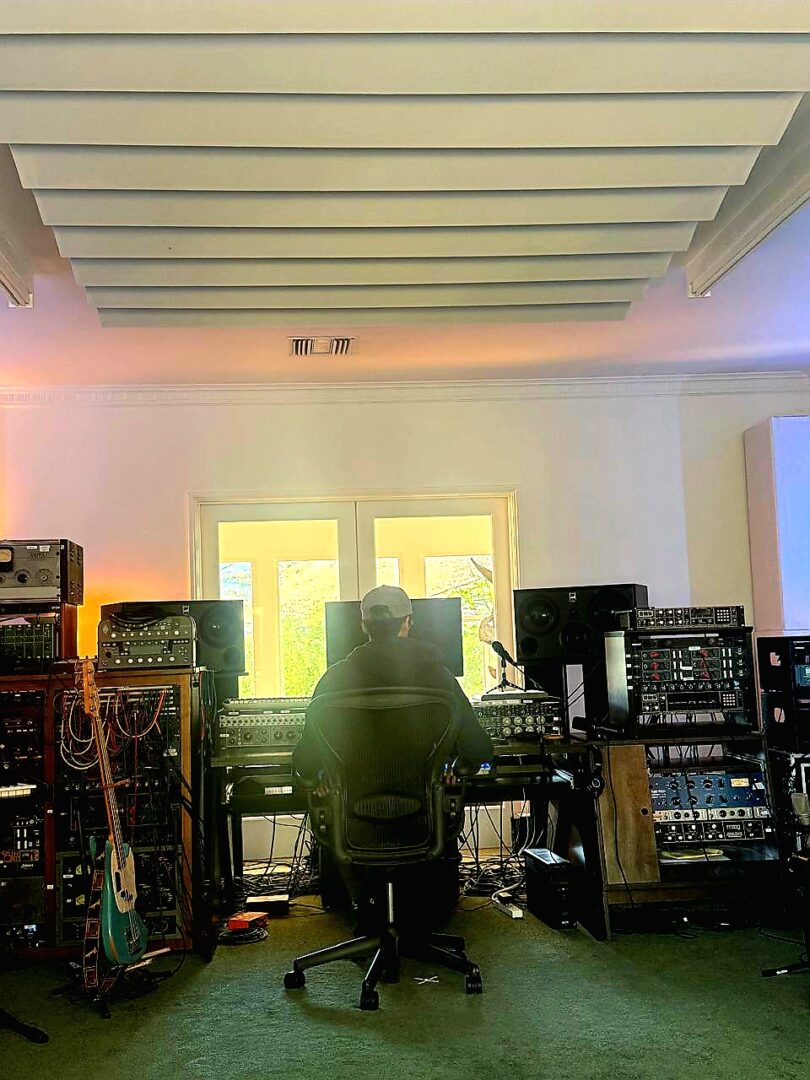
My biggest challenge right now isn’t creativity — it’s capacity. I live inside multiple musical worlds at once: working on my own projects, producing for hip-hop artists, composing for film and TV cues, managing freelance work tied to AI audio training, recording sessions, mixing, writing, networking… and the list never actually ends. The hardest part isn’t doing the work — it’s choosing what not to do that day.
As artists, especially in today’s industry, we’re told to be versatile. But nobody teaches you how to schedule versatility. I used to treat every opportunity like it was time-sensitive gold, jumping into every production and creative challenge immediately. What I’m learning now is that growth doesn’t come from doing everything at once — it comes from doing the right things with clarity.
To manage this, I’ve started creating my schedule around energy instead of urgency. If a task requires imagination, I don’t force it at 2 a.m. after a long session. If a job is technical or repetitive, I batch it in focused slots when my brain isn’t in “artist mode.” I also break bigger creative goals into micro-steps, the way you might break down a track into sections. You don’t finish a song in one shot — you layer it. Time works the same way.
The truth is, the modern music creator isn’t just one person wearing many hats; we’re many people sharing one body. And the only way to sustain that is by giving each version of yourself the time it needs, instead of rushing through the work to feel productive. Time management, for me, isn’t about control anymore — it’s about respect. Respect for the work, and respect for the person making it.
Contact Info:
- Website: https://www.yashkapoor.studio
- Instagram: https://www.instagram.com/citimalll/
- Linkedin: https://www.linkedin.com/in/theyashkapoor/
- Youtube: https://www.youtube.com/@citimall7070
- Other: https://open.spotify.com/artist/0wnr36mC2ENfSqlGhgAxqU
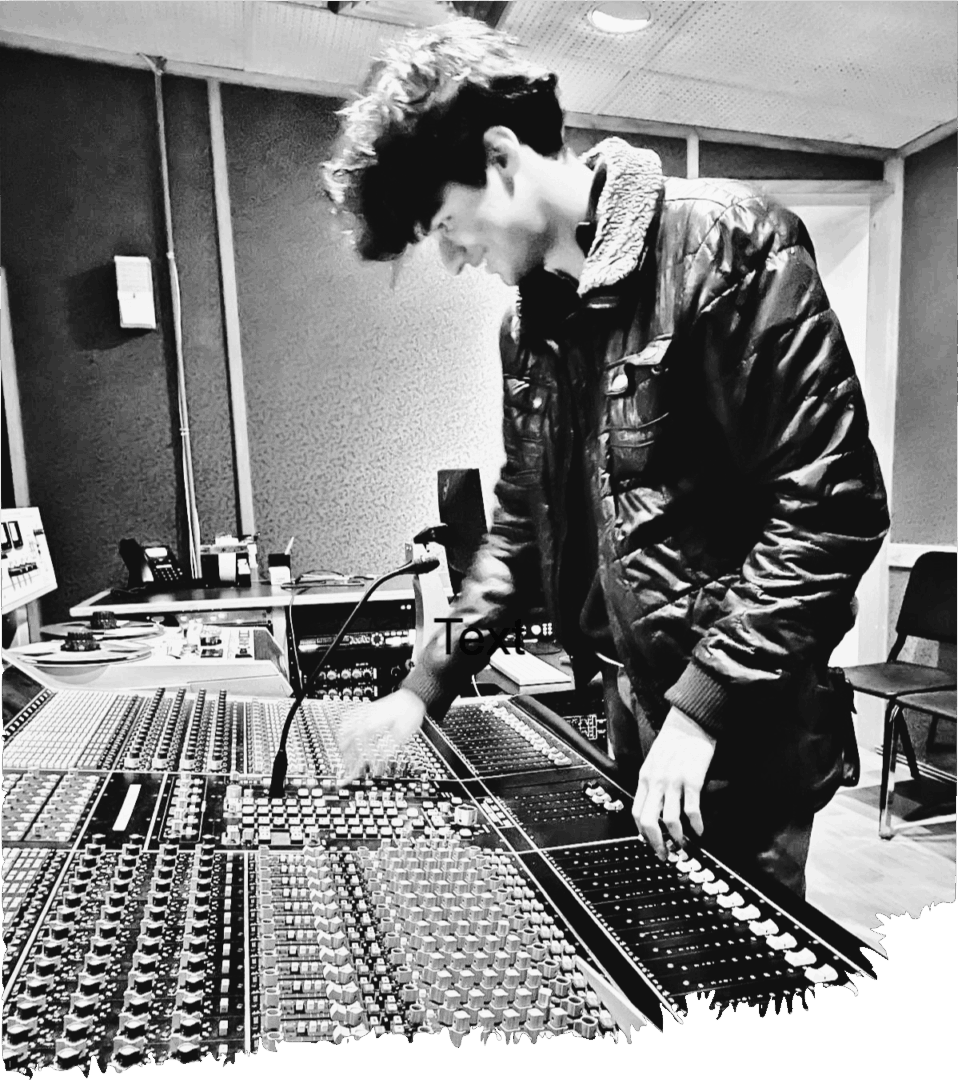
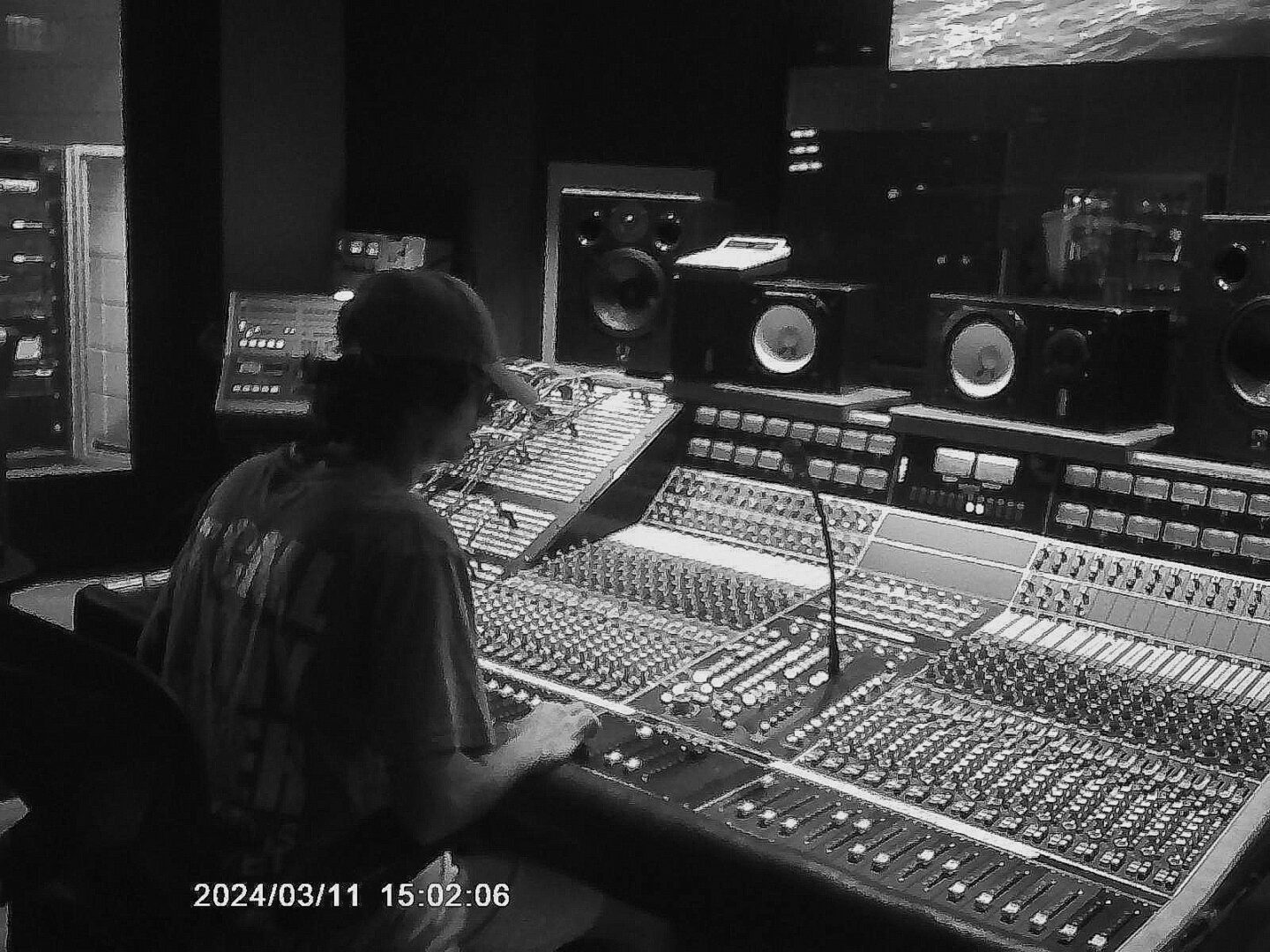
Image Credits
Citimall
so if you or someone you know deserves recognition please let us know here.