
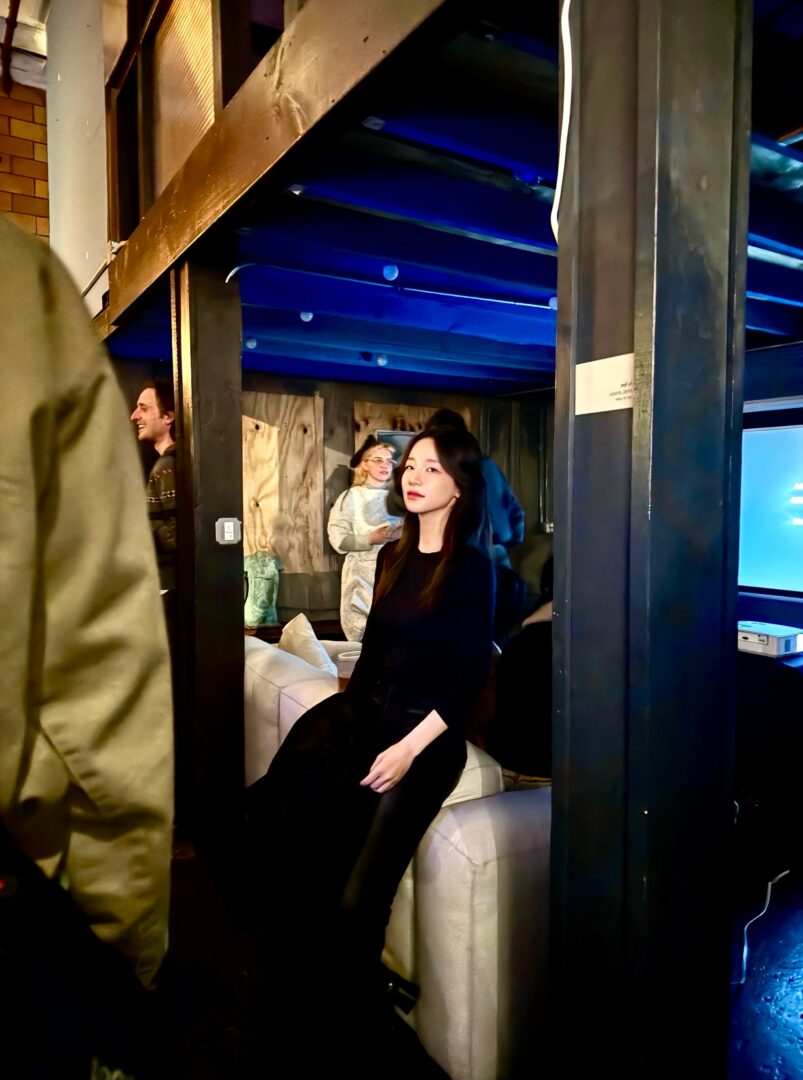
We recently connected with YEJI YI and have shared our conversation below.
YEJI, thank you so much for joining us today. Let’s jump right into something we’re really interested in hearing about from you – being the only one in the room. So many of us find ourselves as the only woman in the room, the only immigrant or the only artist in the room, etc. Can you talk to us about how you have learned to be effective and successful in situations where you are the only one in the room like you?
Being the only one in the room has always been familiar to me. From Korea to the United States, from Chicago to New York — wherever I was, there was always a sense of not quite belonging. The language, the background, and the cultural references were all different. At first, it felt like something to overcome.
But over time, I realized that feeling was actually much older than I thought. I have hearing in only one ear. For a long time, I didn’t know that. I assumed everyone experienced the world the way I did. When I found out they didn’t, my first reaction wasn’t fear. It was: “What else might I be perceiving differently?” That question stayed with me. It became a method.
Being the only one in the room made me an observer. But I realized that observation doesn’t have to happen from the outside. Even scrolling through social media, watching what the algorithm surfaces, noticing what people respond to and what they pass over — there is so much you can read if you’re paying attention. Being already inside something while still seeing it clearly: that is how I research the world. And that is where my work begins.
If you ask whether I’ve been effective, I think I understand that question a little differently. For me, it was never about appearing effective within the room. It was about seeing the room clearly — how it works, who speaks, who doesn’t, what gets taken for granted. That way of seeing has become the strongest part of what I make.
Let’s take a small detour – maybe you can share a bit about yourself before we dive back into some of the other questions we had for you?
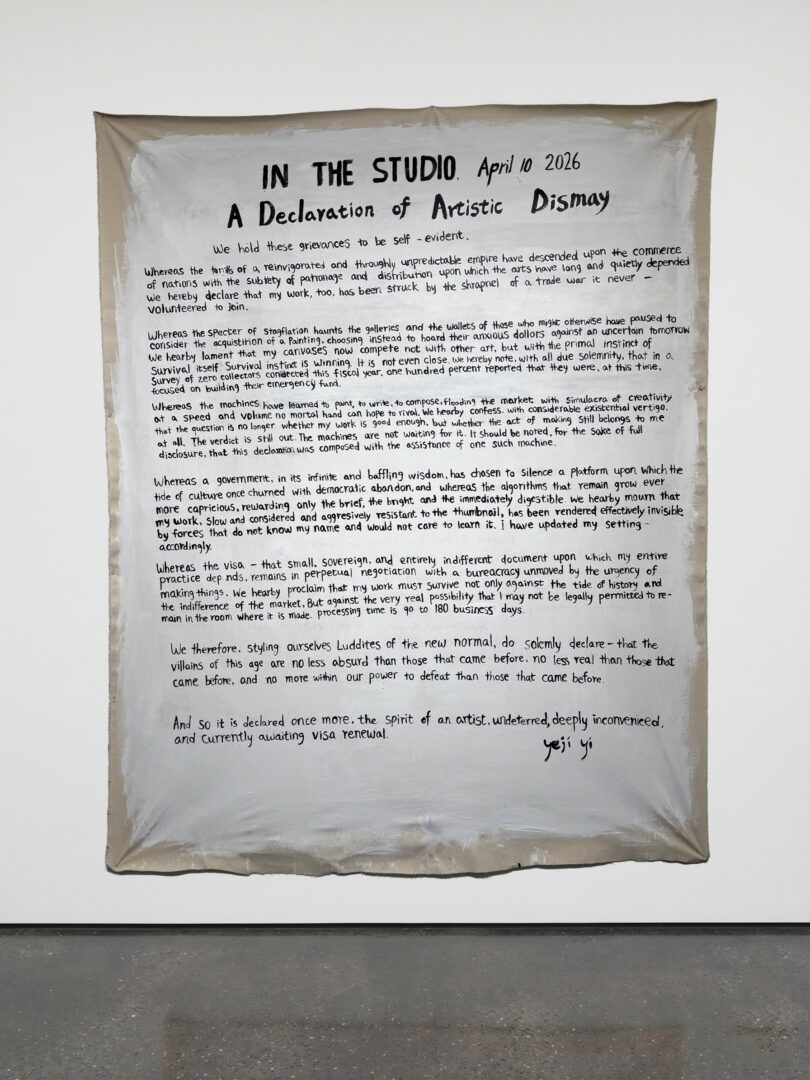
My work begins with a simple act: paying attention to what most people have stopped noticing. The systems we live inside, how we consume, how we grieve, how we imagine safety — become invisible precisely because they’re so familiar. I make installations, performances, and objects that try to locate the moment when that familiarity cracks.
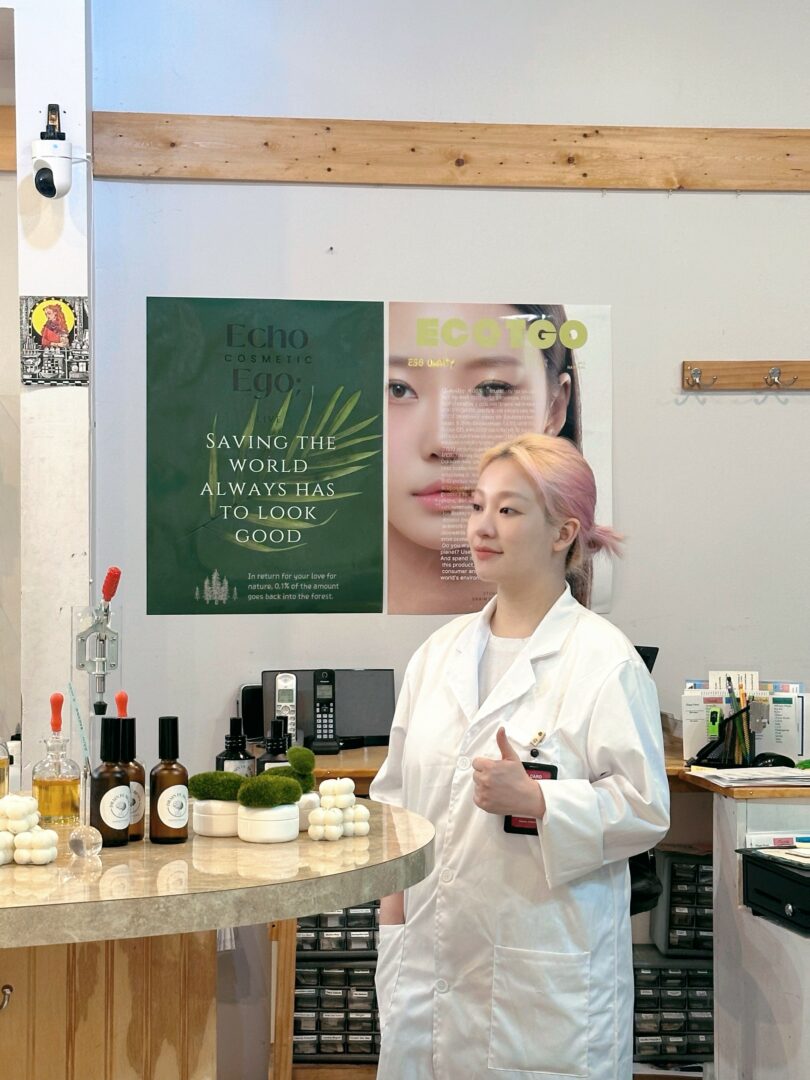
What makes my practice unusual, I think, is the research methodology. I don’t study systems from the outside. I enter them. I’ve taken ordinary jobs — the kind that structure most people’s weeks and leave just enough at the end of the month to begin again — not as a side gig, but as primary research. And I track what people desire through social media, running accounts with different algorithmic feeds to watch what rises to the surface and what disappears. The body and the screen are both research sites.
Living between Korea and New York has sharpened this. The languages are different, but the tempo is strikingly similar, the same urgency dressed in different words. That gap, and what falls into it, is where a lot of my work lives.
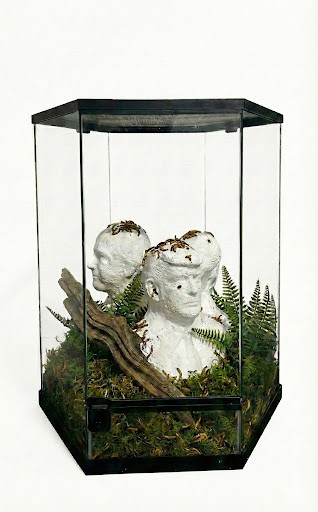
A few things are happening right now. I was recently interviewed by Alter Space in New York following a group exhibition there. I connected work with collectors through the PRAIN VILLA art fair in Seoul, which was its own kind of research, watching how people decide to live with an object. I’m about to begin a residency at the SVA Bio Art Lab, working with biological materials in new ways. And I’ve joined the panel of 후려치는 미술사, a long-running Korean podcast that makes art history genuinely fun because I think talking about art outside the gallery matters just as much as showing it inside.
There is so much advice out there about all the different skills and qualities folks need to develop in order to succeed in today’s highly competitive environment and often it can feel overwhelming. So, if we had to break it down to just the three that matter most, which three skills or qualities would you focus on?
If I had to name three things — the ability to observe, the habit of reading widely, and the attitude of treating your own life as research. And honestly, these three don’t really exist separately.
Observation depends on what you know. I find the starting point for my work more often in biology papers, media theory, and history books than in art writing. An artist who knows only art can talk only about art. A scientific way of thinking changes how you see materials. Knowing history changes how you read what’s happening right now. Staying close to current events keeps the work connected to the present moment. Whatever you read ends up becoming material. The wider you read, the more you see when you look at the same thing.
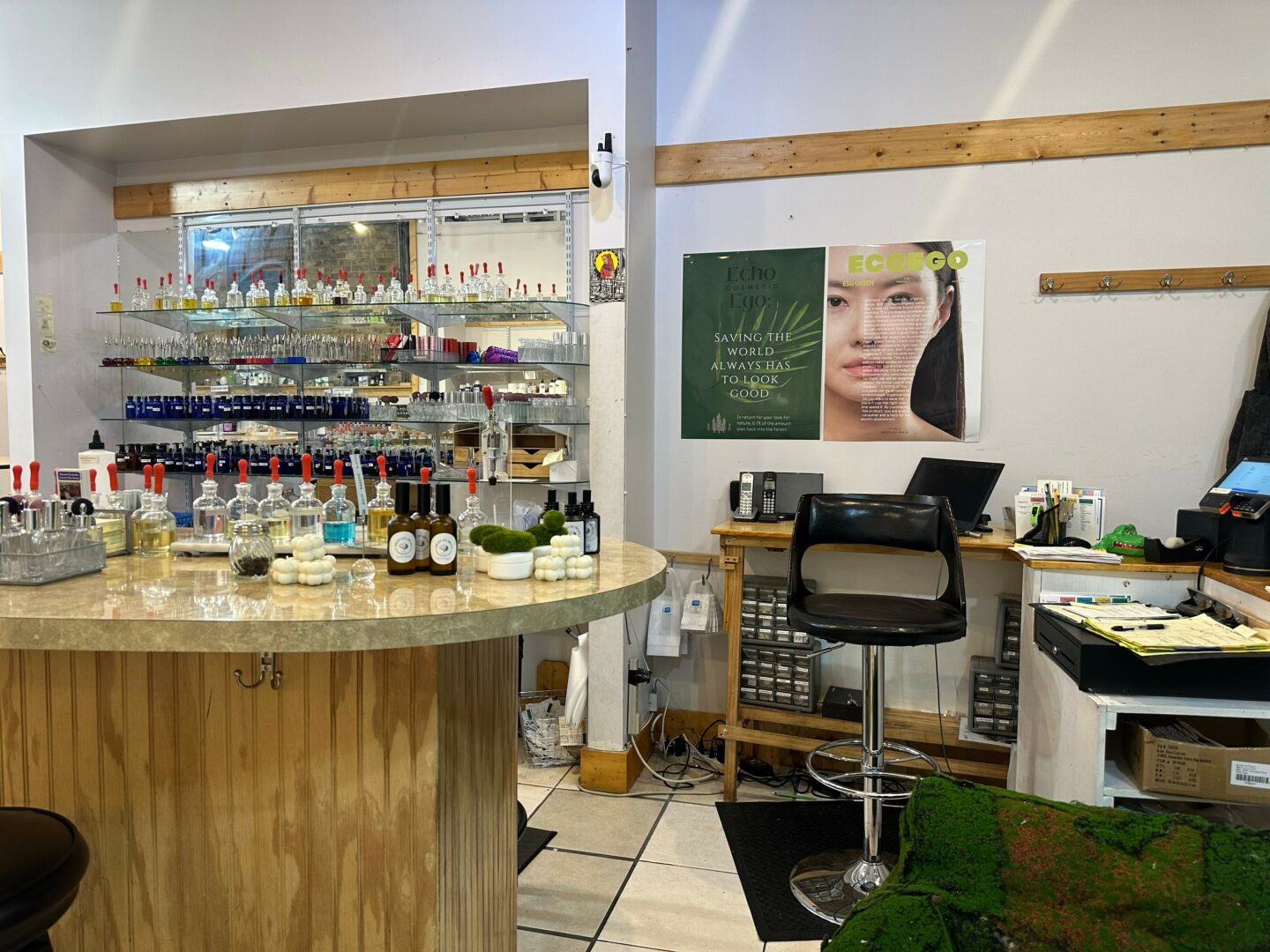
And observation gets sharpest not at the desk, but in the middle of living. For me, entering different life contexts wasn’t just about making a living. It was a kind of struggle against becoming the kind of artist who only knows art. When you go deep into one field, you start to see only what’s around you, and the world gets small. That scared me. Going into completely different contexts, among people living entirely different lives — that’s what kept my work connected to the world outside. I still live that way.
What would you advise – going all in on your strengths or investing on areas where you aren’t as strong to be more well-rounded?
I lean toward focusing on strengths. But with one condition: that strength has to keep going outside, or it goes dull.
My strength is observation. And observation loses its edge when you stay in one place. In art school, you start referencing the same artists, speaking the same language, circling the same concerns as everyone around you. It feels like you’re constantly making things, but the way you see the world is quietly narrowing. That scared me.
So I deliberately went into contexts that were completely different. I worked in spaces that had nothing to do with art, and put myself among people living in entirely different ways. At first, it felt separate from my practice. But at some point, those experiences started coming directly into the work. Reading about how capitalism operates and feeling it in your body are completely different things. That difference changed my work.
And through that, I learned there is no place that has nothing to teach you. A world that seems totally unrelated to you will always leave something behind — within the context of your own life, if nothing else. You can read the present moment in the life of someone sleeping on the street, or in the object a stranger is carrying. To hold onto that kind of attention, you can’t stay in one place too long. You have to keep reminding yourself that you are not the whole world.
I wasn’t trying to become well-rounded. I went outside because I didn’t want my strength to go dull — and in doing that, the gaps got filled. Balance wasn’t the goal. It was the result.
Contact Info:
- Website: https://yeji.zip
- Instagram: yeji.ika
- Youtube: https://www.youtube.com/@yejilee4327
so if you or someone you know deserves recognition please let us know here.


