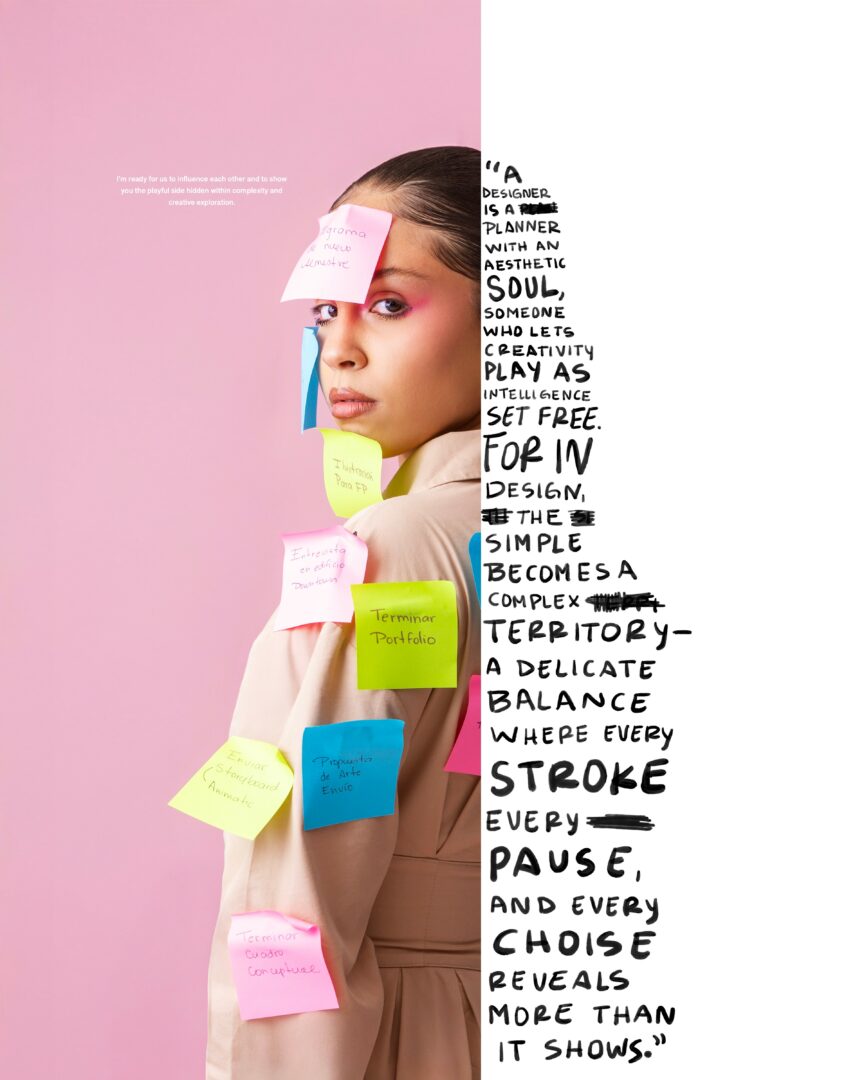
Alright – so today we’ve got the honor of introducing you to Yesier Peña. We think you’ll enjoy our conversation, we’ve shared it below.
Hi Yesier , so excited to have you with us today, particularly to get your insight on a topic that comes up constantly in the community – overcoming creativity blocks. Any thoughts you can share with us?
After graduating in illustration, I faced an unexpected creative block: I didn’t want to touch a pencil at all. My mind felt overwhelmed, and inspiration disappeared. Over time, I realized that not everything had to be perfect—I allowed myself to play again, to explore, and to draw without pressure.
Creating quick sketch content just to stay consistent with drawing helped me release what had been suppressing my creative side. It can be anything, but in my case, it was sketching 3D models, which gradually built a small community on my social media and even encouraged me to create my own. Besides working as a warm-up, it also helped improve my character-design process.
Consistency in exploration became essential. It wasn’t the time to box myself into a single style, so I used every project that came my way as an opportunity to experiment: What elements could I adapt to what I was already building? What techniques could continue shaping my artistic voice? I tried a bit of everything—watercolors, digital illustration, textures, inks—and each one added something meaningful to my creative identity.
Although I live in a small town, I always carried a sketchbook with me whenever I went out to train. My rule was simple: “observe your surroundings.” That habit shaped much of my current process. When we walk without paying attention, we miss beautiful everyday details that not only serve as visual references but also connect us to the mission of creating from culture. Taking just one or two minutes to sketch a tree, a car, or a passing figure can free the imagination in surprising ways.
Great, so let’s take a few minutes and cover your story. What should folks know about you and what you do?
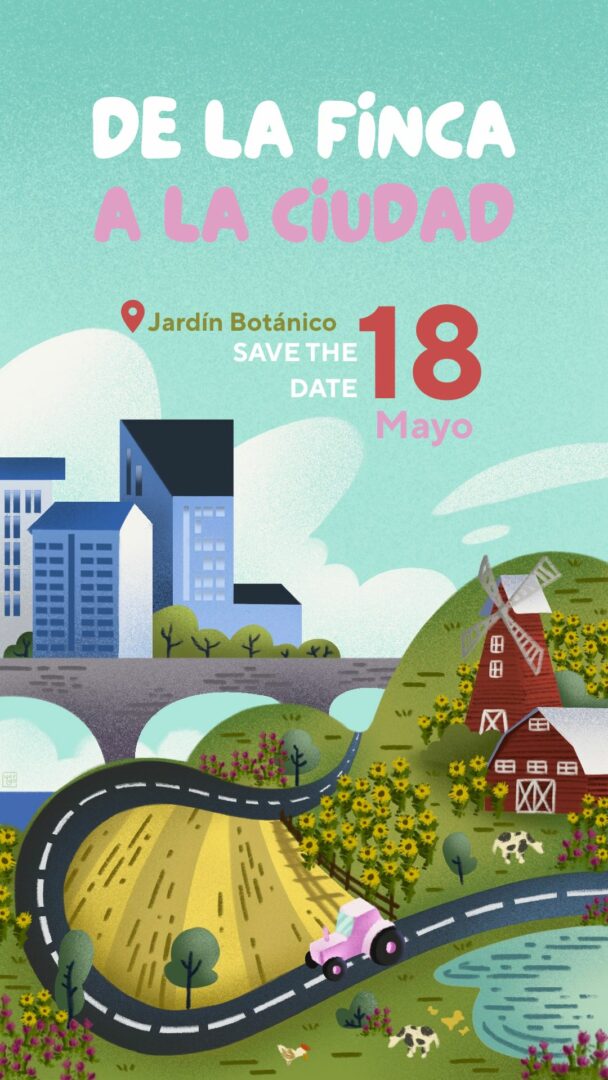
I like to call myself a “visual translator” in this adventure. My work consists of transforming emotions, ideas, and stories into images that connect with people, drawing from culture, everyday life, and my personal influences.
The emotion behind each piece emerges when what I aim to communicate has a solid foundation—supported by constant exploration, critical analysis of reality, and themes relevant to our time. My goal is to create a bridge between the artist and the audience, generating a dialogue or an emotion that invites the viewer to step into the artwork.
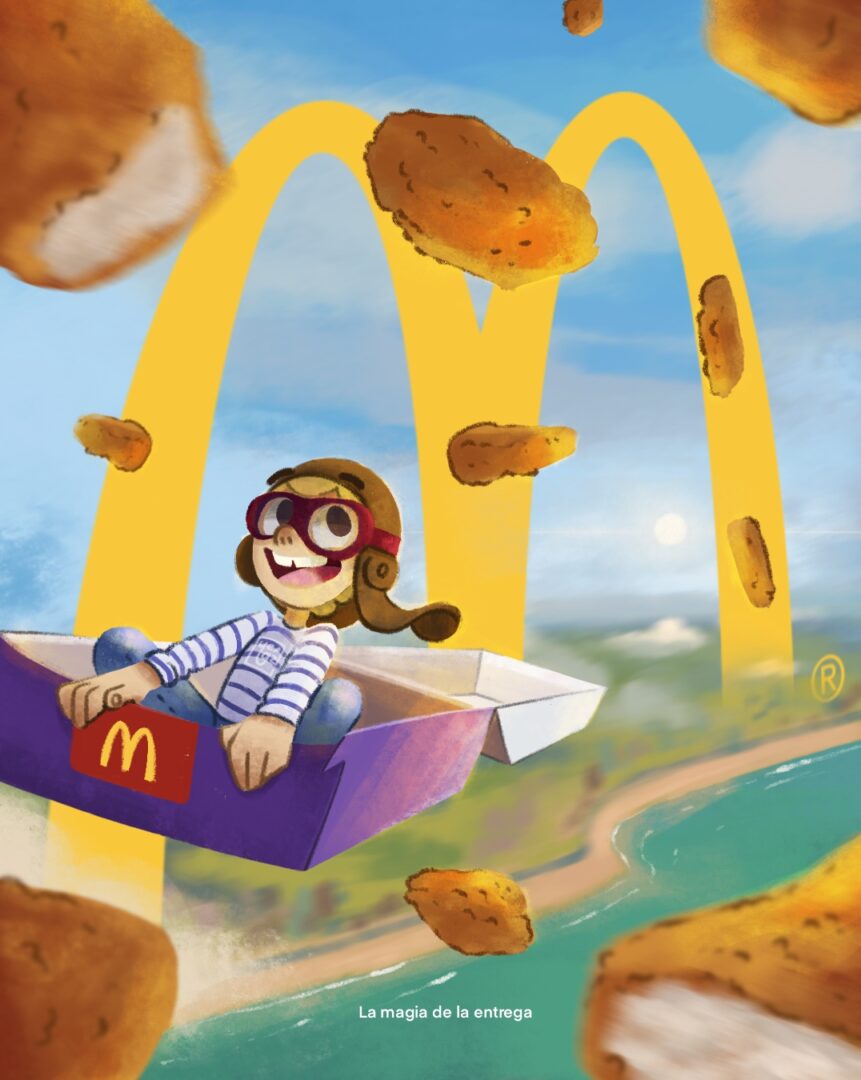
I’ve had the opportunity to collaborate with the PROPAGAS Foundation, making my dream of illustrating a children’s book come true. I’ve also contributed my vision to animation and storyboard projects, and this journey led me to become a 2D animation teacher at one of the most recognized schools in my country.
What I seek is for people to feel a sense of discovery, curiosity, and emotion—awakening a sensory reaction that makes each illustration feel alive.
If you had to pick three qualities that are most important to develop, which three would you say matter most?
Do you remember when I talked about the importance of setting a timer to draw, staying versatile, and documenting life as key tools for growing as an artist? If you haven’t read the first article yet, I invite you to check it out.
This time, I want to focus on aspects that relate more to intellectual and personal development:
1. Knowledge of art history
2. Understanding our clients
3. Commitment
1. I discovered the importance of knowing art history only recently; it wasn’t until a few classes ago, while studying for an exam, that I finally understood its true value. Why do we know so little about it? Expanding my knowledge into centuries past made my motivation to create connect with what has always transcended time.
Studying the elements that make us remember the great artists of the past opened up a new understanding for me. There is so much to uncover in that vast expanse of time, and many of those ideas can be adapted to contemporary art, allowing our creations to transcend as well and leave a cultural impact. It became one of the most exciting reflections for me: What are we doing to be remembered?
2. Many times, we overlook one of the foundations that sustain our creative work: our clients. That’s when I realized how important it is to approach them genuinely and build a connection—one that directly links to the quality of our work and the final experience we want them to have so they continue choosing us.
It’s not just about knowing them, but about truly understanding what they need. In the book The Power of the Customer Experience by Elizabeth Dixon, one idea that completely shifted my perspective was learning to identify what matters most to each client and anticipating what they will want next.
“Anticipate their needs before they even know they have them.”
3. Commitment is an essential quality, not only toward clients but also toward ourselves. I understood this through several recent projects that strengthened my credibility and opened doors to new entities and connections. This point is deeply personal, and from that place comes my advice to you:
“From fear to professional growth.”
Fear has stood in the way of my artistic path many times, causing me to lose opportunities that could have changed my life. I made a conscious decision not to let it keep affecting my direction; I committed to strengthening my professional presence and investing in how I show up in every area of my life.
Fear stops being an obstacle when we embrace space and boldness without expectations, allowing that commitment to our own growth to be what pushes us forward. And the most exciting—yet reflective—part is deciding which step we choose to stand on.
What has been your biggest area of growth or improvement in the past 12 months?
Over the past 12 months, my greatest area of growth has been my spiritual connection—a process that, surprisingly, strengthened my creativity as well.
I dedicated about three months to working deeply on my spiritual life, and that period completely transformed my perspective. Although it may sound illogical to some, this inner growth helped me generate ideas more fluidly and approach projects with greater agility.
Spirituality began to support areas where I once felt limited: it renewed my mental health, reduced my stress levels, and offered emotional comfort that strengthened my patience. This opened space for me to better interpret my surroundings, develop empathy, and connect with the deeper values of others—something essential in my work as an illustrator and visual storyteller.
The most significant part of this journey came from the book Stewarding Life by Paul Chappell, which taught me to organize myself, work diligently, and seek grace in every stage of life.
Two verses that shaped this process were:
Proverbs 10:14 and Proverbs 11:16.
Contact Info:
- Instagram: @yesier.pena | @yeguezart
- Linkedin: Yesier Peña
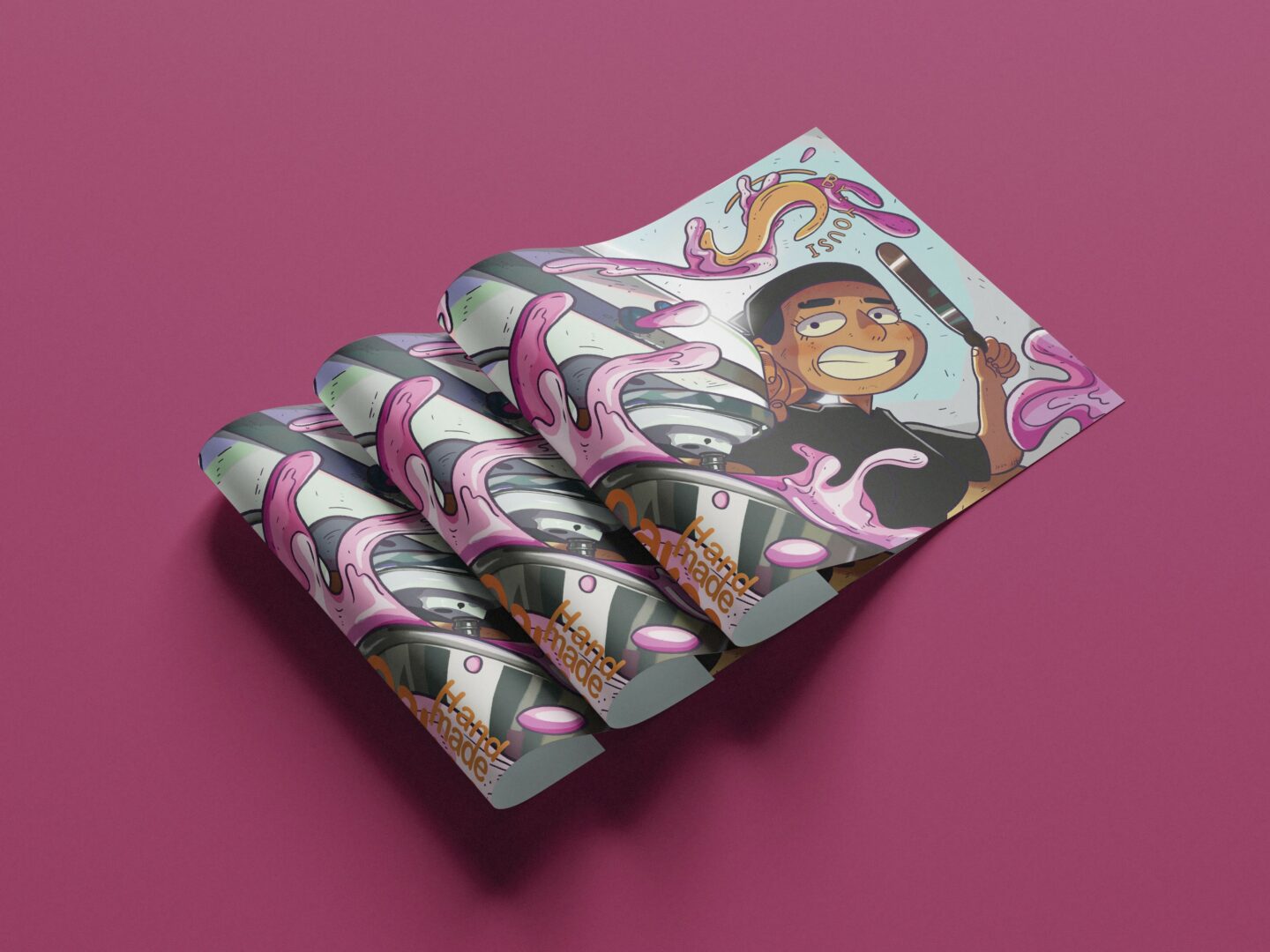
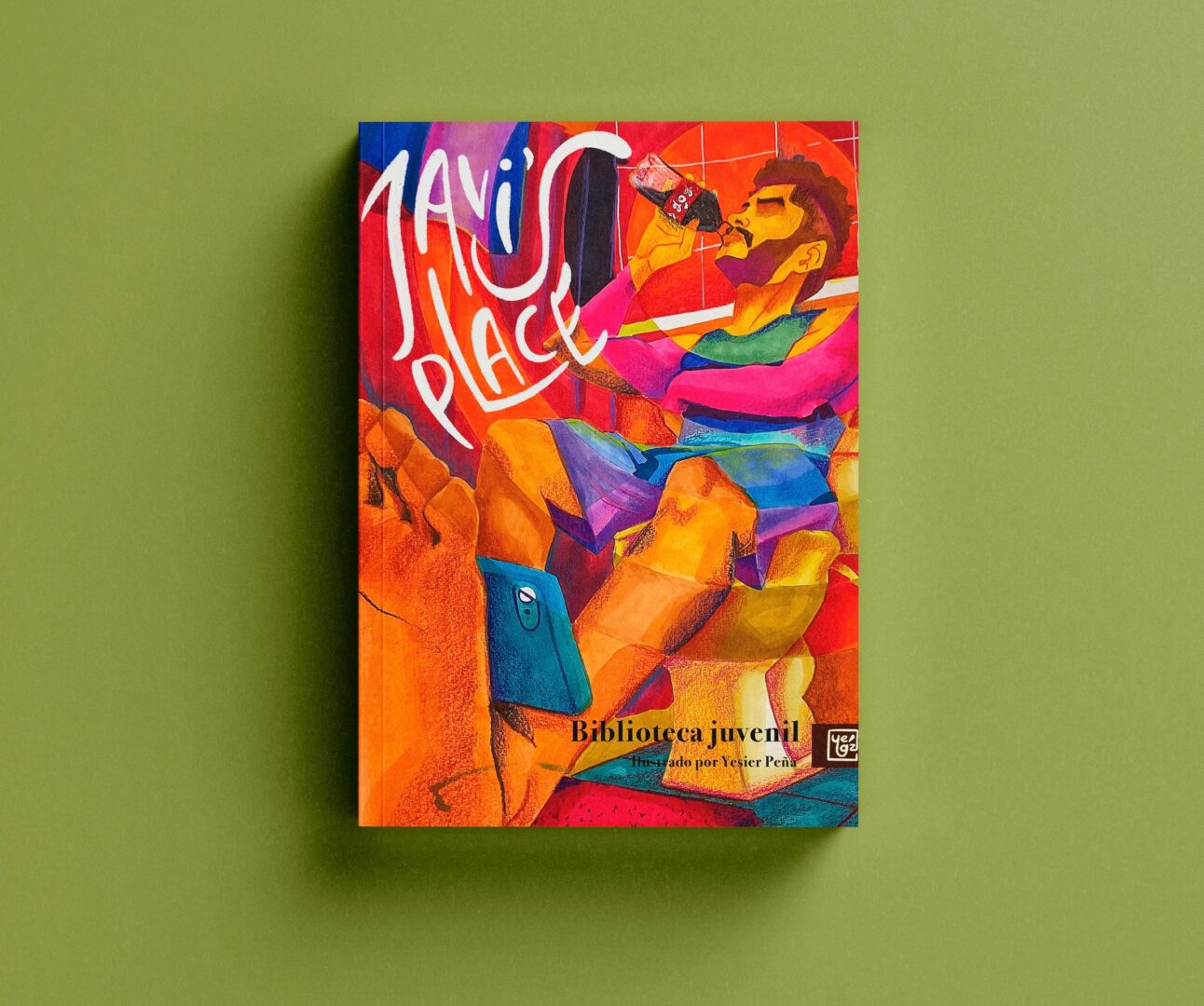
Image Credits
Personal portrait photographed by Raffy Tejeda.
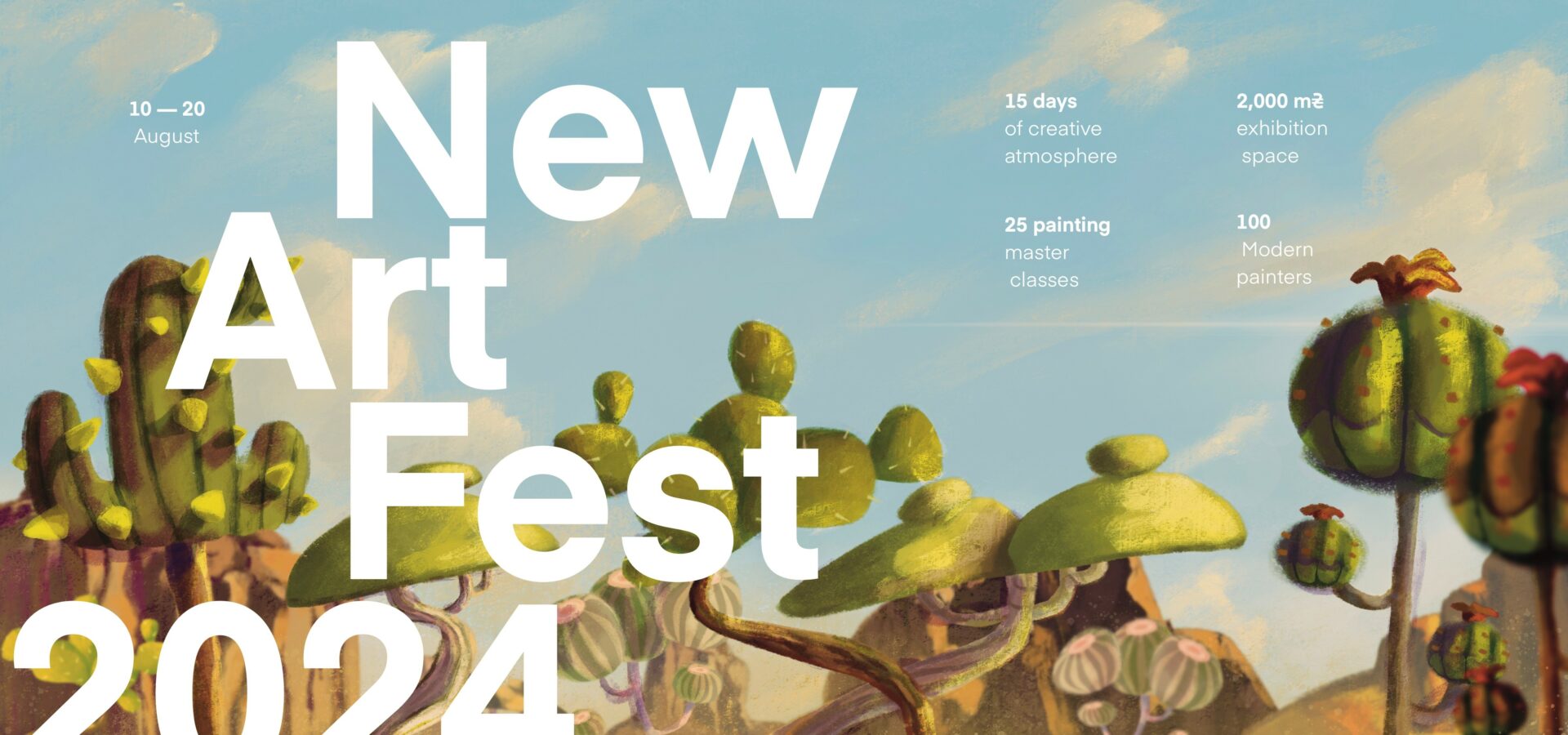
Illustrations: Yesier Peña
so if you or someone you know deserves recognition please let us know here.