We recently connected with Yi Yang and have shared our conversation below.
Yi, we’re thrilled to have you on our platform and we think there is so much folks can learn from you and your story. Something that matters deeply to us is living a life and leading a career filled with purpose and so let’s start by chatting about how you found your purpose.
I used to be someone who simply went with the flow. In China, my college entrance exam score just barely qualified me for an engineering degree, so I pursued it without much thought. My plan was to continue with a master’s in engineering and eventually become an engineer. However, by chance, I joined my university’s drama club, and that experience changed everything.
At the time, I was still an engineering student and was also interning at a construction site while working toward my degree. That internship marked the first time I stepped outside the “ivory tower” of academia. I saw the sheer scale and raw energy of a construction site and began to imagine how art or theater could come alive in such a setting.
It was around 2017 when many news stories about sexual assault against women were coming to light. However, in China, the internet environment was far from friendly to these conversations — reports were often censored or erased. During my internship, I was surrounded by workers with very different educational and social backgrounds from mine. One day, I witnessed a group of workers teasing and bullying a young female worker until she broke down in tears. That moment felt like the distant cries I had read about in the news were now right in front of me. It also brought back memories of the sexual harassment I had experienced growing up. In China, over 70% of women have faced such experiences.
I felt compelled to create something that reflected these stories and voices that were often silenced. Drawing from my internship and the societal context, I wrote The Untold Melody, a play about a woman assaulted on a construction site, where everyone — including the victim — tries to cover it up. The title itself questions whether something that remains unheard still holds meaning. Over six months, I worked through 11 drafts and countless sleepless nights to bring this original stage production to life. When it was finally performed, it received positive reactions both on and off campus.
This experience solidified my sense of purpose. I realized that through storytelling, I could create meaningful work that amplifies voices, provokes thought, and fosters understanding. Since then, I’ve participated in many feminist avant-garde theater productions, exploring the struggles of women and addressing societal injustices. My creative journey has been about imagining the real world through the lens of art and using imagination to voice real truths.
Appreciate the insights and wisdom. Before we dig deeper and ask you about the skills that matter and more, maybe you can tell our readers about yourself?
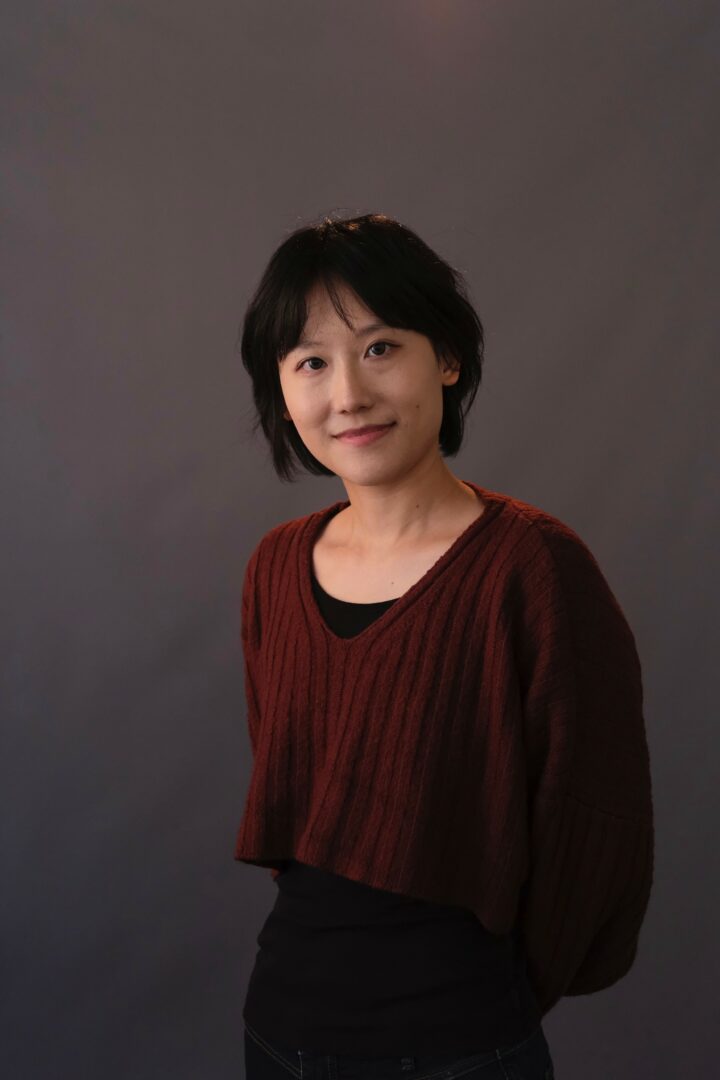
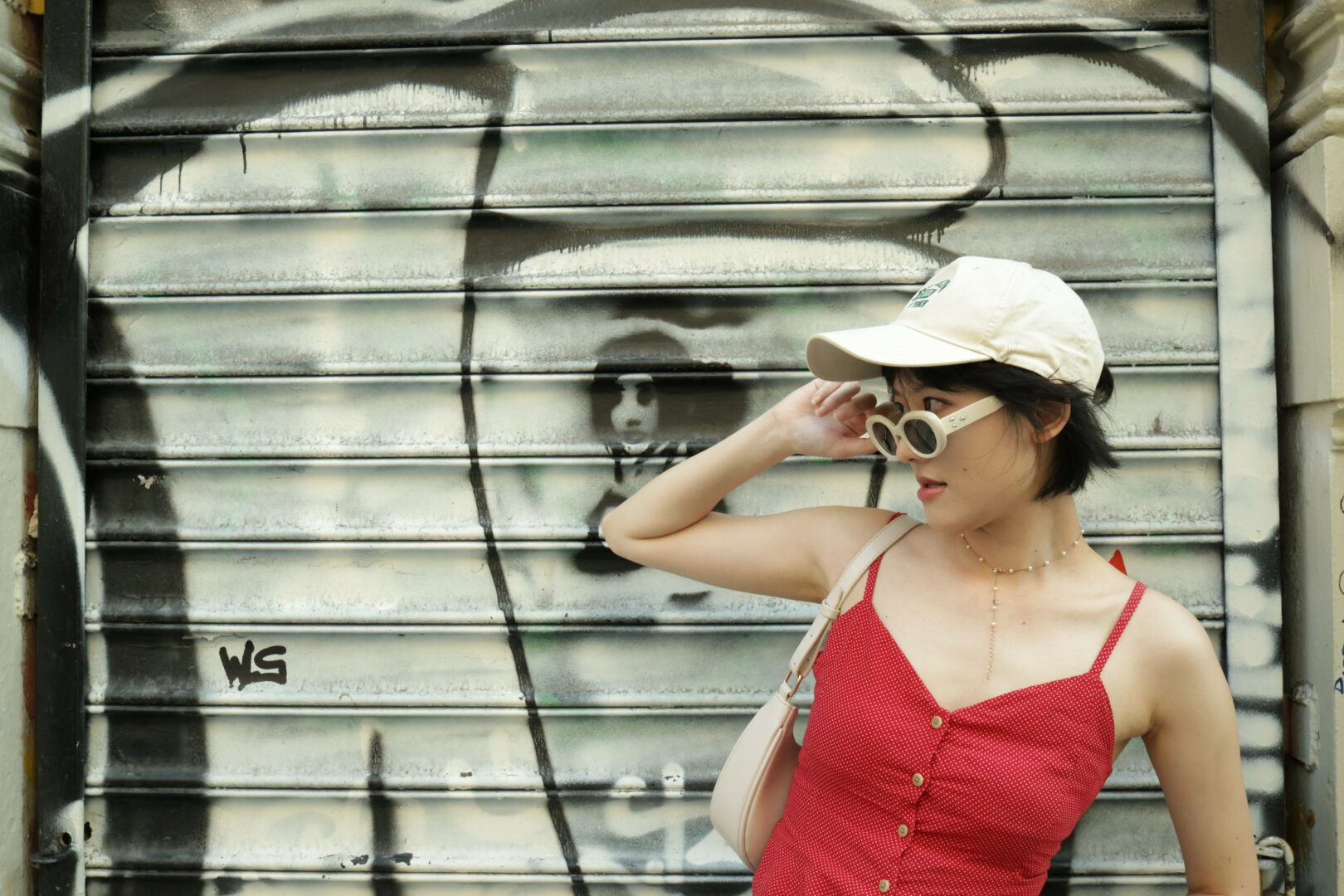
I’m Yang Yi, a screenwriting student originally from Guangzhou, China, currently pursuing my graduate degree in New York while continuing to create and refine my craft. My work focuses on exploring stories that challenge societal norms, amplify silenced voices, and foster deeper empathy, particularly around issues affecting women.
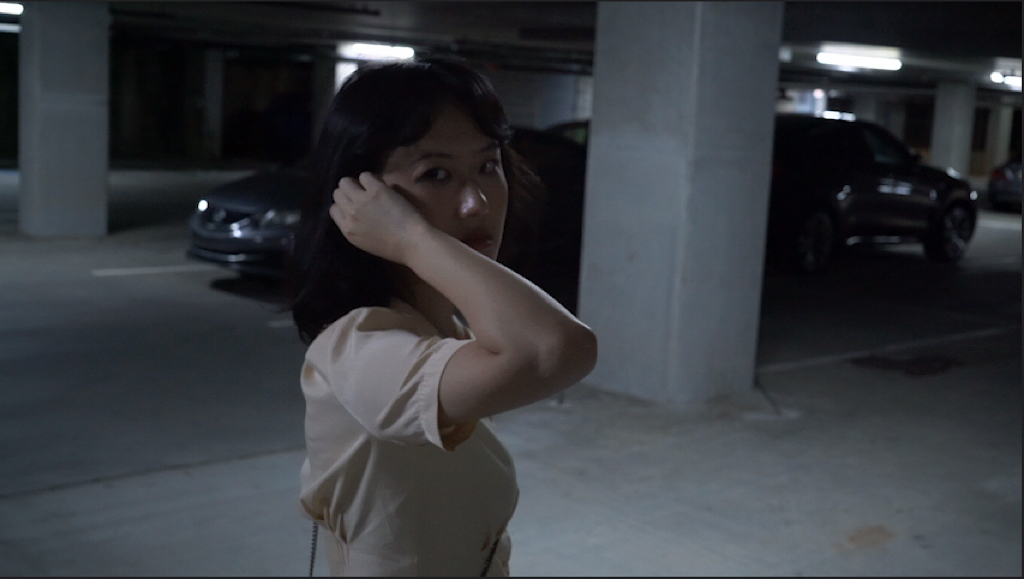
One of the most transformative moments in my career came during my university years when I wrote and directed a play called The Untold Melody. This project was inspired by my experience as an engineering student interning at a construction site, where I witnessed gender-based bullying and was deeply affected by it. The play explored the silence and denial surrounding gender-based violence and became a turning point that solidified my decision to pursue storytelling professionally.
What excites me most about my work is its ability to make people feel and think in unexpected ways. Whether it’s through a stage play, a screenplay, or experimental art, I aim to create narratives that resonate deeply with audiences. For example, one of my recent projects in Hong Kong was an interactive art installation addressing female genital mutilation, where I used pears and chicken blood as symbols. The piece challenged participants to step into the role of the “executioner” to evoke a visceral response and empathy for the victims.
Right now, I’m working on a feature-length screenplay that explores the subtle and overt violence women experience in different relationships, from the workplace to personal connections. I’m also collaborating on projects that intersect experimental art and storytelling, using new mediums to expand how stories are told and experienced.
For me, the most special aspect of my work is how stories take on a life of their own, becoming larger than the creator. I’ve seen audiences respond to my work in ways I never expected, connecting with different characters or moments that resonate uniquely with them. I believe storytelling has a kind of magic — it can break through barriers, inspire reflection, and create a shared space for understanding.
In today’s world, films about women’s issues, such as Barbie, have gained significant international attention, making the struggles and complexities of women’s experiences more visible than ever. I hope to build on this growing interest in feminism by creating works that showcase its multifaceted nature, rather than focusing solely on one-dimensional slogans. Feminist storytelling can be dynamic, nuanced, and even entertaining, while still encouraging deeper thought and empathy. My goal is to contribute to this movement by presenting stories that are not only meaningful but also fresh, engaging, and thought-provoking.
Looking back, what do you think were the three qualities, skills, or areas of knowledge that were most impactful in your journey? What advice do you have for folks who are early in their journey in terms of how they can best develop or improve on these?
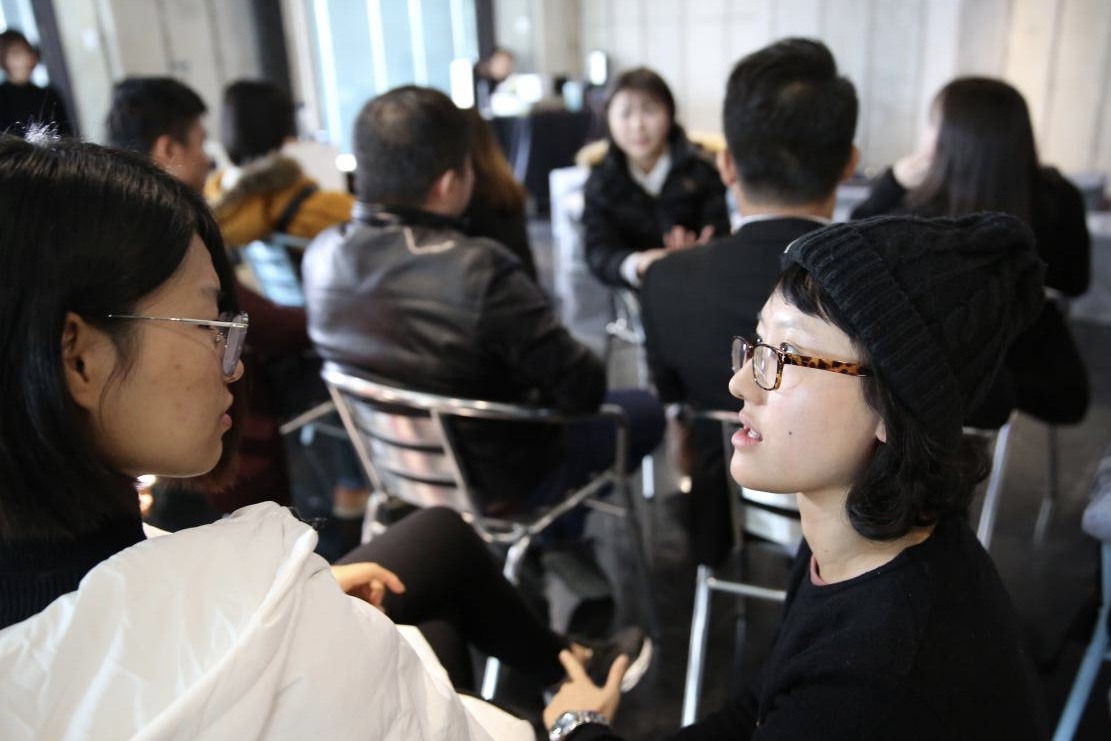
Looking back, I think one of the most impactful aspects of my journey has been my commitment to continuous learning. Before I began studying the arts, I often approached films and art with broad, abstract concepts, without really understanding the fundamental elements that shape a work. Through studying film history, I started to see how cinema evolved step by step — from the use of camera angles, sound, and color to the ways films reflected their times. This allowed me to look at modern films through a historical lens, and in doing so, I discovered how much more there is to learn about the medium. It was through this process of learning, and through the humility of seeking advice from mentors and observing diverse artistic perspectives, that I realized art is a field of endless curiosity. For anyone starting out, I would say: keep learning, stay curious, and let the medium itself guide your understanding.
Another key realization for me was the importance of persistence. Art is rarely about sudden moments of brilliance; it’s about the gradual and often challenging process of creation. When I started out, I thought every piece needed to be perfect, but I came to understand that art is not about getting it “right” — it’s about asking questions and exploring the answers through your work. Each project, even the ones that don’t fully succeed, brings you closer to understanding the truths you want to express. There’s something powerful about staying committed to the process, no matter how many iterations or setbacks it takes. For me, persistence has been about embracing this ongoing journey and finding meaning in the act of creating itself.
Finally, I believe that breaking conventions is essential for meaningful and exciting art. In the beginning, it’s easy to fall into the trap of imitating others or following trends, but truly impactful art comes from a place of authenticity. I’ve learned to approach stories through unconventional lenses, finding ways to make the familiar feel new and surprising. I often remind myself of the idea of distinction that Bourdieu discussed — the pursuit of individuality that isn’t about being different for the sake of it, but about understanding and defining what truly matters to you. This kind of authenticity brings vitality to art and prevents it from feeling stale or formulaic. For me, this is what makes creating art so rewarding: the ability to reflect my unique perspective while challenging both myself and my audience to think differently.
If you knew you only had a decade of life left, how would you spend that decade?
Right now, I’m facing two layers of challenges, one related to a specific project and the other to my broader career.
The first challenge comes from a screenplay I’m working on, which is an adaptation about a female poet with schizophrenia. Exploring and portraying her inner world requires a tremendous amount of imagination and sensitivity. It’s a delicate balance between grounding the story in reality while using creative, abstract elements to represent her mental state. I’ve been immersing myself in research, reading related works, and studying how others have approached similar subjects, but finding the right tone and the line between reality and imagination remains an ongoing challenge.
The second challenge is more about the uncertainty that comes with a creative career. I’m currently working on several feature-length scripts, each of which requires a significant amount of time, energy, and emotional investment. Yet, as with many creatives, there’s no guarantee that these projects will lead to a major breakthrough or tangible success. It often feels like working in the dark, hoping that the effort will eventually lead to light. This uncertainty can be daunting, but it’s also a reminder to focus on the craft itself and to find fulfillment in the process, even if the outcomes remain unknown.
Contact Info:
- Instagram: https://www.instagram.com/sanchez_yeungyick/
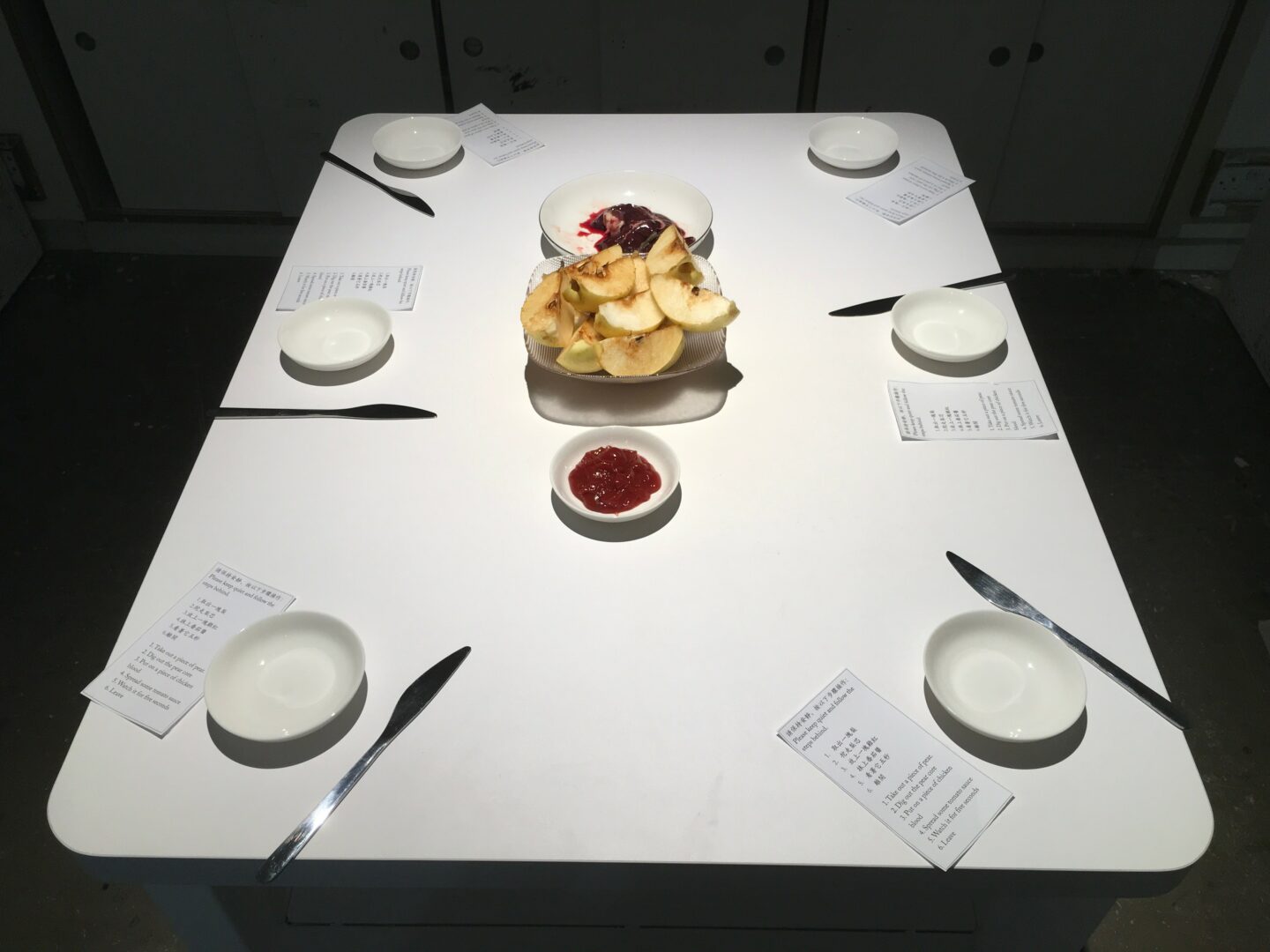
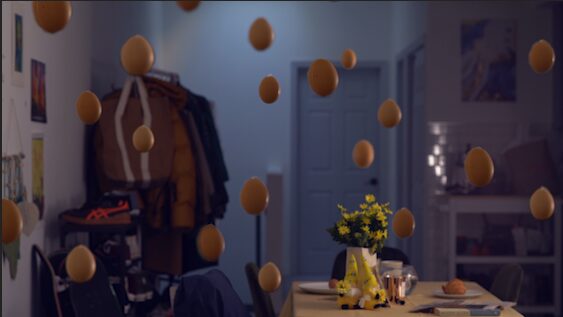
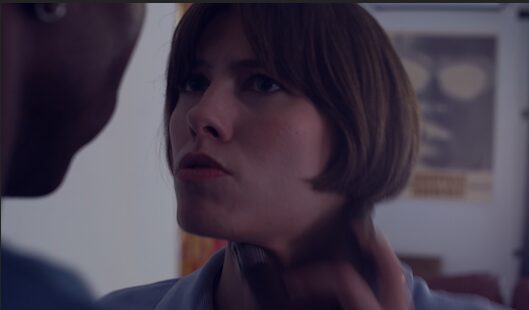
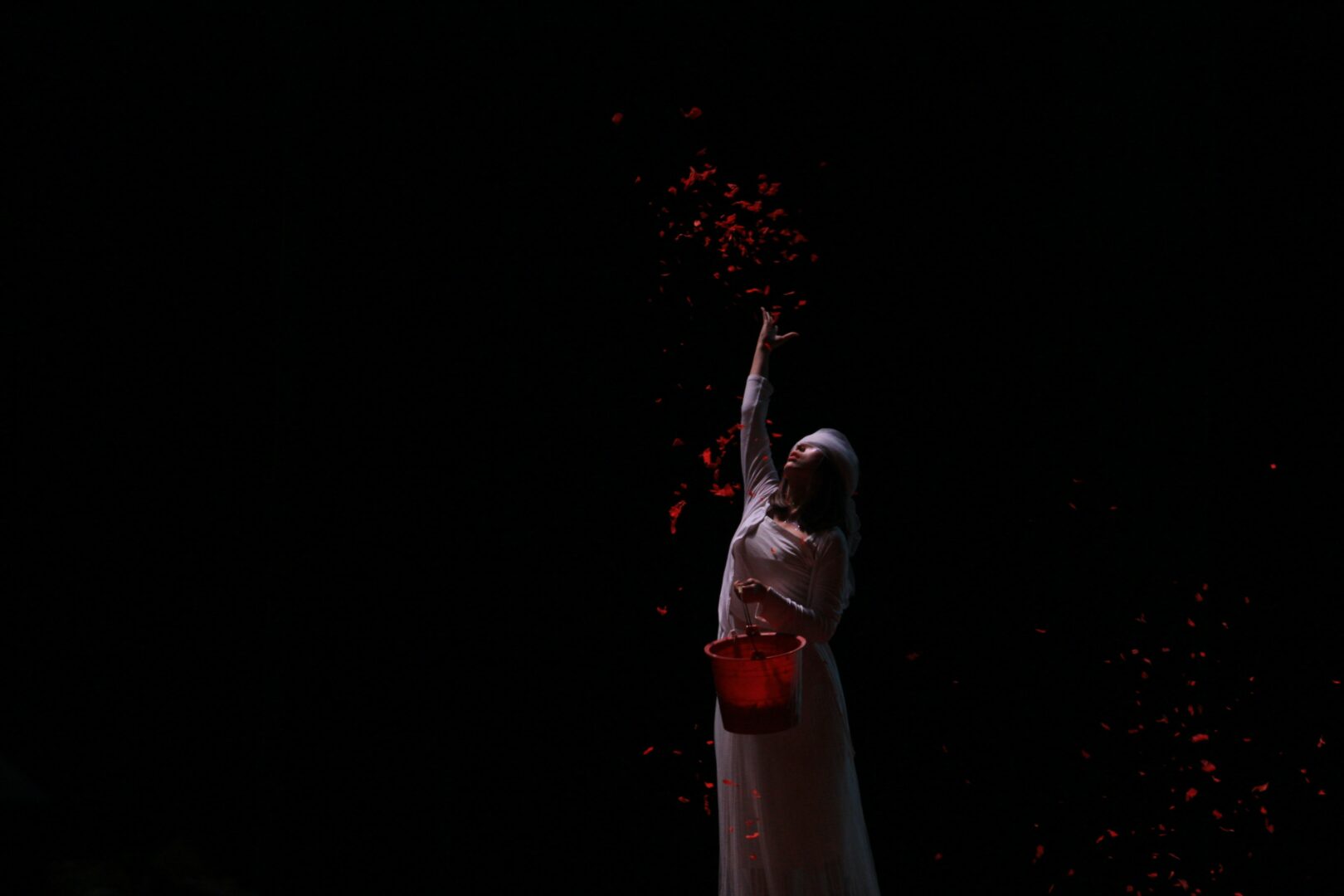
Image Credits
Hany Osman
Audrey X
Xinran Gu
Chaos Contemporary Theater
Hana Gui
Sydney Coleman
so if you or someone you know deserves recognition please let us know here.