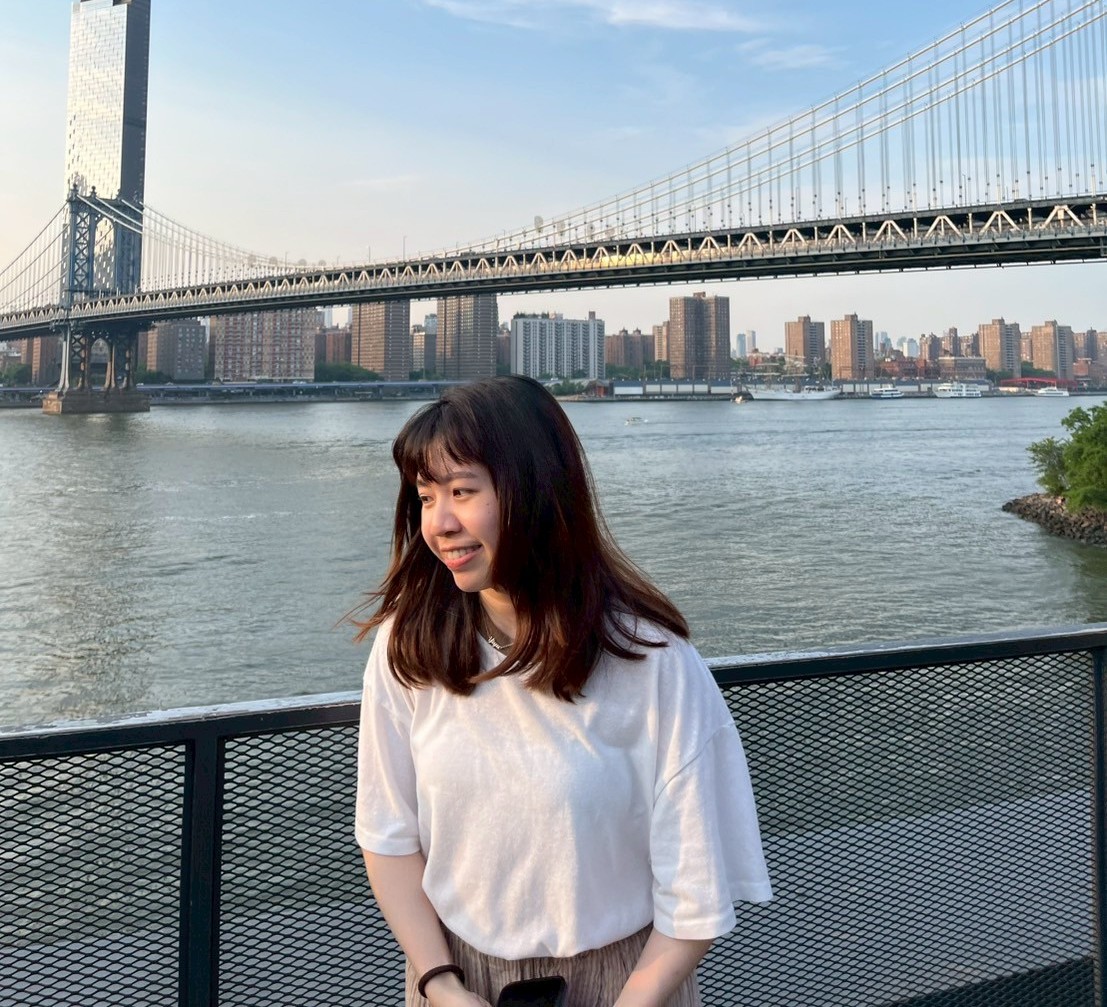
We’re excited to introduce you to the always interesting and insightful Yi-Yu (Elle) Wu. We hope you’ll enjoy our conversation with Yi-Yu (Elle) below.
Yi-Yu (Elle), we’re so excited for our community to get to know you and learn from your journey and the wisdom you’ve acquired over time. Let’s kick things off with a discussion on self-confidence and self-esteem. How did you develop yours?
My confidence and self-esteem were not something I was born with. Growing up in an Asian family environment, I was exposed to a more critical style of education, which often emphasized what was not good enough rather than what was already achieved. For a long time, I believed I always needed to do better and be more perfect, and I struggled to truly acknowledge my own efforts.
Over time, I realized that learning self-regulation was essential. I began trying to rebuild my confidence gradually through the process of creating. It was not easy and often came with doubt and frustration, but I slowly understood that in this world, the only person who can unconditionally stand by you is yourself.
As a 3D generalist, my work spans multiple stages of production. Through sharing my work and discussing it with others, I learned to engage with feedback more consciously. I turn positive feedback into affirmation of my abilities, and I treat negative comments as constructive suggestions rather than judgments of my self-worth. Through this practice, I developed a more stable internal standard. For me, confidence no longer comes from external validation, but from knowing that I am growing and taking responsibility for my work and choices.
Appreciate the insights and wisdom. Before we dig deeper and ask you about the skills that matter and more, maybe you can tell our readers about yourself?
I am currently studying Animation at Savannah College of Art and Design and working as a 3D generalist with a strong focus on characters and materials. One year ago, I received a scholarship from Taiwan that allowed me to come to the United States and begin my studies here. Before that, studying abroad had never been part of my plan, so everything about this journey felt new and challenging.
At its core, my work as a 3D generalist is about making things believable in a digital space. From structure and form to surface detail and character personality, I care deeply about how visual elements support storytelling.
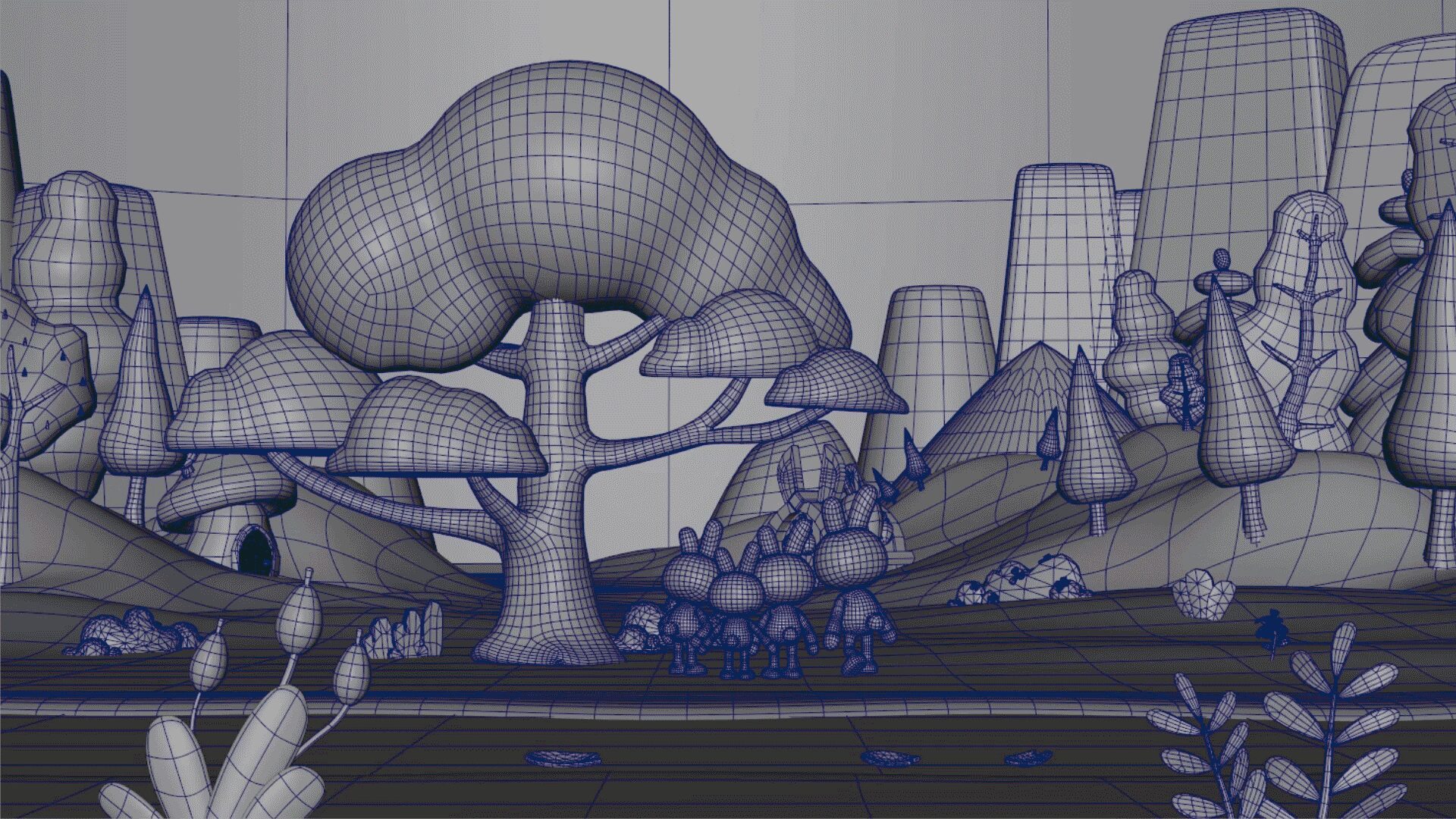
Modeling and texturing have been the most challenging and rewarding areas of growth for me during my studies. Before modeling, we plan topology and edge flow through hand-drawn sketches to ensure that the model can support deformation later in animation. Although this process is time-consuming, it taught me that strong preparation saves a significant amount of rework.
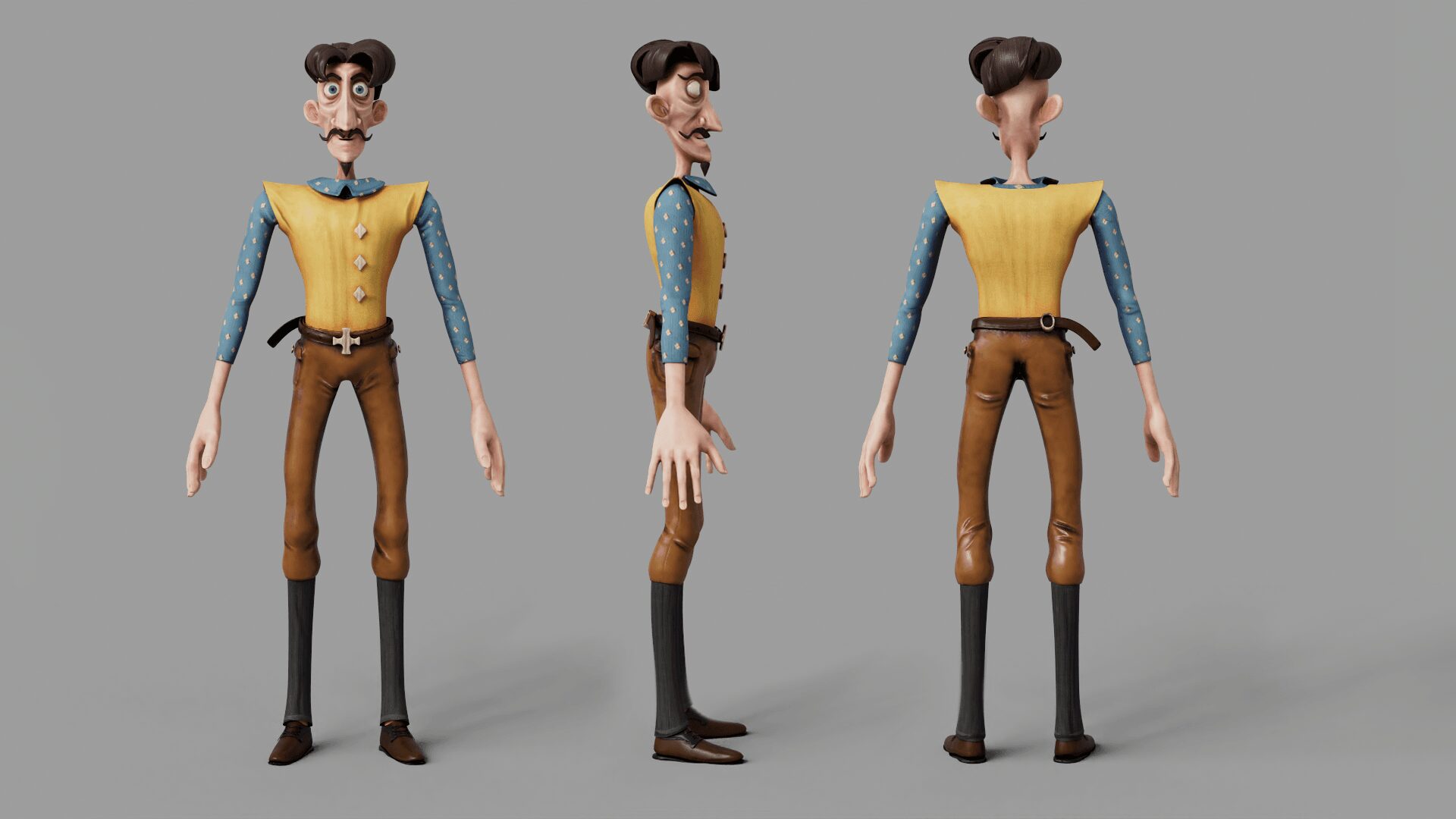
During the sculpting phase in ZBrush, I closely studied fabric folds and facial details, learning how to control sharp and soft forms through different brushes. In Substance Painter, I explored how generators and filters could help create materials that reflect character personality. One of my characters is a religious fanatic, so I used rough, burlap-like fabric for his vest and leather textures for his belt and shoes to convey a sense of both obsession and realism.
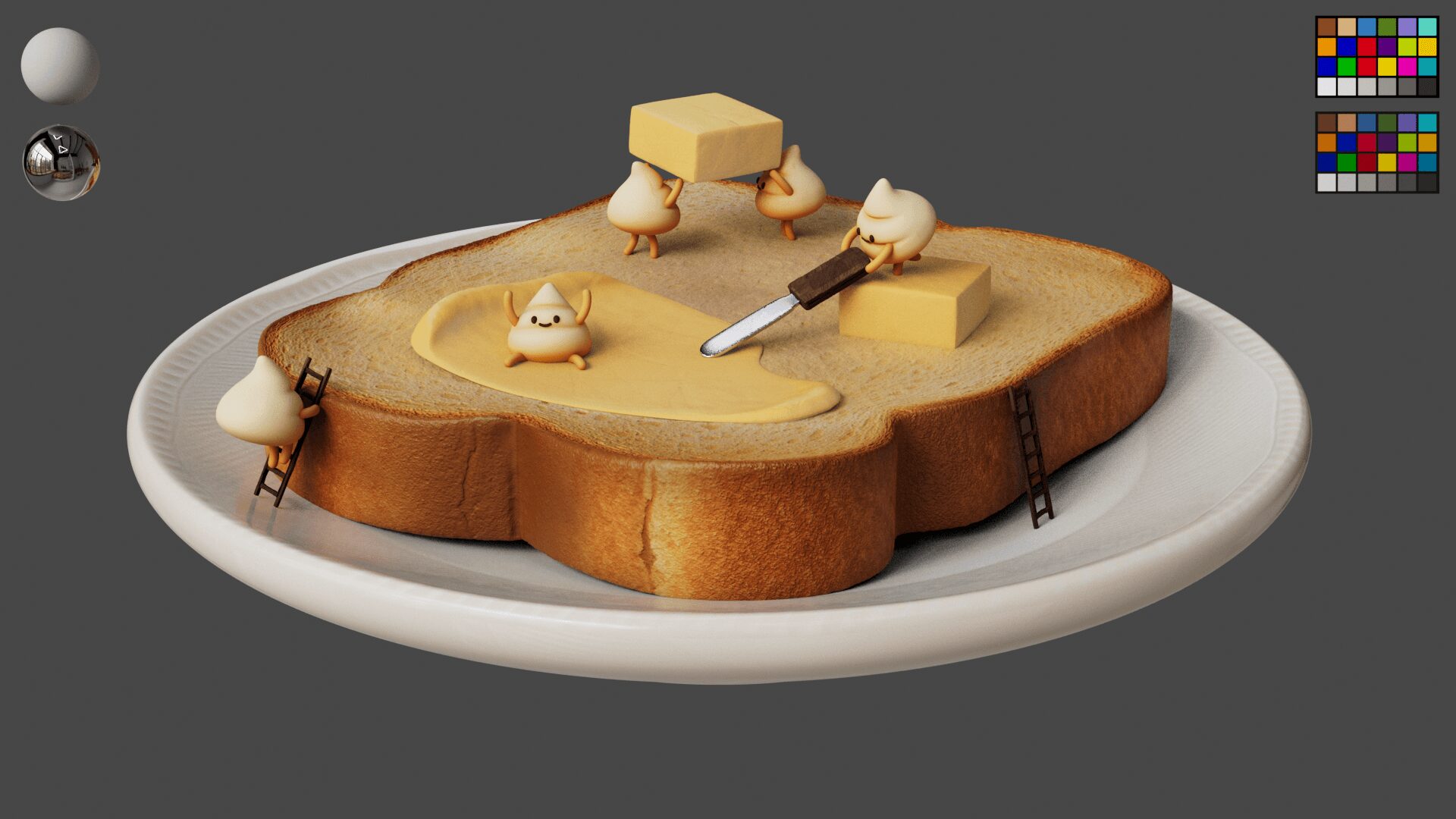
One of my most memorable projects involved creating realistic food materials. I modeled toast, plates, and even a small butter character, experimenting with AI-generated textures as a base before refining them in Photoshop and Substance Painter. This experience helped me understand that while new tools can provide a strong foundation, the final quality always depends on human judgment and attention to detail.
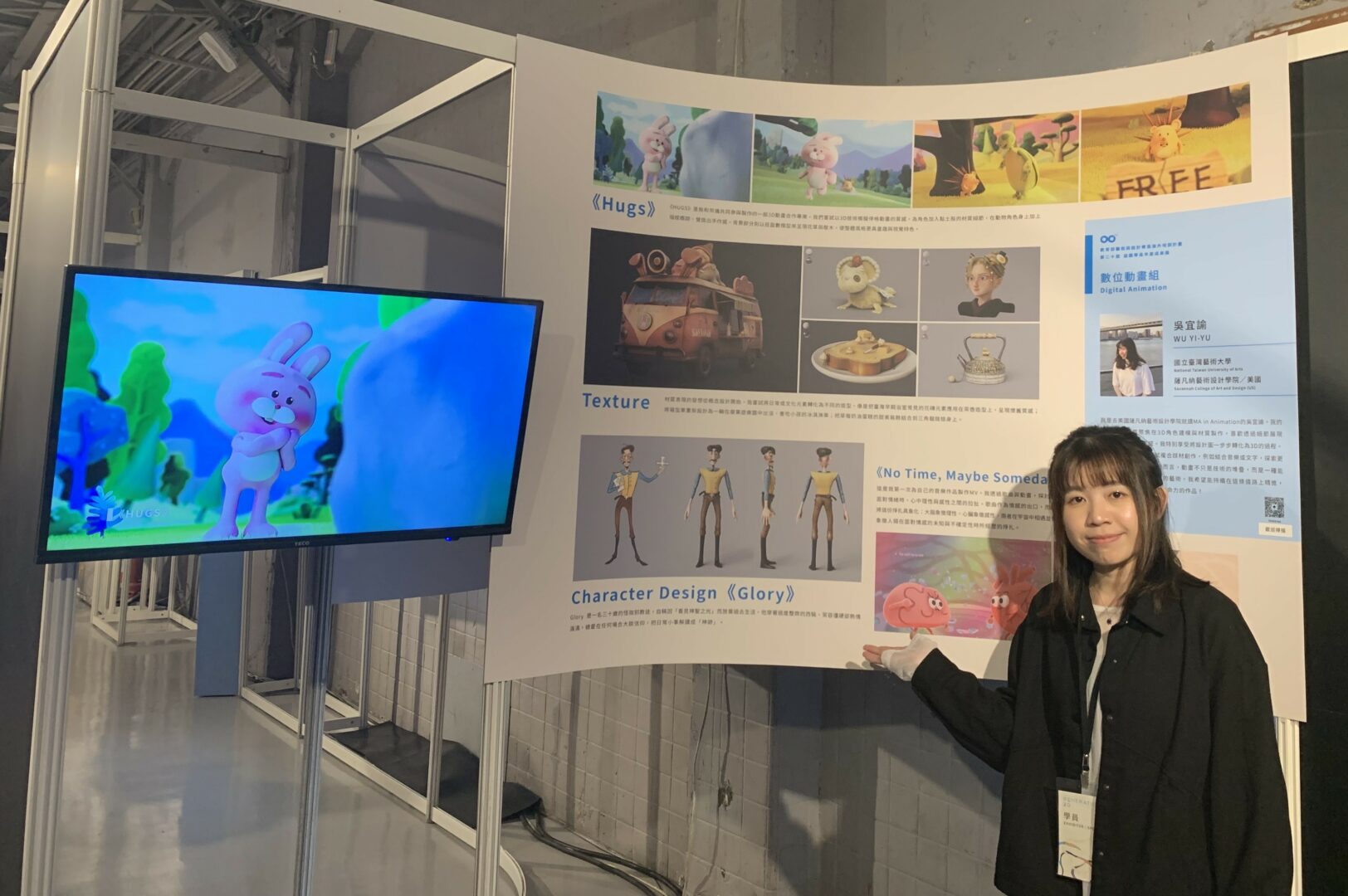
In October, I returned to Taiwan to hold a small exhibition where I shared my creative journey over the past year. I also hosted a personal talk, introducing my workflow and discussing how I approach problem-solving when facing technical challenges in different software.
There is so much advice out there about all the different skills and qualities folks need to develop in order to succeed in today’s highly competitive environment and often it can feel overwhelming. So, if we had to break it down to just the three that matter most, which three skills or qualities would you focus on?
The first quality is courage. I used to be very afraid of uncertainty and change. After entering the workforce, I gradually built self-affirmation through completing projects and seeing tangible results. That sense of achievement gave me the courage to leave my job, return to being a student, and eventually come to the United States to explore new possibilities.
The second is the motivation to continuously improve myself. In an industry that evolves quickly, building strong foundational skills is essential. When I encounter difficulties with software or workflows, I enjoy researching, watching tutorials, and experimenting until I find solutions. Even when I feel stuck, I have learned to step away, rest, and return with a clearer perspective. Often, that is when breakthroughs happen.
The third is cultivating aesthetic sensitivity. In the art industry, aesthetic judgment is not just a talent but a skill that requires long-term observation and practice. Before creating, it is important to understand what works visually and why. For me, aesthetic awareness comes from observing the world. During my daily bus commutes, I pay close attention to street scenes, people, and changes in weather. These subtle moments become visual references that I want to carry into my work.
What’s been one of your main areas of growth this year?
This past spring, I participated in a full animation project and served as the director of the team. Through this experience, I encountered many integration challenges, including software issues, version overwrites, and file path errors. These mistakes were costly and pushed me to shift my mindset from simply taking responsibility to building clear and reliable workflows.
I realized that one of my strengths within a team is coordination and integration. This experience helped me see that creativity and management are not opposing forces. When processes are clear and communication is structured, the quality of the work becomes more stable and consistent.
On a personal level, this was the first time I truly understood that every role in a team is essential. Professionalism is not only about individual technical skill, but also about enabling others to work smoothly and confidently.
If I had to summarize this year in one sentence, I would say that I learned how to let professionalism serve emotion and collaboration. Technical skills support the visuals, methods support the team, and mindset allows me to grow confidence even while living abroad. What I gained was not just a list of software tools, but a working system that can be explained, replicated, and expanded. This system will become the foundation for how I approach larger projects and deeper creative challenges in the future.
Contact Info:
- Website: https://yiyuwu.framer.website/?v=2
- Instagram: https://www.instagram.com/ellephanphant/
- Facebook: https://www.facebook.com/elle.wu.921/
- Linkedin: https://www.linkedin.com/in/yi-yu-wu-15a92b338
so if you or someone you know deserves recognition please let us know here.