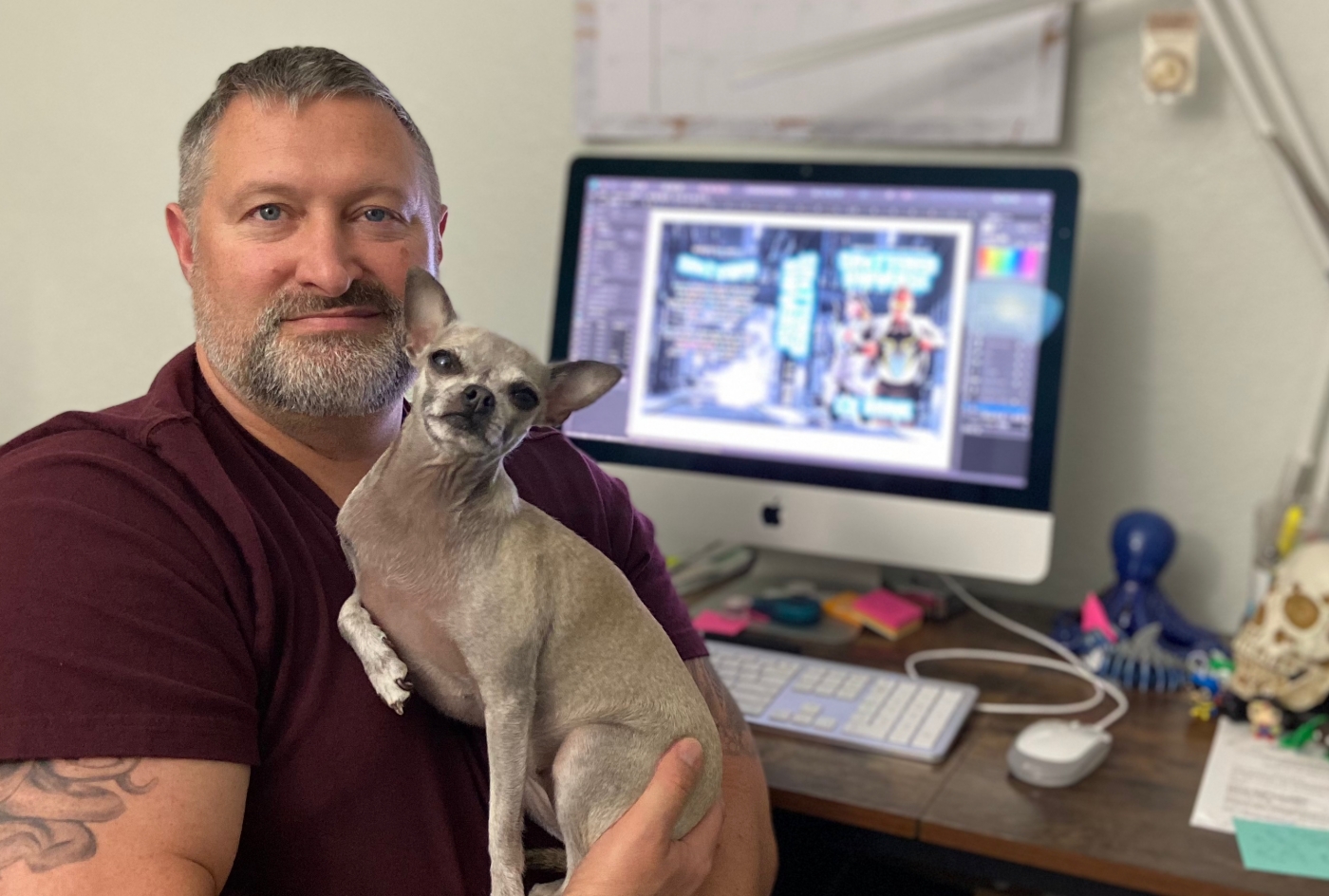
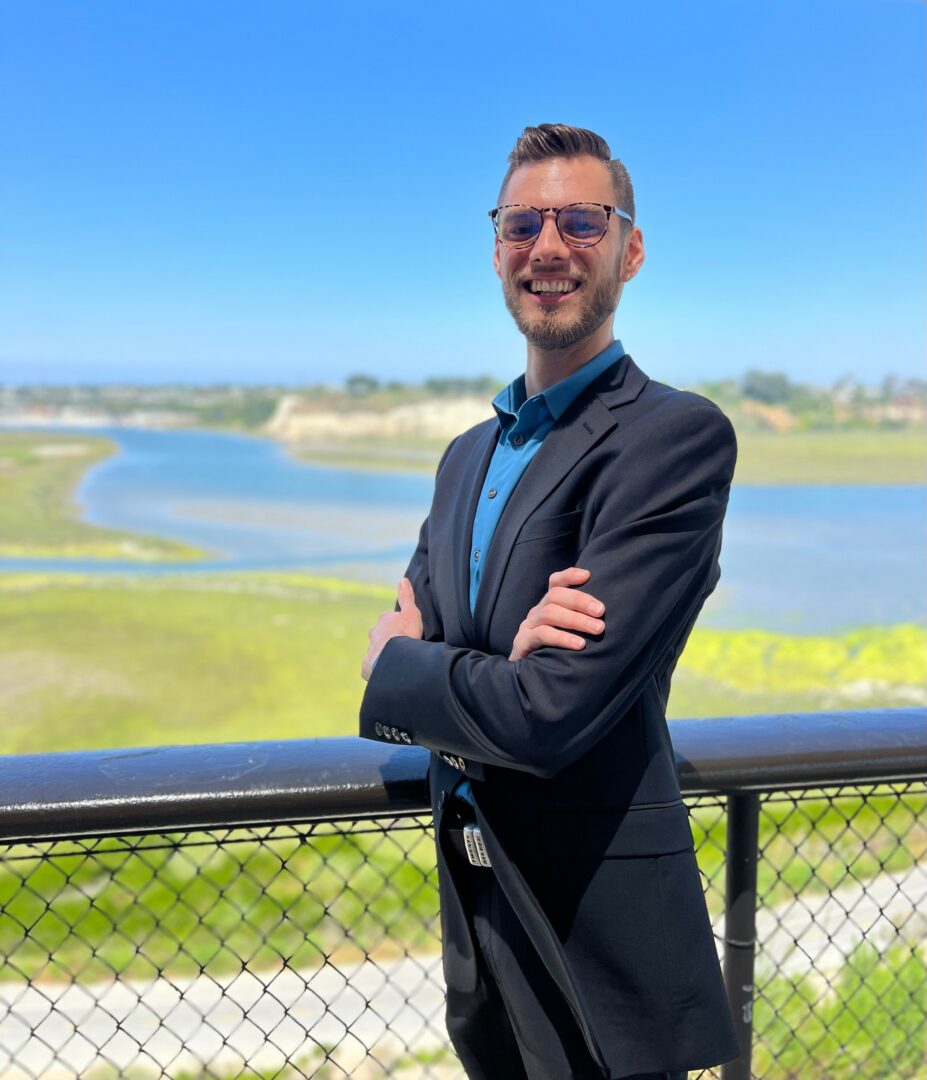
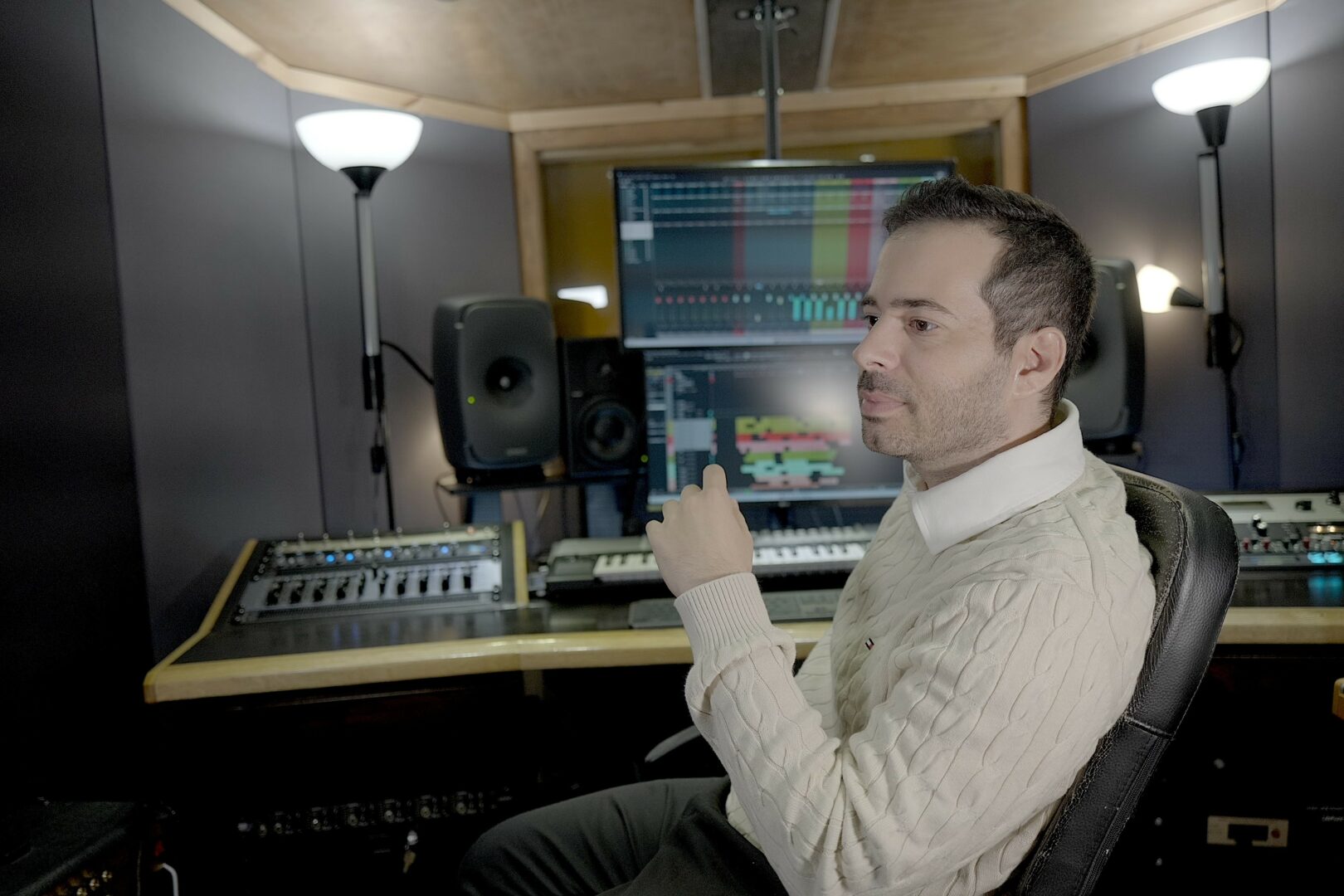
We’re excited to introduce you to the always interesting and insightful Yuchen Lu. We hope you’ll enjoy our conversation with Yuchen below.
Yuchen, we’re thrilled to have you sharing your thoughts and lessons with our community. So, for folks who are at a stage in their life or career where they are trying to be more resilient, can you share where you get your resilience from?
To be honest, I wouldn’t describe myself as inherently strong. Frustration can hit me hard, making me feel down and unmotivated for a while. But beneath those temporary feelings, there’s a constant thread: I have always known that I want an art career and to achieve something meaningful. I’ve worked hard for it—moving to the US alone to study art was a testament to that commitment. There’s a determination within me that acknowledges I can’t go back. I operate on the simple but powerful logic that if I do nothing, nothing will change, so starting something, however small, is always the best step forward.
A significant part of my resilience also comes from my family, not from a place of financial pressure, but from a deep desire not to let them down. Since I was very young, they have recognized and nurtured my artistic talent, always believing I would become a successful artist someday. My grandmother, especially, has been my most steadfast supporter. Her house was near the Central Academy of Fine Arts, the best art school in China, which always felt symbolic. Every year, she asks me for a new drawing to hang in her home. She does this to remind her of me, but she also proudly shows my work to every single person who visits, telling them how proud she is. She has even kept my drawings from when I was four or five years old—pieces I don’t even remember creating—curating a personal archive of my growth. Knowing that she has that belief in me, and that she is literally building a collection of my life’s work, creates a powerful sense of purpose. I’m not just working for myself; I’m carrying the hopes and pride of those who have always seen the artist in me, even before I fully saw it in myself.
Thanks, so before we move on maybe you can share a bit more about yourself?
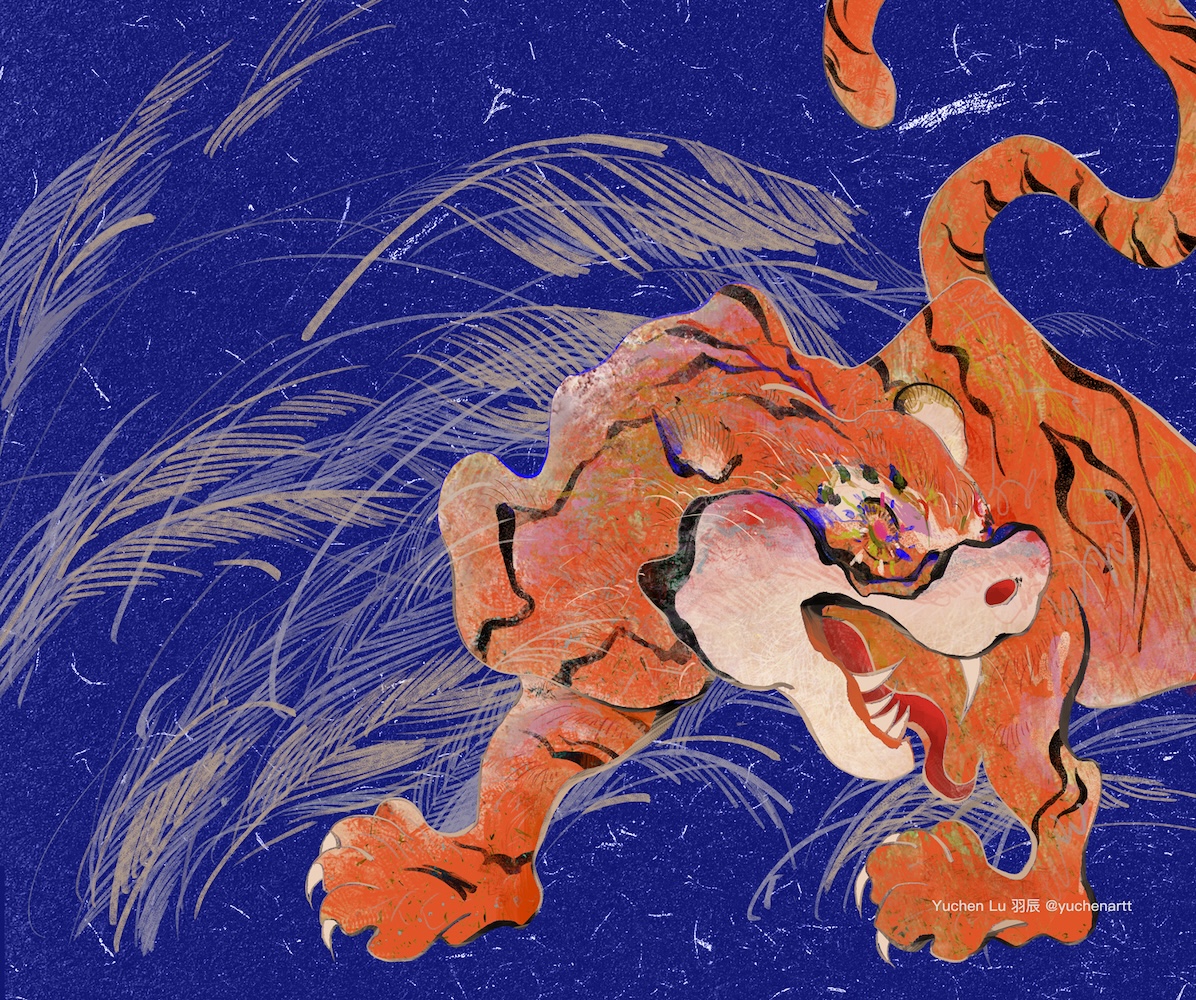
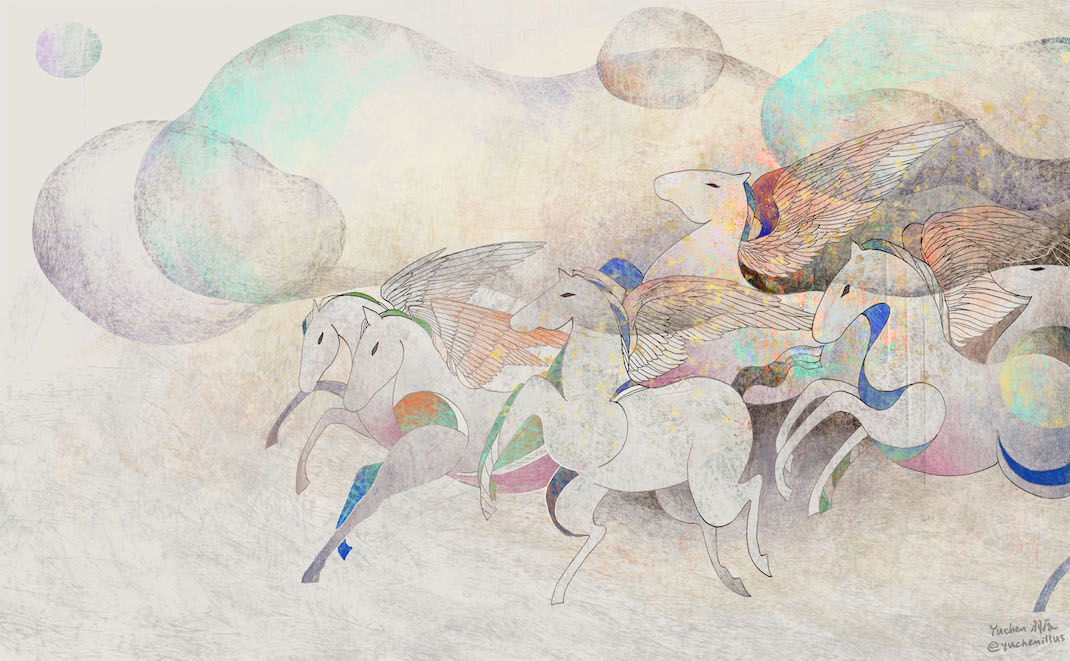
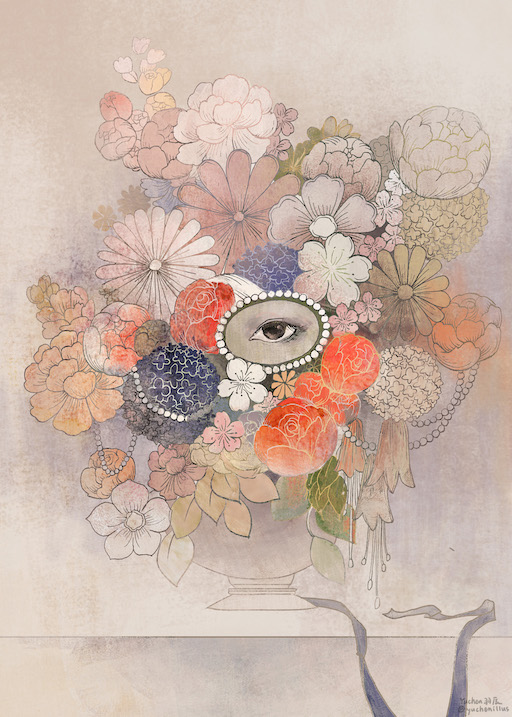
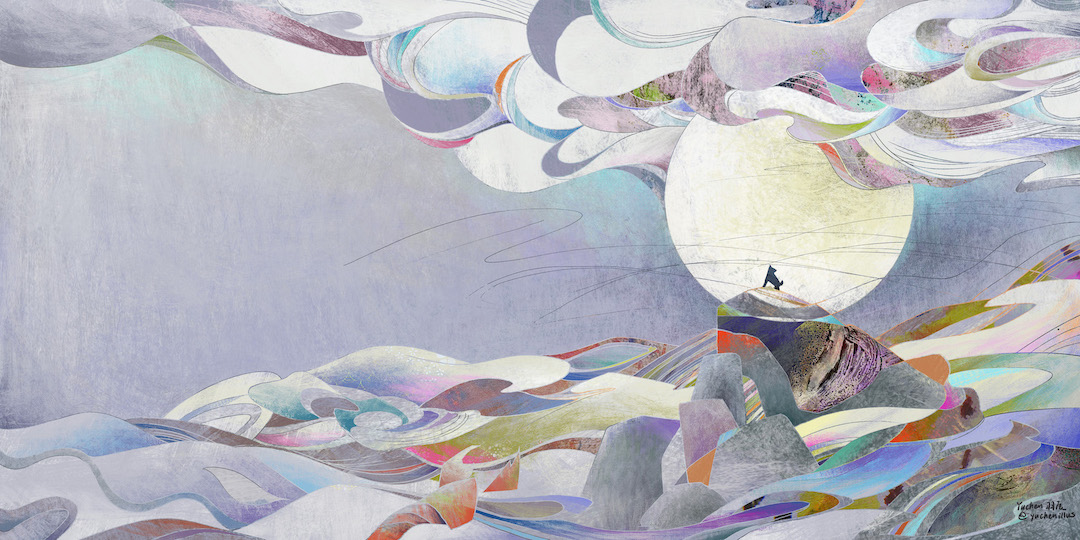
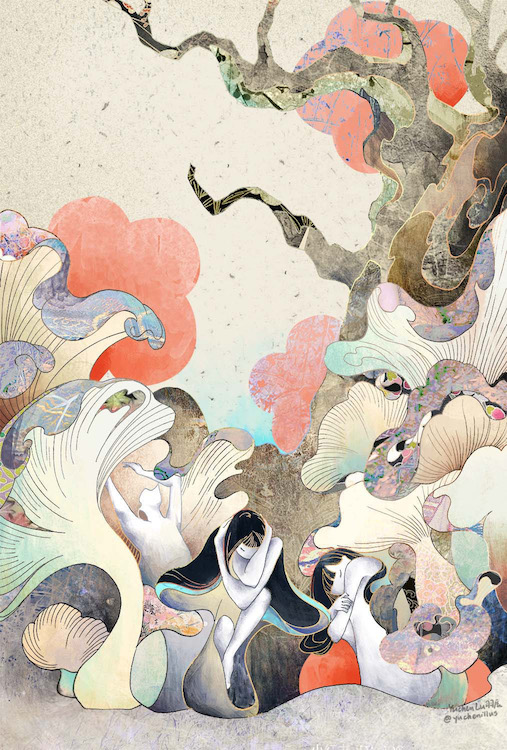
I am a visual artist. I specialize in creating work that merges artistic vision with brand narratives. I draw inspiration from nature, mythology, and dreams—sources that feel both timeless and personal. My practice explores the harmony between tradition and modern life, blending elements of traditional Asian craftsmanship with contemporary forms and themes. I’m drawn to soft and harmonious colors palette, creating a sense of quiet beauty and reflection. I want to create images that feel enduring and gentle. For me, art is a way of offering beauty to the world—a moment of calm, a sense of wonder. I also find joy in the creative process itself; it’s where I feel most present. I hope my work resonate with those navigating their own sense of belonging.
If you had to pick three qualities that are most important to develop, which three would you say matter most?
First one is passion, and or persistency. I thought about saying “talent,” but the world is full of talented people. Passion is the fuel, but tenacity is the engine that keeps you moving forward on this path. It’s a marathon, not a sprint. There will be moments of frustration and doubt, but a deep, enduring love for the craft itself is what compels you to pick up your tools again the next day, even after a difficult one.
Second is proactive learning. The desire to learn can’t be passive. In the beginning, I spent countless hours deconstructing the work of artists I admired, not to copy them, but to understand their process. From historic masters to contemporary artist, I always love reading the stories behind the artwork. I sought out tutorials, attended workshops, and wasn’t afraid to ask “how did you do that?” This proactive stance transforms inspiration into practical skill, allowing you to constantly evolve your own technical and conceptual abilities. Analyze art you love, read about artistic movements, and learn the “business” side of being an artist.
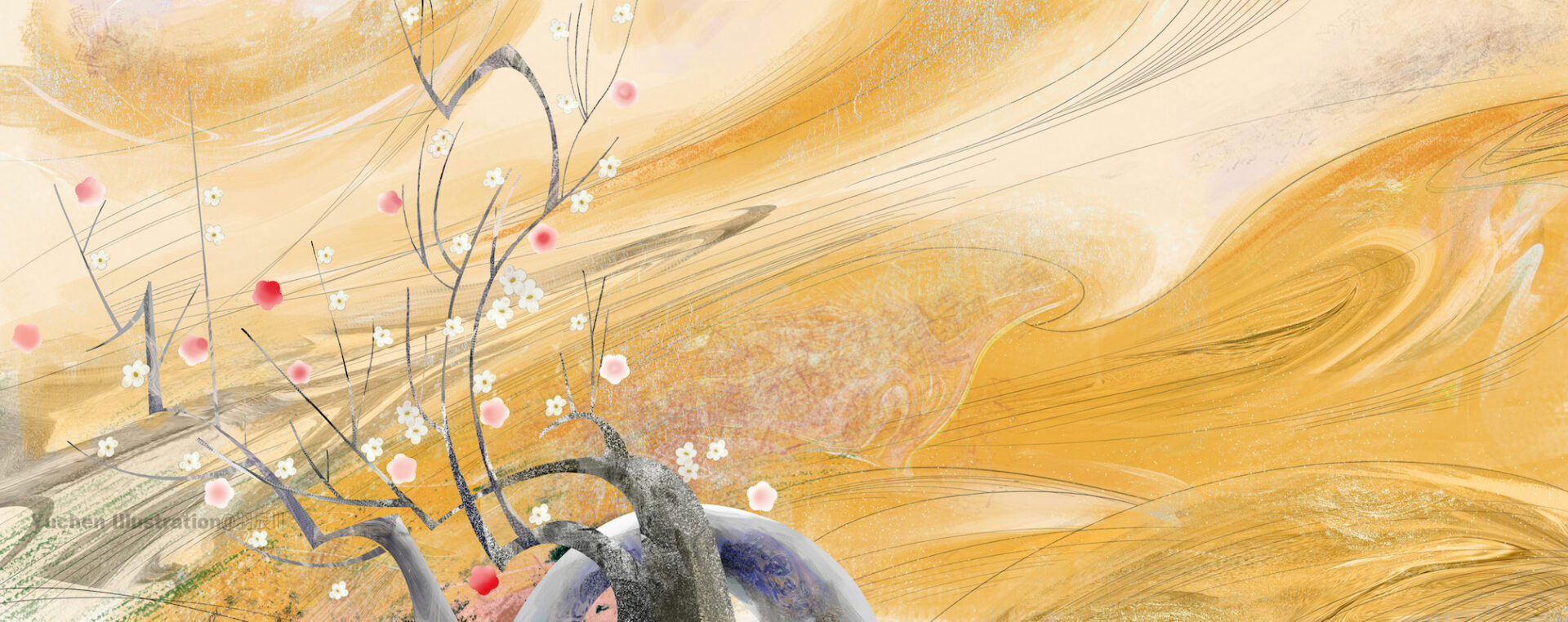
Third is be authentic. For me, authentic work is simply a reflection of your inner world, or how you personally see the world around you. It’s your unique filter. It’s easy to get caught up in what’s popular, but I’ve found that the work that resonates most—with me while making it, and with others seeing it—always comes from a place of genuine curiosity or feeling. Follow the ideas that genuinely interest you, even if they seem silly or weird. For example, in a work of mine I drew a big peach surrounded by goldfish, there’s no profound reason why I put a big peach there, it was simply because I like peach. I wanted a peach color, and a smooth shape thing in my drawing, so there is the peach. Your specific perspective is the one thing no one else can copy. So play with it, and trust that the right people will connect with the work precisely because it came from an honest place.
What do you do when you feel overwhelmed? Any advice or strategies?
I definitely experience burnout from time to time. I think it’s a normal, human feeling, especially in creative work where it often manifests as a complete loss of inspiration—that cliché but very real feeling of not knowing how to proceed. When it hits, my first instinct is to withdraw. I’ll often stay in my room, not wanting to talk to anyone, and give myself permission to rest. This might look like catching up on sleep, because I firmly believe that being well-rested is the foundation for being ready to work again.
But I also know that passive rest isn’t always enough. To actively cheer myself up, I make a point to change my environment. I’ll go out alone—to get a meal, walk through the city or a park, connect with nature, or even just shop around a little. These small acts help me reset my mind.
However, while I’m relaxing, I remain aware that my responsibilities haven’t disappeared. The crucial step to overcoming burnout for me is to make a conscious shift back into a work mindset. I focus on what needs to be done by making a simple to-do list and prioritizing the most urgent tasks. I’ve learned that the worst thing I can do is nothing; nothing changes if you don’t take that first step. So, I start with a small, manageable change. Just accomplishing one tiny thing can build the momentum I need to fully re-engage with my work.
Contact Info:
- Website: https://yuchenartt.cargo.site
- Instagram: https://www.instagram.com/yuchenartt/
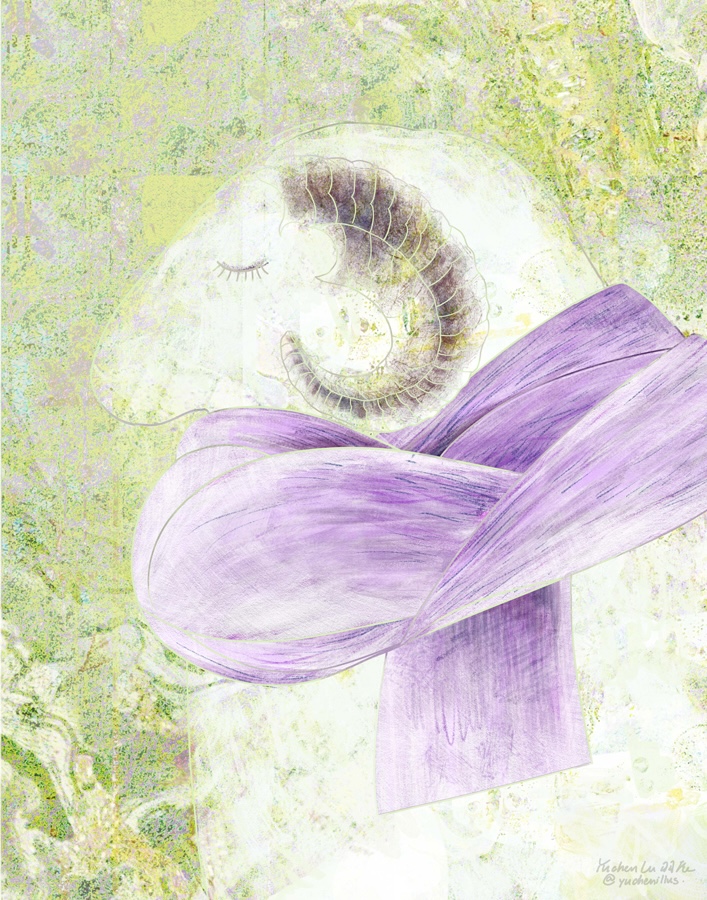
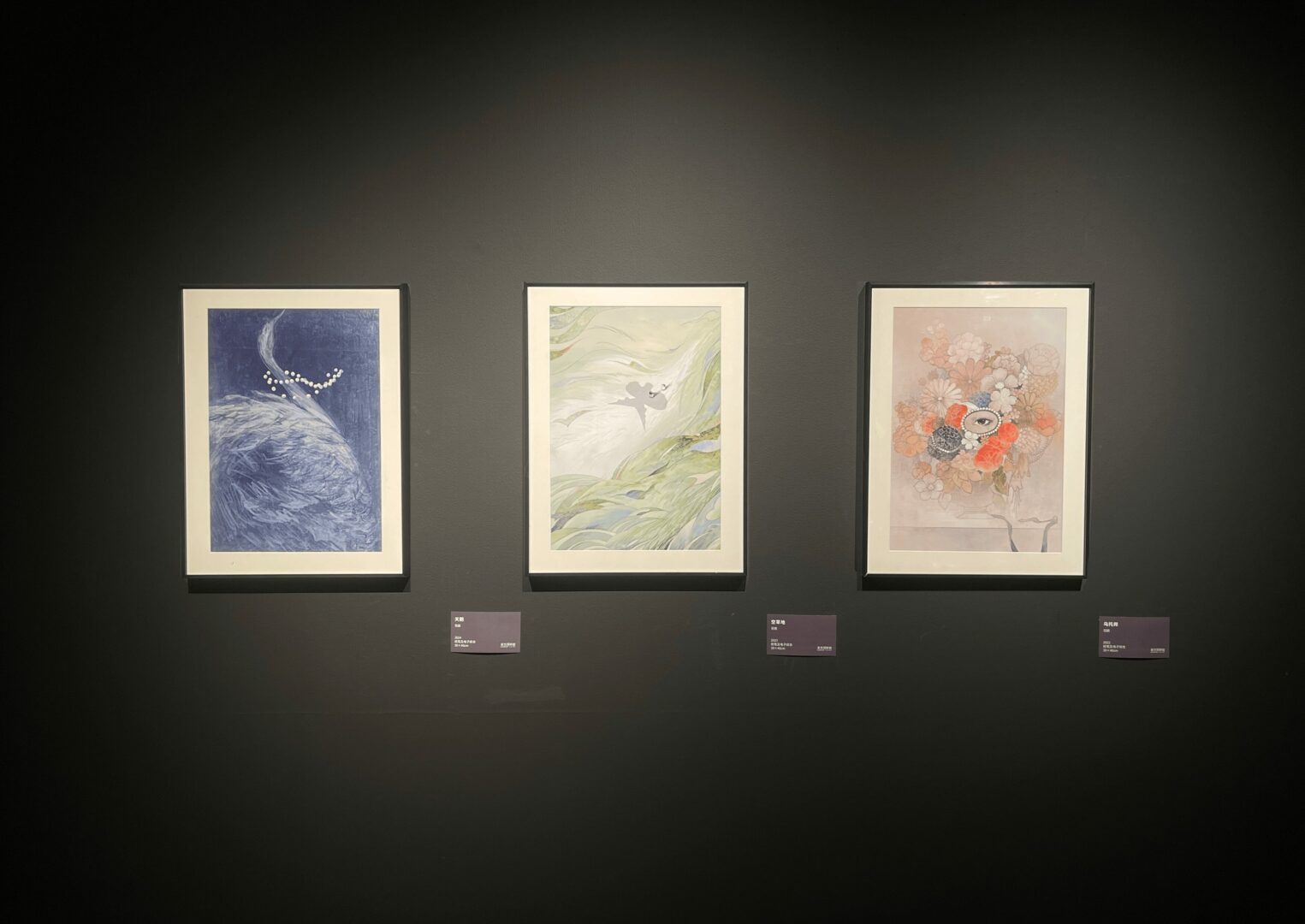
Image Credits
Yuchen Lu
so if you or someone you know deserves recognition please let us know here.