Alright – so today we’ve got the honor of introducing you to Yuding Lin. We think you’ll enjoy our conversation, we’ve shared it below.
Yuding , so excited to have you with us today. So much we can chat about, but one of the questions we are most interested in is how you have managed to keep your creativity alive.
My creativity comes from my lifelong love for photography. I have always wanted to express the beauty I see and feel through the images I create. My creativity is rooted in observation—paying attention to life, details, and moments.
It also comes from the inspiration I gain from excellent photographic works around the world. There are countless outstanding photographs, and they constantly stimulate my imagination and push me to improve my craft.
Reading high-quality writing on photography theory also helps sustain my creativity. These resources give me new perspectives, deepen my understanding, and motivate me to continue exploring and creating.
Thanks for sharing that. So, before we get any further into our conversation, can you tell our readers a bit about yourself and what you’re working on?
I am a photographer, and I have been working professionally in this field for several decades. Photography is not only my job—it is also my passion. Photography is an art form; it goes far beyond simply pressing the shutter. A photographer must have the ability to capture meaningful moments and notice details that ordinary people often overlook, so that they can seize those fleeting instants at precisely the right time.
A photographer must also have great patience. Sometimes, achieving an ideal shot requires long periods of waiting—especially when photographing natural landscapes or documentary subjects. This can be a major test of both physical endurance and patience. In addition, photographers must be good communicators, particularly when shooting portraits or weddings. Effective communication with the subject is essential in order to create natural and expressive images.
Strong adaptability is also crucial. From day to night, indoor to outdoor, sunshine to rain, winter to summer, mountains to oceans—the photographer must be ready for all environments. What excites me most about photography is that after long periods of waiting, there will suddenly be a single moment when everything aligns, and I can capture a beautifully composed image.
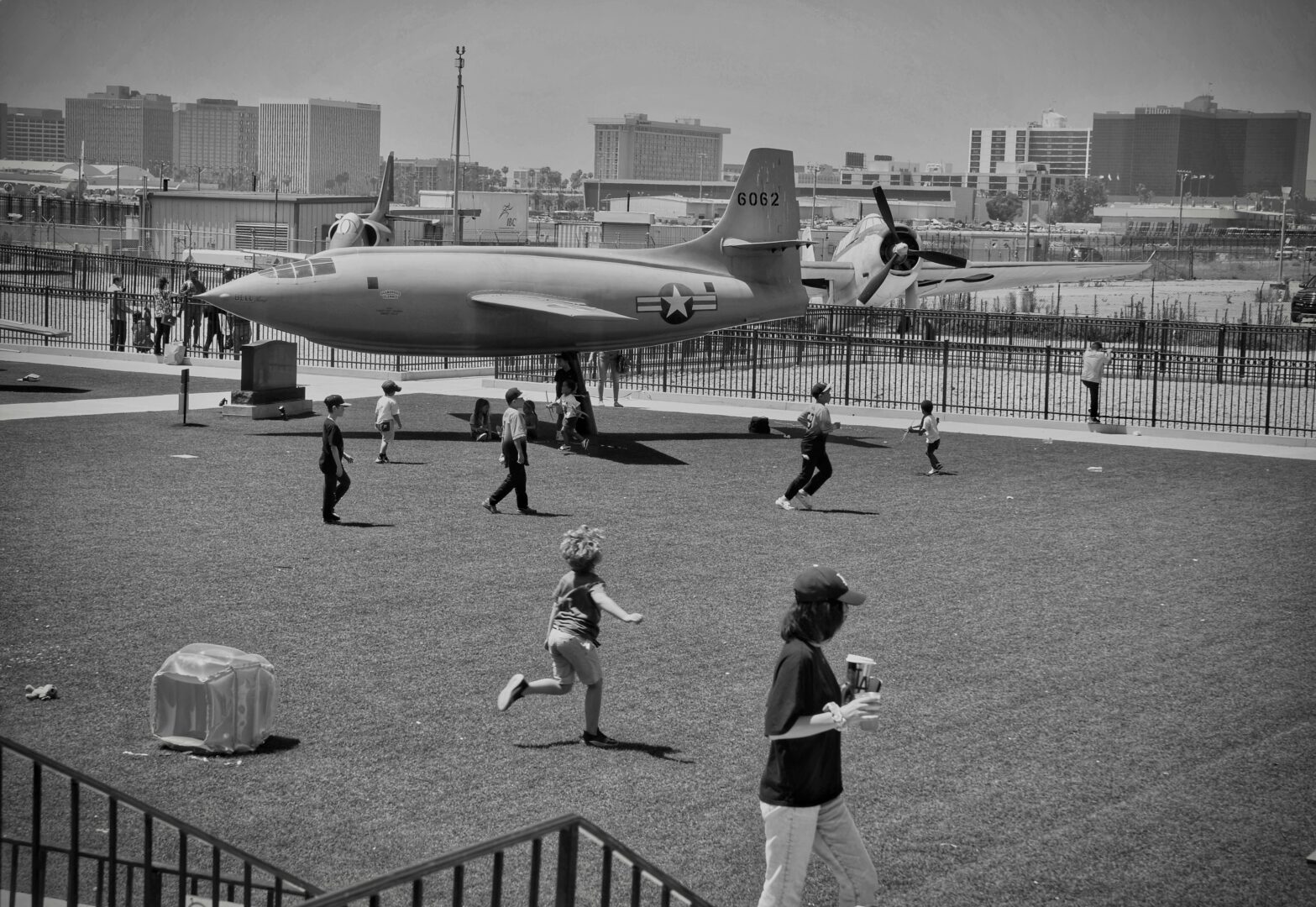
Once, while shooting documentary photos at an aviation museum near LAX, several children were running in front of an old aircraft. If I had simply snapped casually, the result would have been ordinary. Instead, I set up my camera on a tripod and waited patiently. After about twenty minutes, the positions of the children suddenly formed a perfect composition against the aircraft backdrop. I pressed the shutter at that very moment—it was extremely satisfying.
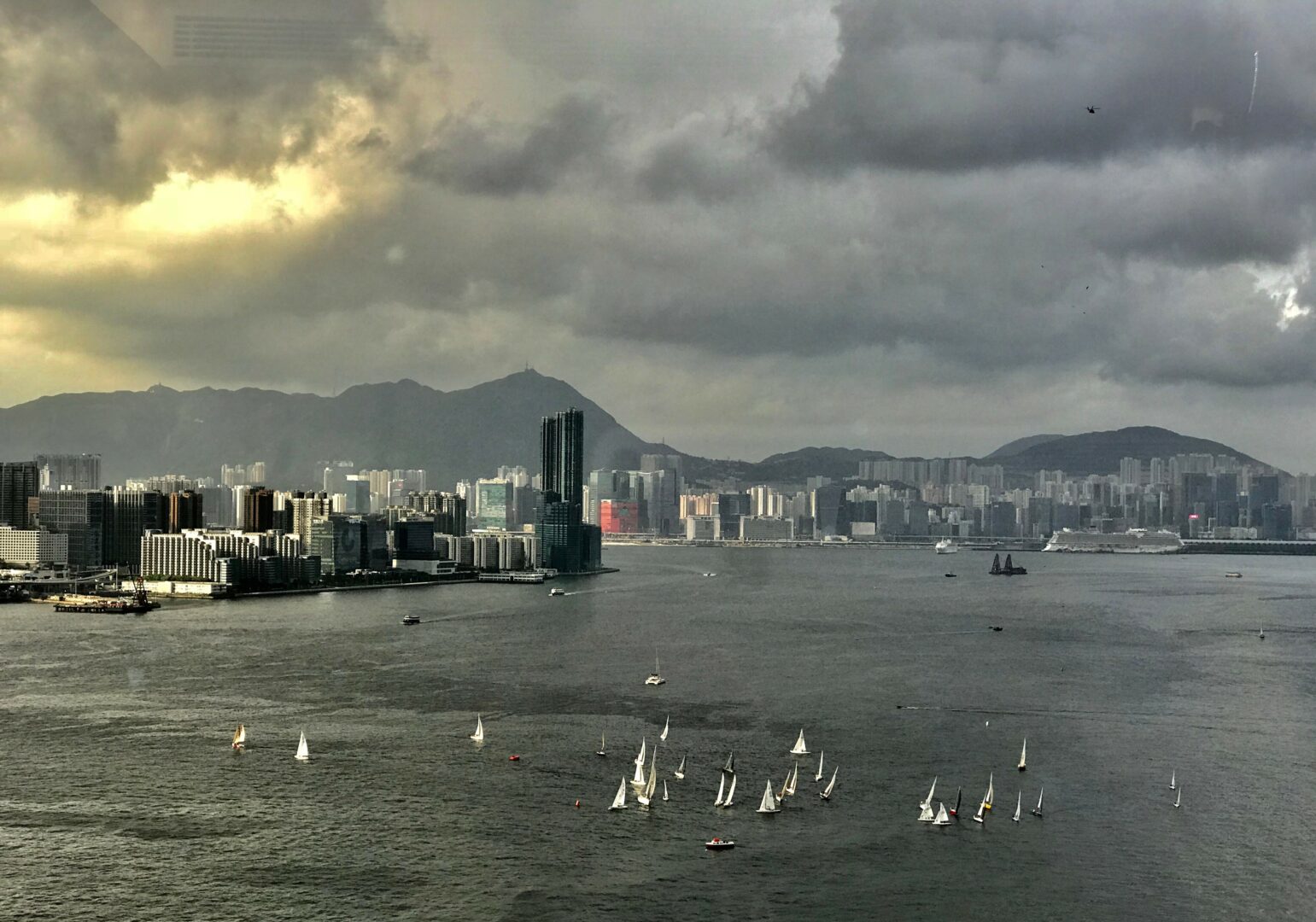
Recently, I participated in an Art Festival in Irvine, where I submitted my documentary series “Hong Kong Impressions.” The exhibition consisted of dozens of photographs showcasing the urban scenery and architectural characteristics of Hong Kong—its daily life, cultural heritage, traditional customs, and the marks of time—expressed through light, shadow, and color.
Looking back, what do you think were the three qualities, skills, or areas of knowledge that were most impactful in your journey? What advice do you have for folks who are early in their journey in terms of how they can best develop or improve on these?
In my photographic journey, both technical skills and intellectual knowledge have played a major role in my development.
In terms of skills, photographers must master camera operation and settings, lighting techniques, composition and visual design, post-processing, subject selection, shooting techniques, and—most importantly—observation and creativity. Sensitivity and the ability to notice beauty in ordinary life allow us to transform everyday scenes into meaningful visual stories. Developing a personal style through unique perspectives and expressive storytelling is essential.
In terms of knowledge, photographers must be broad-minded and well-informed. A deep understanding of astronomy, geography, humanities, physics, sociology, psychology, chemistry, optics, and aesthetics helps elevate the quality and depth of one’s photographic work.
Sometimes, I like applying Eastern aesthetics, such as the principle of liubai (intentional empty space). In photography, liubai is not simply blank space—it is a deliberate compositional choice that creates breathing room in the image. It directs viewers’ attention to the subject while adding poetic depth and imagination. I used this approach in several photographs in my “Hong Kong Impressions” series.
For beginners in photography, here are my suggestions:
Equipment: Start with what you have. There is no need for high-end gear. Even a phone or basic camera is enough. Focus on learning technique.
Fundamentals: Learn composition, understand light, and control exposure.
Practice: Shoot regularly—even a few minutes a day. Start with familiar subjects such as family, pets, or streets. Pay attention to interesting moments and details.
Post-processing: Learn basic editing—cropping, color adjustment, contrast—but avoid overprocessing. Maintain authenticity.
Study and communication:
Study masters such as Steve McCurry (e.g., Afghan Girl), known for his vivid colors and storytelling portraits.
Learn from Dorothea Lange, whose documentary work shows deep human compassion and historical significance.
Analyze their composition, lighting, and narrative techniques.
Join photography forums or communities to exchange ideas, receive feedback, and gain inspiration.
Stay humble—photography is a lifelong learning process.
Enjoy the journey: Photography is not only about recording images but also about experiencing life and expressing oneself. Don’t pursue perfection; enjoy the creative process.
Thanks so much for sharing all these insights with us today. Before we go, is there a book that’s played in important role in your development?
The book that greatly influenced my growth as a photographer is “The Hot Shoe Diaries” by American photographer Joe McNally. It had a tremendous impact on my understanding of photography.
Joe McNally is a world-renowned master, and his core advice includes:
Light is the core language of photography.
He views light as an expressive language with color, tone, emotion, and narrative power.
Natural, relaxed composition and atmosphere.
His images emphasize authenticity—subjects may not be centered or symmetrical, but appear natural and dynamic, with backgrounds that retain depth and storytelling elements.
Creative thinking and preparation.
Before shooting, he carefully studies the environment and light sources, planning how to use or modify the light to create mood.
Focus on people and stories.
He communicates with subjects, learns their background, and aims to capture their true emotions and personality—not just external beauty.
Preference for warm tones.
In portrait photography, he often uses warm light to avoid the coldness that comes from cooler tones.
Joe McNally’s philosophy encourages sensitivity to light, natural composition, and thoughtful creative process. His approach reflects both technical mastery and a deep appreciation for life and art. His ideas have greatly shaped my own photographic worldview.
Contact Info:
- Website: https://starchampsphoto.com
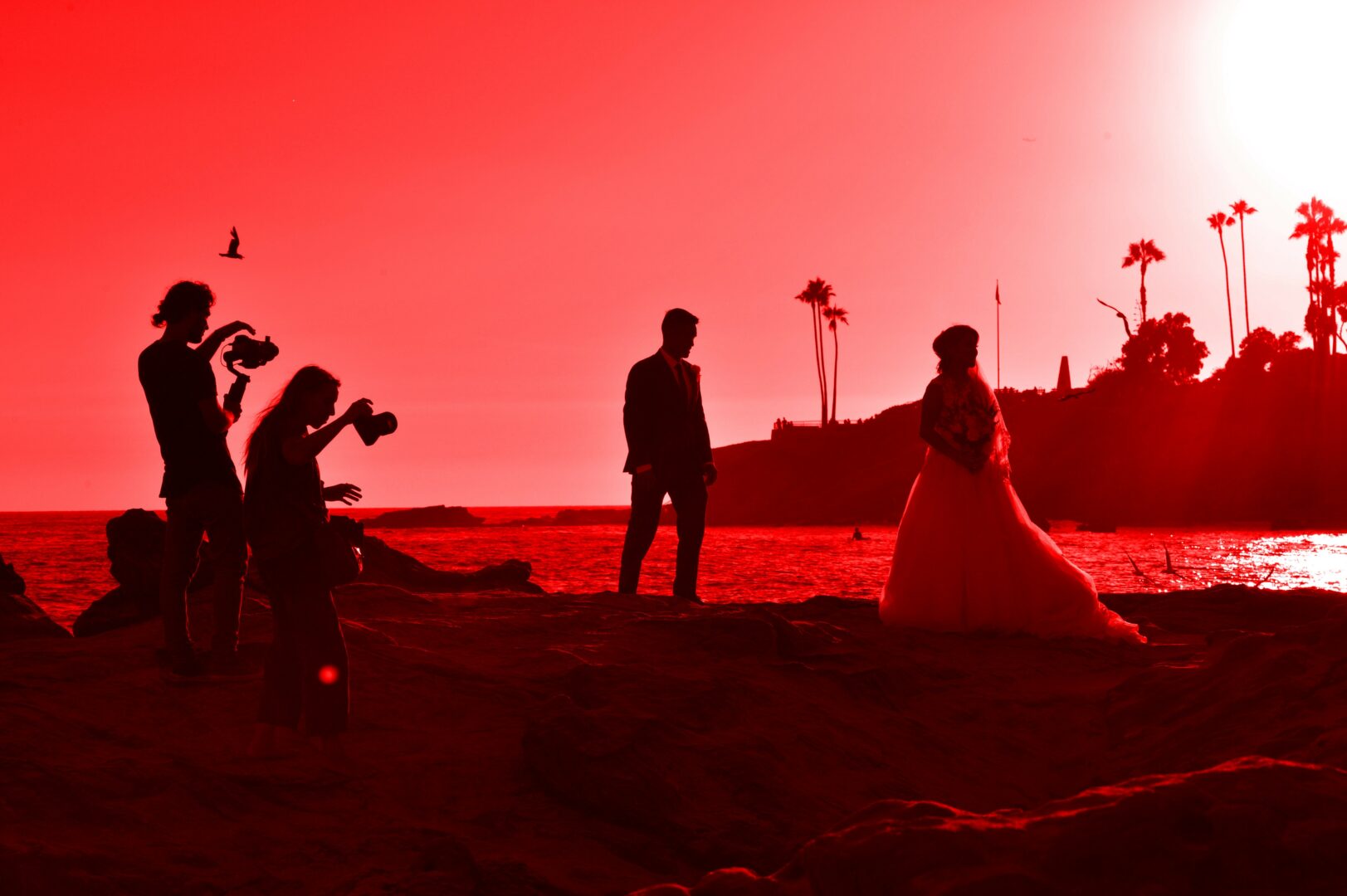
Image Credits
Image Credits: Yuding Lin
so if you or someone you know deserves recognition please let us know here.