
We’re excited to introduce you to the always interesting and insightful Yumei Feng. We hope you’ll enjoy our conversation with Yumei below.
Yumei, appreciate you making time for us and sharing your wisdom with the community. So many of us go through similar pain points throughout our journeys and so hearing about how others overcame obstacles can be helpful. One of those struggles is keeping creativity alive despite all the stresses, challenges and problems we might be dealing with. How do you keep your creativity alive?
For me, creativity isn’t just about abstract thinking — it comes from being deeply observant of everyday life. I pay attention to what people around me are doing, what frustrates them, and what small frictions they quietly live with. Those little moments often spark the most meaningful ideas.
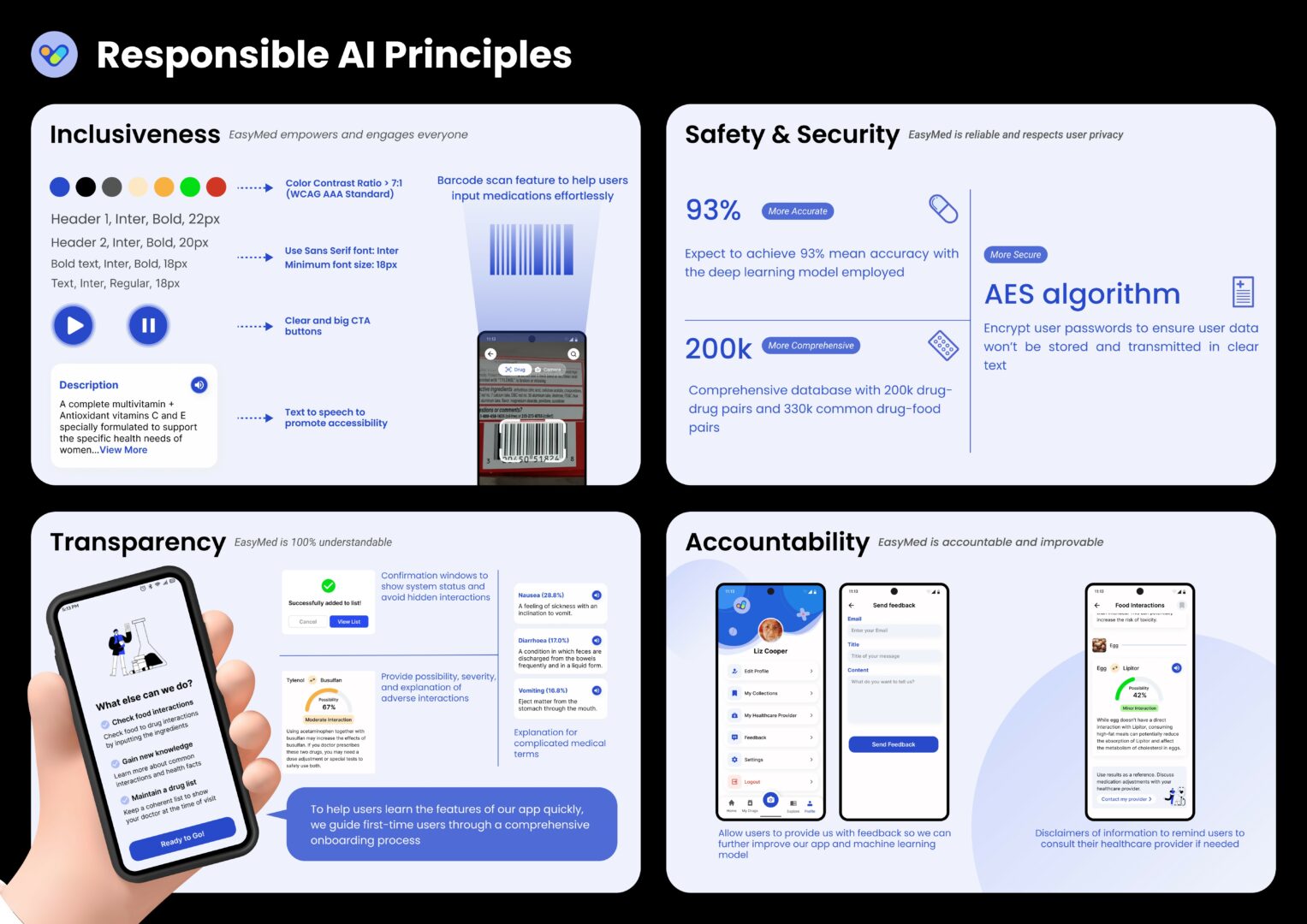
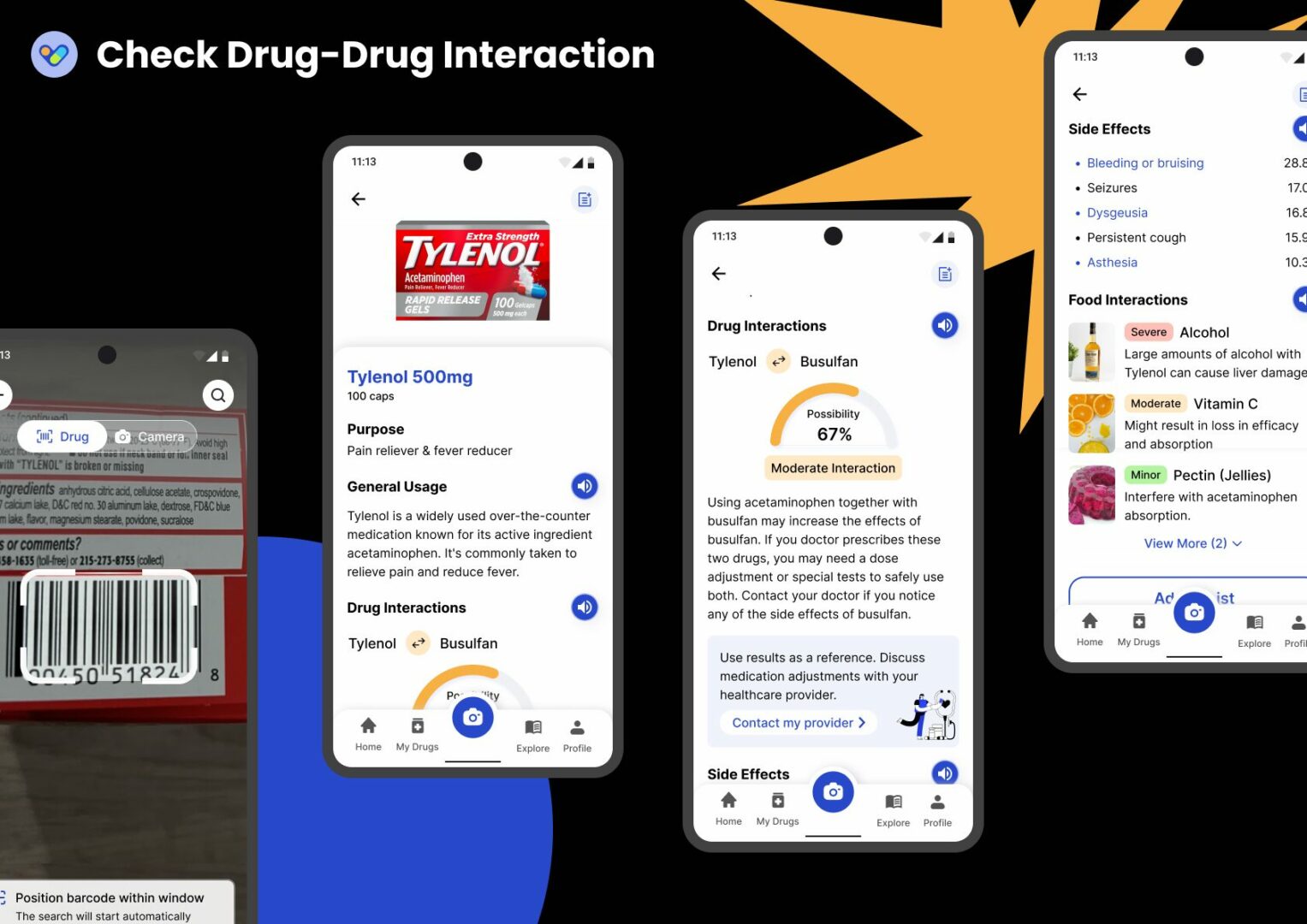
I also look inward. When I notice recurring problems in my own life, I treat them as design prompts. For example, I’ve struggled with stomach issues for years, and I realized so many people around me were dealing with the same thing. That led me to explore the idea of an app to help people track and manage IBS symptoms in a more intuitive and empathetic way. Another time, I found myself missing my cats whenever I wasn’t at home — so I built a small desktop companion to keep me company while I worked. These ideas didn’t come from sitting down and trying to be “creative”; they came from paying attention to what I genuinely felt.
I also try to stay observant of the world at large — technology shifts, cultural changes, and how people’s habits evolve. Creativity often happens when I connect dots across different domains that weren’t obviously related at first.
And sometimes, inspiration comes in the quiet moments — like when I’m showering or going for a walk. When you stay curious, keep noticing things, and give your mind the space to wander, creativity naturally stays alive.
Let’s take a small detour – maybe you can share a bit about yourself before we dive back into some of the other questions we had for you?
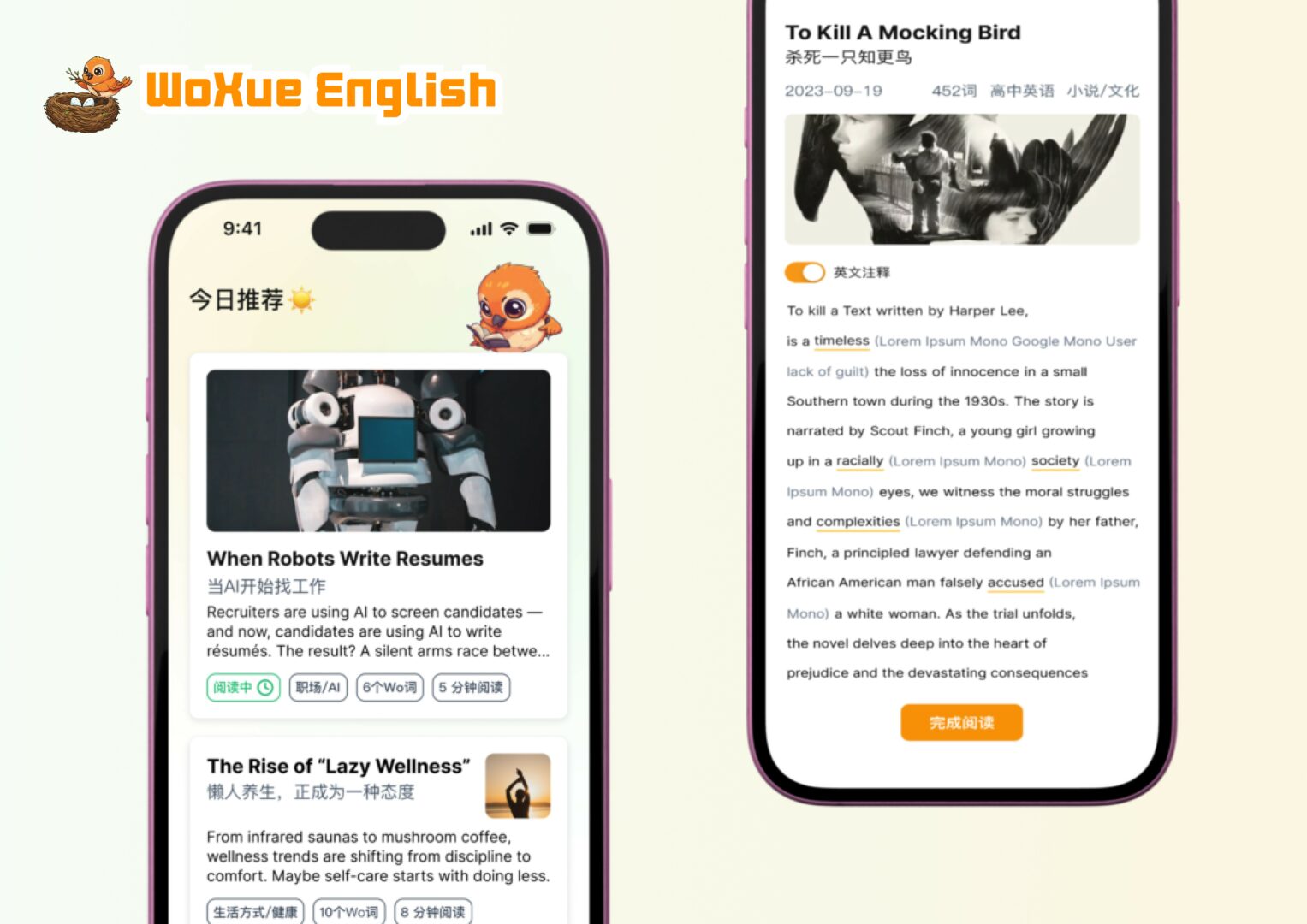
I’m a product designer focused on shaping how people interact with AI in ways that feel intuitive, transparent, and genuinely helpful. My work centers on turning complex AI systems into clear, human-centered experiences — from leading design for Orby Flow, an agentic workflow automation platform later acquired by Uniphore, to collaborating with Fortune 500 enterprises exploring new patterns for agents, reasoning, and human-in-the-loop collaboration. Outside of my full-time work, I love building things that solve real everyday problems. Two of my side projects are Capybara AI, a financial research copilot that helps retail investors analyze stocks through natural-language insights, and Wokan, an English-learning app I designed to help people learn vocabulary in real context; it’s now live on the App Store with over 5000 users. What excites me most is that the language between humans and AI is still being invented, and I’m passionate about designing the systems, tools, and small creative experiments that will shape how we work and learn in this new era.
If you had to pick three qualities that are most important to develop, which three would you say matter most?
Looking back, I think three qualities made the biggest impact on my journey.
First, staying humble and continuously learning. Design and AI evolve so quickly that the moment you feel like you “know enough,” you stop growing. Some of my most valuable lessons came from asking questions, learning from people with different perspectives, and openly sharing ideas — that exchange of thinking keeps you sharp.
Second, cultivating curiosity. Instead of only focusing on my own domain, I try to keep an eye on what’s happening around me — new technologies, shifting user behaviors, and emerging trends. In the era of AI, the landscape moves fast, and staying curious helps me adapt rather than react.
And third, understanding what makes you uniquely human. As AI becomes more capable, the qualities that set us apart — empathy, imagination, intuition, and the ability to connect dots in unexpected ways — become even more important. I always ask myself: How can I bring something irreplaceably human to this problem?
For those early in their journey, my advice would be: stay open, stay curious, and keep building. Learn from others, ask questions without fear, experiment constantly, and don’t be afraid to embrace new tools — especially AI. But above all, keep developing the qualities that make you uniquely you. That’s where your real advantage lies.
How can folks who want to work with you connect?
Yes, I’m always open to collaborating. I’m especially drawn to folks who are curious about the world, eager to solve problems, and excited to create new things. I’m not looking for any one specific background — it could be someone with deep expertise in art and design, someone technical who loves soldering and building hardware, or someone who’s simply obsessed with a niche problem and wants to explore it. What matters most to me is that you care about real, meaningful problems and feel compelled to solve them.
If that sounds like you, I’d love to connect. Feel free to reach out — I’m always excited to meet people who are building with heart and curiosity.
Contact Info:
- Website: https://www.yumei.design/
- Instagram: https://www.instagram.com/2candace2/
- Linkedin: https://www.linkedin.com/in/yumeifeng/
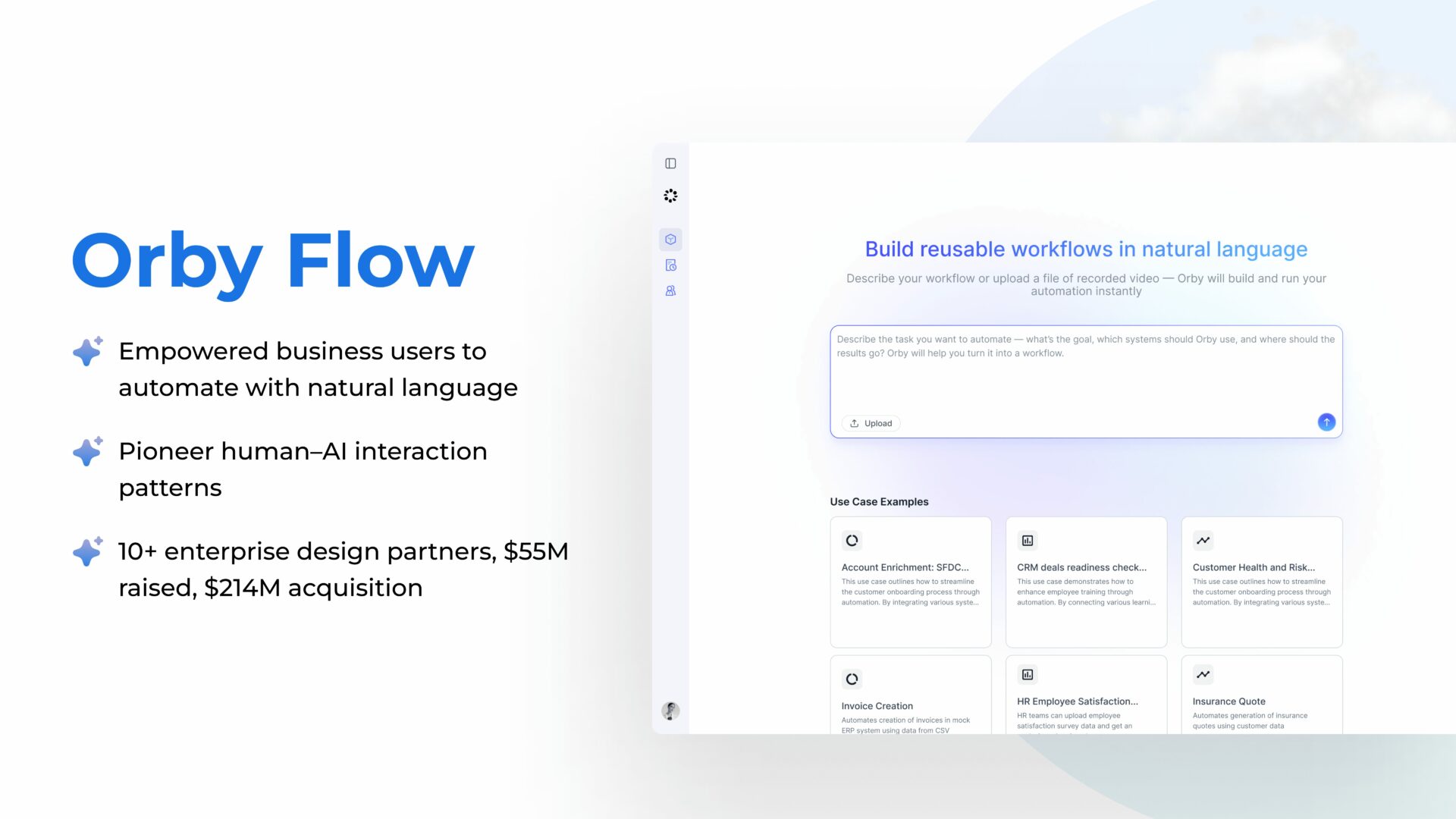
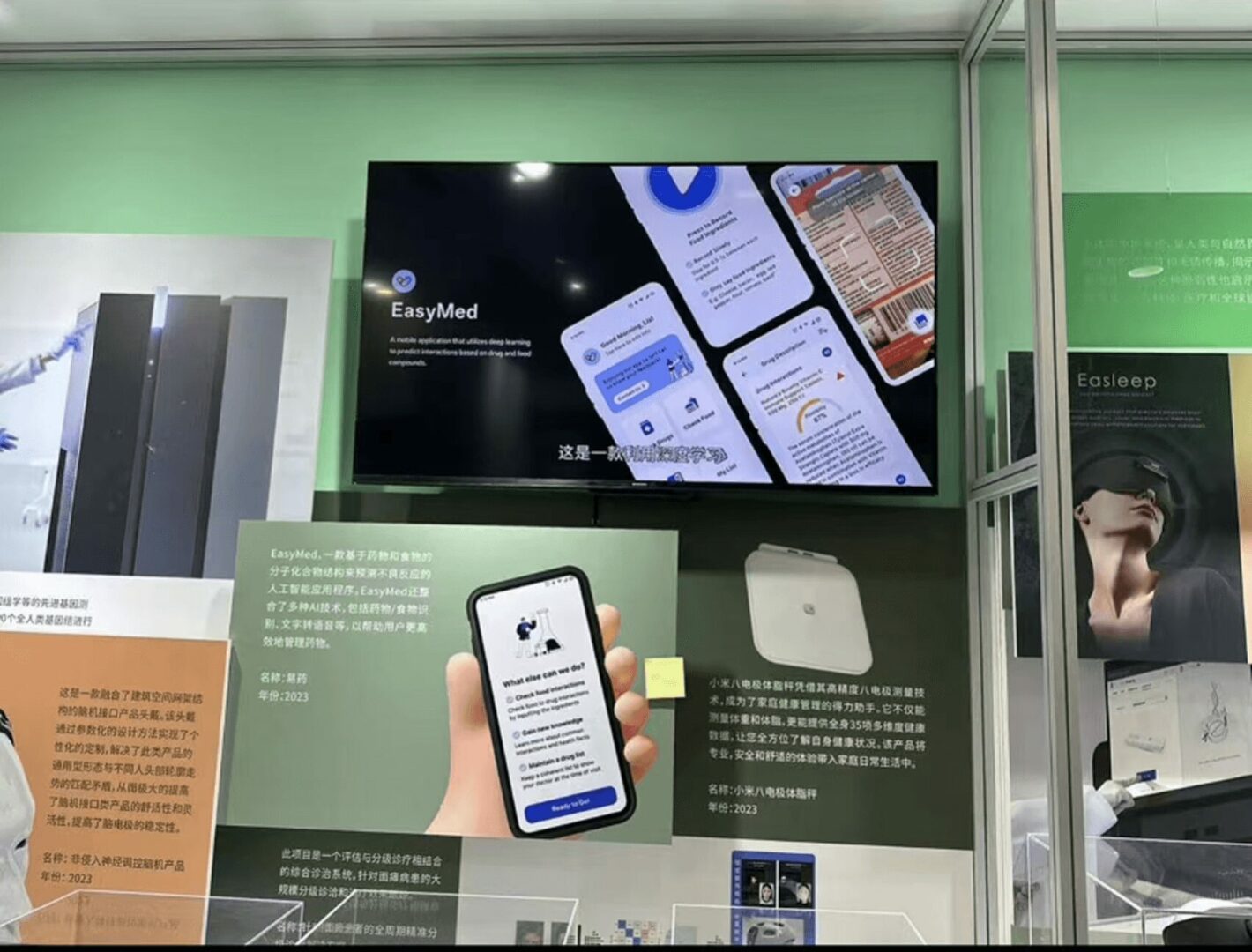
Image Credits
Photo Courtesy: Yumei Feng
Photo Courtesy: Yumei Feng
Photo Courtesy: Yumei Feng
Photo Courtesy: Yumei Feng
Photo Courtesy: Yumei Feng
Photo Courtesy: Yumei Feng
so if you or someone you know deserves recognition please let us know here.