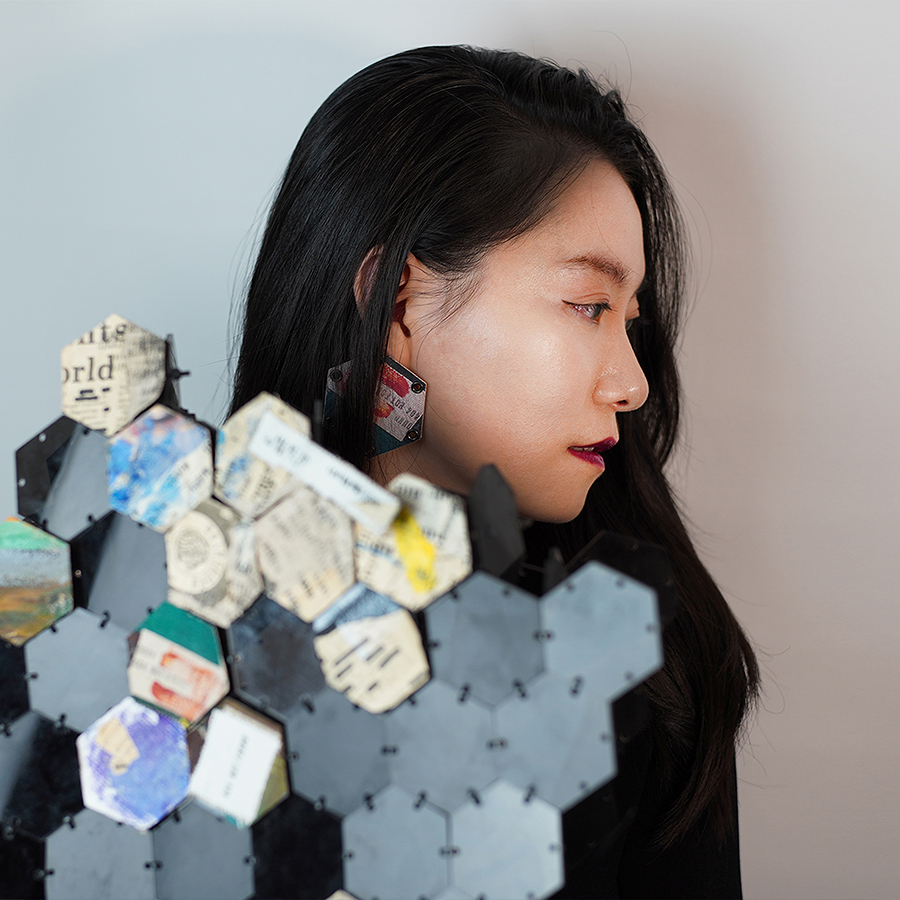
We were lucky to catch up with Yumeng (ILSA) Li recently and have shared our conversation below.
Yumeng (ILSA), thank you so much for taking the time to share your lessons learned with us and we’re sure your wisdom will help many. So, one question that comes up often and that we’re hoping you can shed some light on is keeping creativity alive over long stretches – how do you keep your creativity alive?
When I think about creativity, I don’t see it as a private reservoir I must guard—it’s more like a current that stays alive only if it keeps moving, connecting, and renewing itself.
For me, that renewal happens in three ways. First, by cultivating a state of perpetual inquiry—I resist arriving at fixed answers, and instead let each project push me into new questions. Second, by learning from the intelligence of natural systems—patterns of growth, resilience, and adaptation that offer not just inspiration but also methodologies. And third, by engaging in co-creation that is socially driven. The point is not collaboration for its own sake, but because designing with consequence—whether cultural, ecological, or human—demands perspectives beyond my own.
In that sense, creativity is not simply something I keep alive. It’s something that keeps me alive as a designer and artist—reminding me that relevance, responsibility, and renewal are inseparable.
Thanks, so before we move on maybe you can share a bit more about yourself?
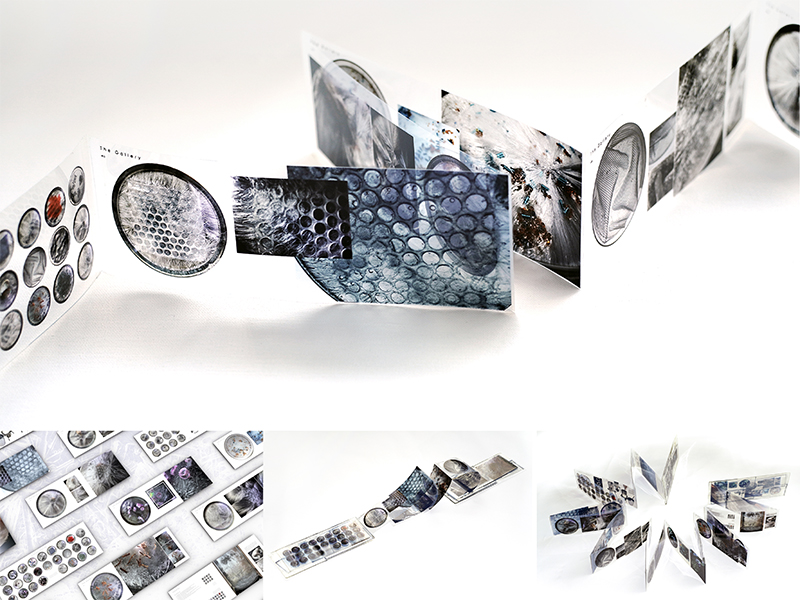
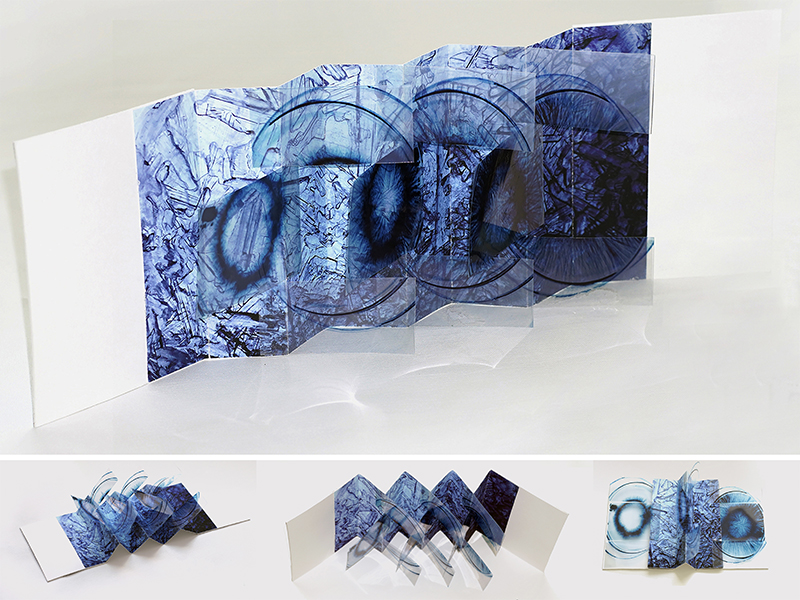
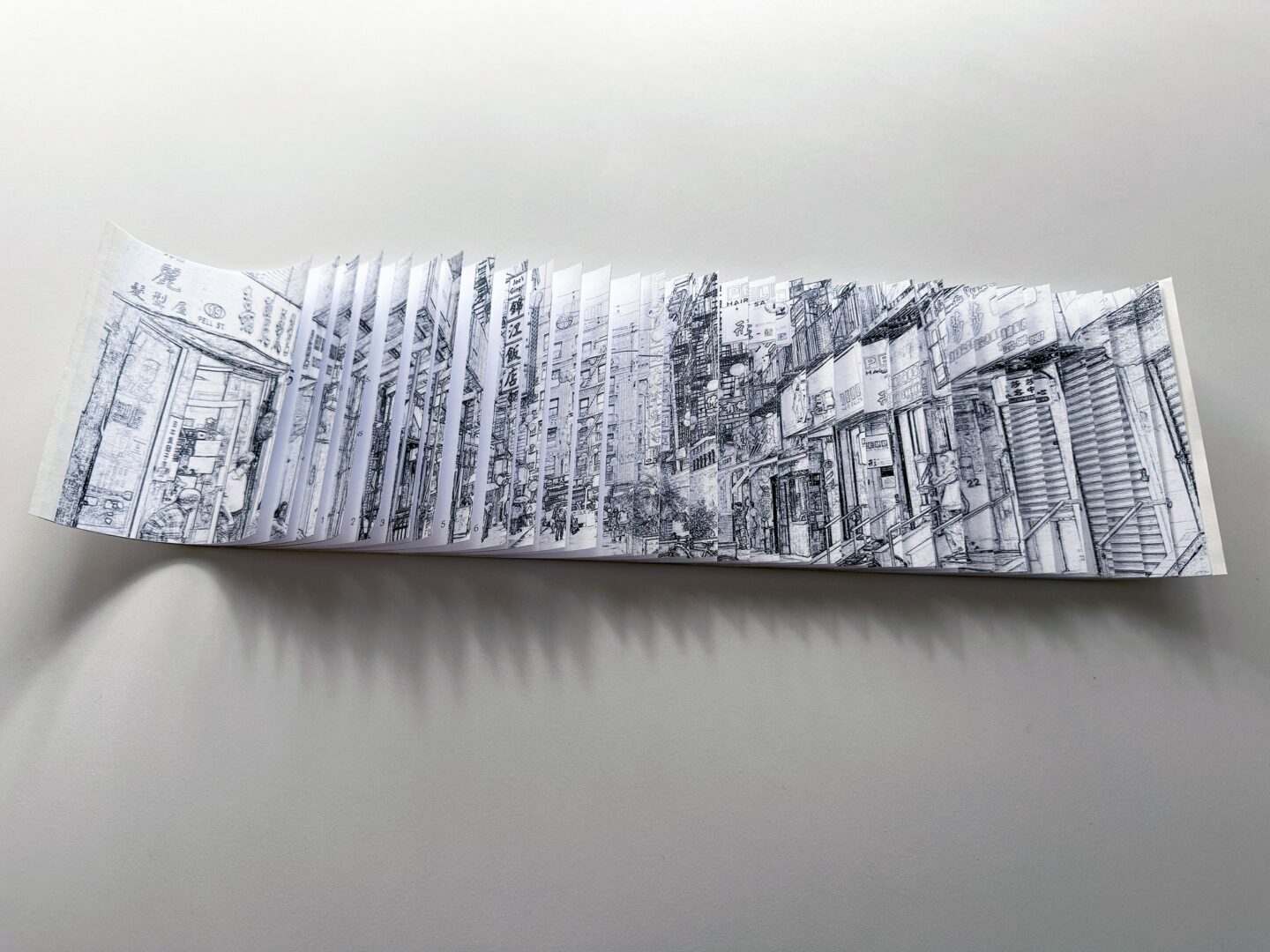
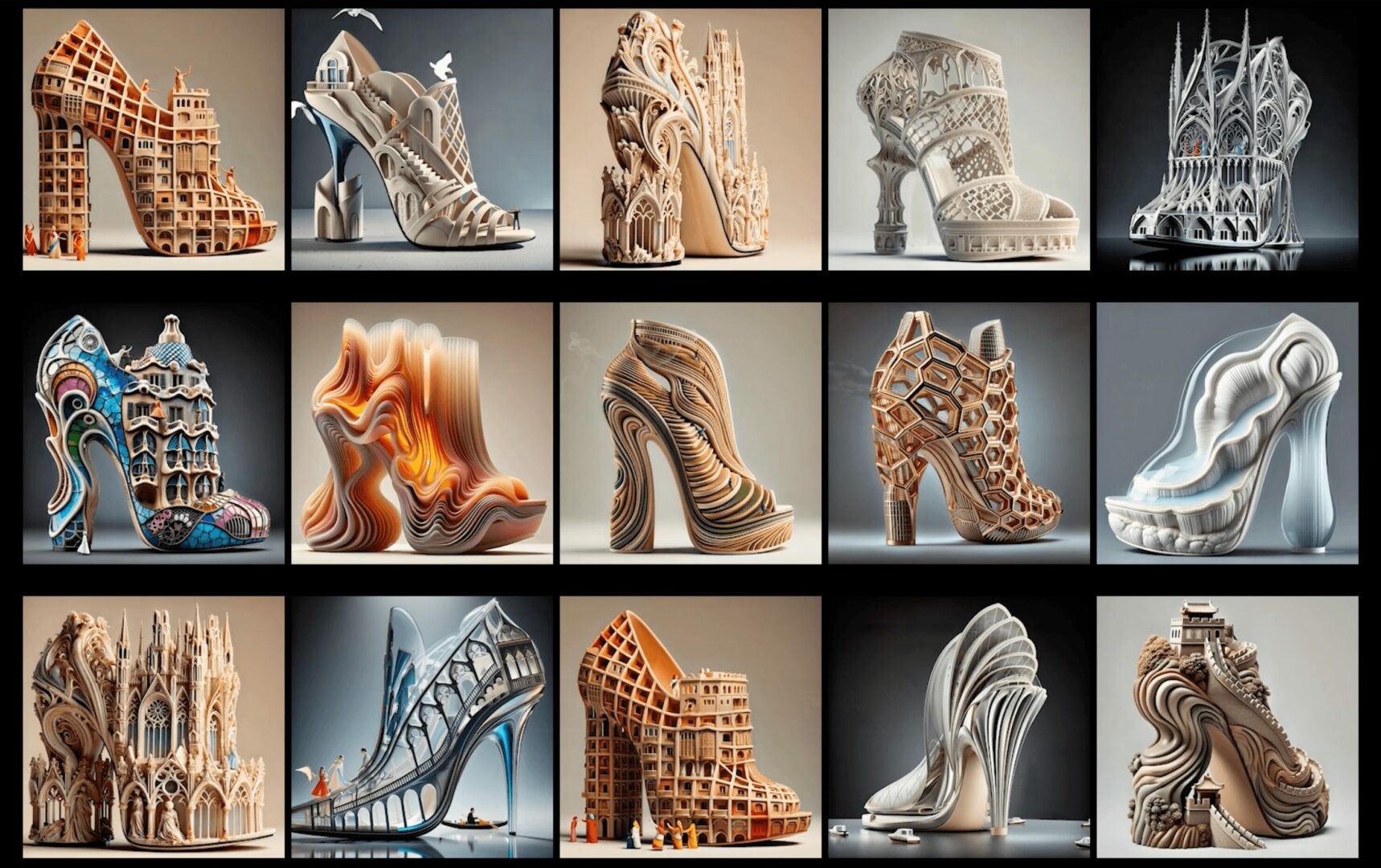
I see my practice as building bridges between cultural heritage, design, and future culture. It always begins with a question: how can meaningful traditions be preserved and reimagined through contemporary artistic and design methods? Exploring this question has led me through computational design, immersive digital exhibitions, and contemporary ArtBooks publishing as a medium of co-creation, living archive, and cross-cultural discourse.
I am mainly responsible for reviewing cutting-edge work in generative, parametric, and AI-assisted design as a jury member for international design awards, but what excites me more is the potential of computational design tools exploring how publishing itself can become an artistic practice of collective authorship—a way to gather voices, foster dialogue, and spark cultural exchange.
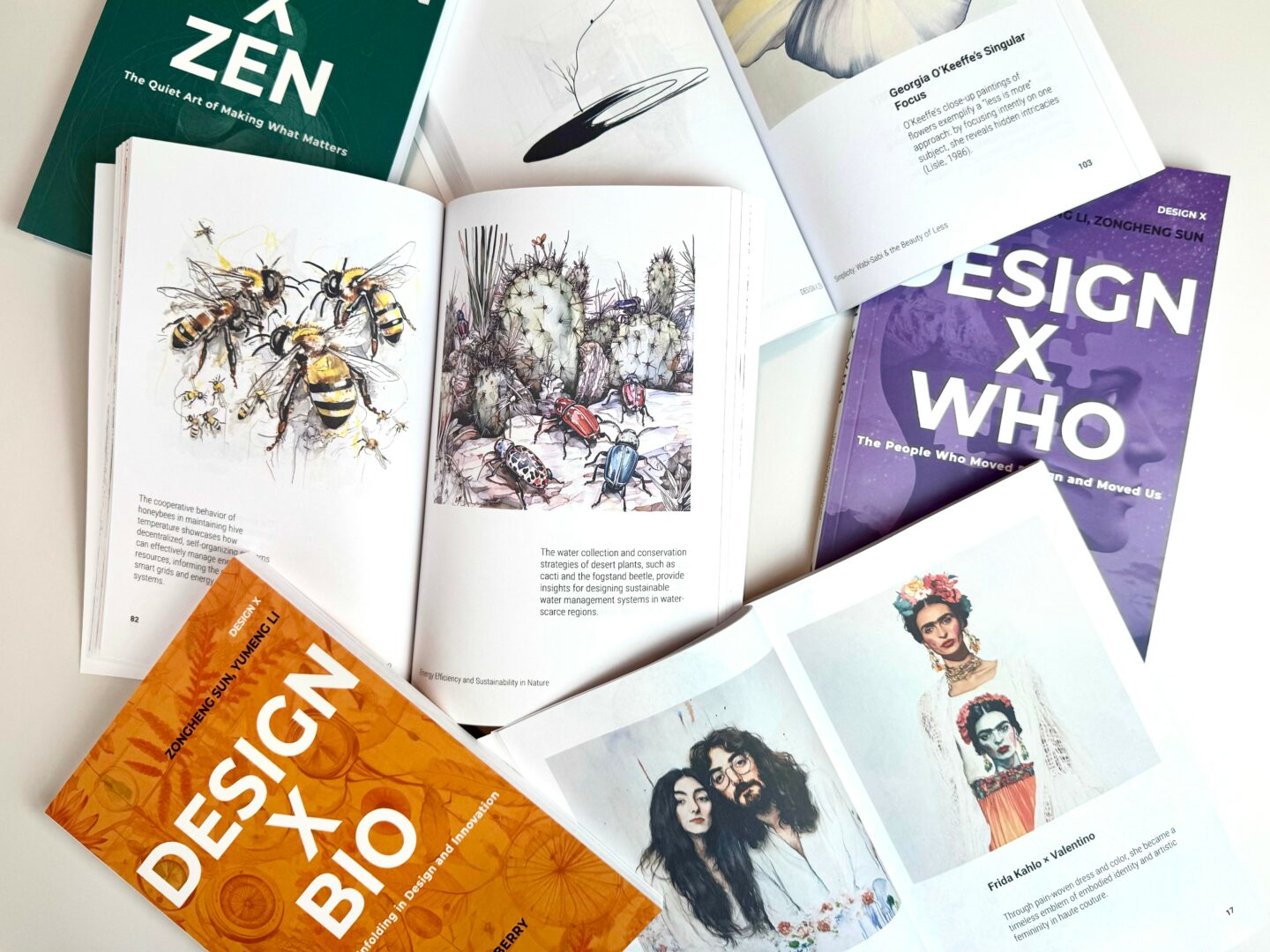
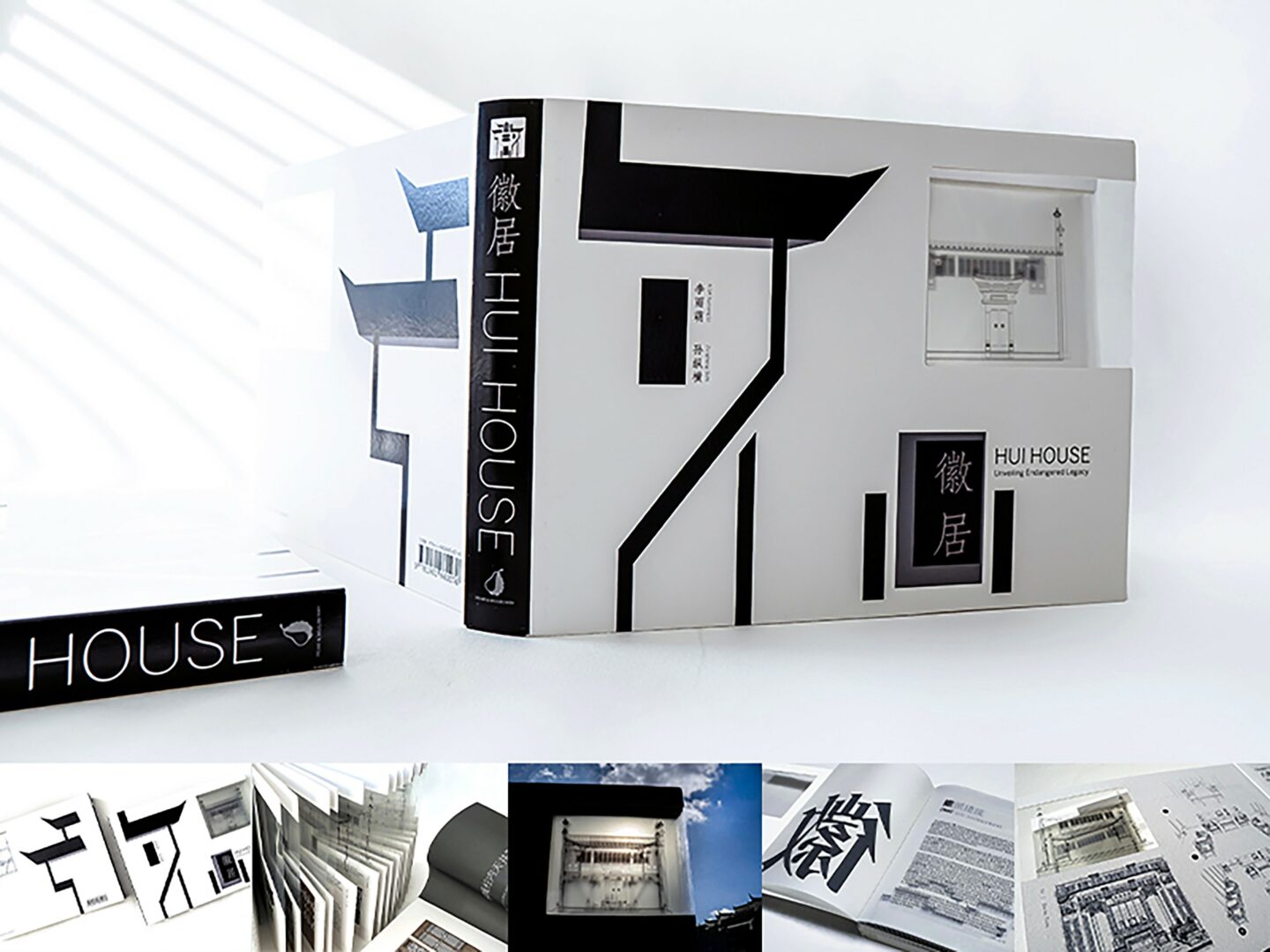
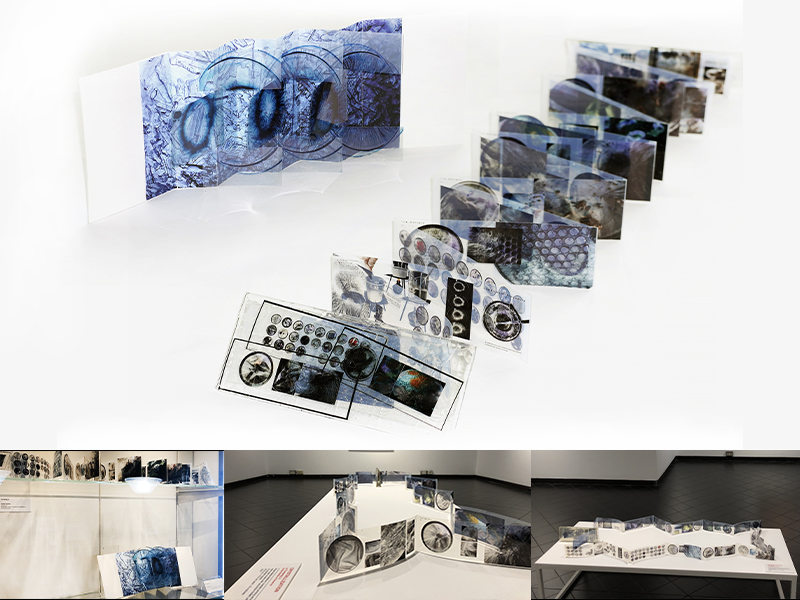
Within PEAR & MULBERRY, I lead the publishing division, focusing on artist books and design-led publications that function as cultural platforms. Projects that reinterpret endangered intangible heritage and have been collected by international museums, showing how publishing can act as an immersive archive and an educational tool. For me, a book is never just a book—it can be an archive, an exhibition, and a dialogue all at once. One of the central publishing focuses today is the Design × series, which treats design as a form of collective authorship. Each volume—whether on biomimicry, Zen practice, or the people who shaped design—invites co-creation and expands how we understand design’s impact. The next title, Design × LEFT, will explore left-handed inclusive design, continuing this commitment to broadening who gets represented in design history.
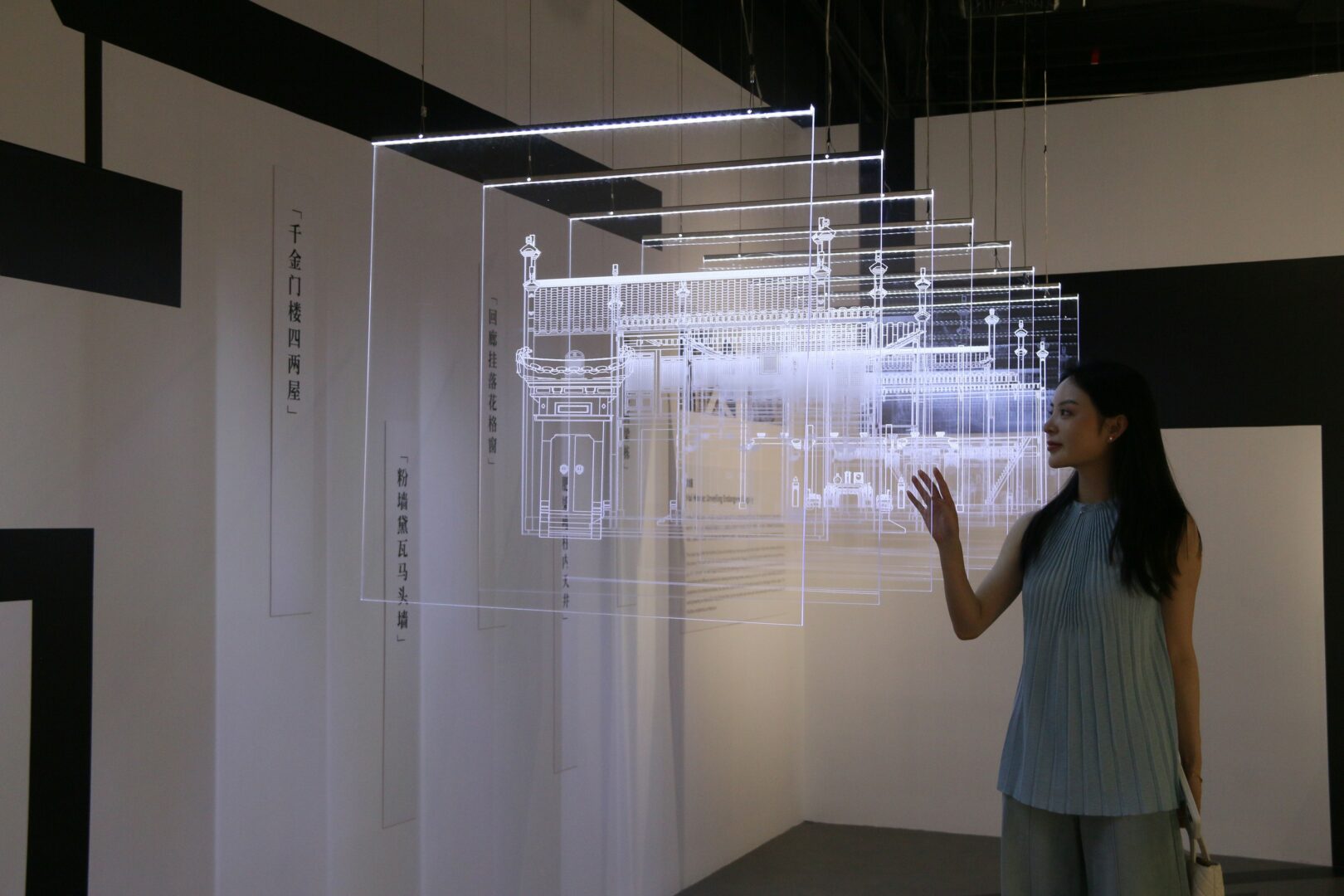
Publishing, in this sense, is not passive documentation. It is a living practice, combining curatorial work, experimental book forms, and immersive experiences. In projects, cyber museology and interactive design invite readers to become participants; these works are not only books—they are interfaces, exhibitions, and collective conversations.
At its heart, PEAR & MULBERRY is guided by the belief that design is dialogue—between heritage and AI-assisted futures, between cultures, and between people. For me, publishing is the way to keep that dialogue alive: to spark cultural discourse, to link digital humanities with contemporary art, and to give heritage and future equal space on the same page.
If you had to pick three qualities that are most important to develop, which three would you say matter most?
Looking back, I would say three qualities have been most impactful in my journey.
First, an iterative mindset. I see every project as a spiral process—never linear, always refining itself through reflection, testing, and growth. That growth mindset has helped me adapt to uncertainty and turn obstacles into opportunities.
Second, cross-disciplinary collaboration. Some of the best solutions I’ve encountered came from working with people outside my field—scientists, educators, engineers, or cultural scholars. When different disciplines collide, you often find solutions that are both unexpected and, in retrospect, inevitable.
Third, humanity-centered systems thinking. Design is not just about form or novelty—it is about addressing real human needs, tackling persistent challenges, and situating each project in a broader social and ecological context. Using today’s techniques to revisit long-standing pain points, while keeping sustainability in view, has been central to my practice.
For those early in their journey, my advice is simple: be resilient and reflective, stay open to interdisciplinary dialogue, and root work in meaningful, future-conscious purpose.
How can folks who want to work with you connect?
I’m looking to partner with institutions and collaborators who see design and publishing as infrastructures for learning and imagination. Within PEAR & MULBERRY’s publishing practice, we experiment with artist books, digital heritage, and immersive formats that extend beyond the page—turning archives into experiences and research into participatory platforms.
I’m especially open to cross-disciplinary synergies—with cultural theorists, museums and publishers, technologists and design organizations—who are interested in building shared knowledge systems that address present challenges while opening pathways toward future possibilities both within design studies and in the wider cultural and societal landscape.
Contact Info:
- Website: https://www.yumengli.org/
- Instagram: https://www.instagram.com/ilsayumengli/
- Linkedin: https://www.linkedin.com/in/ilsayumengli/