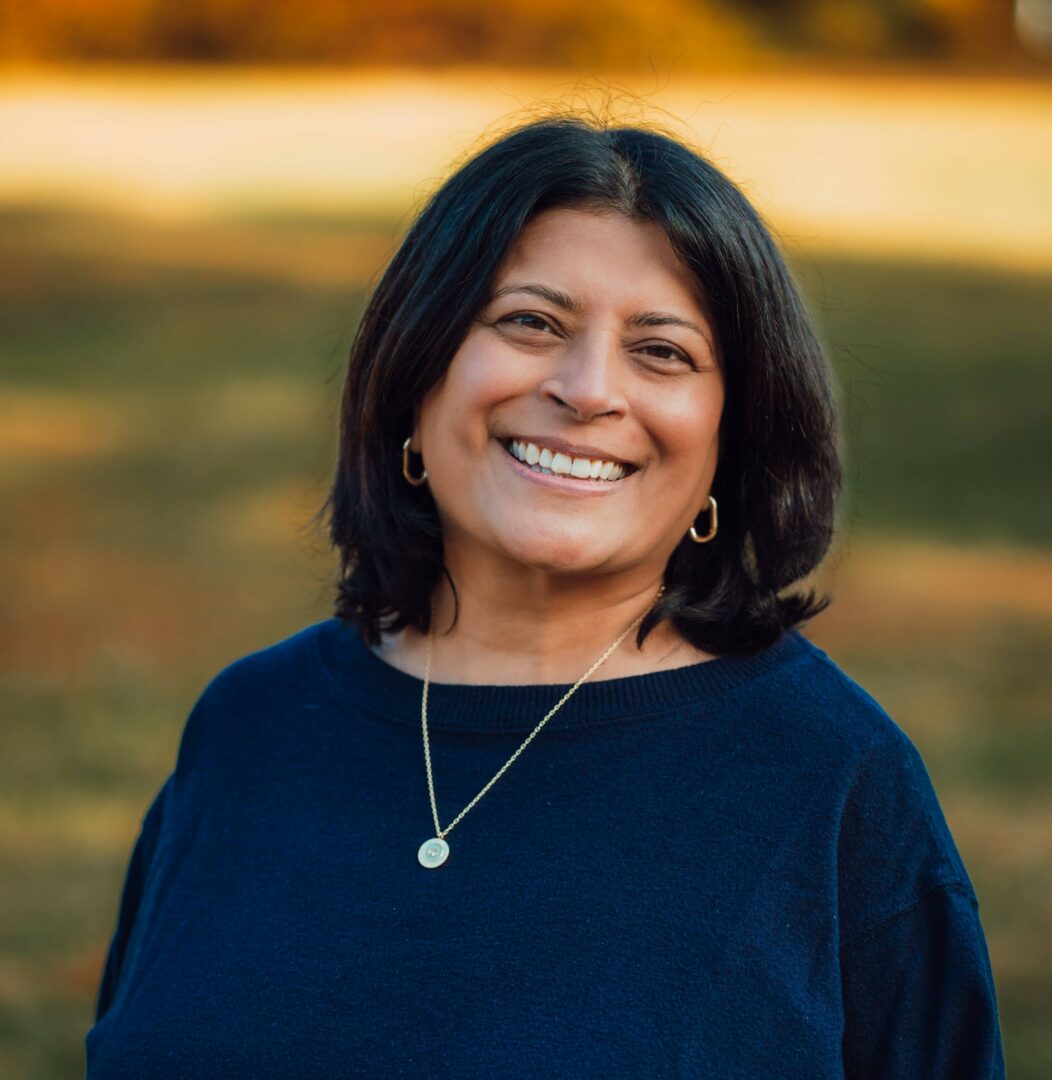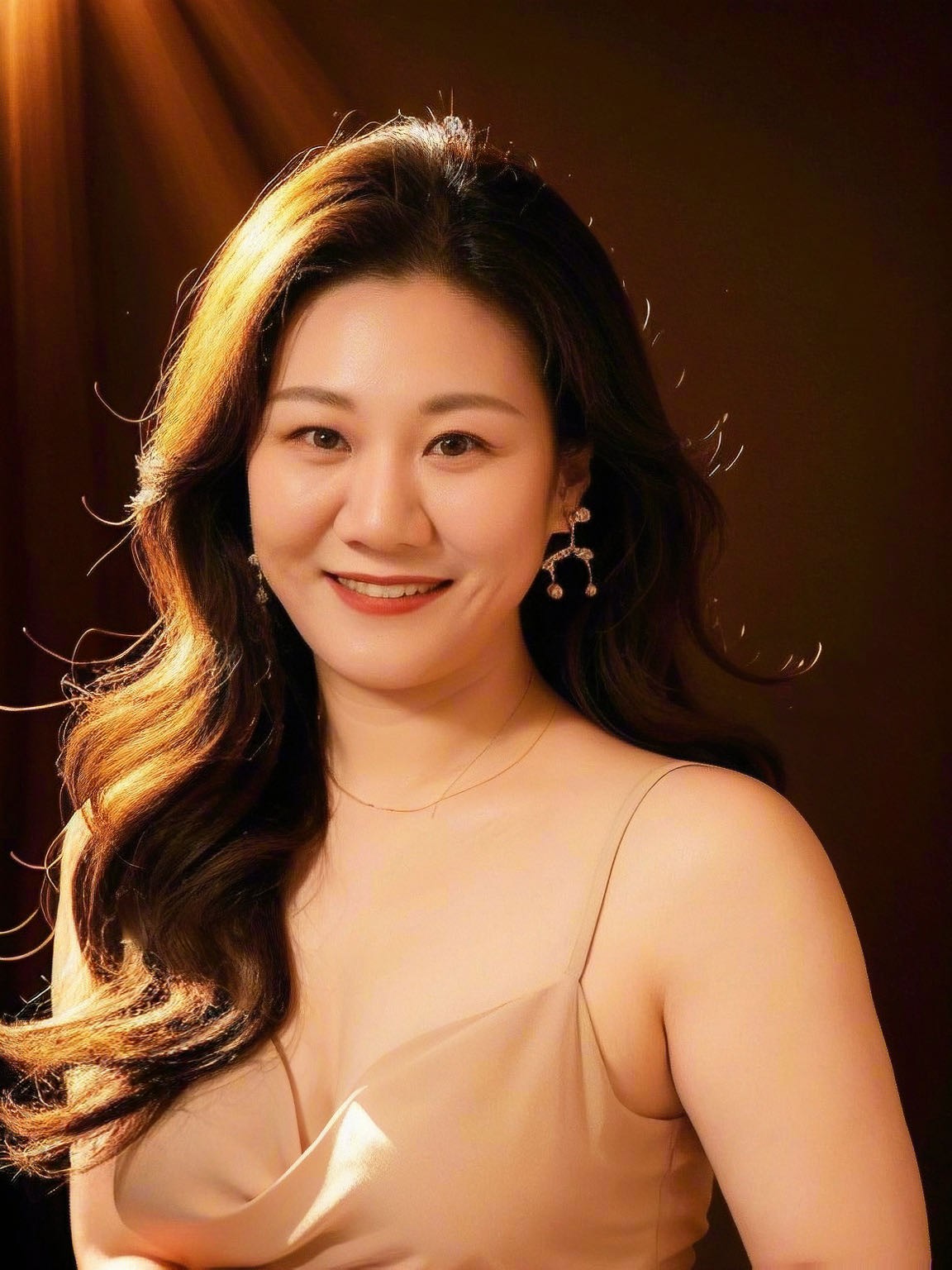
We were lucky to catch up with Zhengyingyue Huang recently and have shared our conversation below.
Hi Zhengyingyue, so excited to talk about all sorts of important topics with you today. The first one we want to jump into is about being the only one in the room – for some that’s being the only person of color or the only non-native English speaker or the only non-MBA, etc Can you talk to us about how you have managed to be successful even when you were the only one in the room that looked like you?
I often feel like I’m the only one in the room who goes unnoticed. As both an opera singer and music scholar, I’ve attended countless auditions and conferences. While being recognized for my talents should be fulfilling, it often leaves me feeling uneasy, particularly when I realize I’m the lone Asian female present. This discomfort was especially pronounced during a discussion in my Broadway music class about Miss Saigon—a production renowned for its captivating music but deeply entrenched in Orientalism.
Over the years, I’ve witnessed firsthand the persistent stereotypes surrounding Asian females. Despite our diversity and individuality, we’re often pigeonholed as gentle, weak, and fixated on white men. One particularly hurtful incident occurred when a music director cast me in Madama Butterfly, not based on my vocal prowess, but because they deemed me to have a “Butter face.” These experiences have shed light on the regressive, ignorant, and arrogant attitudes that still prevail within the music industry.
U.S. racial politics are often bifurcated in black and white. As a result, other races fall through the cracks. Diversification efforts define Underrepresented Minority (URM) as a U.S. citizen who identifies as Black/African American, Hispanic/Latino, or American Indian. In this case, Asian and Asian-American individuals are left out. Asians are sometimes labeled as “model minorities” and there exists a belief that Asians are privileged just like the white race. In other cases, Asians are represented as an unknown “peril.” The field of music, especially classical music, displays this complexity of U.S. racial politics. The field also magnifies often invisible racial inequalities in society. The history continues to date. The 1967 Time magazine article, entitled, “The Invasion from the East,” caricatured successful Asian musicians as a threat to the western sophisticated music field, stating, “Ironically, as the number of Oriental string players rises, the decline in America is becoming more acute.” More than a half-century later, the 2021 NY Times article, “Asians Are Represented in Classical Music. But Are They Seen?,” reported that Asians are invisible in classical music, including opera, composition, and the majority of leading cultural institutions. How have Asians, once viewed as a threat, become so invisible and absent in the cultural institutions of today? There seems to be a glass ceiling behind the scenes and in transition from music education to professional careers. Every 1 out of 5 undergraduates, and 1 of 3 Ph.D. students, at elite institutions such as the Juilliard School are Asian. Nonetheless, even these few students struggle making a transition to the profession and face a narrow definition of success in the field.
In the past years of music study, I found that opera performance is not only my passion but also a means to express my concern for society and reality. I see opera as a tool for telling stories. I am interested in unlocking that potential even further by using the art form as a vehicle for transformation and connection. As a singer, I am poised to do so because of my voice and training. I can literally use my voice to amplify the voices of others. I am interested in not only using my own voice but giving voice to others. It is also my aim to increase the awareness and understanding of multicultural music, where the music reflects the values of today’s society. I premiered in the opera Snow Angel have explored rediscovery and reclamation of personal identity and agency following a sexual assault of the sole female protagonist. I established Asian Classical Music Initiative to bring awareness to the world of AAAPI classical musicians through concerts and conferences. ACMI has already produced several concerts and hosted two international conferences, which brought together scholars, composers, performers, and music enthusiasts from around the world to share their insights and perspectives on AAAPI classical music. The initiative is also engaged in outreach efforts to raise awareness of AAAPI music and provide educational opportunities for musicians and students who are interested in exploring this genre. Through its various activities, the Asian Classical Music Initiative seeks to build bridges between cultures and communities and to foster greater understanding and appreciation of the unique artistic expressions of the AAAPI communities .I believe that bringing people of diverse backgrounds to a commonplace fuels rich discourses of the arts and creativity while creating a platform for a greater understanding of each other. My performance and research career have been immensely fulfilling, largely because of the opportunities I’ve made for myself and the community of friends and colleagues I surround myself with.
Great, so let’s take a few minutes and cover your story. What should folks know about you and what you do?
I established Asian Classical Music Initiative to bring awareness to the world of AAAPI classical musicians through concerts and conferences. ACMI has already produced several concerts and hosted two international conferences in Kansas and New Jersey, which brought together scholars, composers, performers, and music enthusiasts from around the world to share their insights and perspectives on AAAPI classical music. The initiative is also engaged in outreach efforts to raise awareness of AAAPI music and provide educational opportunities for musicians and students who are interested in exploring this genre. Through its various activities, the Asian Classical Music Initiative seeks to build bridges between cultures and communities and to foster greater understanding and appreciation of the unique artistic expressions of the AAAPI communities .I believe that bringing people of diverse backgrounds to a commonplace fuels rich discourses of the arts and creativity while creating a platform for a greater understanding of each other.
ACMI is delighted to announce that the 2024 Asian Classical Music Initiative International Conference will take place at Mount Saint Mary’s University in Los Angeles, CA from April 13th to 14th, 2023. The conference aims to raise awareness about AAAPI classical music composers through a series of concerts and lectures. Distinguished composers, Dr. Chinary Ung and Dr. Texu Kim, will deliver keynote addresses, and we are honored to have Dr. Leilehua Lanzilotti as our commissioned composer for 2024. The call for submissions is now open on our website, and we invite contributions of Scores, Papers, and Performances. There is no application fee. We eagerly anticipate reviewing your work and encourage all interested individuals to participate in this enriching event. We look forward to your submissions!
2024 Call details:
https://www.kuacmi.com/2024-conference-call
Find us on Instagram: @acmi.api
There is so much advice out there about all the different skills and qualities folks need to develop in order to succeed in today’s highly competitive environment and often it can feel overwhelming. So, if we had to break it down to just the three that matter most, which three skills or qualities would you focus on?
I believe that maintaining curiosity and remaining open to learning is an incredibly effective approach. It’s crucial to stay curious and receptive to new ideas, perspectives, and knowledge, especially considering the diverse cultural backgrounds within the Asian community. This mindset drives me to continuously seek information from various sources and adapt to different environments. For those at the beginning of their journey, my advice is to foster curiosity by exploring diverse topics, asking questions, and seizing learning opportunities. Engage in reading, attend workshops, take online courses, and interact with people from various backgrounds to broaden your horizons.
Courage and perseverance are indispensable traits. While challenges and changes are inevitable, remind yourself that change often leads to improvement. Drawing from past experiences, learn to adapt to changes and persistently pursue your goals, knowing that success is within reach.
Lastly, never hesitate to seek help from those around you. While it may seem daunting, most colleagues and seniors are willing to lend assistance and share their experiences. Approach them with respect and humility, and don’t be afraid to ask for guidance. You’ll likely gain valuable insights and even uncover new opportunities. Remember to maintain a respectful, empathetic, and open-minded attitude in your interactions, as asking questions only enriches your understanding and growth.
How can folks who want to work with you connect?
If you are interested in collabrating with me do something for the AAAPI musician communities, or interested in sponsor us, please contact me through email [email protected]
Contact Info:
- Website: zhengyingyuehuang.com
- Instagram: acmi.api
- Facebook: https://www.facebook.com/profile.php?id=100004104557114
- Other: kuacmi.com Asian Classical Music Initiative
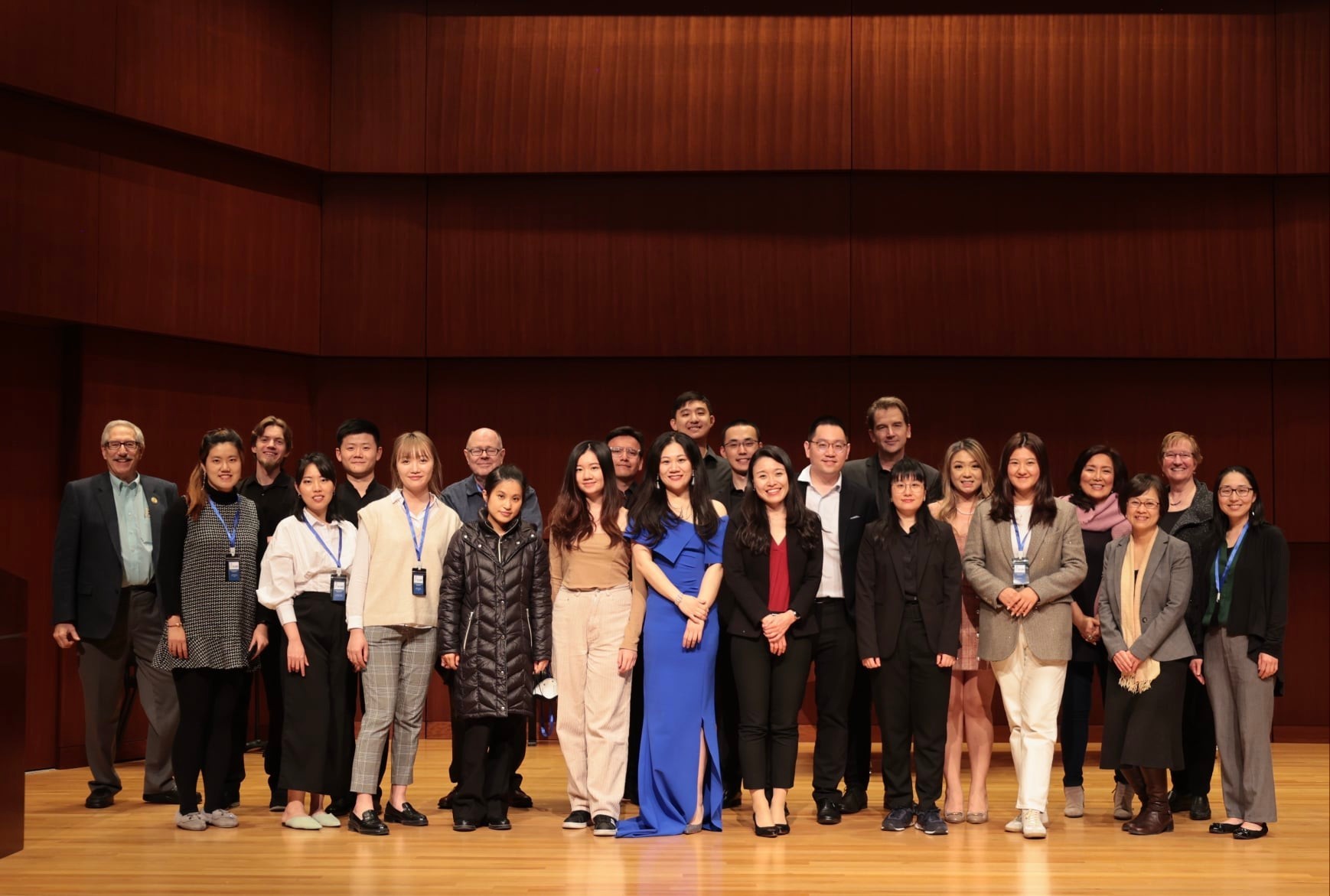
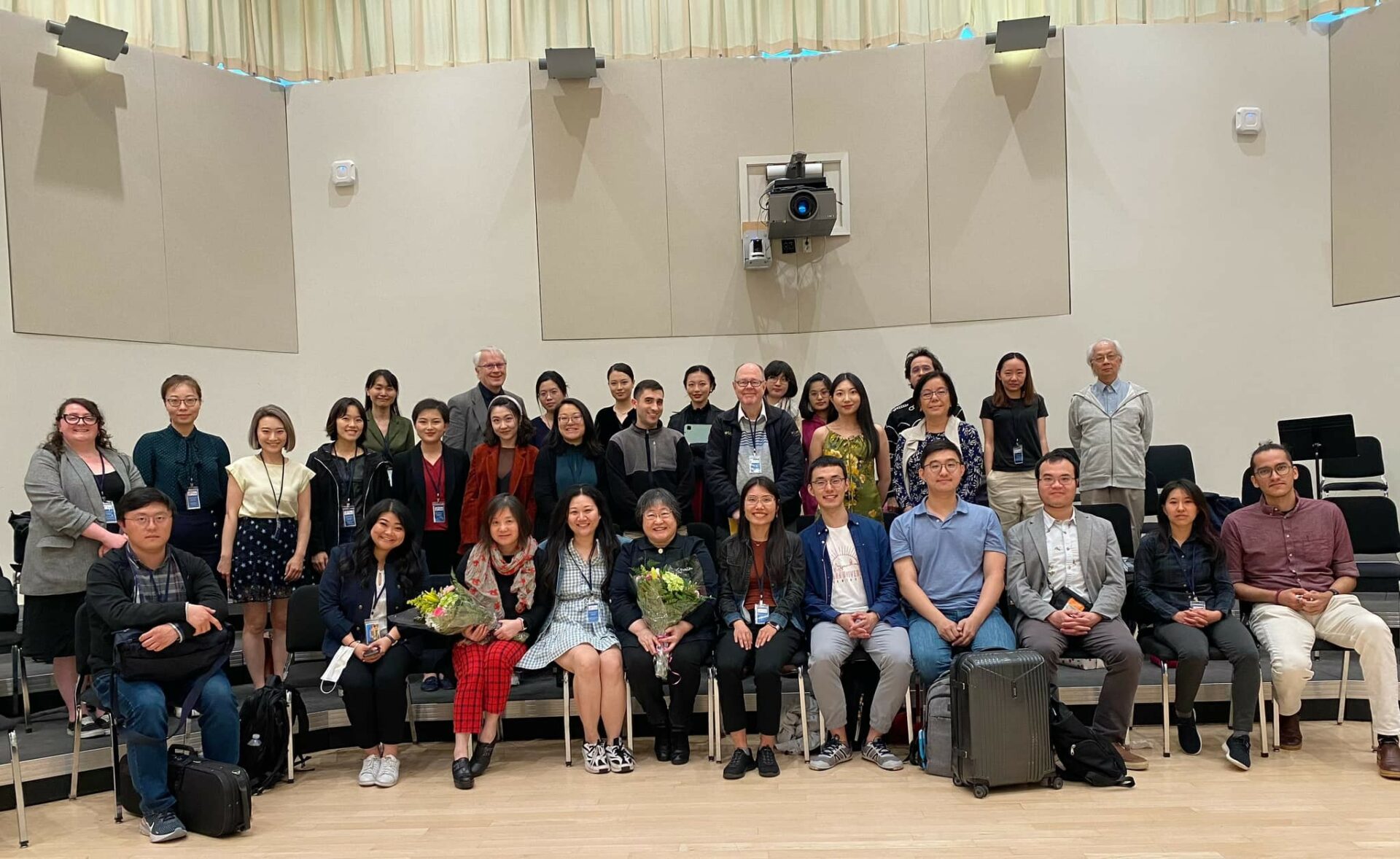
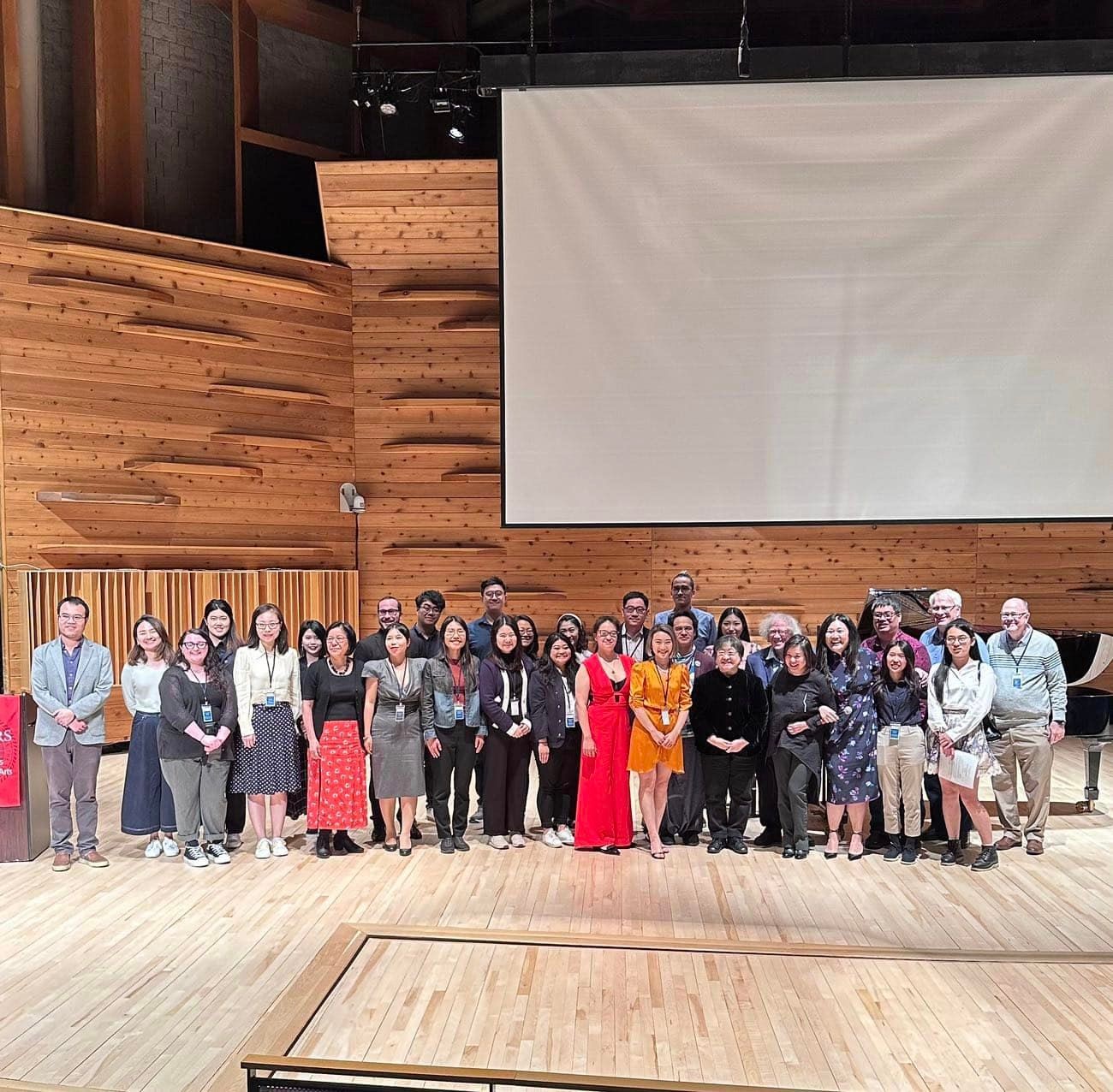
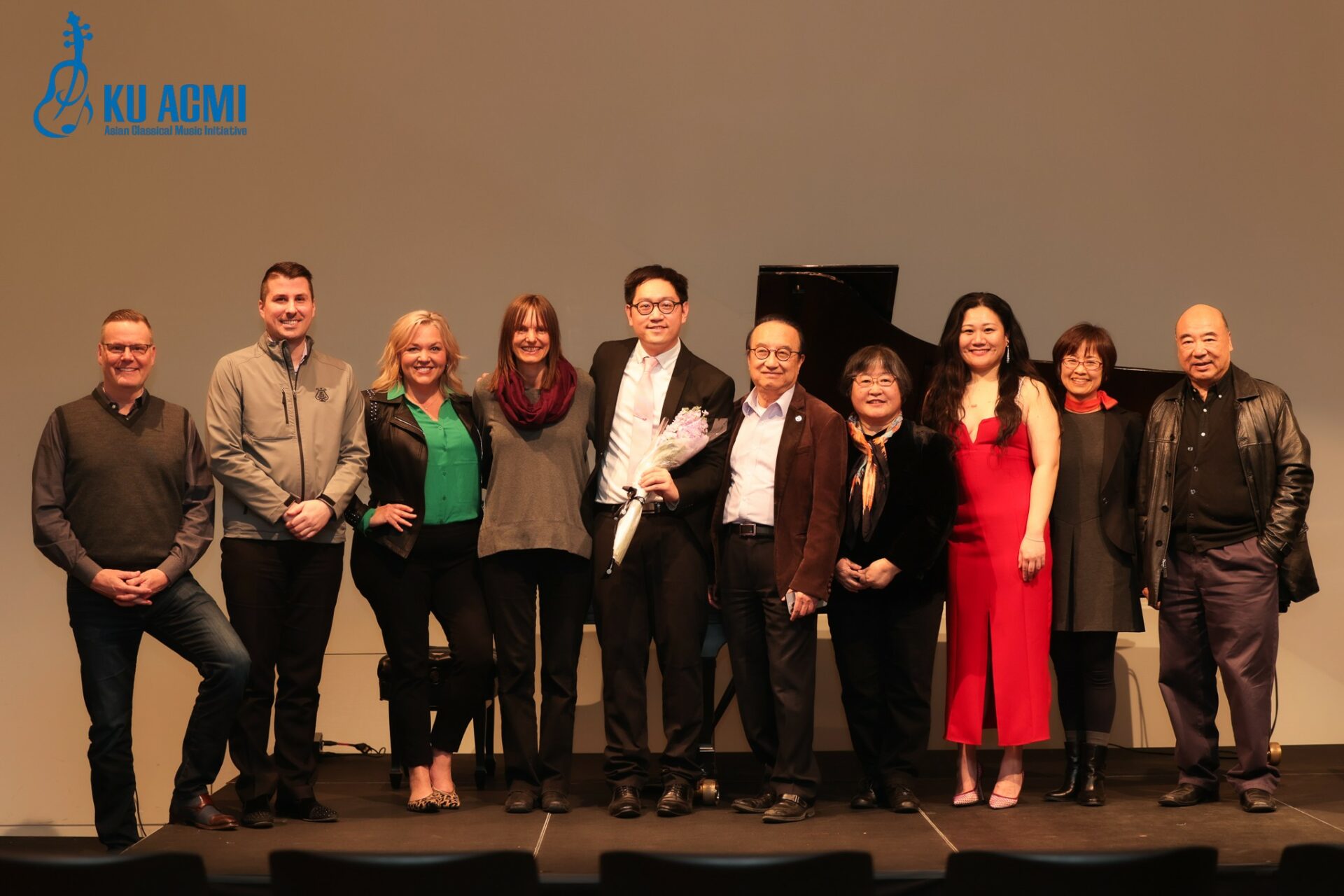
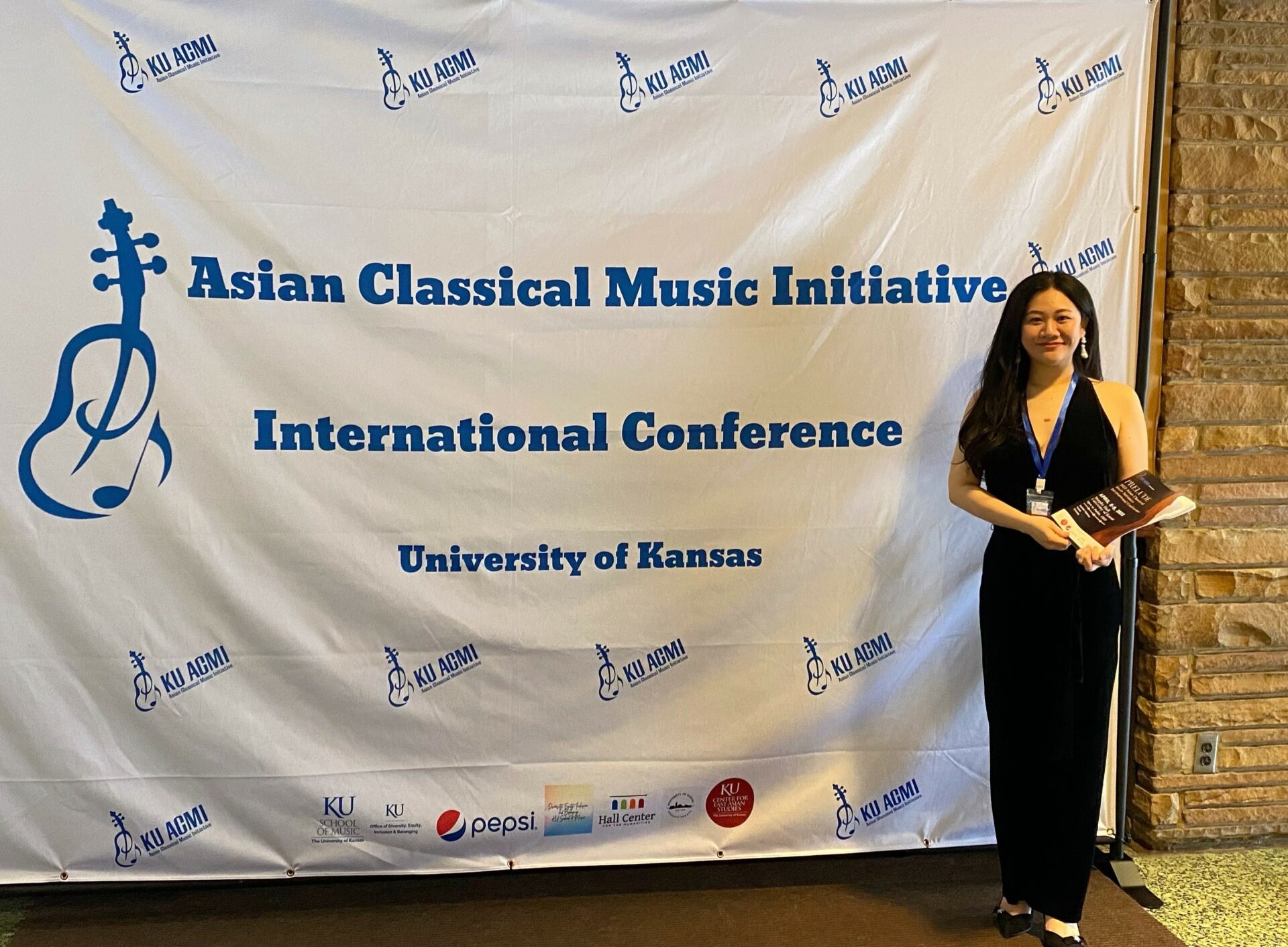
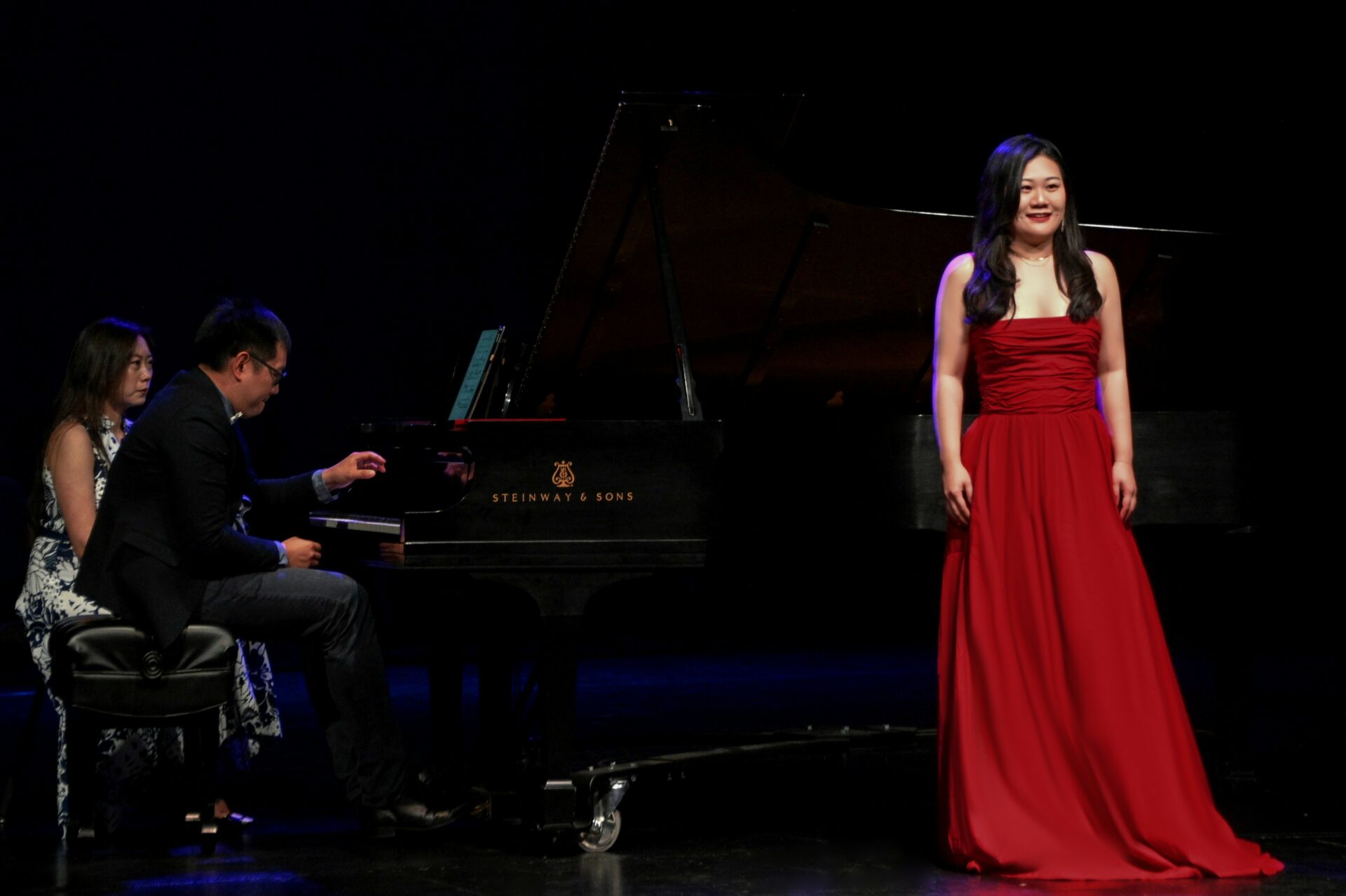
Image Credits
Credit to Max Jiang, Demi Duan