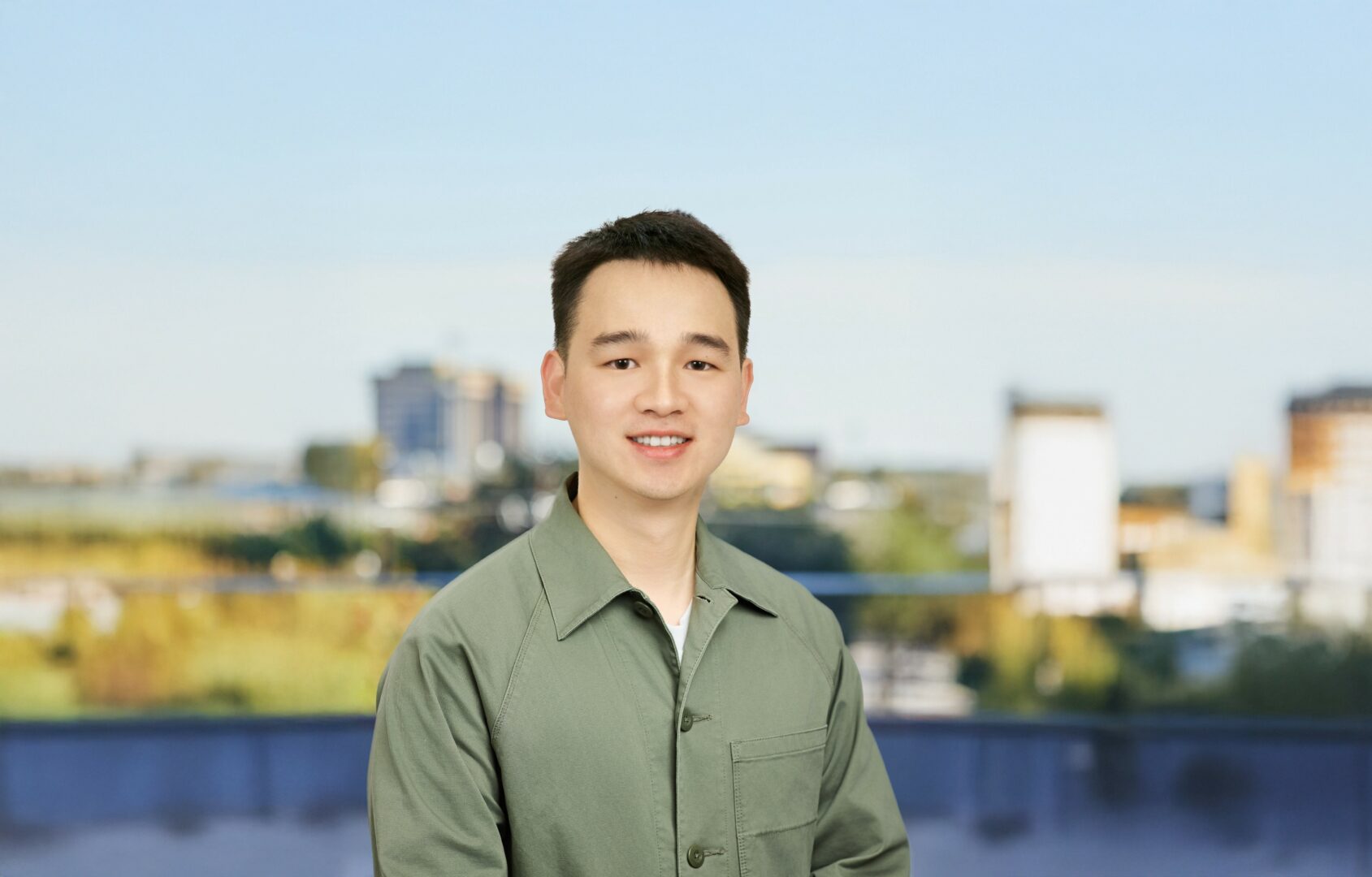
We’re excited to introduce you to the always interesting and insightful Zhilin Cai. We hope you’ll enjoy our conversation with Zhilin below.
Zhilin, thank you so much for taking the time to share your lessons learned with us and we’re sure your wisdom will help many. So, one question that comes up often and that we’re hoping you can shed some light on is keeping creativity alive over long stretches – how do you keep your creativity alive?
What keeps my creativity alive is the way design brings clarity to complexity. Every project begins with uncertainty, yet design has the power to turn that chaos into something people can see, use, and understand. Urban design, to me, is not just about shaping cities but about connecting people, data, and imagination. The field keeps evolving, and I love moving between different modes of thinking—from physical sketches to interactive dashboards to exploring how AI can expand creativity.
But my deepest inspiration still comes from cities themselves. Each place has its own rhythm and personality—Shenzhen’s density, Chengdu’s warmth, Chicago’s grit, Austin’s creativity. I love citywalking, observing how people interact with space and how history and modern life intersect. Cities are living systems that constantly renew themselves, and that ongoing evolution is what keeps me curious, humble, and passionate about design.
Let’s take a small detour – maybe you can share a bit about yourself before we dive back into some of the other questions we had for you?
I’m an urban designer dedicated to improving urban life through thoughtful design and digital innovation. I studied Urban and Rural Planning in China and later earned my Master of Urban Design from the University of Michigan, where I deepened my understanding of how data, design, and human experience can work together to shape better cities.
Throughout my career, I’ve had the privilege of working with several leading design and planning institutions—including AECOM, AREP, UPDIS (Urban Planning and Design Institute of Shenzhen), and Borderless Studio—gaining extensive experience in transit-oriented development (TOD) and data-informed urban design. Among these experiences, my role at AECOM has been especially transformative. As a global industry leader with decades of international practice across Asia, Europe, and North America—and ranked No. 1 on the Engineering News-Record (ENR) “Top 500 Design Firms” for 14 consecutive years—AECOM provides an unparalleled platform for multidisciplinary innovation.
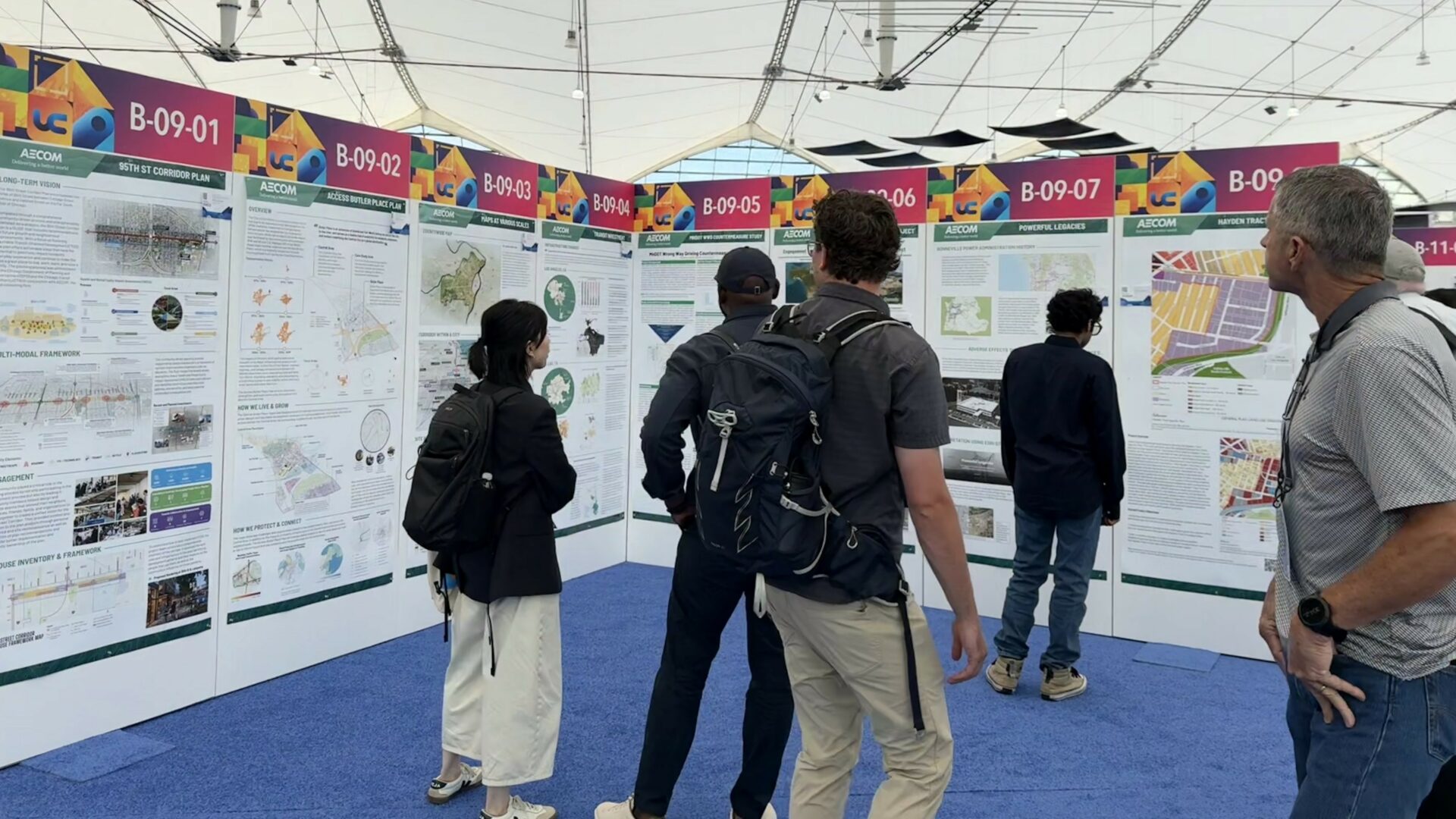
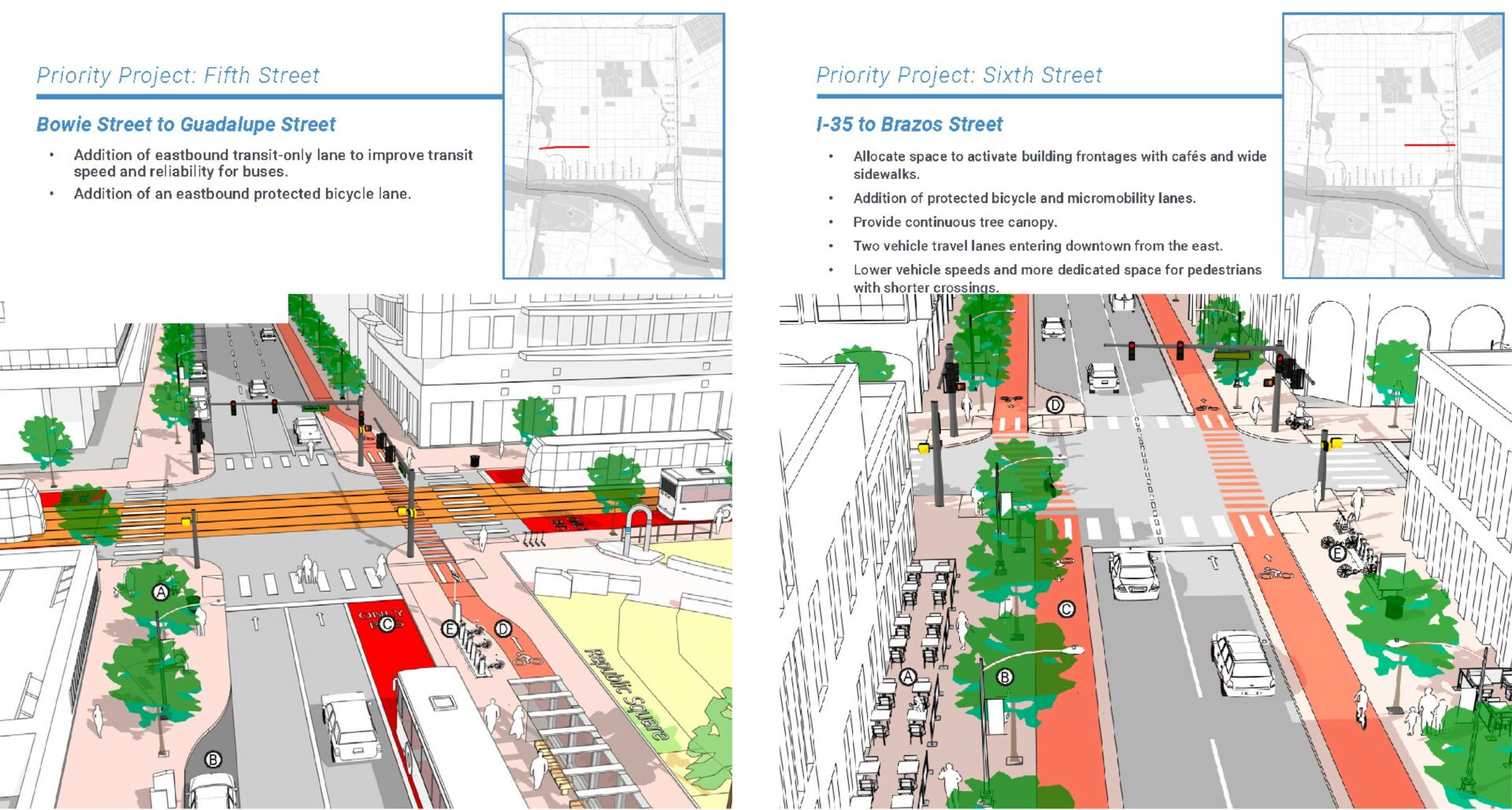
At AECOM’s global headquarters, I take leading roles in major national and international projects that connect design, mobility, and digital systems. My work spans a wide portfolio—from large-scale TOD initiatives to international transportation and urban growth strategies. In the U.S., I’ve led or contributed to TOD projects in cities such as Austin, Fort Worth, Chicago, Mesa, and Grand Rapids. Among them, the Austin Core Transportation Plan (ACT) stands out as the pilot for the city’s Strategic Mobility Plan, widely cited by media and public agencies for its long-term impact on downtown mobility and development strategies. For the Access Butler Place Plan in Fort Worth, I led the creation of an innovative Digital Deliverable Workflow—a cross-platform system that earned strong client recognition and was showcased at AECOM’s Global Knowledge-Sharing Webinar Series and the American Planning Association Texas Chapter Conference.
Beyond the United States, I have played key roles in several international proposals, including the Auckland Transportation Development Strategy in New Zealand and the Hong Kong North Metropolis Development. These global projects have strengthened my ability to bridge design and technology across diverse cultural and planning contexts, translating complex systems into clear and actionable urban strategies.
Today, I continue to advance the integration of design and technology—developing digital approaches that make urban planning more transparent, collaborative, and impactful.
If you had to pick three qualities that are most important to develop, which three would you say matter most?
If I had to choose three qualities, I’d say clarity, resilience, and collaboration.
Clarity keeps me grounded. Urban design can become incredibly complex with layers of data, policies and community needs, but clarity helps me see the essence behind all that noise. It is what allows me to simplify problems and find direction. Whether I am structuring a plan like the Austin Core Transportation Plan or building a digital workflow for the Butler Place project, I always start by asking what the real question is and what the city truly needs.
Resilience keeps me moving forward. Design innovation rarely happens smoothly. There are days when a model breaks, data does not align or feedback requires you to start again from the beginning. Those moments end up teaching you the most. The digital tools I developed for Houston METRO and the TRA project did not succeed instantly. They were built through repeated revisions, testing and patience. Resilience turns challenges into lessons, and lessons into systems that work in the real world.
And finally, collaboration. Nothing meaningful in city design happens in isolation. Every project is a collective effort that combines different minds, disciplines and perspectives. I have learned that the best ideas often emerge in open conversations, when a planner, a designer and a data analyst look at the same map and suddenly see a possibility that none of them would have seen alone.
For those embarking on their journey, I see clarity, resilience and collaboration as a simple sequence you can practice every day. Start by breaking big problems into clear and understandable pieces. Once you do that, you give yourself room to experiment, revise and build resilience through the process. And as your ideas take shape, share them. Collaboration turns early thoughts into something stronger and more grounded. If you can see clearly, try bravely and work openly with others, growth tends to come naturally.
What’s been one of your main areas of growth this year?
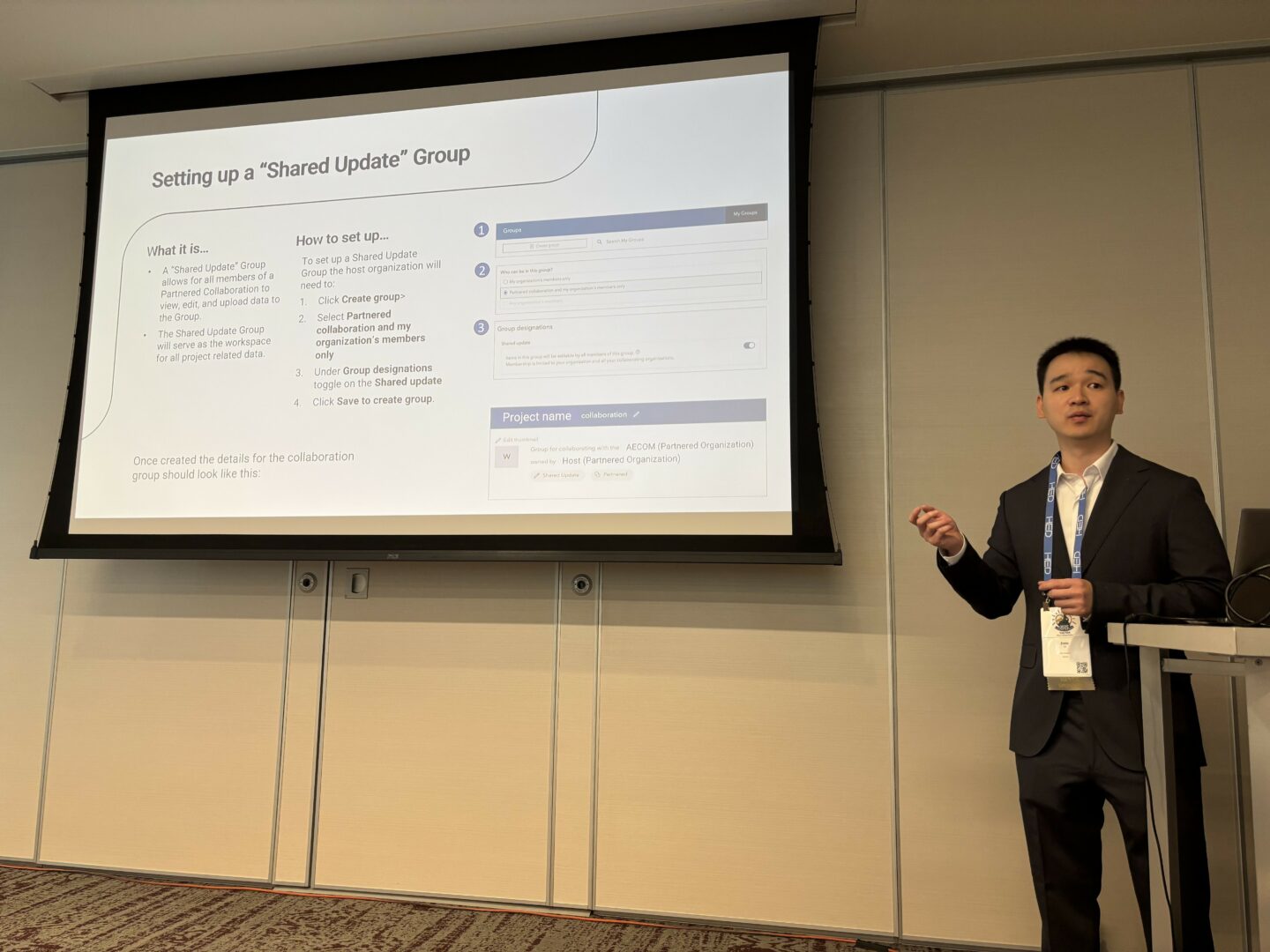
The past year has also been a turning point in how I share my work with the broader field. Presenting at APA Texas on collaborative digital design, exhibiting mapping work at the Esri User Conference, leading an AECOM global knowledge-sharing webinar, and giving a guest lecture to urban planning students at UT Arlington all pushed me to articulate my ideas more clearly and communicate across disciplines.
At the same time, my work received broader recognition through several international design awards, including honors from MUSE Design Award, BLT Built Design Award, and the London Design Awards. Learning how to present complex design and digital workflows in ways that others can understand, apply, and even celebrate has been one of the most meaningful areas of growth for me.
These recognitions not only affirmed my dedication and professional development over the past year but also encouraged me to keep refining how design and digital innovation can support better urban outcomes. They have become a motivating force rather than a finish line. Looking ahead, I hope to continue expanding the boundaries of my practice and contribute to more thoughtful, people-centered urban environments by advancing digital tools and methodologies that make design more precise, collaborative, and impactful.
Contact Info:
Image Credits
Zhilin Cai
T.E.N Studio
so if you or someone you know deserves recognition please let us know here.