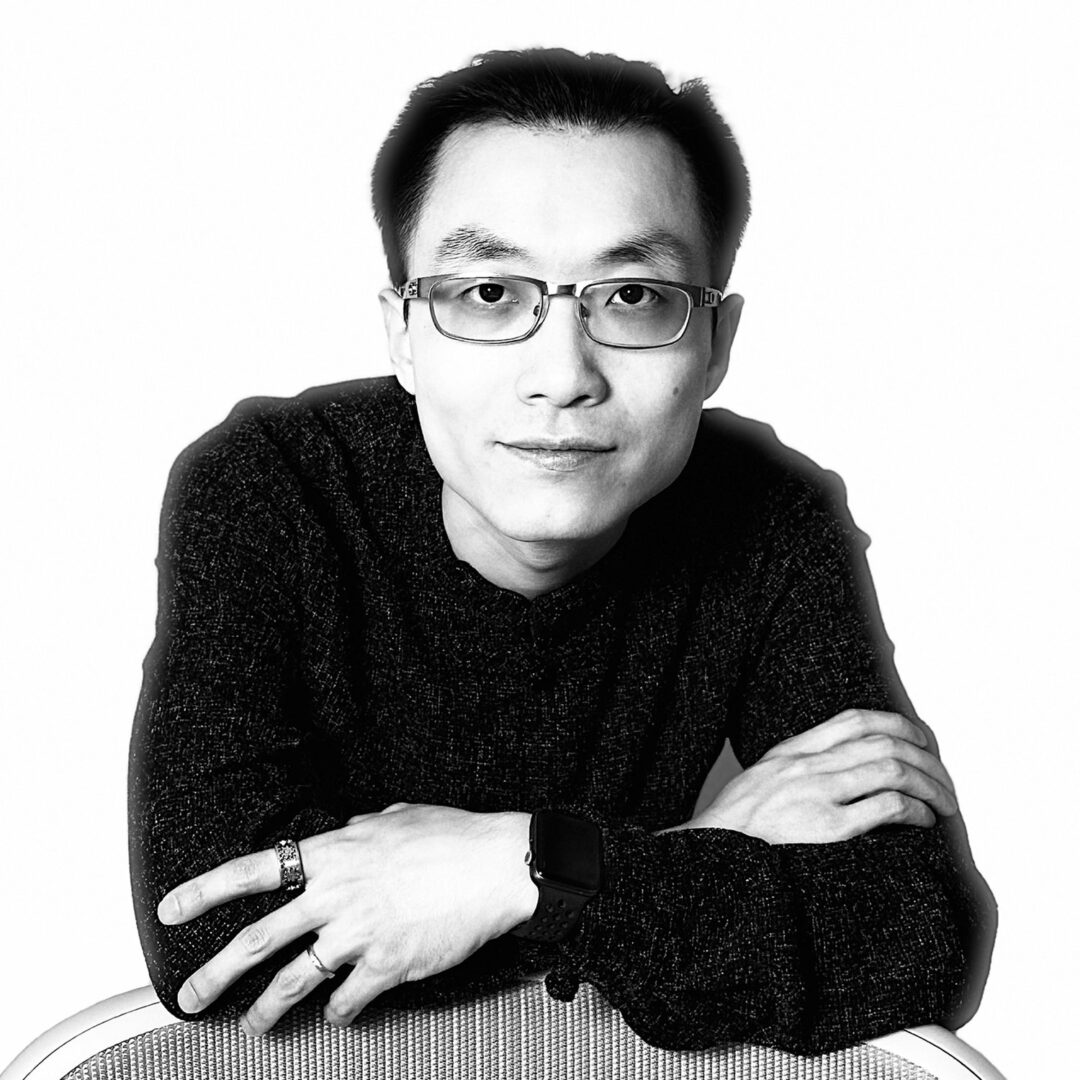
We were lucky to catch up with Zongheng Sun recently and have shared our conversation below.
Zongheng, so excited to have you with us today. So much we can chat about, but one of the questions we are most interested in is how you have managed to keep your creativity alive.
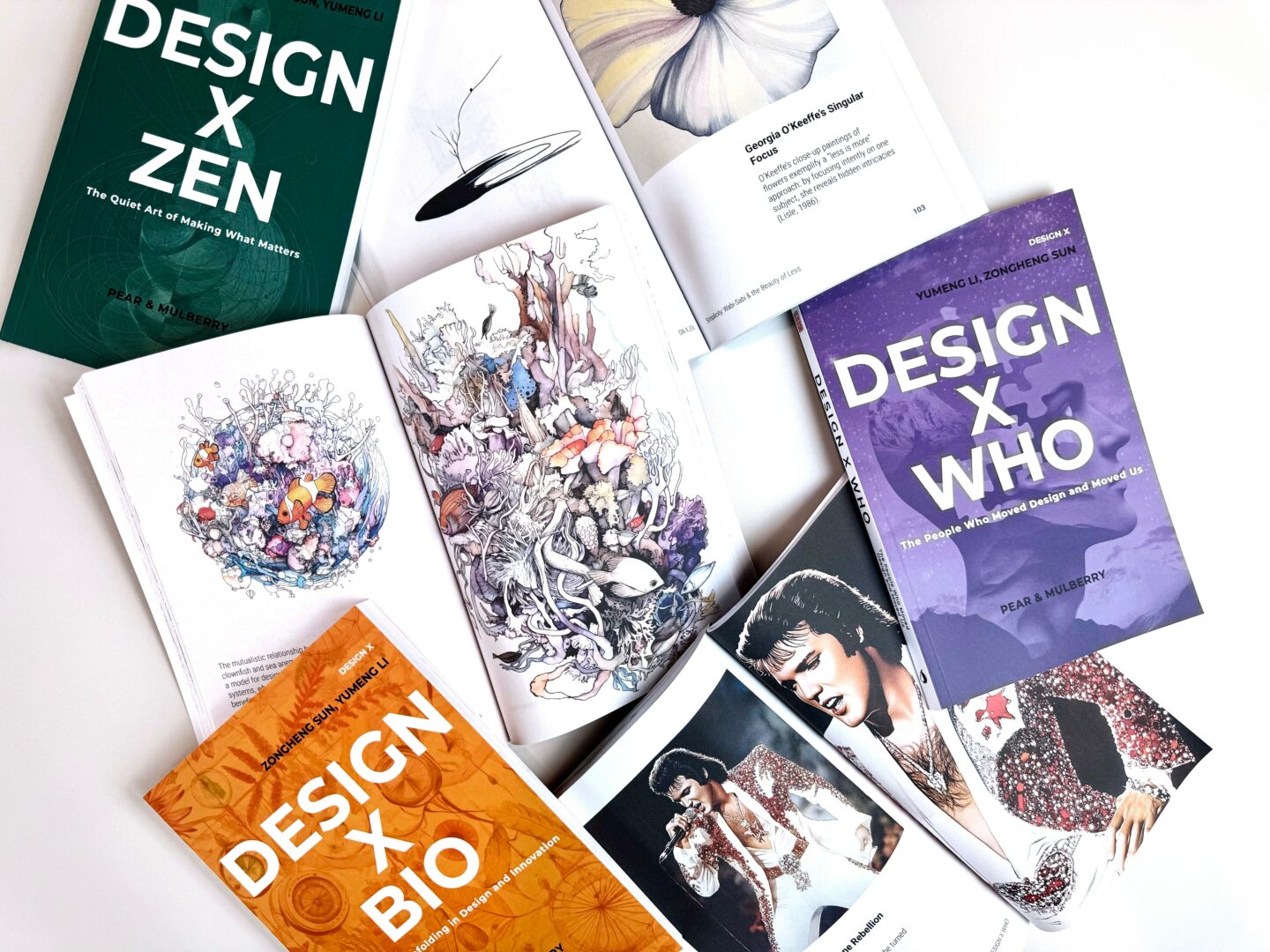
One of the ways I’ve learned to keep my creativity alive is through the book projects I’ve been building—like the Design × series. At first, I thought of them as just publications, but they’ve become a practice of capturing inspiration in real time.
For example, when I was working on Design × Zen, I challenged myself to write in short “nuggets”—tiny fragments of insight paired with drawings. It felt almost like keeping a sketchbook, except the entries weren’t just visual, they were philosophical too. Some came from observing small things in daily life—a shadow on the wall, the rhythm of a conversation—and then reframing them as design lessons.
What I discovered is that this process trains me to notice. Instead of waiting for a big idea to strike, I practice looking at the ordinary with a beginner’s eye. Over time, those fragments accumulate into whole chapters, and eventually into a book.
So the habit I’ve developed is simple: I keep creativity alive by designing containers that let ideas grow—whether that’s a daily nugget, a sketch, or a short reflection. The container gives structure, and my attention to small details keeps it fresh. Together, they make sure creativity doesn’t feel like something distant, but something I can live with every day.
Appreciate the insights and wisdom. Before we dig deeper and ask you about the skills that matter and more, maybe you can tell our readers about yourself?
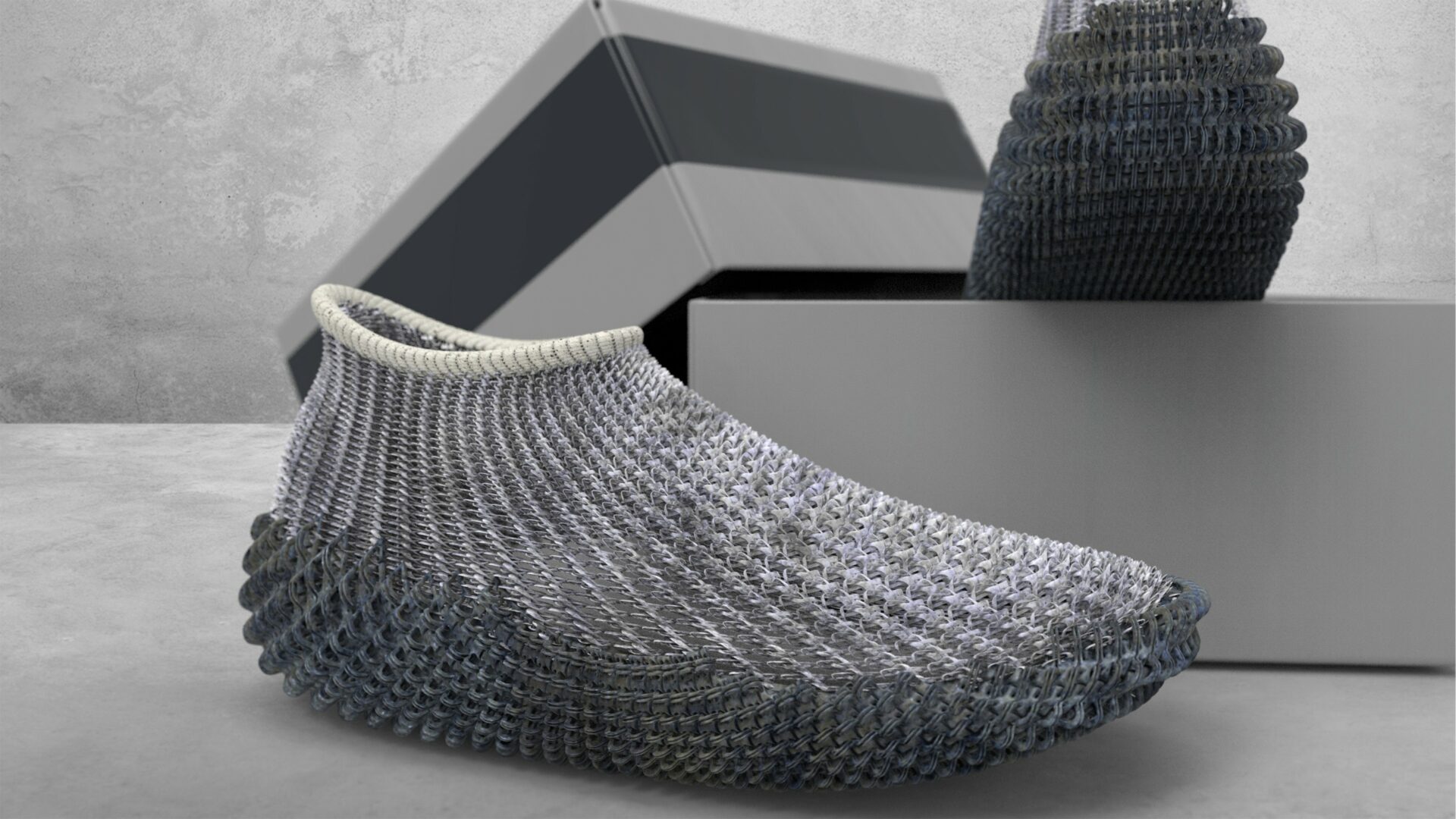
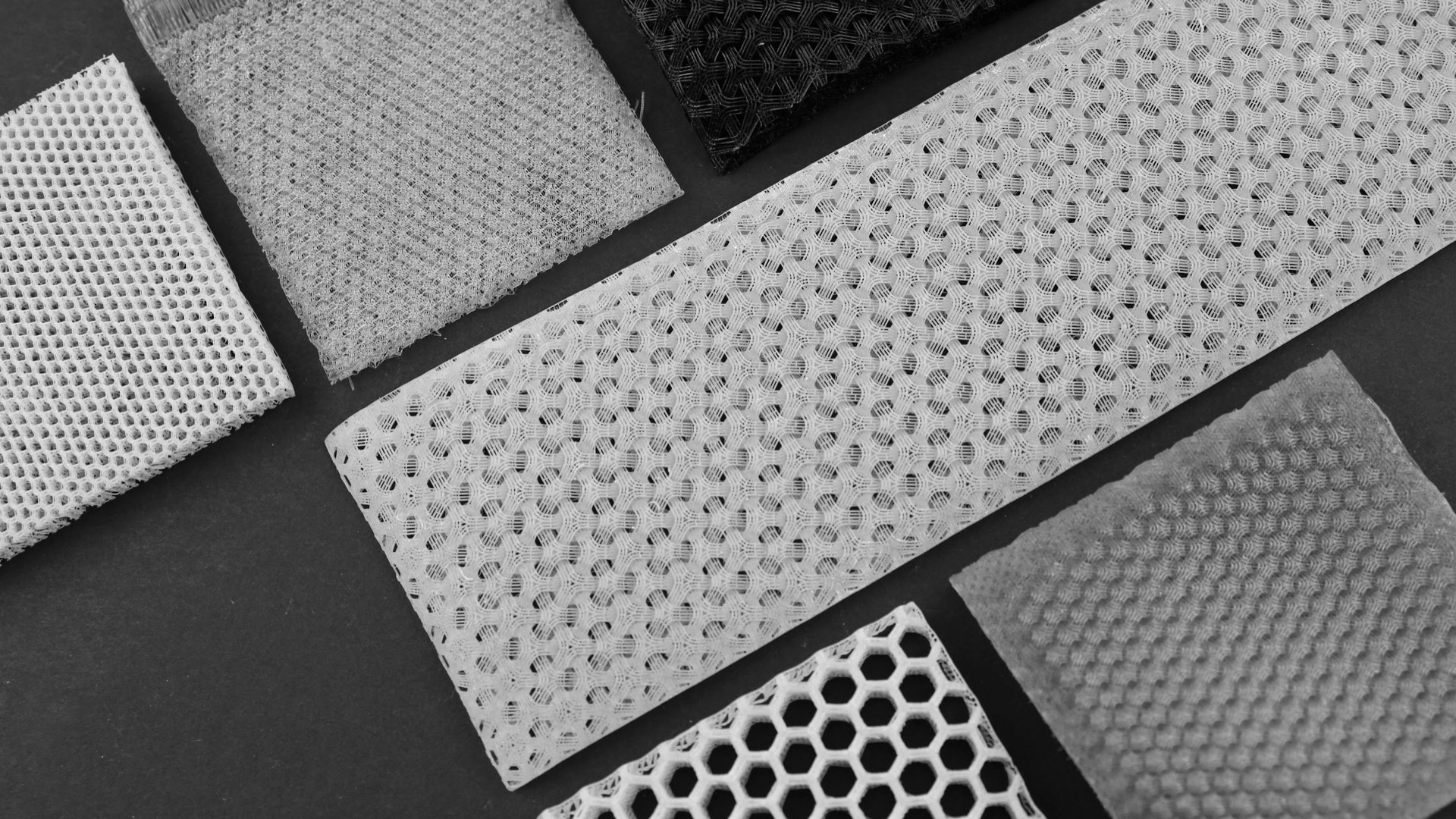
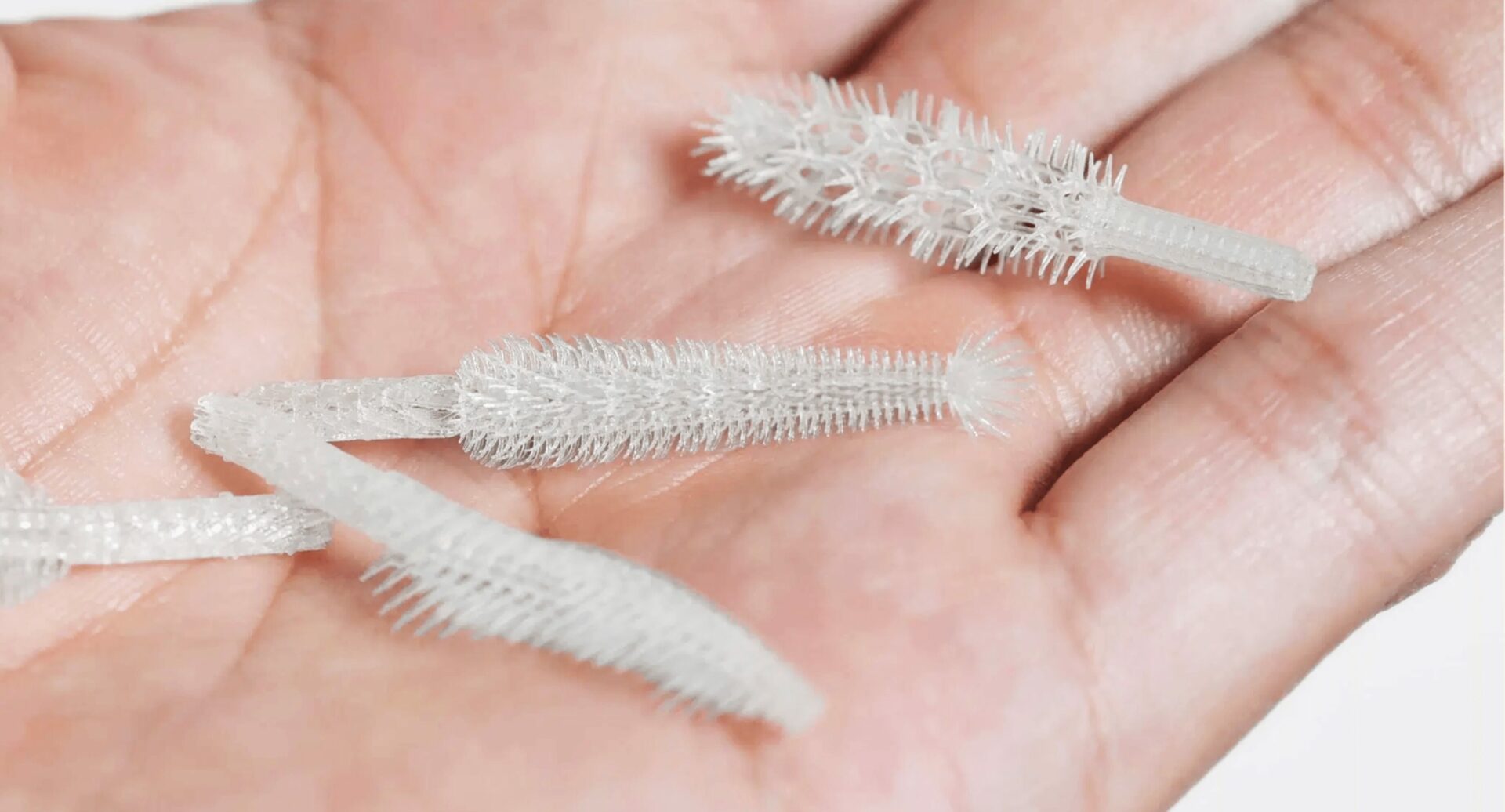
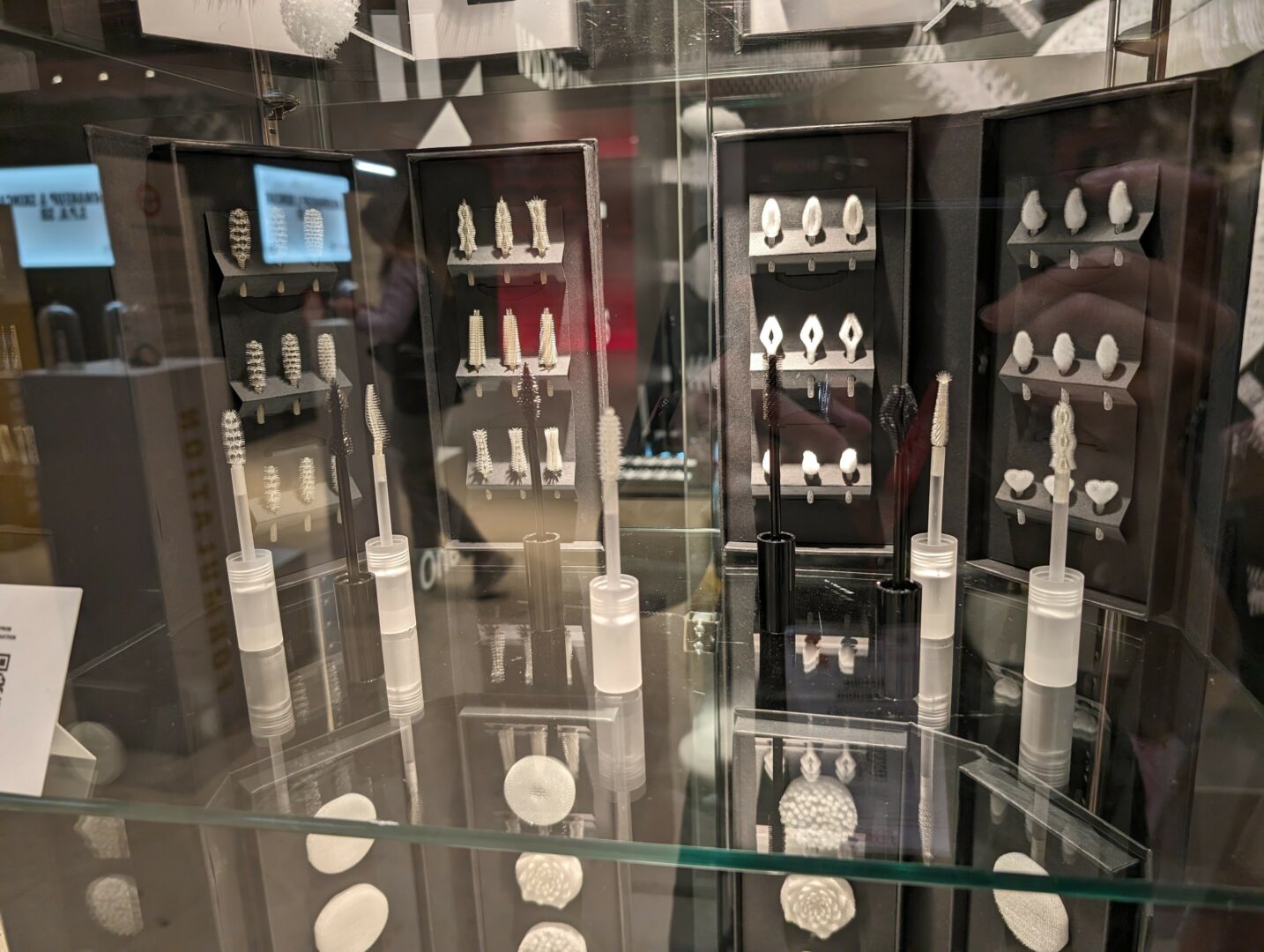
I see my practice as a conversation between imagination and precision. My background is in design engineering, where I’ve developed advanced fabrication systems—from patented 3D-printed fabrics to cosmetic tools now used by global brands. At the same time, I work as an artist–publisher, creating books, AI projects, and exhibitions that reframe cultural memory and storytelling.
What makes my work exciting is when these two worlds come together. At PEAR & MULBERRY, the studio I co-founded, I’ve explored how speculative design can live in tangible forms. The Design × book series, for example, distills complex ideas—from Zen philosophy to biomimicry—into illustrated insights that readers can engage with directly. With projects like Heeltecture and Reffit, I use AI to transform natural forms such as coral and fungi into footwear, showing how digital tools can spark entirely new aesthetics and futures.
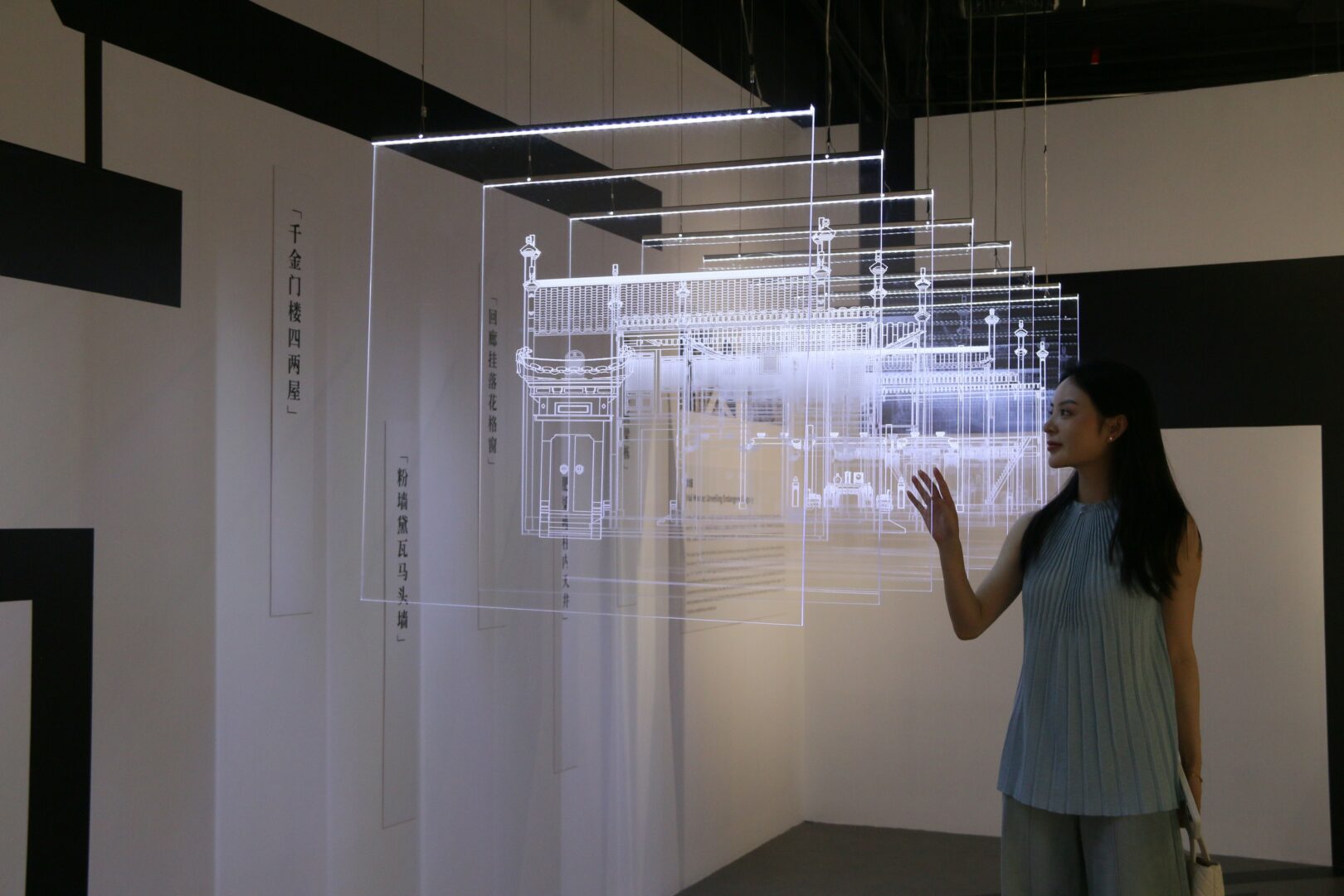
Across these projects, the common thread is that design is not just about solving problems—it’s about opening perspectives. Whether reimagining micro-scale materials for Chanel or preserving endangered traditions through an artist book, I use technology as a way to ask deeper human questions: about memory, identity, and the futures we want to imagine together.
Looking ahead, I’m expanding the Design × publishing platform into something larger than a series of books. My focus now is on building a community and platform where global creators and AI can co-create cultural content—turning design into a bridge between heritage and innovation. For me, the real excitement lies not only in producing artifacts, but in shaping an ecosystem where ideas, tools, and voices can meet, and where creativity becomes something collective and alive.
There is so much advice out there about all the different skills and qualities folks need to develop in order to succeed in today’s highly competitive environment and often it can feel overwhelming. So, if we had to break it down to just the three that matter most, which three skills or qualities would you focus on?
Looking back, three qualities have shaped my journey the most: curiosity across disciplines, resilience in experimentation, and the ability to translate between worlds.
The first is curiosity across disciplines. My path has always moved between engineering, art, and cultural storytelling. That breadth of curiosity allowed me to connect 3D printing to fashion, or AI to heritage books. My advice to someone starting out is: don’t be afraid to step outside your core field. Follow a thread of interest, even if it feels unrelated—later, those intersections often become your strongest ideas.
The second is resilience in experimentation. Many of my projects—from patented micro-fabrication systems to artist books—grew out of trial and error. There were countless failed prototypes before a breakthrough. What helped was treating each “failure” as a data point, not an endpoint. For early-stage creators, I’d say: set up small experiments, learn quickly, and don’t measure your progress only by outcomes—measure it by what you discover along the way.
The third is the ability to translate between worlds. I’ve worked with scientists, artists, luxury brands, and museums, and what made collaboration work was being able to speak multiple “languages”—technical, cultural, and visual. My advice here is to practice storytelling. Learn to explain your ideas in ways that resonate with different audiences, because that skill opens doors you didn’t even know existed.
Together, these three—curiosity, resilience, and translation—have been the compass of my journey. And for anyone just beginning, the most important thing is not to rush to specialize, but to cultivate habits that keep you open, persistent, and communicative. Those are the qualities that will carry you forward no matter where your path leads.
How can folks who want to work with you connect?
Collaboration has always been where my best ideas take shape. I’m looking for partners who are curious about the intersection of culture, technology, and storytelling—whether that’s AI developers exploring creative tools, museums and publishers rethinking formats, or designers and researchers experimenting with new forms of making.
What excites me most is co-creating across boundaries. Some of my most meaningful projects—from patented fabrication systems to experimental AI arts—only became possible because people with very different backgrounds came together around a shared question. That spirit of exchange is what I’d like to continue building.
If this resonates, I’d love to connect. I’ve just started sharing some of my thoughts on Medium (https://zonghengsun.medium.com/), and I’m always open to conversations on LinkedIn (https://www.linkedin.com/in/zonghengsun/). You can also reach me directly at [email protected].
Contact Info:
- Linkedin: https://www.linkedin.com/in/zonghengsun/
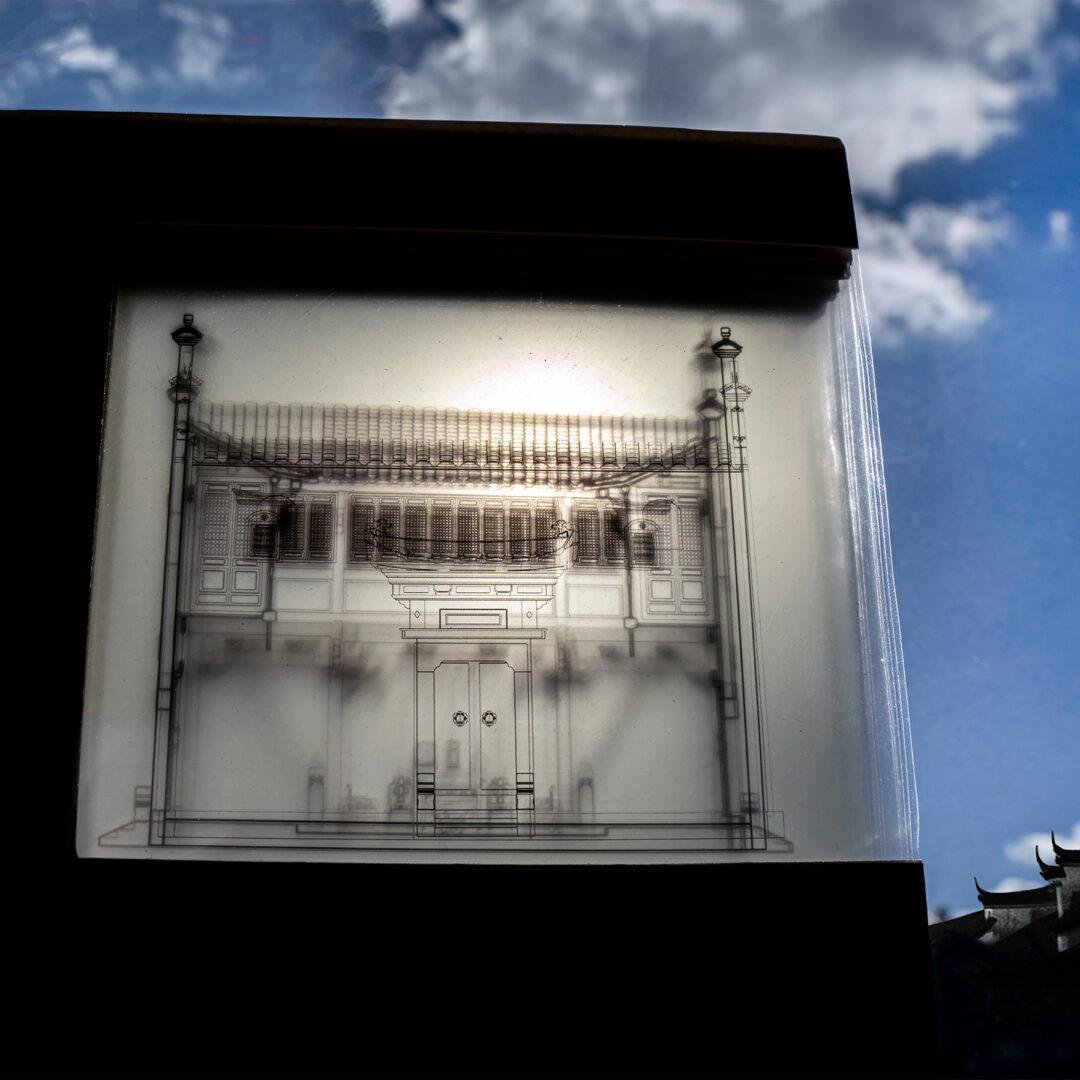
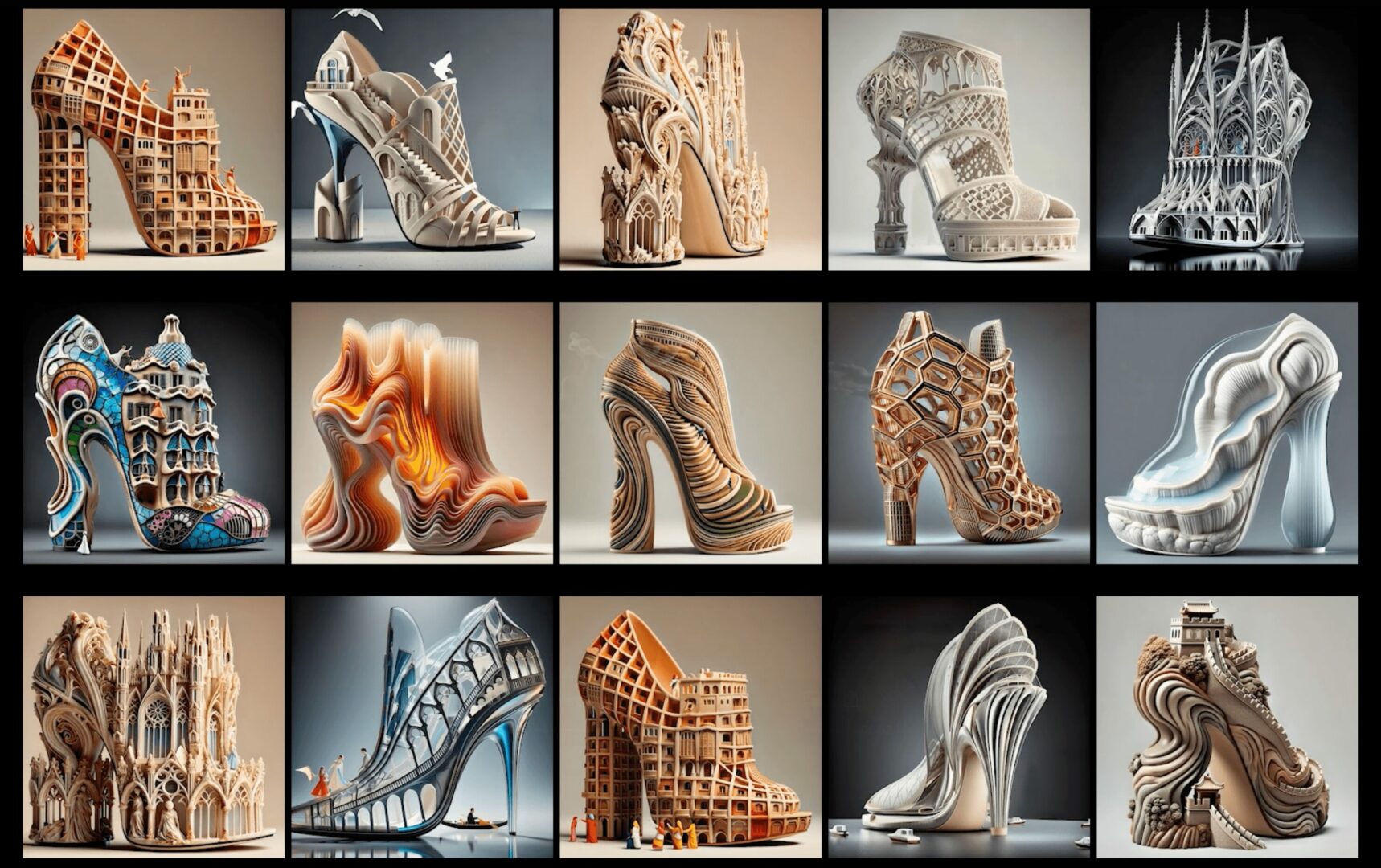
Image Credits
OPT Industries
PEAR & MULBERRY
so if you or someone you know deserves recognition please let us know here.