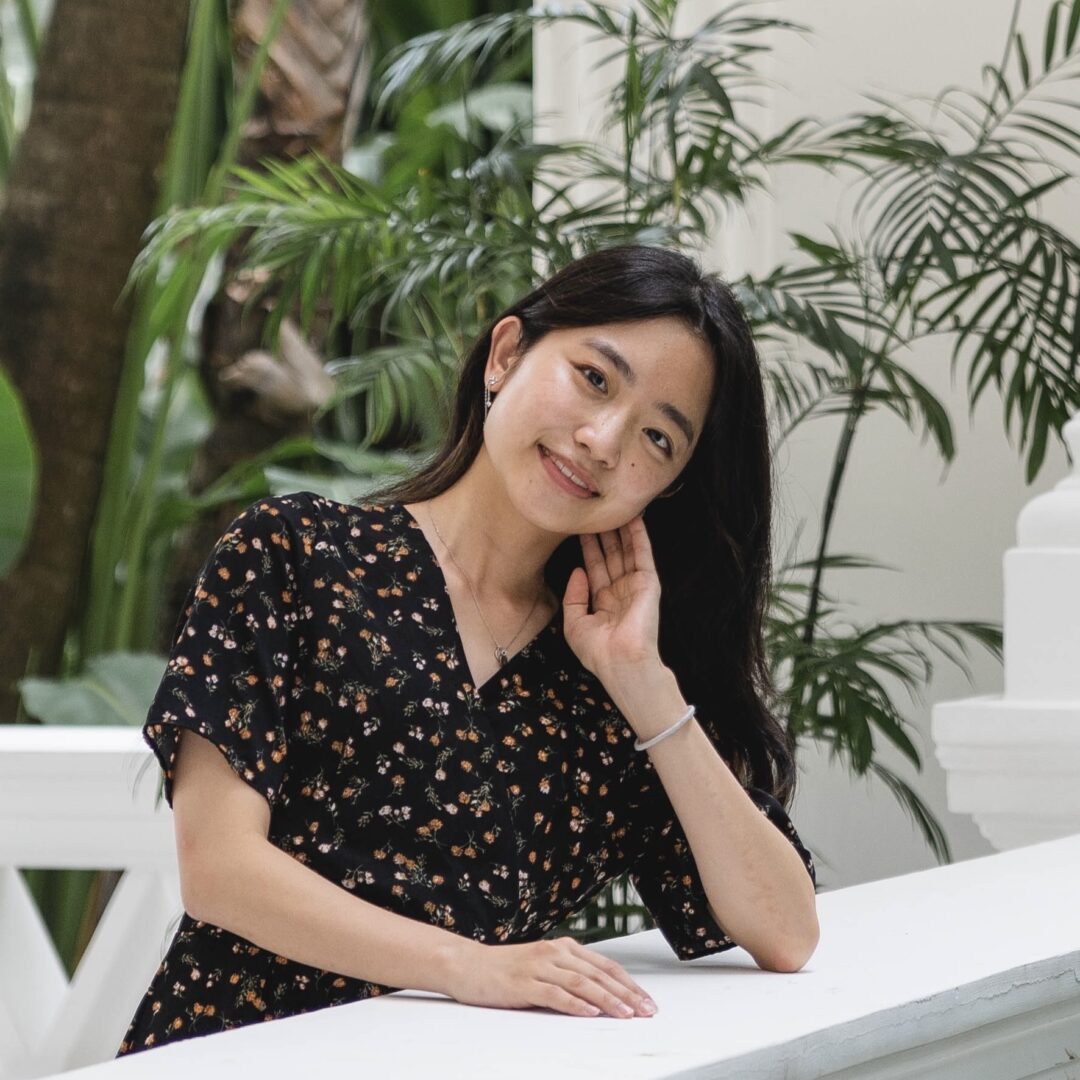
We’re looking forward to introducing you to Minami Matsumoto. Check out our conversation below.
Minami, so good to connect and we’re excited to share your story and insights with our audience. There’s a ton to learn from your story, but let’s start with a warm up before we get into the heart of the interview. What is a normal day like for you right now?
Right now, my days revolve around being a student at ITP (Interactive Telecommunications Program) at NYU, where I’m learning to bridge my traditional art background with emerging technologies. A typical day might involve attending classes where I’m exploring storytelling, working in my studio experimenting with generative AI tools, or learning techniques to create interactive physical pieces and design engaging user experiences. I also like visiting exhibitions around New York whenever I can to see new works. It keeps me inspired and connected to what’s happening in the art world.
Can you briefly introduce yourself and share what makes you or your brand unique?
I’m an artist who explores nature, memory, and identity through both traditional and emerging media. Born and raised in Singapore in a Japanese family, I grew up surrounded by tropical landscapes and a beautiful fusion of Southeast Asian and Japanese culture, which deeply influences my work. I started with oil painting, creating series like Tropical Maze that blended real landscapes with plants from memory. That series was fortunate enough to earn the National Award and exhibited at The National Art Center, Tokyo.
Recently, I’ve been experimenting with generative AI, and it’s been a fun medium to express the same concepts in a new way. My current project, Coral Journey, is an AI-generated series inspired by my scuba diving experiences. It takes viewers on a meditative journey from vibrant coral reefs to bleached stillness, exploring transformation and ultimately unity with nature. I was fortunate that Coral Journey received an award and was exhibited on a screen in Times Square. Seeing my digital work, which is usually consumed on small screens like phones or laptops, displayed on such a huge public screen felt surreal. I’ve also been grateful for the chance to talk about my work to the public at galleries lately. For me, AI isn’t about replacing traditional art but extending it. It lets me create surreal textures and atmospheres I couldn’t achieve with a brush alone.
Okay, so here’s a deep one: What’s a moment that really shaped how you see the world?
In 2024, I walked the Ohenro pilgrimage in Shikoku, Japan, an ancient Buddhist route connecting 88 temples. I walked about 12 to 18 miles daily for a week, and it became my favourite solo trip. Growing up in Singapore and living in Tokyo, I’d only experienced city life, so getting to see the quieter, countryside areas of Japan was very meaningful to me.
What truly shaped me was the kindness I encountered along the way. A farmer noticed me limping and offered to drive me to the next temple in his truck. He then took me to a hidden local spot to see cherry blossoms, which was my first time seeing sakura. I met a 70 year old professor who guided me through the steepest mountain trails, climbing faster than I did despite his age, and later introduced me to the best udon place in Kagawa, which is renowned for its udon. An elderly lady gave me vegetable juice on the street after a simple greeting, telling me it would keep me healthy for the journey.
As an introvert, this pushed me far outside my comfort zone. These encounters taught me that people are genuinely kind and sparked my curiosity about their lives and how they choose to live. It gave me the courage to talk to strangers, appreciate small gestures, and think about how I could return that kindness to others. I carry these connections into my work now, trying to visualise not just what I see, but the emotions and bonds I feel with people and places.
What fear has held you back the most in your life?
The fear of not being on the right path. When I created Tropical Maze, I was going through a period of making big life decisions and questioning whether my choices were correct. That uncertainty felt paralysing at times to me. The tropical landscape I painted became a kind of metaphor for that fear, dense and confusing, but with lily pads suggesting a path forward and light filtering through the foliage.
Looking back, I’ve realised that those uncomfortable transition periods are actually where the most interesting growth happens. Now, whether it’s transitioning from oil painting to AI or moving from Singapore to New York to study, I try to see uncertainty differently, not as something to fear but as part of the creative journey. Choosing a path where the future is unclear can still be frightening, but I’ve learned that choosing something that genuinely excites me, even when it pushes me out of my comfort zone, often leads to the most rewarding experiences. Making things happen despite fear has become one of the most rewarding parts of my life, and something I’m truly grateful for.
I think our readers would appreciate hearing more about your values and what you think matters in life and career, etc. So our next question is along those lines. What’s a cultural value you protect at all costs?
The Japanese concept of wabi-sabi, which is about finding beauty in imperfection, impermanence, and the everyday. In Japan, nature is naturally woven into daily life and art, and wabi-sabi teaches you to appreciate things as they age and change over time. This philosophy has really shaped how I pay attention to small details in life and appreciate what’s present around me.
It influences how I approach my work too. I find myself noticing small details in nature, how things change over time, or how memory gradually distorts what we think we remember. It’s about seeing beauty in things that are transient and incomplete, which feels essential to both my art and how I try to move through the world.
Okay, so before we go, let’s tackle one more area. When do you feel most at peace?
I feel most at peace when I’m underwater scuba diving. There’s this incredible quietness down there. You’re surrounded by vibrant coral, schools of fish, and endless blue. Unlike the streets of New York where there’s constant noise and movement, underwater everything feels still. There’s something about being suspended in that vast space, feeling small but somehow held by something larger, that brings me a sense of complete calm. That’s the peaceful feeling I tried to capture in the final image of Coral Journey, where a figure is resting within the coral landscape, small but belonging.
I also find that same peace in certain art environments where I can quietly observe artworks. Many art museums in Japan, especially ones tucked away from the big cities, are designed to integrate beautifully with their natural surroundings. My favourite is the Chichu Art Museum in Naoshima, designed by architect Tadao Ando. The Monet room there especially moved me. It was built specifically for that one painting, with gently rounded white corners and handcrafted tiles covering the floor. Natural light comes in from the ceiling and reflects off those tiles, picking up the colours from Monet’s painting. The light bounces onto the walls and floor, and suddenly the entire room feels like a continuation of the painting itself, like you’re stepping into it. Being fully immersed in nature or art like that is when I feel most at peace.
Contact Info:
- Instagram: https://www.instagram.com/minami.art.222/
- Linkedin: https://www.linkedin.com/in/minami-masumoto
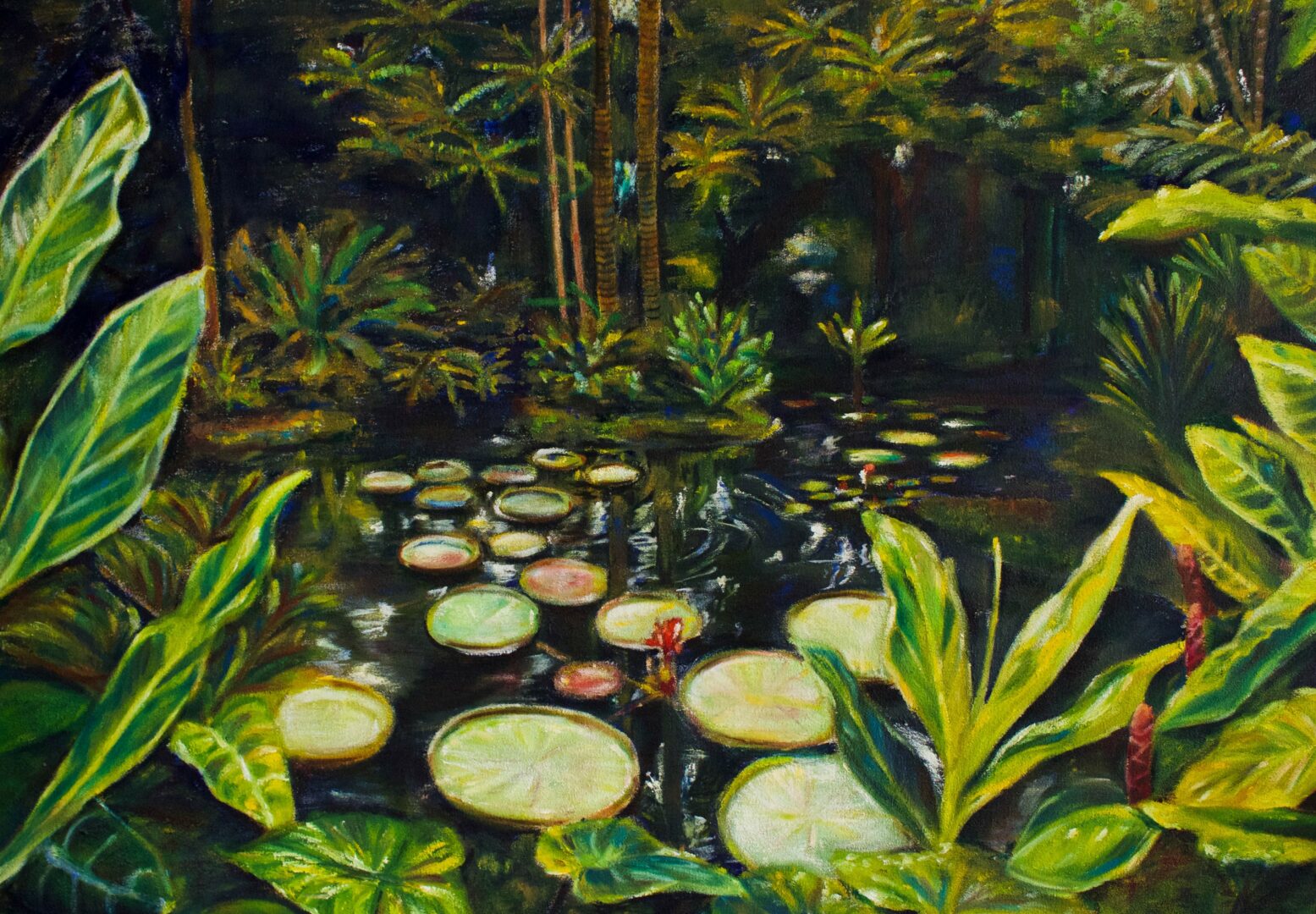
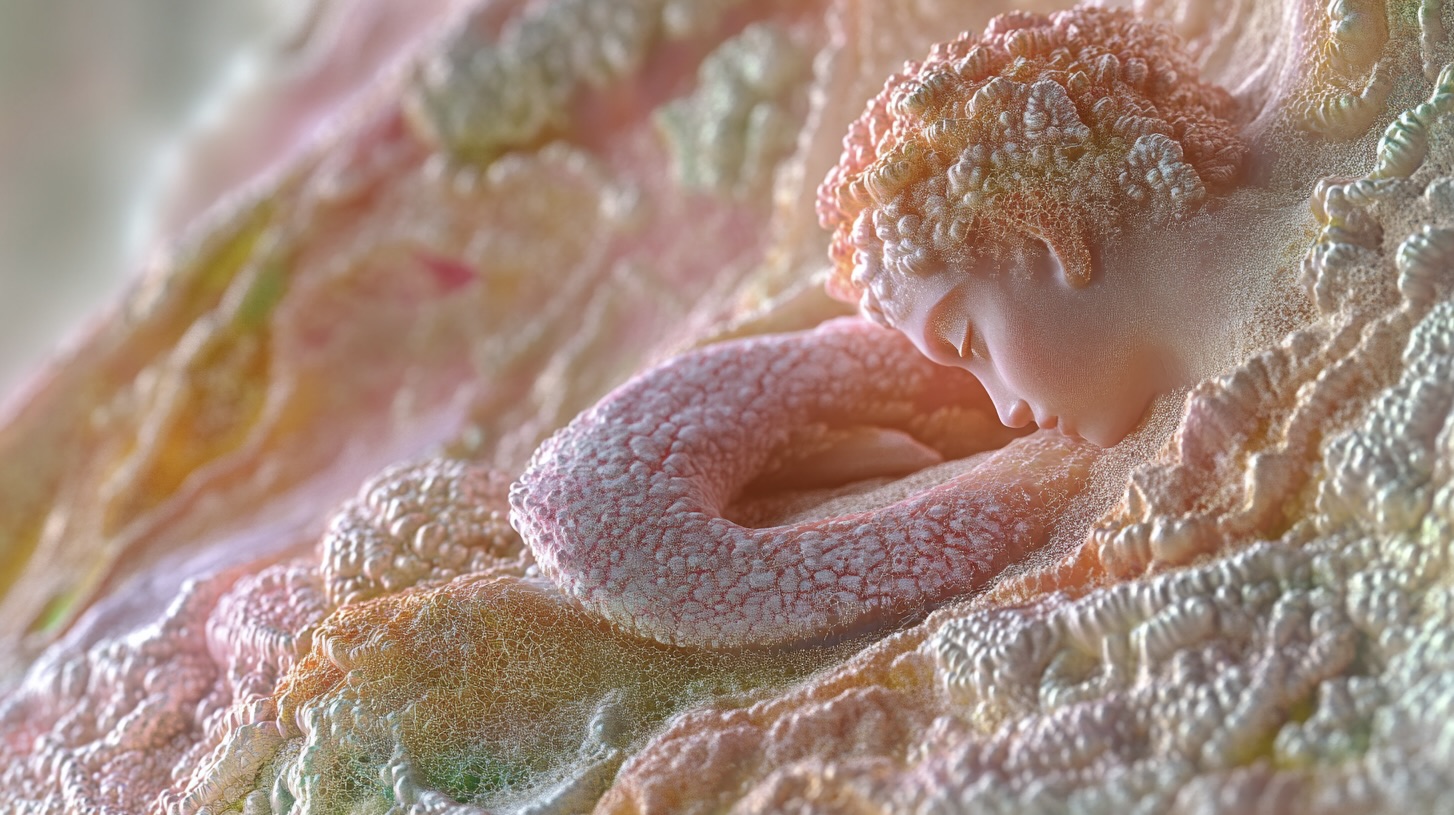
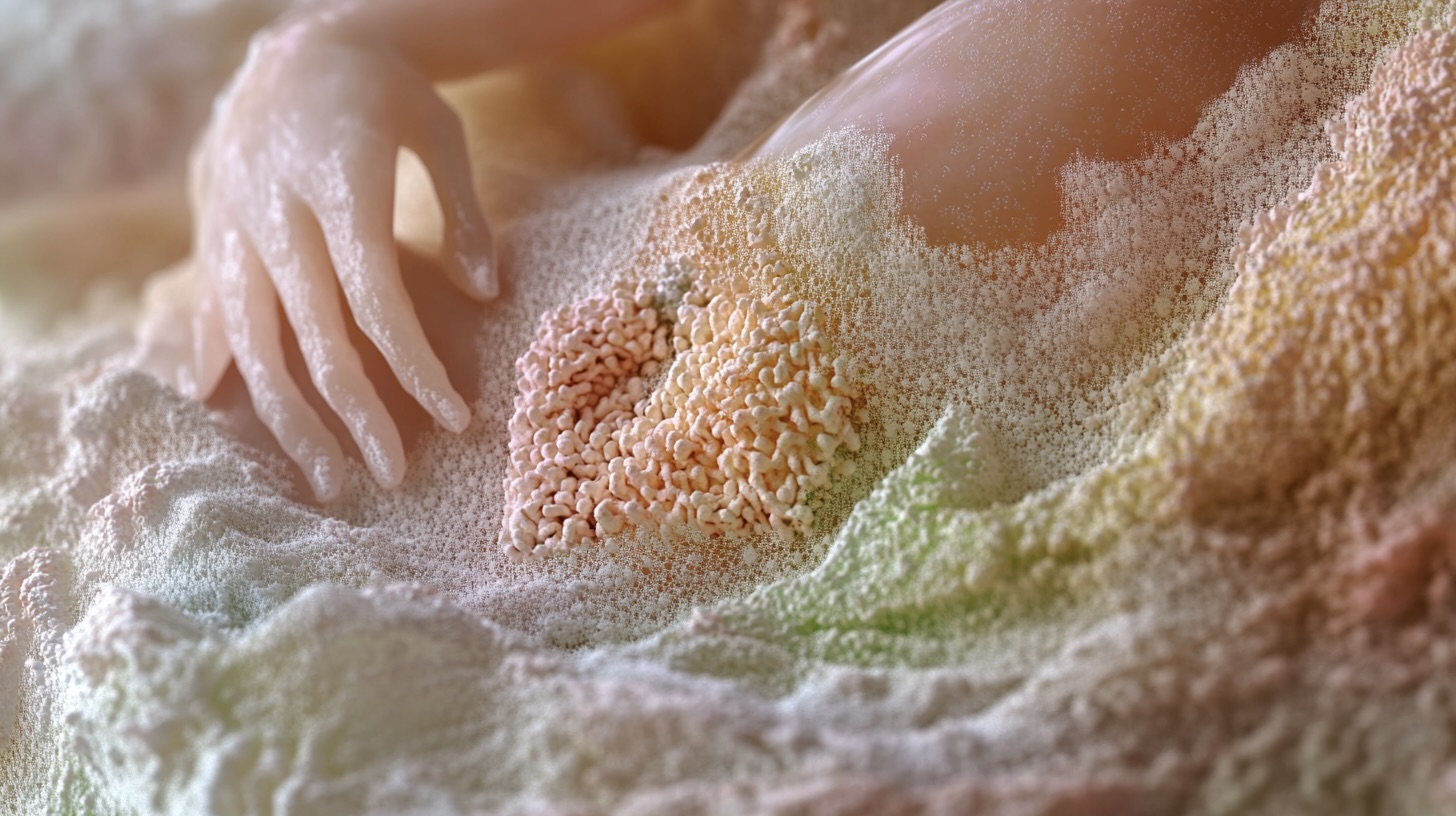
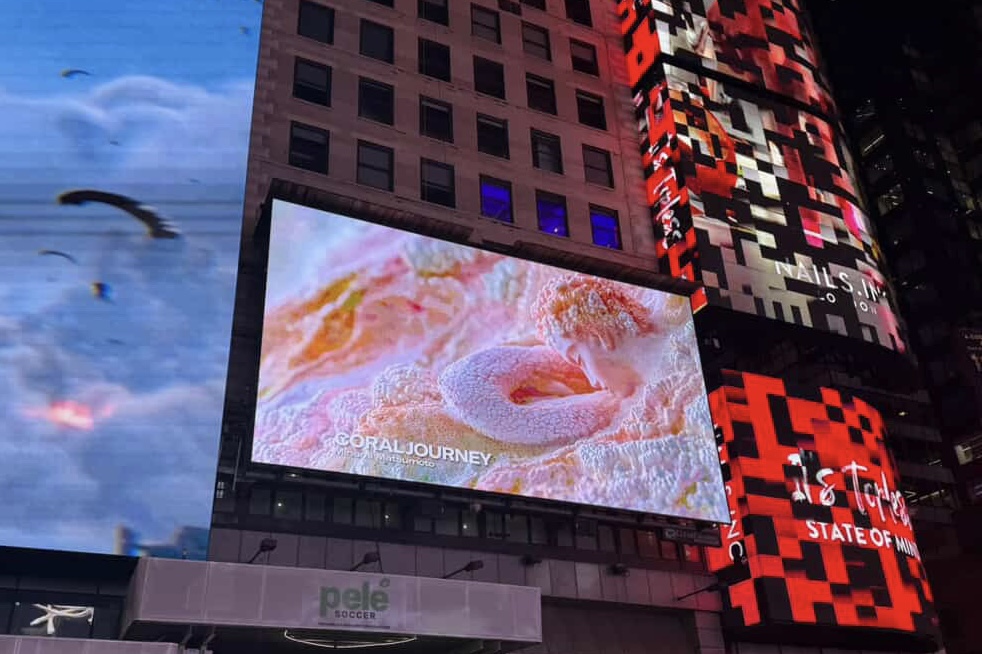
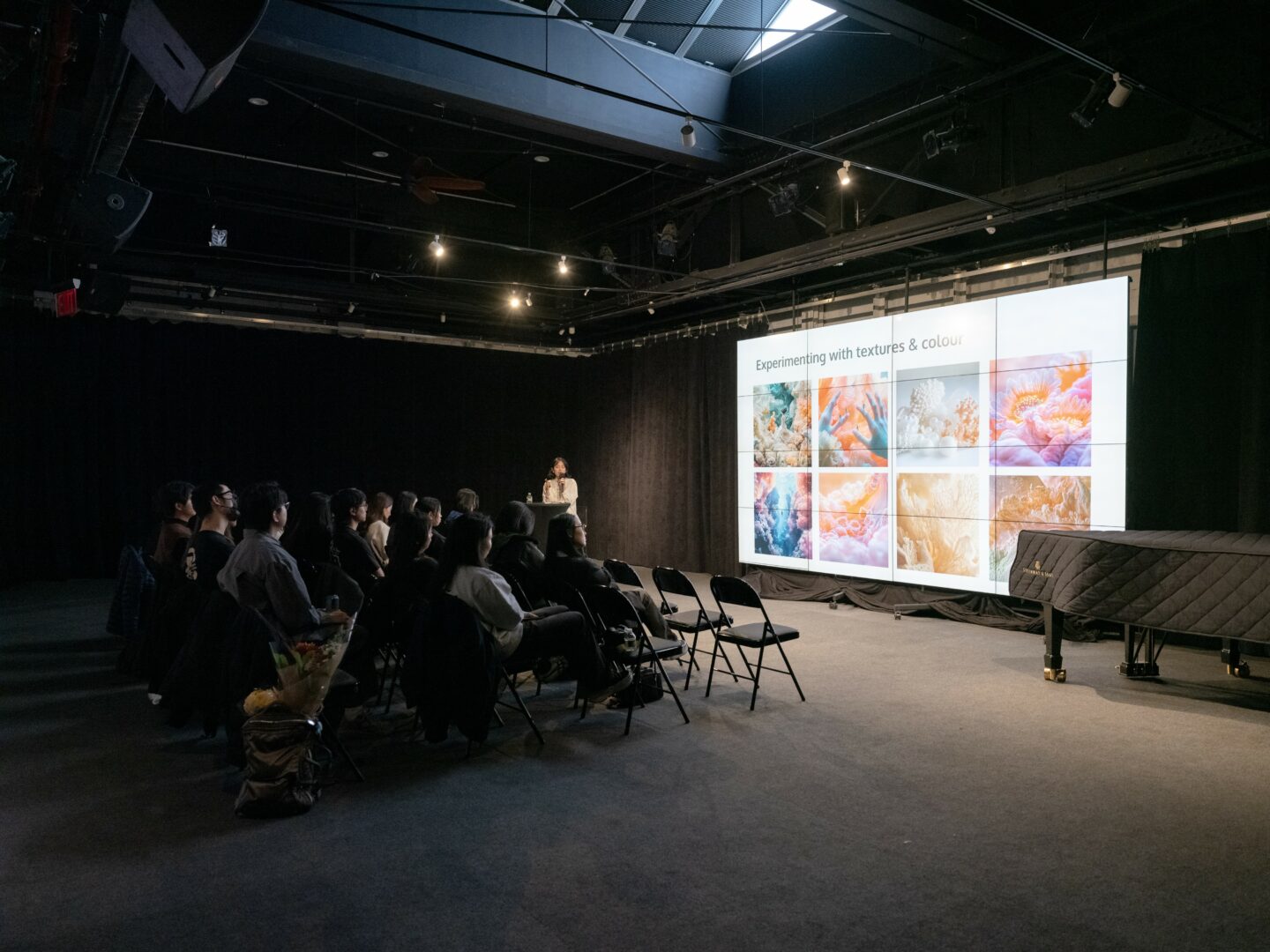
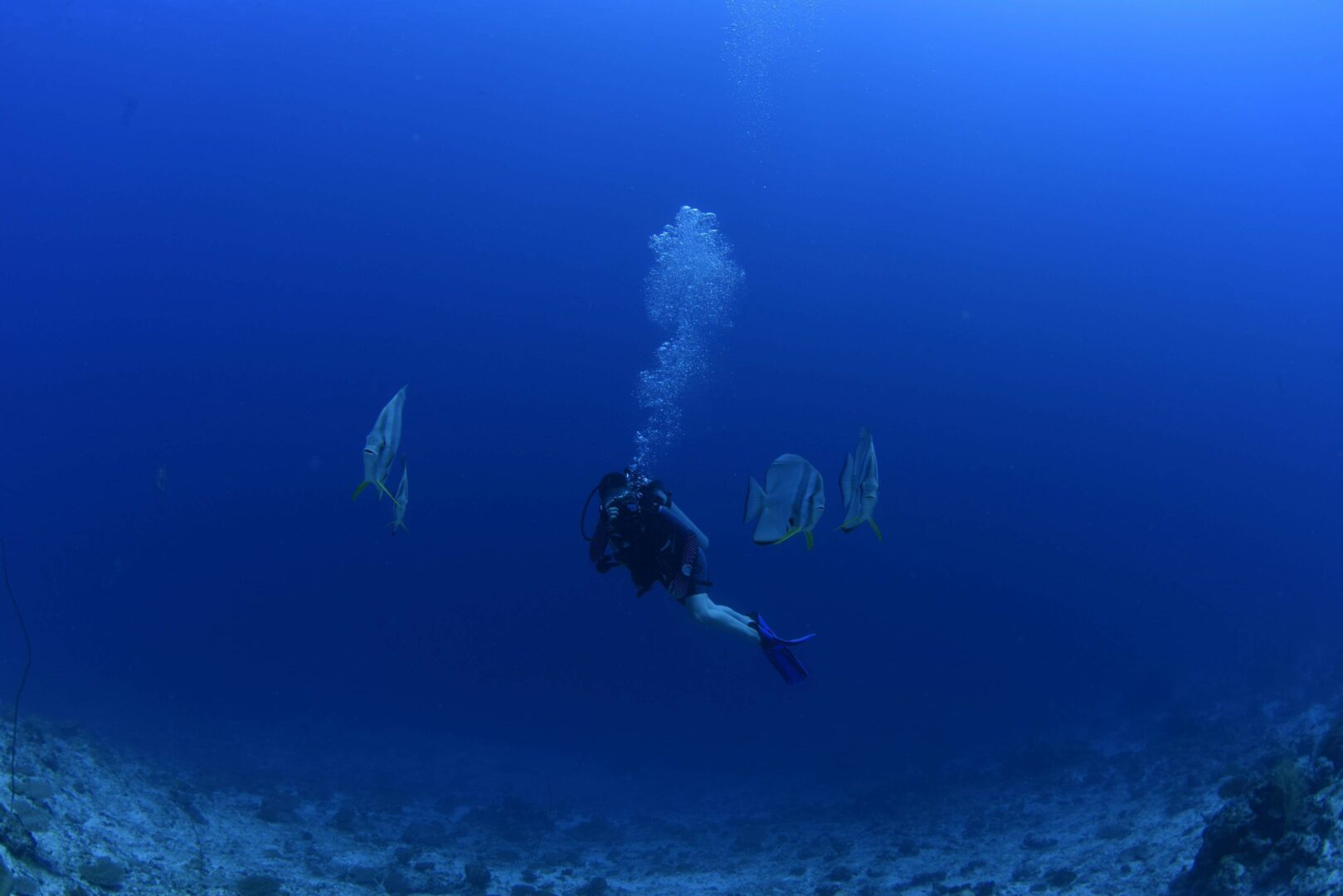
Image Credits
Minami Matsumoto
so if you or someone you know deserves recognition please let us know here.