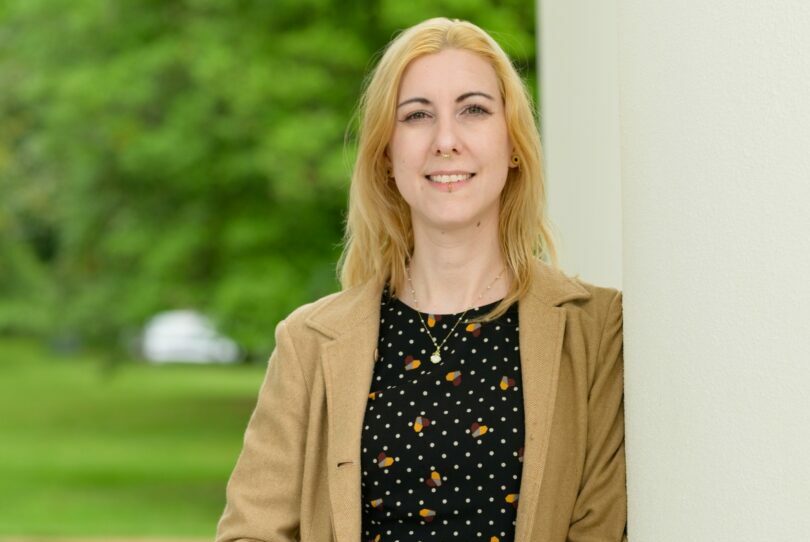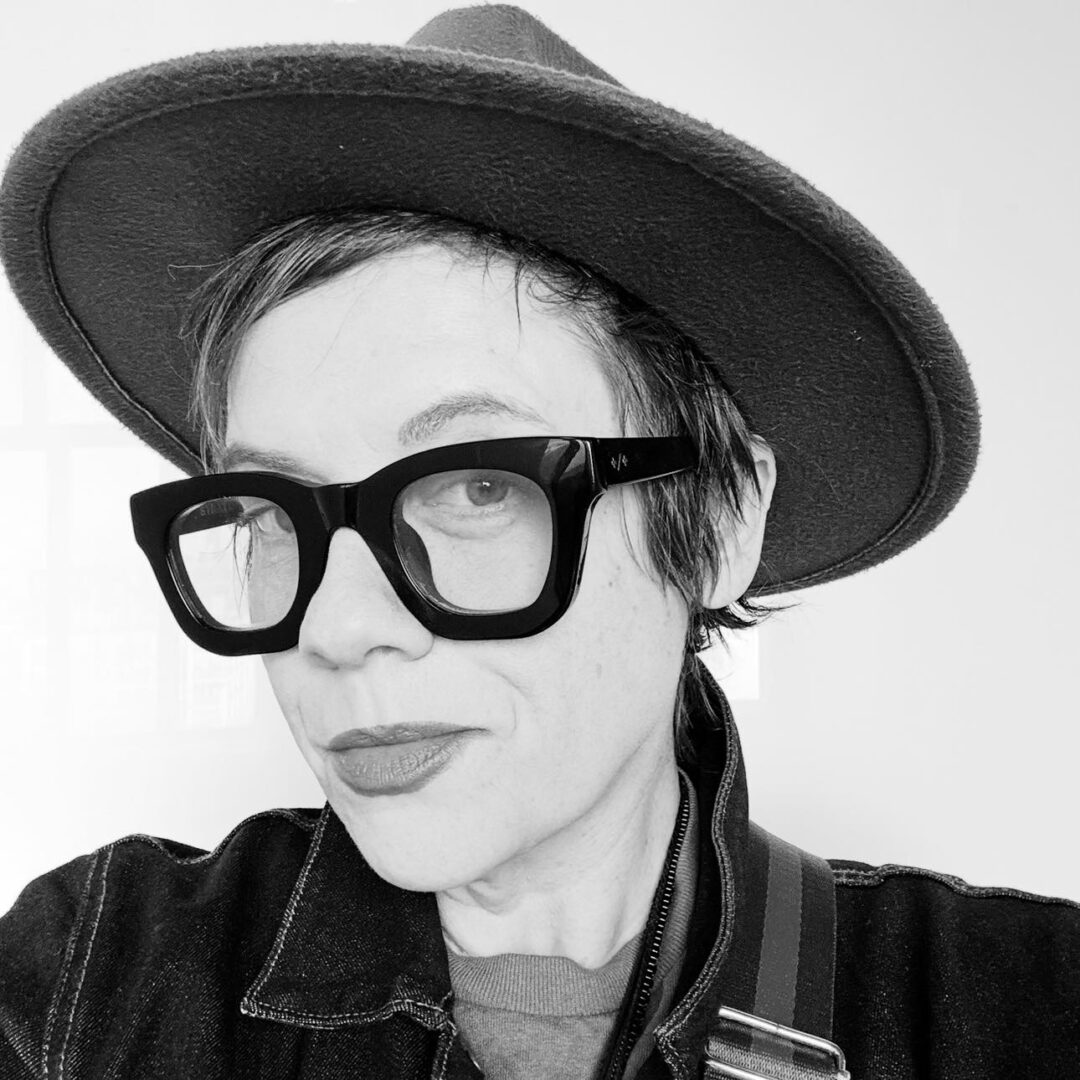
Natalie Hope McDonald shared their story and experiences with us recently and you can find our conversation below.
Hi Natalie Hope, thank you so much for taking time out of your busy day to share your story, experiences and insights with our readers. Let’s jump right in with an interesting one: What makes you lose track of time—and find yourself again?
Spending time in my art studio. While we always bring our lives inside, along with many influences from the outside world – for better or worse – it’s still a place to refocus and get a little lost in good work.
Can you briefly introduce yourself and share what makes you or your brand unique?
I’m a fine artist living and working in Philadelphia. I just enjoyed a successful solo exhibition at Pii Gallery in Philadelphia, and I’m getting ready for a new show at Studio 6 in New York City before heading to London for two months to work on a collaborative art project. For this project, collectors purchased days from me in advance to create art just for them. We’ll all be connecting on social media during the trip to share the adventures, art and stories. I’m really looking forward to this project – it’s not something I have ever done in this capacity and for such a stretch of time outside the country.
When I’m not in my studio, I spend a lot of time seeking materials I can create art with – things like vintage dishes, vessels and reclaimed wood. The search for these special materials is one of the most fun steps in the creative process for me. Often finding an item will help dictate what it ultimately transforms into.
Appreciate your sharing that. Let’s talk about your life, growing up and some of topics and learnings around that. Who were you before the world told you who you had to be?
I was always a kid who was content being on her own. As an only child I spent many hours drawing and creating worlds in my bedroom. I had a lot of health problems as a child so I think that spending time resting allowed me to become more comfortable with being alone and being able to be a bit more introspective for my age.
Naturally I could become frustrated when I couldn’t always do the things other kids did, like play sports and be more energetic, but looking back on these times helps me understand how I became the person I am. I’m still comfortable on my own. I’m happy to exist with my thoughts in the quiet. In an age when there are so many distractions and devices, and this presumption we need to be available at all times, the things that were once an obstacle have become an asset.
No one ever told me who I was. But I knew even then I wanted to be a communicator. Art was my whole world. It was my way of dealing with the best and hardest moments as a kid.
Was there ever a time you almost gave up?
There were many times that the pressure of succeeding made me question the ability to be an actual artist in a world that doesn’t really encourage creative pursuits. I spent many years as a journalist, something I also loved doing, but I think it became a way for me to avoid the inevitable – of having to face the passion that had been nagging at me all my life: to be an artist.
From the beginning, art was never really encouraged by school or the outside world. It was often considered a whimsical pursuit that would get a kid no where. How will you make a living, people would ask? I find this ironic when you take a look at the amount of resources dedicated to sports from an early age. Kids are encouraged to play sports with a passion you don’t usually see when it comes to art, and yet the chances of someone actually becoming a professional athlete is pretty rare. But it doesn’t stop the massive investment in these dreams shared by kids and their parents.
I often wonder what it could be like if the arts were treated the same way. I personally think both pursuits are noble in their own ways by teaching so many things to young people seeking to learn who they are, everything from focus and teamwork to confidence and perspective. Perhaps the Greeks had the right idea by suggesting a well rounded person was both creative and fit.
I do believe that people who end up pursuing art do so despite the lack of encouragement. It’s very easy to give up when most of the world is saying to do something else. I’m glad that even if I took some turns in the road, that I eventually got back to where I needed to be. I hope that for anyone with a dream and determination.
Next, maybe we can discuss some of your foundational philosophies and views? What are the biggest lies your industry tells itself?
Where to begin? There are a lot of talking heads who encourage art to be very purist, that as long as someone is doing what they love and what is legitimate, that it’s the definition of success. And while I do agree with that to a point (being honest in one’s work is really one of the most important parts of working as an artist) a lot of these folks seem to forget that most people have to make a living. This is probably why we see a distinction in who gets to go to art school, who gets to work in the arts, who gets to be an actual artist. A lot of these people come from wealth or have a support system that allows them to explore freely while other folks might have to work day and night jobs to make ends meet.
I spend a lot of time thinking of Rick Rubin’s book The Creative Act. It’s an incredible book in many ways – especially when it delves into the creative process and ultimately reminding artists to be kind to oneself when it comes to working through a creative concept. I highly recommend this book, but with a warning.
My biggest criticism is that Rubin is a very successful music producer who implies that he doesn’t consider whether a project will or will not be successful when he works on it. He suggests the purism of the art is what it ultimately comes down to. If it’s down well, it’s a success even if it’s not a monetary success.
One can argue that if something is pure, if it’s really appealing, then success could be very likely. Success, after all, comes in many ways. Satisfaction in a job well down is a great form of success. But again, that doesn’t pay the bills or build a career,
Art is a business whether we want to admit it or not. Andy Warhol understood this very well.
I’d love to know what Rubin (who has a beautiful home in Malibu) would say to the struggling artist who is working several jobs to pay the rent and who’s trying to find the time and focus to be an artist. He makes no qualms about expecting an artist to be fully focused on their work at all times. That’s great if you don’t have bills to pay or loved ones to care for.
I spent many years caring for my own father. This meant a lot of appointments and worry; it definitely took its toll on my emotional state and made it a bit more challenging to work on my art.
I wouldn’t have changed that experience, not ever. But sometimes I think the industry at large tends to set unrealistic goals and expectations for people who are trying to survive while also trying to be well, brilliant. It’s not easy. It will never be easy. There are many obstacles toward this career and the sheer act of creating. And the industry doesn’t always make it easier for folks who don’t have financial support to work in this world, sadly.
It’s why we see far less diversity than we should. It’s why we may be missing out on of the most brilliant creative minds because she’s delivering Uber Eats or has to care for her sick mom.
I wish there was a better support system for creatives. The art world is a rich world, but a very insular one.
Okay, so before we go, let’s tackle one more area. What is the story you hope people tell about you when you’re gone?
I think most of would like to be remembered.
I’d like my art to stick around ,long after my physical self is gone. It’s the most authentic expression of who I was, am and will be.
Contact Info:
- Website: www.nataliehopemcdonaldillustration.com and www.nataliehopemcdonaldfineart.com
- Instagram: nataliehopemcdonald
- Facebook: nataliehopemcdonald
- Youtube: https://youtu.be/eCp6sFpK3SU?si=IDy22OGcZCGa52g-
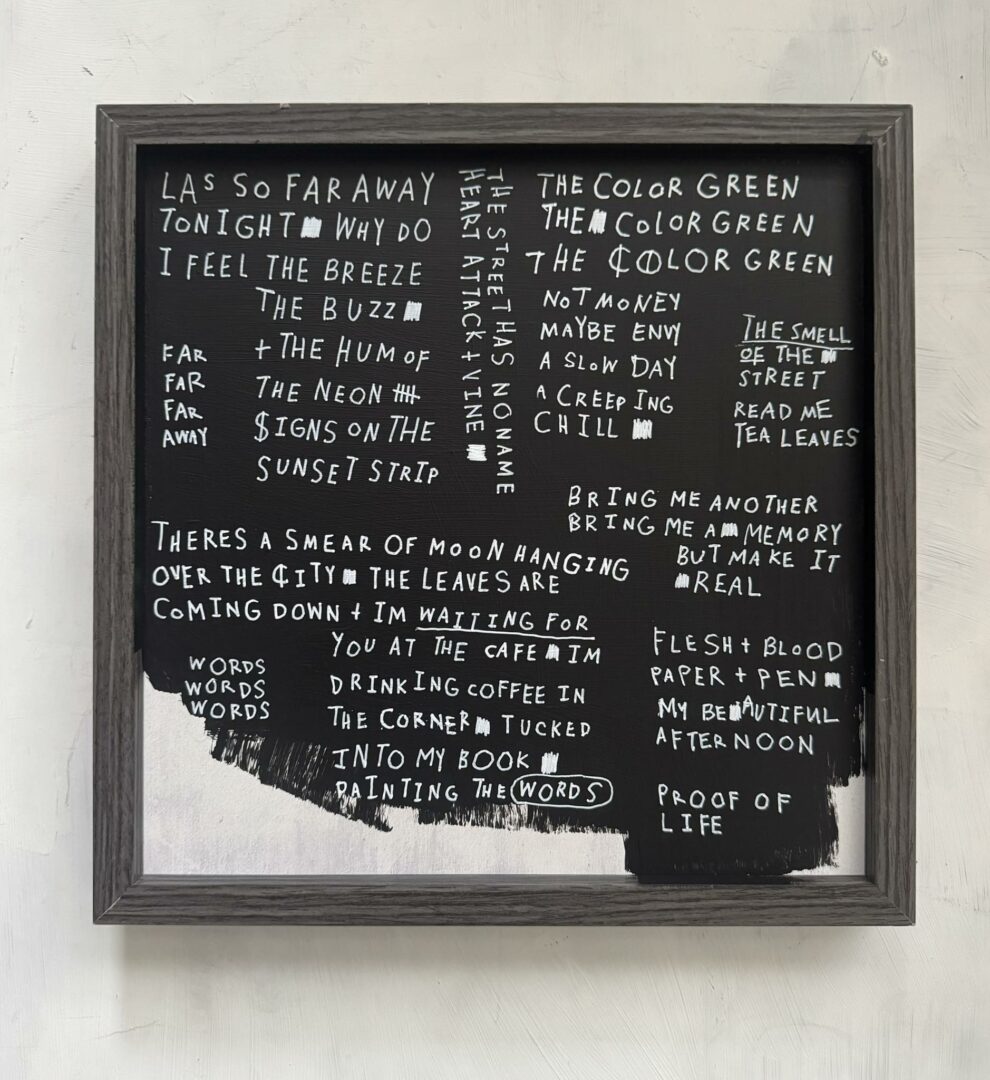
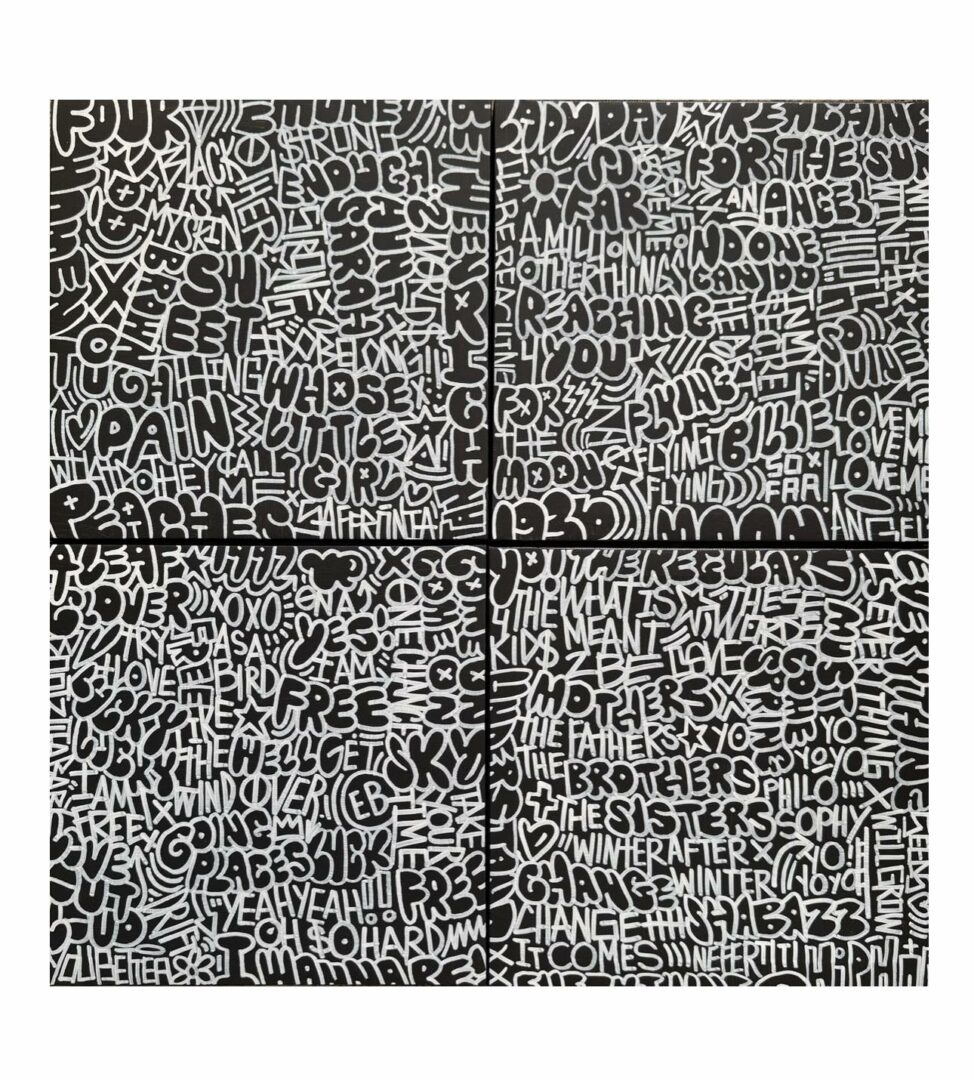
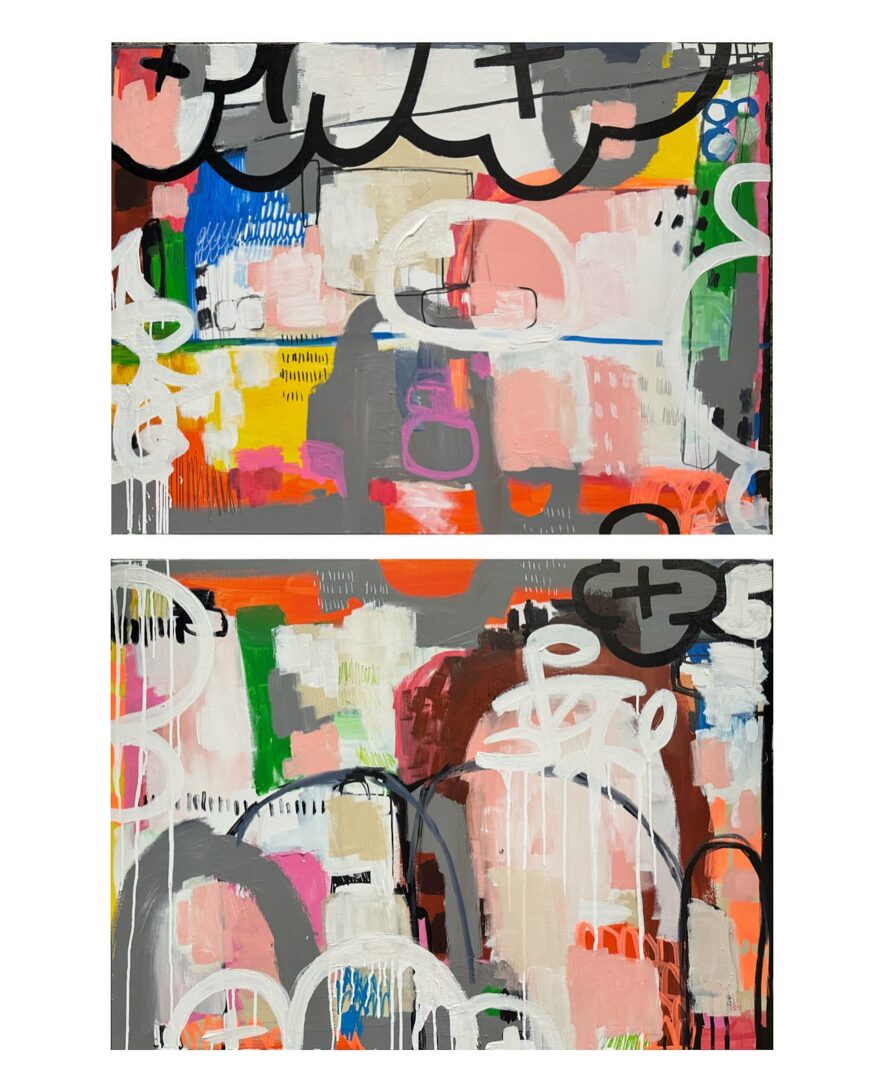
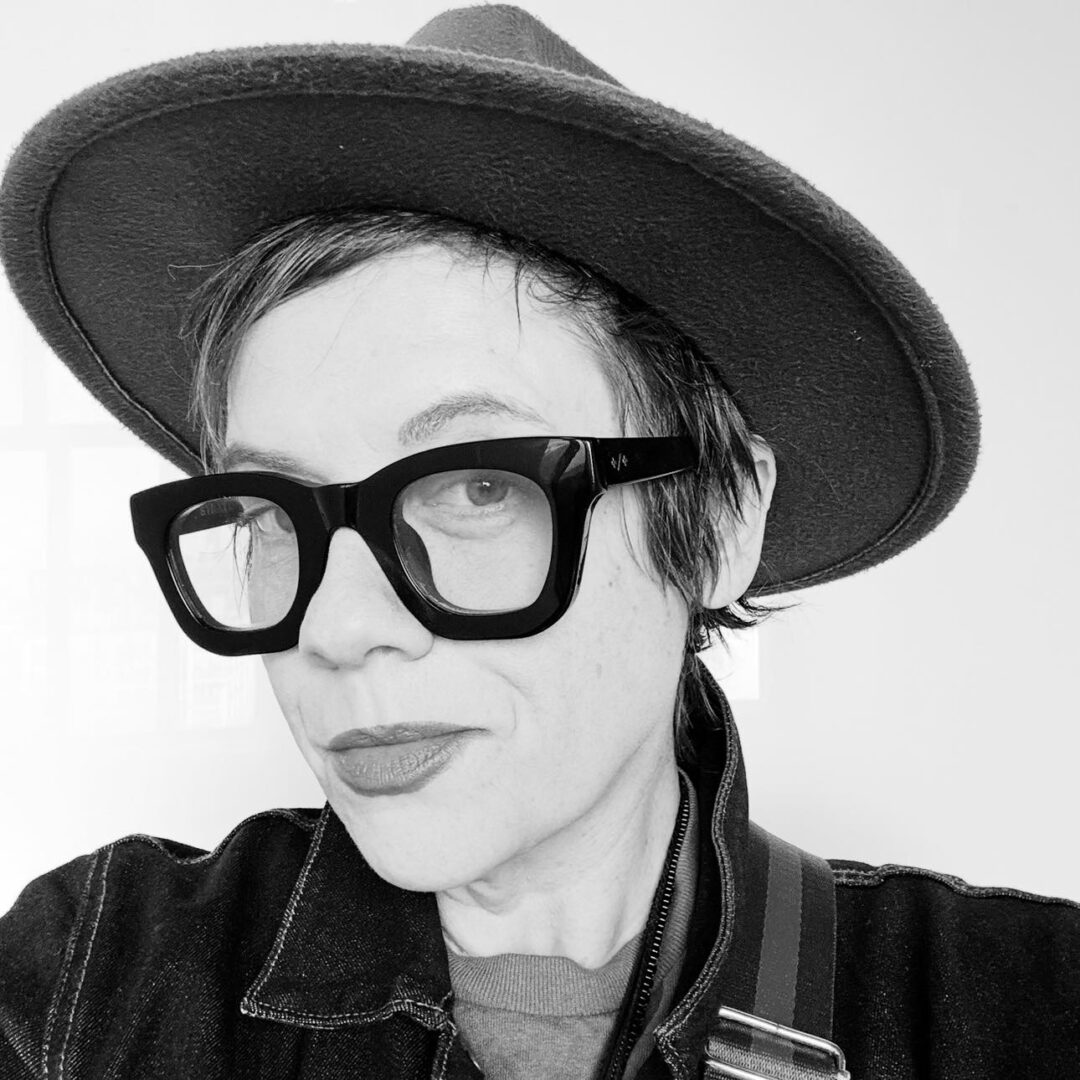
Image Credits
Photos by Natalie Hope McDonald
so if you or someone you know deserves recognition please let us know here.