Natasha Walstra shared their story and experiences with us recently and you can find our conversation below.
Natasha, really appreciate you sharing your stories and insights with us. The world would have so much more understanding and empathy if we all were a bit more open about our stories and how they have helped shaped our journey and worldview. Let’s jump in with a fun one: What are you being called to do now, that you may have been afraid of before?
Launching a group program.
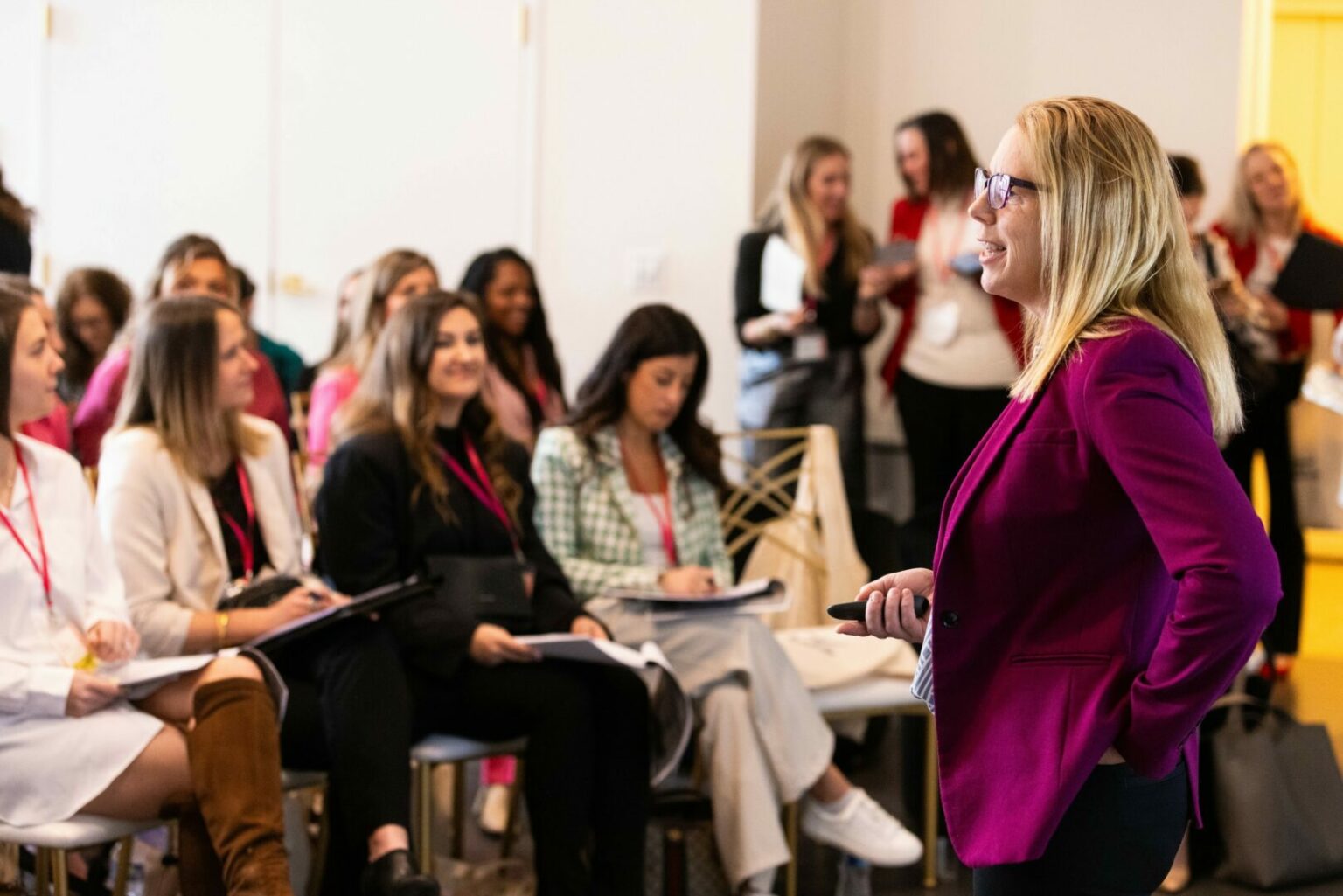
I just kicked off my first cohort of the REALationship Growth Method—a 6-month program that helps business owners turn LinkedIn into a relationship-building engine that actually drives results.
Group has always terrified me. I’m an introvert. And honestly, I lacked confidence until recently. Leading a group felt so far out of my comfort zone.
But a few things pushed me forward.
My 1:1 clients wanted ongoing support. LinkedIn is constantly changing, and we cover so much in a short time that there’s not always the opportunity to implement, test, and pivot together. I wanted to create something more accessible. And practically speaking, I was completely booked out—I needed to figure out how to scale.
Group was the logical answer. Even though I kept fighting it.
Even as I was signing 1:1 clients, imposter syndrome would creep in: “Why would anyone pay me to teach them this?” It was such a strange feeling to doubt something I knew I was good at.
But it’s been so much better than I imagined. The dynamic between the members. The way they’re supporting each other. The wins they’re already having.
In the end, I accidentally built a community. And that’s been the best surprise of all.
Can you briefly introduce yourself and share what makes you or your brand unique?
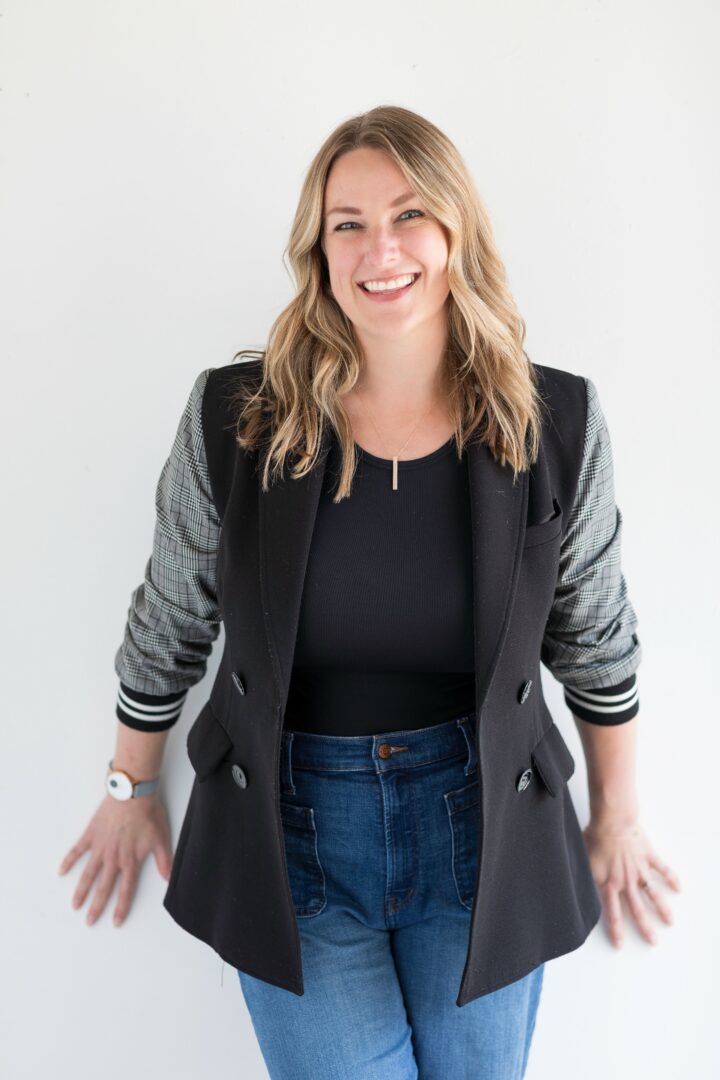
I’m Natasha Walstra, founder of NearPoint Strategies.
I help business owners and executives turn LinkedIn into a relationship-building engine—without the pitch-slaps, cold outreach, or feeling like you have to become someone you’re not.
My approach is called the REALationship Growth Method. It’s built on a simple belief: real relationships beat tactics every time.
Here’s the thing—I’m an introvert. Early in my sales career, I was supposed to make 100+ cold calls a day. I was terrible at it. Got yelled at constantly. But while my coworkers booked 20 calls with 50% show rates, I booked 10 with 100% show rates.
Quality over quantity. Even back then.
That’s when I discovered LinkedIn. Not as another place to pitch people, but as a way to build genuine connections. It changed everything.
I spent years in publishing and B2B tech, eventually running sales teams and helping executives build their visibility. Then about two years ago, someone asked: “Can I work with YOU on my LinkedIn strategy?”
That question became my business.
Since then, I’ve worked with 100+ clients, built a multi-six-figure business, and just launched my first group program. I also consult for KPMG’s Corporate Influencer Program, helping their executives build thought leadership.
What makes my work different? I teach people to show up as themselves. No templates. No performative posting. Just real human connection that actually leads to opportunities.
Appreciate your sharing that. Let’s talk about your life, growing up and some of topics and learnings around that. What relationship most shaped how you see yourself?
This might be a weird answer—but it’s my relationship with alcohol.
For years, alcohol was my “extrovert fairy dust.” I used it to transform my introverted self into someone I thought the world wanted me to be. More outgoing. More social. More like everyone else.
But that mask came with a cost. Chronic migraines for five years straight. Relationships that never felt right. A career that drained me. I was constantly chasing environments and opportunities that weren’t aligned with who I actually was.
Almost three years ago, I took a “break” from drinking. That break turned into weeks, then months, then a completely different life.
Within a year of stopping, I met my now-husband, started my business, got engaged, and hit six figures. The momentum hasn’t stopped since.
But I want to be clear – this isn’t an anti-alcohol story. It’s an anti-hiding-who-you-truly-are story.
For me, drinking was the thing keeping me from seeing myself clearly. The moment I stopped forcing myself into shapes that weren’t designed for me? Everything changed.
I finally saw that my introversion wasn’t a weakness to overcome – it was actually my superpower. It’s why I’m good at what I do. It’s why I build real relationships instead of surface-level connections.
That shift in how I see myself changed my entire life.
What fear has held you back the most in your life?
“You have SO much power—you just have to believe in yourself.”
I was painfully shy as a kid. Add introversion on top of that, and it was a recipe for zero confidence.
I spent years doubting myself. Shrinking. Waiting for permission to take up space.
It wasn’t until I was 28 that someone finally said to me: “You’re so good at this.” It was a mentor who saw something in me I couldn’t see in myself. And that one sentence started to shift everything.
But honestly? It took until the last two years to really embrace it.
Even now—as I launch a group program and already have 25 people signed up for my current and next cohort—I catch myself thinking, “Wait, people actually want this?”
The belief is finally there. But it took a long time to arrive.
That’s what I’d tell my younger self: You don’t have to wait for the world to give you permission. The power is already yours. You just have to believe it.
Alright, so if you are open to it, let’s explore some philosophical questions that touch on your values and worldview. What are the biggest lies your industry tells itself?
“Be authentic.”
Everyone says it. It’s on every LinkedIn tip list. Every personal branding guide. Every piece of advice for showing up online.
But here’s the problem: you can’t “be authentic.” That’s not how it works.
Authenticity isn’t something you perform. It’s not a strategy you deploy. It’s the byproduct of actually being real.
And there’s a difference.
“Be authentic” has become code for “sound relatable but still polished.” It’s people using the same templates, the same hooks, the same frameworks—just with a personal story sprinkled on top.
That’s not authentic. That’s authenticity as a tactic.
Real is different. Real is messy. Real is saying the thing you’re not sure you should say. Real is sharing the story that doesn’t have a neat takeaway. Real is showing up even when you don’t have it all figured out.
When you’re actually real, authenticity happens naturally. You don’t have to think about it. You don’t have to try.
The word “authentic” has lost all meaning—kind of like “literally” (which I’m also guilty of overusing).
So I’ve stopped telling people to be authentic. I tell them to be real.
The authenticity follows.
Okay, so before we go, let’s tackle one more area. Are you tap dancing to work? Have you been that level of excited at any point in your career? If so, please tell us about those days.
Funny enough, I wrote a post last week that started with: “I’ve got tapping toes, I’m so excited.”
So yes. I’m tap dancing to work right now.
What’s wild is that this excitement comes from doing something completely out of my comfort zone.
I just launched my first group program. Me—an introvert who avoided group settings my entire career. Leading a community of business owners through LinkedIn strategy together.
It terrified me. And now it’s the highlight of my week.
Every cohort call, I get to watch these incredible women (it’s primarily female founders) brainstorm together, support each other, and figure things out in real time. We’re not just learning LinkedIn—we’re building a network that actually has each other’s backs.
I can’t believe I get to do this every day. And we’ve only just started.
Have I felt this way about work before? Never.
But every role has led me to be precisely where I’m supposed to be. I just couldn’t see it at the time.
Now I get it. Every detour was actually the path.
Contact Info:
- Website: https://nearpointstrategies.com/
- Instagram: https://www.instagram.com/nearpoint.strategies/
- Linkedin: https://www.linkedin.com/in/ndwalstra/
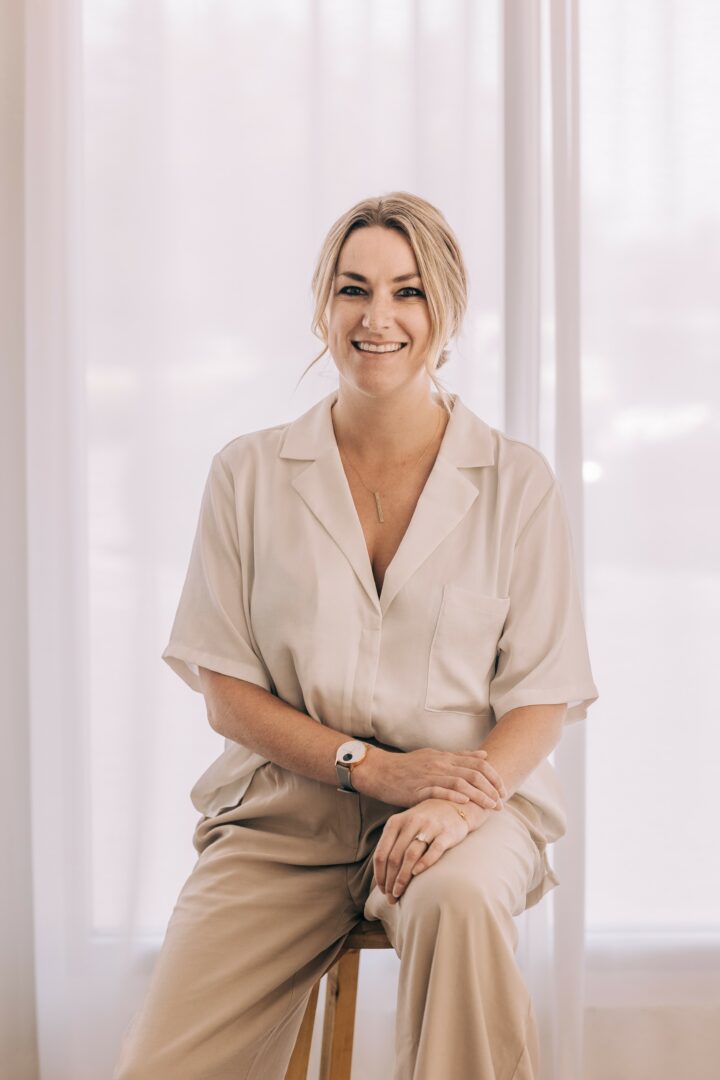

Image Credits
Sansan Photography
so if you or someone you know deserves recognition please let us know here.