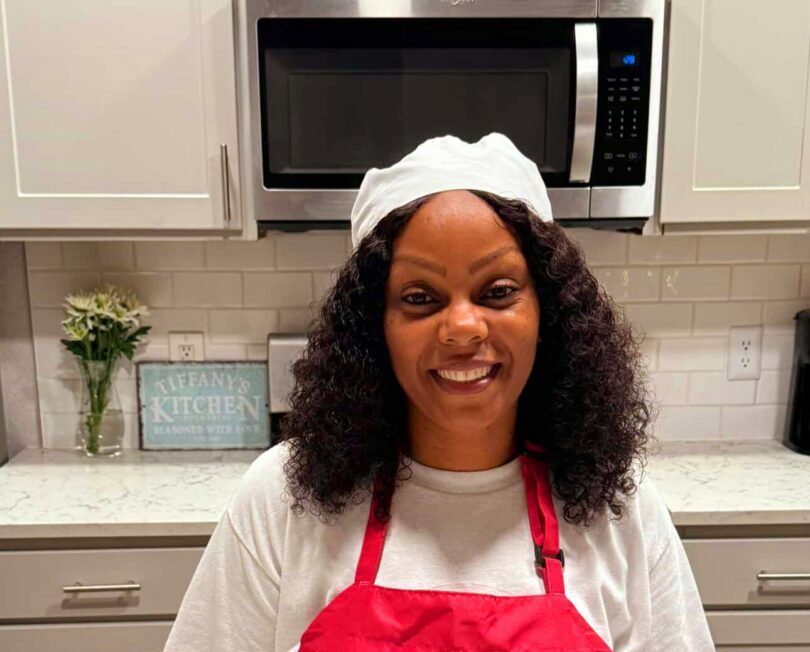
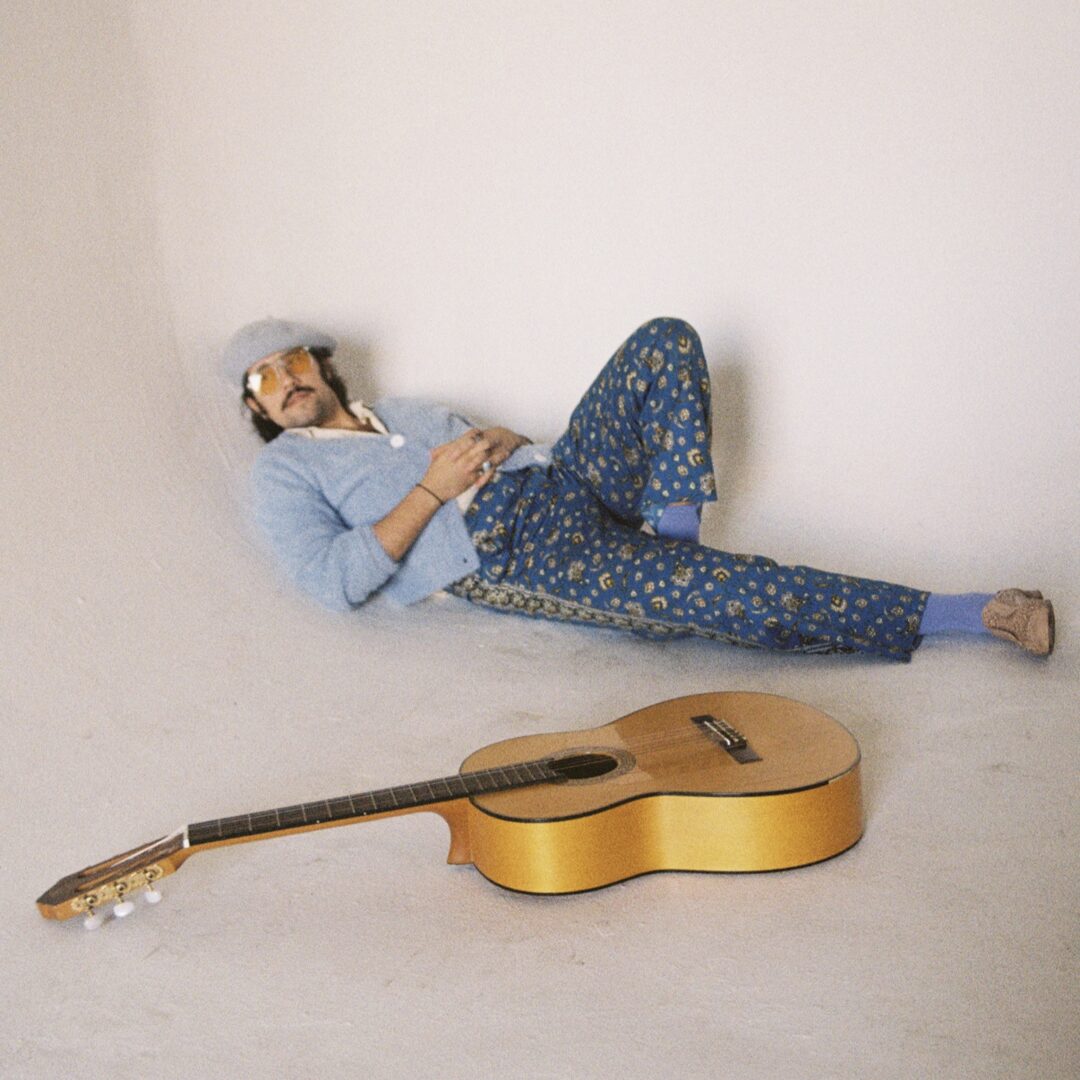
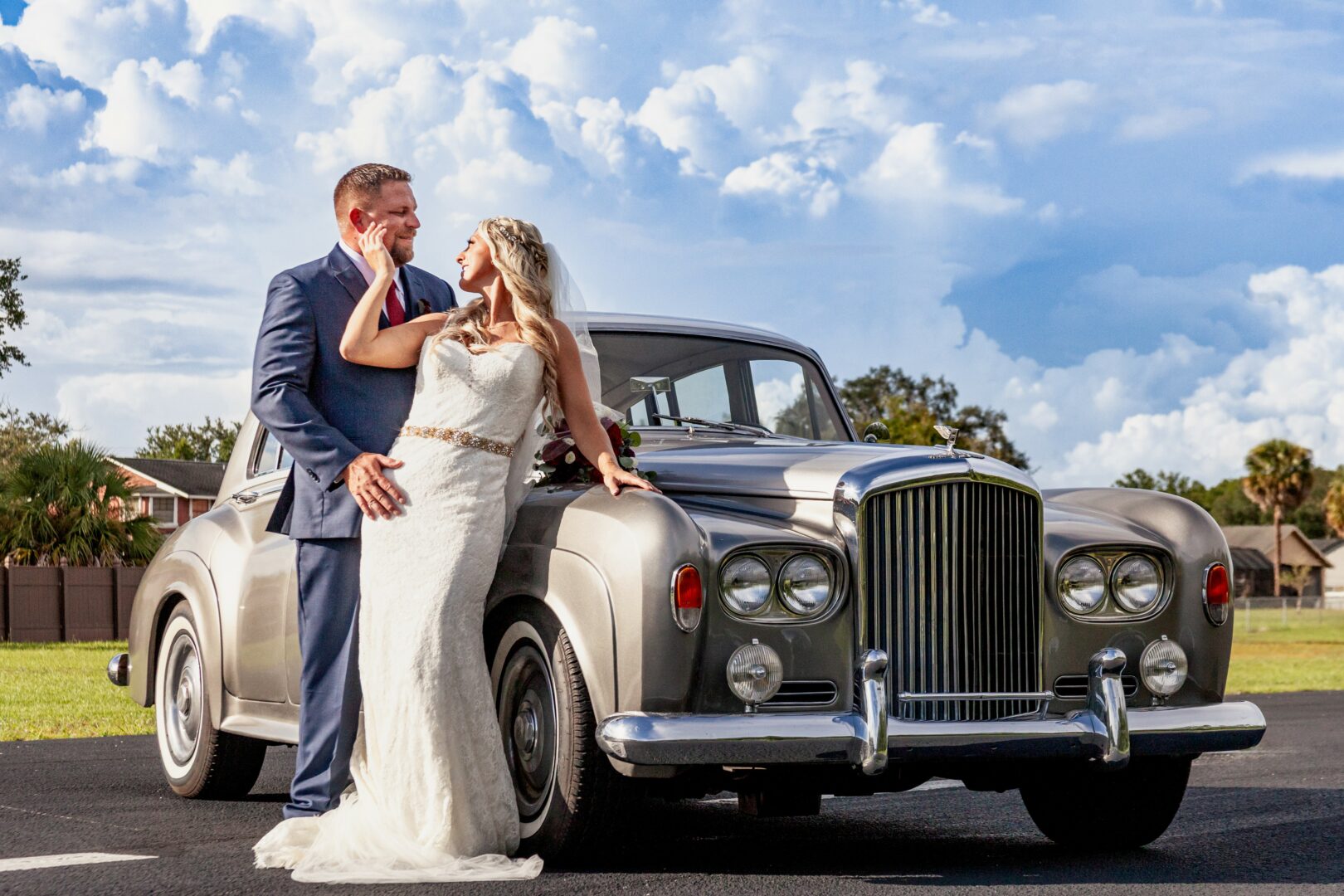
Alright – so today we’ve got the honor of introducing you to Barb Cherry. We think you’ll enjoy our conversation, we’ve shared it below.
Hi Barb, really happy you were able to join us today and we’re looking forward to sharing your story and insights with our readers. Let’s start with the heart of it all – purpose. How did you find your purpose?
This is something that happened instinctively with me. My purpose was found along my journey in searching for a college major. I was not in a good place in my life. I had just experienced some trauma, and I subconsciously starting studying psychology. I have heard a psychologist say that many doctors begin their career searching for a personal diagnosis. I was not this cognizant. I was in denial and guarded from believing I was not okay. I then found art searching for an outlet. I had all of this negative energy I was feeling, and I needed a distraction. Once I took some art electives, I had my first experience with an adult saying I had talent. When I landed on becoming a professor, the freedom to choose art as a subject presented itself. I then transferred to Meredith College from Wake Technical Community College, and I found my home in studio art. Since the professors challenge you on creating concepts as another form of communication, I landed on my purpose. The psychology/sociology background started appearing in my work. When I witnessed it speaking to others, I realized how many of us are hiding our pain. It really gave me the sense of purpose I believe a human needs to be more secure. Now, I make it a mission to speak out on avoided topics, like mental health. I hope it serves as a catalyst for others to have a healing journey.
Great, so let’s take a few minutes and cover your story. What should folks know about you and what you do?
My brand connects with my purpose. I focused it around my name, Barb. It became a nickname after learning it means “a cutting remark.” (I was known for having jokes ;)) I am using it as a way to describe my subject matter. I want to comment on avoided topics, especially when it is defending the unheard. I have come along enough to realize I am one of them, and I have been holding my concepts at arm-length. I am now going to transition my subject matter into items more specific to my healing journey. I am hoping to use art as a tool to raise awareness and funds for allied nonprofit organizations.
Currently, I am with a nonprofit called “Bullet and Bandaids.” It is a veteran-ran organization that gives veterans a voice through art. A veteran tells a story of their choosing, then artists translate it through their medium. It is some of the strongest work I have witnessed due to the extent of their experiences. It helps to educate on misconceptions within their demographic, and it can potentially be healing for the veteran. I have a piece called ‘Transcend’ that is touring the country with Volume 4. https://bulletsandbandaids.org/
Locally in NC, I am currently showing the RFAS’ ‘Joyce Wilkins Award’ recipient painting ‘dePerson 14’ in the Durham Art Guild’s 69th Annual Juried Exhibition.
There is so much advice out there about all the different skills and qualities folks need to develop in order to succeed in today’s highly competitive environment and often it can feel overwhelming. So, if we had to break it down to just the three that matter most, which three skills or qualities would you focus on?
The three areas of knowledge I can recommend are: trust the process, learn through doing, and try new things. With art, your work will improve the more you learn about materials. Sometimes, the materials can lead your way to a concept. We are normally so filled with self-doubt that we do not try new things. We also imagine things a certain way, and it does not always translate correctly. I spent too long in life being hesitant because I am scared to make a mistake. When you are learning a skill, it will always need to build naturally. You can only get better by continually challenging yourself and failing along the way. I have understood the main goal in art is to be innovative. Learning new materials and being open to alternate methods can help serve as catalysts. Always be open to where they will take you.
Thanks so much for sharing all these insights with us today. Before we go, is there a book that’s played in important role in your development?
This book has been pivotal for my personal well-being, and it has helped served as research for my subject matter. Van Der Kolk discusses trauma patients from his clinical practice and gives answers to medical questions for physical conditions ignited by trauma. It is full of research he has collected during his career that serves as answers. This book helped me to understand my own chronic condition, so I could get the medical assistance I needed. I started portraying this through a self-portrait. My beginning painting ‘T.B.D.’ discusses how this process can feel within our medical system.
https://www.besselvanderkolk.com/resources/the-body-keeps-the-score
Contact Info:
- Website: https://www.thebarbart.com
- Instagram: https://www.instagram.com/thebarbart/
- Facebook: https://www.facebook.com/barbara.godin1
- Youtube: https://www.youtube.com/@thebarbart
- Other: https://bulletsandbandaids.org https://ralfinearts.org/nc-artists-exhibition-enter/ https://www.durhamartguild.org/exhibits/69th-juried-exhibition-winners-reception
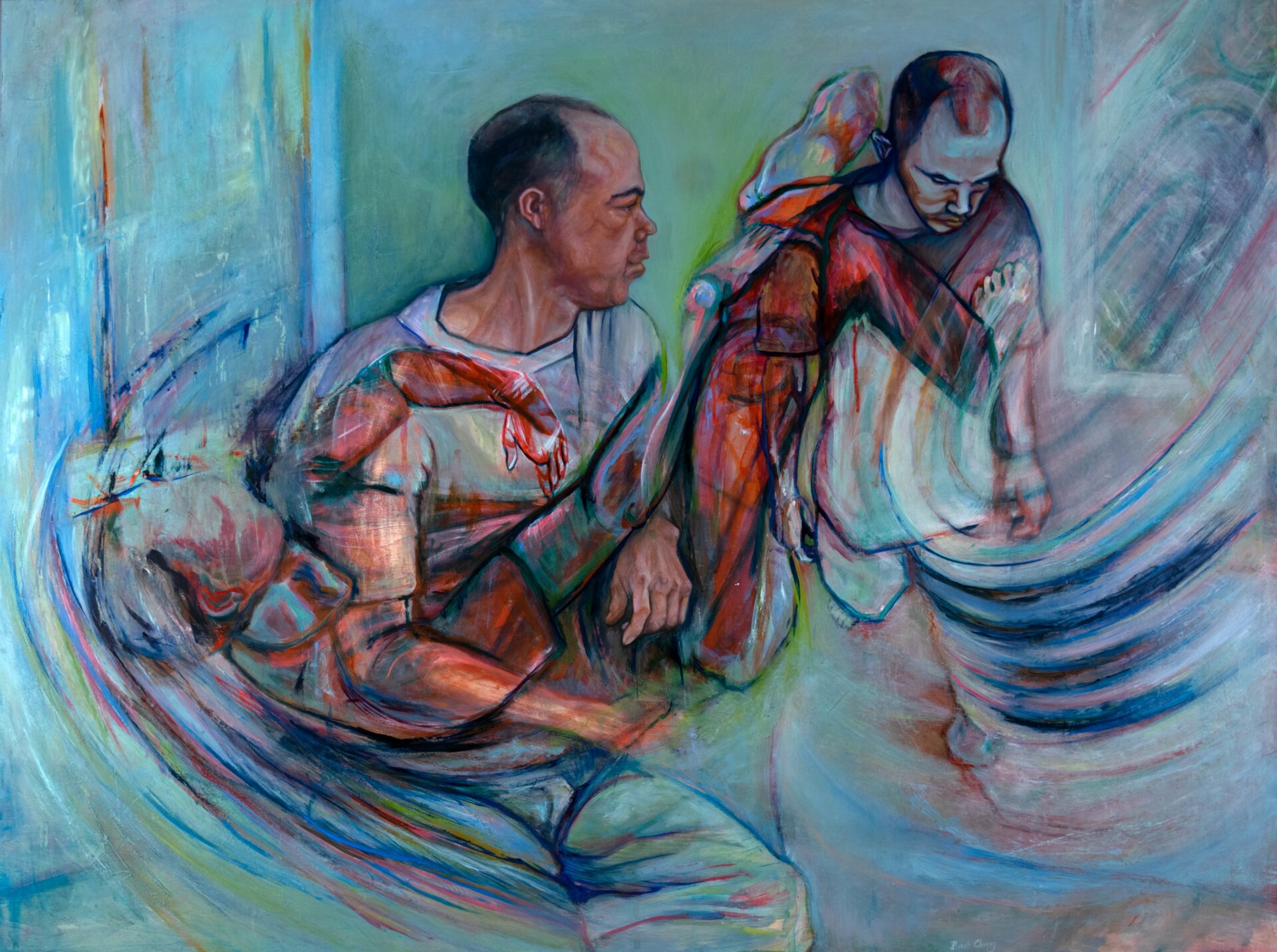
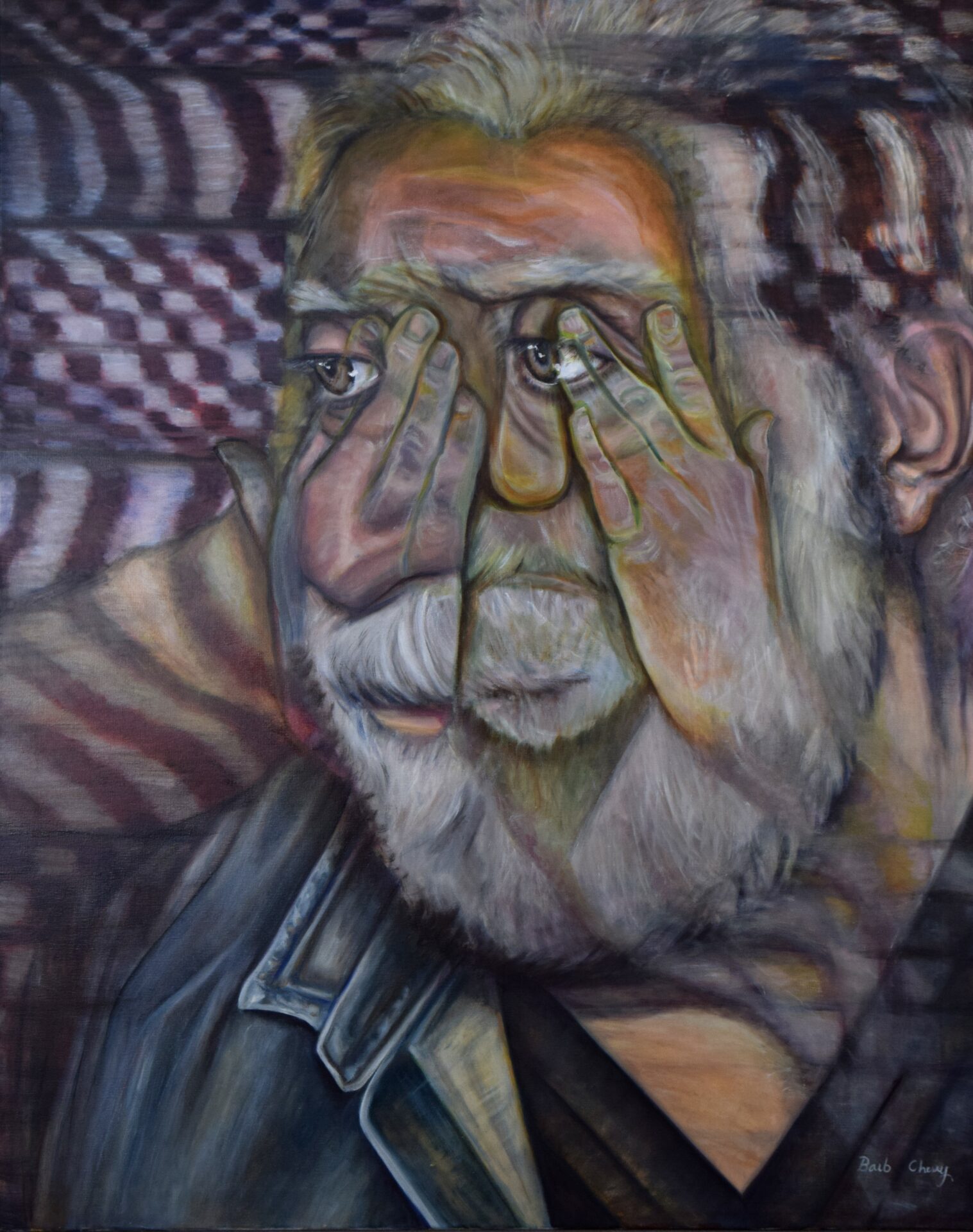
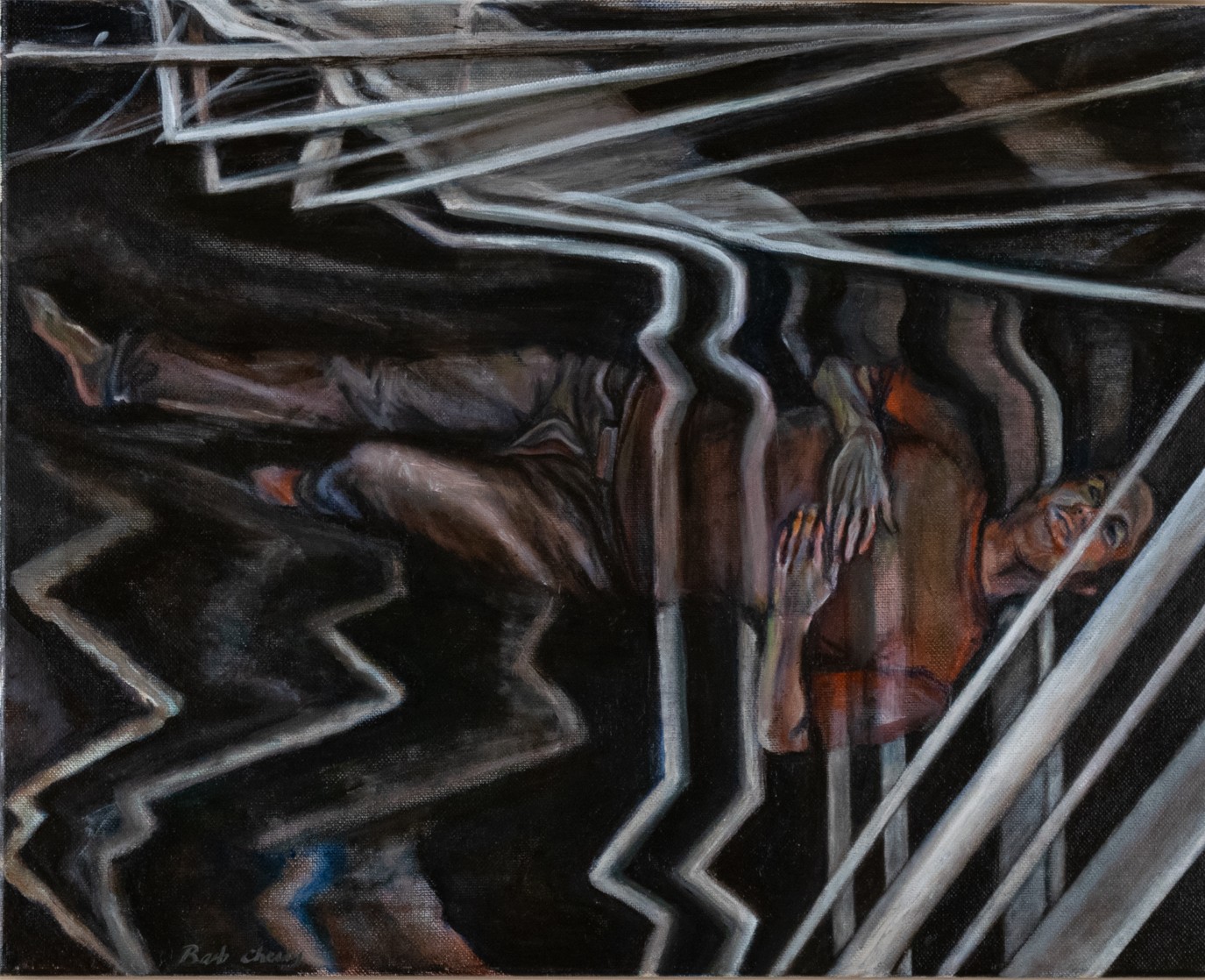
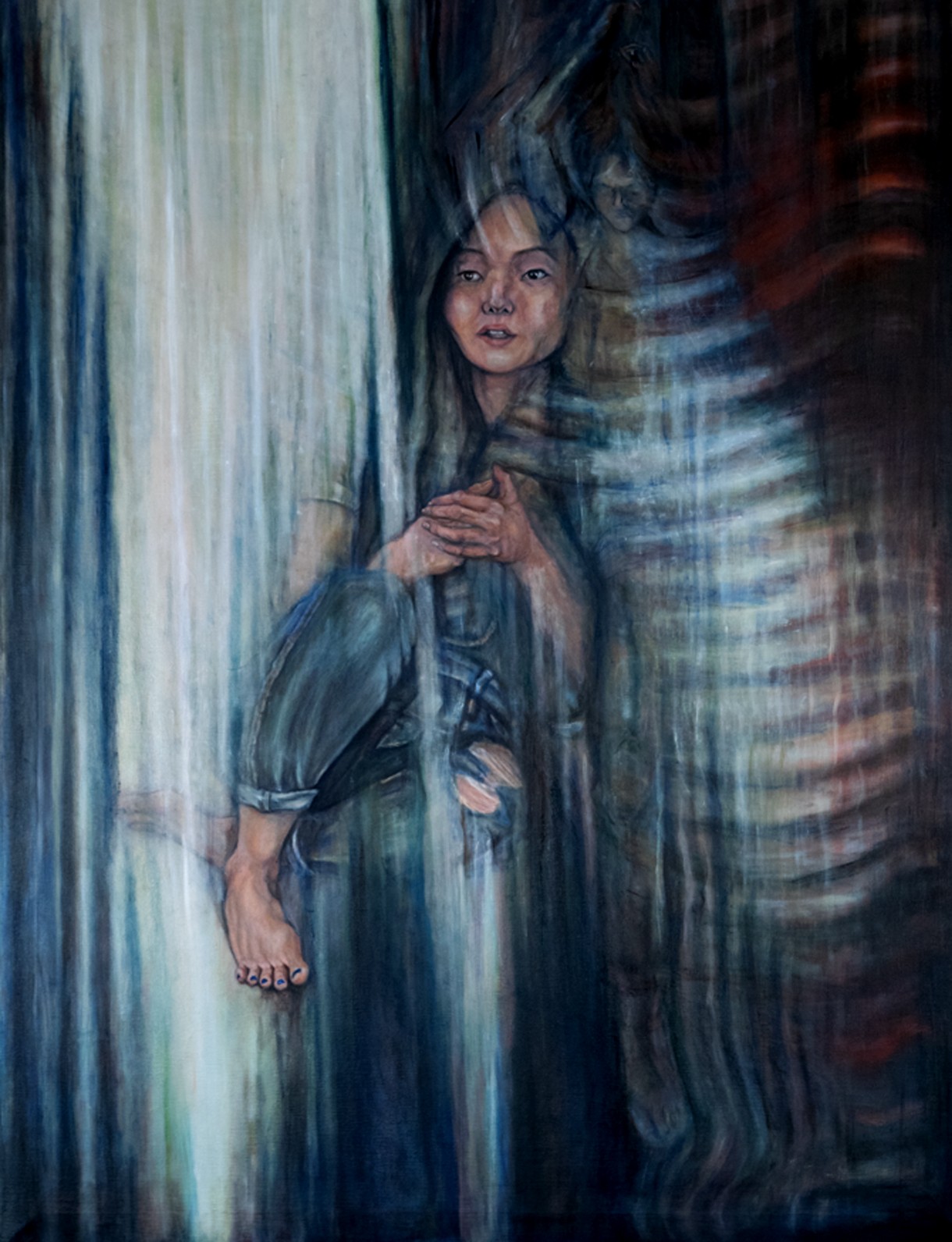
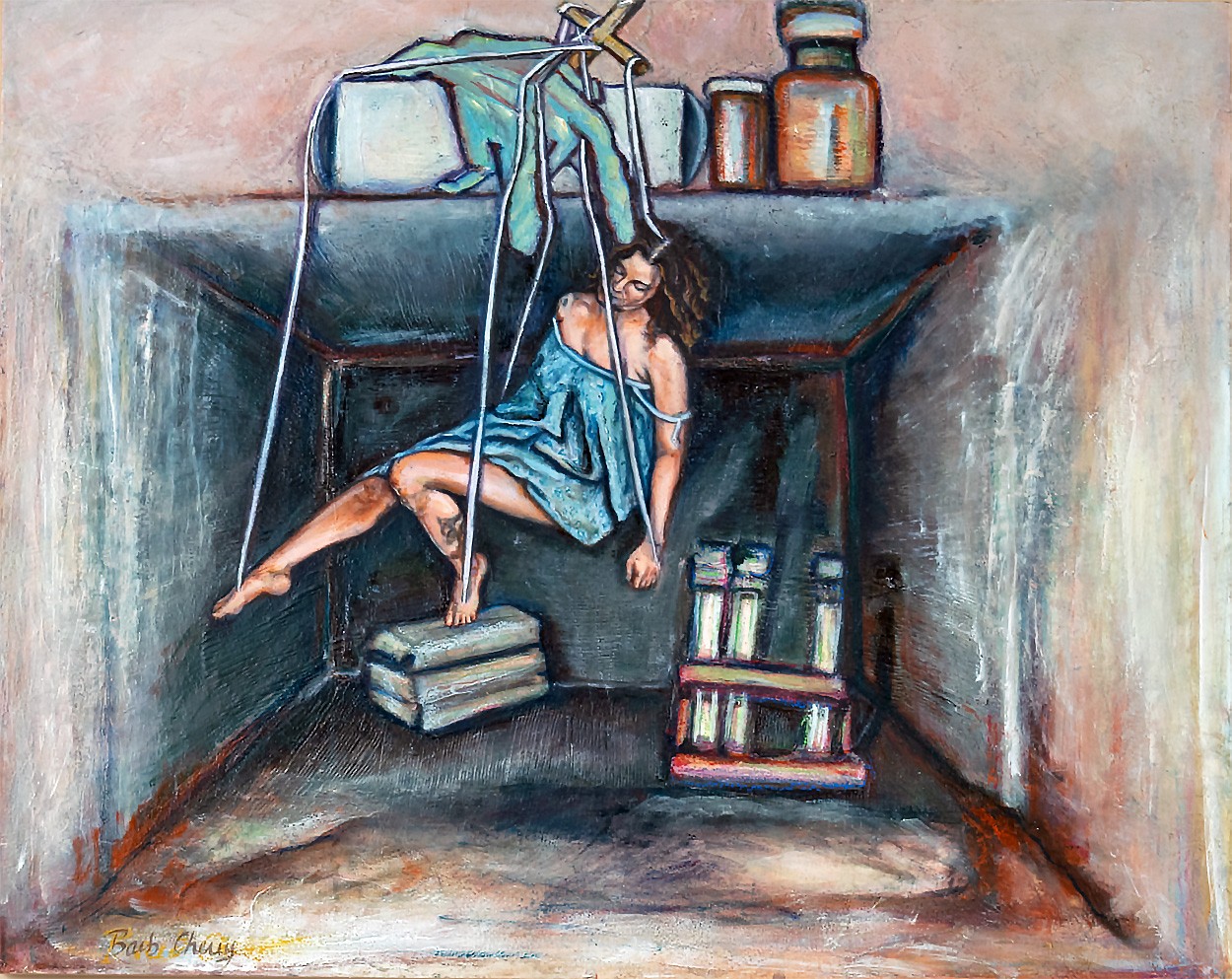
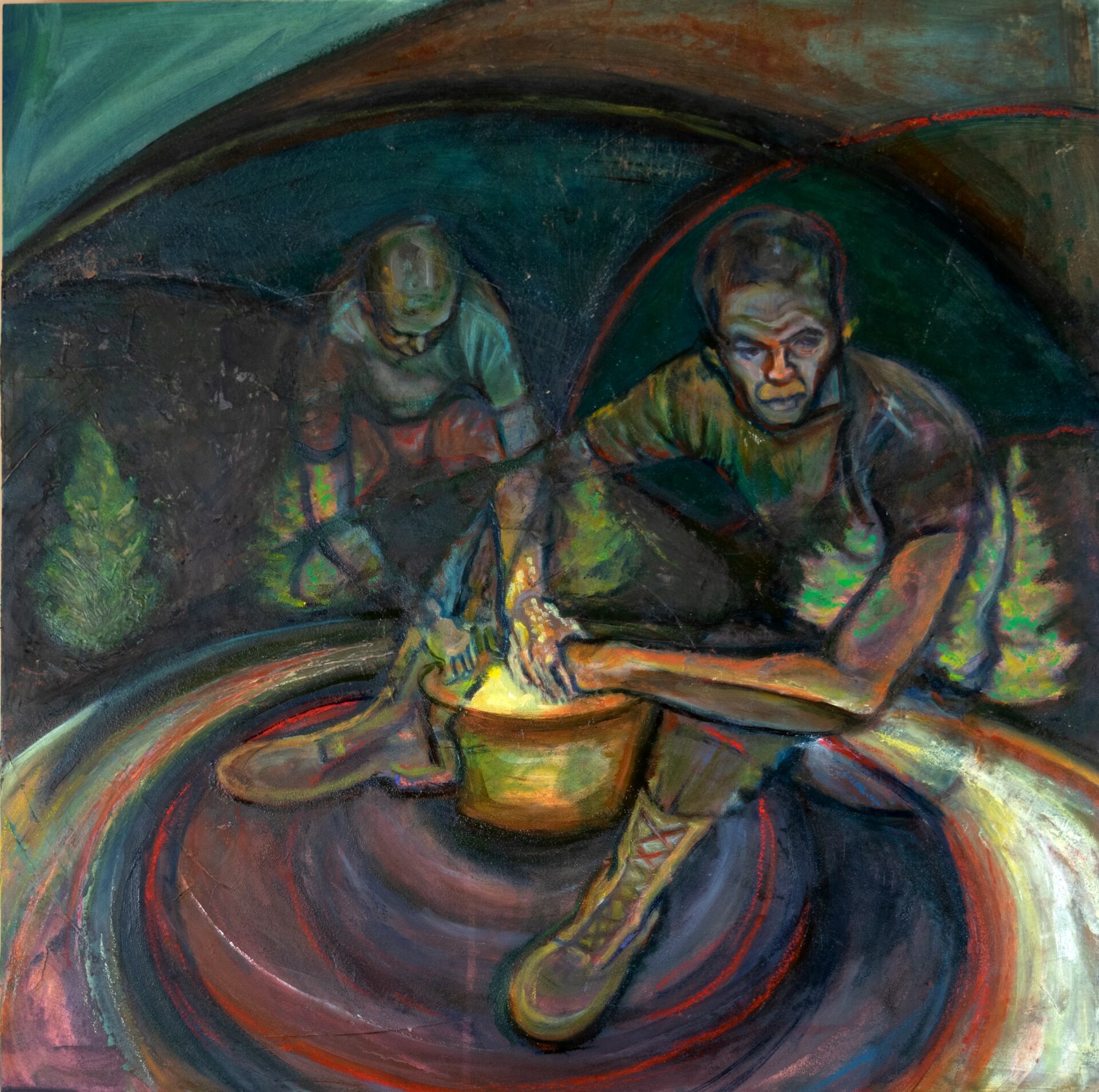
Image Credits
details of paintings https://www.thebarbart.com/deperson-1 https://www.thebarbart.com/assorted