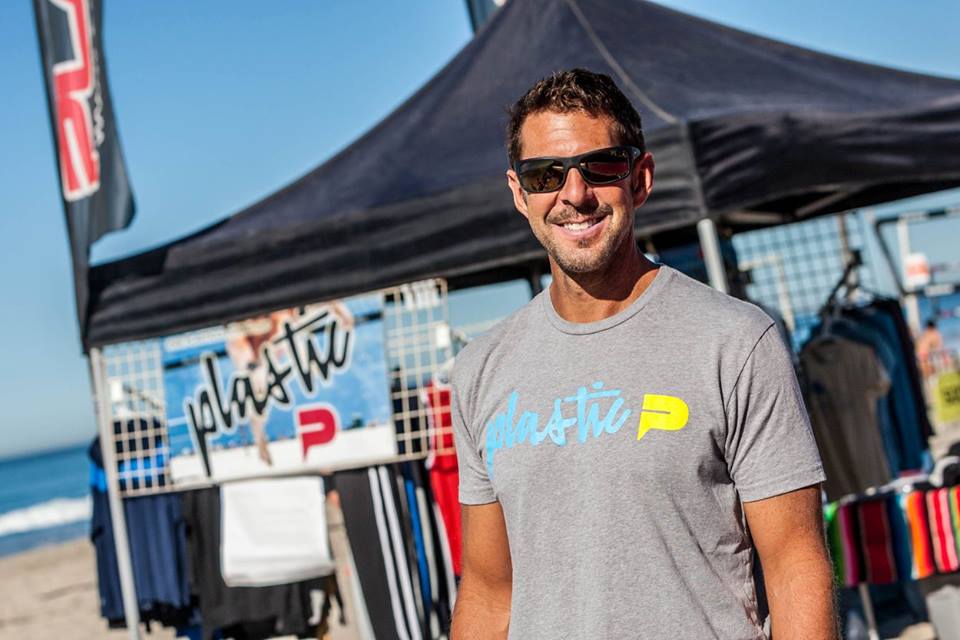
We caught up with the brilliant and insightful Bethany Dearborn Hiser a few weeks ago and have shared our conversation below.
Hi Bethany Dearborn, appreciate you sitting with us today to share your wisdom with our readers. So, let’s start with resilience – where do you get your resilience from?
That is such a good and challenging question! I think we develop resilience throughout our lives as we face challenges and are supported in getting back up and integrating those experiences. I learned resilience as my family navigated various moves to different countries when I was little and we connected to communities in those places. We know now how important attachment is in every child’s well-being. To know we are loved and cared for, to be told we can do hard things, and supported in to doing them.
However, I think I thought I was too resilient, or rather ‘tough enough’ to handle a lot of challenges.
I had to learn the importance of deeper soul care through the fire of my own burnout. For years, I worked directly with folks experiencing sexual and domestic violence, as well as navigating the various systems of immigration, incarceration and substance recovery; coming alongside women in jail, folks getting deported, and those in recovery, and relapse.
I’m going to share a story of a significant turning point, and read an excerpt from my book, From Burned Out to Beloved: Soul Care for Wounded Healers.
Burnout came into my awareness during a domestic violence advocacy appointment with a mother whose daughter was experiencing domestic violence. In the midst of the mother’s grief, she cried out “Porqué los hombres hacen eso?” (“Why do men do this?”) It was a question I myself had been grappling with, and the floodgates opened. We both sobbed and sobbed.
“This moment broke something open in me. I had lost my ability to listen empathetically and keep my emotions in control. Now my professional social work armor of showing care but not being vulnerable had disintegrated. All the unprocessed stories had been piling up in me. I sobbed not just for this mother and her daughter but also for the many who had experienced similar abuse; all those stories I still carried with me. While tears can sometimes be connecting, I wasn’t able to be present with that mother as my own grief poured out.
I left that meeting knowing I needed to make some changes. I couldn’t stem the tide of tears. I took an emergency week off not long after that—to address my own mental health. I felt like I couldn’t function. The grief, stress, lack of boundaries, and accumulated secondary trauma overwhelmed me. I was exhausted physically, emotionally, and mentally…Without realizing it, I was experiencing textbook burnout.”
My burnout was in part due to the traumatic stories I was hearing, and also very much due to my own workplace codependency. I had to come to the end of myself, realizing the ways I had taken on too much and denied my needs in unhealthy ways.
Although I still struggle to listen to my body and take breaks. I am so much more aware of the internal narratives that drive my behavior and can more quickly identify those voices, slow down, and create balance in my life. I’ve come to see how taking care of my self is not optional, it’s essential. Seeking out support from others and doing my own inner work helps me to be more grounded in who I am, more present to those I work with, and more resilient in my work and life.
Great, so let’s take a few minutes and cover your story. What should folks know about you and what you do?
As a result of my own burnout, I have become passionate about Trauma-Informed Soul Care, being a sort of midwife alongside primarily helping professionals as they dig into the deeper reasons why they don’t take care of themselves, navigate secondary trauma, and learn to live into their immense worth and value.
I describe Trauma-Informed Soul Care as a practice of tending to one’s whole self that is grounded in our core identity in order to be resilient, thrive, and love others as we love ourselves. It involves knowing who we are, how we are impacted by secondary trauma, and journeying towards recovery and healing.
Throughout my life, I’ve often found myself straddling different worlds, trying to bring them together and point out the commonalities. Although there are excellent resources on secondary trauma, spiritual disciplines, healing, and addiction recovery, when I was recovering from burnout I struggled to find resources combining the four fields. My soul care offerings and my book, From Burned Out to Beloved blends these often-disparate worlds.
I weave together various contemplative, somatic practices, and recovery tools in the sacred space of individual appointments, soul care groups and workshops. Based on my book’s material, workshops seek to improve the overall well-being of individuals, enhance organizational culture, and improve sustainability and effectiveness in work.
For the past year, I’ve been writing a new weekly Soul Care for Wounded Healers newsletter, with two different series, focusing on Recovery & Resurrection, and the second on Returning to Our Soul Home. It is a joy to accompany others in the brave and important work of tending to our selves.
You can sign up for my newsletter here: https://bethanydearbornhiser.substack.com/
Looking back, what do you think were the three qualities, skills, or areas of knowledge that were most impactful in your journey? What advice do you have for folks who are early in their journey in terms of how they can best develop or improve on these?
The three areas of knowledge that were most impactful in my journey are:
Learning to root my identity as already beloved, instead of in what I do or what others say about me, has been the most foundational to change and healing. I have value and worth no matter what. I can say no or yes from a healthy and grounded place not swayed by the feedback of others or the productivity of my work. Inner work is worth it, because you are worth it.
The second key to change has been understanding that our inner beliefs and perceptions affect our care for others and ourselves. In From Burned Out to Beloved, I explain: “Without us being aware, false beliefs drive our feelings of anger, shame, guilt, or unworthiness. We end up less able to care for the person in front of us and more likely to be depleted due to stress and lack of rest. When such patterns continue, they often lead to utter exhaustion and even symptoms of post-traumatic stress. Some feel so disillusioned and disheartened that they leave their work…Understanding our beliefs is an important step to free us from shame and to help us move toward wholeness and resilience.”
Third, soul care not only benefits us and makes us more resilient, it makes our advocacy, social justice, teaching, and helping work more sustainable and effective. By doing our own inner work, we show up more present to those in our lives and work. It helps us to slow down and work from a more grounded place as we face challenging and traumatic realities. We also affect the environments we work in, creating support for colleagues and enhancing systems we are part of. Soul care is not necessarily more to do, but a different way of being.
As we end our chat, is there a book you can leave people with that’s been meaningful to you and your development?
Trauma Stewardship: An Everyday Guide to Caring for Self While Caring for Others, by Laura van Dernoot Lipsky and Connie Burk, opened my eyes to how my work was impacting me and helped me to see that I desperately needed help.The sense that I could never do enough, the guilt I felt for taking care of myself, these are common responses to trauma exposure.
Lipsky & Burk also emphasize the importance of daily practices which has been an essential tool for my recovery and resilience. Daily and weekly practices have the potential to root us in true narratives, reconnect us with ourselves and our spirituality, and offer refreshment and renewal. They also help us practice our boundaries and acknowledge our limits.
Contact Info:
- Website: https://www.bethanydearbornhiser.com/
- Instagram: https://www.instagram.com/bethanydhiser/
- Facebook: https://www.facebook.com/traumainformedsoulcare
- Twitter: https://twitter.com/bethanydhiser
- Other: Newsletter: https://bethanydearbornhiser.substack.com/
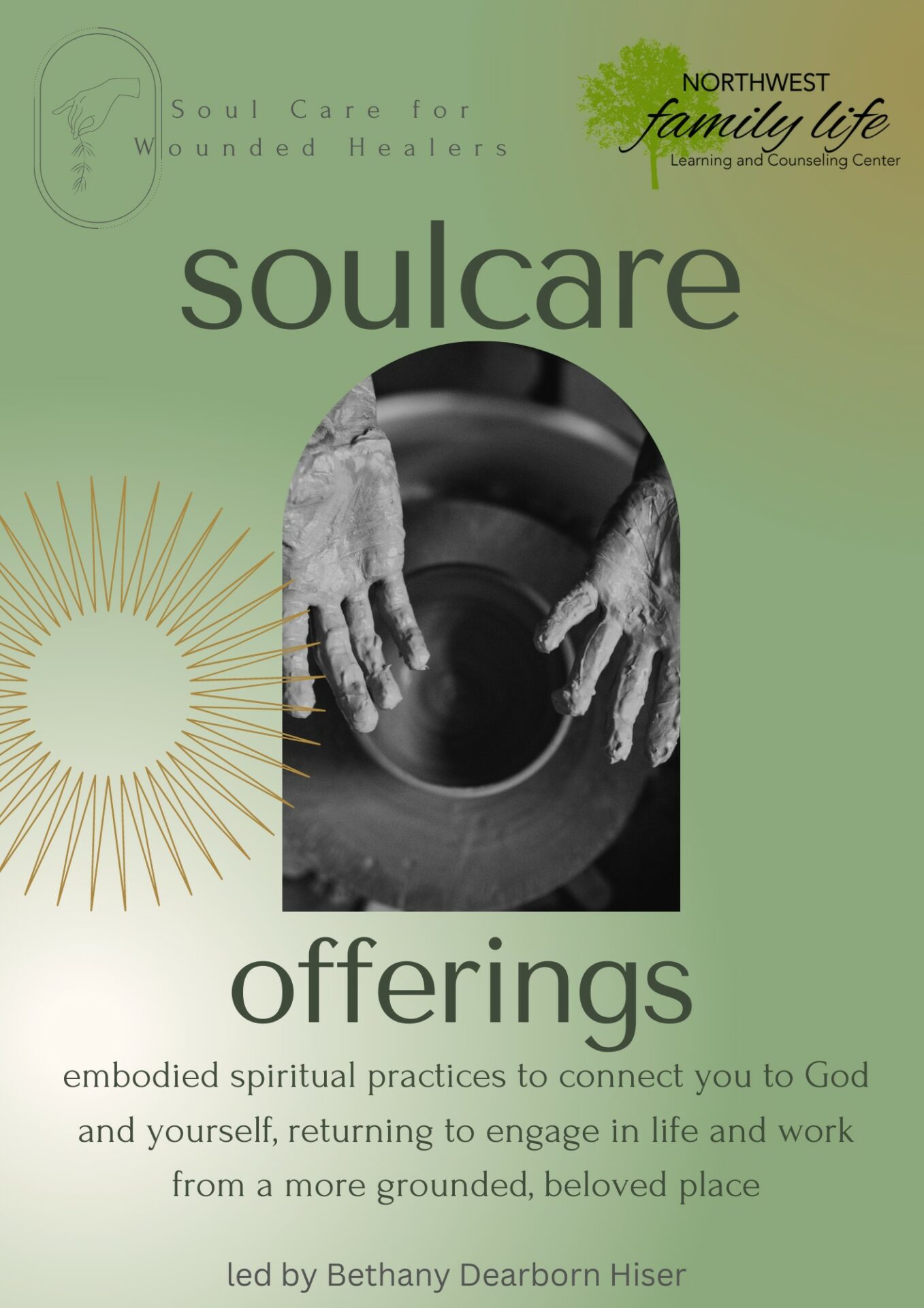

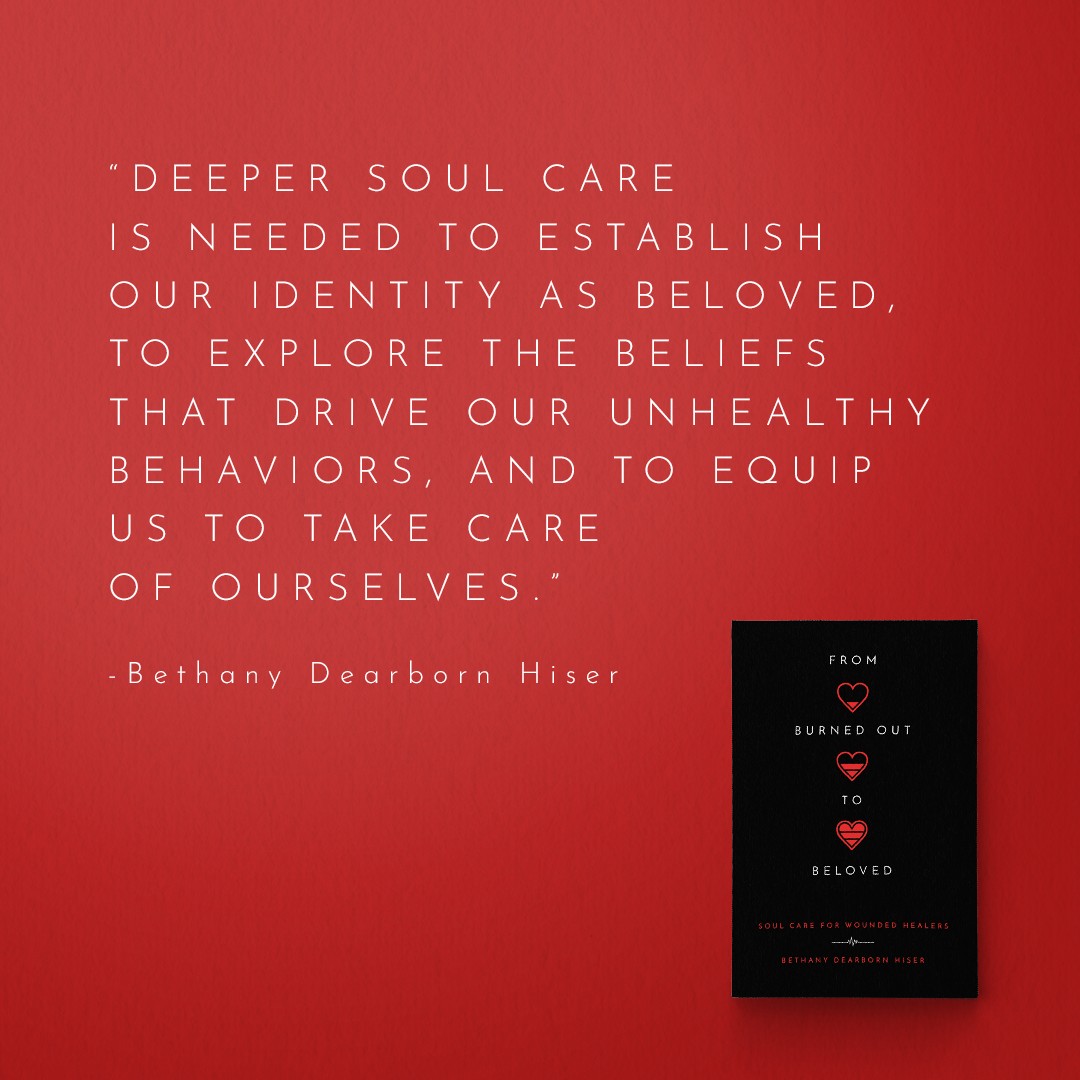

Image Credits
InterVarsity Press Bethany Dearborn Hiser