Alright – so today we’ve got the honor of introducing you to Brooks Upham. We think you’ll enjoy our conversation, we’ve shared it below.
Brooks, we are so appreciative of you taking the time to open up about the extremely important, albeit personal, topic of mental health. Can you talk to us about your journey and how you were able to overcome the challenges related to mental issues? For readers, please note this is not medical advice, we are not doctors, you should always consult professionals for advice and that this is merely one person sharing their story and experience.
I built up an identity for myself in high school, as I’m sure most of us do. It was a time where I was discovering what makes me come alive more than I ever had before, and it was exhilarating. One of the biggest things I defined myself by was the idea of adventure. I picked up a camera at the beginning of high school, which led to many hikes early in the morning to capture beautiful mountain sunrise views. These hikes became longer and more arduous, until I was climbing up cliffs over hundreds of feet of exposure, or waking up at 11pm to hike through the night, capturing sunrise from the tops of jagged peaks.
As I continued to grow in this masochistic passion, I found myself turning my camera to the experience more than the landscape. I longed to perfectly capture the feelings my friends and I experienced during these adventures: fatigued eyes after a night of hiking, the exhilaration of diving into a freezing cold alpine lake, small figures silhouetted on a ridge at sunrise. It was during these deeply emotional experiences that I felt most alive. More than just adrenaline, I felt a deep sense of gratitude and authenticity. These core experiences have led me to define myself as an adventurer. But then, I uncovered a new type of adventure, one that was arguably the most relevant and critical mission I’d faced yet: living wholeheartedly.
I was diagnosed with anxiety when I was younger, and I hid under that as an identity for a lot of my life. I still do to some degree. These days I also struggle with depression, and I tend to wallow in the shame of being broken. I constantly critique myself for thinking and feeling the way that I do. It doesn’t feel like I’ve overcome anything yet, but more like a constant journey trying to understand my heart and talk compassionately to the different parts of myself.
I used to think of mental health like a battle, me versus myself. If negative thoughts would come up, I would shove them down and tell myself to think positively. This would buy me a moment of solace, but ultimately just stirred up my self-hatred and shame even more. It wasn’t until a wise therapist painted the picture of comforting a small child that I began to think differently. If I came across a little boy sitting on the ground crying, I wouldn’t just keep walking and tell him to suck it up – I would squat down to his level and comfort him. I would ask him what was wrong. Through a class called Shame and Grace at my university, I learned about the crippling effects of shame that we all experience without being aware of it. I learned how so much of what I do (curating my personality, loosely placing emotional boundaries, etc) stems from the fear of not being enough.
This is what I believe it means to live wholeheartedly – living life with full acceptance of my imperfection. Under the rule of perfectionism, acceptance comes from others. But under authenticity, acceptance comes from living life with open expectations.
It’s hard for me to treat the anxious and depressed parts of myself like a sad and scared little boy, but I am constantly growing and getting better at accepting grace. Being gentle with yourself is hard. Accepting that you’re broken, and that it’s okay to be broken, is hard. It has been a long slog to the top of a mountain, and I’m not at the summit yet. But this is the adventure of learning to live wholeheartedly.
Thanks, so before we move on maybe you can share a bit more about yourself?
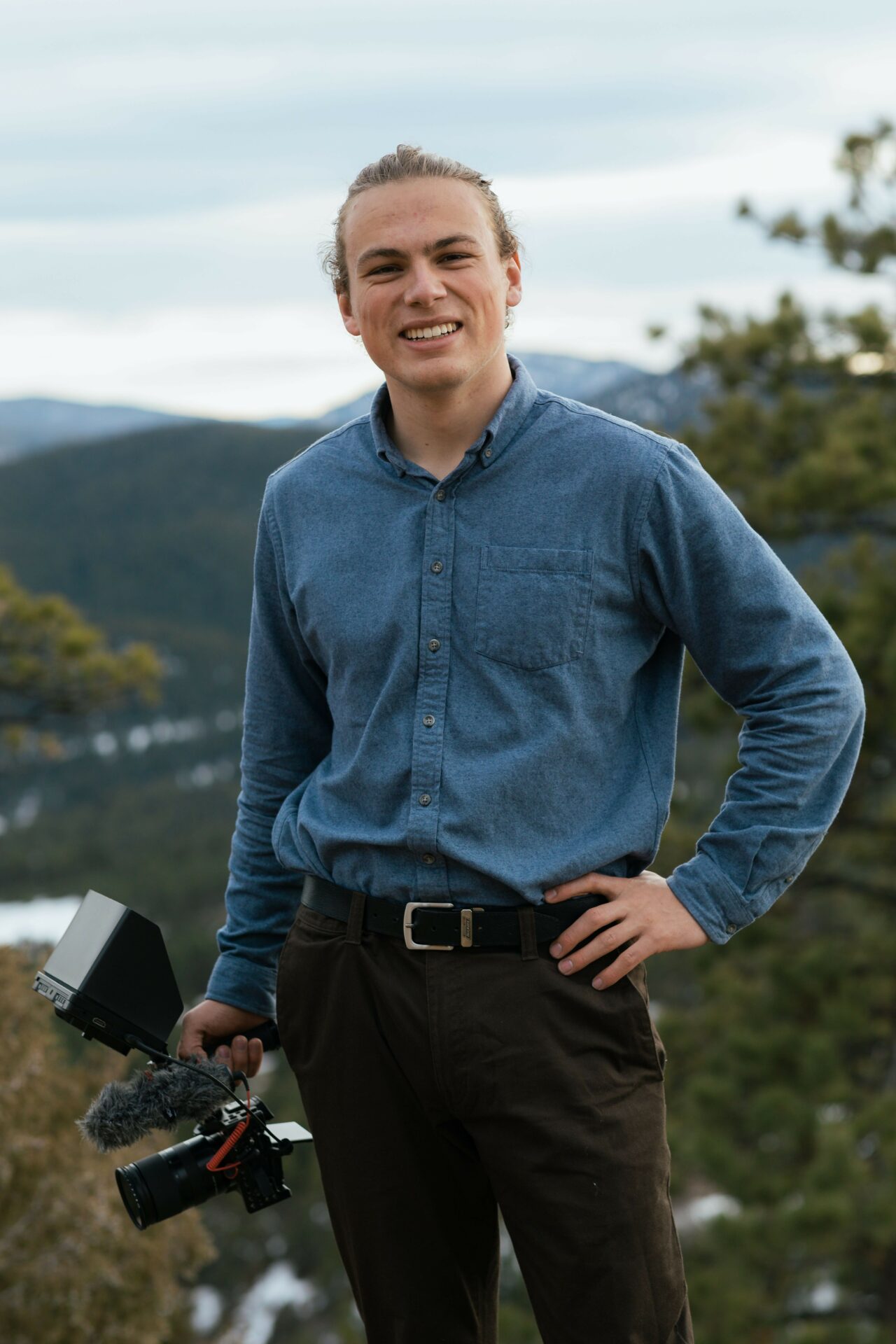
I got into photography in high school, and that turned into videography in college. I now call myself a filmmaker, not just because it sounds more pretentious (even though it does), but because I think it encapsulates intentional artistic storytelling more than videography does.
These days I am focusing on storytelling for brands – whether that be powerful testimonials from people affected by a brand, or stories of inspiring people creating change and fighting their personal battles in those spaces. People want to connect with brands over more than just a solid product – they want to know that who they’re buying from stands for something. What better way to connect people than through stories? I’m constantly trying to find stories that are really genuine and heartfelt, not just a front for a marketing ploy. I believe the skill of making anything relatable and human is one worth developing, because that’s how great ideas are spread and people are united.
Recently I’ve been interested in finding stories to tell about mental health and human relationships. I want to create work that truly shows people they’re not alone in their struggles, something that dignifies the journey of learning to understand yourself. I think it’s really easy to get corny and cliche with these types of “lessons,” but authentic storytelling is so good at bringing things back to earth and making them relatable. That’s what I find most rewarding in my work, showing people something in a new way they hadn’t considered before. Taking all these technical skills with a camera and audio and lighting, and somehow wielding those well and simultaneously forgetting about them so you can focus on storytelling and human connection. Ah. I know I won’t ever fully master it. I guess that’s another thing I love about this crazy art.
There is so much advice out there about all the different skills and qualities folks need to develop in order to succeed in today’s highly competitive environment and often it can feel overwhelming. So, if we had to break it down to just the three that matter most, which three skills or qualities would you focus on?
Honestly, I don’t feel very qualified to be giving advice. I’m 22. I feel like I have so much to learn. I guess if I had to give 3 pieces of advice to whoever might be reading this, the first one would be try not to compare yourself to where others are at in their journeys. That held me back for a long time, and it still does, because through my eyes everyone else is always more skilled and wise than I am. But when I really flex the self-reflection muscle and look at how far I’ve come, I realize I have a lot more to offer that I was originally discounting. And I’d bet whoever is reading this would find the same. You are the only one who can see things from your perspective. Trust your unique process!
One of the things I’ve learned from reflecting on my own story is to lean into being afraid. Through a number of stories that are too long to share here, I’ve learned that fear will never go away, but you can change how you respond to it. Even as you overcome fears in life, new things just keep popping up (at least for me). When I was a kid, I used to be afraid of jumping off of the monkey bars. Now I’m afraid of letting people in too close and not being enough. Ha. But seriously, what I’m trying to say is that specific fears change but choosing to face them will grow you.
For me, knowing technical things about cameras was a great starting point, but I think trying to glean inspiration from other artists in different fields has been really life-giving. Learning more about the human experience through other people’s perspective and mediums has opened up other inspiration for me to tell stories in interesting ways. I’m always trying to search for different ideas in other people’s work!
Who is your ideal client or what sort of characteristics would make someone an ideal client for you?
My ideal client is open to letting me take creative direction and trusts my process. I’ve been really lucky to have some clients that have given me the vision for what they want to achieve and let me run with the project. This year I got to tell the story of a woman whose life ha been changed through a non-profit program. The client let me take a lot of creative freedom with how I chose to engage people in the story with flashbacks and some more artistic camera effects, but in the end I believe it communicated her story in a way that made people care. And that is always the end goal.
When a client hires me for my unique vision and skills, I know we are going to have a great partnership.
Contact Info:
- Website: https://brooksupham.co/
- Instagram: https://www.instagram.com/brooksupham/
- Linkedin: https://www.linkedin.com/in/brooks-upham-78b6971bb/
- Youtube: https://www.youtube.com/channel/UC2J_ipbP-yzLvfpEicwcdJg
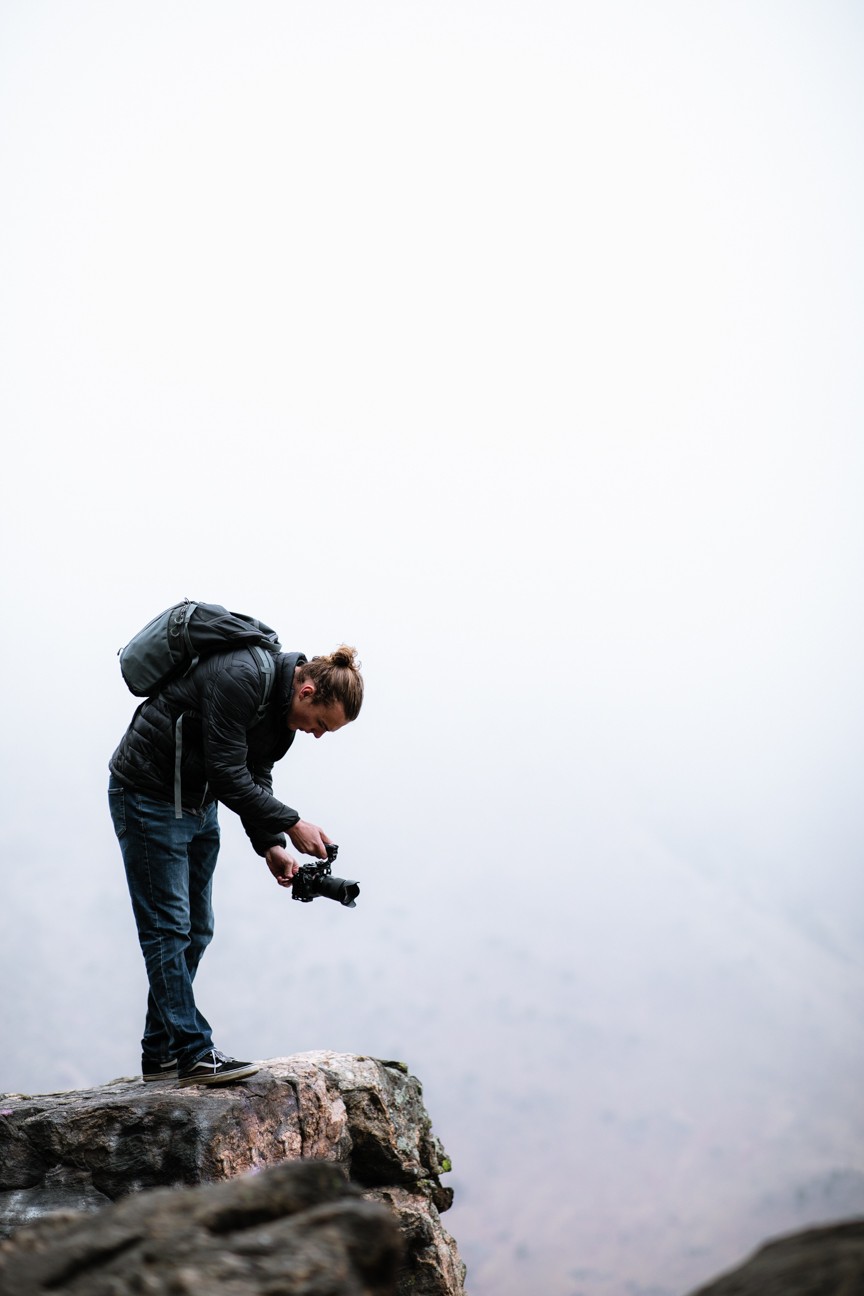

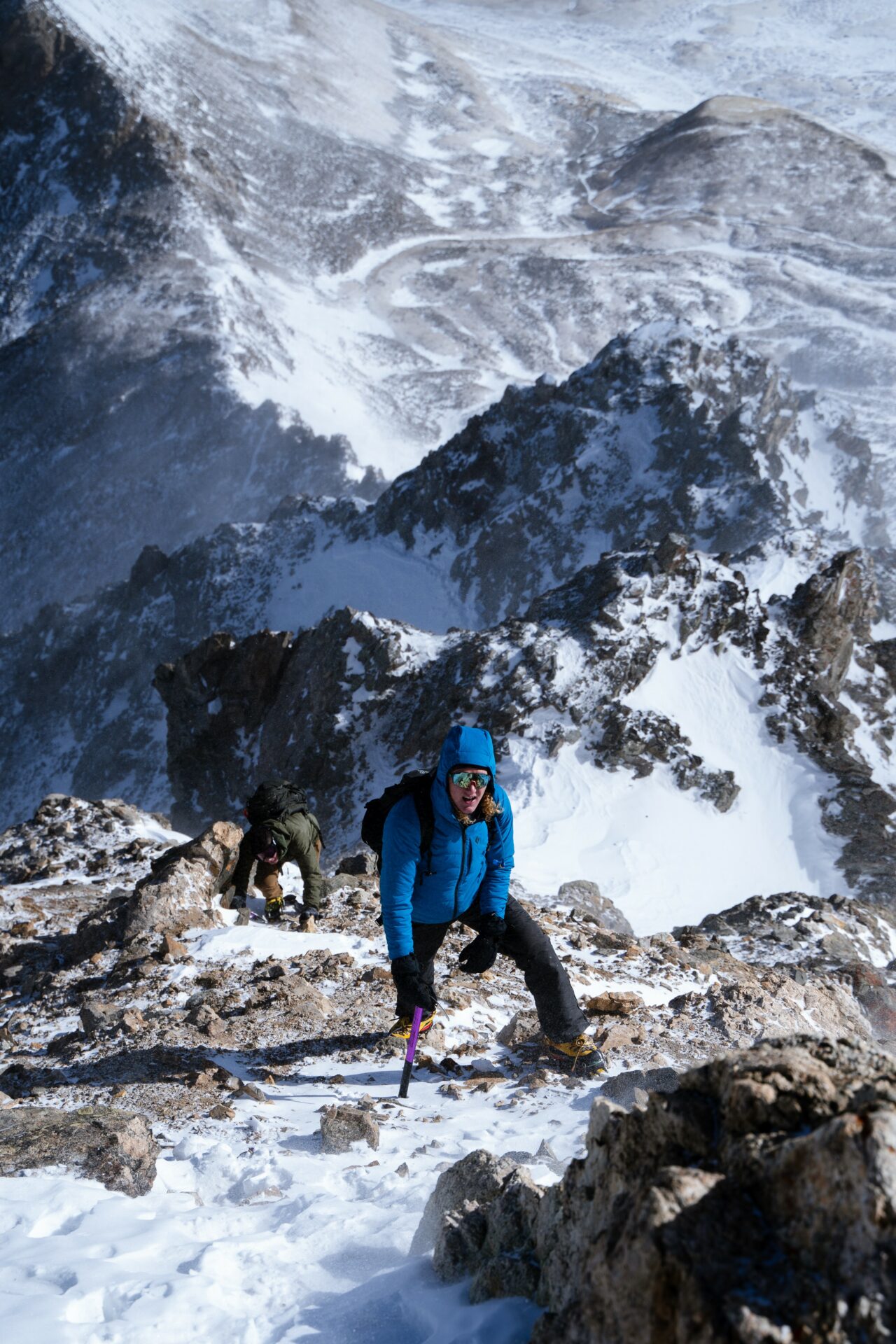
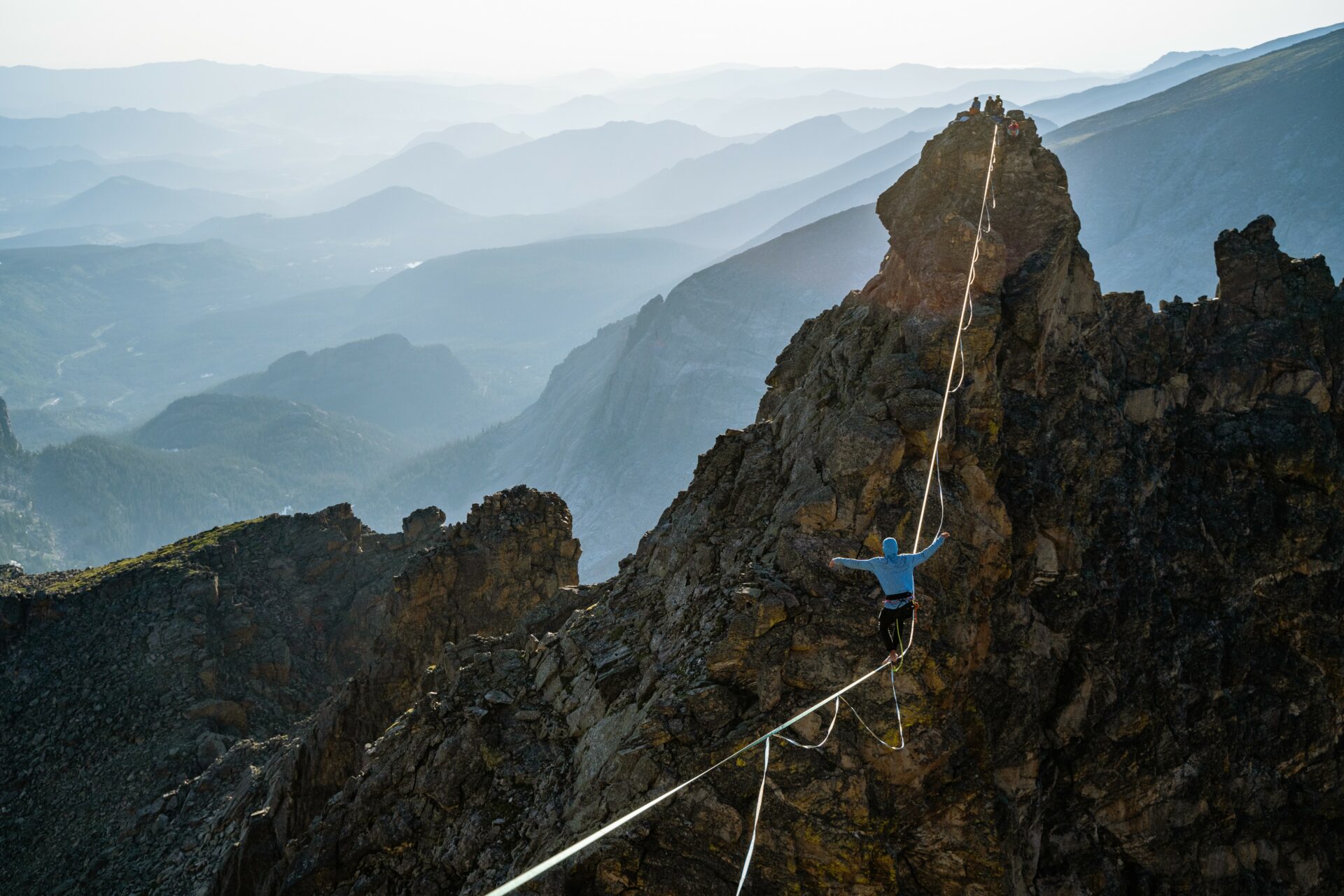
Image Credits
All photo credit: Brooks Upham