We were lucky to catch up with Clay Conger recently and have shared our conversation below.
Clay, so great to be with you and I think a lot of folks are going to benefit from hearing your story and lessons and wisdom. Imposter Syndrome is something that we know how words to describe, but it’s something that has held people back forever and so we’re really interested to hear about your story and how you overcame imposter syndrome.
I can’t say I ever experienced Imposter Syndrome for the simple reason that I don’t draw on other people’s work when creating my own. I dive into a variety of work as any decent artist does – music, literature, film, paintings and video games – and undoubtedly they have influenced me both as subtly and yet profoundly as a change in seasons. However, I don’t sit down with another piece of art in my head and start writing. And this isn’t to sound self-aggrandizing but just the way I work and because of this, I know that what I create is mine. Being an artist is filled with frustration, doubt and caffeine, but luckily I never felt the burden of fraud. And the vaccine for that is as easy as being inspired, and letting that inspiration soak in you instead of using it as a template.
Thanks, so before we move on maybe you can share a bit more about yourself?
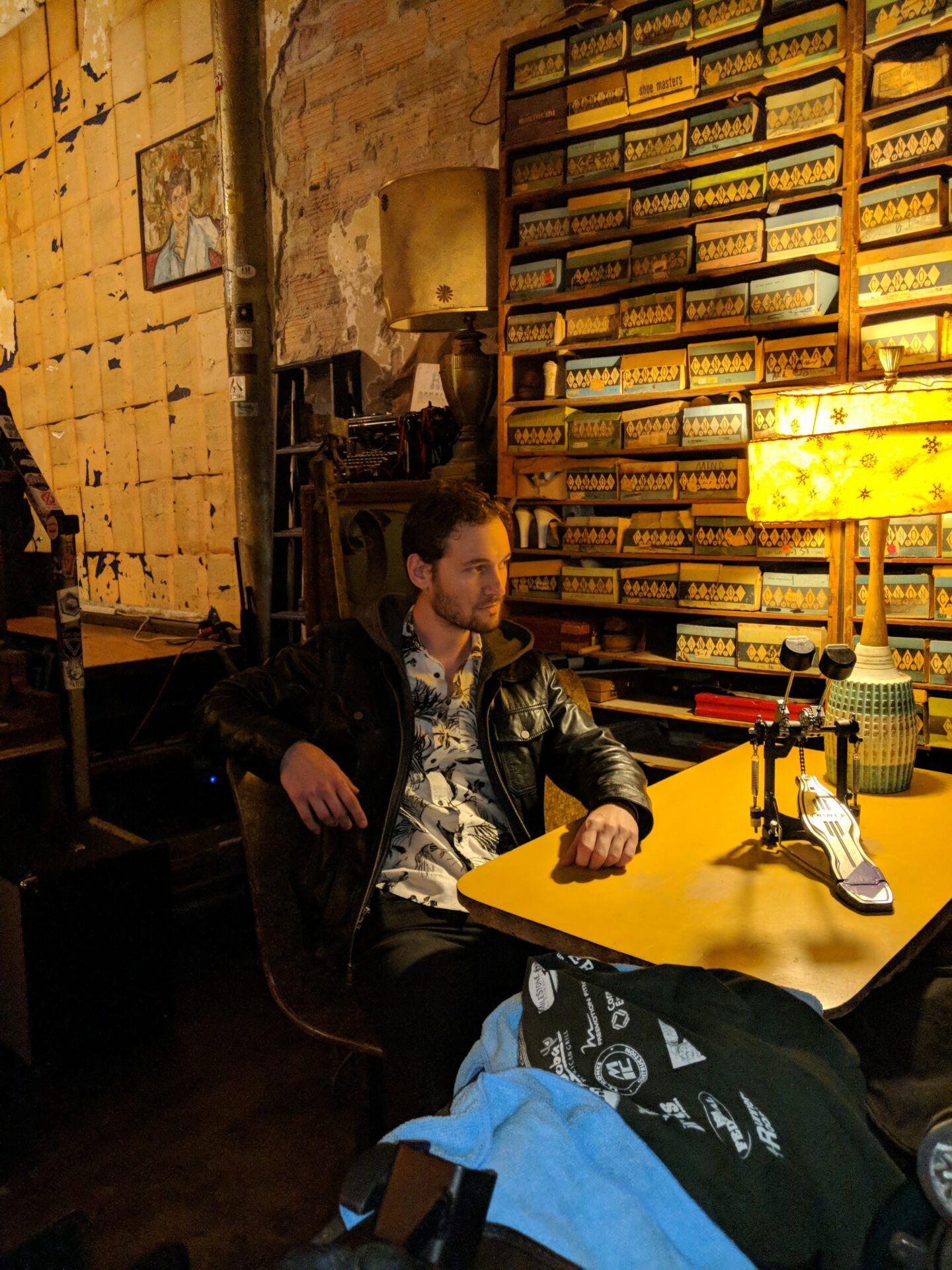
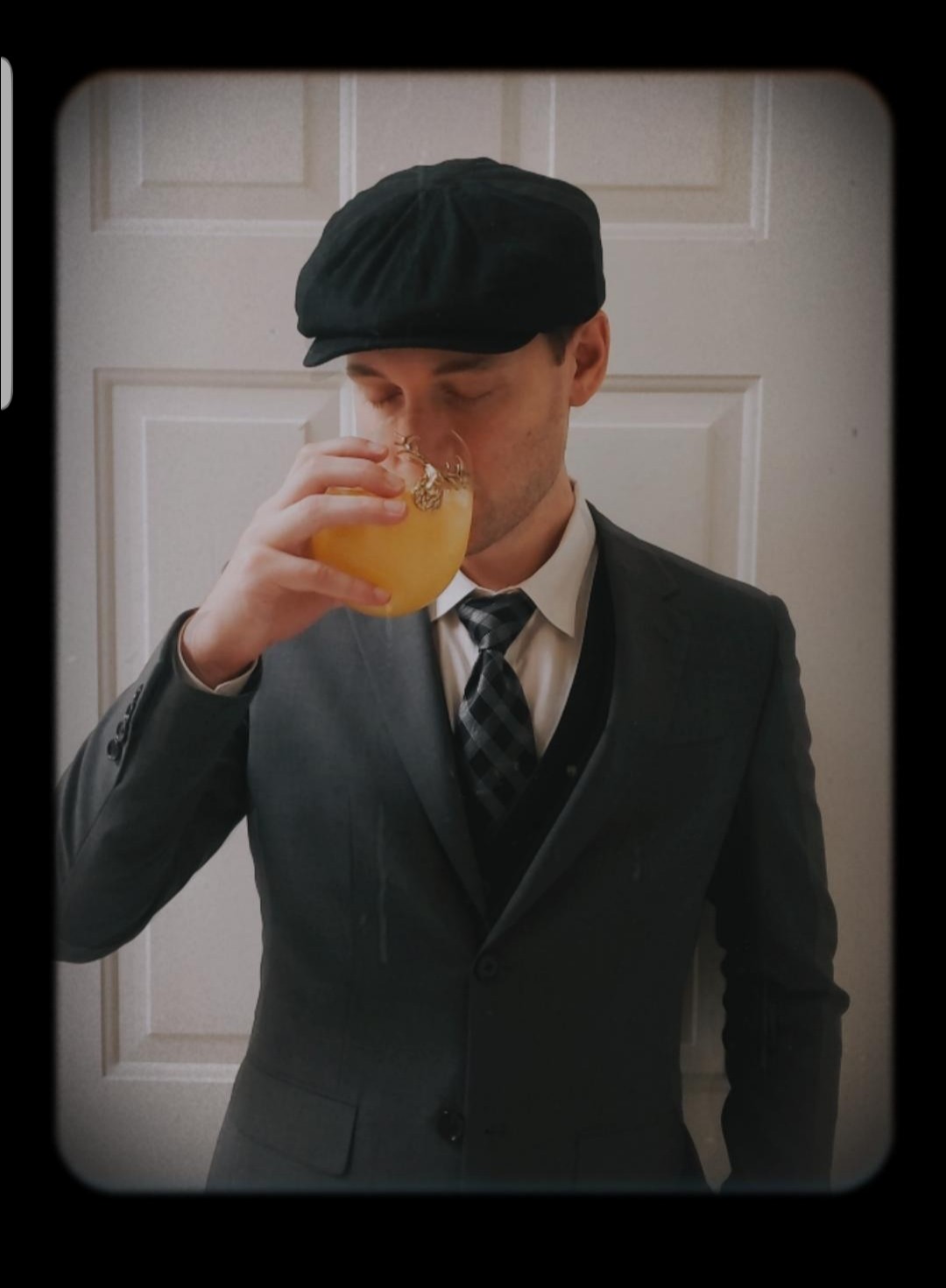
For rent, food and the occasional cocktail hour I work as a Team Lead for a finance app. The fun stuff is mostly writing-related. I have a YouTube channel, “Clear Critique” where I review movies and create video essays and musical montages. My most popular videos focus on the horror genre and the James Bond franchise, but I cover many other topics. I am currently working on a non-fiction book with my sister about our half-Turkish, half-white family and a certain matriarch at its center. I am also writing some short horror scripts that I hope to adapt to film in the near future.
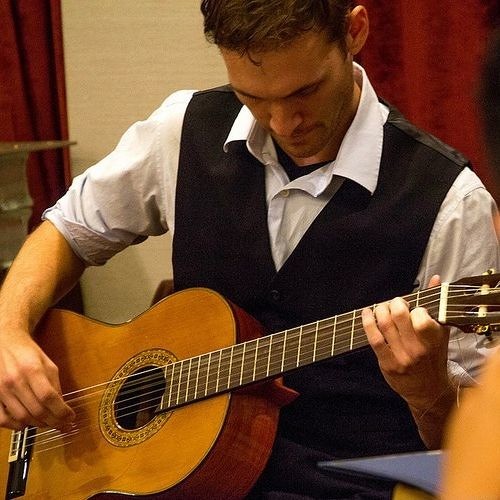
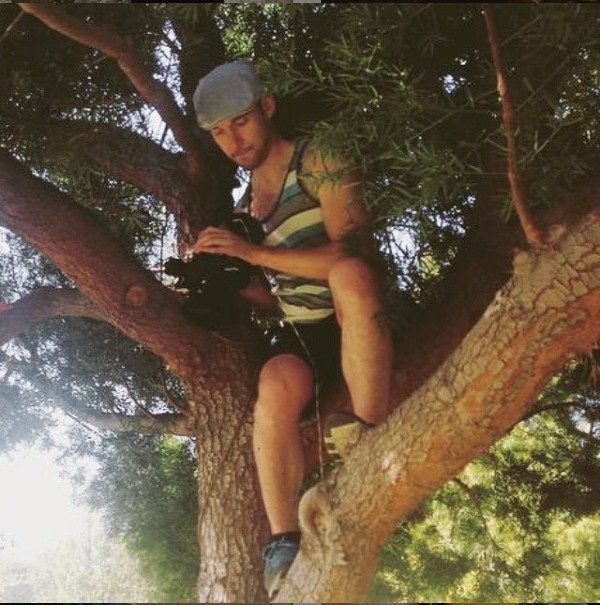
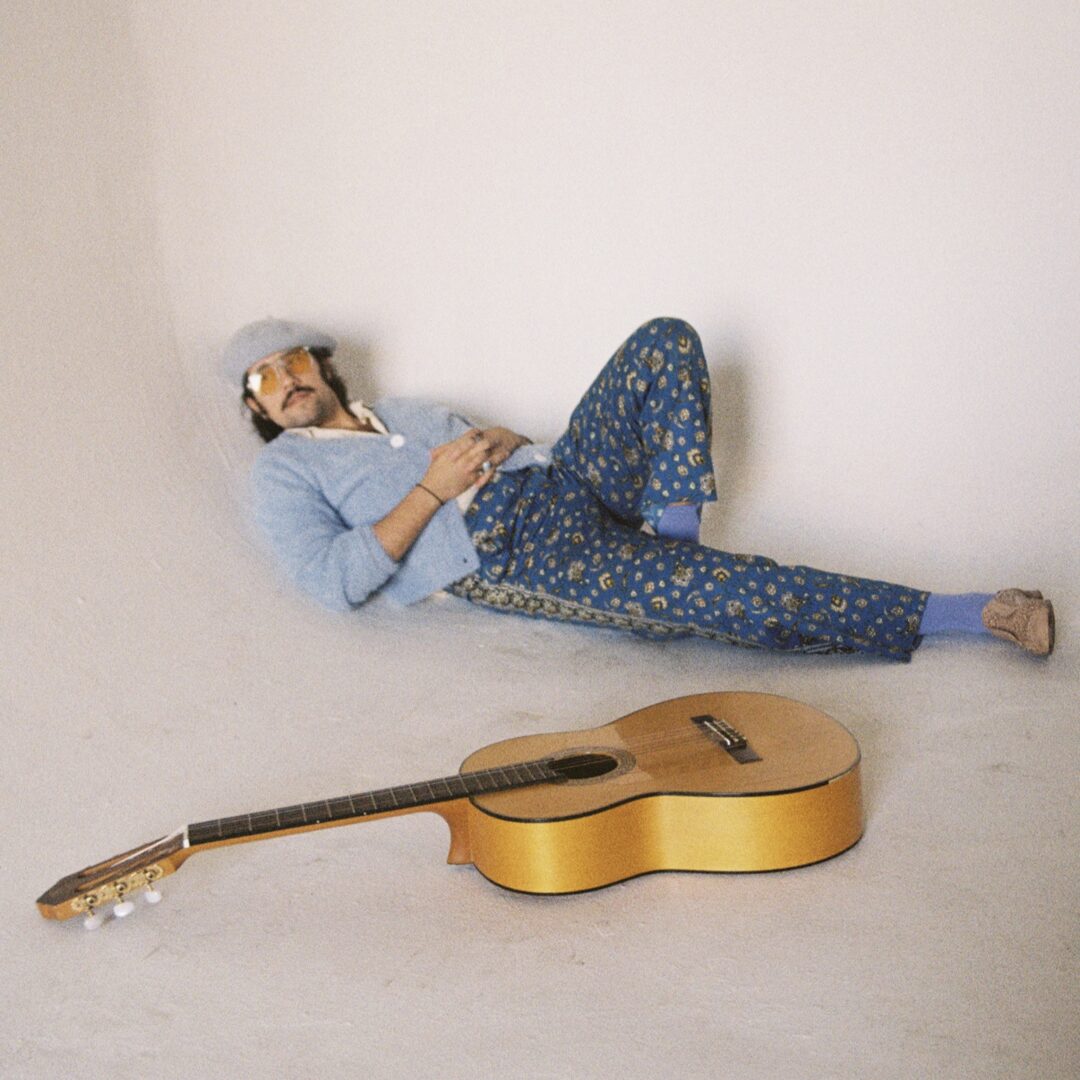
I play Spanish guitar, travel as much as I can, and collaborate as much as possible.
If you had to pick three qualities that are most important to develop, which three would you say matter most?
1. Feedback. Don’t be afraid to give it or ask for it. As many artists, I am petrified of someone stealing my work, so I would try to have discussions in person as much as you can or otherwise ensure your work is protected. Still, you will never improve with only yourself as a critic or supporter.
2. Read a book. Seriously, do it. There are so many outstanding, surreal, dark, blissful, tragic and profound novels from the 20th century alone, and they can unstick the glue that is blocking your creativity on a bad day.
3. Establish a routine, then break it. Being artistic is one thing but bringing your work to fruition demands discipline. You need to work on a project every day, or at least try to. Find the time of day you’re the least distracted. Discover music that places you in the fervor of creation. Coffee or tea? Big decisions, these are. Then, when you need a break, take one but don’t take a normal one. Go outside. Watch a show you usually wouldn’t. Think about traveling if the wallet can handle it. Break the break cycle. Keep your mind on its toes.
One of our goals is to help like-minded folks with similar goals connect and so before we go we want to ask if you are looking to partner or collab with others – and if so, what would make the ideal collaborator or partner?
I am always interested in collaboration. I’m in my thirties, so a Minecraft video with teens, while entertaining, isn’t the best fit for me. However, recording or streaming other video games is something I am open to. I love discussing film and art in general, so I would love to work on a video with someone or even join a podcast. I consider myself a well-educated writer and film critic, and a completely hapless jester of a gamer, and enjoy doing both. People are welcome to contact me via Letterboxd or my YouTube channel.
Contact Info:
- Youtube: https://www.youtube.com/@ClearCritique
- SoundCloud: https://soundcloud.com/clayconger/tracks
- Other: Twitch: https://www.twitch.tv/blameclay Letterboxd: https://letterboxd.com/ClearCritique/