We’re excited to introduce you to the always interesting and insightful Coral Mizrachi. We hope you’ll enjoy our conversation with Coral below.
Coral, so great to have you with us today. There are so many topics we want to ask you about, but perhaps the one we can start with is burnout. How have you overcome or avoided burnout?
I see burnout like chocolate. I love chocolate, but when you eat too much of it, you get nautilus and a sugar crush. I’m a very determined person. I started working at 14 years old, and always had a job since. I am a worker, I love it and always had, but it does come with a price. I have experienced burnout many times in my life, and I have learned how to make sure I get the balance of everything: work, social time, rest and leisure. Another big part of it was my diet; when I started eating correctly and nutritiously I found myself way more productive and energetic. If I think about it, going through surgeries and chemotherapy also helped me with finding the balance, or more accurately, forced me. Don’t get me wrong, it was hell and I had a very hard time treating and recovering from cancer, but after you go through something like that, anything else seems a bit… lower stakes, and I know I will get through it. I now find it OK to take my time and not being anxious about every little thing, and I do think it’s a great lesson that I learned from this kind of experience.
Thanks, so before we move on maybe you can share a bit more about yourself?
I grew up in Tel Aviv, Israel. My mom is a musician and a musical director, so I spend most of my childhood hanging out with actors and running around backstage, cause she would take me to work with her. It was obvious to me ever since I could remember myself that this is the life I want. I devoted my life to acting, because it makes me feel alive, and it’s such a big part of my soul. I see acting as the business of people. Actors have to know people, know the deepest and darkest corners of the souls, and not being afraid to go there. Actors have to be able to have empathy and to understand the characters they are playing deeply, fictional or a real life person. To create a well rounded character you have to have empathy. It took me a while, but I found that part of knowing people, is knowing yourself. The deeper you know who you are the better actor you’ll be. At least that’s the way I see it. My goal is to inspire people, the way theatre and movies and TV have inspired me. We always have a message to say in our art, even in the most mainstream movie franchise, we are still touched by the actors and the story, and we learn more about ourselves. That is what drawn me to acting in the first place, and I am so grateful to work in a profession that fulfills me so much.
Looking back, what do you think were the three qualities, skills, or areas of knowledge that were most impactful in your journey? What advice do you have for folks who are early in their journey in terms of how they can best develop or improve on these?
I think the initiative to learn is such a big deal in the progress of someone’s craft. Put the ego aside and find the lesson that is hiding underneath the experience. Even being a working actor, I never think that I know enough, and I believe I can learn from anybody if I approach it with openness and curiosity. I guess another thing that helped me in my journey is my determination. I was met with a lot of roadblocks on my way and I did my best to not let them kick me to the ground, and I kept going. I build my career from scratch, without a head-start, and I was determined from a young age to make my dream come true. I worked all the time, I planned, I was calculated, and I follow what feels right. Not giving up is a big big deal in this profession. We are met with enormous amount of rejection, and it’s especially hard when you put your heart and soul into a character. But we have to get through it and to keep on going if we want to succeed is the acting world.
When I really think about it I think that my sensitivity is the last quality I would pick. A lot of people confuse sensitivities with fragility, however they are not the same thing. I know I wouldn’t have gotten where I am today if I wasn’t sensitive to my environment, to events, and to myself. It’s my own personal alarm that I listen to when something doesn’t feel right, and it also always helped me in creating well rounded, deep characters. I am so grateful to be able to feel the emotions that I’m feeling everyday, and I use my sensitivity in my work all the time.
What’s been one of your main areas of growth this year?
The past year has been really big for me, and the biggest thing I’ve learned from this year was patience, and optimism. I realized that what I’m trying to achieve in life takes time, and I’ve had to learn how to be patient and to let the seeds that I planted grow. I am already reaping the fruits recently, and I’m very glad about that, but a big part of it was trusting the process. I was always an optimistic person, but recently I’ve been struggling to find a light at the end of the tunnel. This year helped me with being confident that I will get through whatever life throws at me, and I will come out the other end. Confidence in a brighter future I suppose, and I can’t wait for what will come next. I was very lucky this year to book a big role in a TV show, which unfortunately I can’t speak about yet, but I am extremely excited for it to come out and for you guys to see it!
Contact Info:
- Website: https://www.coralmizrachi.com
- Instagram: @coral.miz123
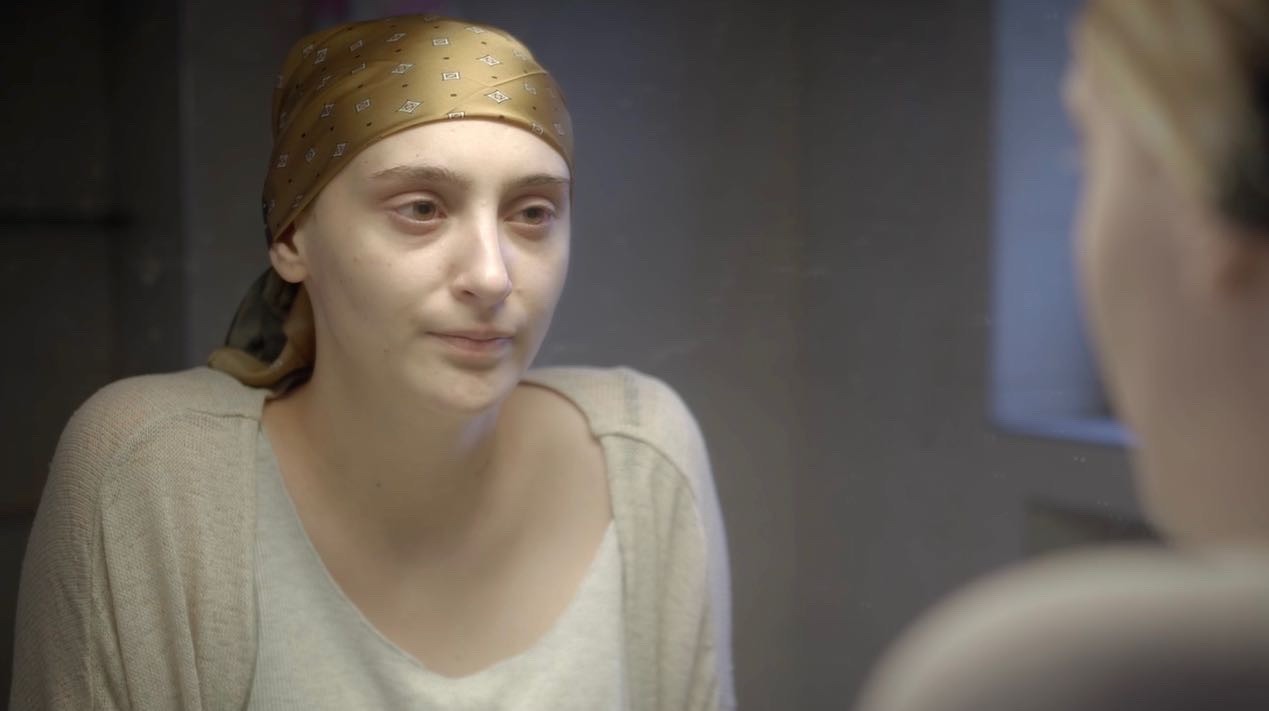
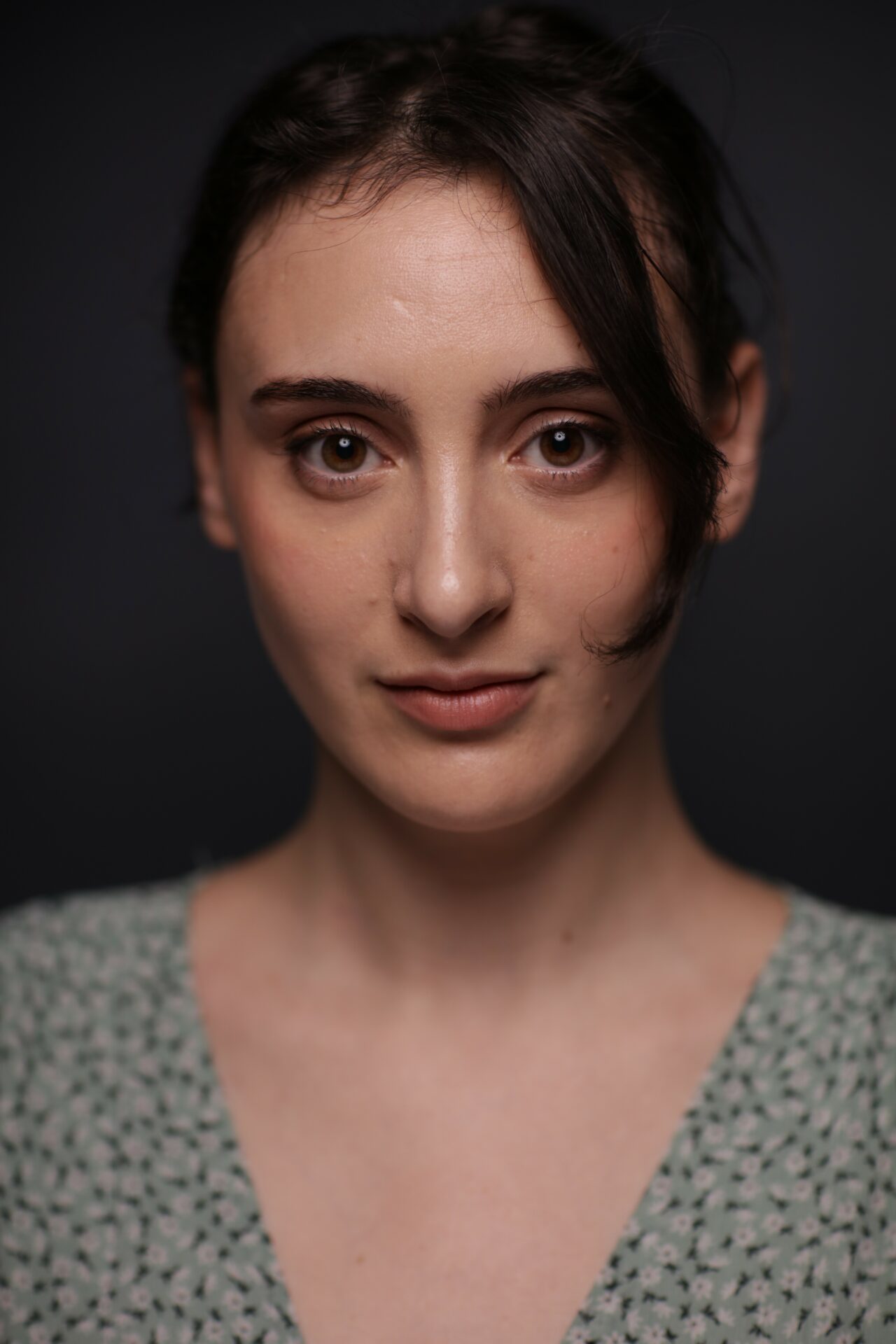
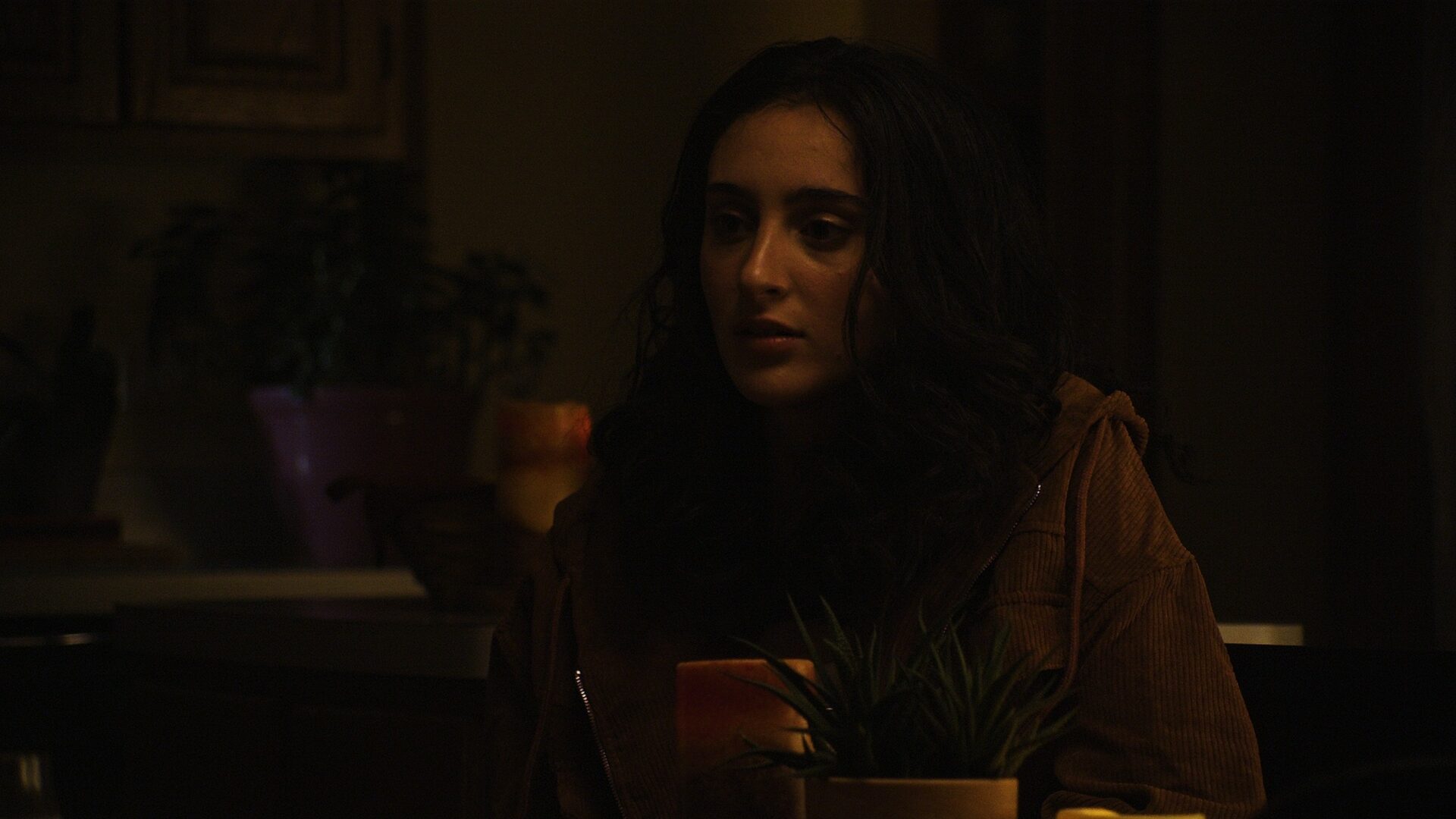
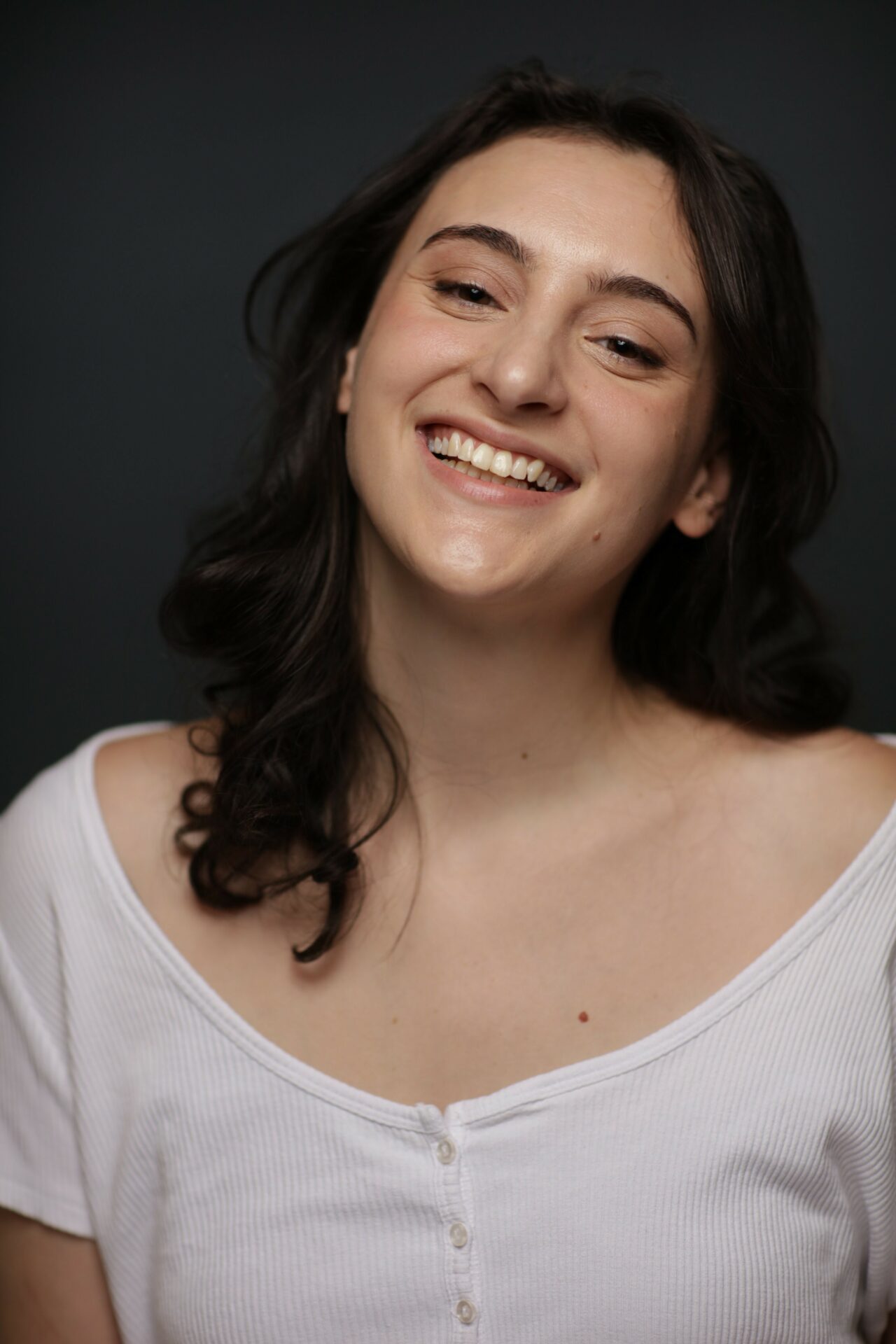
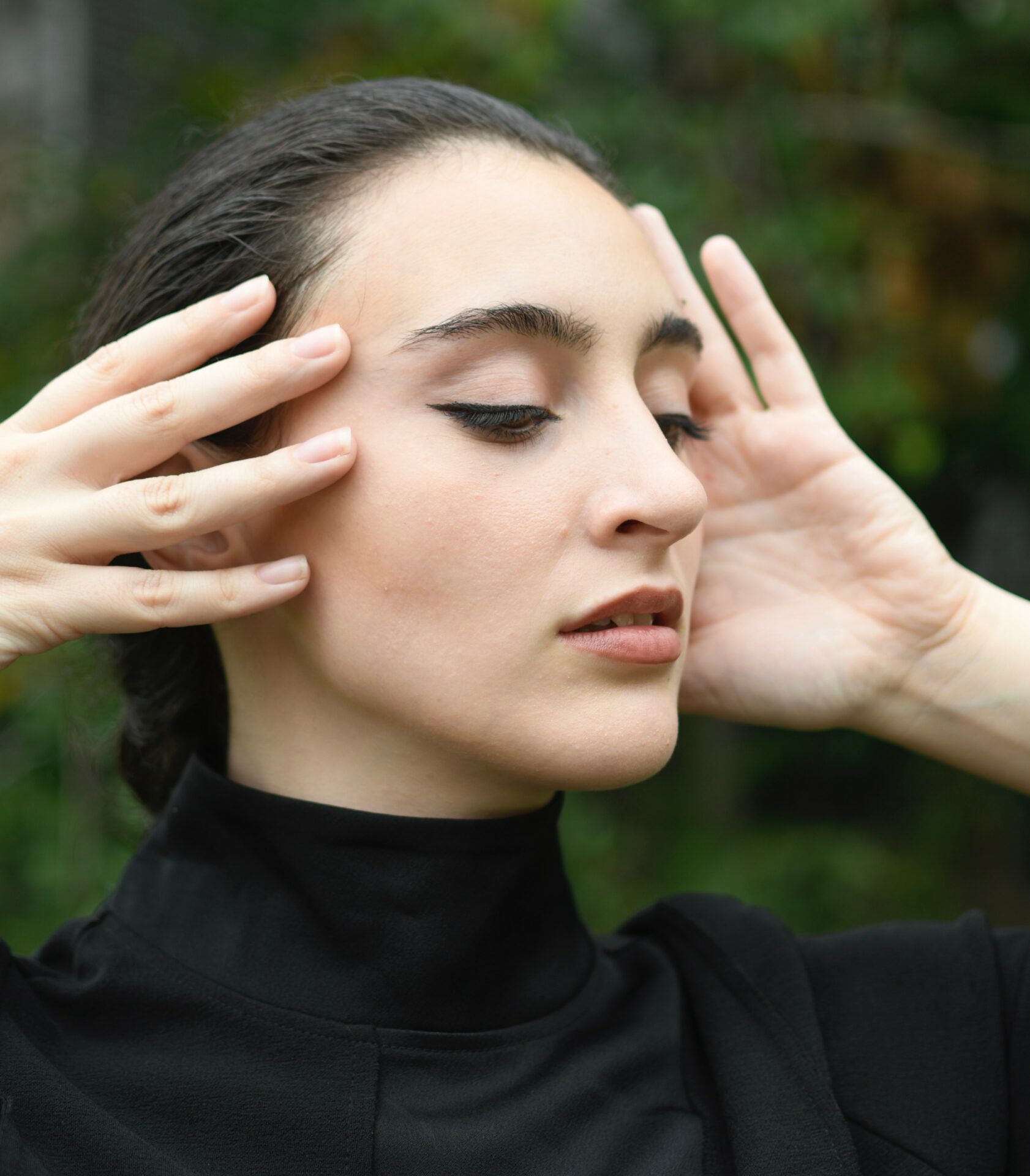
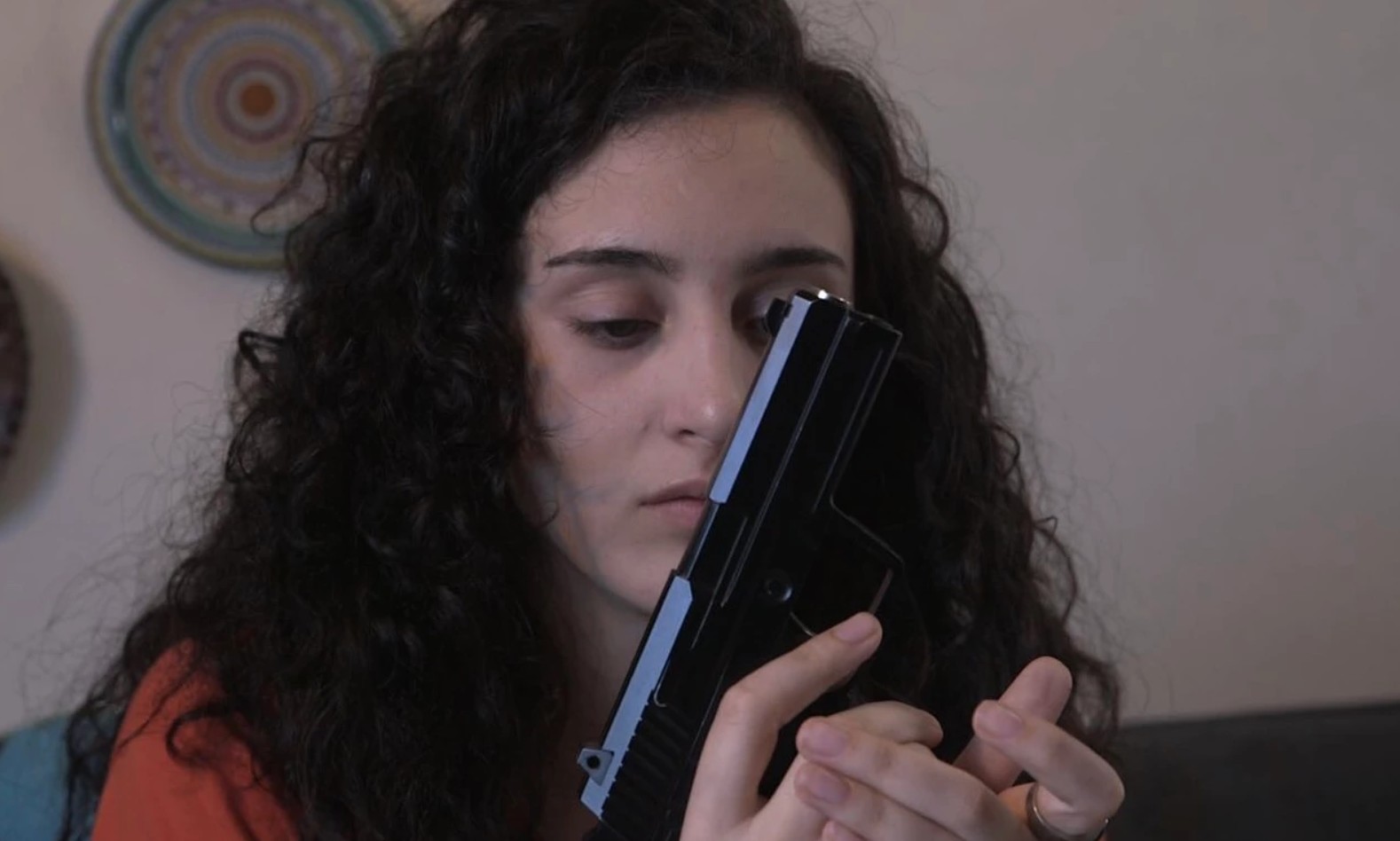

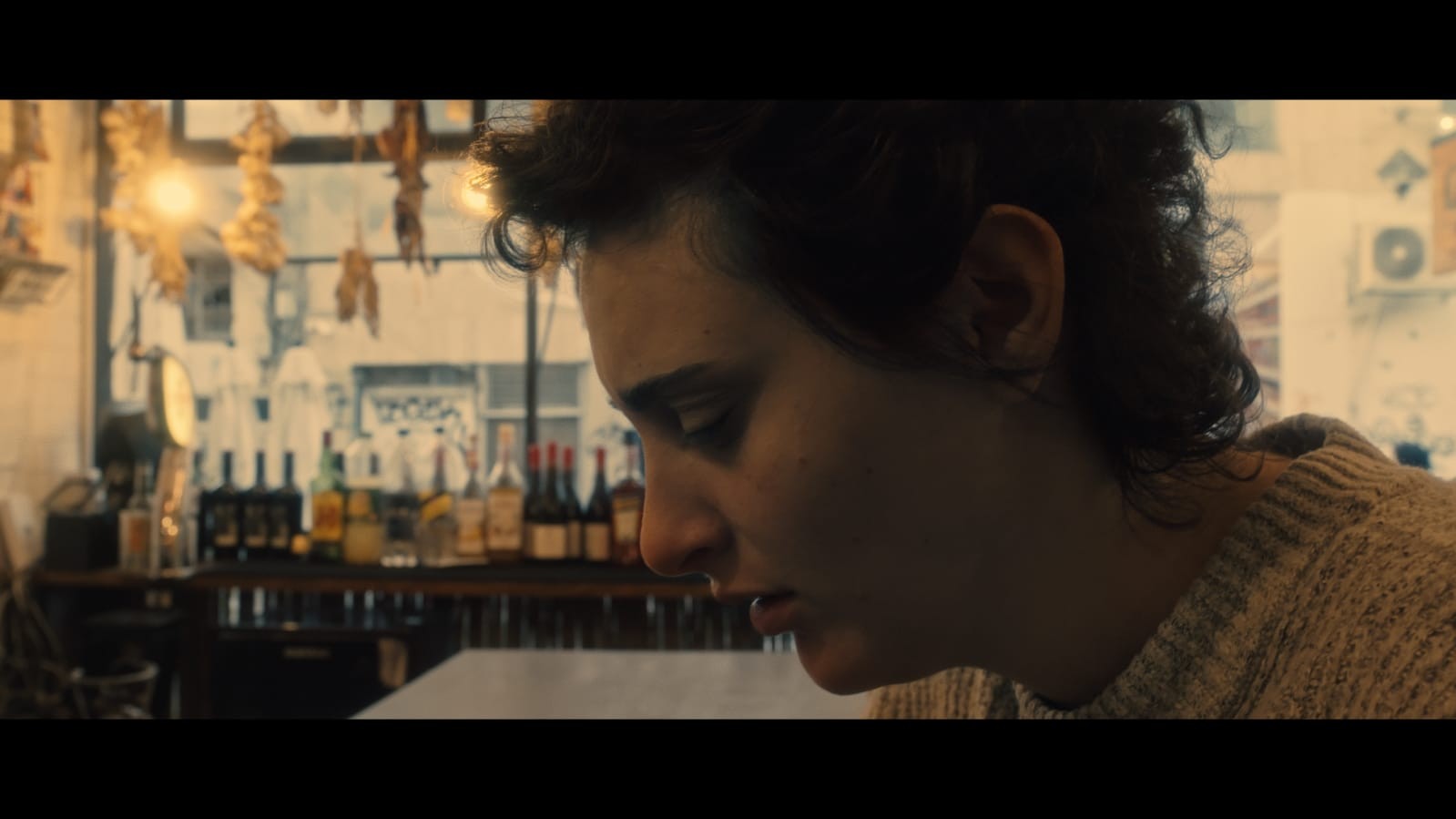
Image Credits
Amit Kra, Meshi Shay, Luanna Sue, Arian Behpour, Roi Ziv, Neko Photography.