We’re excited to introduce you to the always interesting and insightful Daniel Wiebe. We hope you’ll enjoy our conversation with Daniel below.
Daniel, appreciate you making time for us and sharing your wisdom with the community. So many of us go through similar pain points throughout our journeys and so hearing about how others overcame obstacles can be helpful. One of those struggles is keeping creativity alive despite all the stresses, challenges and problems we might be dealing with. How do you keep your creativity alive?
My creativity keeps me alive, not the other way around. It’s always working, but never feels like it’s on over drive. I’m always reading something, or playing a game, and that definitely helps to keep gas in my tank. Some days are worse than others, but I find a glass of bourbon and a late night are the perfect combination to open the gates to creativity.
Also, nice tobacco in a pipe (churchwarden style, shoutout to the OG Gandalf) can really grease my wheels if I’m having a particularly uncreative day.
You also have to know when to take a break. Despite almost always able to think up storylines and plot twists, there are days when I find I can’t type anything out. That’s when I know I need to step away and let my brain rest.
Bottom line is, you just have to persevere. I know I have to keep at it regularly. Keep writing, and plotting, and reading, and everything else.
Once I stop, that’s when my creativity will die, and a part of me will go with it (I know, dramatic, but well… I’m a writer haha).
Let’s take a small detour – maybe you can share a bit about yourself before we dive back into some of the other questions we had for you?
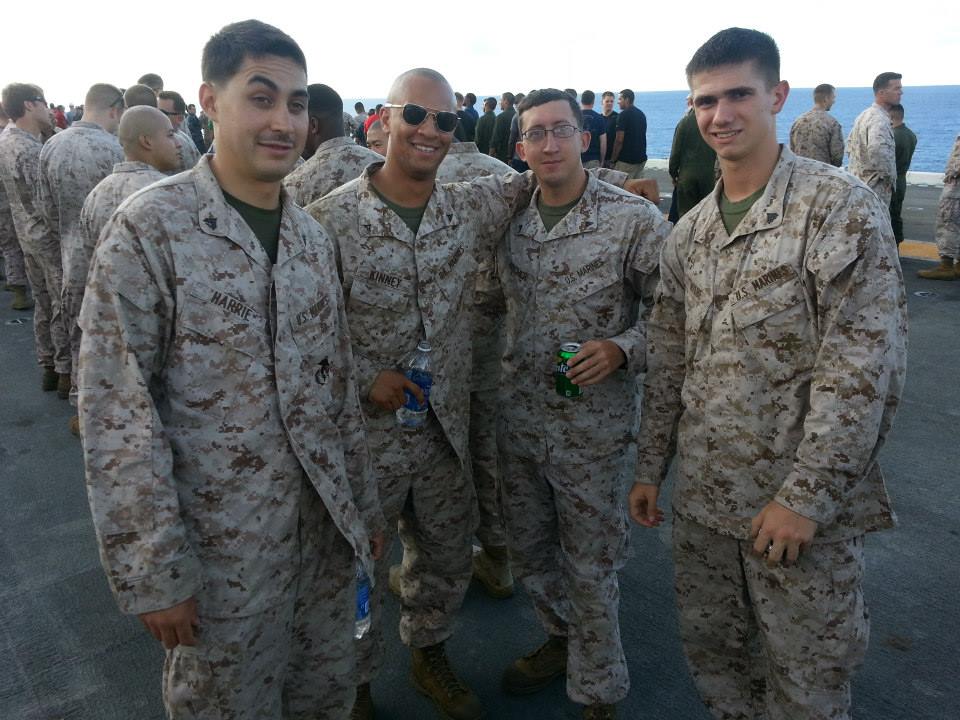
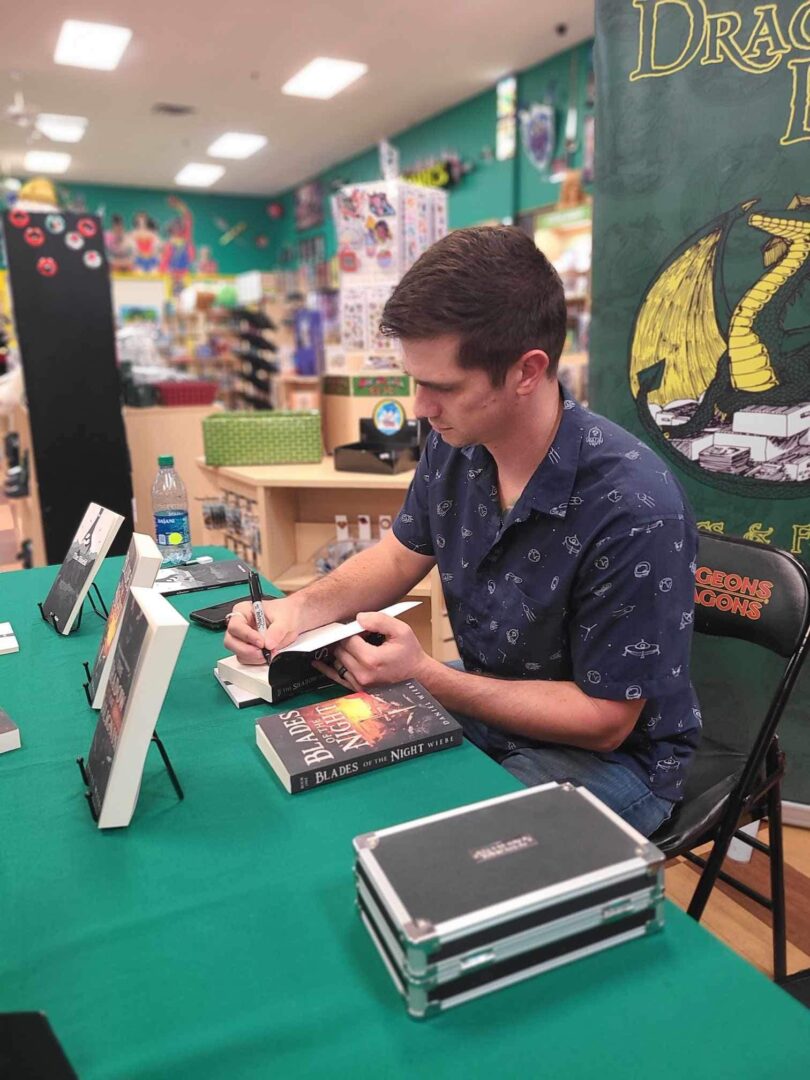
I was in the Marine Corps for five years (2011-2016) and did Intel stuff. While I was on a naval ship working 12 hours on, 12 off, I began to write in my brief downtime. I always liked to read, and figured it was high time I started to write. Five years later, in 2018, I published my first book.
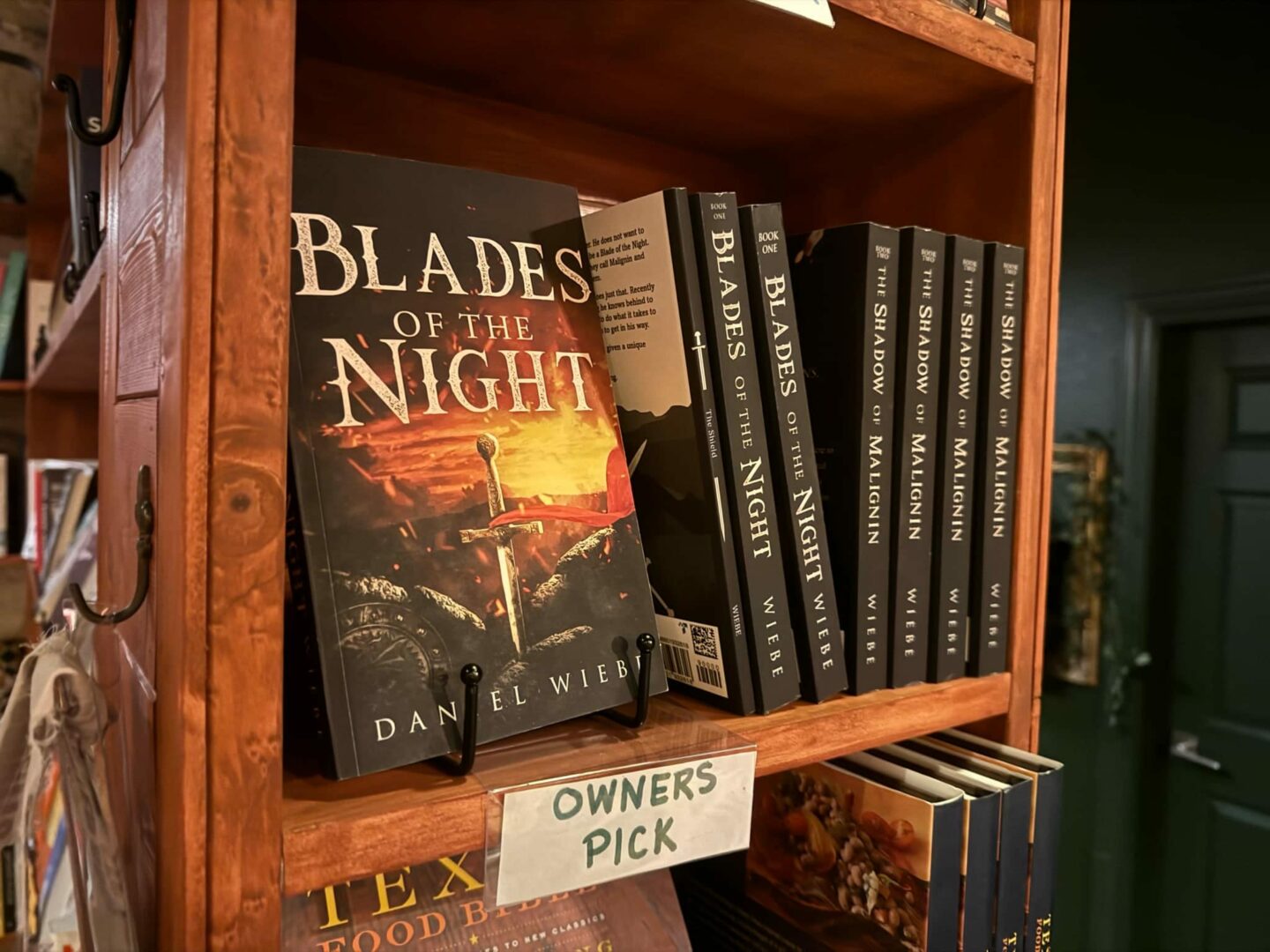
By that time I was already a firefighter and paramedic, which I still am, but I’m now working on the last book of my trilogy. My books are what you would classify as “grimdark fantasy.” This genre entails mature themes, realistic and often brutal, and is not for the fainthearted.
As mentioned above, I tried to keep my trilogy, and prequel, grounded. I used my experiences as a veteran and firefighter to add that much more realism to my world. Nothing is based off of real life people or events, mind you, but in my line of work you learn some things, and I tried to make my writing reflect that. No one is particularly safe from harm, and I think it helps to add a sense of dread as you’re making your way through my world.
I think everything I mentioned above helps to set my books apart from others. What my characters go through is gritty, and there is little honor involved. Everyone is simply doing their best, and sometimes their best just isn’t good enough. Such is life.
I have the first two books and a standalone prequel out and available on Amazon. I’m currently editing the third and final book of the trilogy, and it is due to be published early next year!

Looking back, what do you think were the three qualities, skills, or areas of knowledge that were most impactful in your journey? What advice do you have for folks who are early in their journey in terms of how they can best develop or improve on these?
Commitment. Time management. People skills.
Commitment was learned early on. My father taught it to me, the USMC hammered it in my skull, and writing was the result. To write a novel, you have to work on it daily, be it a word or a ten pages. Just a little a day. For anyone thinking about writing a book, you must be committed, but you don’t have to be hard on yourself. Just sit down and write. Maybe you only get a sentence down, and it may not seem like much, but it’s better than the alternative: nothing.
Time management goes hand-in-hand with commitment. Manage your time to write, yes, but also be sure to give yourself off time. Go on a date with your significant other, play that game, take a weekend off and veg out on the couch, go for a hike. You may want to write that book as quick as possible, but it’s not going anywhere without you. I promise.
People skills is a big one, arguably the most important skill, and I’m still learning. For whatever reason I’m not a people person. I get gun shy about my books when I talk about them. I don’t want to be pushy and come across as a car salesman, but on the other end I don’t want to undersell myself. It’s a delicate balance, one that I’m still finding. I wish I had some sage advice, but I guess all I can say is write something you’re proud of, and hopefully that will come across when you talk to people about it.

Looking back over the past 12 months or so, what do you think has been your biggest area of improvement or growth?
In a word, my biggest area of growth in the last 12 months would be: editing.
Last year, I took a long hard look at my two published books, and had to be brutally honest with myself. They weren’t good enough. There were typos and misspelled words, plot holes and incorrect word usage. I made the decision that I had to unpublish them and, essentially, rewrite them.
So that’s what I did. In the year since, my editing skills have grown tremendously and I’ve learned so much that I should have learned earlier.
My two books are now re-published and doing better than ever. I learned a hard lesson. Don’t rush. Take your time. If I’m not sure if the sentence structure or grammar is correct, then look it up.
I am self-published, but my goal is to have people be surprised when I tell them that. Just because I published through Amazon doesn’t mean I can’t hold myself to the same standard a publishing house would ask of me.
Contact Info:
- Instagram: https://www.instagram.com/daniel_wiebe_author/
- Facebook: https://www.facebook.com/theseverancetrilogy
- Other: Amazon link: https://www.amazon.com/dp/B0CKGTT1MJ?binding=kindle_edition&ref=dbs_dp_rwt_sb_pc_tkin