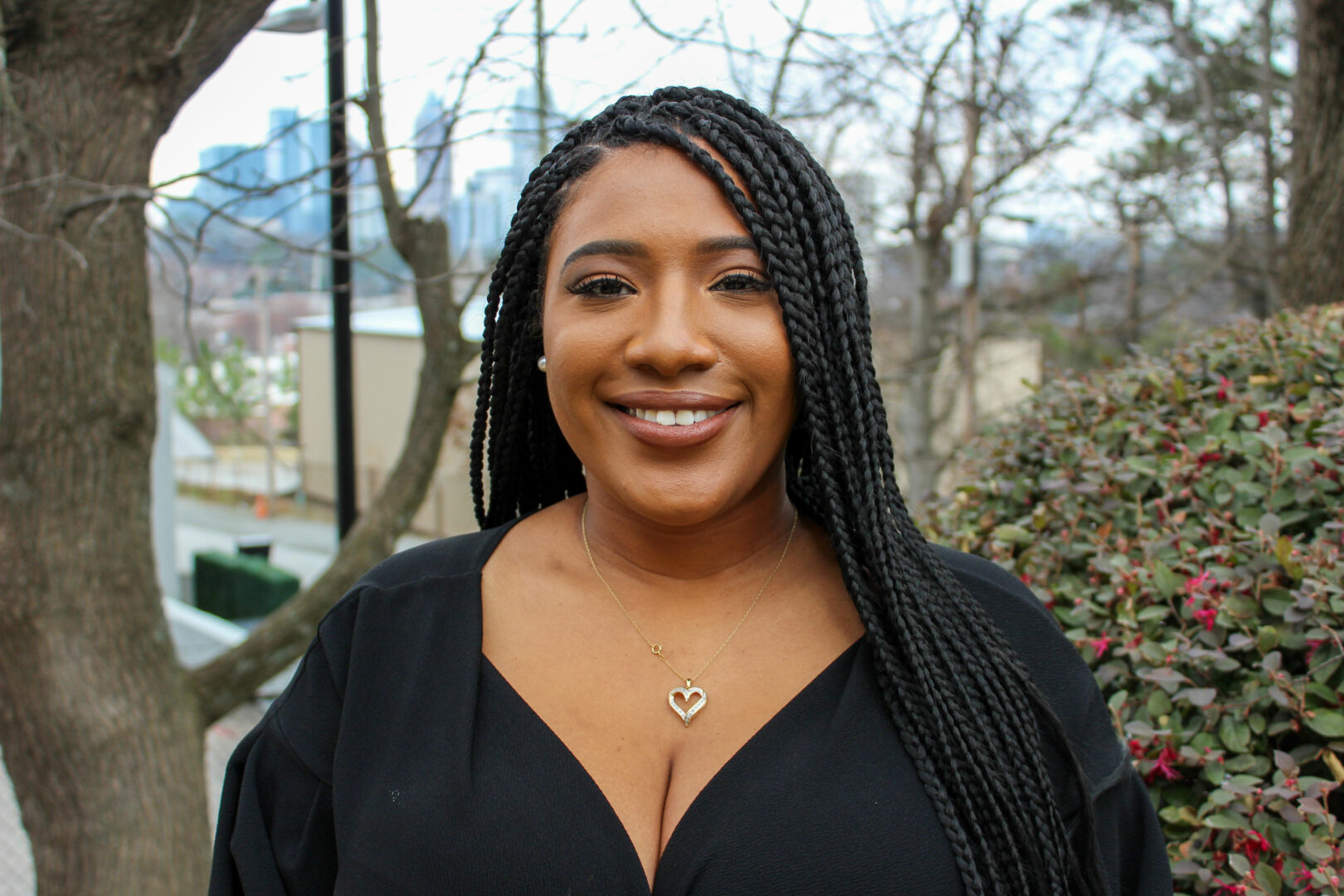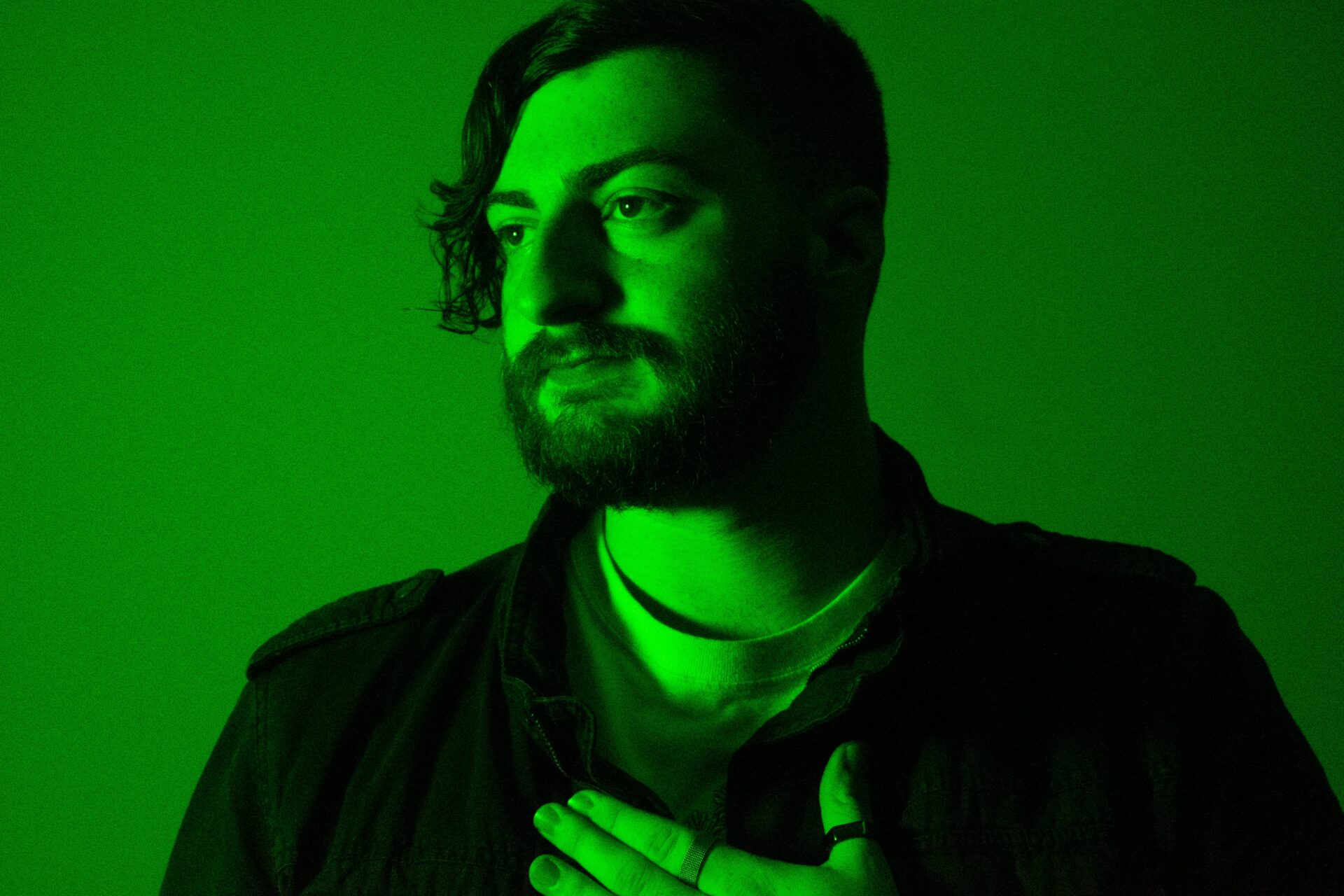
We were lucky to catch up with David Bernhardt recently and have shared our conversation below.
David, looking forward to learning from your journey. You’ve got an amazing story and before we dive into that, let’s start with an important building block. Where do you get your work ethic from?
I used to be very motivated by spite. I’ve had people tell me in the past that I have unrealistic expectations, or they would question if I could make a living as an artist at all. So, for a short while there it was very motivating for me to just kind of give them the finger. To show them that I was capable of more than selling overpriced ham sandwiches. But “channeling the dark side” as I jokingly call it can only carry you so far. I think now what motivates me to create is finding an interesting theme and working it in a way that I haven’t seen before. I want to leave a deep catalog of good work behind. I have no problem staying motivated at my 9:00 to 5:00. I walk in someone asks me to help them on a certain project or something I get it done and move on. I don’t get to produce what I want in the day-to-day of my job. So I have to go on my own in order to investigate themes that I think are interesting and worth analyzing under a different lens. It can be very hard to not burn out spending time working on my own projects after spending all day working on projects for other people around the office.
It often feels like I’m riding the razor’s edge of my capabilities. I feel a compulsion to create the best art I can. Because I know that one day, I won’t have the same steady hands and capability that I have now. I feel compelled to make things at the highest level of detail and quality that I can because I don’t want subpar works attached to my name in any way. But this can lead me to is sleepless nights. And days where I spend hours on end working on one image only to end up hating it and feeling that dull ache in my gut that means I need to start over. In some ways it can be easier to make something for a client. Because somebody else can tell you when the project is done or when it’s exactly what they were looking for. In my solo work I find it very hard to be satisfied with what I’ve done thus far.
So we’ve talked about problems. Here are some ways that I’ve gotten around them.
First off. Therapy. Don’t be afraid to sit down and talk to someone impartial about your problems and seek help with addressing them. This helps me especially with the knowledge that I’ll someday not be as capable as I am today. Because an outside perspective doesn’t have all the baggage that my perception of this situation comes with. Ya know, inevitable passage of time and whatnot. Therapy helps me continue to create when I feel like when I’m close to the end of a project, but it no longer represents the quality level I can present. I know now that I feel this way because I will do better on the next project. That feeling comes from me being better at making my art towards the end of the project than I was at when I first started it. Sometimes that does warrant starting over. For example, if I don’t feel like a character looks proportionate. But most of the time I just need to recognize I should just apply what I’ve learned to the next piece.
When I’m working on my own projects, I live stream on twitch. This has led me to finding a small community of friends that enjoy playing video games with me and enjoy the art I create. So sometimes when I’m feeling stuck, I’m able to just privately reach out to one of my friends and show them where I am and ask for input. I try to make it clear that I’m not sure if what I’m working on is done and that I’m looking for honest critique. They don’t have to love what I’m showing them. But more often than not when I show them what I have they enjoy it. So, if they don’t have any issues with the image as it I’ll just move on. I honestly believe that creating community around my work has been the biggest help towards me staying motivated to continue creating.
Now once you have taken all of this into consideration remember to rest. Sometimes I find it very hard to walk away and just let myself breathe. Art takes time. Especially if you’re making something that you are passionate about and you are leaving the thumbprint of your personality on the canvas. If you want to continue creating you can’t burn yourself out. Working as hard and fast as you can for as long as possible may sound good on paper. But I’m not going to be able to continue creating things I’m proud of if I’m too tired to come up with Ideas. I’ve done that a couple times and it would be months before I had another idea that motivated me enough to give it a try. Be kind to yourself.
Let’s take a small detour – maybe you can share a bit about yourself before we dive back into some of the other questions we had for you?
Most of the time I just describe myself as a digital artist. I often work on digital designs using photography as a skeleton for creating characters that I draw and making backgrounds and environments that they are in. In my video efforts I try to carry forward a feeling of momentum. I tried to keep the viewers attention by keeping things slim enough to where it is interesting the whole time while retaining enough context to keep the viewer from getting lost. No matter what medium I’m working in I’m always trying to push for the next level of quality I’m trying to improve the way I draw faces the way I shoot clips I always want to leave every project having improved since the last project. Right now I am working for Cookeville communications working on modernizing their websites for all of the radio properties under their umbrella and creating high quality imagery. I’m also working on my own projects on the side to produce a new series of posters to sell.
I think where my work really shines how I address a theme. For example right now I am working on a poster series of the seven deadly sins. I’m trying to present each of the seven deadly sins as a character and show them as a group that works together to inflict harm upon humanity. I want to show the differences between these characters but give all of them my face to show that they are related and that in each of these examples it always results in the same outcome. Wrath is much more direct and singularly minded than Greed is. Greed has all the same abilities as wrath. Creating harm injury and destruction. But he sees the bigger picture. A way that he can sow chaos on a broader scale by creating incentive for people to inflict that harm onto each other all in the name of profit. Be sure to follow me on twitch at twitch.tv/imcanoe If you want to watch that project as it progresses.
Looking back, what do you think were the three qualities, skills, or areas of knowledge that were most impactful in your journey? What advice do you have for folks who are early in their journey in terms of how they can best develop or improve on these?
Considering the audience or application of the piece of media you’re working on is incredibly important. If you’re making something for web you need it to fulfill a certain role. It might be a banner it might just be a heading that a viewer will click and it will take them to relevant information. If you are making something for print you need to have all of the relevant details and information on the page. You don’t want it to be cluttered. Small details should also be considered carefully. If the viewer won’t be able to see a detail without a magnifying glass maybe reconsider that detail, or how it’s used. It is so tempting for me to spend hours on the tiniest details but when you consider how the final product is going to be used that will tell you if that is a worthwhile use of your time. Sometimes people just won’t get it. You shouldn’t listen to critique from people who don’t enjoy anything about what you do. If you are making a poster that looks like a comic book page for a series you’re working on you shouldn’t take critique from people who don’t like comic books or they don’t understand the entirety of what you’re doing. When I was working at a sandwich shop my boss asked me when I would give up looking for a job in a creative field. From his point of view there seemed to be more opportunity for me working at his sandwich shop then there was exploring the entire creative field. Which is ironic because he said there was no chance of me ever getting a raise. If their critique is not constructive and actionable nine times out of ten it’s not worth listening to.
One of the things I did in order to save some creative energy for myself is I got into 3D printing. I knew that I wanted a hobby that I could do at home that was still creative but it wasn’t purely on the computer screen. So I thought about getting into painting but I thought that would be frustrating for me because I wouldn’t have the same tool set as if I was making the same image digitally. So I thought creating props would be a good way for me to still get to be creative but it is also in a physical format so that I am able to have a different type of experience doing creative work on my own then I do at work. And it’s a lot of fun I have recreated a couple props from video games that I display to show friends and family.
What would you advise – going all in on your strengths or investing on areas where you aren’t as strong to be more well-rounded?
In art everything is connected. I don’t think I understood this at the time when I started making videos and teaching myself how to record and edit. But in learning how to make videos for YouTube I learn to record and edit then I started learning Photoshop and graphic design. I first started doing this because I wanted to make everything as high quality as I can. But I realized later that this would make me a much more flexible creative and it afforded me more positions that I was able to apply to in my search for work. This also gave me a wide variety of project types I could work on to minimize burnout. If I wanted to make a YouTube video about A subject I am passionate about and share my research findings with my viewers I could do that. Or I could work on graphic designs or Photoshop projects if that is what was more appropriate for the idea at hand. While I have focused on variety that doesn’t mean it’s the “right” way to do things. I think specialists are incredibly important. If I’m just simply speaking on what I know I would suggest that people try to learn a little bit of everything involved in your main “thing.” This makes you more independent and gives you a lot more options on how you do things. It could also provide valuable research for composition on what you do. I’ve been trying to learn how to draw with pen and paper for a while because I think understanding that method of composing imagery is going to be crucial if I’m going to continue to make my art more unique and this will give me more flexibility in how I put together characters and shapes.
Contact Info:
- Website: https://www.dbernhardtportfolio.com/
- Instagram: https://www.instagram.com/canoesgallery/
- Facebook: https://www.facebook.com/
- Linkedin: https://www.linkedin.com/in/david-bernhardt-143780169/
- Twitter: https://twitter.com/imthecanoe
- Youtube: https://www.youtube.com/@imthecanoe
- Other: Twitch: twitch.tv/imcanoe
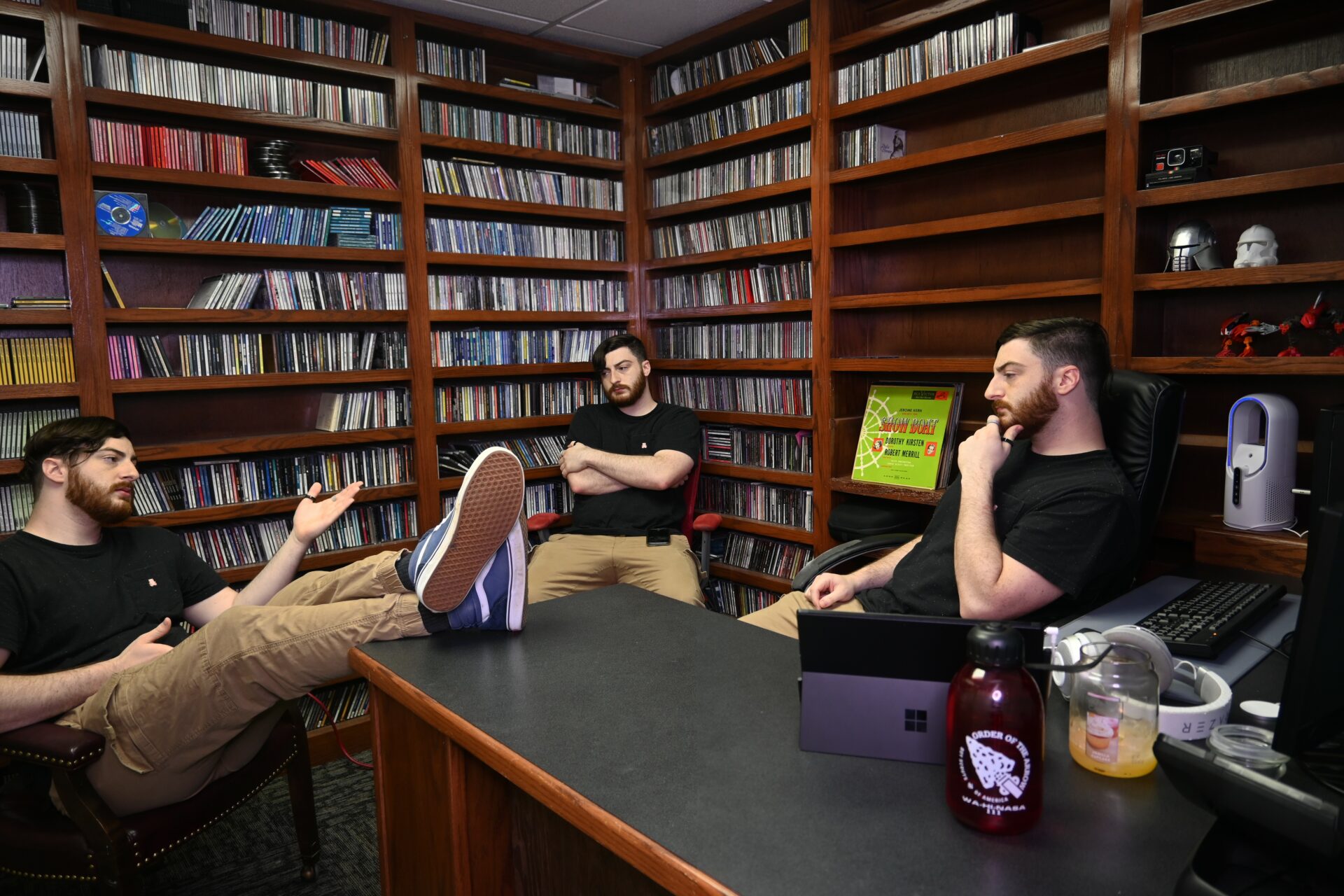
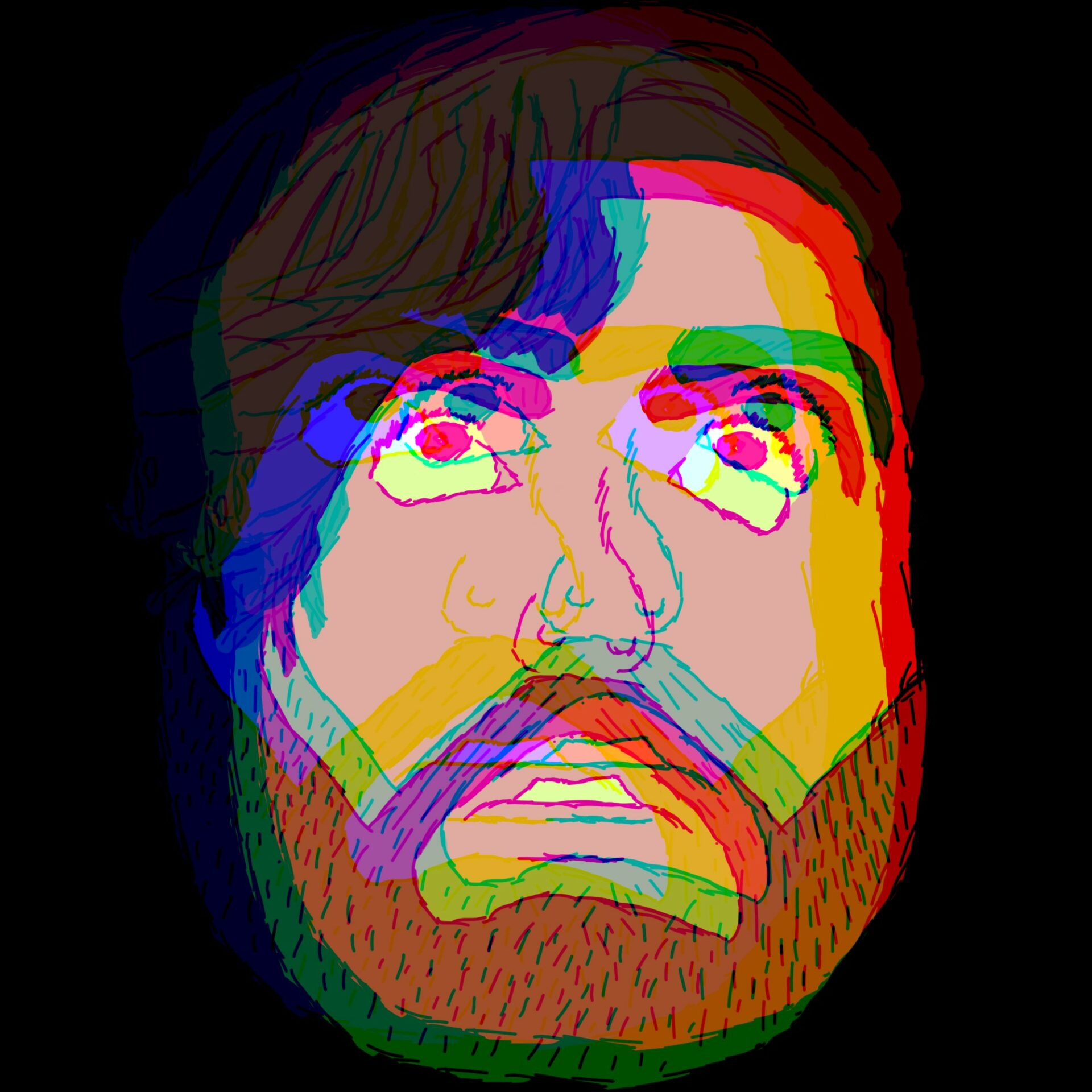
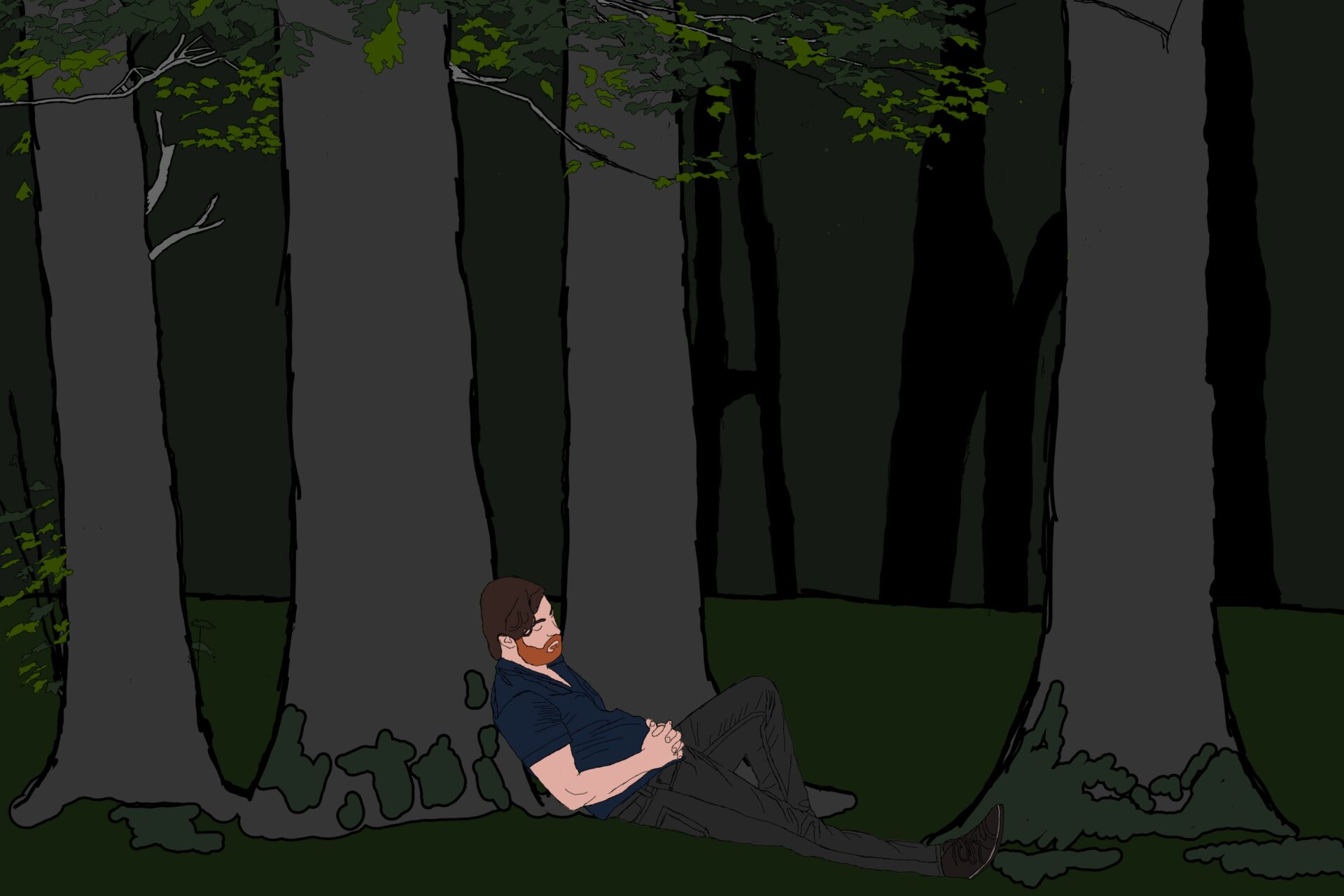
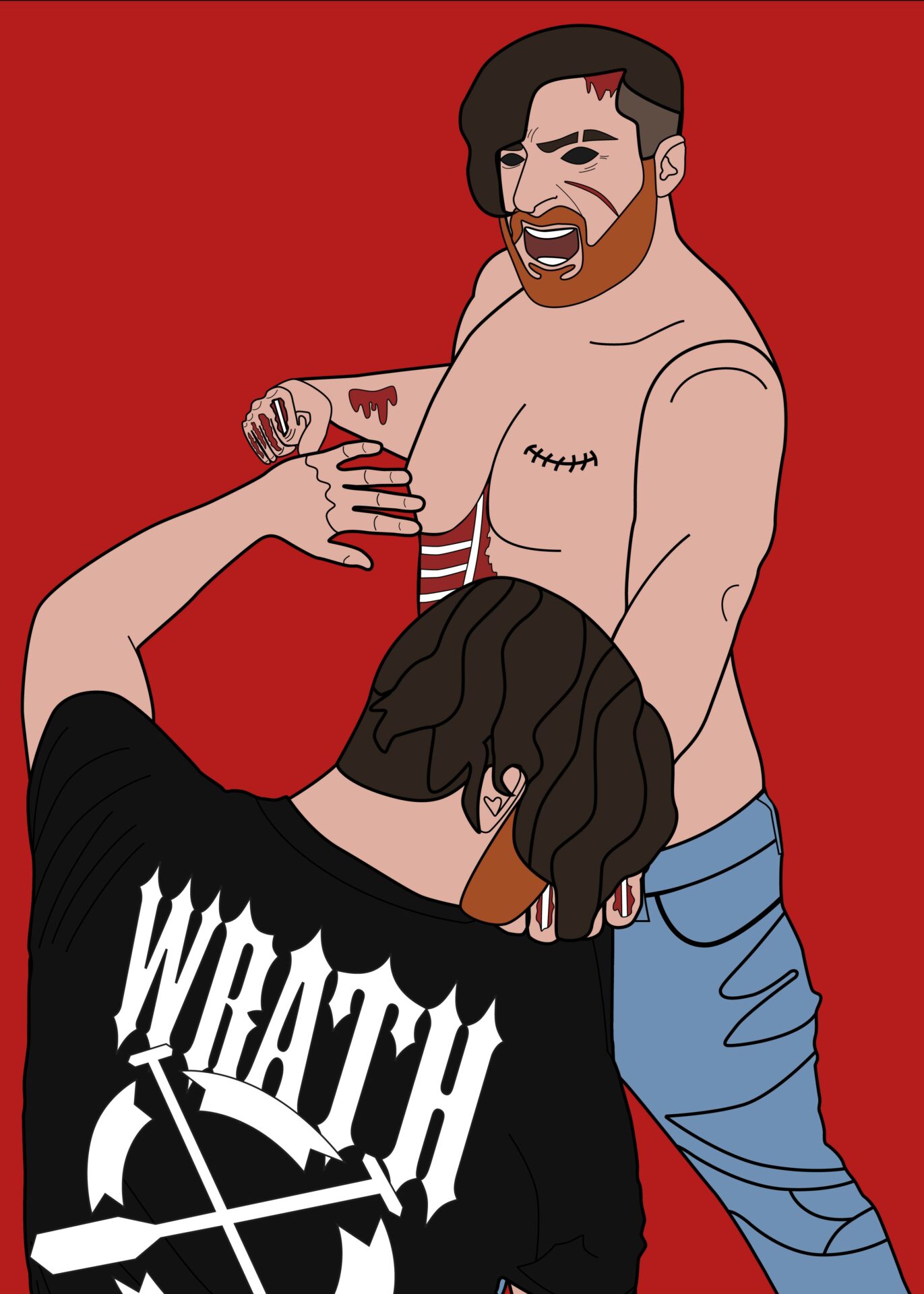
Image Credits
All images were created by Canoe (David Bernhardt)