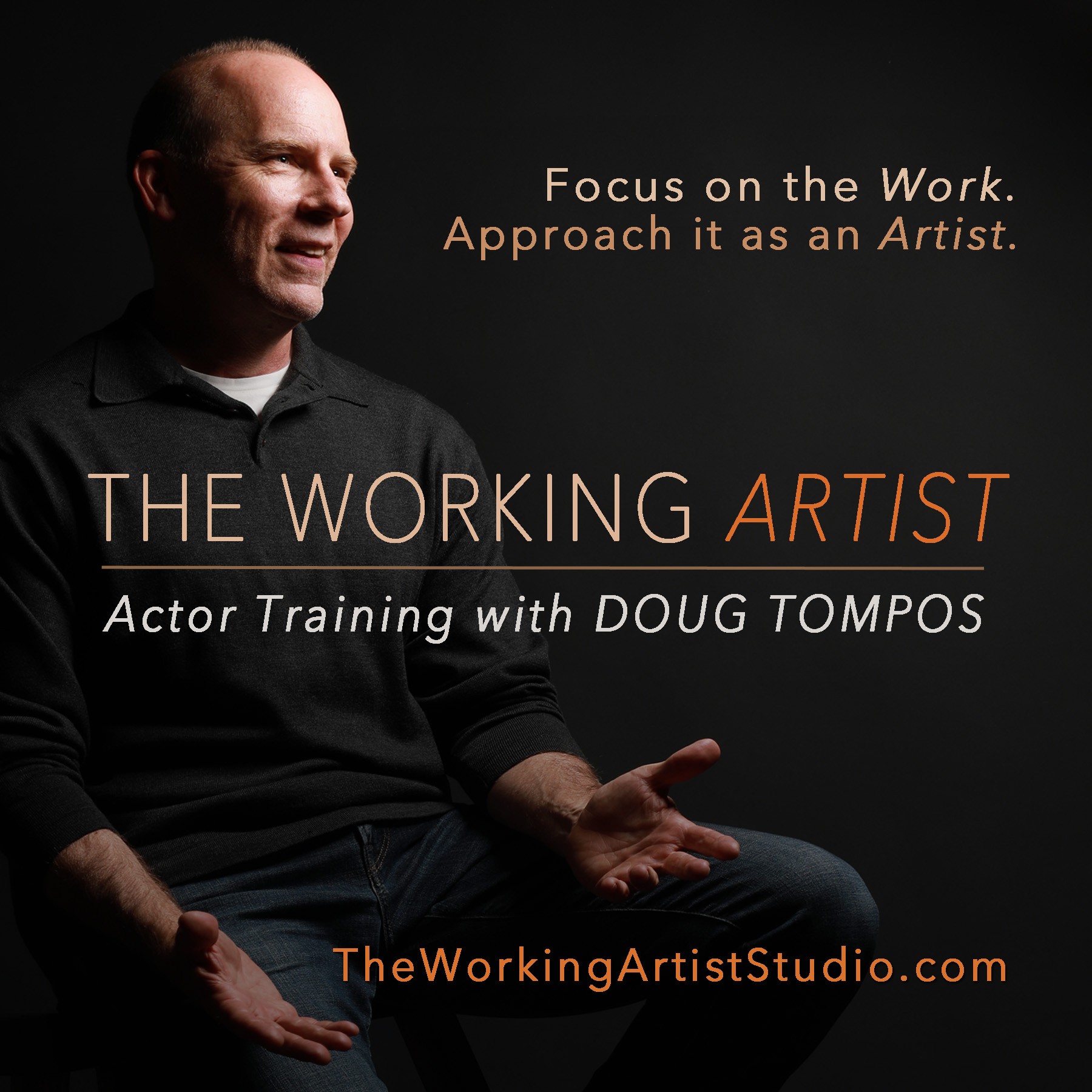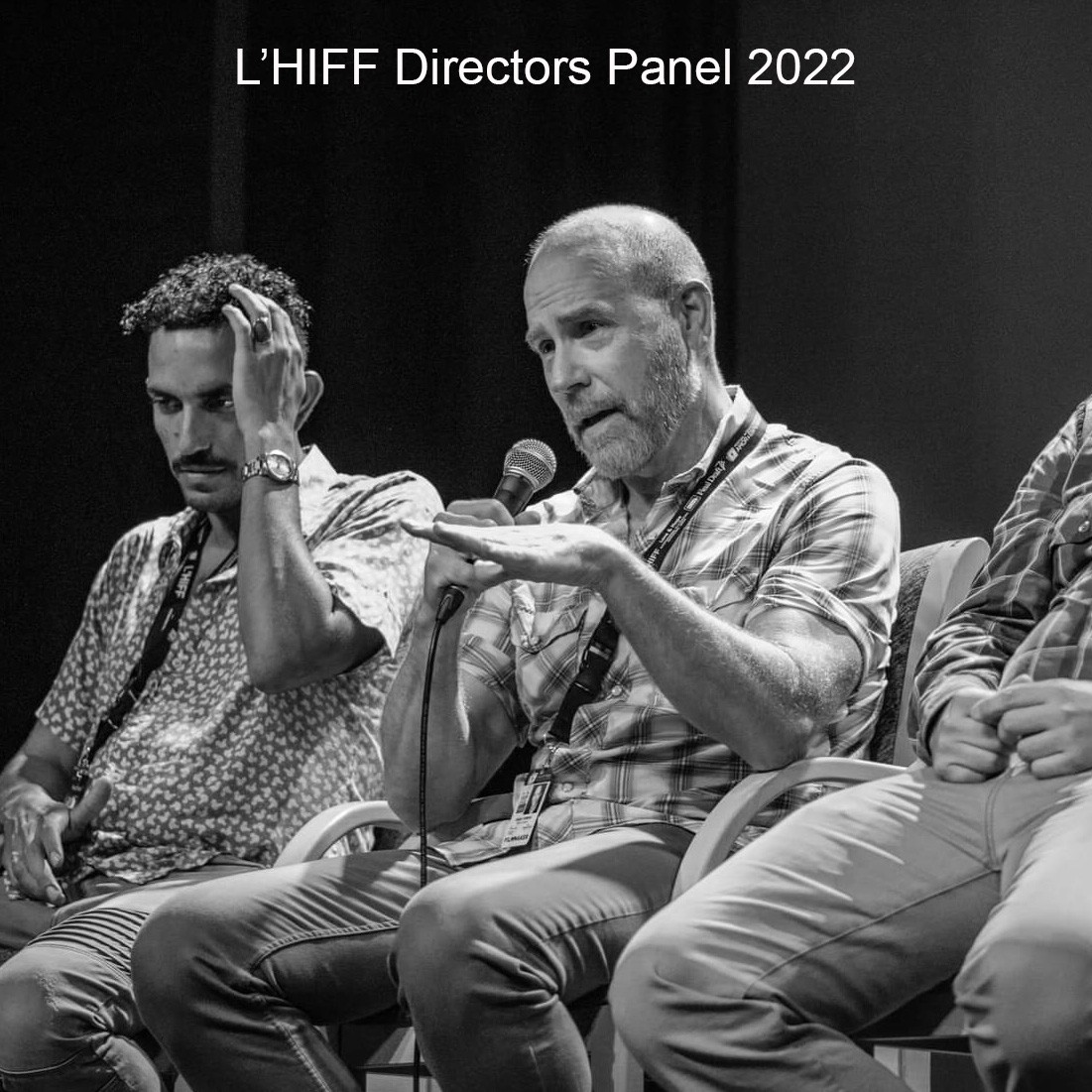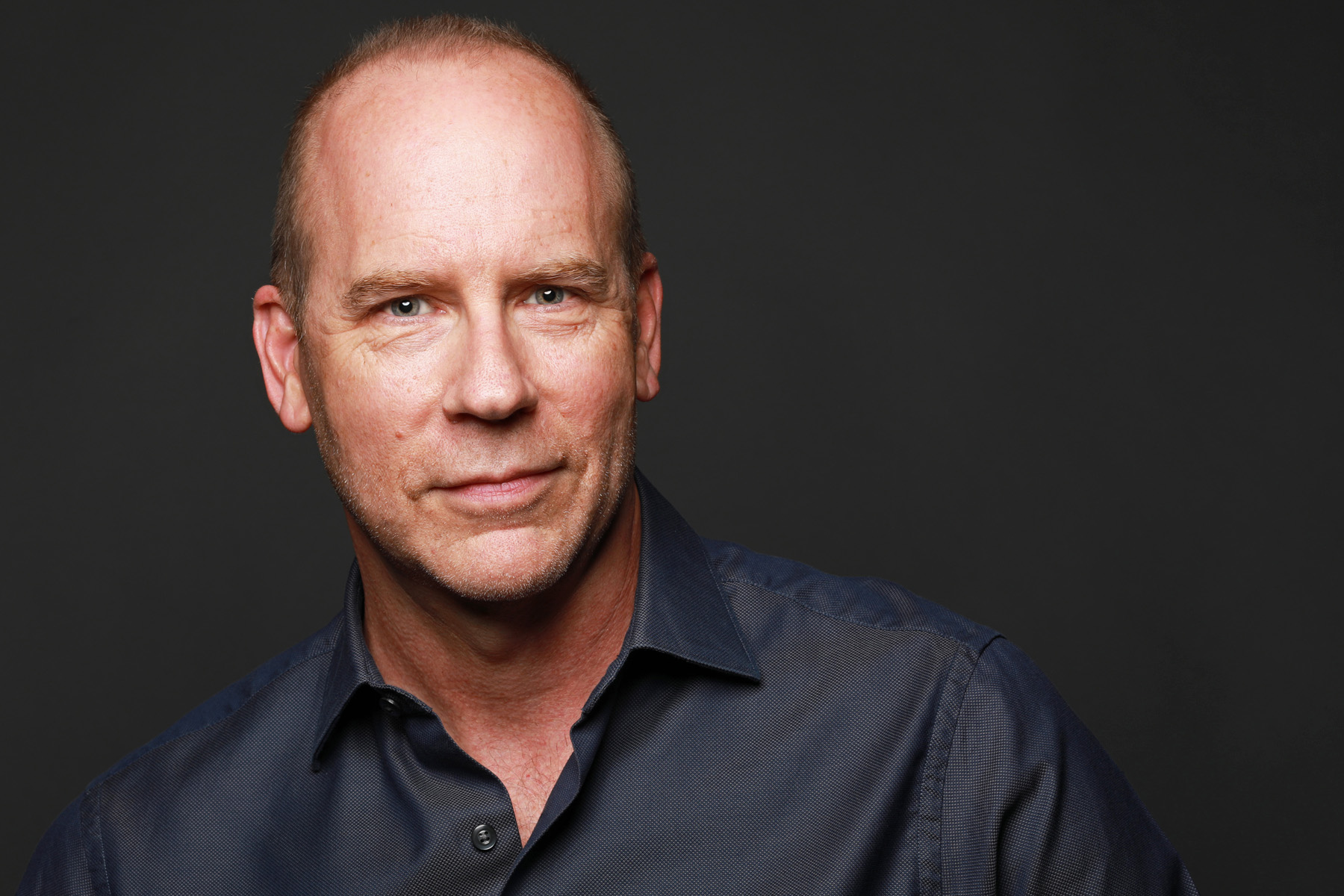
We’re excited to introduce you to the always interesting and insightful Doug Tompos. We hope you’ll enjoy our conversation with Doug below.
Hi Doug, thank you so much for opening up with us about some important, but sometimes personal topics. One that really matters to us is overcoming Imposter Syndrome because we’ve seen how so many people are held back in life because of this and so we’d really appreciate hearing about how you overcame Imposter Syndrome.
It’s an interesting thing about our old friend “imposter syndrome” – do we ever truly overcome it? And should we? To me, it functions as that nagging conscience that challenges me to be authentic in my work and in my personal relationships. It constantly nudges me to discern the difference between “Who are you trying to be?” and “Who are you really?”
The biggest challenge I faced with it was when I started teaching. I had learned my craft as an actor primarily through one mentor who I worked with for many years, laying a foundation of a mentality and creative habit that had served me very deeply. However, when I started teaching and had to give voice to that process, I started to wonder if I was simply parroting my mentor or if I truly believed these tenets. Those doubts were then compounded by the fear that I was suddenly responsible for other artists’ success – would I be helping them or hurting them with what I offered? What gave me the right?
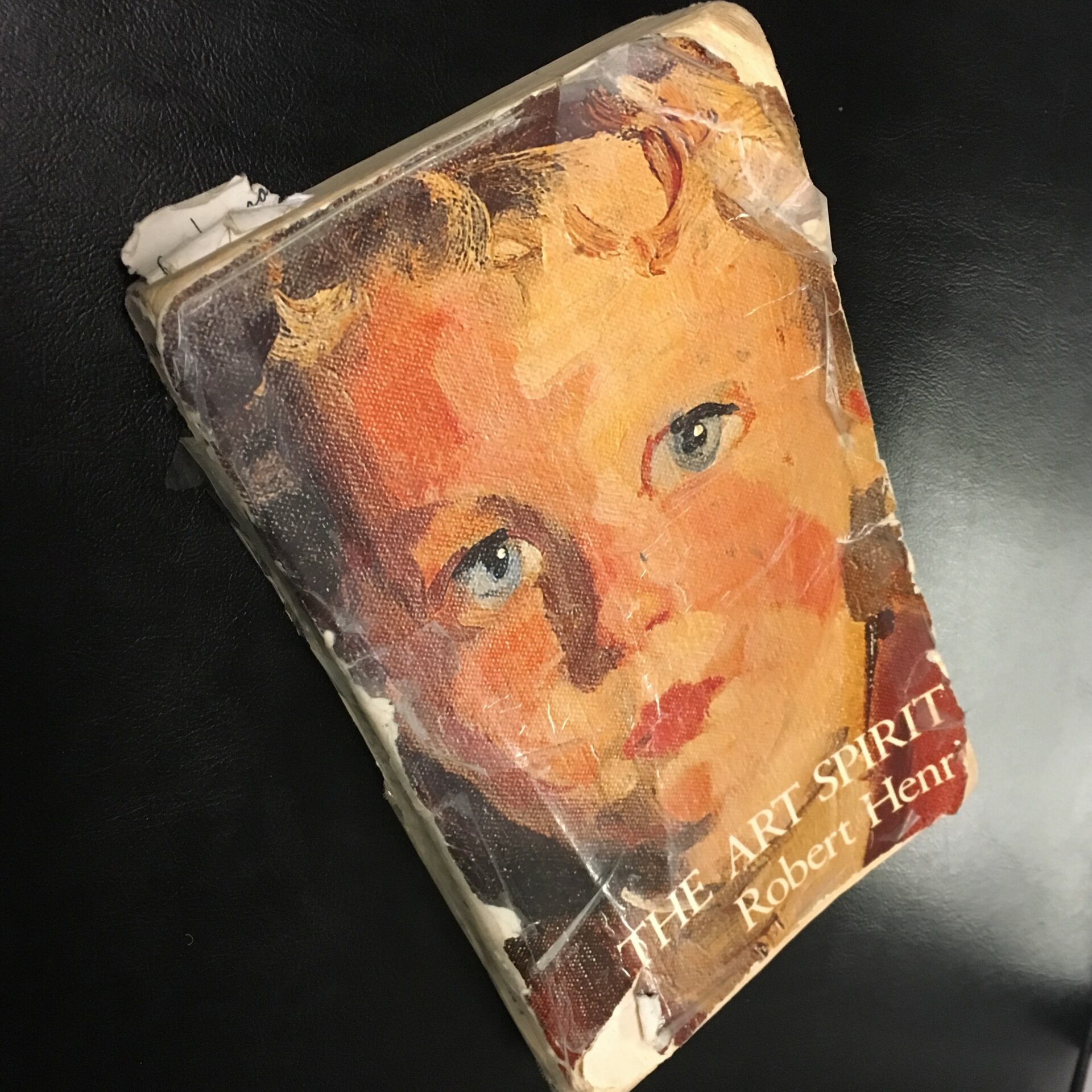
The imposter feelings began to dissipate once I shifted two important things. First, I needed to take my ego out of the equation and simply be there to serve them as best I could, not as an authoritative “guru” but as a guide sharing what wisdom I have in support of their own creativity and expansion. In his book, THE ART SPIRIT, the painter and teacher Robert Henri wrote: “The man who goes into a school to educate himself and not to be educated will get somewhere.” I remind people that they are not there to please me, but to use me up. They are the authority of their creative life, not me, and I am there to serve them and the work. Period. It’s not about me.
Second, if I didn’t want to feel like an imposter, I knew I had to really walk the walk, not just talk the talk. I vowed I would never ask anything of an actor that I didn’t demand of myself. What I teach is not empty words or theory, but a reflection of my daily life, lived. I speak from experience and from being in the trenches with them. And I don’t pretend to know things I don’t know. I’m willing to admit if I don’t have a creative solution in the moment and I challenge everyone to think on it so we can ALL learn from it. And I’ve found that goes a long way in encouraging trust and a collaborative environment.
So, I don’t think you have to get rid of imposter syndrome, you just need to find a way to create value from it. Let it guide you to a more authentic place as you continue to cultivate the courage to drop any false bravado and allow others to see the real you – the human who struggles, who cares deeply but is afraid, who is vulnerable and can admit they don’t have it all together – the person who inspires truth through authenticity.
Thanks, so before we move on maybe you can share a bit more about yourself?
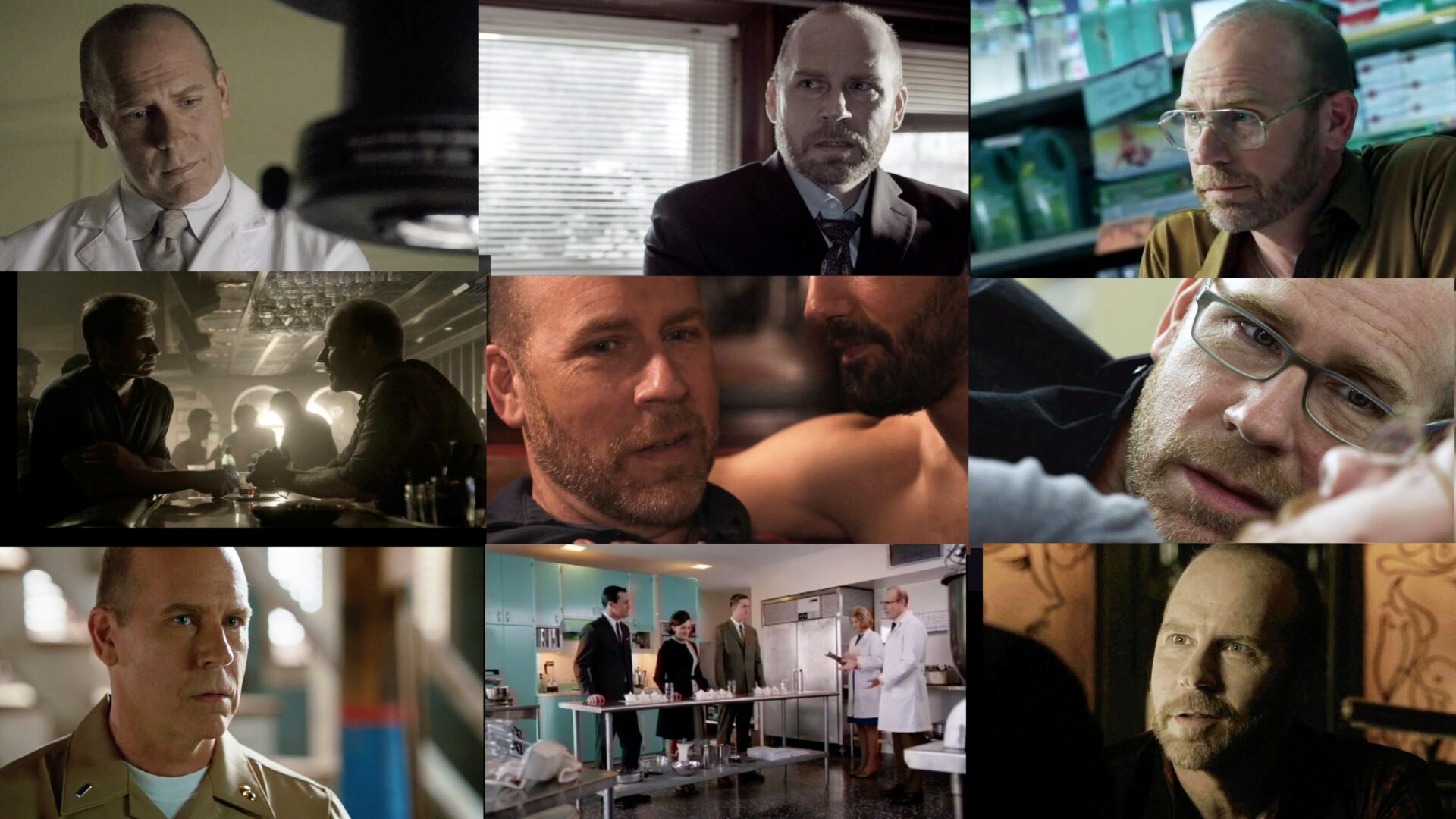
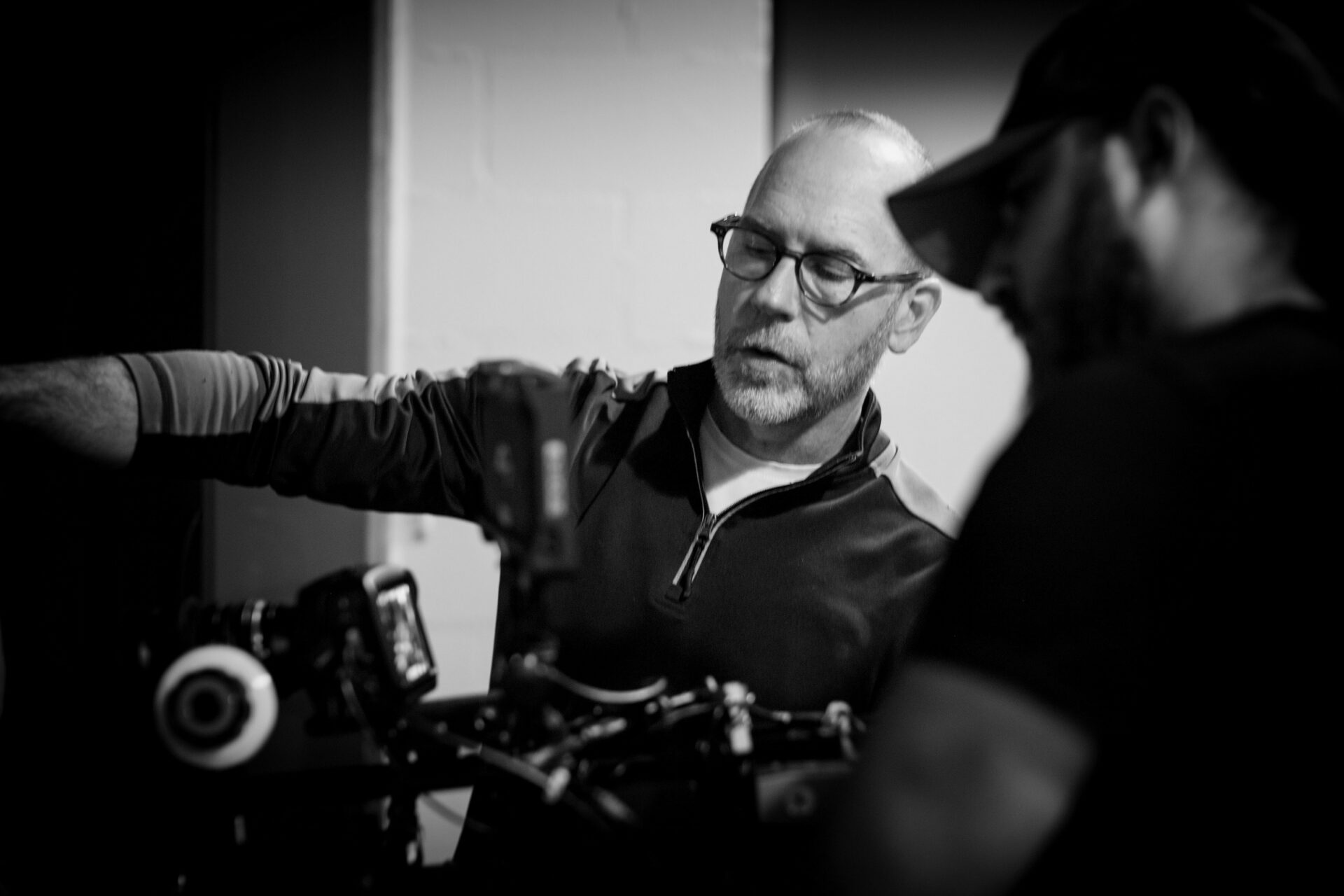
I guess the simplest way to put it is that I’m a storyteller working in a variety of forms. I’ve been a professional actor for over 35 years in both New York and Los Angeles, on Broadway and in a variety of film and TV productions. In the last 15 years, I have expanded my work into writing and directing films, as well as teaching acting through my studio, The Working Artist Studio, where I work with professional actors in On-going Scene Study workshops, full productions of plays, and in collaborative development of original projects.
What I find exciting about working in all these forms is that it has given me a lifetime of experiences that constantly challenge and expand me. The past few years, especially, I’ve really been embracing a mentality of possibility through thinking “Why not?” and “How far can I go?” I’m sure it’s a product of getting older, but time has taken on a different meaning for me – not a pressure to get things done or prove myself, but to really use the time I have and not place any limitations on my work. It feels very childlike, in a way, like I don’t know any better and am willing to just experiment as I explore and expand. This has allowed my work as a filmmaker to blossom alongside my teaching and acting, and I’ve even begun venturing into writing short fiction. I recently wrote a story about a disturbing event that happened when I visited Venice for the first time, and I started sending it to literary magazines and competitions – why not? – and received many rejections, but I kept on submitting it, believing the story would eventually find a home somewhere. Each rejection was simply taking me closer to an acceptance. And now, I just got word that it is a finalist in the “Tennessee Williams & New Orleans Literary Festival” and will be published in an anthology this spring by the Harvard University Press. And that’s simply because I allowed myself to think: “How far can I go?”
It’s amazing what can happen when we break free from self-censorship, and that is something I try to encourage through my teaching at the Studio. We tell stories so that someone else might see the messy truth of being alive and recognize that they are not alone. And my greatest joy is seeing another artist give over completely to a story, to live in the vulnerability and struggle of being human to such an extent that they forget self. It is what I am passionate about in my own work and what I seek to infuse in the artists I have the privilege to work with. I learn from them. They inspire my own work and challenge me to keep expanding creatively, and that is a huge gift. One that I continuously strive to give back.
If you had to pick three qualities that are most important to develop, which three would you say matter most?
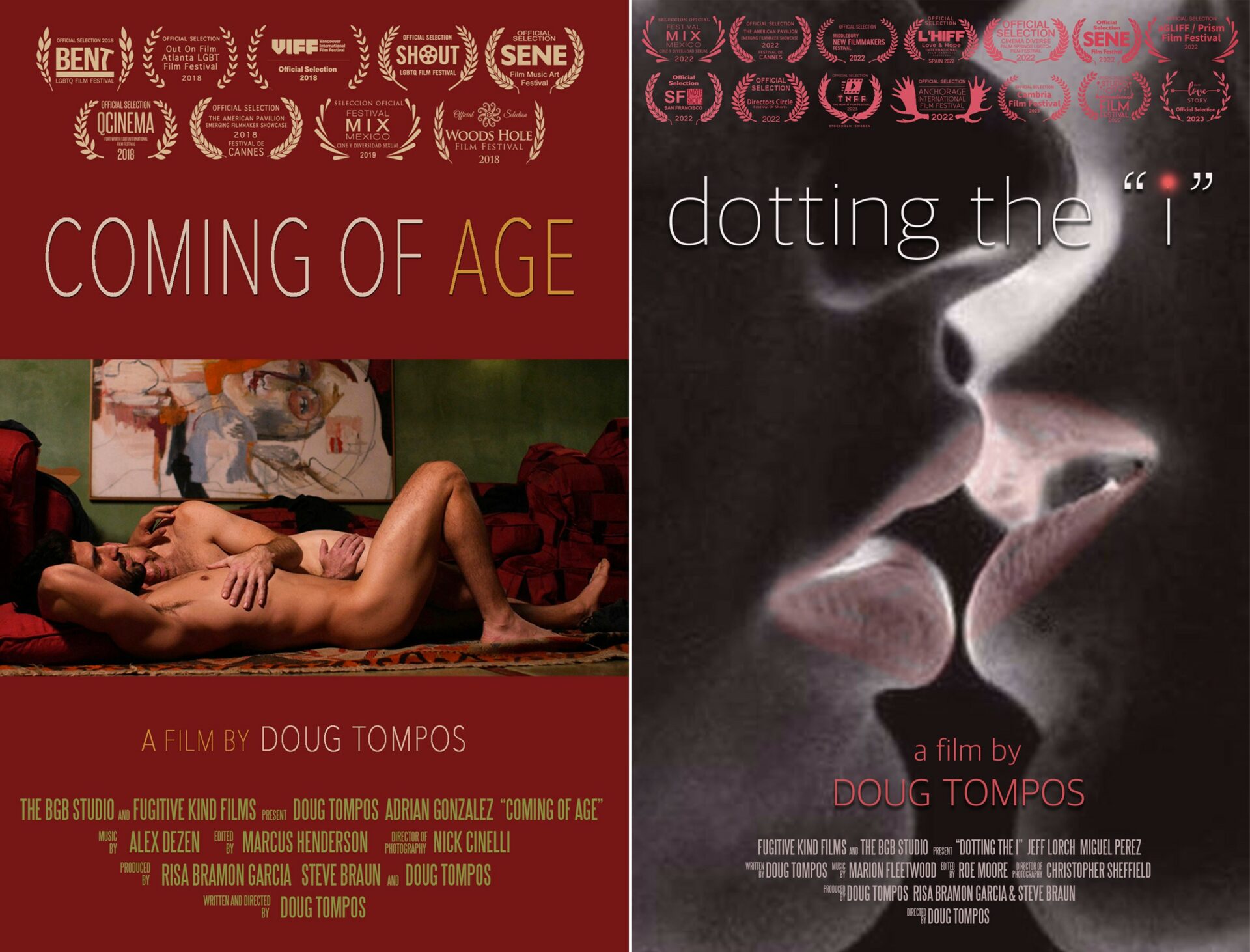
When my first film, COMING OF AGE, was presented at the Vancouver IFF, I had the great fortune to hear the director Paris Barclay speak on his “10 Rules for Success”, and at the top of his list was Humility. And I loved his definition: “Humility is not self-deprecation or humbling oneself. It is simply being clear about what you do know and what you don’t and being willing to learn. To release the need to know it all and be free to ask for advice.”
When you can be honest and accurate about your strengths and weaknesses, you gain the respect of the people you work with and there is no room for that imposter syndrome we talked about.
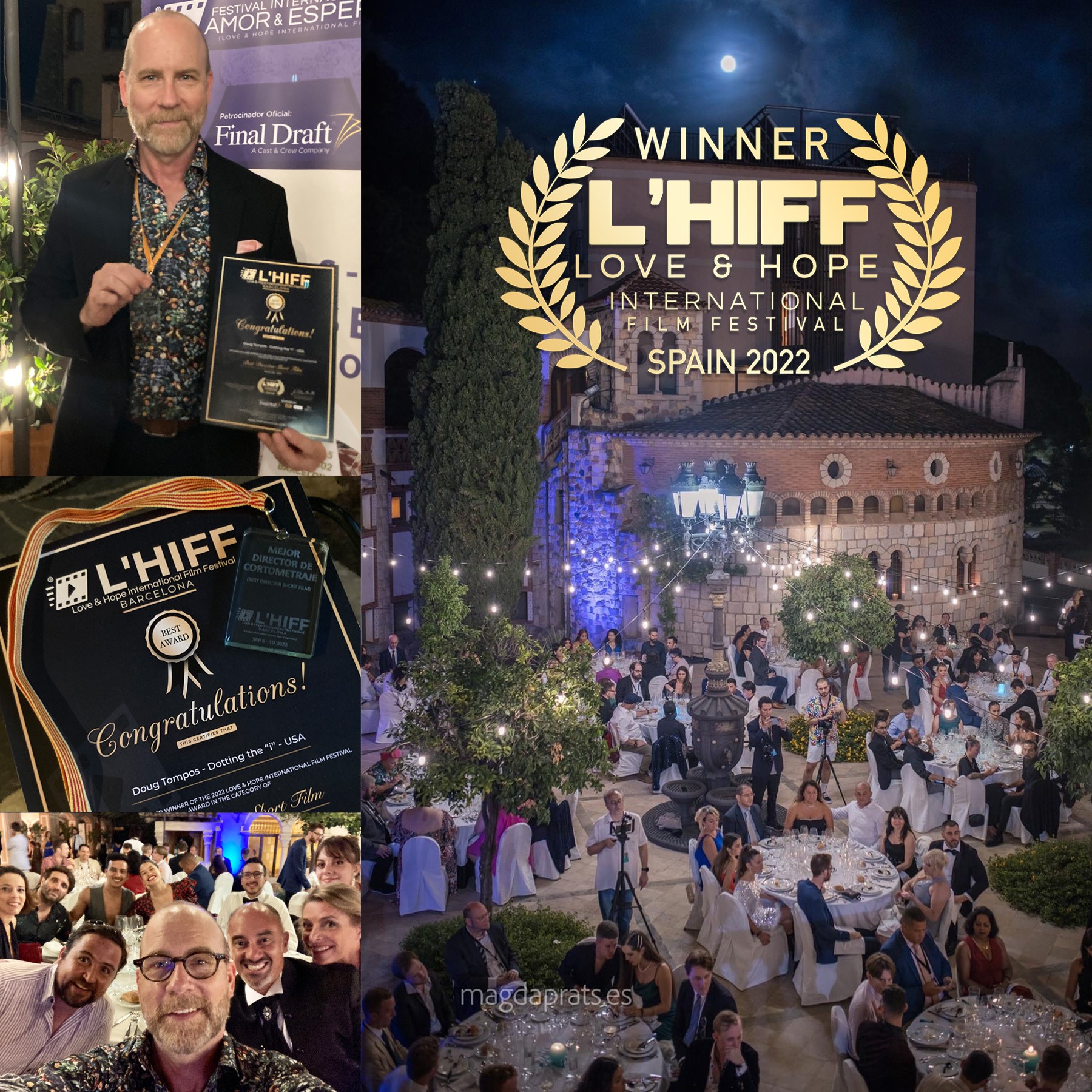
I also had the privilege to hear Maggie Gyllenhaal talk about her experience as a first-time director on THE LOST DAUGHTER and she, too, spoke about the need to release the pressure to “have all the answers”: “That’s why you surround yourself with all these talented, inspiring people, because it’s a collaborative art form. The director is there to allow everyone else to do their best work. That is what he or she brings – the knowledge and wisdom to collaborate, not control.” I took that to heart, and it served me very well on my second film, DOTTING THE “I”.
Along with Humility, cultivate Self-sufficiency. The Greek philosopher, Epicurus, wrote: “Self-sufficiency is the greatest of all wealth.” and “The greatest fruit of self-sufficiency is freedom.” This can be applied to all areas of life. In the work, it means knowing your job and knowing how to do it, and still being open to collaboration. If you are fully prepared yet flexible, then you have something to offer that everyone can work with. And this applies to any relationship, personal or professional. Being the source of your own love and validation frees you from asking for it and opens you up to a more generous experience, a true giving of yourself without expecting or needing something in return.
And finally, build Resilience, which, I would say, is learning to create value from whatever happens to you. We cause ourselves a lot of suffering by dwelling on what we wished had happened or should have happened, instead of accepting what is and shifting our way of thinking about it. If you focus on what you can control – your mentality, your response to things and the actions you take – you will suffer a lot less. As Aldous Huxley said: “Experience is not what happens to you. It’s what you MAKE of what happens to you.” How you interpret it is up to you. That, you can control.
Resilience, then, is not just applying a mask of “I’m fine.” It’s feeling the pain, the uncertainty, the desire to quit, and then choosing to move forward because your passion and purpose is deeper than your bruised ego. You have no control over how your work is received. You simply give it. And if they receive it, fine, if they don’t, you release it with a sense of gratitude. Focus on what you can control, and then, as Huxley says, you can create the experience you want and that you deserve.
Who has been most helpful in helping you overcome challenges or build and develop the essential skills, qualities or knowledge you needed to be successful?
It’s interesting that you ask this, because there has been one person without whose influence I can unequivocally say I would not be where I am today, in any of the facets of my life as a storyteller. But as often happens in close, long-term mentorships, there comes a time for separation – sometimes painful, and sometimes instigated by the mentor – in order for the mentee to break free and find their own way. That is what happened with us. And it pains me at times that the break had to be so complete, but I know now that it was necessary. And I’d like to take this opportunity to pay tribute to her.
I worked with the acting coach Diana Castle for 15 years when I first came to Los Angeles, and she revolutionized my thinking about the process of acting. She revealed to me the power of our empathetic imagination to connect, heal, expand, and embrace the beauty of what it is to be an alive, messy, searching, human being. This has become the foundation of my acting, teaching, writing, and directing, and I strive every day to take that knowledge and expand it, embody it, and share it with the people I have the privilege to work with.
The nature of creativity fascinates me and whether you are an artist or a businessperson (or both), cultivating a childlike sense of play and curiosity in your work is essential to a healthy and expansive experience of life. I love reading, and Diana exposed me to a myriad of books on creativity, beginning with the Robert Henri’s THE ART SPIRIT, a book I still carry with me wherever I go. I’m currently reading (and highly recommend) Rick Rubin’s new work THE CREATIVE ACT: A WAY OF BEING and would also suggest Elizabeth Gilbert’s classic, BIG MAGIC, a humorous and down-to-earth exploration of the creative process.
What Diana also inspired in me was the desire to keep learning. To never be “finished.” To slow down and stop thinking there is some place to get to. There is such a drive in our culture to achieve, to get to the top of the mountain, and do it right now, but success is not a destination. It’s a process of living fully, engaging in the challenges of life, allowing yourself to get uncomfortable, and discovering within this limited time we have, all that you can become. In YOU ARE A BADASS, Jen Sincero ends her chapter on gratitude with the exhortation: “Be grateful for all you are, and all that you are becoming.” So, to me, the secret of living a full life is to never stop “becoming.”
As Robert Henri says, “When the artist is alive in any person, whatever his kind of work may be, he becomes an inventive, searching, daring, self-expressing creature. He becomes interesting to other people. He disturbs, upsets, enlightens, and he opens ways for a better understanding. Where those who are not artists are trying to close the book, he opens it, shows there are still more pages possible.”
Let’s all keep opening the book and filling as many pages as possible.
Contact Info:
- Website: www.dougtompos.com
www.theworkingartiststudio.com
https://dougtompos.wixsite.com/dottingthei - Instagram: @dougtompos