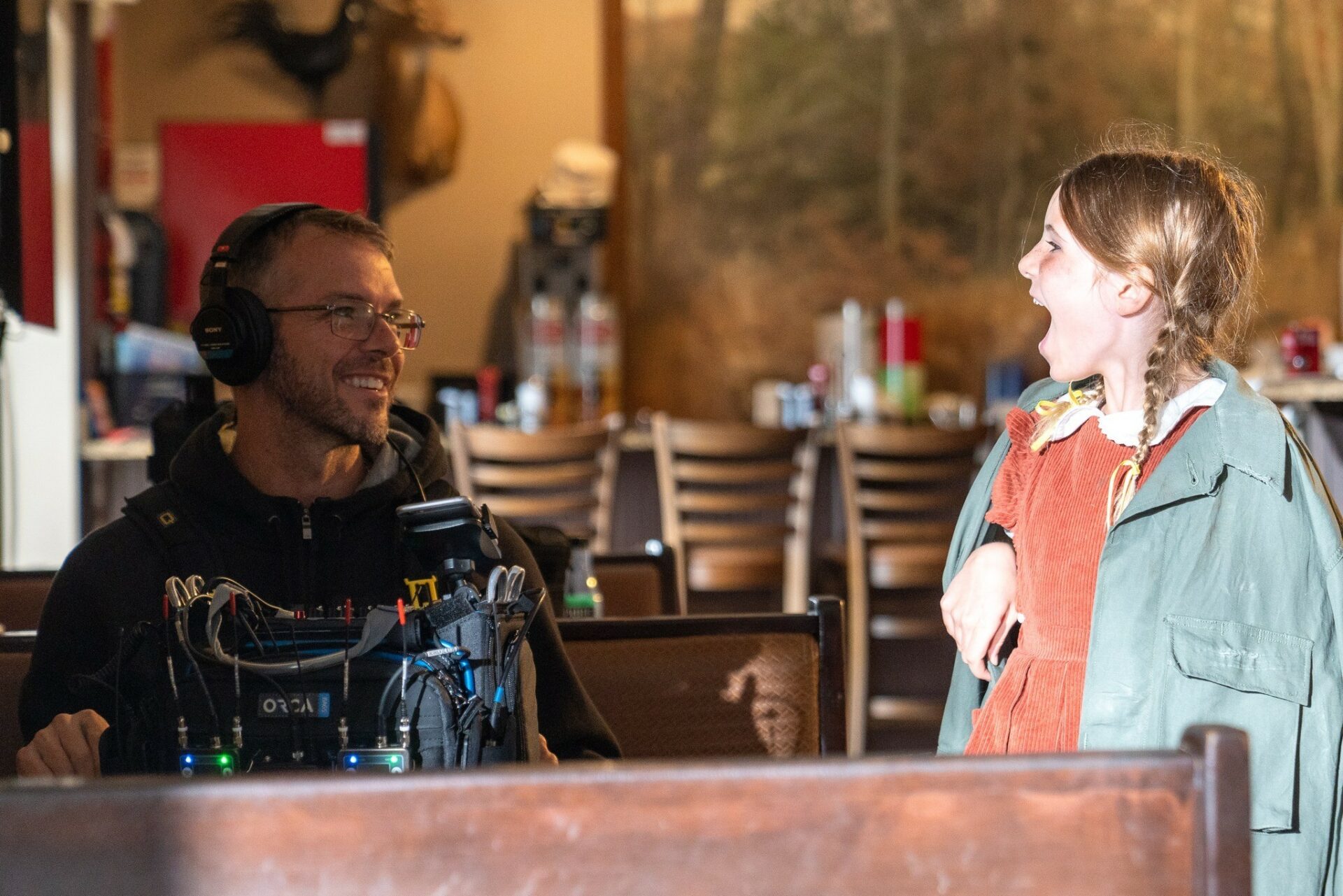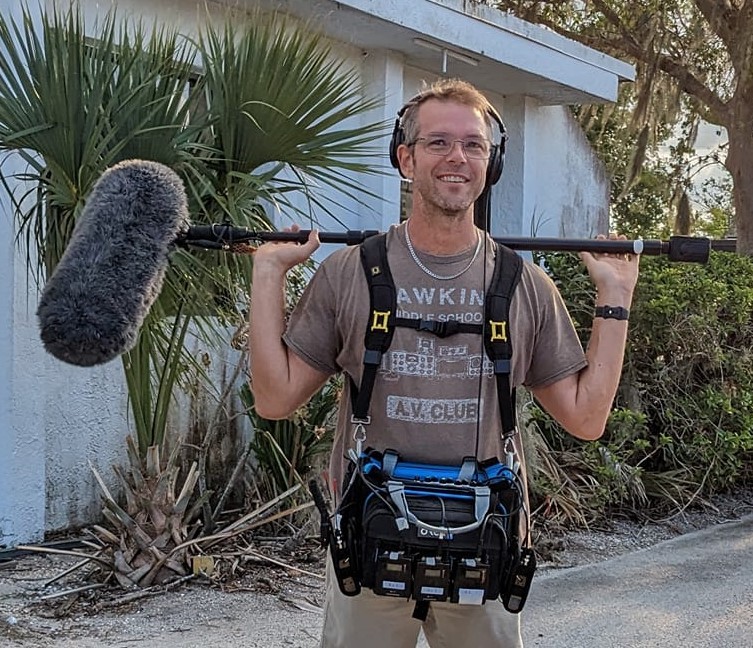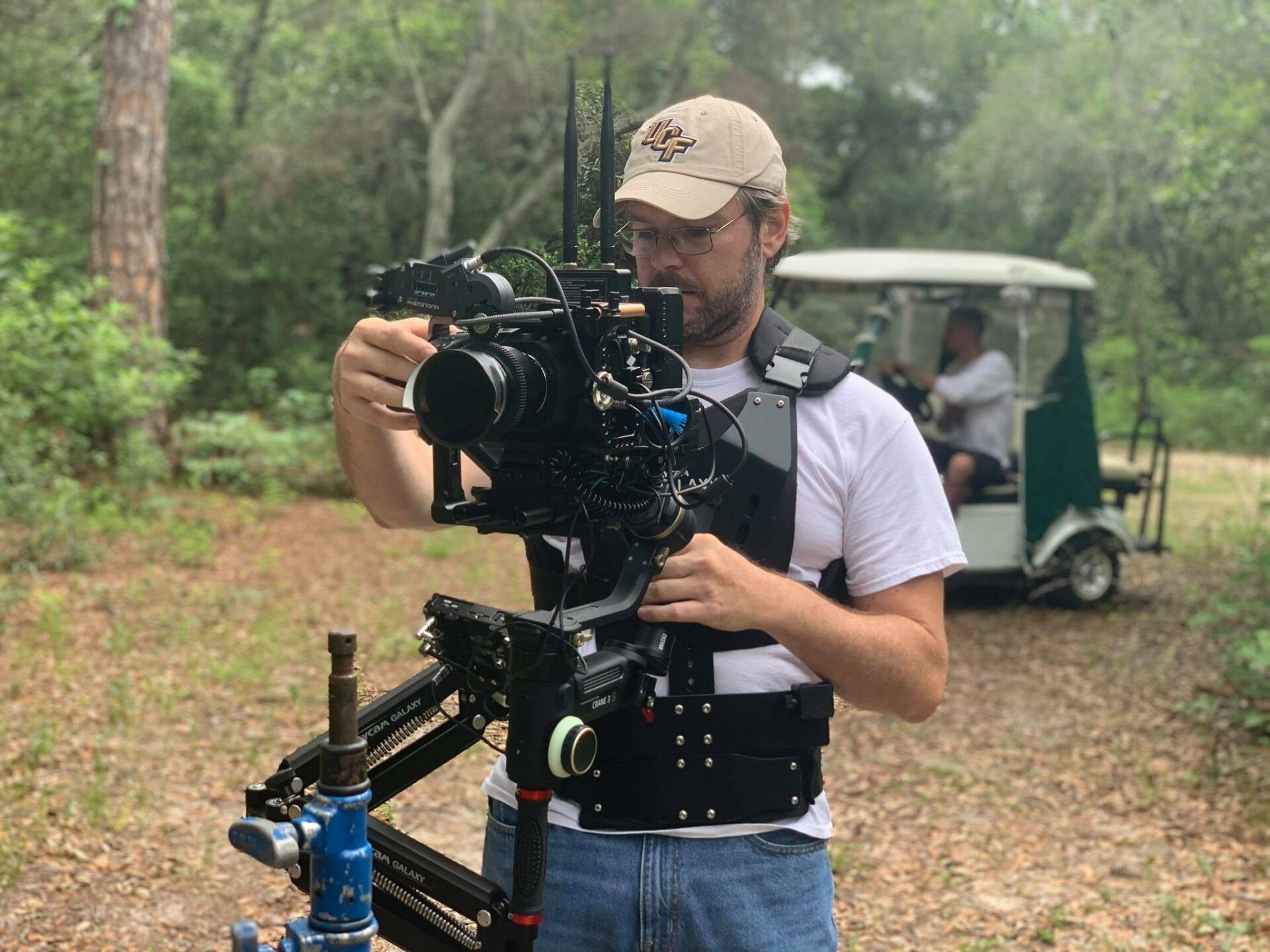
We recently connected with Gregory Mohn and have shared our conversation below.
Hi Gregory, thank you so much for opening up with us about some important, but sometimes personal topics. One that really matters to us is overcoming Imposter Syndrome because we’ve seen how so many people are held back in life because of this and so we’d really appreciate hearing about how you overcame Imposter Syndrome.
I’m not sure that I have. The Dunning-Kruger effect is something that fascinates me in this and other industries. I was a stills photographer for about 20 years before getting into film production and in that time, I went through a lot of phases. Thinking that you’re skilled and actually being skilled are lines that rarely intersect. When they do, it’s a wonderful time to create. Having all of the optimism and confidence as well as the technical and artistic ability at the same time can create some amazing things.
But that time is often short. Self-doubt is something I consider important for growth, as long as it doesn’t conquer you and force you to give up. I’d like to think that if I’m not learning, I’m not growing and if I’m not improving, it’s time to find something else to do.
Imposter syndrome is an acceptable place for me because it causes me to be overprepared for my next job whereas naïve confidence is the place where you show up thinking you can do anything, but almost always failing on some level.
Thanks for sharing that. So, before we get any further into our conversation, can you tell our readers a bit about yourself and what you’re working on?
I suppose I’ve always had an interest in film making. The very first time I picked up a VHS shoulder mount video camera at age 11, and saw that ability to see things through a lens immediately resonated with me. Through high school and college, if someone was making a video, I wanted to be involved. Less so in front of the camera though.
In college, I got my first capture card for a computer and was trying to import and edit video at some horrible resolution around 240p and it was just a terrible experience. The technology just wasn’t there for someone not working for a production house with $100,000 worth of equipment.
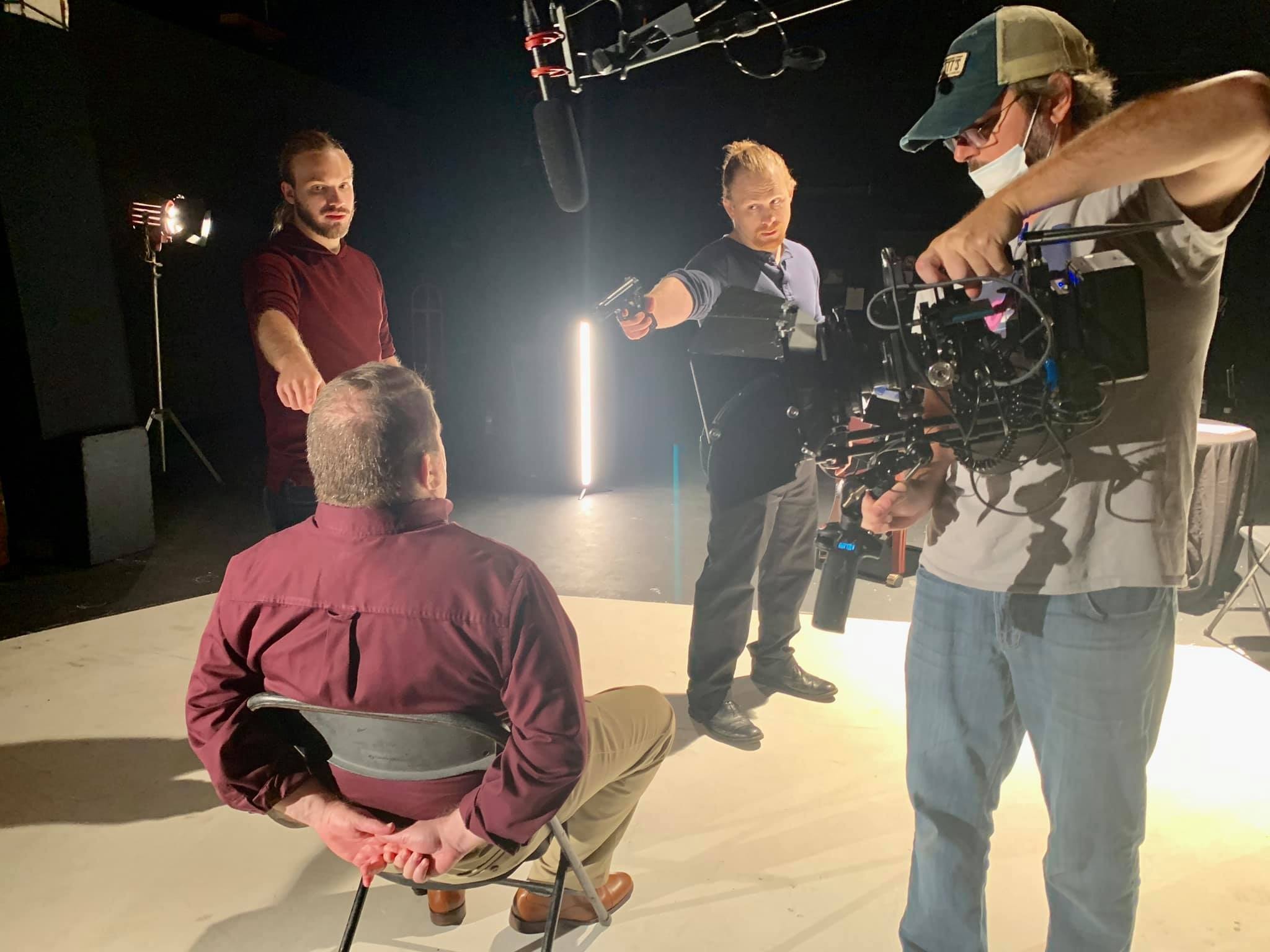
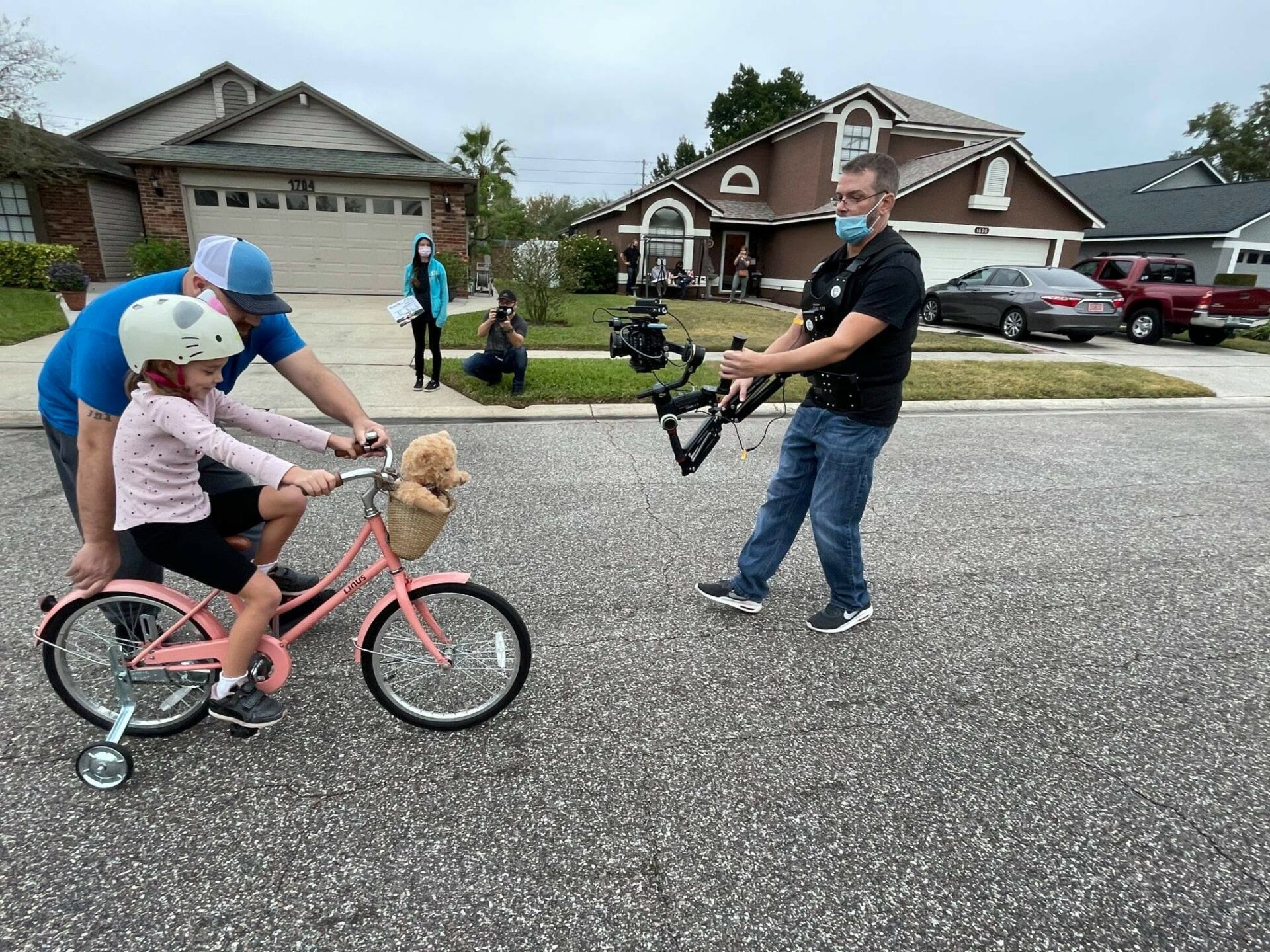
It wasn’t until the early 2010’s that I picked it up again. Technology in cameras and editing programs advanced to the point where it was accessible to the general public to create movies. And since then, things have been moving so fast that it’s difficult to keep up. Every year, it seems cameras, lenses and editing programs become more advanced and further blur the lines between what I can do and what Hollywood has been dong for the last 100 years.
If you had to pick three qualities that are most important to develop, which three would you say matter most?
Vision, quest for knowledge, and practice, in that order. Having a vision is key. When I write a story or screenplay, I’m shooting and editing the story in my head as I write it. I see every shot. Every character’s features, mannerism in movement and delivery of line of dialog. Without that, you are wandering blind into your story and writing just for an idea. Ideas are great, but vision is necessary for success.
The quest for knowledge has been important to developing my craft. Any craft. I really enjoy watching behind the scenes footage for films because the “how” is so much more interesting to me than the “what”. I’m happy to ruin the trick for myself by learning how it was done. That extends into all aspects of film production. Thankfully, YouTube has matured to the point where if I’m up against a wall with how to do something in my editing program, there’s a handful of videos on the platform that will pretty much step by step explain how to accomplish what I’m trying to do.
Practice. There’s an old fable of an interviewer asking a 90 year old legendary cellist Pablo Casals why he continues to practice, to which he answered, “because I think I’m making progress.” And that’s the point right there. Every time you do, you learn. Every moment spent doing an activity, you are improving. So practice. Experiment. Fail, and learn.
I work with a lot of newer people in the industry and my favorite words of advice to anyone is this. You don’t learn anything by doing it right.
What would you advise – going all in on your strengths or investing on areas where you aren’t as strong to be more well-rounded?
I think in general, it is important to have a more well rounded skill set than to specialize in one. The danger being, what if one day you wake up and don’t want to do that one discipline any longer? Without having at least a basic education of other parts of your primary interest, you could lack perspective of how what you do fits into the larger goal.
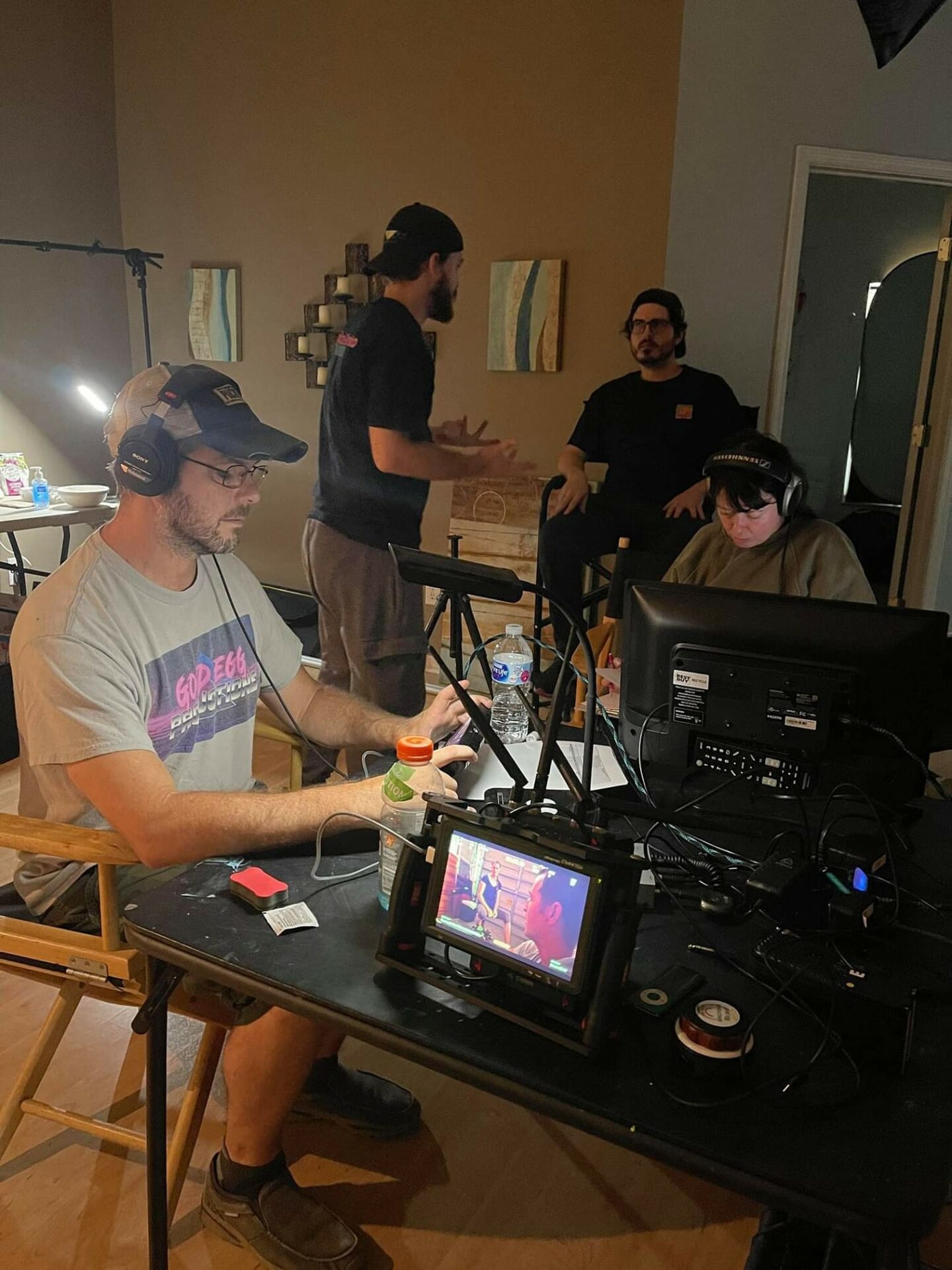
For instance, if you are a welder, and all you care about is welding, you might not understand that what you do could make maintenance on what you are building difficult or impossible. Film production is an extremely collaborative effort and knowing about how the other departments work, and how the other jobs function on set is absolutely helpful to facilitate a more successful result.
Contact Info:
- Youtube: youtube.com/goodeggproductions