We caught up with the brilliant and insightful JL Schwartz a few weeks ago and have shared our conversation below.
Hi JL, appreciate you sitting with us today to share your wisdom with our readers. So, let’s start with resilience – where do you get your resilience from?
That is an interesting question and it may be somewhat difficult to pinpoint the exact circumstances that have enabled me to withstand disappointment, anxiety, rejection and loss and come out on the other side mostly whole and ready to take on the next challenge. Both of my parents had a rather rough childhood and early adulthood that shaped them to be the people and parents they became. I am not sure how those influences and recovery were imprinted on me but somehow either through parental direction or symbiosis the message and training took hold.
Great, so let’s take a few minutes and cover your story. What should folks know about you and what you do?
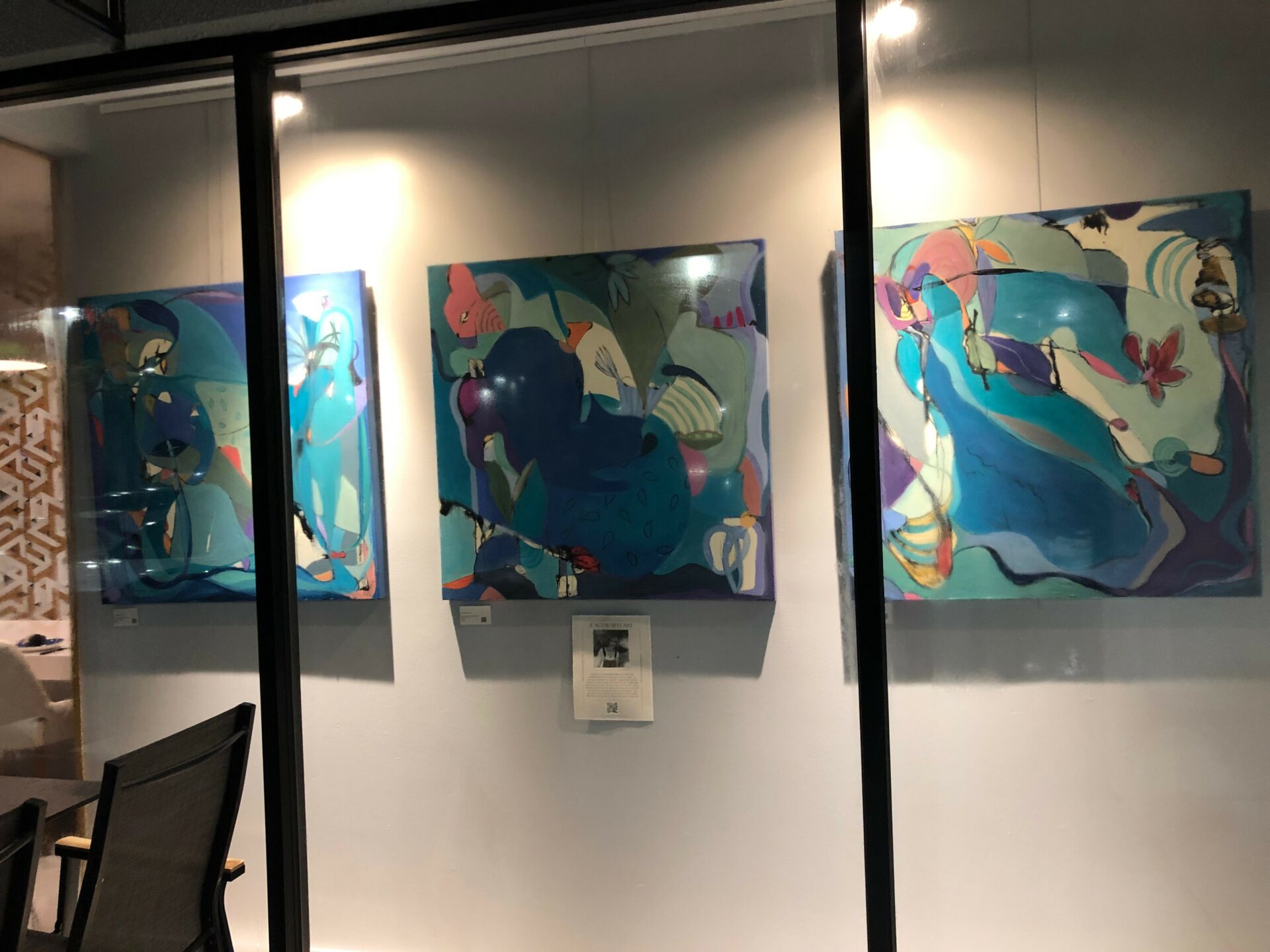
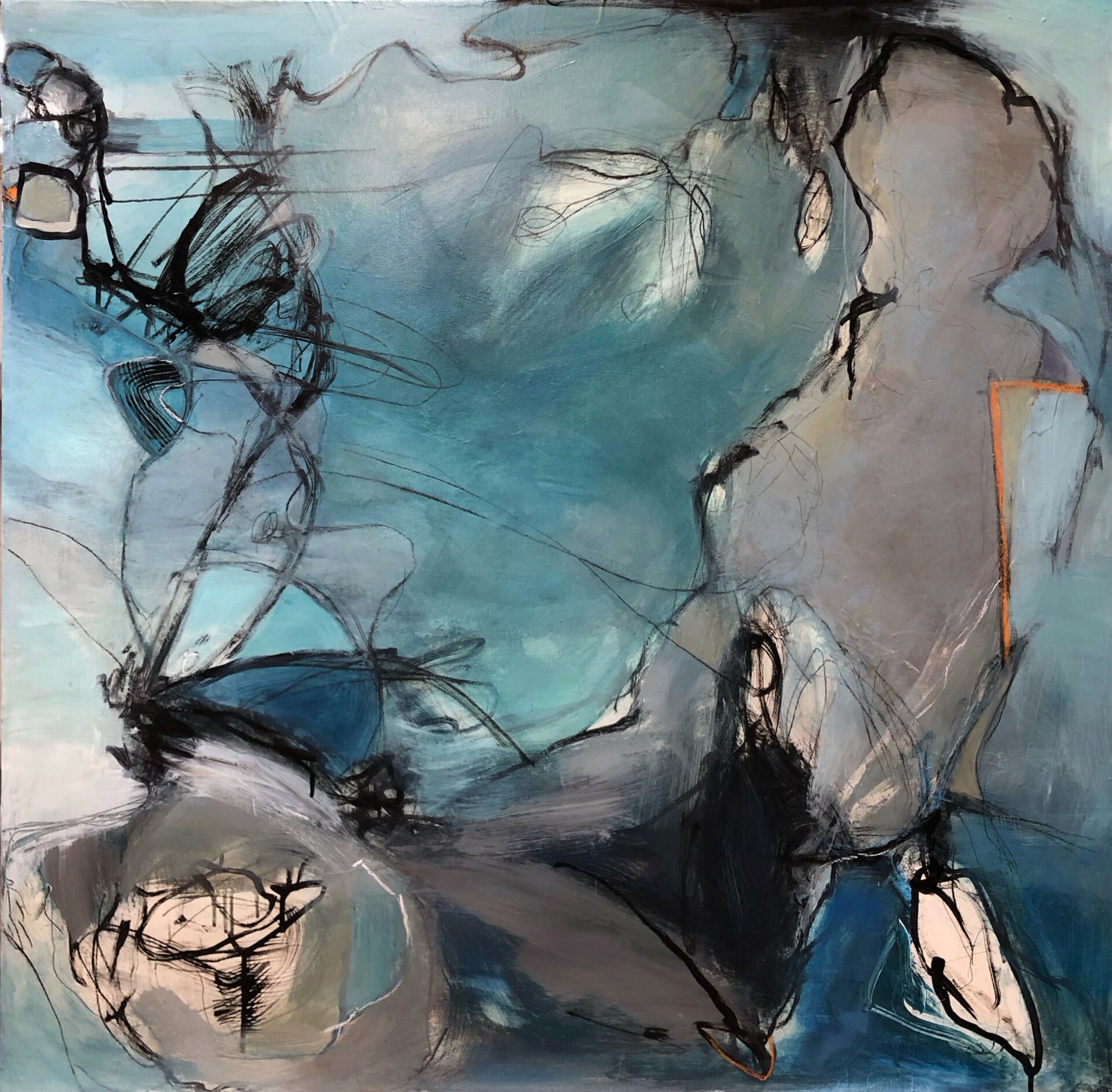
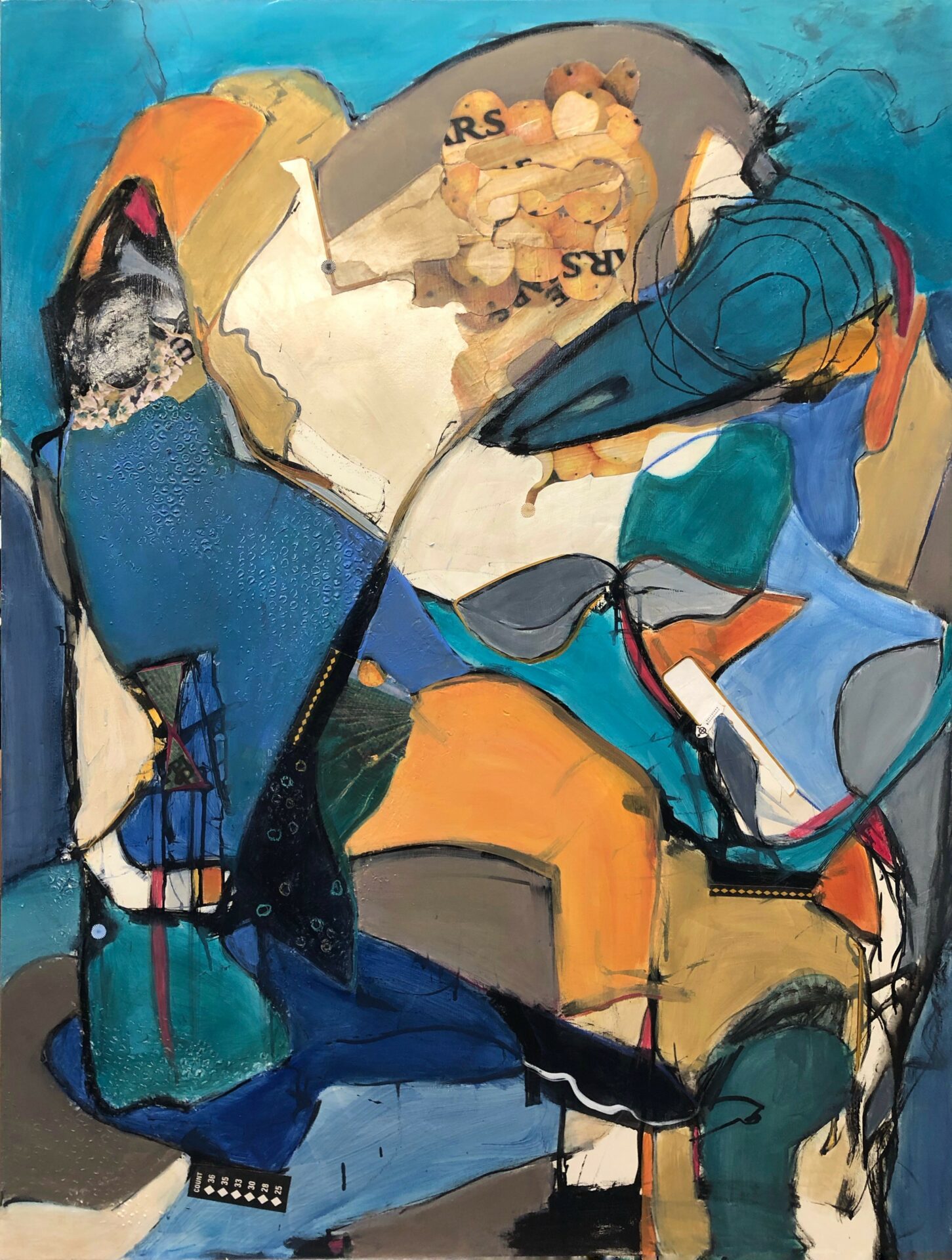
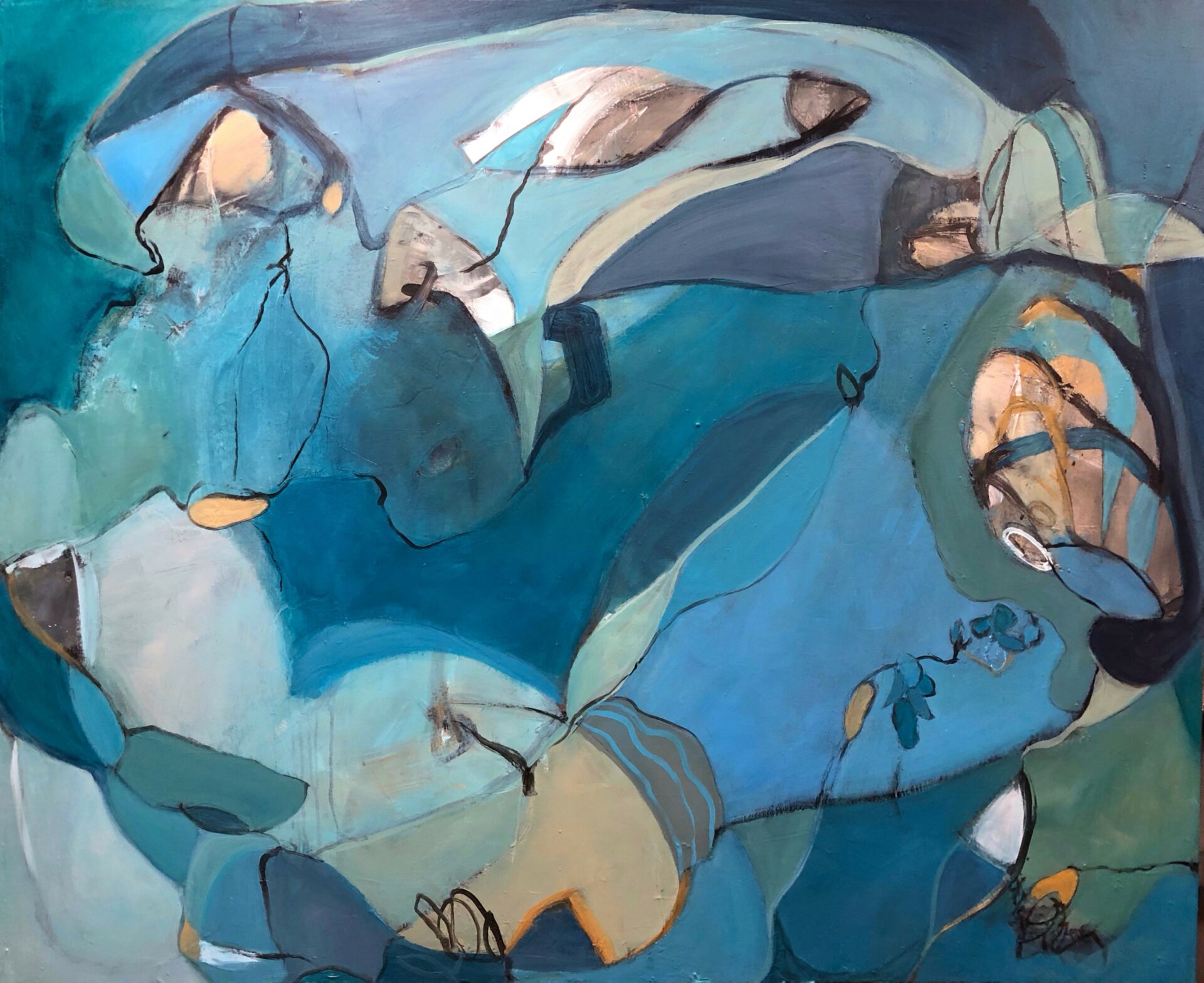
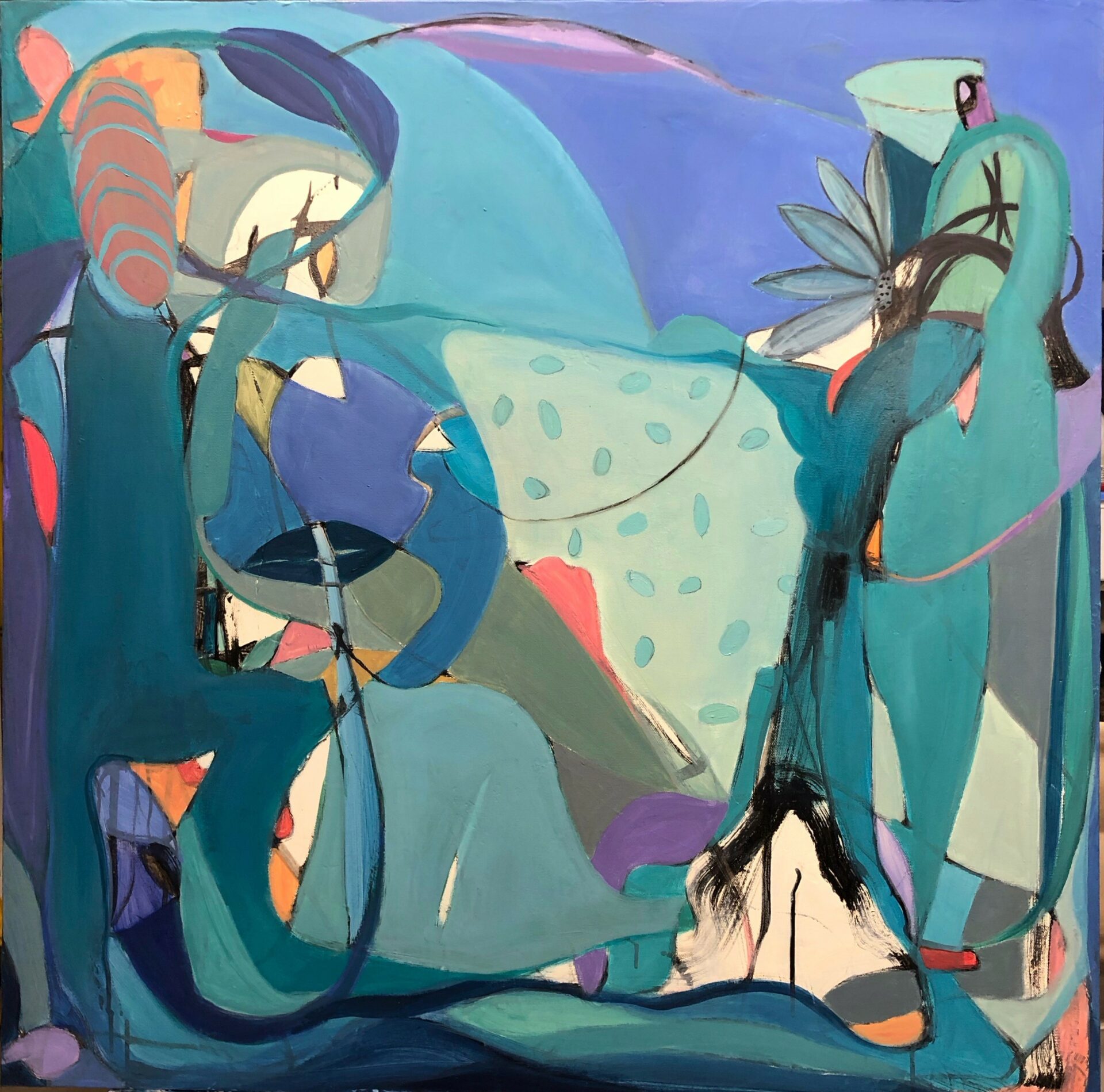
I am an artist whose recent work has been largely focused on biomorphic abstraction which is abstraction that “incorporates a visual language based on biomorphic shapes—bulbous, lush, sumptuous looking forms—that are neither representative nor geometric.” These shapes began to intrigue me during the pandemic when I started a new series with artwork and titles that were meant to be whimsical. I felt that not only I but others needed some comic relief during this rather grim and isolating timeframe. After recently attending a national artist retreat I started working on an offshoot of the biomorphic abstracts using the same underlying technique but creating more recognizable abstracted figures than the original biomorphic artwork. My work differs from many of the artists you see today who are focused primarily on abstract expressionism which fits more neatly in the nonobjective realm. As an artist I strive to create artwork that is innovative and successfully conveys how I interpret the world around me visually and emotionally. My hope is that others continue to appreciate my art and my vision as it evolves over time.
Looking back, what do you think were the three qualities, skills, or areas of knowledge that were most impactful in your journey? What advice do you have for folks who are early in their journey in terms of how they can best develop or improve on these?
Another tough question as it is difficult to summarize and pare down to three qualities, skills or areas of knowledge that impacted my process, which by the way is continually evolving. So here it goes….I would say drawing, color theory and knowledge of the masters / contemporary artists are the three key areas and I would include composition under the drawing category. So many people think that if you are an abstract artist you do not need to know how to draw however I disagree with that theory. When you study the well-known mid-century abstract artists as well as other masters you will find they all began with developing their drawing skills. In addition, all great artists incorporated aspects of other artists work, inclusive of composition, shapes and color palette, in their own work. This did not diminish their creativity or artwork but enhanced it and helped them further develop their skills and style. One of my favorite artists is Diebenkorn who was greatly influenced by Matisse, both in composition and color, and drew directly from Matisse’s artwork to develop his abstracts. In fact, there is a wonderful book that compares and pairs the artwork of the two called “Matisse Diebenkorn” published by the San Francisco Museum of Art and Baltimore Museum of Art.
For those just starting out I would suggest taking drawing, color theory / painting and art history classes then work every day to develop your skills and find your own voice. It takes thousands of hours to master the skills needed to be successful in creating art that can stand on its own and gain recognition by others.
Is there a particular challenge you are currently facing?
Although I am an internationally awarded and published artist I have yet to acquire participation in a commercial art gallery. Not all successful artists desire to be in a gallery setting and prefer to make their sales through other means. However, I feel it would be beneficial for me as galleries have marketing and sales support teams that would enable me to substantially expand my list of clients / collectors. A challenge is that most galleries prefer to have their artists consistently produce work that demonstrates a highly recognizable style. My biomorphic art accomplishes that however I do like to produce other more non-objective artwork in order to change it up and keep the work fresh. In my research there are a number of contemporary artists who produce at least two distinct styles and are represented by galleries so I am encouraged by that fact and just need to put in the effort to find the galleries that will support and revel in my artistic variety.
Contact Info:
- Website: www.jlschwartzart.com
- Instagram: @jlschwartzart
- Facebook: @jlschwartzart