Alright – so today we’ve got the honor of introducing you to Ken Powe. We think you’ll enjoy our conversation, we’ve shared it below.
Ken, we’re thrilled to have you on our platform and we think there is so much folks can learn from you and your story. Something that matters deeply to us is living a life and leading a career filled with purpose and so let’s start by chatting about how you found your purpose.
Christianity teaches us that each of us has a purpose to glorify God and to love and help others. I believe my music is spiritually inspired and if it resonates with others, then it is through that which inspired me. Therefore, as I acknowledge that Spirit, the listener does also, whether they are aware of it or not.
I believe my music helps others because music has the power to change one’s emotional state. I choose to make music that uplifts and puts the mind at ease. It’s pure escapism.
Great, so let’s take a few minutes and cover your story. What should folks know about you and what you do?
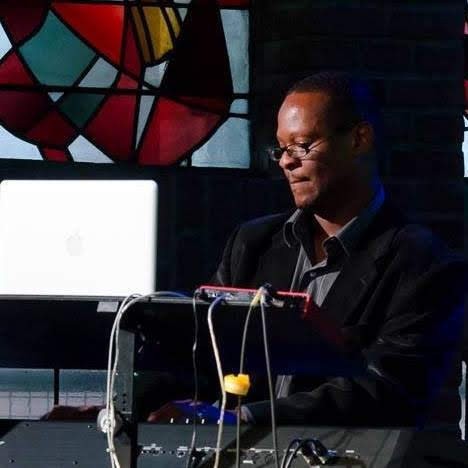
I record music (Smooth Jazz, mostly) and I perform live on piano and keyboards in the U.S. and Europe. Sometimes I perform Jazz and classical pieces solo and other times with a group or ensemble. I’ve been considered for a Grammy three times, once as a composer/producer and twice as a solo artist. I think what is special about my music is I don’t confine myself to a single genre or sub-genre. I enjoy the challenge and experience of learning new and different styles and forms. I’m always evolving.
Recently, I’ve started writing books. In 2020, I published Visions and Dreams: Are they Communication from God, or Just Us? (non-fiction). Last year, I completed my first novel and I’m seeking to get that published through a conventional publisher.
If you had to pick three qualities that are most important to develop, which three would you say matter most?
1) Music theory (if you want a career in music, you have to adapt to different musicians and different situations; there are very talented musicians who can’t read music or understand chords and scales and that keeps them from getting certain jobs) 2) Literature (I can appreciate the poetic qualities of certain song lyrics; the best lyrics do more than just rhyme–they move you as poetry does)
3) Computer literacy (I do everything on a computer, from recording and burning to graphic design and packaging; I wouldn’t even be a recording artist without this skill)
My advice is to take every opportunity to learn anything you can from other musicians and people in the industry. Form relationships with professionals through social media. Ask them questions.
Thanks so much for sharing all these insights with us today. Before we go, is there a book that’s played in important role in your development?
Many years ago, I read This Business of Urban Music by James Walker, an entertainment lawyer. It discussed signing recording contracts and what’s in them, understanding the roles of agents, lawyers, publicists and accountants and how recording labels operate. It helped me to see that many of the assumptions I had about being a recording artist were wrong and probably came from Hollywood biopics, media sensationalism and music videos. It’s forerunner, This Business of Music (now in its 10th edition), is standard reading for any aspiring recording artist.
Contact Info:
- Website: kenpowe.com
- Instagram: kenp_keys
- Facebook: Smooth Jazz by Ken Powe
- Twitter: kenp918
- Youtube: https://www.youtube.com/channel/UCov-idf8uikyS0RWxaYkLFA/featured
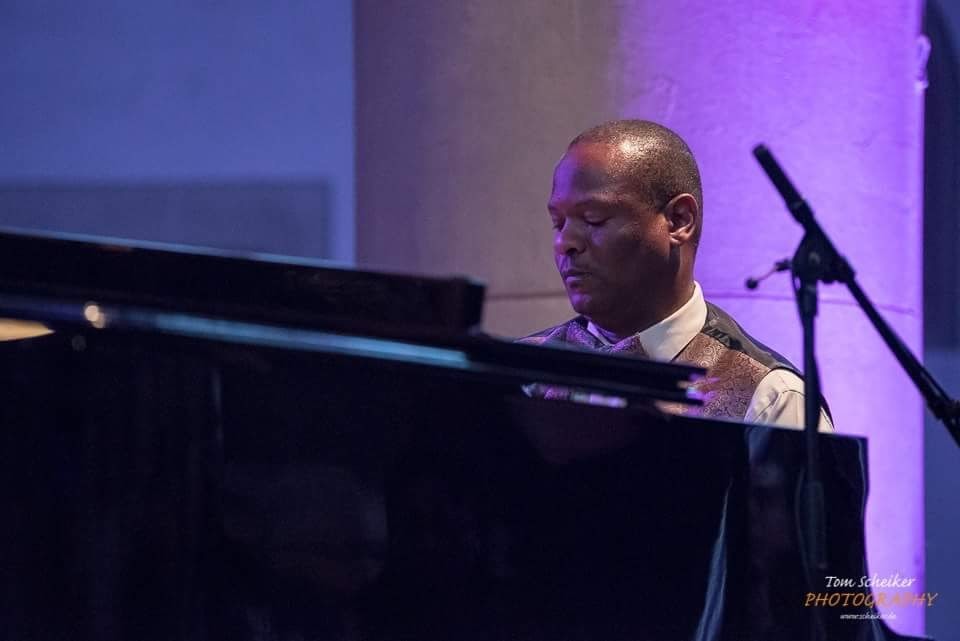
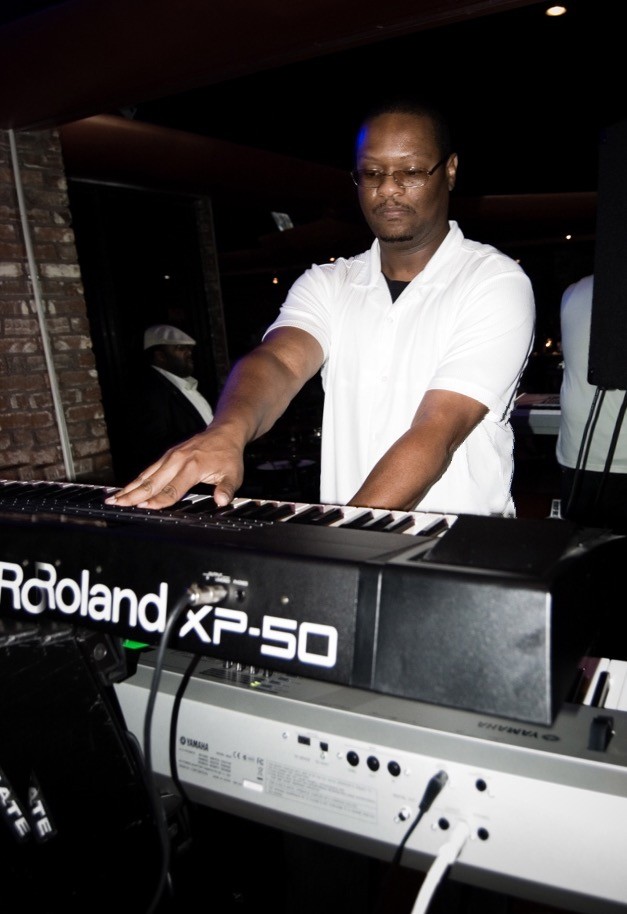

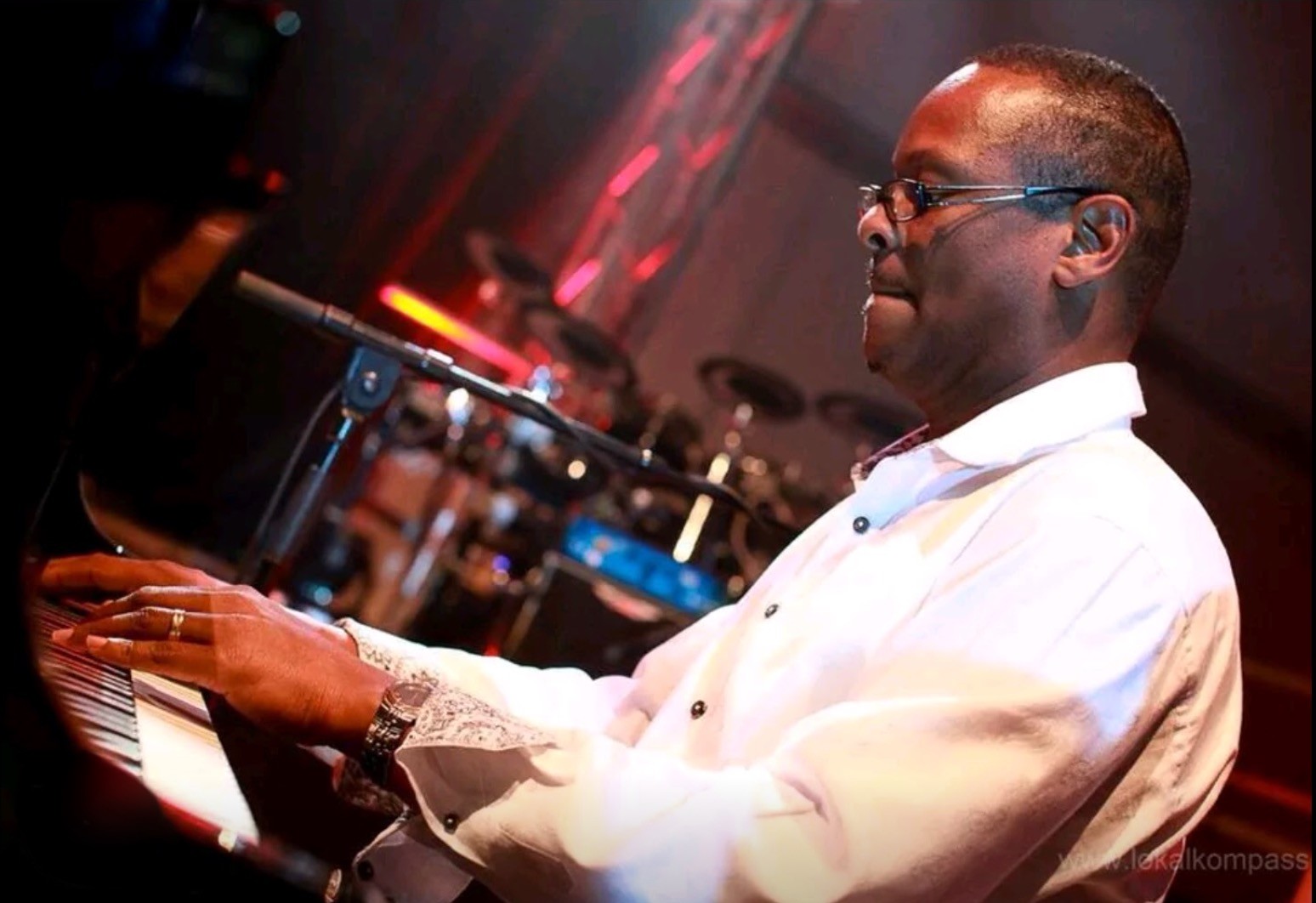
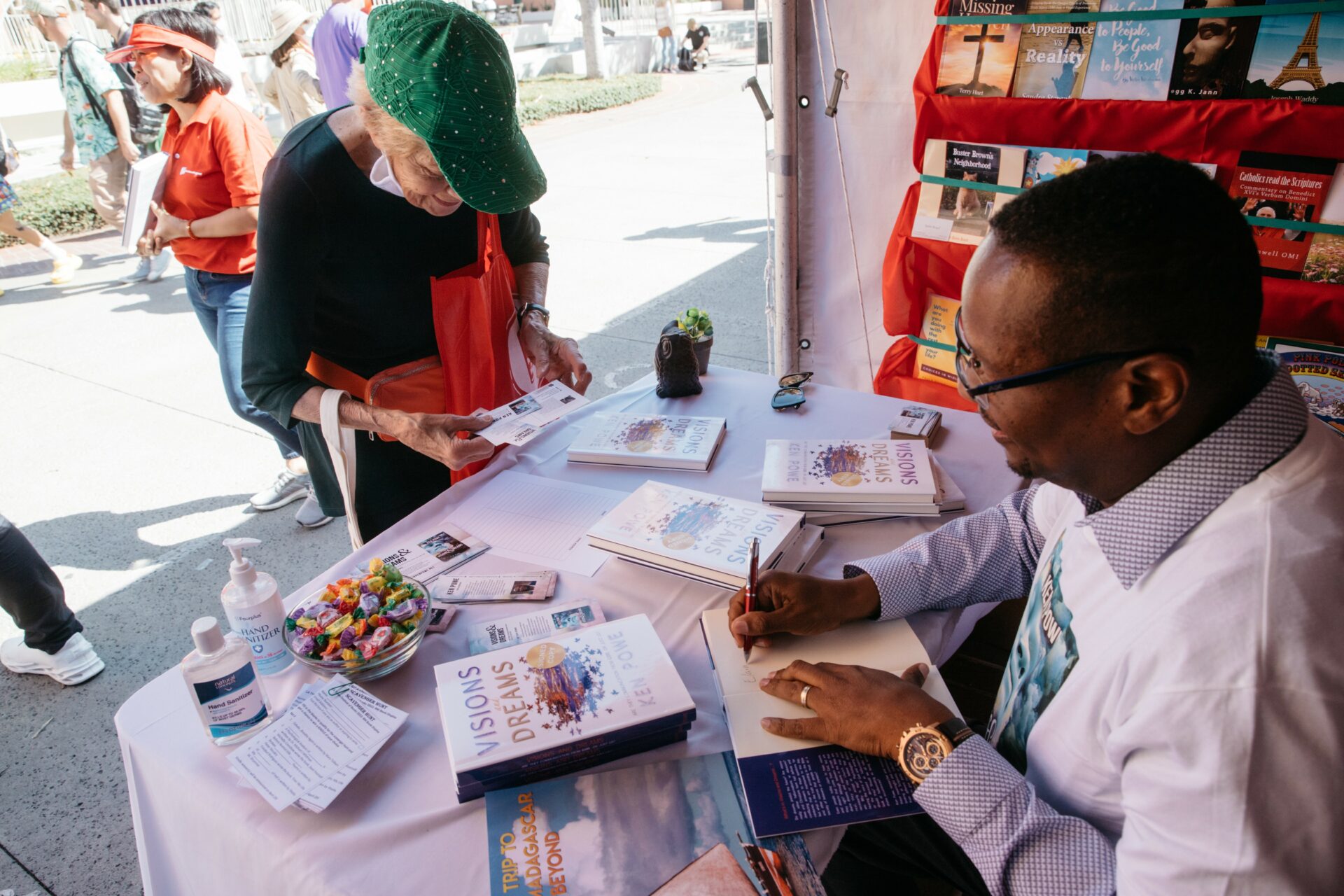
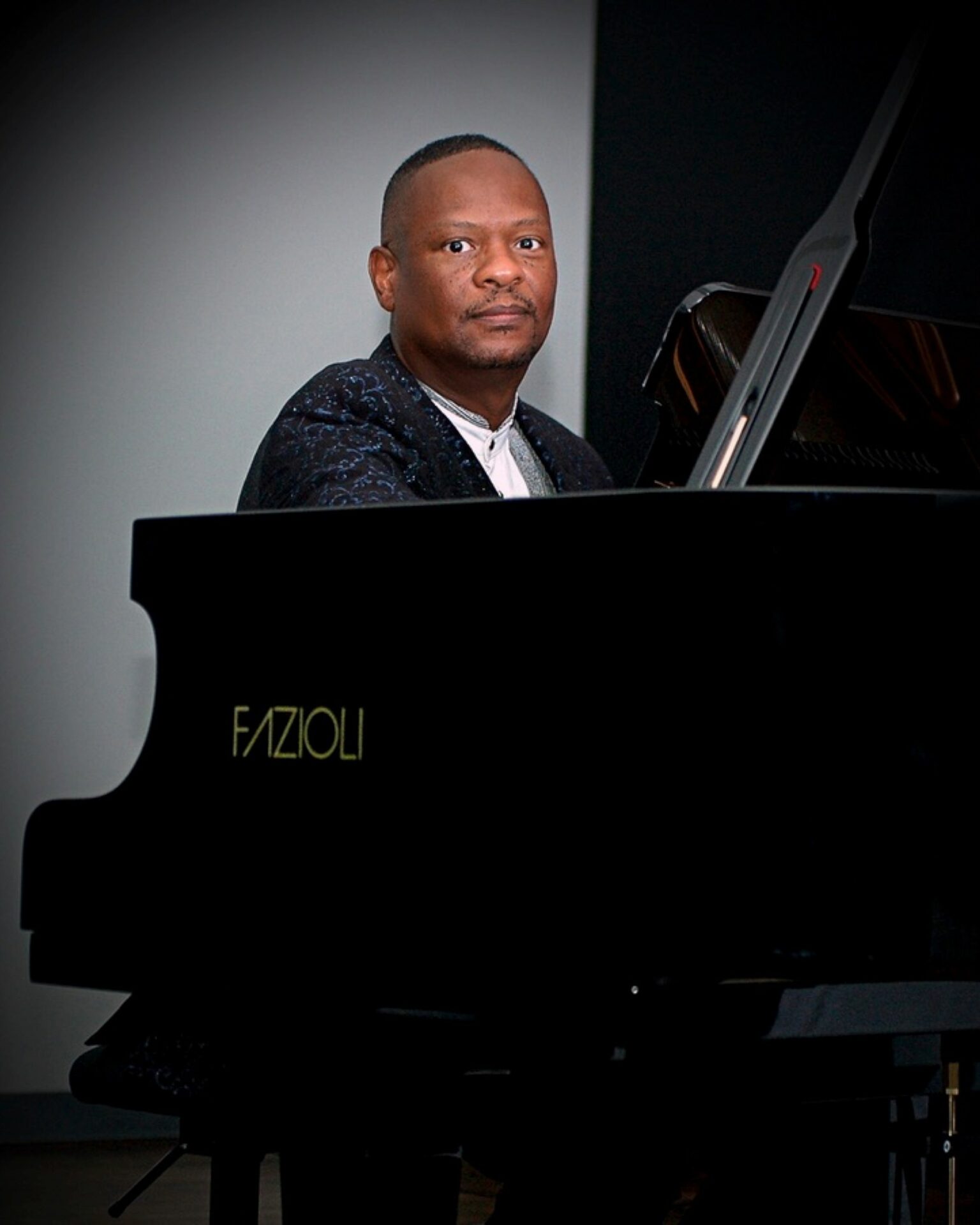
Image Credits
Tom Scheiker