We caught up with the brilliant and insightful lye.ll a few weeks ago and have shared our conversation below.
Hi lye.ll, thank you for being such a positive, uplifting person. We’ve noticed that so many of the successful folks we’ve had the good fortune of connecting with have high levels of optimism and so we’d love to hear about your optimism and where you think it comes from.
I think optimism and hope are deeply intertwined. Both are a choice, and both require a degree of faith. Outcomes aren’t guaranteed. Inevitably your optimism will, at times, be misplaced. But choosing optimism gives the better outcome a better chance.
We live in a strained world, under incredible pressure. In a macro sense, I don’t think we have the luxury to be pessimistic. There’s too much work to do. We have to believe in our future, and optimism is an affirmation of belief. That applies equally to our personal lives.
Let’s take a small detour – maybe you can share a bit about yourself before we dive back into some of the other questions we had for you?
I have a record of mine coming out this spring, RED LETTER DAYS. I’m excited for it to be in the world, and I’m excited to perform it.
I have several different projects I’m producing that I’m very excited for in the coming months. The last few months saw releases from my project, lye.ll, as well as Tate Tucker and Brooke Howard, both wonderful artists with releases that we put a lot of heart into.
There is so much advice out there about all the different skills and qualities folks need to develop in order to succeed in today’s highly competitive environment and often it can feel overwhelming. So, if we had to break it down to just the three that matter most, which three skills or qualities would you focus on?
I’d point to two entangled qualities (which I’d also call skills) that are so important but really take a lot of work to develop, for me at least. The first is patience. We talk about patience all the time, but the practice is hard – and it applies in so many hidden places across the creative process and life in general. It’s equally important in finding the right sample or getting the right vocal take as it is in the arc of a multi-year project or time to find breath in the morning or when and where we apply it to our relationships. For me, patience is an active practice that gets easier, even enjoyable, with time, but it requires trust and work and constant reminders.
And to complicate things further, the other quality that might be just as important – certainly a very close second – is learning to discern, to listen, when to change paths. To not confuse patience with complacence, not let perfection and iteration get in the way of a beautifully imperfect piece of work, or a release. To not hang onto a project that isn’t working because of inertia, disguised as patience. To make the decision to put something down, or put it out. Instinct plays a part in this, as does listening, but I don’t think we have a term that exactly describes it. It’s the dark side of patience’s moon, if you will. I think that knowing when to be patient and when to call it is one of the most important skills out there and is a big delineating factor in success. And it’s a really tricky one.
But those weights aside, having fun with the journey is so important. Music is fucking fun. And even in those projects that work with really heavy material, there’s a light that comes through in the process. Have fun making what you’re making, take time to notice unexpected beauties, enjoy the people you’re with. Good collaborations are rooted in enjoying one another and what you’re bringing to each other as humans.
To close, maybe we can chat about your parents and what they did that was particularly impactful for you?
Managing a separation with the degree of love and grace that they did would take a big first, but in a more limited (musical) sense, I’m forever grateful to my parents for insisting on my taking piano lessons growing up. I wasn’t a particularly gifted player as a child – it took me a long time to really find my voice on the keys and get comfortable using it – but I kept at it and they made it a non-optional activity for long enough that by the time I would have been allowed to quit I didn’t want to. I’d encourage anyone singing or writing songs or producing who doesn’t play much to make learning an instrument part of their practice. It’ll give back in all sorts of unexpected ways.
Contact Info:
- Website: https://altfi.fm/lyell
- Instagram: https://www.instagram.com/lye.ll/
- Other:
Spotify: https://open.spotify.com/artist/3W8pdsyihJ9nXyHocGZFpI?si=0D5Z0YX2Tk2qbpdrEQQpJw
alt_fi: www.altfi.fm
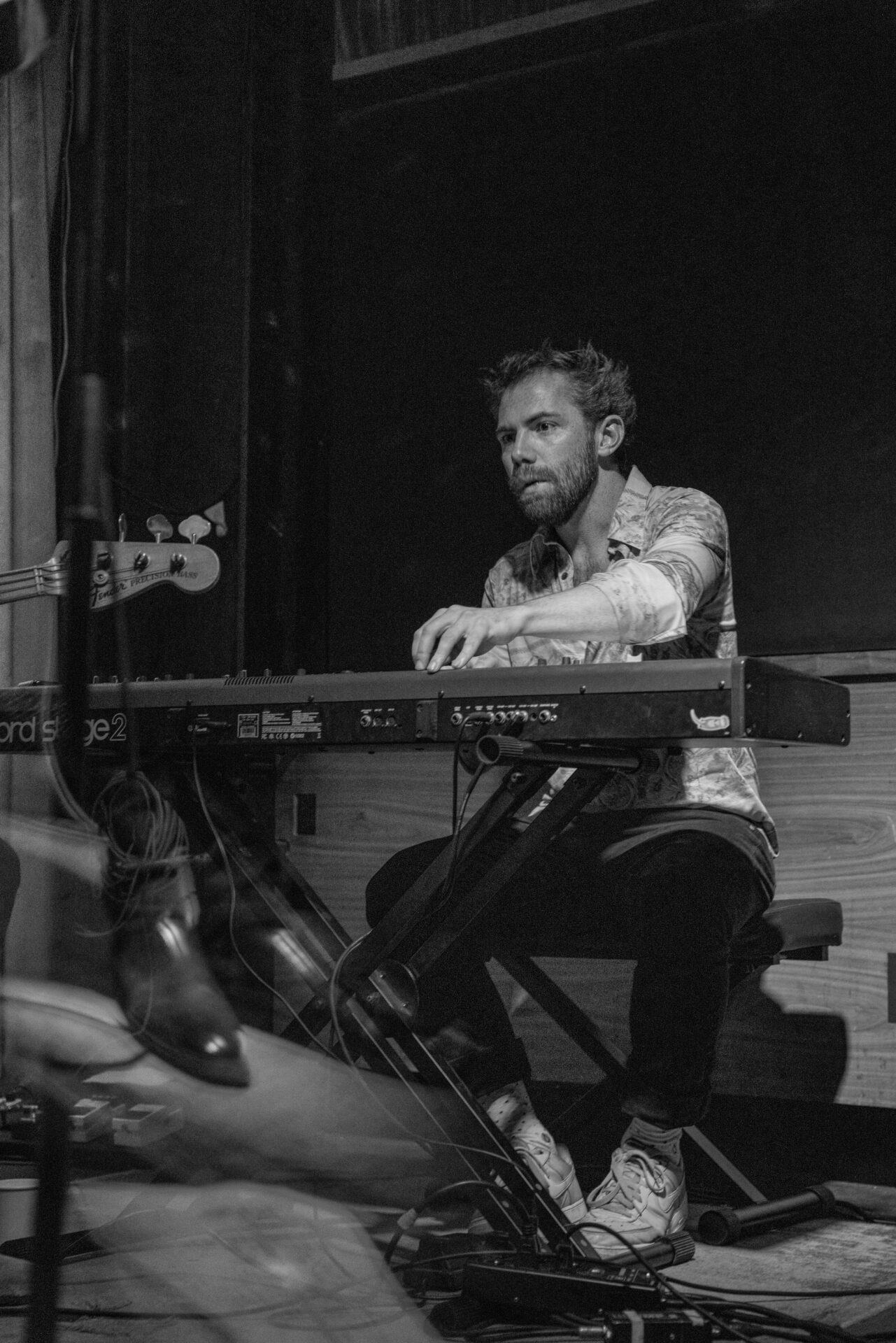
Image Credits
Cassandra Heikkila David A Solorzano Julen Murguia