We caught up with the brilliant and insightful Lyla Andrick a few weeks ago and have shared our conversation below.
Hi Lyla, thanks for sharing your insights with our community today. Part of your success, no doubt, is due to your work ethic and so we’d love if you could open up about where you got your work ethic from?
I started riding horses when I was five years old. I fell in love with the animals, the sport, and the people. I made so many friends in the horse community and learned from a young age how the difference between a “rider” and a “horsewoman” was hard work. A well rounded horse person shows up early to take care of their horse, whether they own them or not, and stay late to make sure the welfare of the animal is a priority. If you fell off a horse, it was never the horse’s fault and you’d get back on to try again. We would have awards given at pony camp when I was a child for riding students who gave the most of their time and they could win prizes like stuffed animal horses or saddle pads. Around the time I was thirteen, my parents said if I wanted to keep riding and doing horse shows, I would have to start contributing to my lesson fees and show fees. I started a horse-themed newspaper at the time and would go into my local towns and sell advertisements. I loved the hustle of a good sale and the interactions I would have with people. There is a great feeling of success when you can watch someone change their mind in real time from “no, I don’t want this,” to “I would want anything if it came from you.”
I started an equine illustration business and would sell custom artwork at horse shows and be hustling at tabling events–all the while still shoveling up my schooling horse’s stall and making sure her tack was clean and she always had enough water and hay. I think they call us “barn rats” and “barn brats,” meaning the kind of kid who would do hours and hours of free work to gain a free riding lesson or the kid who would just show up and ride, respectively. I was always a barn rat…the hustle was real, but the payoff was great.
Now that I’ve graduated college, I realize I was doing a lot of free labor, but horses teach you about hard work and the value of doing something even if there is no award for it. In college, I worked with a young horse named Ember, and every day was hard work–there is nothing easy about training young horses–but even though there was no grade or prize at the end of the day, I learned so much from her about working hard–with horses, there is always a result.
I think horses have influenced me outside of the stable in all matters of my work–for things that I’m truly passionate about, there is no amount of work that is “too much,” or “not worth it.” I’m a hustler and will sacrifice some creature comforts for the sake of advancing my business. I run a toy company now, and there are many times where I’ve stayed home on a Friday night to bust out online orders or when I’ve pulled fifteen hour work days for the sake of reaching profitability.
Horses also teach you about moderation, there is a fine line between obsession and passion, and to have a good work ethic, you also need to know when to take a break and call a win a win.
Appreciate the insights and wisdom. Before we dig deeper and ask you about the skills that matter and more, maybe you can tell our readers about yourself?
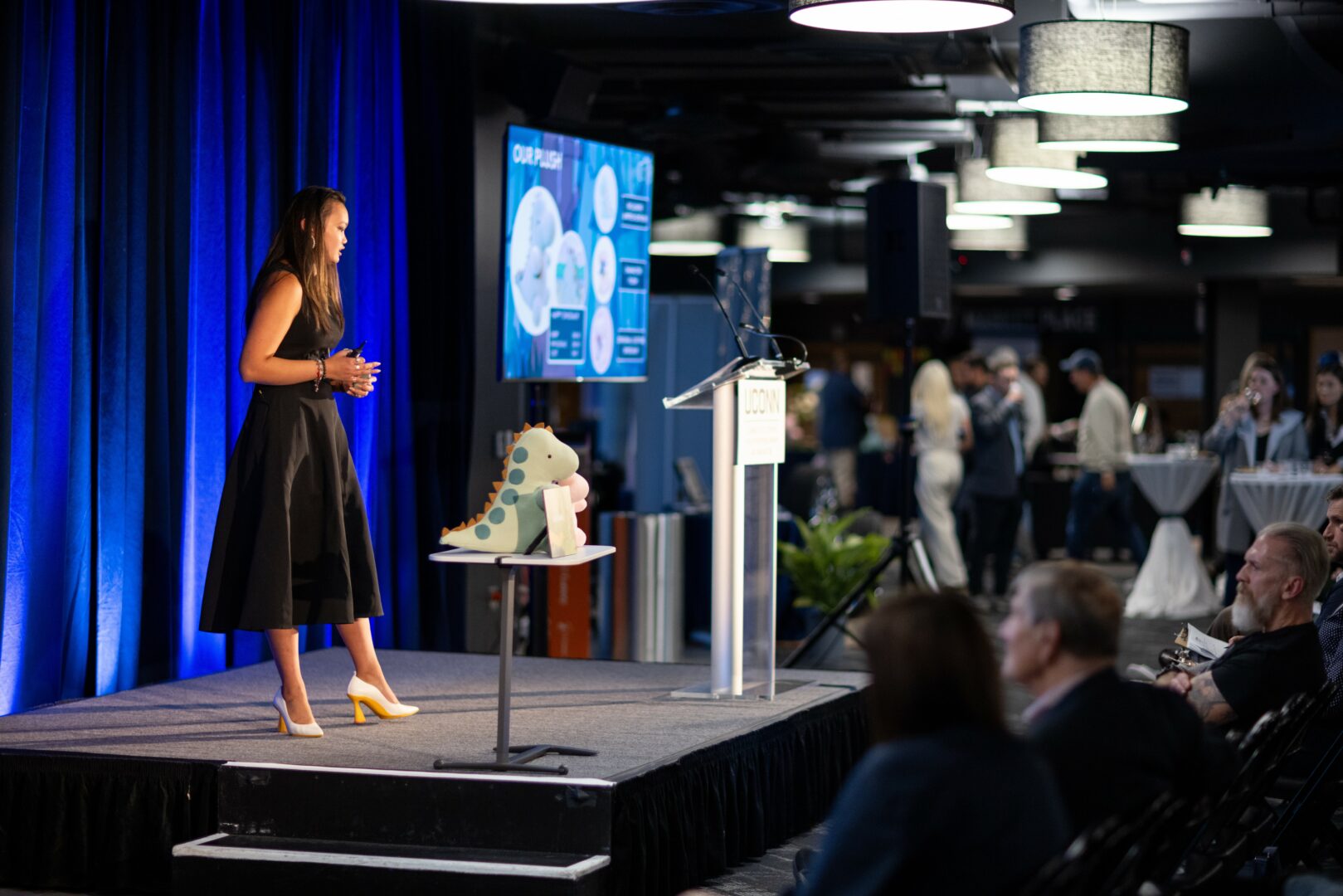
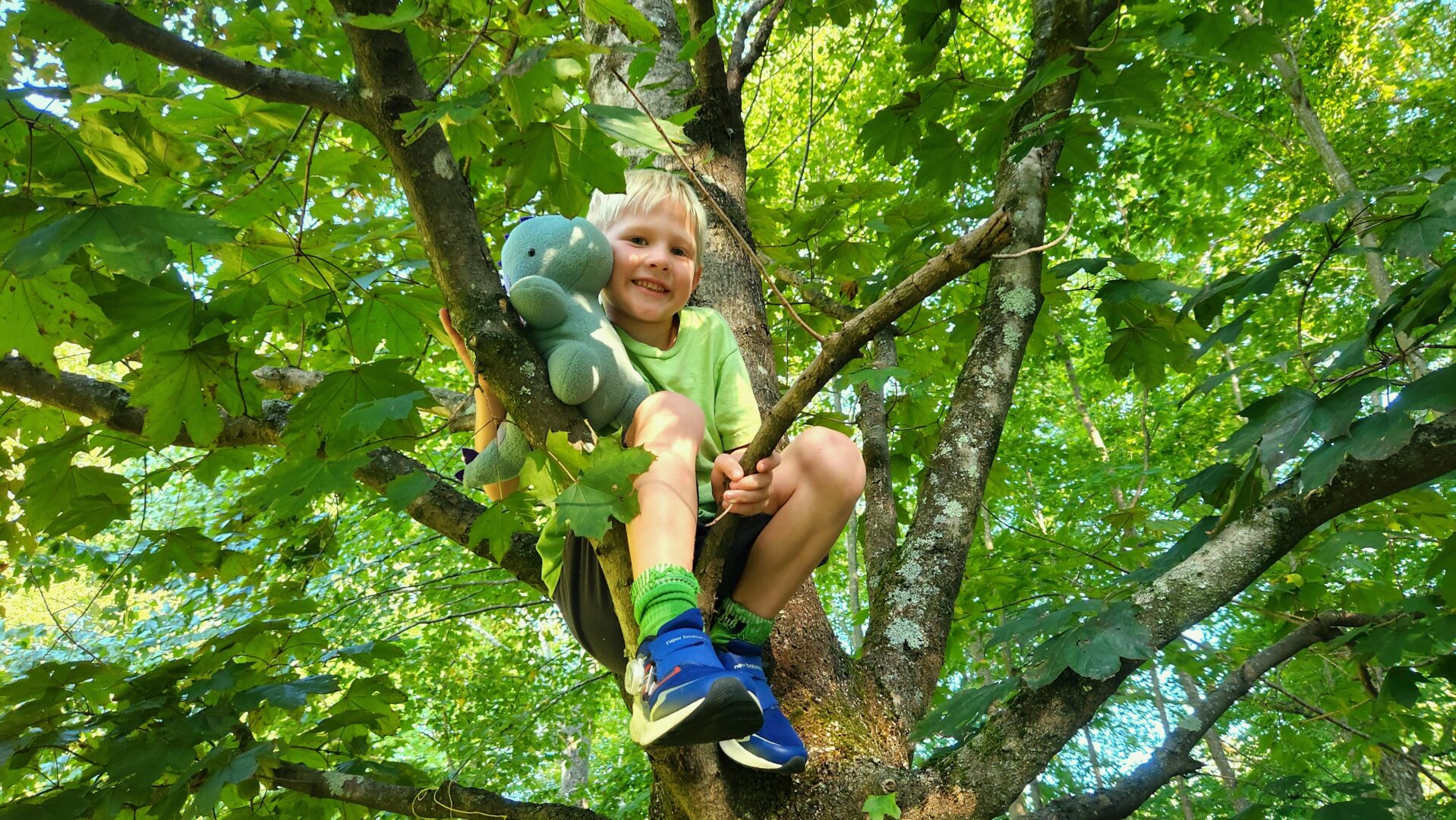
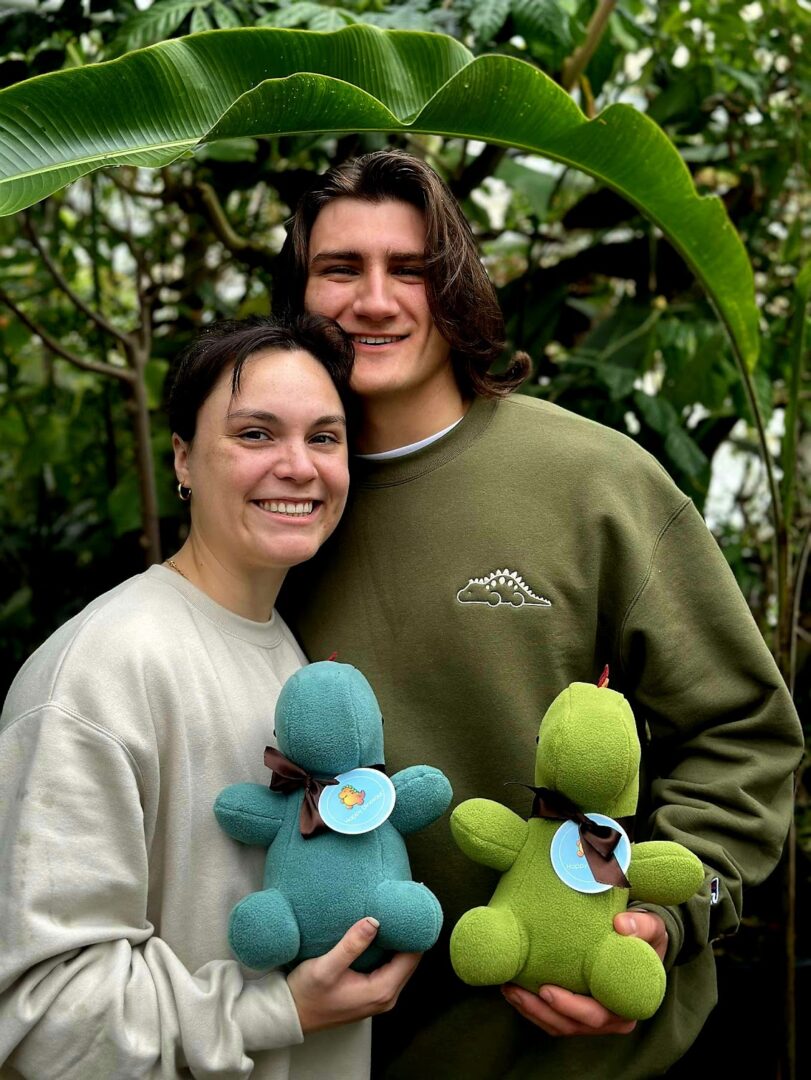
I am the founder of Happy Dinosaur! We are a licensable character franchise that combines the spirit of adventure and creativity through children’s storytelling. We offer several characters and plush dinosaurs to encourage emotional education and show the value of children’s imagination.
I started Happy Dinosaur is March 2020 as a community service to aid in my town’s COVID outreach program. I started posting online about my dinosaurs and contributing all my sales to a food pantry and medication delivery service. In 2021, I received a Paul Harris Fellowship from Rotary International for my commitment to “service above self.” Happy Dinosaur grew as a side hustle to my time-intensive equine hospital job and took the passenger seat throughout my four years at University of Connecticut.
I’ve seen how much Happy Dinosaur can be a success with huge demand and social media attention, so I’ve launched as a business this summer. All plush have been handmade by myself and I’ve committed to creating a zero waste product. I’m now outsourcing some production by expanding my team with professional toy makers so I can work on the development of five original characters. These characters are designed to relate to children though adventure and problem solving, but also foster their creativity. I am writing five flagship stories to go with each of the characters that will be featured in digital character integration and print picture books. Beyond those stories, we say it’s “Our Characters, Your Stories,” and all future stories will be based on submissions from our loving fans: the kids!
When a child receives new information, they start with questions–they take something that exists and use their curiosity to make it better. For Happy Dinosaur, we want kids to be able to share their stories with us in collaborative “Happy DinoStories,” which feature scenarios only kids can think of. These stories will be incorporated into a book and television series. We already have so many kids coming up with ideas for Happy Dinosaur–their love is our special sauce!
We’re expecting to go live with our digital characters on our website by the end of this year and prepare to launch a series of e-books. Next year we hope to have our first print books go out and look forward to partnering with school libraries to get the Happy DinoStory out to more kids!
If you had to pick three qualities that are most important to develop, which three would you say matter most?
I think having sales skills has been incredibly helpful in getting where I am today. I am lucky to be extroverted. My sales method is actually a cold call–although I would call it a freezing cold call. I research the geography and social demographics of a town that I want to sell my dinosaur plush in, and then I just go into a store and hope to talk to their owner or buyer. This method has actually worked several times and I’m lucky to have five retail partners and great relationships with their lovely store owners. I think growing up selling advertisements for my horse newspaper made me a no-hesitation salesperson!
There is a stigma for sales that a seller will try to fleece you over–maybe you’ve seen the stereotype of a sleezey car salesman or a real estate agent–but sales is all about interpersonal relationships. The best sales people can profile a person quickly and find out what motivates them to make a purchase. For example, I’ve learned to quickly recognize what motivates a parent to buy something for their child: some parents are motivated by safety, some by reputation, and some just want to give their child whatever they want. There is no right or wrong motivation, but you learn that for each, there is a different way to sell to them using the truth of your product.
Knowing how to sew has been a more obvious skill that has been impactful–I’m a manic creative. I get the most random ideas and incurable desire to create whatever is in my brain no matter the time or situation and have the most impulsive belief that I can make anything I see. People often think I’m not afraid of failure but I really just “do things,” and it’s never about whether I expect it to be successful the first time. I’m artistic, but also scientific, and I think the manic creative in me takes the madness from both science and art and turns it into determination. I’m self motivated, and that comes from the need to see something through from start to finish.
These parts of my life can sometimes manifest as a “lack of concentration” or “impulsiveness,” so I’ve been encouraged at times to “reign it in.” I think the things that make you a little weird can be the most powerful secret weapons for executing your passion. My advice for people early in their journey is to lean into the things that make you unique and become your own cornered resource. It’s okay to “over think,” or “just do things.” Hesitation and conformity are the worst things an entrepreneur can do. Be disruptive-do things no one will expect-experiment, fail, try again. No one ever made history by being “normal.”
What would you advise – going all in on your strengths or investing on areas where you aren’t as strong to be more well-rounded?
This may be a hot take, but I think you should try to become the very best at what you are already good at instead of being okay at everything. I think of it as strategy–may it comes from the horse world, but think about horse racing and chosing a horse as if they were a video game character: imagine there are three stats: speed, endurance, agility. If you have a horse that can do all three just okay, you’d have a nice lesson horse. But if you have a horse with 100% speed, minimal endurance and agility, you have your triple crown winner. You can try to improve areas you aren’t strong in, but all you end up doing is diluting your skill set.
Here is another example: in school you’re good at French, but bad at math. You can get a tutor, what subject should you pick? Get tutored in French, then you can be bilingual and use that skill to become a cornered resource. I just think that you have to lean into your strengths and get help for your weaknesses.
My skills are in creative development, sales, and branding. I’m not an accountant, I’ve never taken a finance class. For me, I use a mentor for business finance to understand my books, but outsource my finances. This allows me to put my effort into becoming the best at what I do and be a cornered resource for sales and creativity. There was a time when I wanted to be a great accountant for myself, but in all the time I spent trying to learn formulas, and spreadsheets and plug in numbers, I wasn’t paying enough attention to my sales and my conversion rates dipped. When I started using accounting software and focused back on my sales, I grew my monthly revenue back up. It’s important to understand that a weakness can simply be a weakness and it’s okay to have them. You can always outsource. It’s better to have two people going at 100% than just you going at 50%.
Many young entrepreneurs will try to work intensively hard to kick down every door; the smart entrepreneurs learn to get people to open the doors for them. Entrepreneurship can be a one person job, but is never a one person journey. By trying to do everything yourself, you not only dilute your own skillset, but you lose the opportunity to develop a strong team that compliments each other to become a driving force behind a start up.
Contact Info:
- Website: happydinostore.com
- Instagram: @_happy_dinosaur
- Facebook: na
- Linkedin: https://www.linkedin.com/in/lyla-andrick-292168236/
- Twitter: na
- Youtube: na
- Yelp: na
- SoundCloud: na
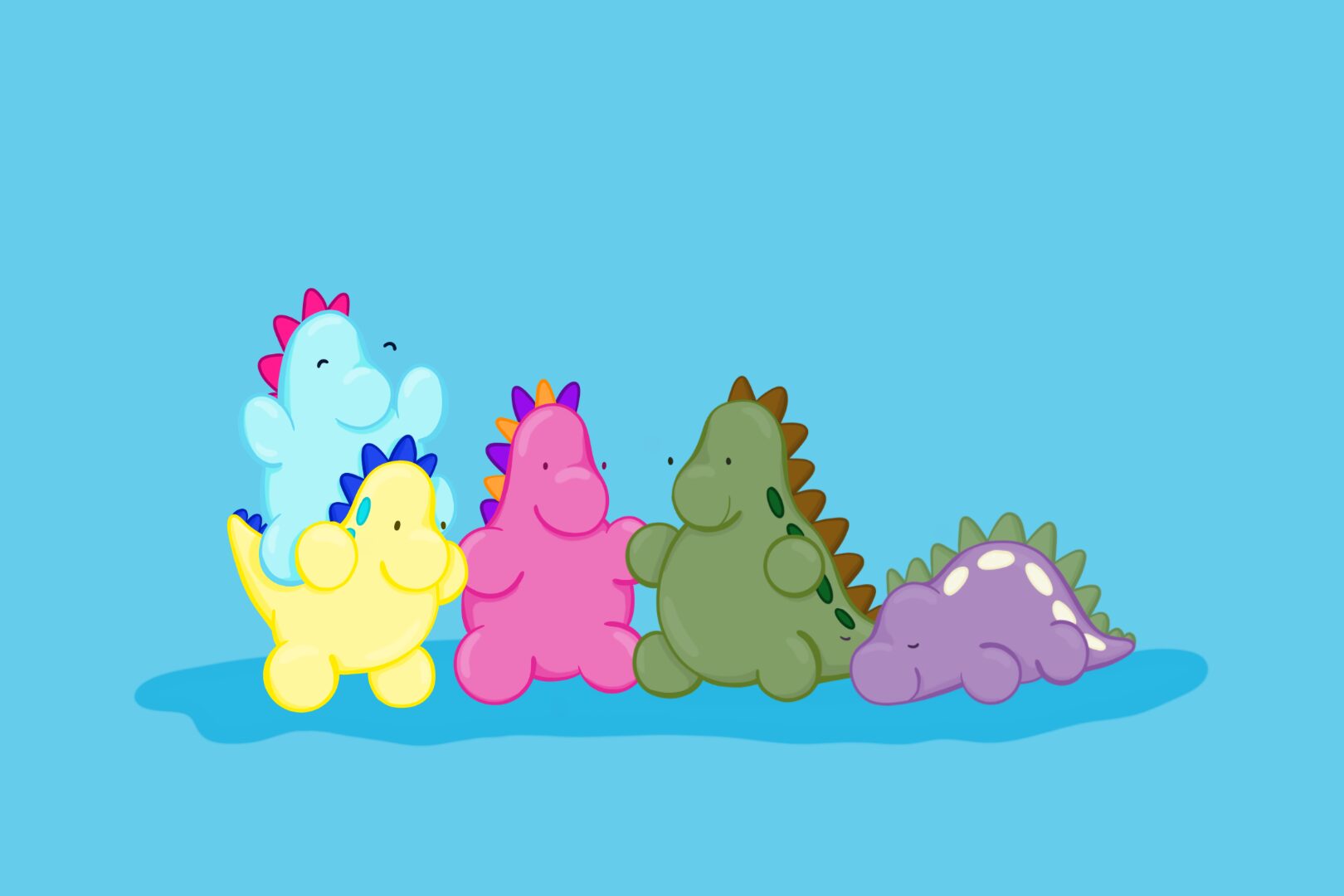
Image Credits
na