We recently connected with Maggie Jackman and have shared our conversation below.
Maggie, so great to be with you and I think a lot of folks are going to benefit from hearing your story and lessons and wisdom. Imposter Syndrome is something that we know how words to describe, but it’s something that has held people back forever and so we’re really interested to hear about your story and how you overcame imposter syndrome.
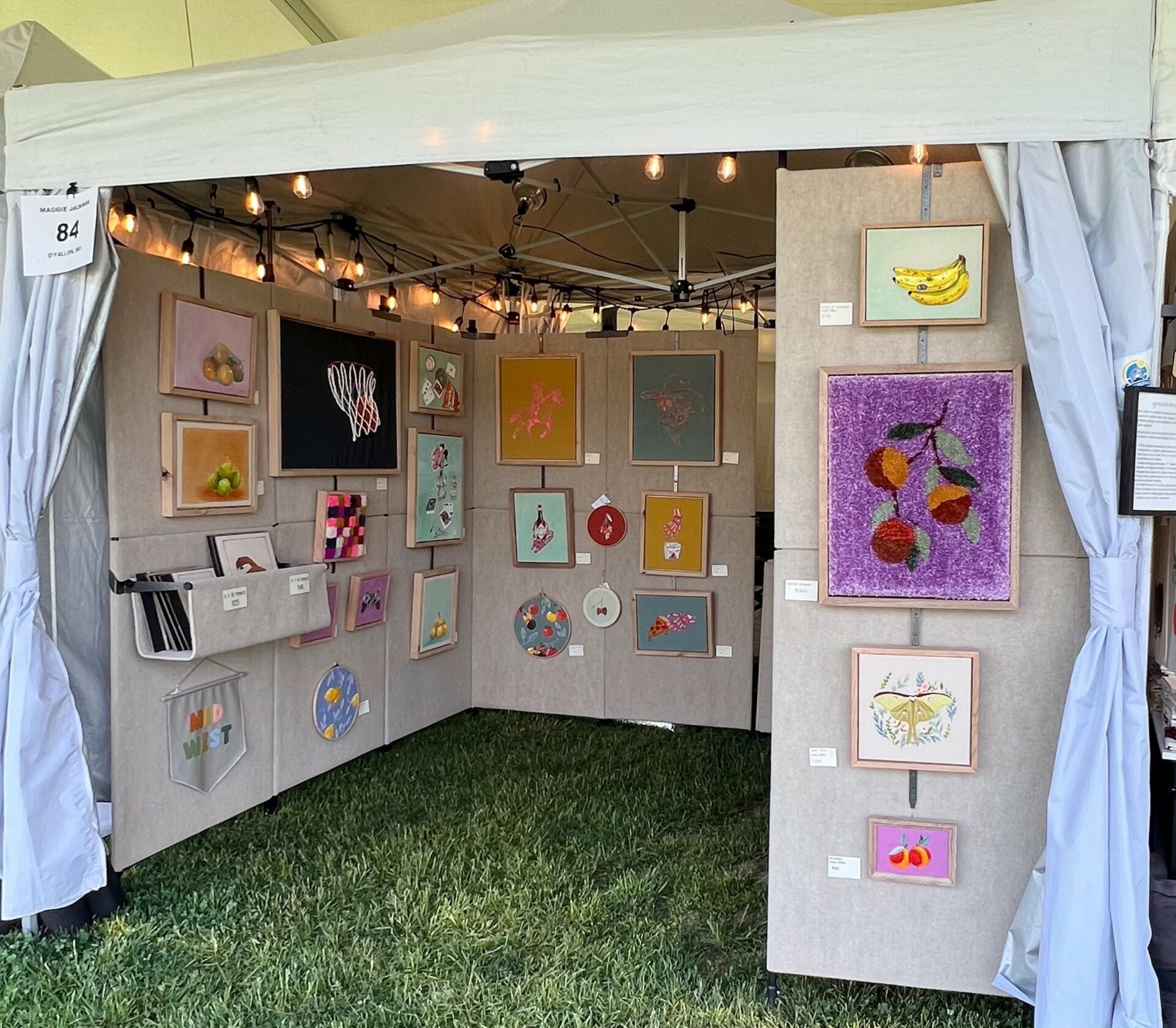
I have definitely had my fair share of imposter syndrome. Fears of ‘what if I’m not using this medium correctly’ or ‘what if my art doesn’t make sense to anyone’, etc. But I’ve grown to love that I have created my own processes for making my art, as well as a unique style. No one does it like I do, and one of my favorite things to hear customers say when walking into my art fair booth and seeing my work for the first time is, “I’ve never seen anything like this.”
Appreciate the insights and wisdom. Before we dig deeper and ask you about the skills that matter and more, maybe you can tell our readers about yourself?
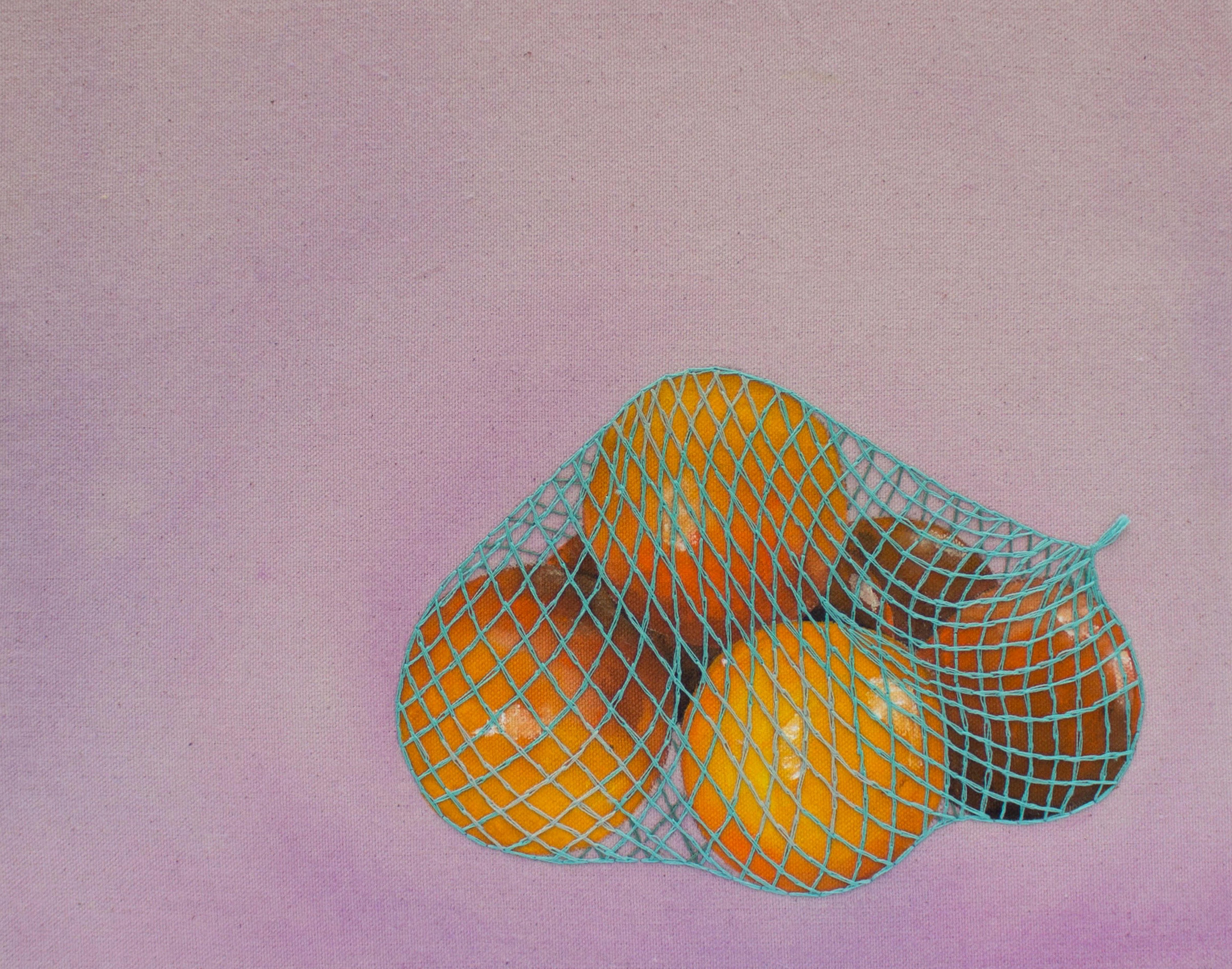
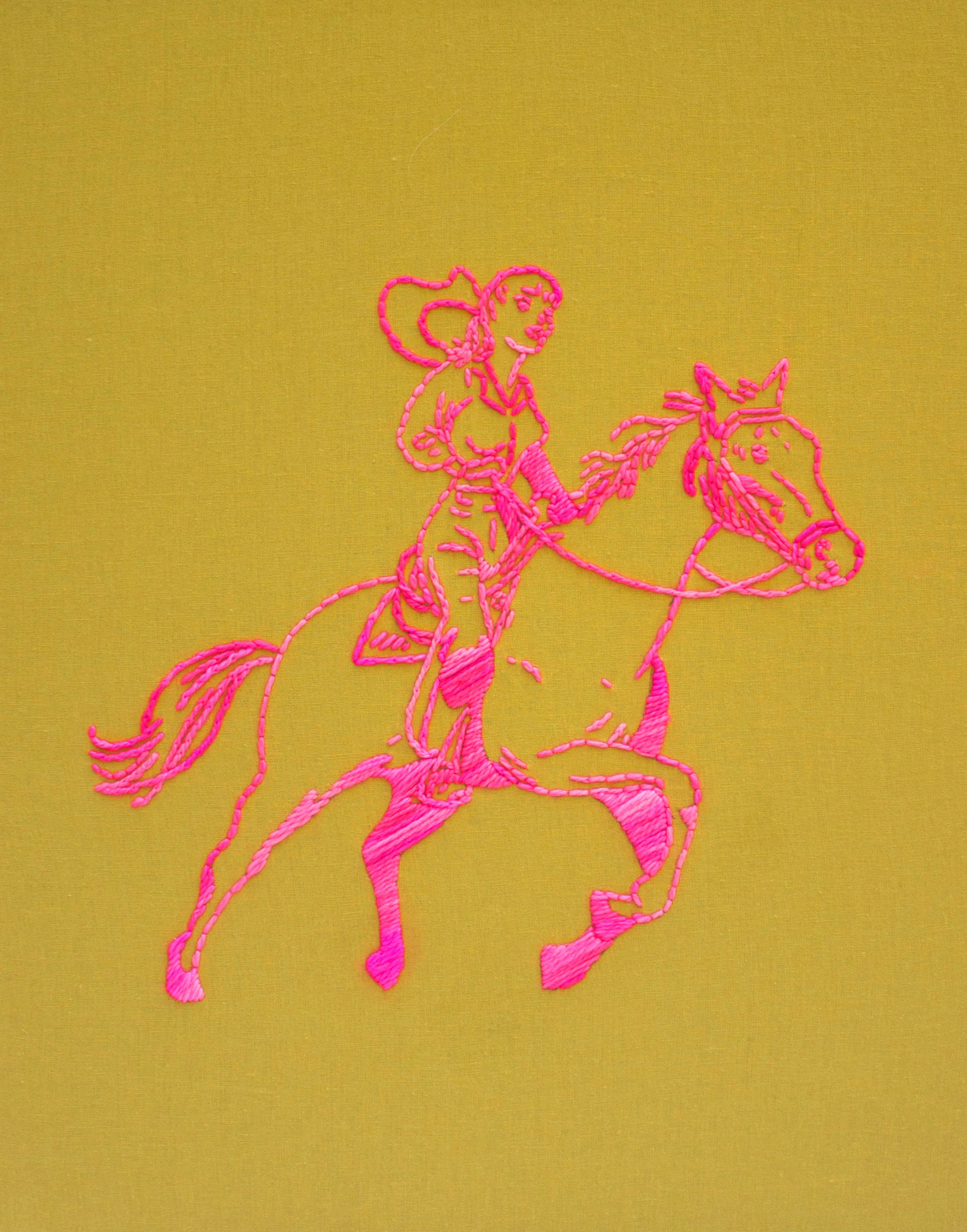
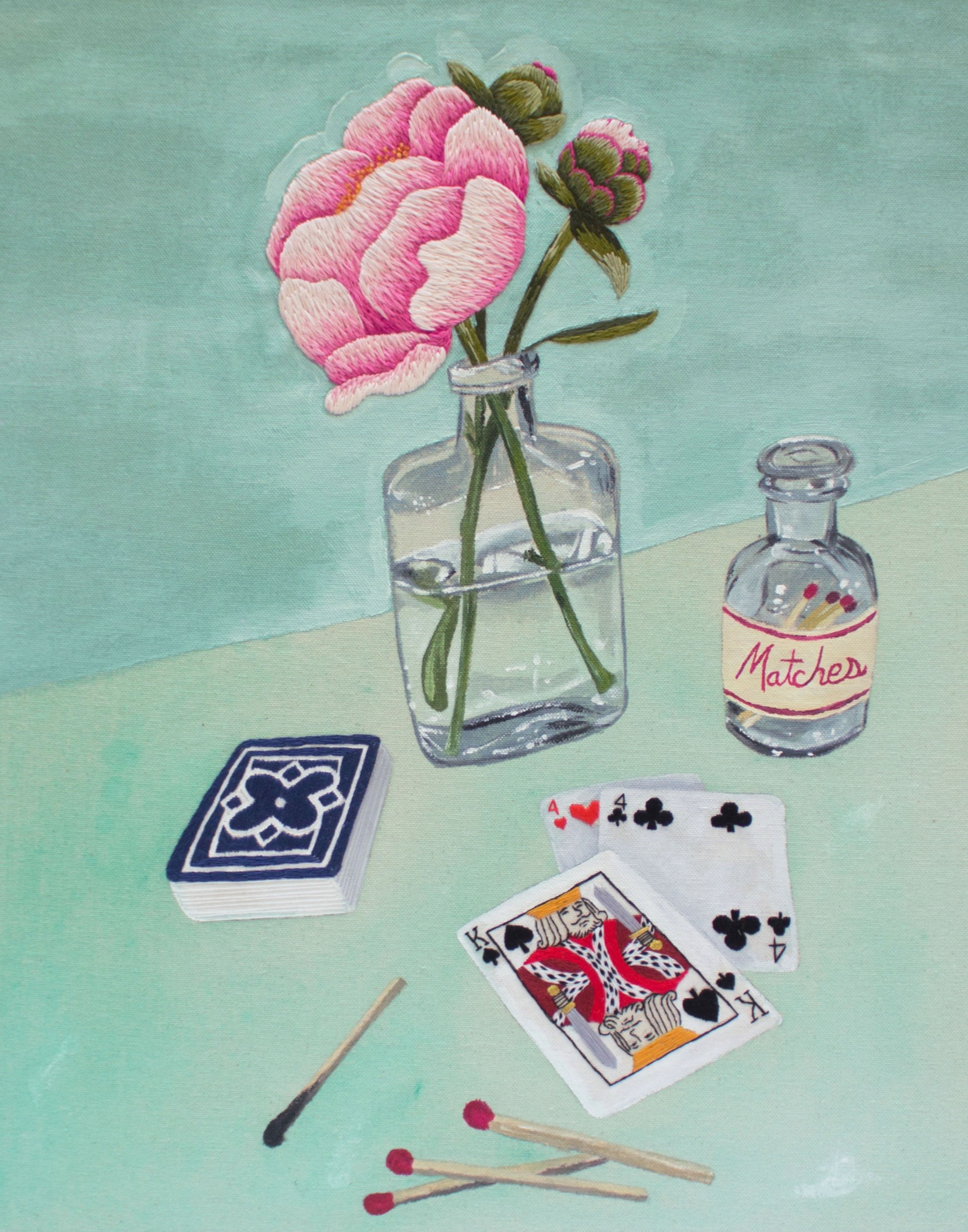
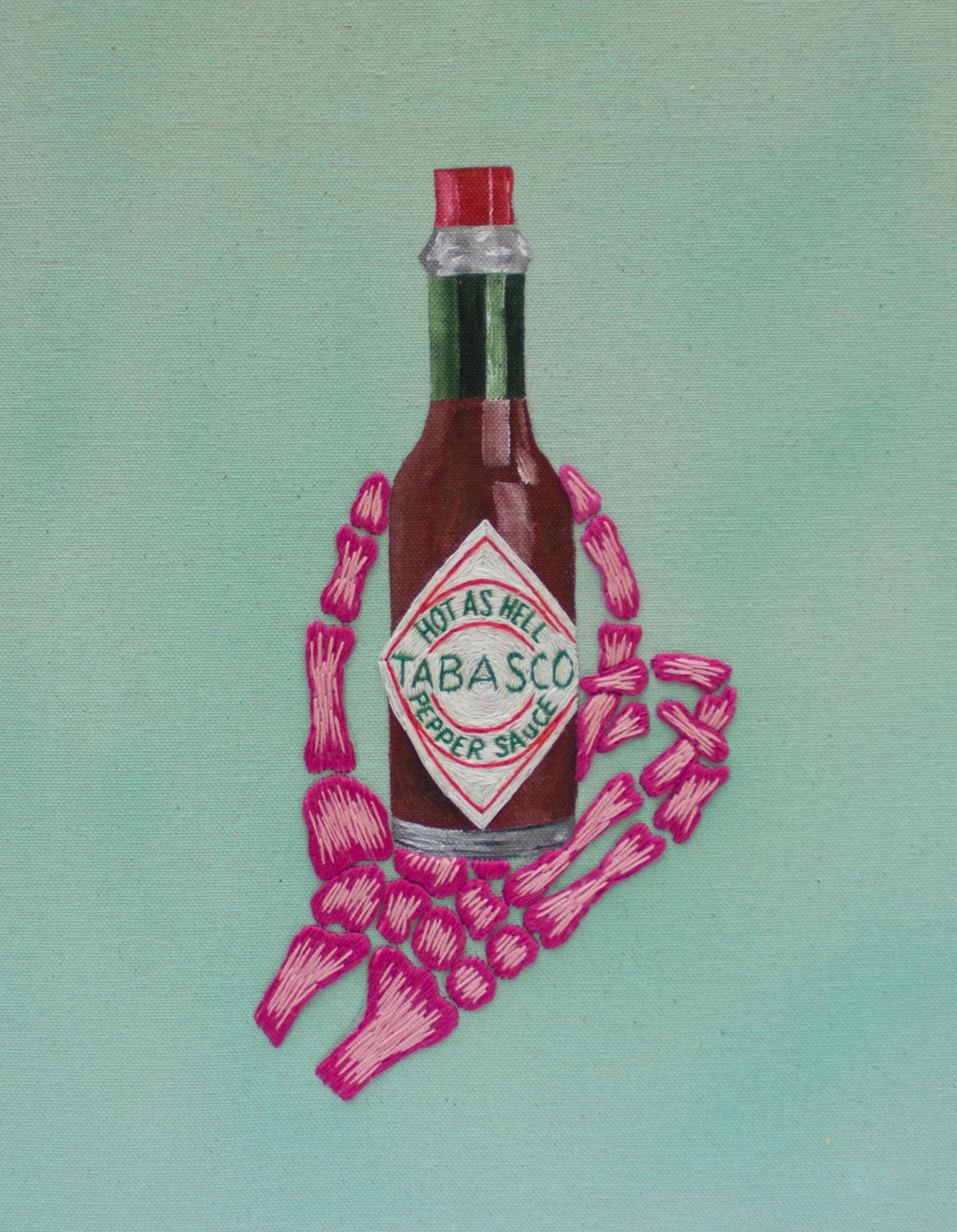
I am a mixed media artist, usually working with a combination of acrylic paint and embroidery. I love mixing fiber art with other mediums because It adds a touch of fascination to every piece. When you get close up to what you thought was just a painting, finding little pieces of embroidery sparks this childlike sense of discovery that I love to see light up my customers’ faces.
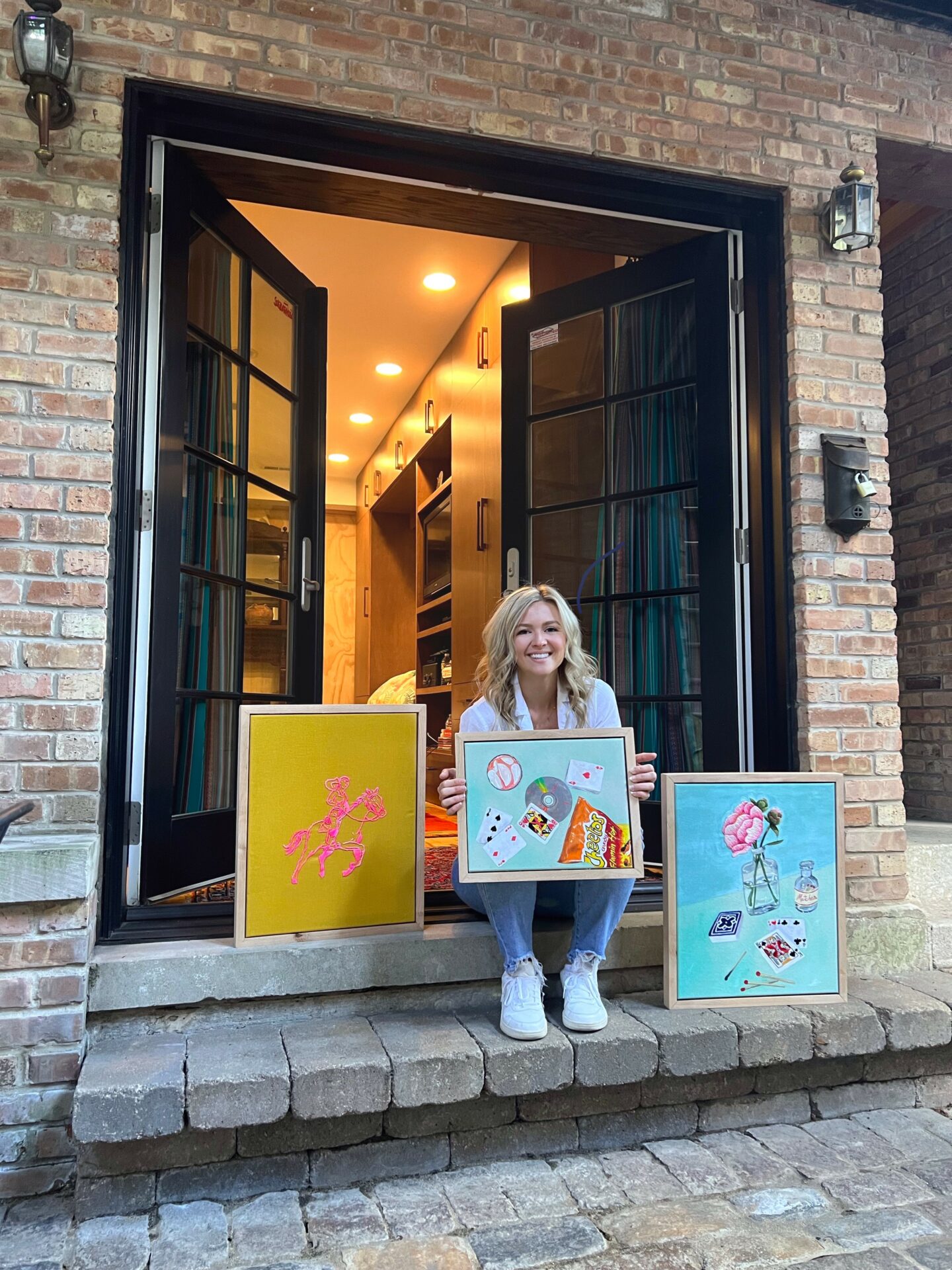
The subjects of my art are diverse, from skeleton hands holding my favorite foods, to western themes and still life vignettes. I don’t want to narrow that down to one genre because all of those different things bring me too much joy to let any of them go. In the last year or so, I’ve begun to tie them all together using my aesthetic that I have coined “folk-meets-funk”. My bright color schemes and the choice of mediums are pulling a lot of weight to make my body of work cohesive.
If you had to pick three qualities that are most important to develop, which three would you say matter most?
I have always had a significant need for autonomy. I learn best by doing and figuring things out myself which means I have almost always been carving my own path in some way. I think it was inevitable from childhood that I was going to be self employed one day. The ability to dig into any problem, or learn a new skill without a lot of guidance is crucial for an entrepreneur. You have to be willing to try things on your own, things you might not know how to do yet.
In college I stared my path as an interior design major, then I changed majors, started a photography business, and changed my mind about three more times before I decided to major in business management. This taught me to not hold on too tightly to the initial plan I may have in mind. Things change, interests change, and you usually have to be willing to pivot to find success. Be open to new paths, constantly evaluate where you’re headed, and decide if that is still where you want to go.
The last thing I would say that has been most impactful to my work is my eye for color and composition. Some of this comes naturally but a lot comes with practice. From interior design to photography and now fine art, color has always been a natural language for me. I think a lot of my success with art comes from knowing, and learning based on feedback, how to evoke certain emotions or atmospheres with my choice of color and composition. This is something I’ve nurtured through all of my creative interests and has helped me grow my art into a really inimitable body of work. If you can find passion to develop and refine a skill that also comes naturally to you, there is a certain kind of magic there.
Is there a particular challenge you are currently facing?
Work-life balance is my biggest obstacle right now, anyone who tries to spend time with me can attest to that. When you work for yourself, it’s really hard to define success. It’s hard to know when to create a boundary and be done working for the day. It’s easy to overbook yourself and say yes to every opportunity. But doing something you love for a living doesn’t mean your entire life should be enveloped by it, that just isn’t sustainable.
I’ve realized that dedicating time more regularly for R&R and to spend time with friends and family makes me more inspired, reinvigorated and ready to get to work the next day instead of working myself to the bone until I am completely burned out. For me knowing when to rest takes a lot more discipline than working all night long. Most independent artists or other entrepreneurs will still end up working more than average, that’s just part of the deal, but you have to know when to draw the line.
Contact Info:
- Website: https://www.artifactstl.com
- Instagram: https://www.instagram.com/artifact_STL
- Facebook: https://www.facebook.com/ArtifactSTL