Alright – so today we’ve got the honor of introducing you to Marcus Fontaine. We think you’ll enjoy our conversation, we’ve shared it below.
Hi Marcus, thanks for sharing your insights with our community today. Part of your success, no doubt, is due to your work ethic and so we’d love if you could open up about where you got your work ethic from?
I’d say my work ethic primarily comes from the past roles I’ve held, which range from traditional employment, to volunteering, and more recently an internship. I can remember the first ever volunteer position I had, it was at a sleepaway camp, and I was brought on to be a CIT. I had been a camper with this sleepaway camp for many years before, so I knew my way around the camp and the activities. However, being a CIT was a whole different experience. Being a CIT meant that you were doing so much behind-the-scenes work, and while yes we did have training, nothing could’ve prepared you for the number of hats you constantly had to wear. You had to make sure everything went smoothly for not just the campers, but for the senior staff, as well as the parents, since you are an unofficial representative of the camp itself. My work ethic primarily started there because I was interacting with regular counselors as well as senior staff and with campers, who could be newly out of elementary school to just starting high school. With that comes every personality, and I’ve learned that you always must be ready to work hard and to rearrange your priorities at a moment’s notice, and with the expectation of perfection.
But my work ethic came from my other roles as well, including volunteering for a non-profit local cable access station. The cable access station really taught me the value of punctuality, because even though I was not getting paid for my time, I was doing jobs for the staff that were too busy to do themselves, not to mention I sometimes helped with the set design for local shows, so being late just wasn’t an option.
In college, that’s when I really started to take on customer service roles at major retailers instead of being a volunteer. The jobs I’ve done could sometimes be very demanding, but it taught me how to better manage my time and further develop social skills that I could use in my personal life, as well as for future roles that require public speaking.
It wasn’t until I got to college that I started to develop my academic and professional work ethic. Going to a very well-known art school meant that right off the bat you’re doing hard and demanding assignments, and with that comes critiques and how to manage other people’s opinions and interpretations of your work, but also you’re managing your social life as well as your projects, homework, and other feedback, and throughout all of this you must find a way to be professional, and make sure that you see other people’s perspectives on things. All of this has been a journey and I’m not done with it yet, but I have grown so much as a person from the beginning up to now.
In my major specific classes I’ve learned about being professional and the best practices for craftsmanship, but also how to act under pressure if something doesn’t go your way.
My work ethic also comes from my parents, who from a young age taught me about the importance of being punctual, and making sure that any job you do is done with an eye for quality.
Appreciate the insights and wisdom. Before we dig deeper and ask you about the skills that matter and more, maybe you can tell our readers about yourself?
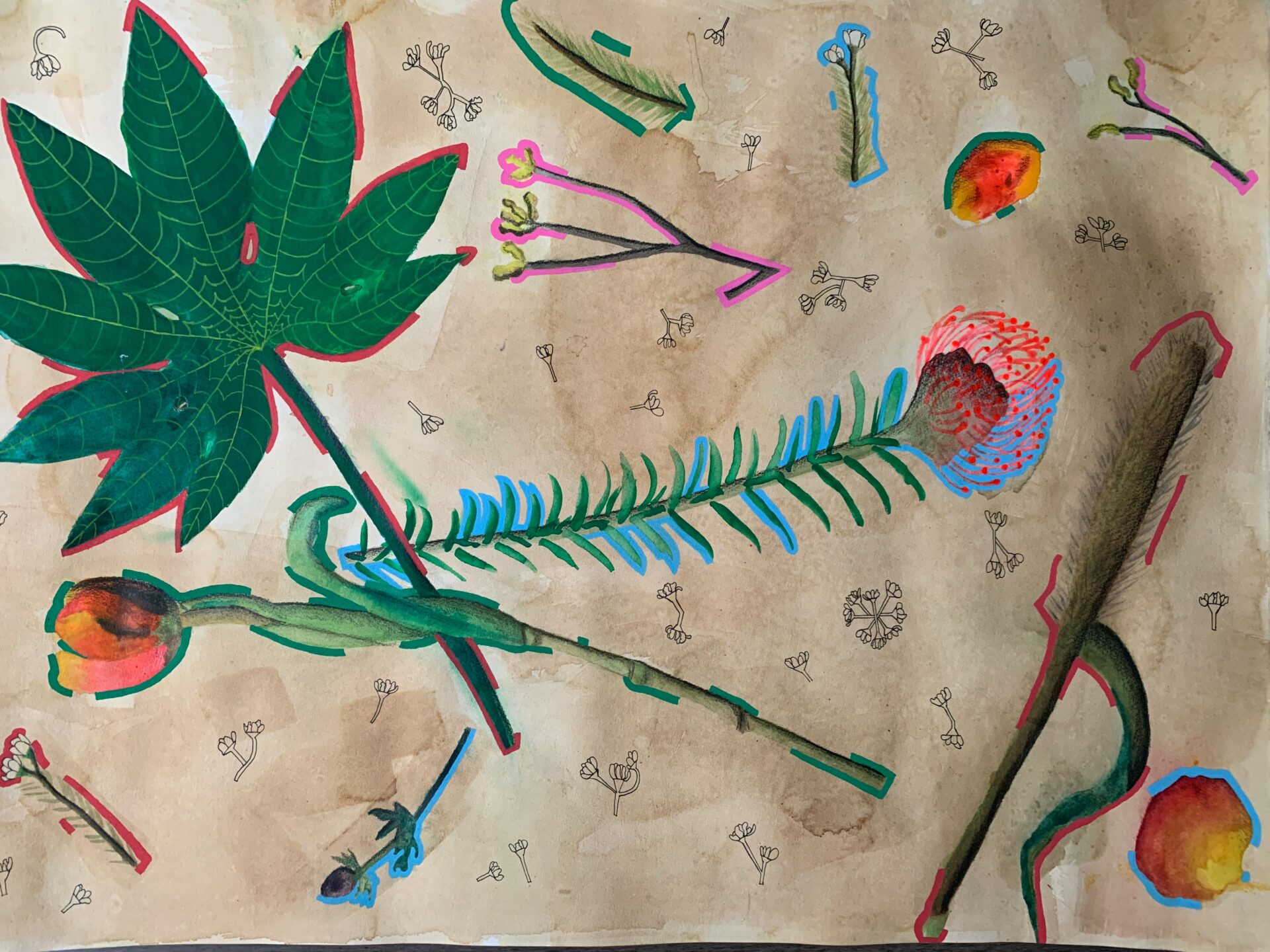
I am a double major in Jewelry and Fibers. I love both majors because while it seems like they can go together and be highly successful, on their own there is a whole universe of possibilities that can arise from just a single technique.
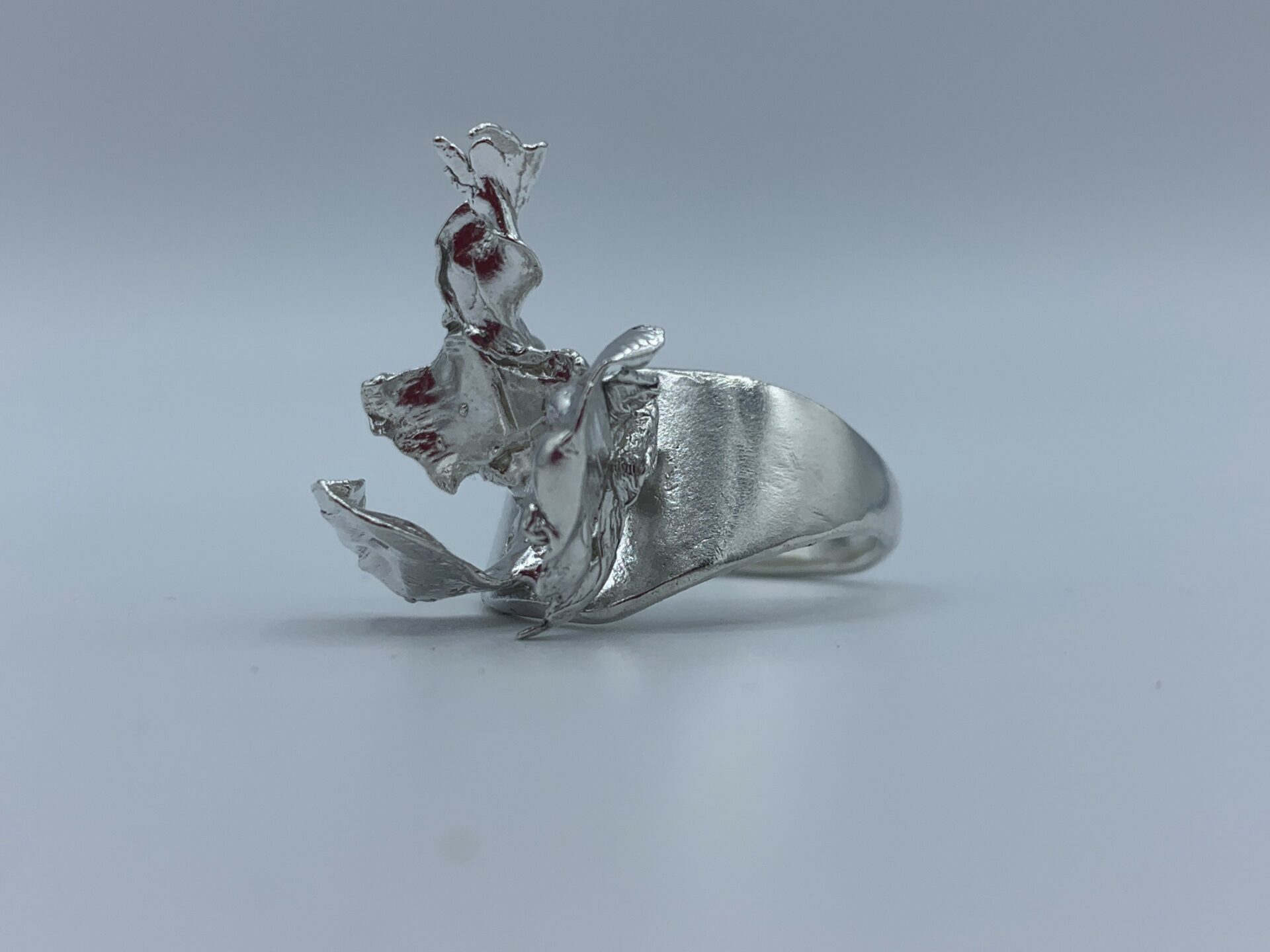
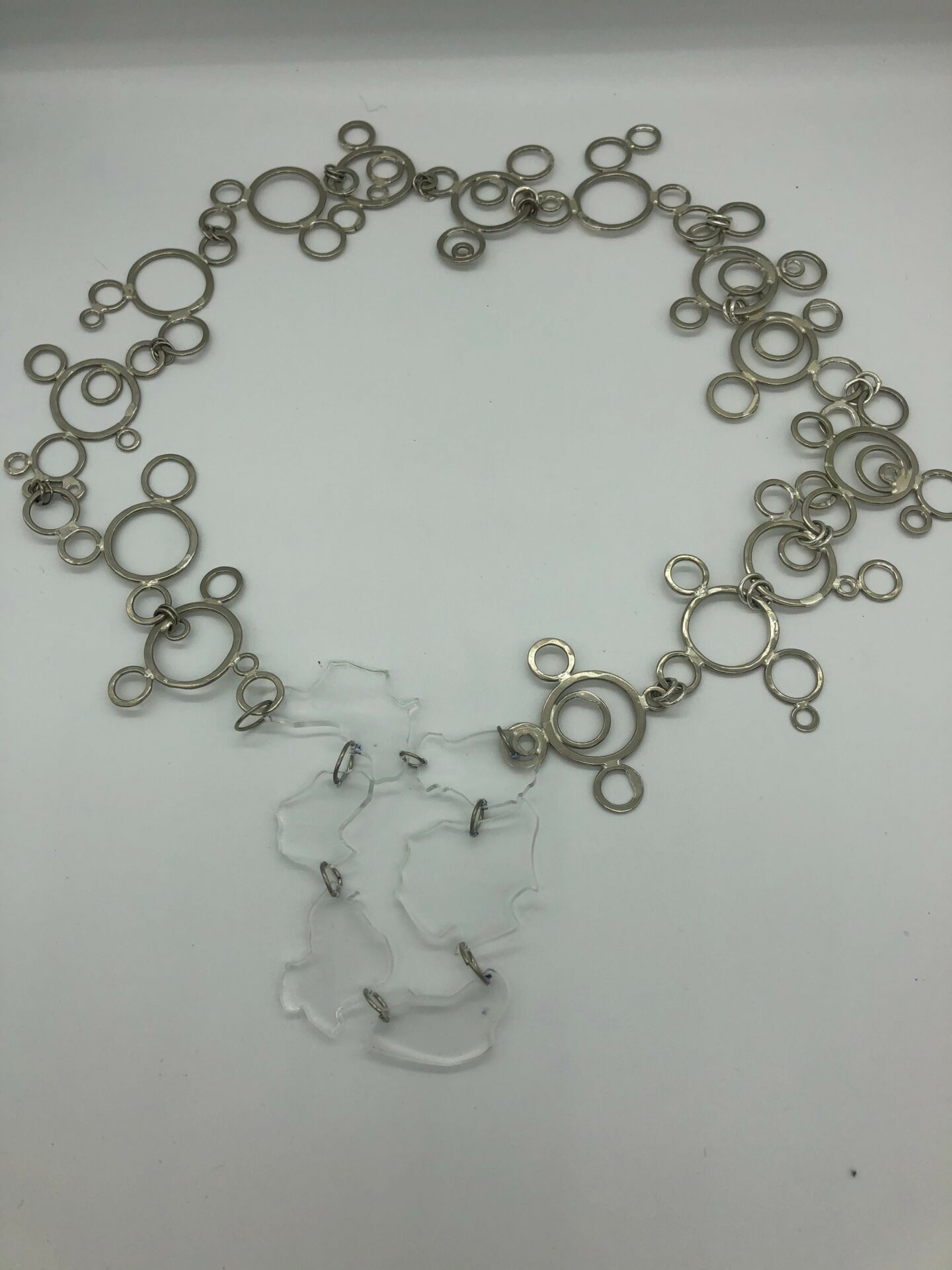
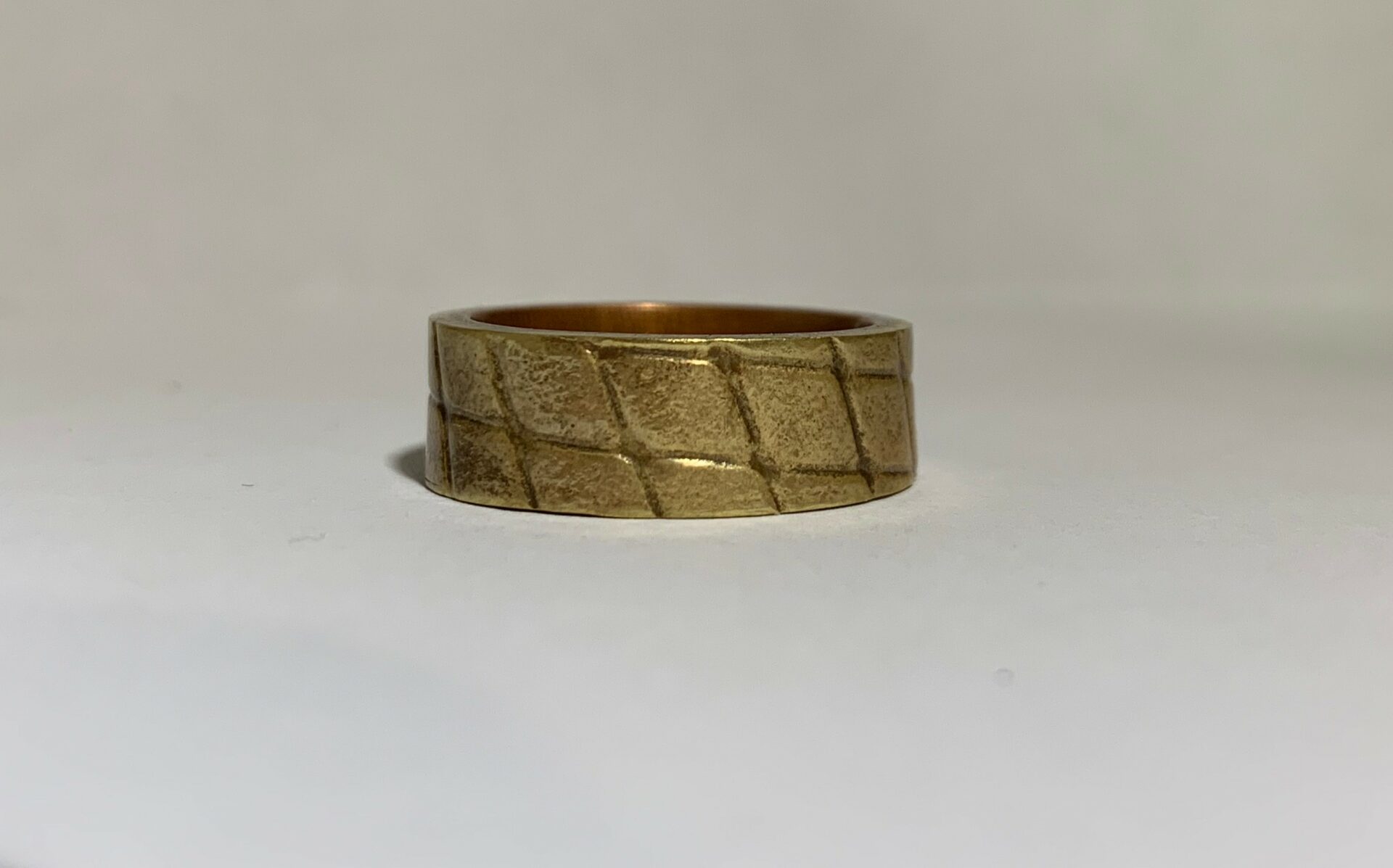
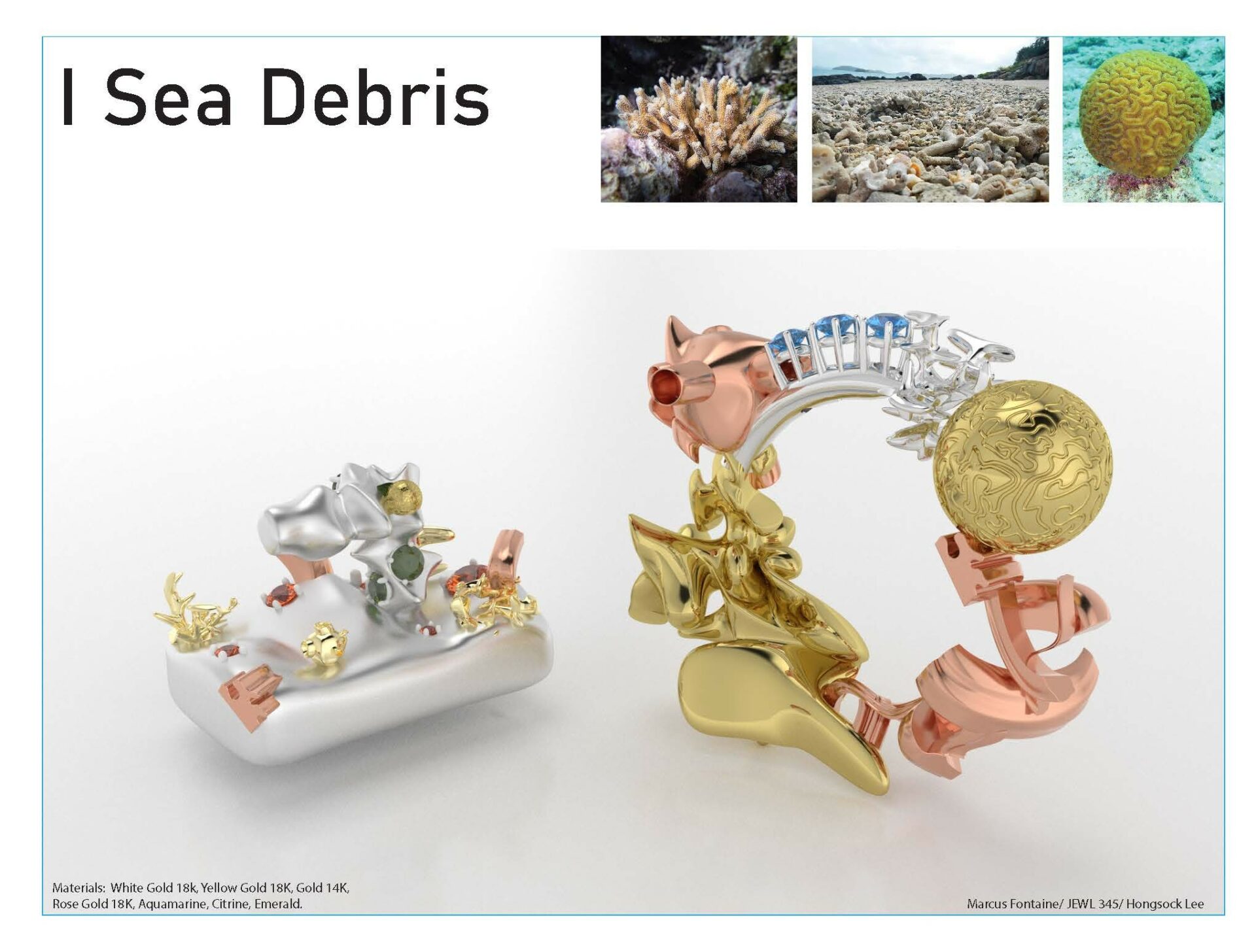
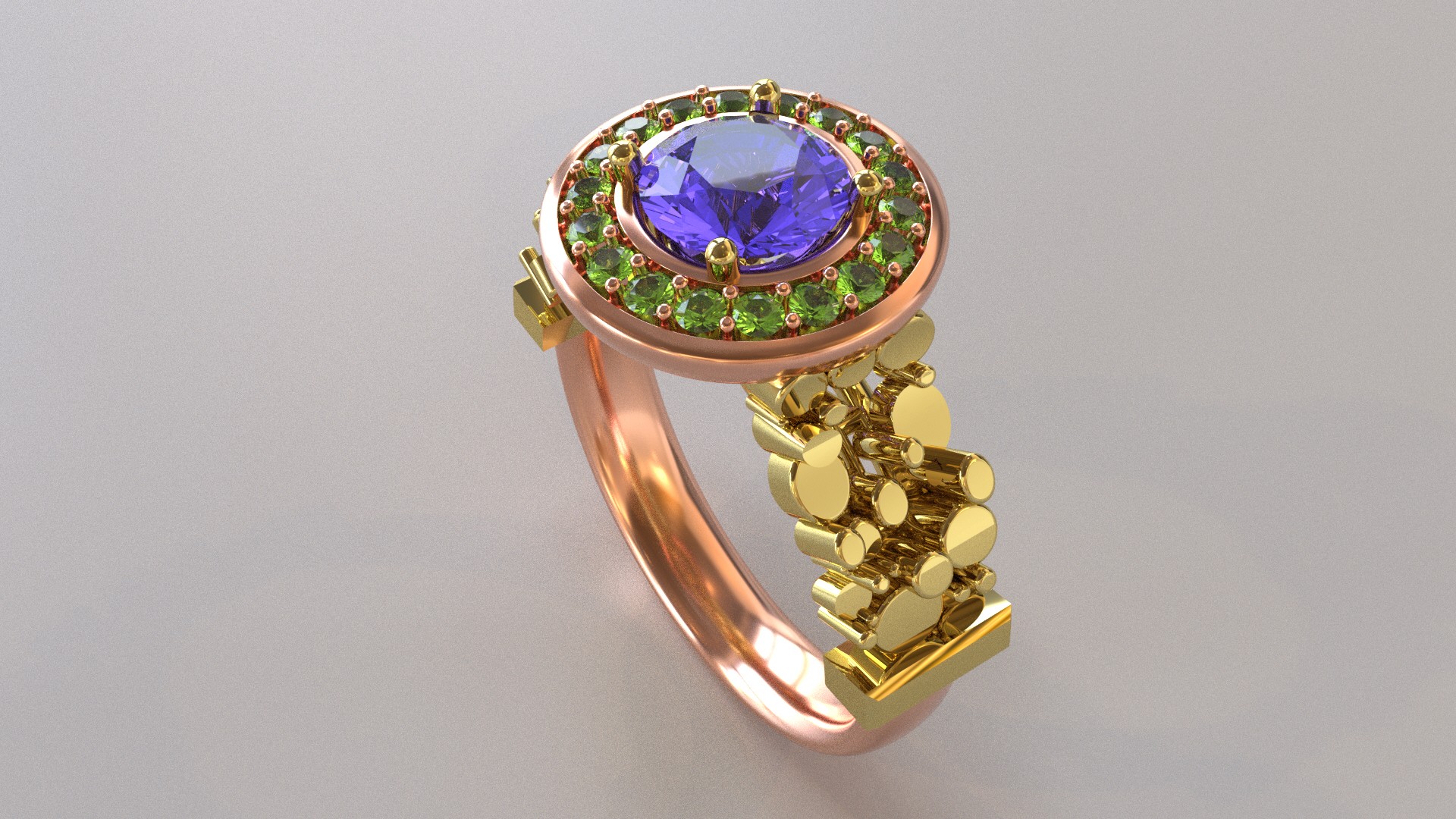
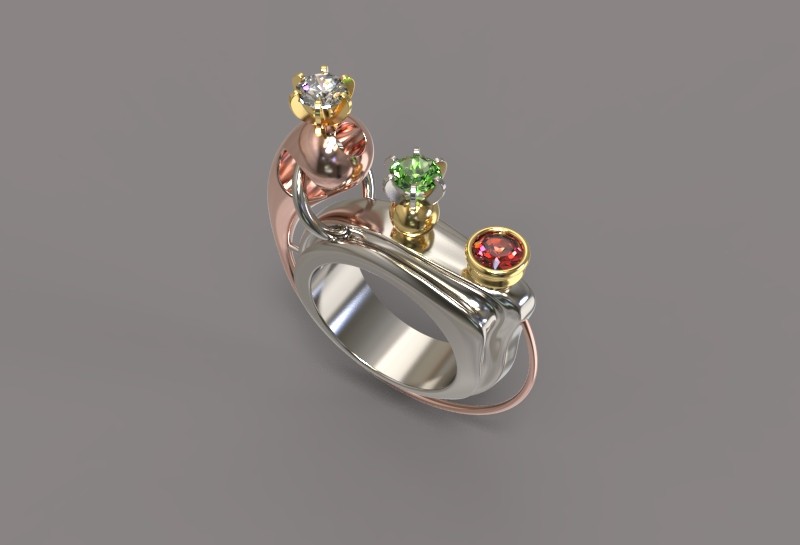
Starting with Jewelry, it’s such a multi-faceted field, and there’s a lot you can do; whether its hand fabricating something like a ring or chain links, to a bracelet. There’s no better feeling than when you’ve finished hand fabricated something, knowing that all your hard work has paid off. You can also make complex organic forms to make something that’s entirely your own in 3D modeling and rendering. Not only these but you can metal cast as well as do enameling, you’re bound to find something you like. From those techniques and processes there are so many things that can come from these mediums. If you become proficient in them, you can really stand out when applying for jobs. Not just jobs, but you can make anything you’d like in general.
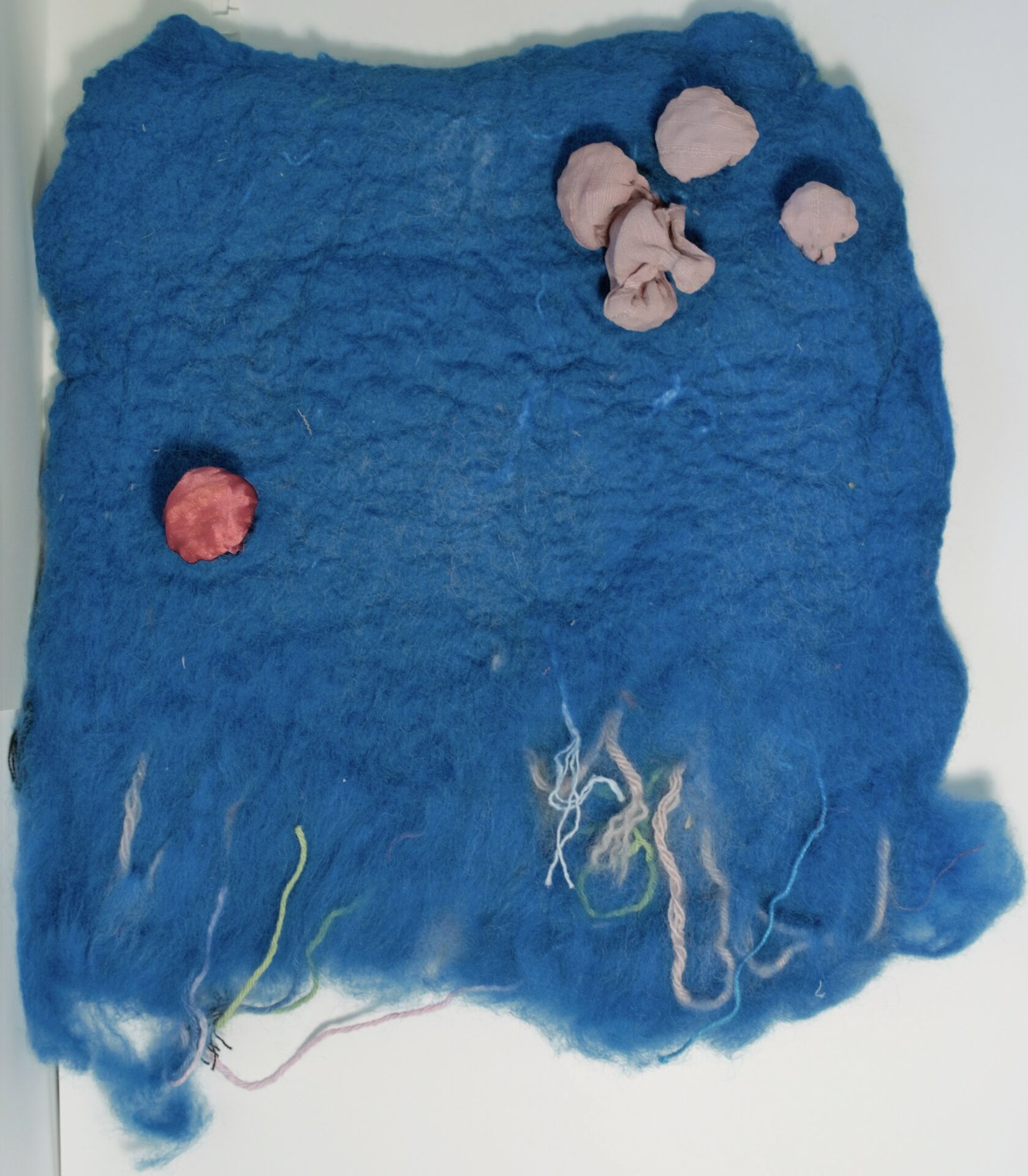
I love Fibers because there’s so much you can do with it, Fibers isn’t only regular textiles; It can be plastic crochet hats, it can be embroidery, it can be handmade felt as well as different dyeing practices and beading. The opportunities are seemingly endless, I’ve seen so many materials be repurposed and made into professional projects. You can even base your career off spinning yarn or dying fabrics, or you could be the one making the fabrics. You can even do complex things like using a mechanical loom or design wallpaper, its truly amazing.
Originally, these majors weren’t my first pick, I originally started out at my university at a program that’s during the summer of your junior year of high school. In that program you take two college level classes in half the time of a regular class at the university. I took a fashion technology class, as well as a set design class, and I knew early on that both potential careers weren’t for me, though I did enjoy and learn so much from them. Fast forward to when I got admitted to university as a regular student after high school, I decided that I wanted to try Accessory Design. While I felt that I enjoyed it, I knew that this also wasn’t for me, and at the end of that class I remember feeling lost and not knowing what to do next, but I knew that I was close to where I was meant to be. On a whim the following quarter (my university follows the quarter system) I decided to take Introduction to Jewelry, and while I didn’t originally fall in love with it, I noticed that over time I would feel a sense of joy and fulfillment that I never had in doing my other classes from my other majors, and that to me was the indication that I was where I was supposed to be. I was so thankful for that because I was running out of options. I would’ve dropped out and pursued a career in archaeology, anthropology, something ancient history related. Primarily because I have always found both of those subjects fascinating.
Fibers was never on my radar as a major, but I remember hearing things in passing about the types of things that were offered as classes, and I also knew a Fibers student, and from time to time I would see the types of things she’d make on my Instagram feed, and I’d be impressed with the things she’d create. I wasn’t ready to commit myself to it just yet. I remember it was the during the pandemic in lockdown that I really started to think about taking a class just to see, so when classes were being offered on ground again, I registered with a Fibers for non-majors class. I learned so much from it, we did screen printing on fabric, different types of dyeing, and weaving. I remember being genuinely proud of making things and seeing the result of my work and thinking along the lines of “If I find out how to make things like this but through professional means and equipment, I can really make things that people would want”, and that’s when my love for Fibers started. I also fell in love with the overall atmosphere of the building and the people, everyone was so laid back, friendly, and personable. I don’t favor one major more than the other, all majors are quite different from each other, and every major has its own atmosphere and personality. Some are more rigid, and some are more open, I appreciate the qualities of both.
For myself, I am my brand. For some people, they can distance themselves and have their own distinct style from their brand’s style, but I’ve always wanted my brand to be a reflection of what I love, and what I’m interested in. I don’t have a specific style that I want my brand to follow, I don’t want to limit myself. I might have an established brand direction in the future, however that remains to be seen. But overall, I want my brand to be unique, with pieces and collections that I love, and that I think other people would take an interest in. Some pieces are more editorial, and some are for regular wear, I want to have a nice variety.
Looking back, what do you think were the three qualities, skills, or areas of knowledge that were most impactful in your journey? What advice do you have for folks who are early in their journey in terms of how they can best develop or improve on these?
This is hard to narrow down, so ill list more than three. The four things that I would say are, the ability to be opinionated, resilience, public speaking, and developing your skills to get inspiration from anywhere.
I’m going to frame being opinionated in regards to gathering inspiration as well as one’s feelings toward the art in general. Having these opinions is a good way to help you in the process of developing your own style. However, with opinions you always have look at the facts and the artists intentions, and then you can form opinions, it’s so important to have a balanced view of everything. However, having these opinions, like any opinion, is best voiced in a civil manner.
Moving on to resilience, its important because we all have bad days. For me, resilience is one of the few things that got me through to eventually finding my majors. There’s definitely been times I’ve felt defeated after doing something that I thought would work or going from major to major only to have less than ideal experiences and sometimes no success at all. And then having to scoop yourself up and then try again. But I’m glad I did, because it worked out in the end.
Public Speaking is something that everyone should work on, because everyone will eventually have to do some form of it In their lives. Yes, we absolutely have more avenues of advertising available to us, not to mention social media, but if you’re out on the street and someone sees something that you made, or you strike up a conversation with someone, that’s an opportunity for you to get your name out there. It doesn’t matter if they don’t buy anything, they’re going to remember this, and they may be friends with people who do very well for themselves and can buy a few of your pieces if they’re interested, and the cycle could continue. Other things can come of this like they might be very well connected and can help get you in the direction you want to go in, whatever that means for you. But if you can’t talk about your work, the chances of these things happening are slim.
The last thing that I’ve found to be important is having places to get your inspiration from, but also being open to new ideas. I think as artists we sometimes want to have an established artistic direction to base our work and branding off right when you start, and in my opinion, that doesn’t always work. It’s so important to experiment, and to keep at it. And having inspiration come from anywhere, including familiar things can help you in your ideation, and then you can delve more deeply into new techniques, topics, and ideas that may arise when you’re experimenting.
For my advice, I want to keep it simple since I’m sure what I’m going to say has been told many times before. For being opinionated, when I just started out in the art world, I would look at something I think along the lines of “I like the medium they used, I’ll remember that” or “I like the feelings this evokes” or something as simple as “I get the message, but it’s just not for me”. Little thoughts like these can help you refine your creative direction.
For resilience, always be exploring, and if something doesn’t work make sure you know what didn’t work/ why it didn’t work, and if it could be done any differently before you abandon it altogether. Additionally, its important and necessary to be kind and compassionate to yourself. Your next venture or attempt won’t go any smoother if you’re negative to yourself about what just happened, because then you might drop it altogether, and the opportunities that could come along with it effectively vanish.
For public speaking. All I can say is that if you’re not confident, you’re going to have to fake it. I don’t have a lot to say on this as this is not a one size fits all topic, but I will say that it got easier for me once I started working and interning, since it’s an expectation to be outgoing and friendly to everyone, and eventually I found my voice through regular interactions.
For gathering inspiration, I don’t do anything fancy, I just created a folder and during my day-to-day life just save/screenshot things that catch my eye. Inspiration comes in numerous forms to everyone, make sure you save it as soon as you find it, because you may never come across it again if you don’t.
All the wisdom you’ve shared today is sincerely appreciated. Before we go, can you tell us about the main challenge you are currently facing?
One thing that I’m working on lately is trying to not be overly critical with my final pieces. This is something that I’ve dealt with for quite a while, but only recently been taking steps to improve.
For instance, it could be that I don’t like how I assembled this piece, or my idea wasn’t strong enough. Or it could be as simple as something looks not quite right with it and I can’t figure out why. It’s going to be slow process to replace the negative thoughts with feelings of accomplishment, but there have been ways to try to speed up the process.
For one, I’m really a starting to put an emphasis on making sure my idea is sound and making sure it’s something I’d be proud to present in my portfolio. I’m doing this by spending more time on the ideation process itself. It’s incredibly important to have a project with a good foundation. There’s no more unfortunate feeling, than when you must go back completely to the beginning because your idea wasn’t strong or compatible enough with what you ended up with.
Another thing that’s helping is that I’m taking more advanced 3D modeling classes, so that I can further develop my skillset to achieve better results. I’m also putting more of an emphasis on incorporating techniques and methods that I enjoy and give me the results I’m looking for at the same time, like metal casting and making models from 3d modeling software.
And lastly, a reality check. I’m learning more and more how essential it is to be kind to yourself, because I’m still in college, I’m still learning and growing. No one is an expert at anything in college, some people are very smart, yes, but they don’t know everything. Also, it just helps being open about my current struggles with a project to people you know, sometimes you can get tips from fellow students or artists, and sometimes you get an ear to vent into, anything helps. But at the end of the day, I’m considerably more balanced and successful as an artist after giving myself as much patience as I need.
Contact Info:
- Website: www.fontainescreations.com
- Instagram: fontaines_creations
- Linkedin: www.linkedin.com/in/marcus-fontaine-2a8b33191
- Email: [email protected]
- Behance: https://www.behance.net/marcusfontaine