Alright – so today we’ve got the honor of introducing you to Mary Amor. We think you’ll enjoy our conversation, we’ve shared it below.
Mary, so great to have you sharing your thoughts and wisdom with our readers and so let’s jump right into one of our favorite topics – empathy. We think a lack of empathy is at the heart of so many issues the world is struggling with and so our hope is to contribute to an environment that fosters the development of empathy. Along those lines, we’d love to hear your thoughts around where your empathy comes from?
At seventeen, I was fortunate to participate on an incredible photo expedition trip to Southeast Asia with National Geographic’s Steve McCurry. Exploring a different world and meeting people from diverse backgrounds seriously awakened me. The contrast was striking; those I encountered exuded immense happiness, unlike the materialistic culture I knew back home in Orange County, California.
Raised in the posh “lifestyle” atmosphere of Orange County, known for its affluence, I was intrigued by the contentment of people in Southeast Asia that I met who had very little material wealth. Their lives were marked with respect, gratitude, and happiness despite modest means.
Observing the apparent happiness of these people and photographing their inherent joy that radiated from within, compared to the facade of perfection in Orange County, made me question the essence of wealth and the importance of inner well-being. This triggered a huge shift in my values.
I returned from Southeast Asia with deep compassion. This journey brought me to a space of feeling empathy for everyone, regardless of their circumstances. I learned not to judge by appearances. I committed myself to practicing kindness toward each person I came into contact with, regardless of whether they appeared wealthy or not. I also try to connect with this posture of empathy and respect when I am photographing people. I aim to make people feel unconditionally cherished. I understand the feelings of vulnerability that can occur when being in front of the camera.
As a photographer, capturing people’s essence with dignity is an honor and a privilege. This experience in Southeast Asia instilled gratitude and empathy deep within me, enriching my outlook. Each day we are given is truly precious. Each day is an opportunity to embrace life fully.
Thanks for sharing that. So, before we get any further into our conversation, can you tell our readers a bit about yourself and what you’re working on?
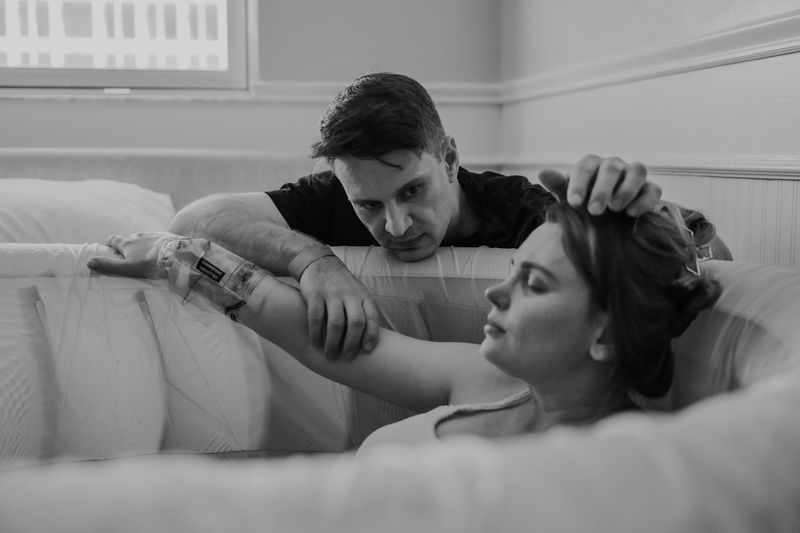
I am currently focusing on creating authentic photographs of families, as well as custom photography sessions for individuals (Professional Business Portraits, Personal Branding Imagery, Headshots, etc.) The most exciting thing about my sessions is that I try to keep them lighthearted, playful, and enjoyable. I don’t ever like feeling boxed-in, and I think other people want to feel like there is no “right” and “wrong” way to look in a photograph. I am incredibly grateful for the privilege of having studied under and/or observing really great directors/photographers at work including Mary Ellen Mark, Martin Bell, and Lauren Greenfield. Seeing them create a safe and respectful space between themselves and the people in front of their lenses has been something I will never forget. I try to embody what I have learned from them and bring this to every photo session I have. For me, it is essential to bring sincerity, presence, and openness to whomever is in front of me that I am photographing.
There is so much advice out there about all the different skills and qualities folks need to develop in order to succeed in today’s highly competitive environment and often it can feel overwhelming. So, if we had to break it down to just the three that matter most, which three skills or qualities would you focus on?
The three things that have helped me in my photography journey over the years are a commitment to take pictures everyday, dedication to continue my photography education, and having an open mind that stays curious.
For people early on in their photography journey, I recommend the practice of constantly taking photos on your cell phone, watching Annie Leibovitz’s masterclass for inspiration, and maintaining a curiosity towards what brings you the most joy in photography.
One of my photography instructors said “the best camera is the one you have on you” and this is incredibly important advice. We have cell phones on us most of the time that have decent cameras in them and if we choose to, we can freely take “photo sketches” of anything we see around us that is interesting. Listen to your gut when you are observing your environment and take pictures of anything that causes some sort of reaction in you. This is a practice I have used over the years to stay creative and remain an observer of beauty, emotion, and keep my love for life alive.
Annie Leibovitz has an excellent course available on masterclass.com that is incredibly moving and inspirational. You get to see this highly acclaimed professional photographer at work, get behind-the-scenes access to her creative process, and witness her teach other students. It also goes into her history as the chief photographer for Rolling Stone Magazine. She gives out assignments that are wonderful and are reminiscent of what you would get if you paid thousands of dollars for a high-ticket photography workshop.
I think it is really important to constantly question and make adjustments to what is it about photography that you love and brings you the most amount of joy. For those who want to become a professional photographer, pay attention to the types of photo sessions during which you felt incredibly aligned in your being while you were participating as the photographer. Also, I recommend extending gratitude and respect to anyone that is in front of your lens, and expressing that to them in the way that you speak to them. If you leave a photo session and you are feeling like it was dissatisfying in some way, ask yourself questions about what happened during it; was it the subject matter, the location, someone’s attitude, or…? What were the preconceived notions of what you wanted going into it and what actually resulted from it? Do you enjoy the genre of photography that the session falls under? Keeping your internal questioning going about these things, and having peers that understand the journey with you will be extremely helpful.
Tell us what your ideal client would be like?
My ideal client is someone in the Denver Metro Area who wants photographs of themselves and/or their family members that are unique and not overly traditional. My favorite type of session is conducted on-site at someone’s house or business location. The environment becomes another personality in the photographs. I think that nature sessions are beautiful, and I take photographs in beautiful locations as well; however, there is also something authentic and uniquely compelling about images created in locations where one spends most of their time. It seems to me that people feel more comfortable and fully “seen” in places they are used to living or working in. I hope to do more in-home family sessions and on-location business portraits this year!
Contact Info:
- Website: www.maryamor.com
- Instagram: maryamor.photo
- Yelp: https://www.yelp.com/biz/mary-amor-photography-centennial
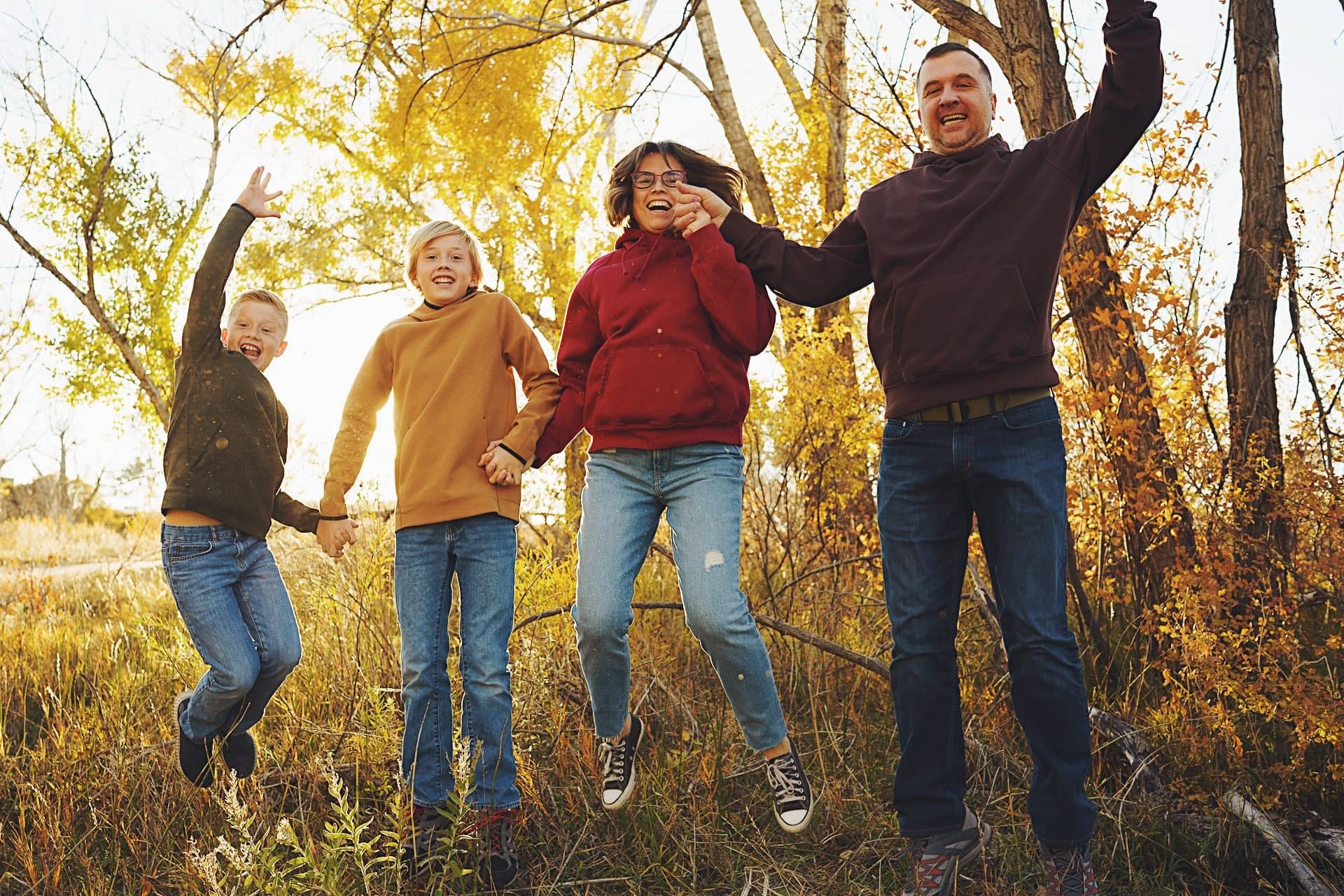
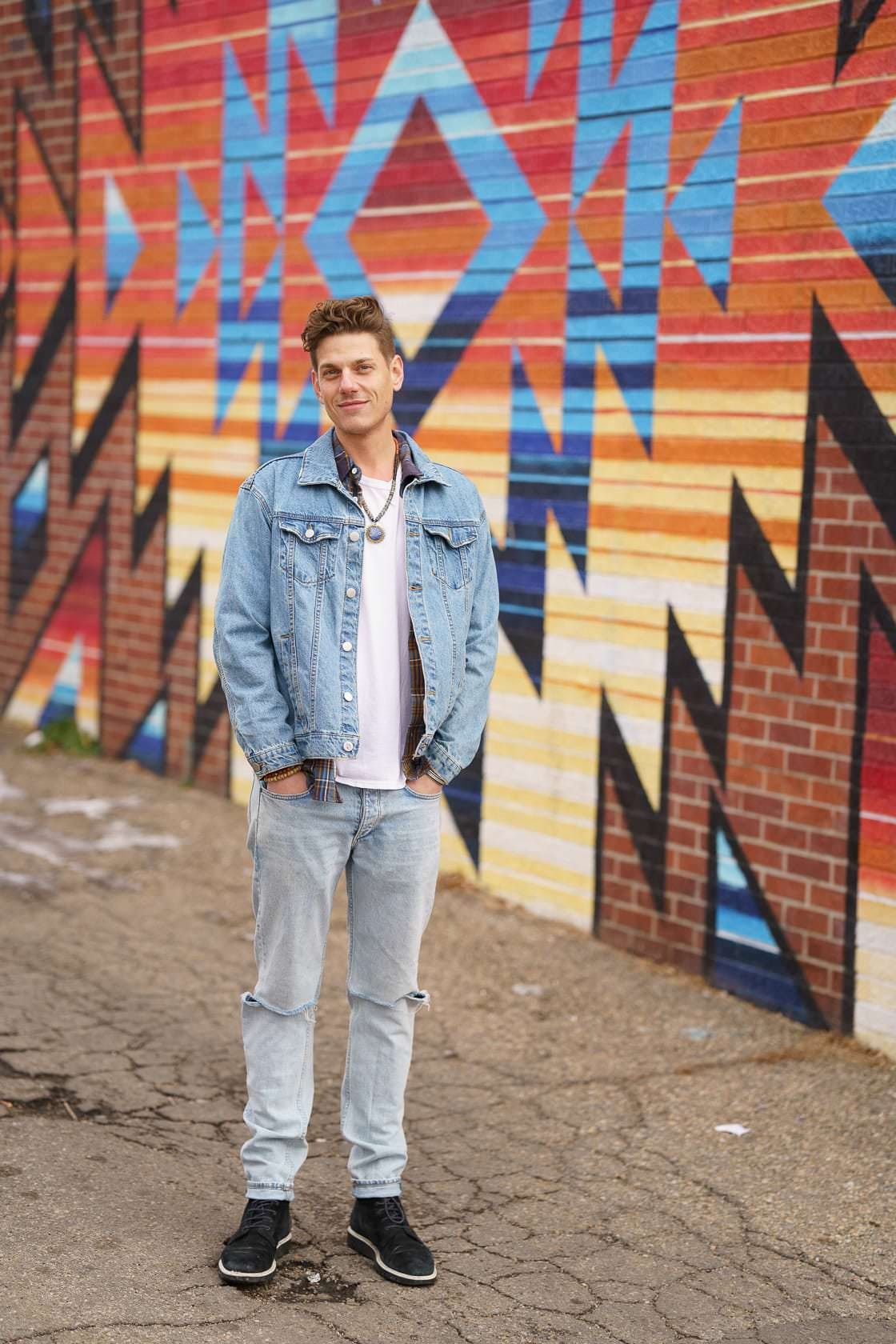
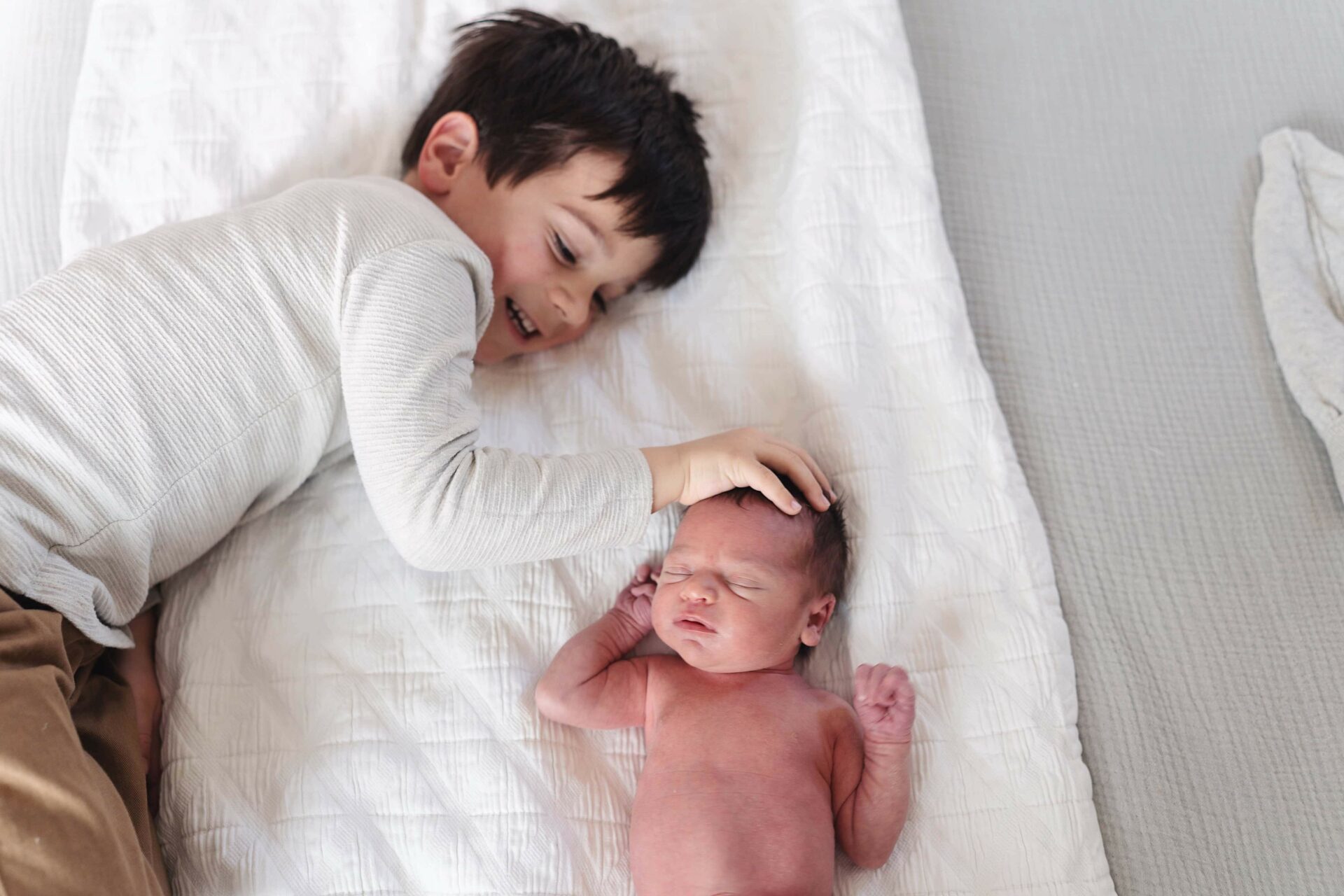
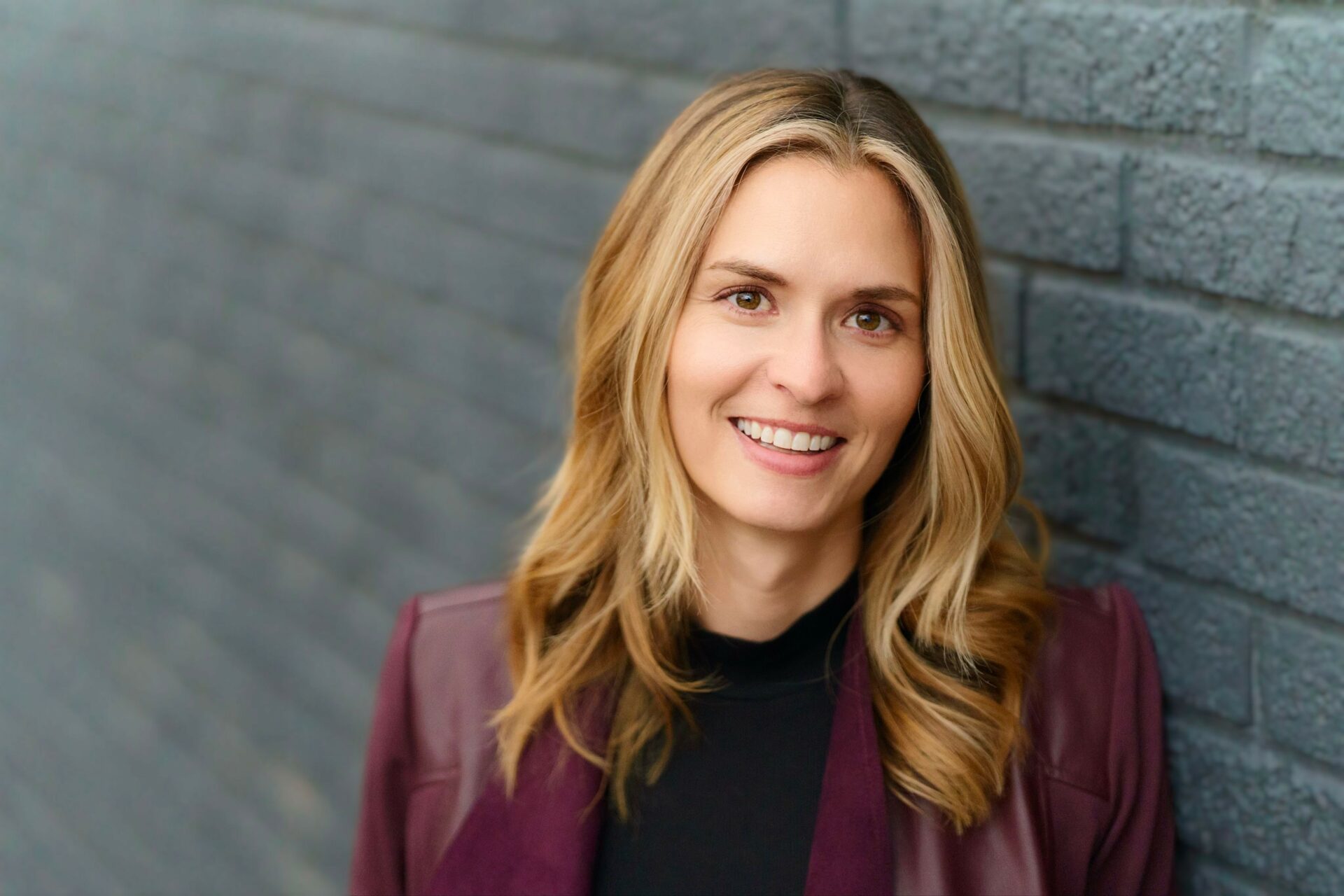
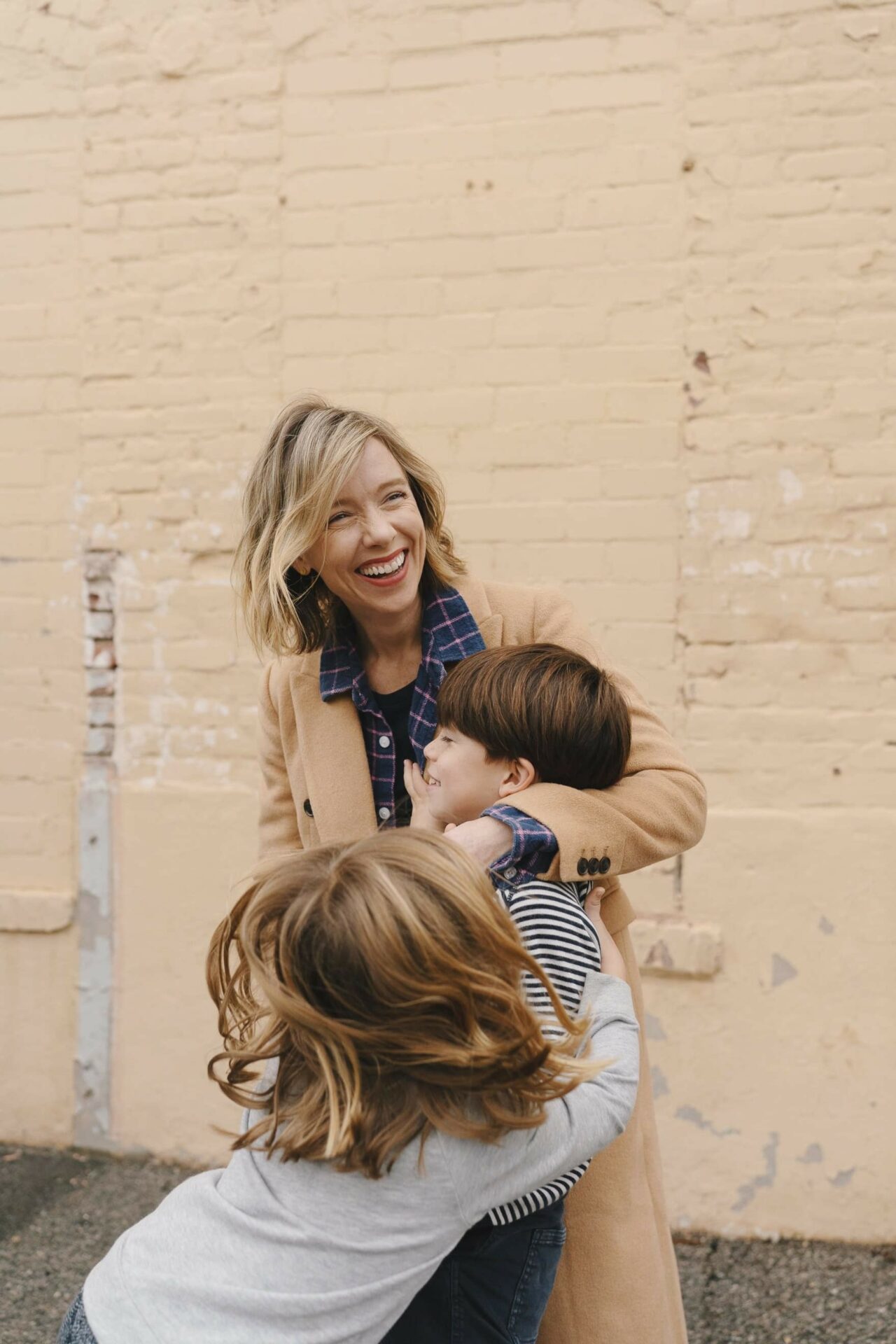
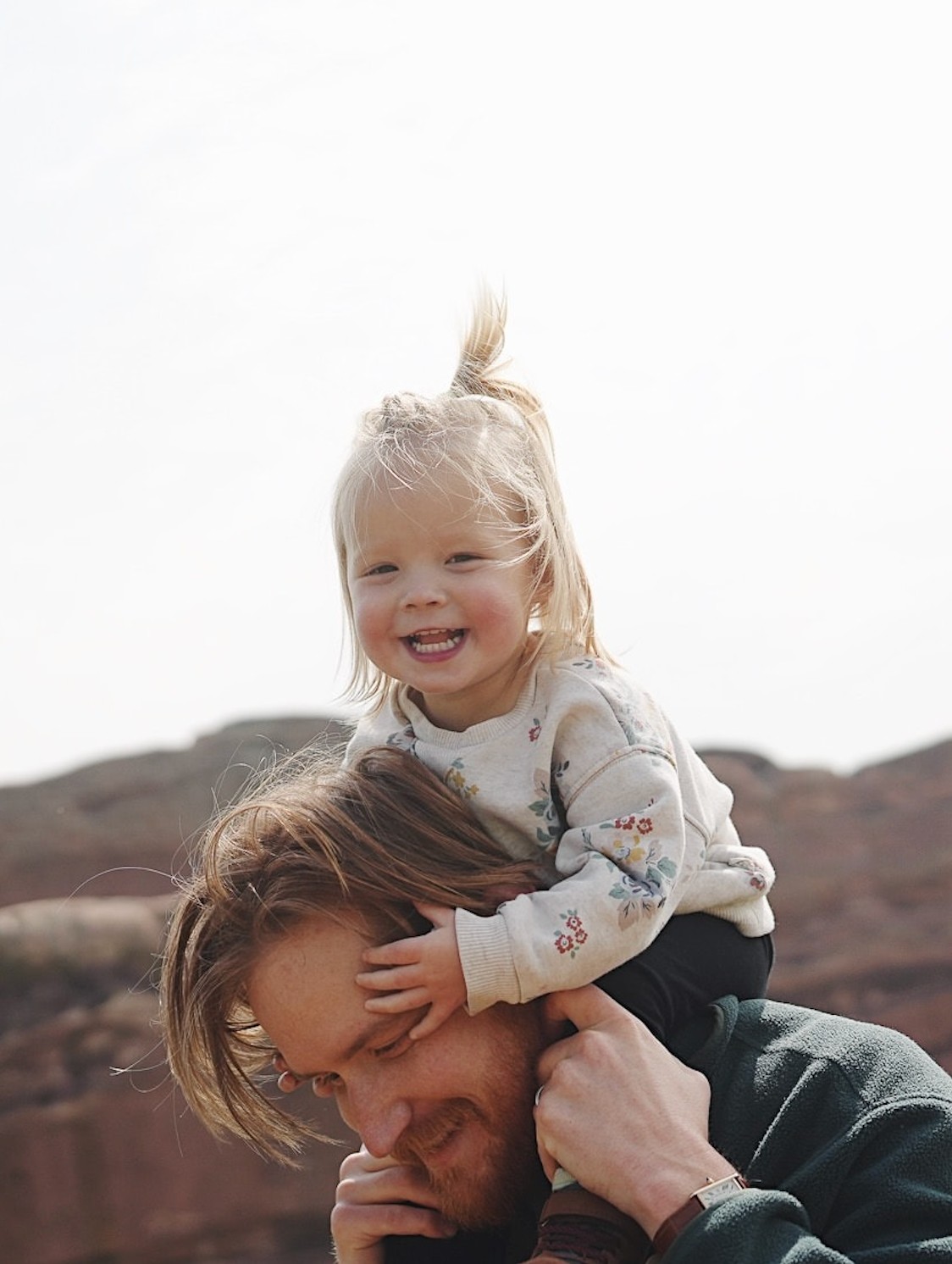
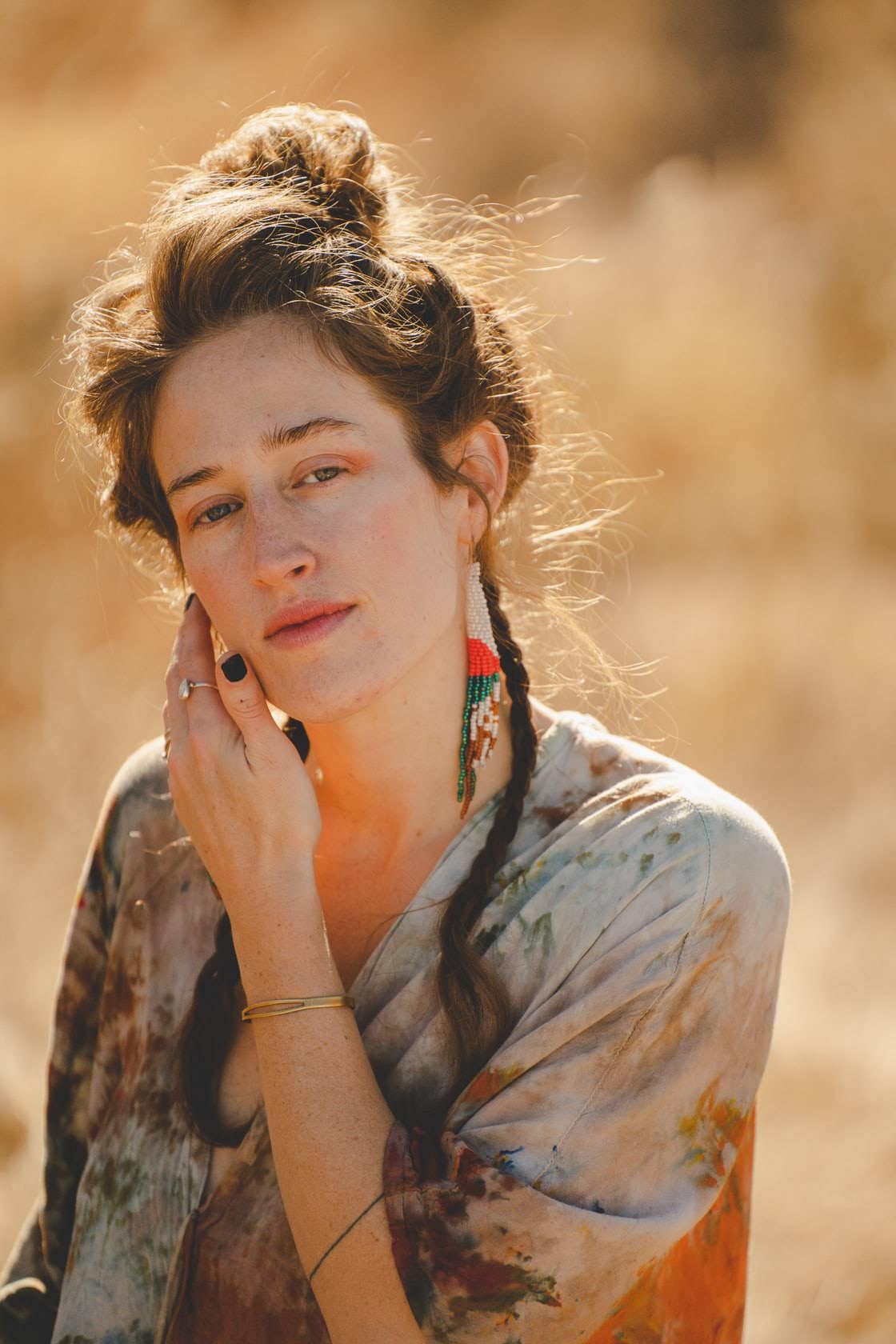
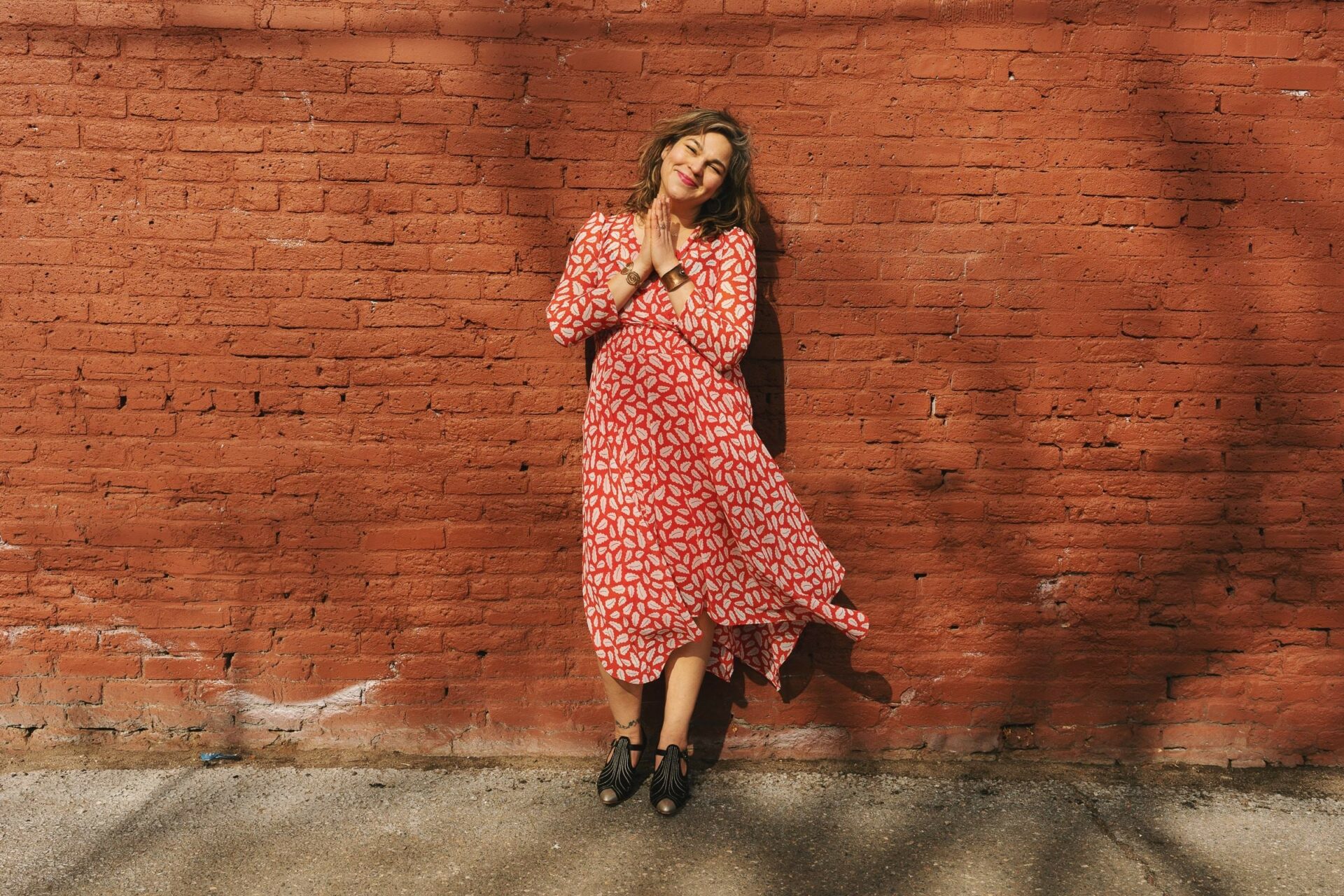
Image Credits
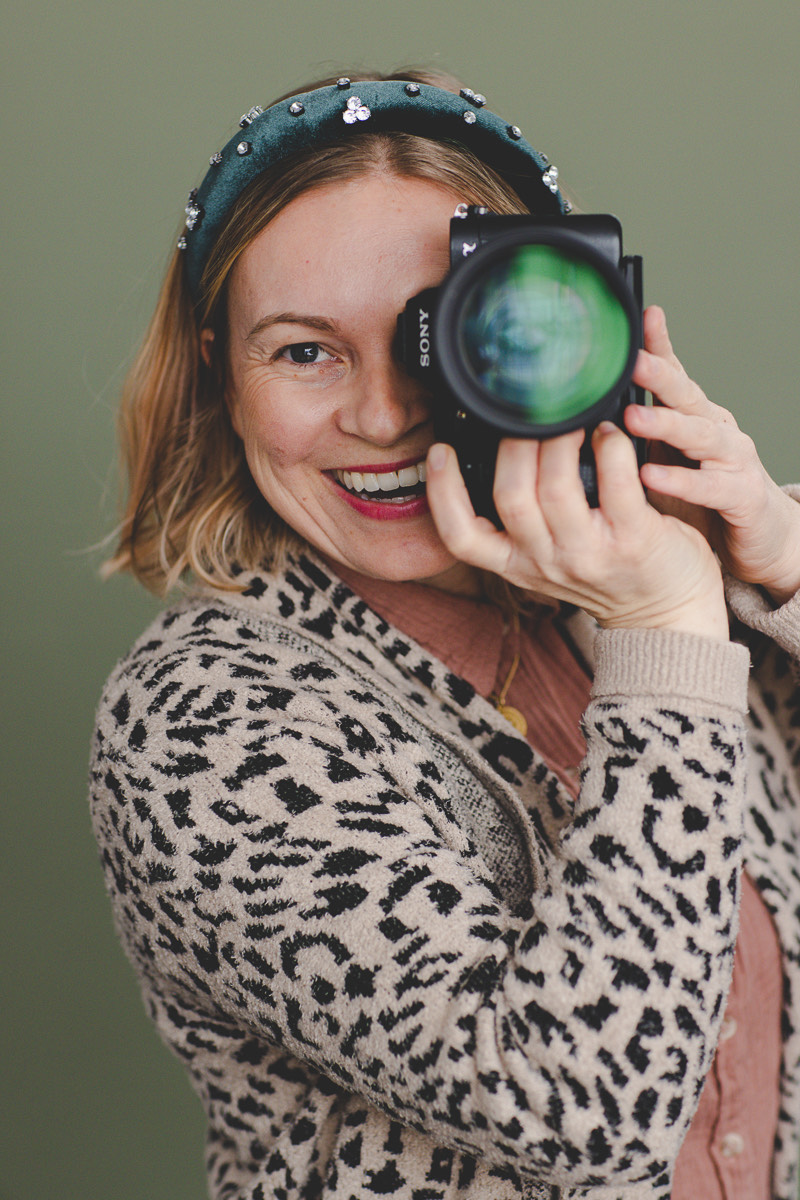
Image of Mary Amor by Kate Blakeman, All other images by Mary Amor