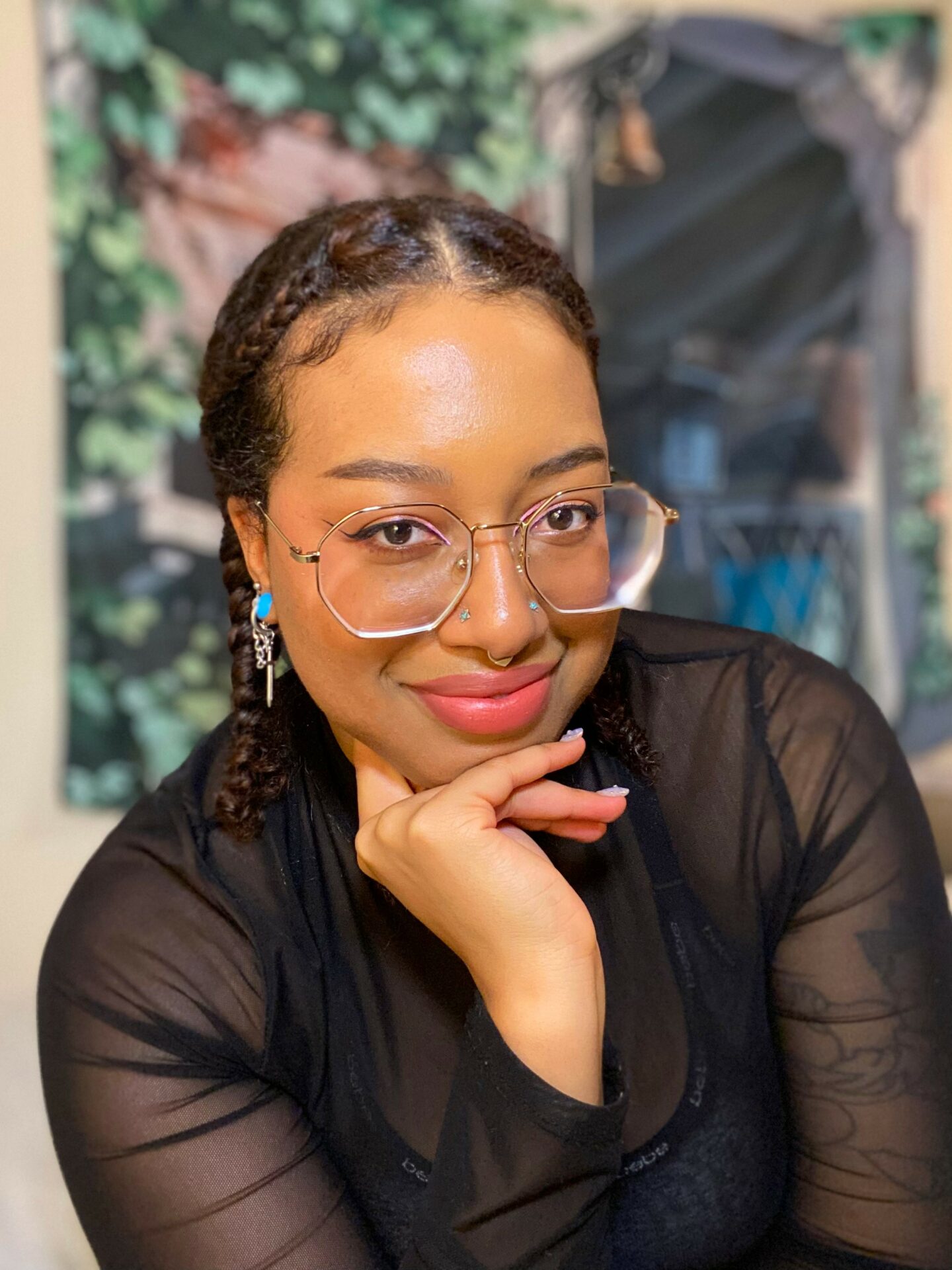
We recently connected with Mayah Robinson and have shared our conversation below.
Mayah, we are so happy that our community is going to have a chance to learn more about you, your story and hopefully even take in some of the lessons you’ve learned along the way. Let’s start with self-care – what do you do for self-care and has it had any impact on your effectiveness?
When I reflect on this year, I’d say that a huge lesson I’ve learned is how to “make time” away from creating. I specifically use the phrase “make time” because for me to care for my mental and physical, I have to consciously carve out time when I can rest and recuperate. These self-care days can take various forms—whether it’s engaging in a rejuvenating exercise class, organizing my workspace, or indulging in a day of video games. The essence lies in cultivating a practice of rest, allowing me to return to my work with a revitalized perspective and a renewed sense of clarity. It helps me stay motivated throughout long-form projects. Self-care is a necessary part of my growth as an artist. I’d even argue that it’s an integral part of the art-making itself.
Thanks for sharing that. So, before we get any further into our conversation, can you tell our readers a bit about yourself and what you’re working on?
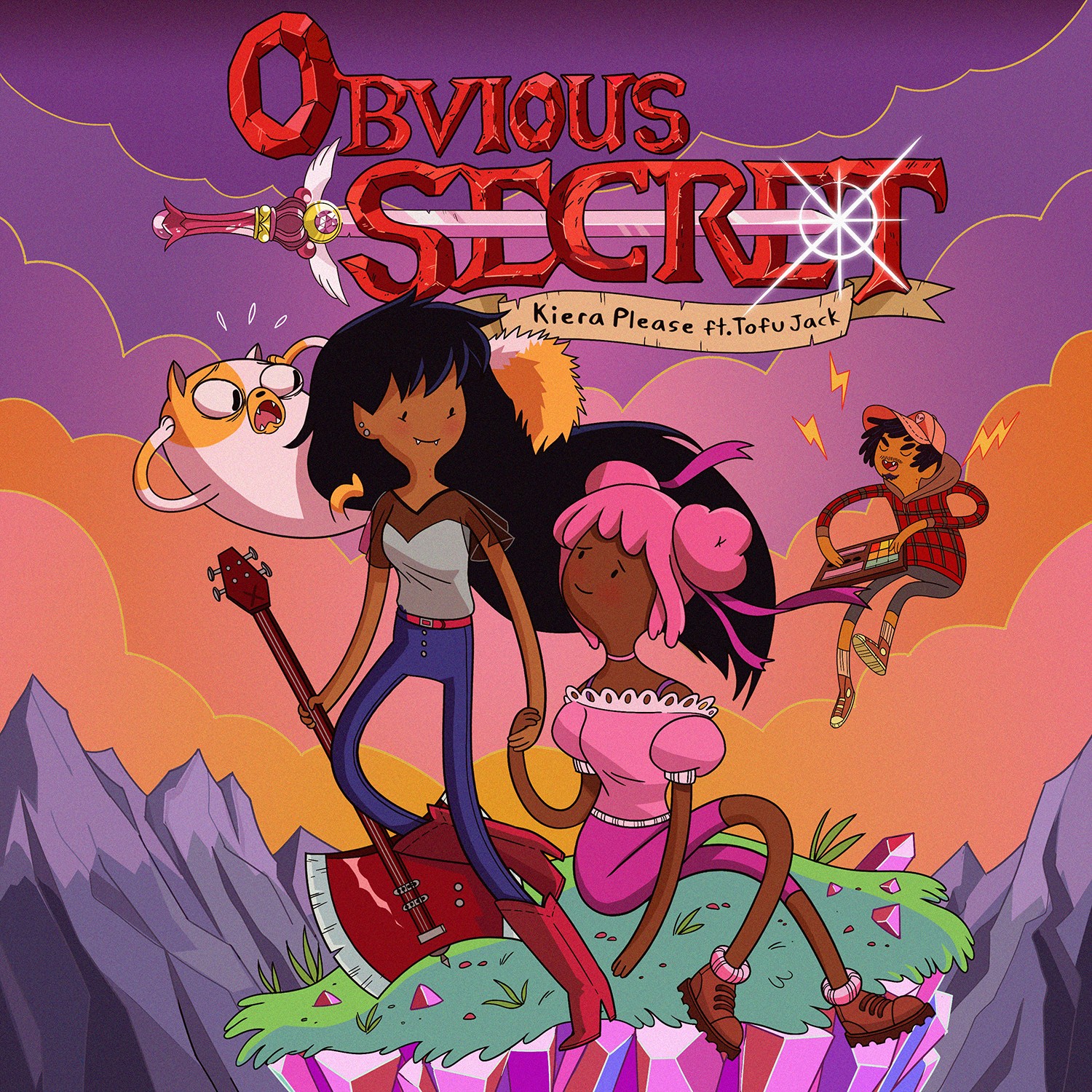
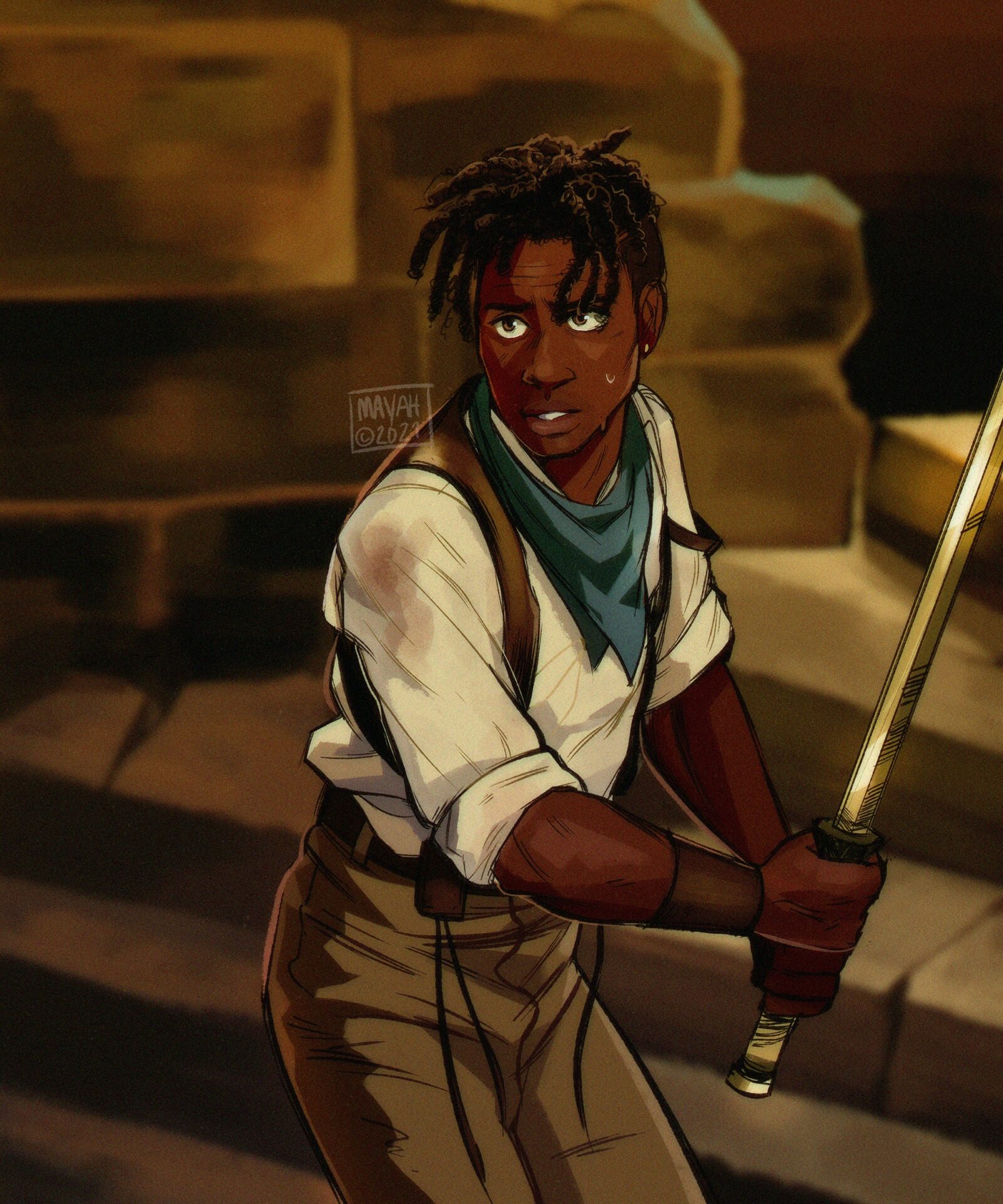
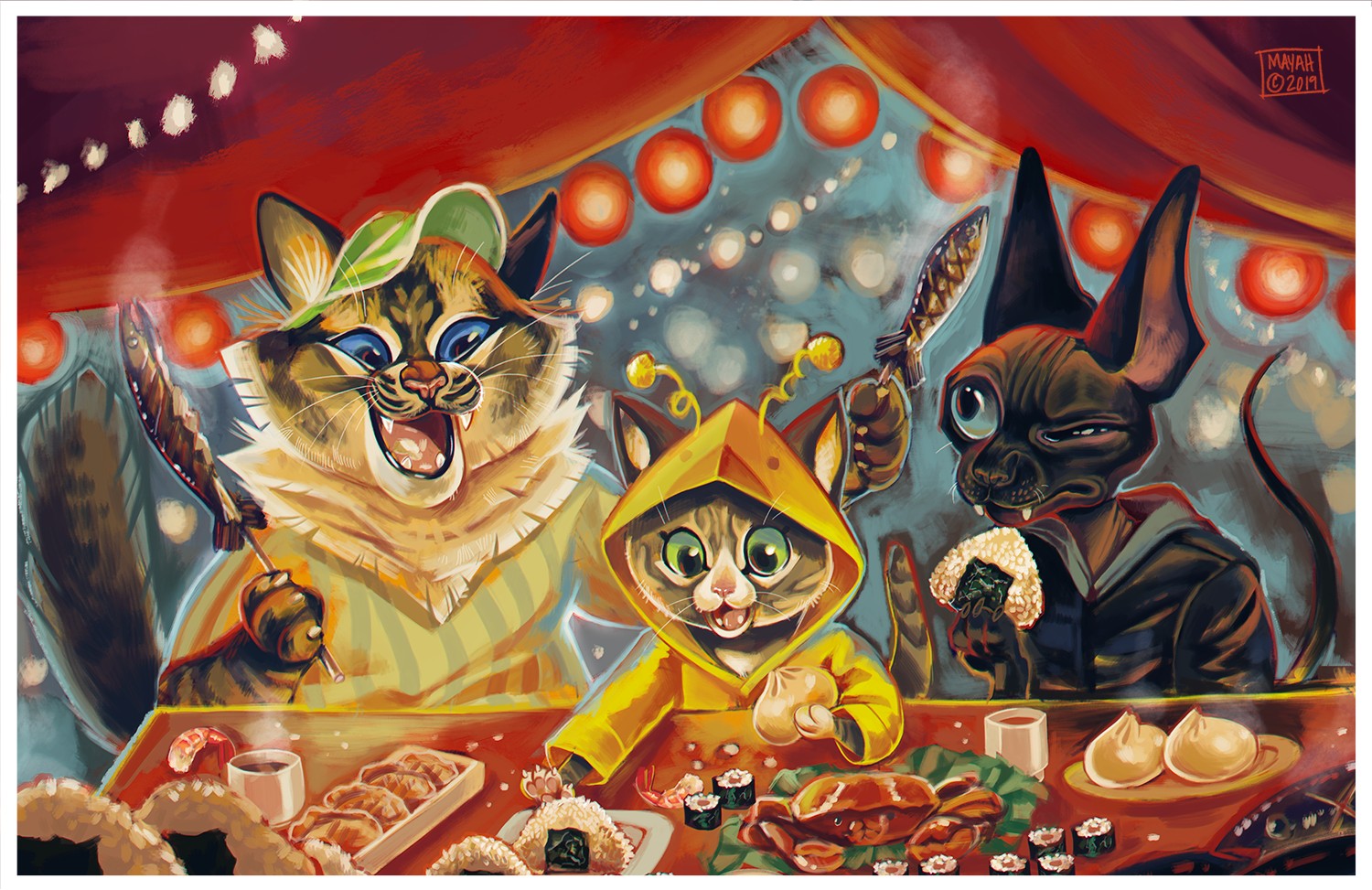
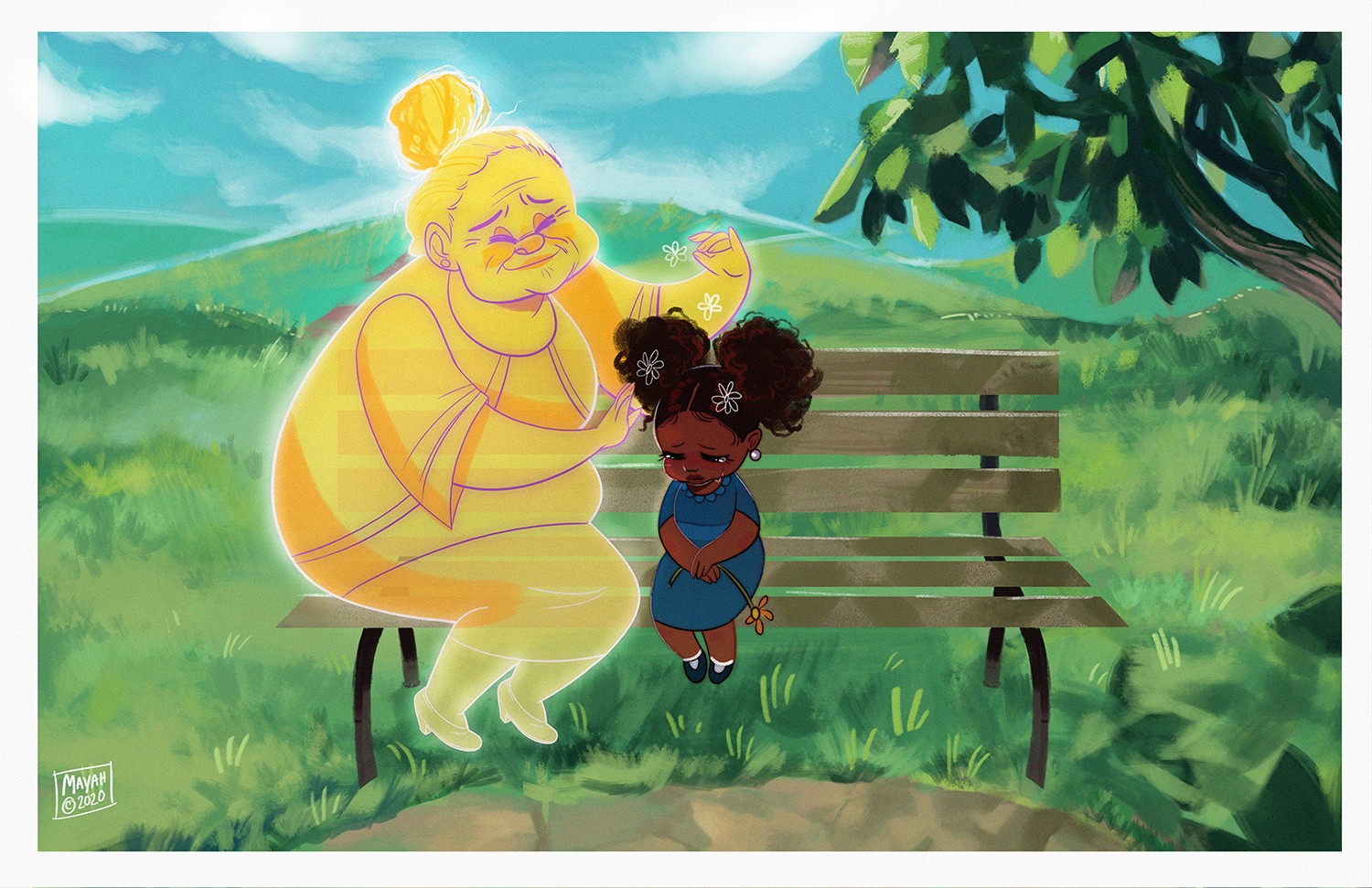
I specialize in character design and illustration, finding joy in crafting characters that tell compelling stories at a glance. My passion for this work stems from the opportunity it provides to convey meaningful narratives. Central to my artistic mission is the representation of marginalized communities—much of my creations are dedicated to depicting characters resembling my friends, family, and community members.
I grew up in an age where the lack of representation in the cartoons on TV was the norm for me and many other black and brown kids. This left me feeling disconnected from many characters who did not mirror my experiences. Now, with the ability to effect change, I focus on creating characters and stories that resonate with black kids, ensuring their narratives take center stage.
My unique upbringing as a somewhat eccentric child has translated into my adulthood, where my great sense of humor permeates my artistic expression. Humor, for me, serves as a powerful tool to navigate and process life’s challenges, making it a distinctive and integral element in my work.
I’m all about making my viewers and artists alike feel something when they’re looking at my work. Many of the pieces I share have a “slice of life” quality to them or display fantasy elements that deal with difficult topics to help ground them to better connect with the viewer.
The latest project I had the pleasure of contributing to alongside some incredible individuals is titled “Project Memory.” This action-packed narrative delves into the realms of family, mystery, and purpose, skillfully navigating the challenges of mental health along the way. Keep an eye out for it in the spring of 2024!
Looking back, what do you think were the three qualities, skills, or areas of knowledge that were most impactful in your journey? What advice do you have for folks who are early in their journey in terms of how they can best develop or improve on these?
When chatting with young artists, I love sharing some golden nuggets of knowledge gleaned from my journey and the inevitable mistakes that come with it. If I were to distill it down to three key pieces of advice, here’s what I’d offer:
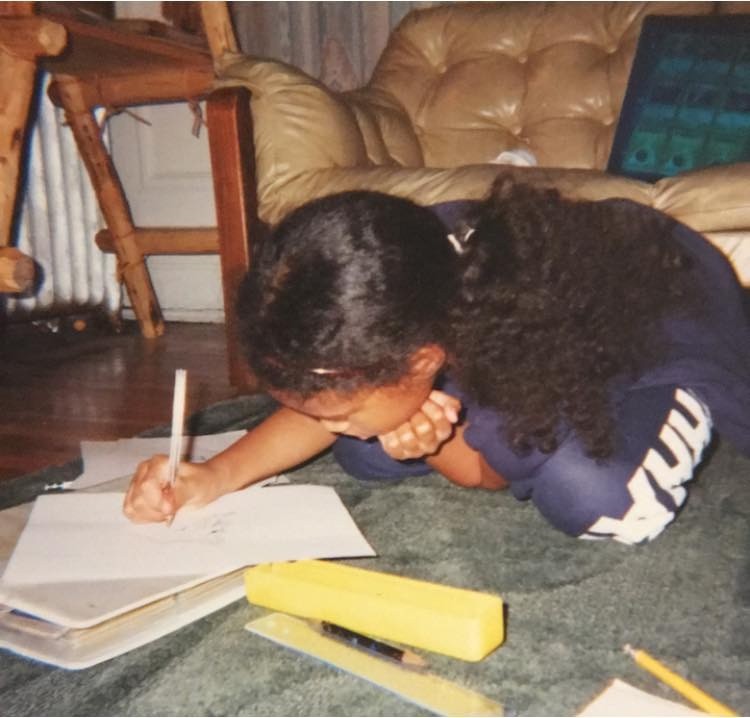
1. Master the basics: Before I dove into creating cartoons with fancy tools for a living, I started with a humble pencil and paper, just like everyone else. Years of traditional drawing and painting laid the foundation for my skills before I even touched a drawing tablet. Taking classes and working on fundamentals like shading, light, color, and anatomy was crucial.
2. Pursue your interests: Beyond school projects and work assignments, I dedicated my free time to drawing what truly interested me. These personal creations ended up defining my artistic identity. Ultimately, a budding career stems from your creative desires. Follow what keeps you consistently engaged in your creative space.
3. Embrace mistakes: Making errors is an integral part of the learning process. As Jake the Dog from Adventure Time wisely puts it, “Sucking at something is the first step towards being sorta good at something.” During my learning phase, I didn’t dwell too much on mistakes. Instead, I focused on the joy of creating. If I messed up a drawing, I’d finish it and move on to the next piece. I prioritize the art of making over fixating on creating perfect art, if that makes sense.
To close, maybe we can chat about your parents and what they did that was particularly impactful for you?
Oh my gosh, once my family saw the little budding artist in me they all played a part in nurturing it. Something that changed the trajectory of my entire art career was when my mom paid for me to go to the Chicago Academy for the Arts. She sacrificed so much just to see me do something that I loved. Unfortunately, I only ended up staying for the first two years because my family just couldn’t afford it. – but those years had such a huge impact on me as an artist. It laid a solid foundation. Without it, I don’t think I’d be where I am today. I was taking college-level art classes at CAA. It was such an incredibly positive experience and I’m still so grateful for the opportunity I was given.
Contact Info:
- Website: https://www.hayamayah.com/
- Instagram: https://www.instagram.com/hayamayah/
- Linkedin: https://www.linkedin.com/public-profile/settings?trk=d_flagship3_profile_self_view_public_profile
- Other: Project Memory: https://www.instagram.com/studiocr.ux?igsh=OGQ5ZDc2ODk2ZA==