We’re excited to introduce you to the always interesting and insightful Mike Fowler. We hope you’ll enjoy our conversation with Mike below.
Hi Mike, we’re so appreciative of you taking the time to share your nuggets of wisdom with our community. One of the topics we think is most important for folks looking to level up their lives is building up their self-confidence and self-esteem. Can you share how you developed your confidence?
My confidence and self-esteem come from preparedness. Being well informed, trained, and skilled helps remove unknown variables from the equation. This means less surprises. Less surprises means it’s easier to remain cool, calm, and collected in the moment – whether that is a sales pitch with a new client, production day, or whatever I’m working on.
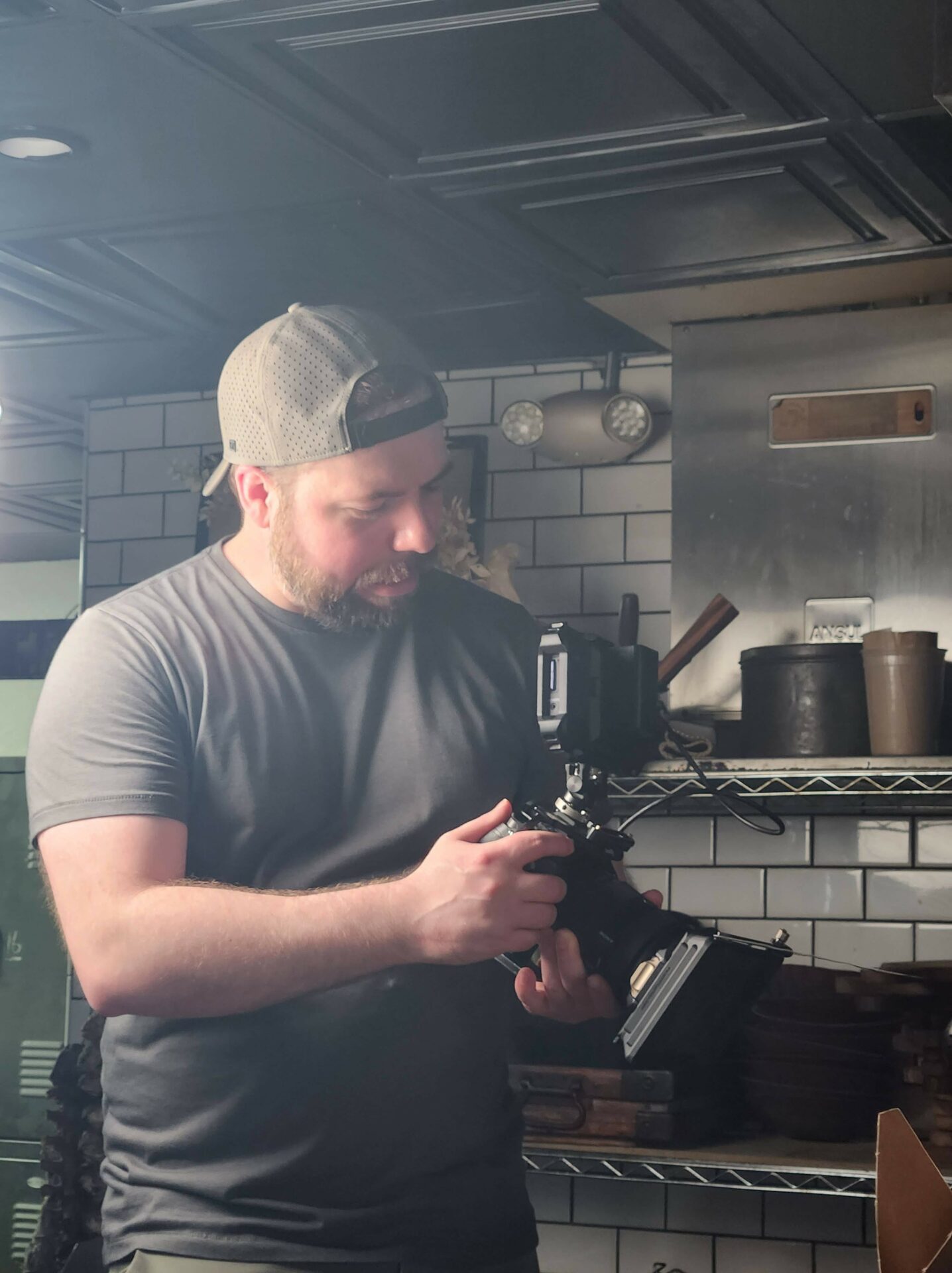
I didn’t have a traditional background for a videographer. I am entirely self-taught – with some help from mentors and fellow videographers I’ve worked with over the years. Early in my career I spent a massive amount of time educating myself on techniques and processes. This meant having an in-depth knowledge of my gear and how to troubleshoot it. Knowing what gear to bring for specific situations. Practicing camera movements and editing techniques. I tried to keep what I consider a musician’s mindset – that I should always be well practiced before a gig. This level of obsession helped build my confidence because I was able to trust in my abilities when it mattered.
The last thing I’d share here is the importance of process as part of preparedness when it come to projecting confidence in your craft. Having a clear process not only makes you more efficient, it shows your clients that you have a clear plan for how you will approach their project. This in turn gives them more confidence that you are the right person for the job.
A common example I can share here is script writing. I work with clients in a wide variety of industries, products and services. It wouldn’t be realistic for me to become a subject matter expert for each of these niches, but when asked to write a commercial script for a business, I have a clear process for accomplishing that goal regardless of that knowledge gap so I can quickly and confidently say yes and move forward – giving the client confidence that I know what I’m doing. I know the building blocks of a good commercial script and I know that I can obtain the marketing points I need from the company’s website and other marketing materials. If there are any gaps – I have a list of business-defining questions I can ask the client to fill those gaps. With that formula, I’m able to take on these projects (which often lead to more work because the clients now trust that I understand their business) where someone without a clear process may shy away because they don’t have a clear path forward.
Let’s take a small detour – maybe you can share a bit about yourself before we dive back into some of the other questions we had for you?
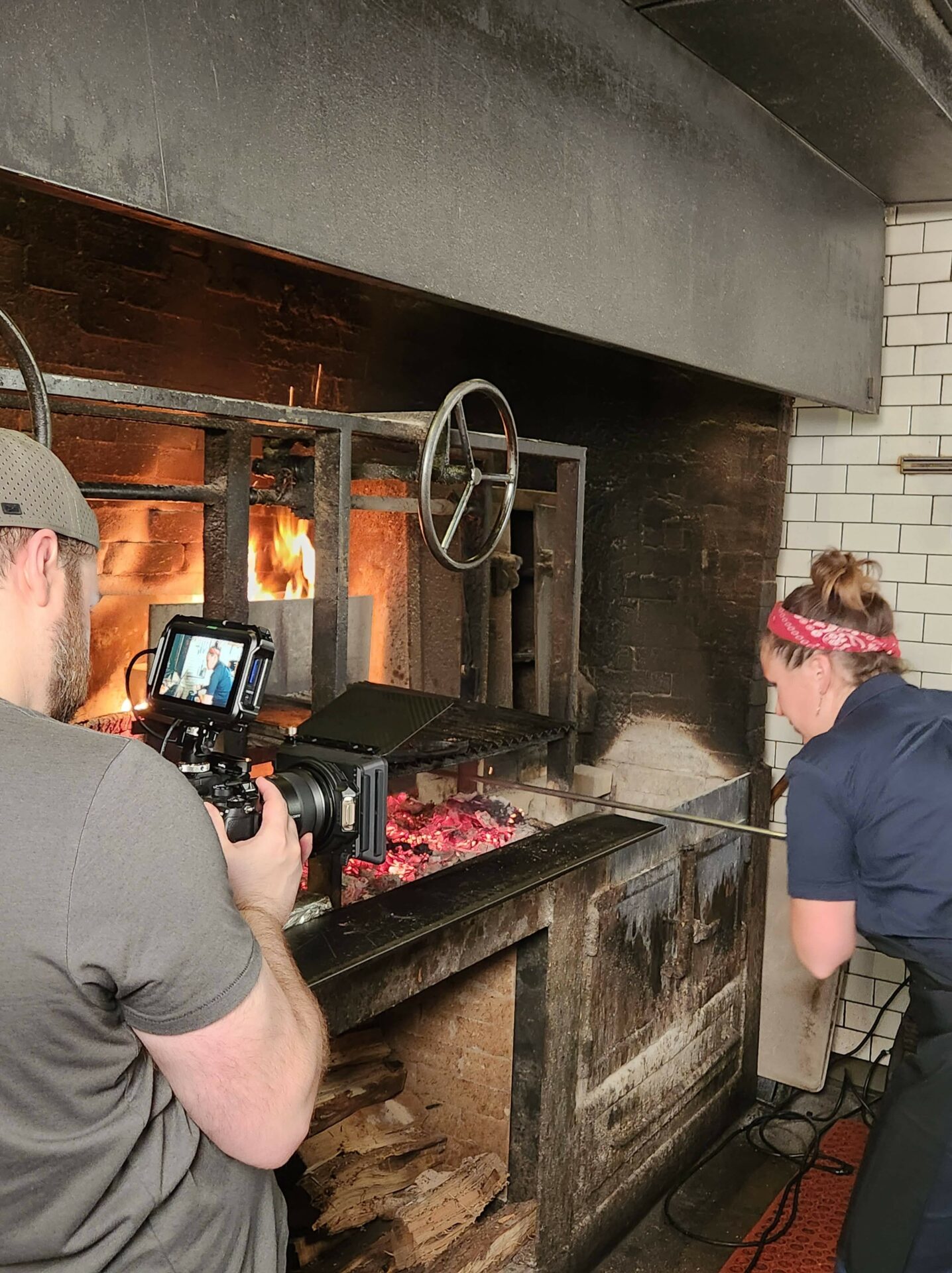
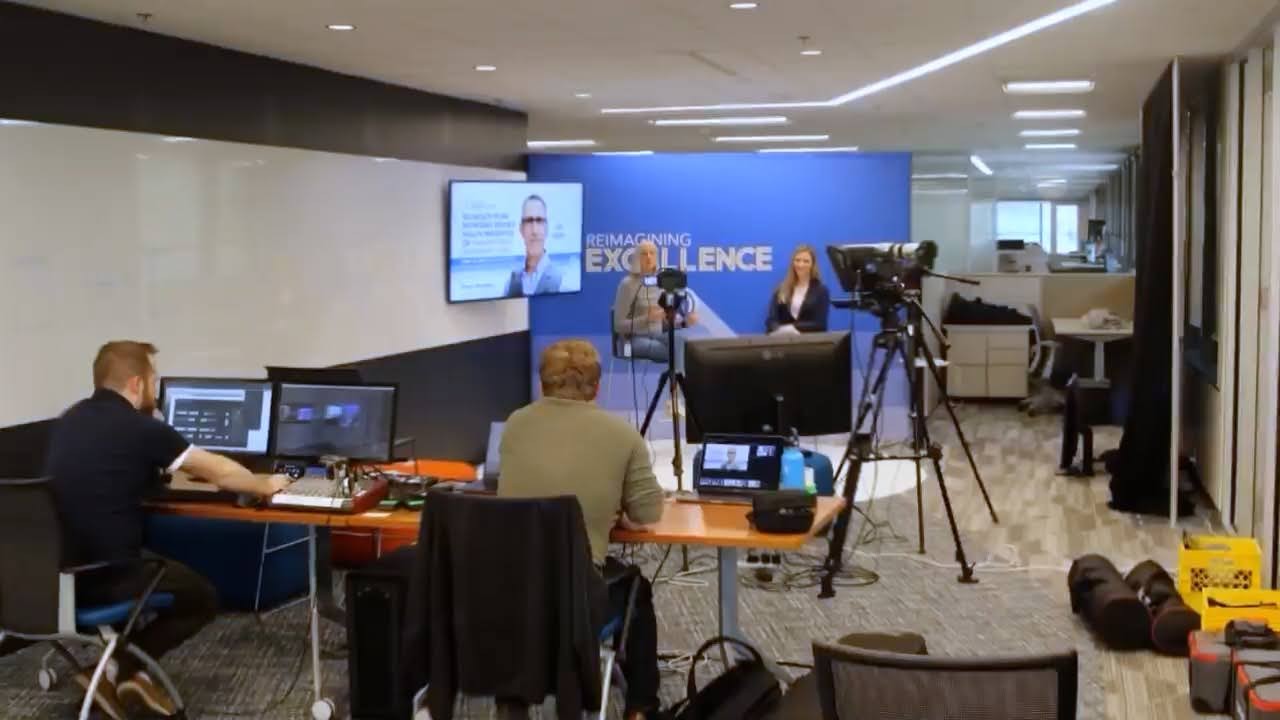
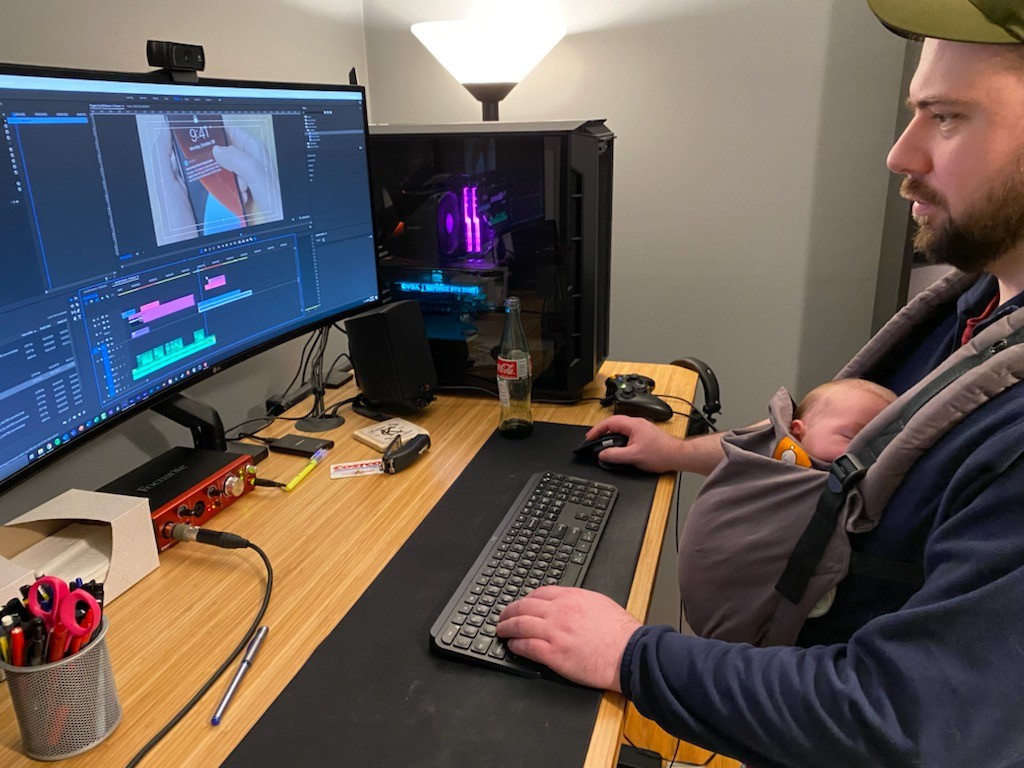
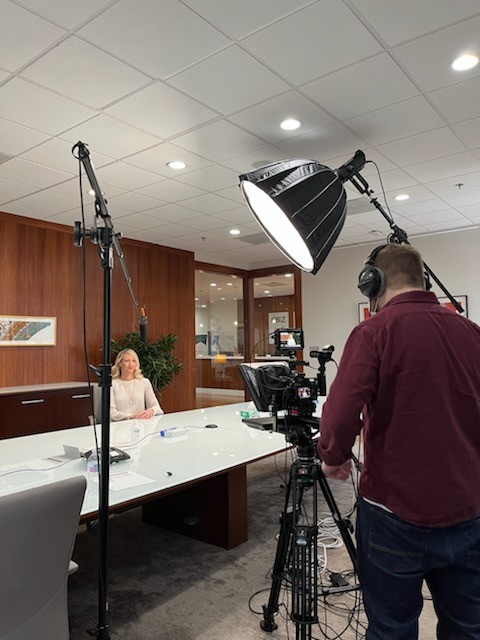
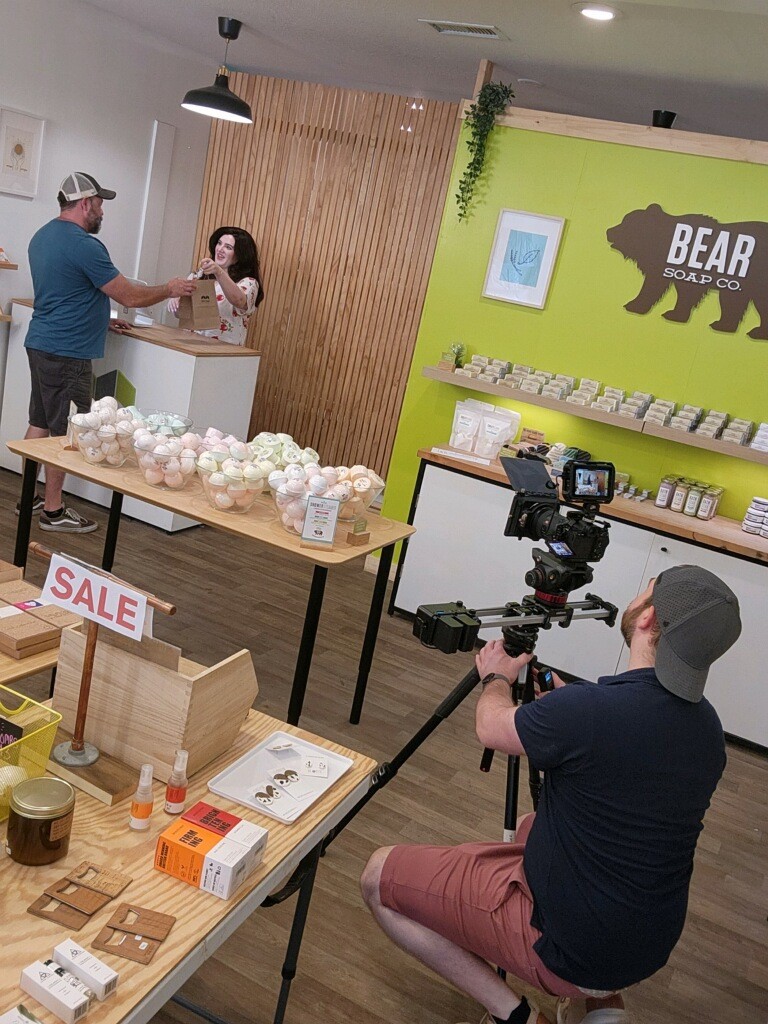
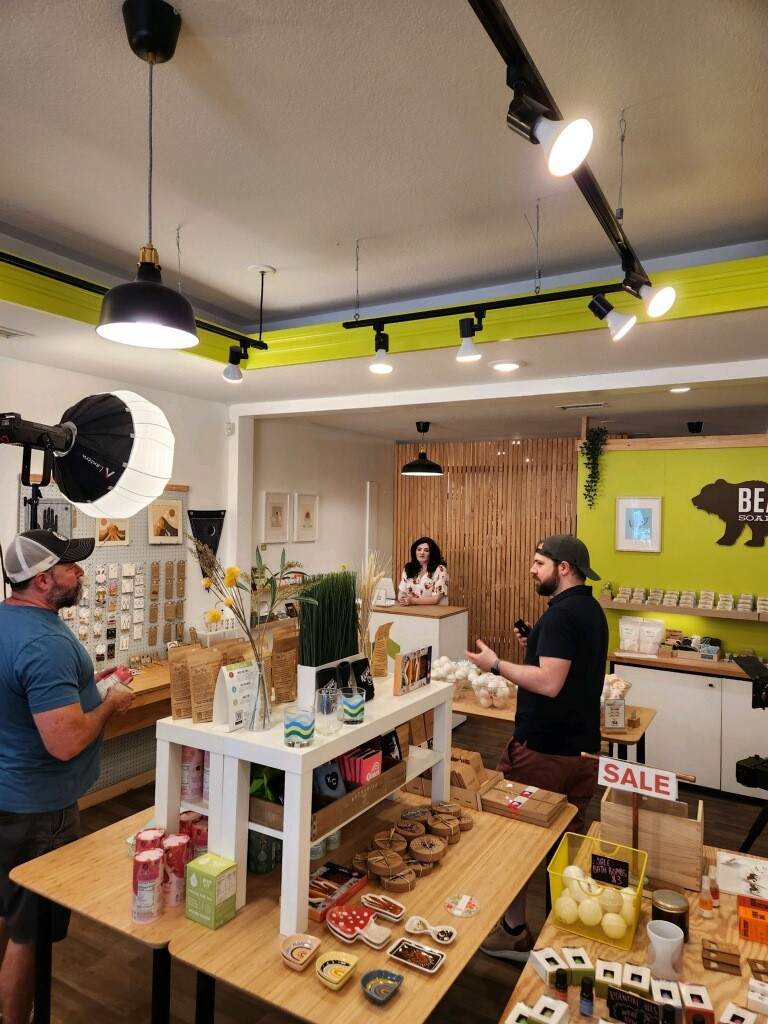
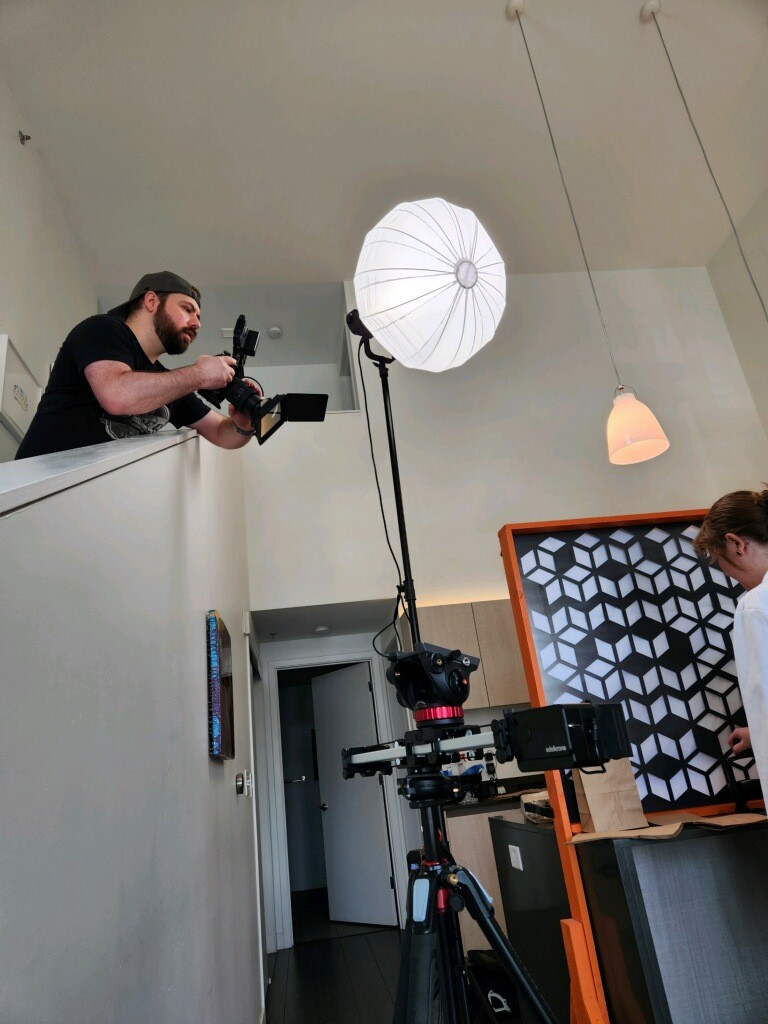
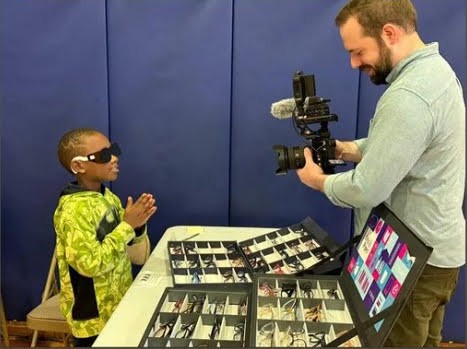
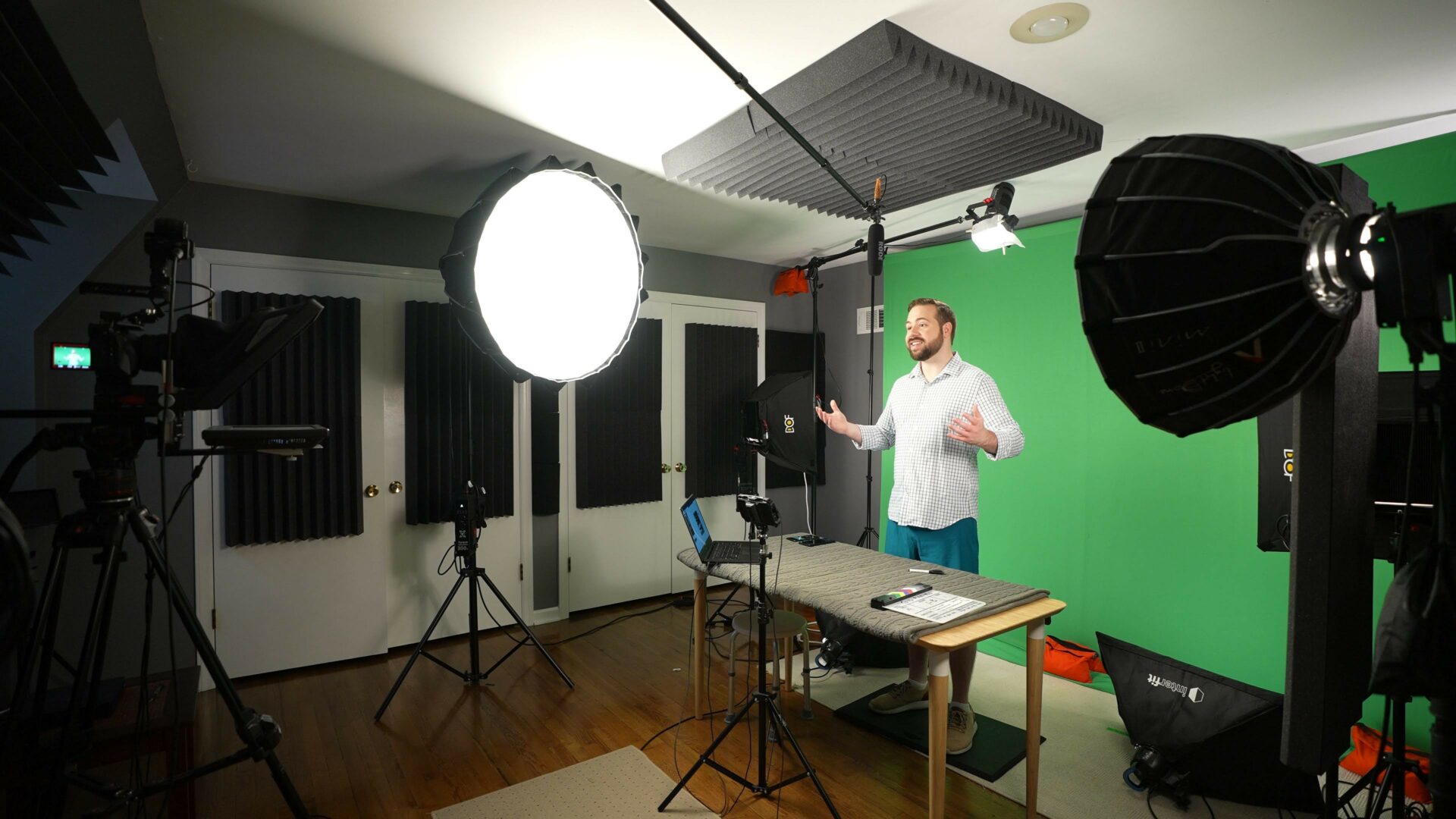
I am a videographer and on-camera personality. It is an incredibly fun job where I get to work with a wide variety of clients and projects and there are truly no two days that are the same in this line of work. I work through my production company called Fowlerhouse Films. The name comes from the company’s origin of my wife and I working together as a producer/director duo. It also alludes to my home studio where I produce spokesperson videos and eLearning content for a variety of products and brands. I like to consider us to be a full-service production company that acts as an organizations agency of record for all things media. We carry the process from pre to post whether it’s an explainer video, software demo, commercial, animated presentation, podcast, or live stream. Basically, I’m the go-to guy for an organization’s video stuff.
There is so much advice out there about all the different skills and qualities folks need to develop in order to succeed in today’s highly competitive environment and often it can feel overwhelming. So, if we had to break it down to just the three that matter most, which three skills or qualities would you focus on?
I mentioned earlier that my confidence comes from preparedness and having established processes. I’d consider that to be the first quality that has had a major impact on my journey. The advice I’d give to someone else looking to go down a similar path is to always maintain a continuous growth mindset and keep practicing. You should never show up to a gig with equipment you haven’t used before or otherwise don’t understand. I’ve unfortunately witnessed this with newer videographers more times that I’d like. Similarly, set aside time to map out your process for each service you offer if you haven’t done so before. You may have it loosely organized in your head, but formalizing a structure on paper helps define your business/services and helps you to better articulate that to your clients and colleagues.
Customer Service is also an incredibly important skillset for anyone looking for a career in freelance. I’ve often won contracts from other more established videographers because I’m just easier to work with. Furthermore, having a high client-retention rate means less time spent chasing after new work. How you present yourself and handle direction, feedback, and other communications will greatly impact your reputation. Based on my own experience and observation of others, I believe this – more so than talent – will determine whether a new videographer can survive in this industry. It’s a service industry.
Networking – as much as I hate it – is the third skill that is super important to freelancers. When looking at my book of business, a large portion of my clients were referrals or previous acquaintances of some kind. Over time, I’ve develop enough presence in my marketing efforts to generate business outside of that network. Starting out, though, having a professional network was critical to getting my business off the ground. A tip for my fellow introverts: You don’t necessarily need to be the one going out and networking if that’s not your thing. You just need to have a business partner or advocate that is willing to do it for you. For me, it was my wife. She tapped her network to help me get my first handful of clients. Reaching the inflection point where you’ve done enough work to build a portfolio and reputation that brings in a steady stream of new clients is tough. Tapping your professional network is one of the best ways to get past that hurdle.
Do you think it’s better to go all in on our strengths or to try to be more well-rounded by investing effort on improving areas you aren’t as strong in?
I attribute my success to being a good all-rounder so I’d lean more towards the idea that it’s better to be more well-rounded – at least in the beginning. However, in order to scale your business you do have to eventually learn to lean in to your areas of strength and delegate the rest.
I have a pretty diverse background, starting out in customer service, moving to marketing, and from there into producing, videography, and eventually managing a media department before setting off on my own. Because of that, I’ve had a chance to learn and grow in each area of the media production process from the pre to post on a wide range of content.
This unique background has given me somewhat of an edge in experience and expertise. Starting out, this edge helped me run lean in my business. I could manage all aspects of the video production process. This cut down on my operating costs which in turn helped me be competitive on price while still making enough to survive on.
I think it’s also important to consider how being the all-rounder vs the specialist impacts your business model. Kansas city has plenty of video business to support certain types of specialization – whether you want to just produce, shoot, or edit. It’s a little harder to get by if you want to be more niche than that.
The benefit of being full stack is that it is much simpler for the organization to have one go-to person that they work with. Less communication points, less 1099s, less potential points of failure. I’ve established myself as that go-to for the organizations that I work with and they trust me to handle all aspects of their production needs. Further, as business grows it is easier to scale as a full stack videographer since you can delegate roles in the production as needed. You become the conduit for the work and manage the production flow. As a specialist, it can be harder to scale when the business relies specifically on you as the brand.
There are plenty of pros and cons to each path and I believe it to be possible to be successful in both. Being the all-round full stack videographer has just been my specific path to a stable freelance business.
Contact Info:
- Website: fowlerhousefilms.com
- Instagram: https://www.instagram.com/fowlerhousefilms/
- Linkedin: https://www.linkedin.com/in/mikecfowler/
- Other: https://linktr.ee/fowlerhousefilms