We were lucky to catch up with Molly W. Schenck recently and have shared our conversation below.
Molly W., we are so happy that our community is going to have a chance to learn more about you, your story and hopefully even take in some of the lessons you’ve learned along the way. Let’s start with self-care – what do you do for self-care and has it had any impact on your effectiveness?
I have been thinking a lot about how to take care of myself and how I receive care lately. When I think about how I take care of myself and receive care, I think about what nourishes me, what fills my cup up, and what allows me to shift my energy. So that can include some of the basics, like sleeping well, enjoying yummy food, drinking plenty of water, making sure I get outside and move daily. A newer practice is engaging in daily low-pressure art that sometimes I share publicly over social media but is mostly for me – being a creative can put an emphasis on producing so the low pressure daily practice allows the art to serve my curiosities. I’m also finding reading to be really important in my care routine, it fills me up after I pour so much out. When I need a full reset, it’s important to me to watch the sunrise and the sunset on the same day. There’s something about the routine and ritual of witnessing the beauty of a daily rhythm and cycle begin and end that is grounding. I try to engage in regular maintenance as well – meaning visiting a talk therapist, bodyworker, and/or physical therapist to keep my body and mind in an optimal state. If/when I’m on the verge of burnout, I doubledown on the above and take some time to collapse. For me collapsing meant spending a day in bed – essentially a mental health day where all I did was rest. For a while, I would schedule these types of days weekly and work my work schedule around them. I find that giving in to the impulse to collapse is often more helpful than fighting it. I believe that an organization/business is only as healthy as the person(s) running it. When I am in a sustainable state in my mind and body, I know that professionally I can be efficient and focus on the essential elements. In many ways, taking care of my whole self makes it possible for me to get out of my own way professionally.
Thanks for sharing that. So, before we get any further into our conversation, can you tell our readers a bit about yourself and what you’re working on?
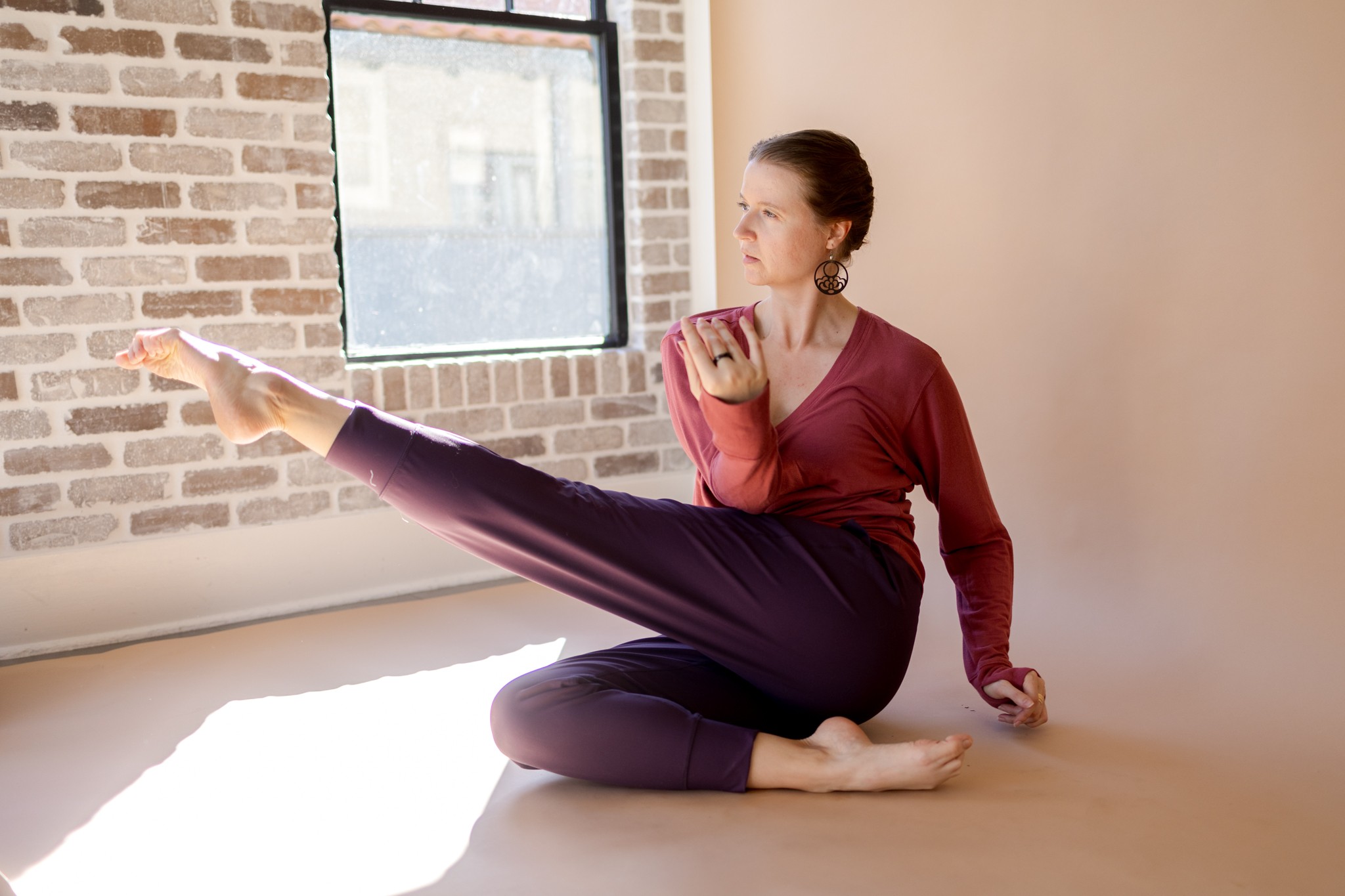
I am a Registered Somatic Movement Educator/Therapist and Founder and Creative Producer of Grey Box Collective.
Somatic movement education/therapy is utilizing the whole body as a transformative catalyst to navigate stress, trauma, and burnout for overall mental and physical wellbeing. The educational component focuses on somatic inquiry – a way of gathering information from a body-based bottom up approach. The therapeutic part organizing the information gathered to recognize movement patterns and work to interrupt or amplify patterns as needed. What I find exciting about somatic movement is how it can be applied to many areas of life. If you’re struggling with finding work-life balance, let’s explore movement based on stability and see what internal narratives come up in that. Or if you’re feeling like you are holding yourself back or getting in your own way, we can explore that with full body movement then unpack how the stuck mindset is manifesting in your body. Somatics allows us to repattern and send the new movement patterns back up to the mind to work in harmony.
The most exciting news for my somatic movement therapy practice is that I’m taking in-person clients now at Urban Wellness in Phoenix. I will still work with clients anywhere in the world virtually, but it feels super grounding to finally have a space locally to meet with clients.
As the Founder and Creative Producer of Grey Box Collective (a multidisciplinary arts organization that produces performances on social and emotional wellbeing), developing new, original performances is always the most exciting part. I love digging into the creative process and generating new materials that hopefully spark some new ways of thinking of things. Our topics over the years have varied, but mental health is a common theme. Most recently we’ve made work about the importance of belonging and the rupture and repair cycle of relationships. And as a sneak peek to some topics coming up, we will be looking at topics of empathy and hustle culture.
Something new with Grey Box Collective, is we have a patreon page where we’re offering out of the box workshops on creativity, business skills, and movement training. It’s a space where I am able to combine and share my knowledge of creativity and trauma as an entrepreneur, creative, and human being. We also have upcoming events and ways to get involved constantly being updated on our website so I highly encourage people to check that out if they’re looking to perform or shape the future of the arts.
There is so much advice out there about all the different skills and qualities folks need to develop in order to succeed in today’s highly competitive environment and often it can feel overwhelming. So, if we had to break it down to just the three that matter most, which three skills or qualities would you focus on?
The most surprising is a course I took on Adventure Therapy while in grad school for higher education – hands down the best course I’ve ever taken, our final was rock climbing. While I was engaging in my annual end of year purging of the stuff and things, I recently discovered some notes from that class and was floored that so many of the things I do today were planted as seeds in that class, which I took in summer 2010. The Trauma-Informed Creative Practices framework and philosophy was influenced by the work. It was where I first heard about somatics and embodiment, which I didn’t start studying until my MFA program in 2013. It’s almost as if the seeds planted then needed some time to grow before I was able to really reap the benefits.
I have always been an observer and a skill that has served me well over the years is my ability to zoom in and out whether that was on a project, in group dynamics or other areas of business. I think we’re used to the whole trees and forest thing, but I find I can typically zoom into focus on the tiny details or zoom way out to the entire universe. It’s this movement in and out of a situation that allows me to recognize patterns others may not see. This is something I do regularly as a somatic movement therapist.
Another skill that has served me well is the ability to pause no matter what the situation is. This has not been an easy one for me to learn, but it usually rewards me. I’ve learned to be comfortable with silence, to be comfortable saying “I don’t know”, and to simply take a breath when I’m feeling overwhelmed. I wholeheartedly believe in the power and importance of work that I do whether that’s in a performance setting with Grey Box Collective, in private sessions with clients, or when facilitating a training or workshop. And, most of the time, taking a pause and slowing down to collect thoughts or show up as a human allows for deeper connections in the room. I would highly recommend starting small with the practice of the pause. At first it may be difficult since we are not conditioned or rewarded for slowing down, so it can feel like a quiet rebellious act. But, it is a practice meaning it is something we keep coming back to time and time again until we learn how this can be a useful tool for us to use regularly.
Looking back over the past 12 months or so, what do you think has been your biggest area of improvement or growth?
Over the past 12 months, my personal and professional development has accelerated to a new level. I’ve felt a great sense of clarity and alignment happening in all the work I do – it’s like a reverse jenga situation, all the pieces are stacking up. As I’ve been witnessing this, I’ve been able to settle into a steady, organic unfolding within my companies. And from this sense of stability, I’ve been able to take risks and set boundaries that strengthen the health of the organizations as well as my own. (As a note, one of the key principles within somatics is this idea of stability and mobility. Within our bodies, I’ll ask clients to discover where the stability is and as that stability becomes more solid, what kind of mobility can we add into it. It allows us to hold multiple truths that there can be a lot of moving parts but we are anchored on a solid foundation.)
Part of this clarity and alignment is also realizing I need to ask for help, connect with new humans, and build some rockstar teams around this work. This year is focused on making new connections and developing reciprocal relationships in my professional life. As a somatic movement therapist, I am looking for new clients. In Grey Box Collective, we are expanding our board and bringing on new creatives. I also love collaborating with organizations and entrepreneurs who are interested in embodied leadership, and understanding how to navigate stress, trauma, and burnout in their organization.
Contact Info:
- Website: www.mollywschenck.com
- Instagram: www.instagram.com/simplysomamethod
- Other: patreon.com/PlayintheGrey https://open.spotify.com/show/7zFloOHx7D9RY2WplqGc5r?si=886b39ffb3824a1a https://www.greyboxcollective.com/podcast
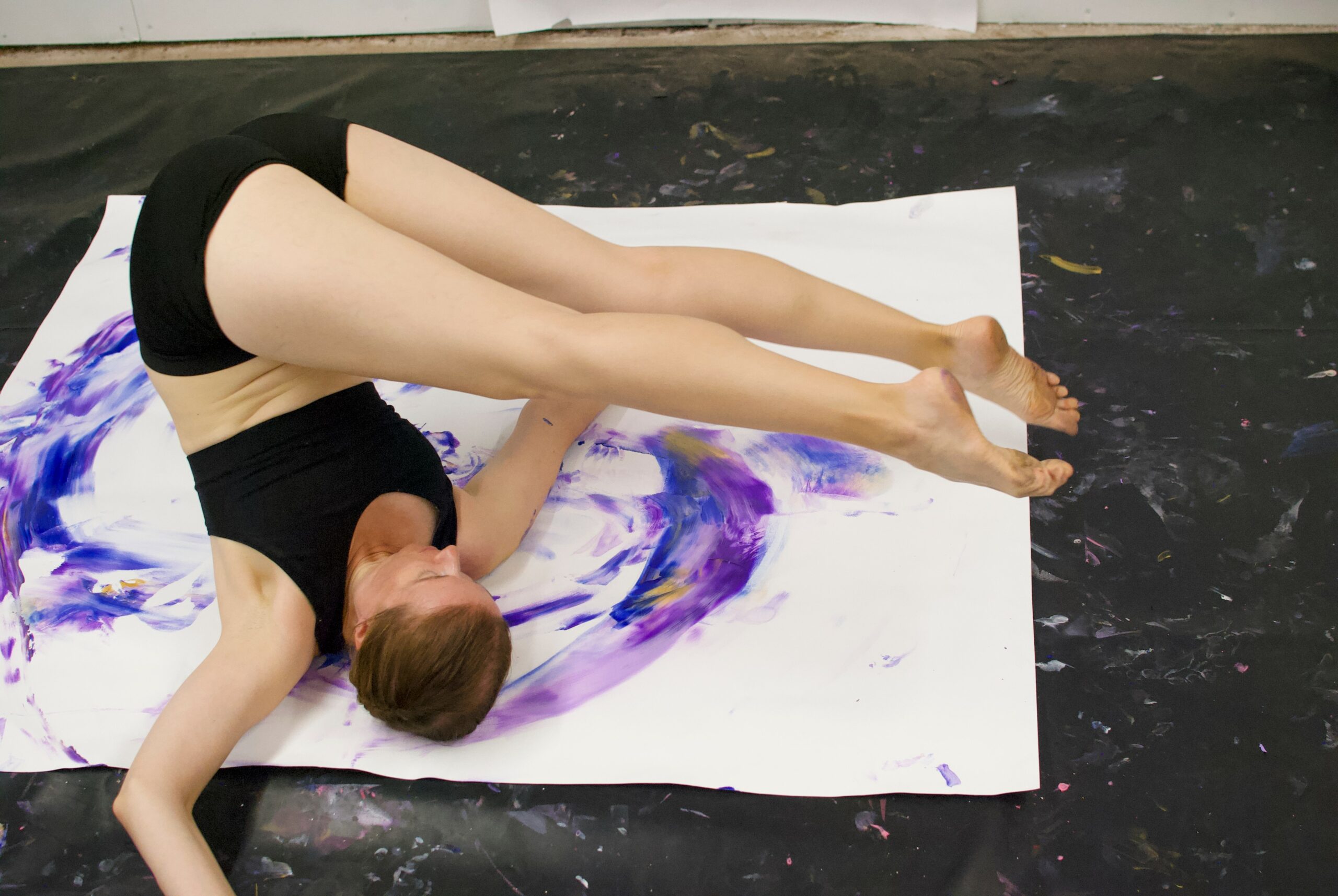
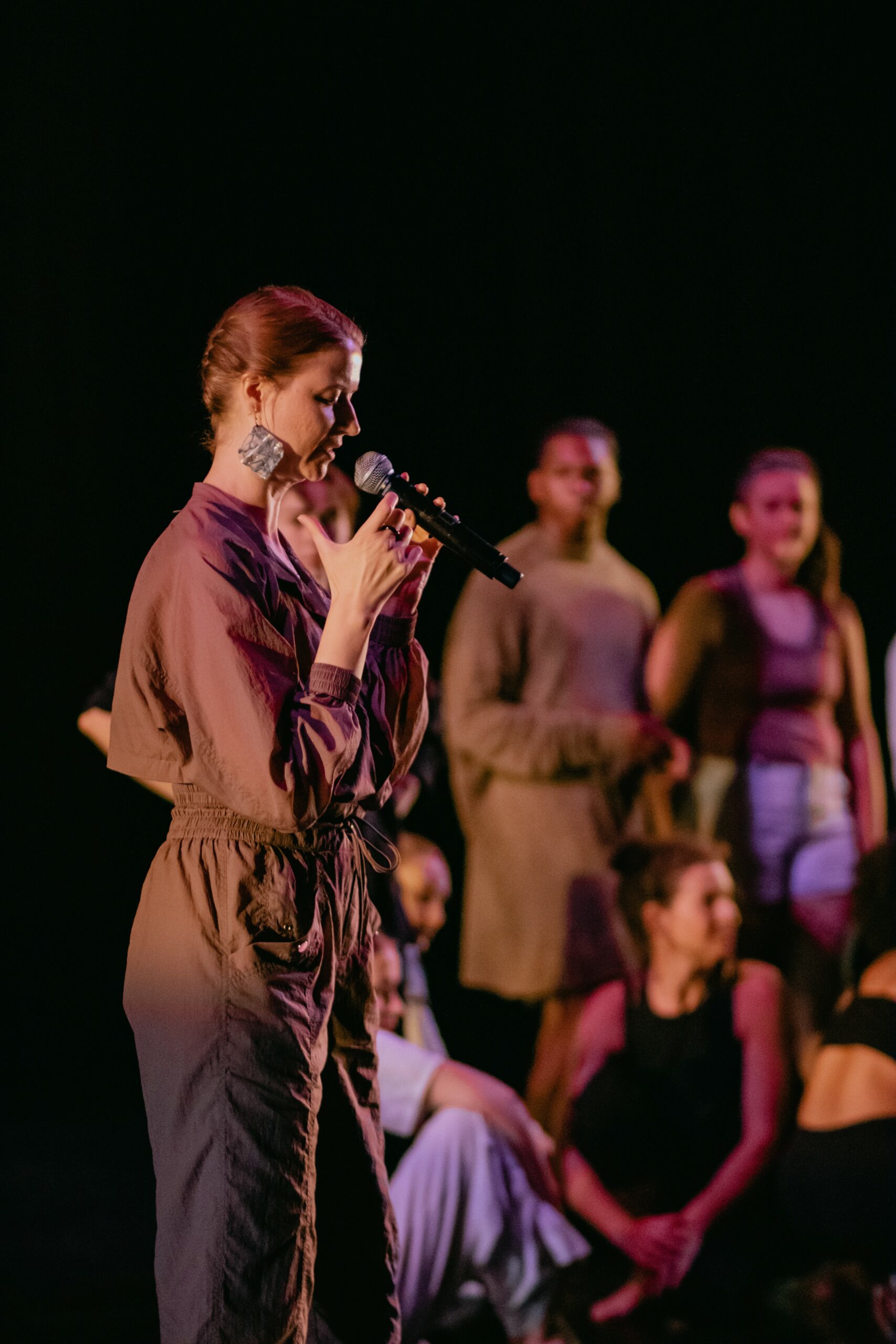
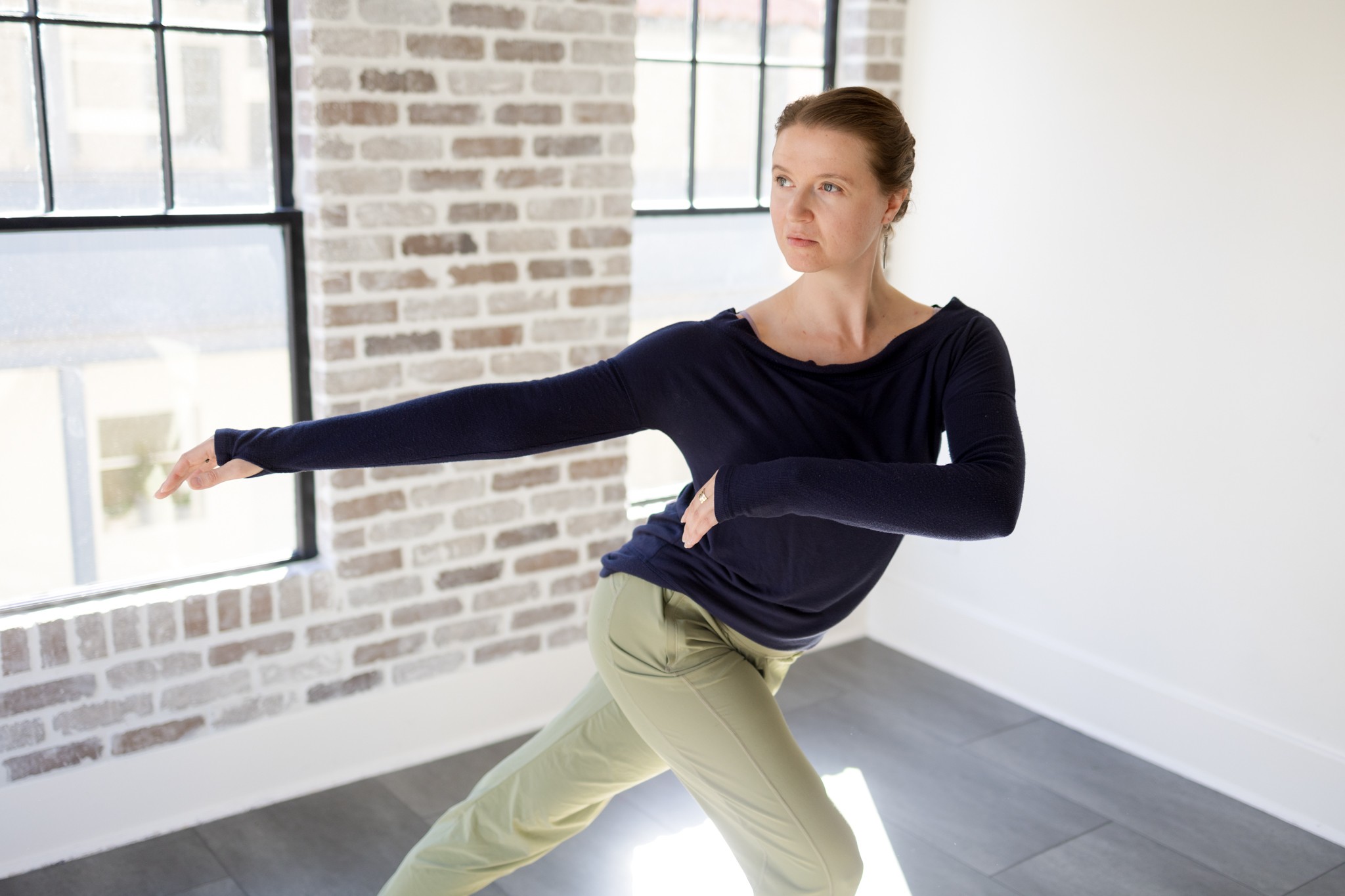

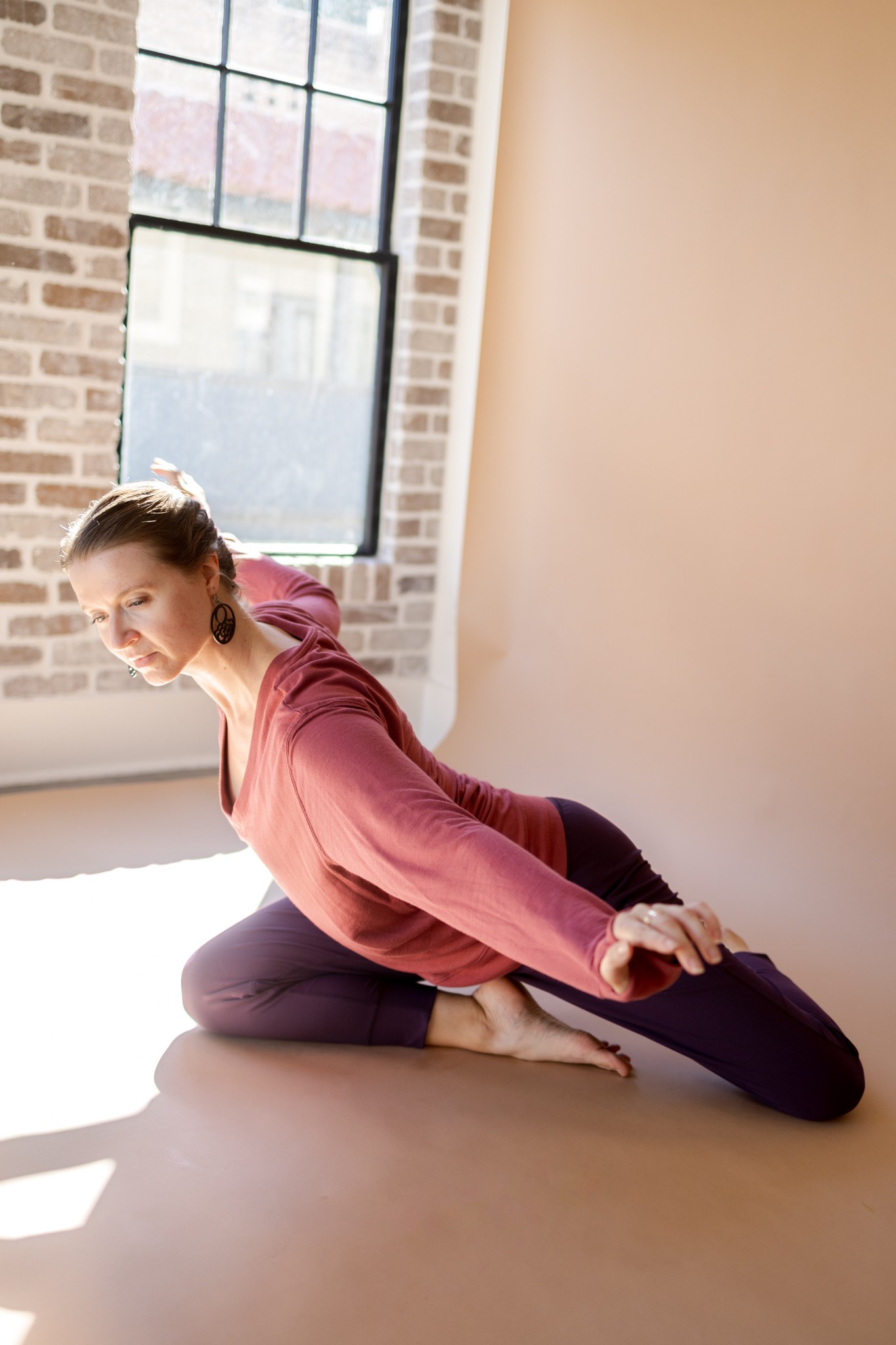
Image Credits
Grey Box Collective images: Jamie Olguin The paint photo: Robert Carter Movement and headshots: Lindsay Birchfield