Alright – so today we’ve got the honor of introducing you to Prairie T. Trivuth. We think you’ll enjoy our conversation, we’ve shared it below.
Hi Prairie T., thanks for joining us today. Let’s jump right into something we’re very focused on here – improving our ability to make decisions. Everyday, we’re faced with decisions that can impact the future of our careers, businesses, relationships and more and so one of the most impactful areas for personal development, in our view, is decision-making. Can you talk to us about how you developed or improved your decision-making skills?
As an upcoming production designer and art department professional, strong decision-making is crucial for my process and work relationship. While talent and vision are essential, navigating the realities of projects requires a well-honed ability to make effective choices. I always embrace a collaborative approach where I honor the wish of the directors, while also listening to the input of other Head of Department collaborators and especially team members, whose task is to realize our collective goal. It is important to me as a designer and a leader to foster a collaborative environment where when decisions are made, ownership is shared and embraced by the team, both practically and psychologically. Before making a decision, beyond being informed of available information and resources, I also aim to be mindful to always be open to learning from mistakes and shortcomings, and adjust my decision-making process based on experience.
Let’s take a small detour – maybe you can share a bit about yourself before we dive back into some of the other questions we had for you?
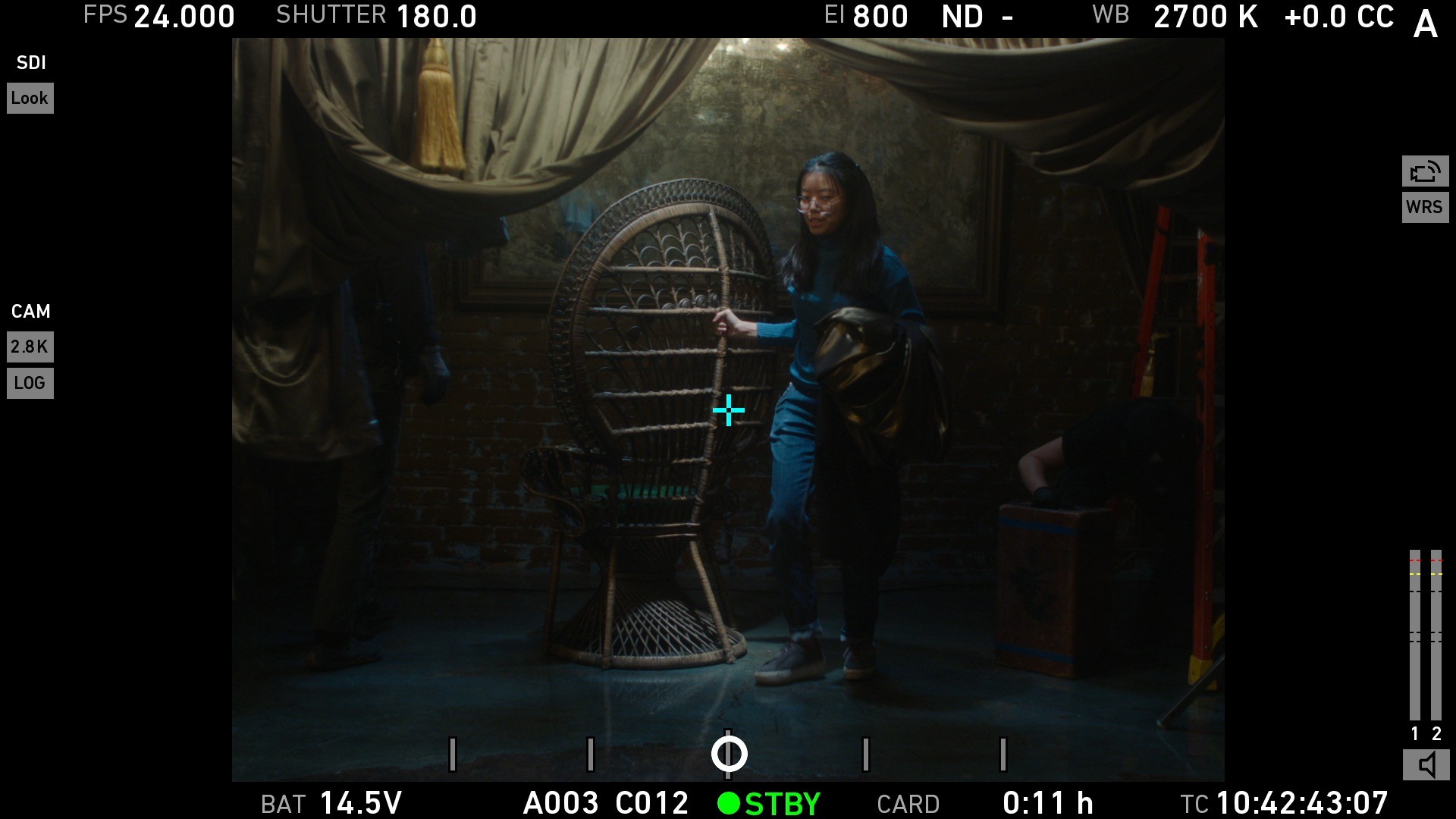
I work as a production designer for independent movies and scenic designer for opera, and it’s incredibly rewarding. In film, there’s a magic in creating something entirely new from scratch, collaborating with other passionate creatives to bring a story to life in front of an audience. There’s a sense of fulfillment that comes from working alongside others who share the same vision. To be in a creative space fosters a unique energy, where ideas spark and evolve as exchange. Witnessing each other’s growth further enhances this experience, as we celebrate individual triumphs and learn from shared challenges, creating a journey of mutual inspiration and artistic development. This is the reason why I enjoy venturing into many disciplines- there are infinite ways to grow.
As for when I work a scenic designer for operas. For me, opera is one of the most versatile art forms imaginable. It’s truly heartening to see how new artists and companies are pushing boundaries and making opera more accessible and inclusive for all audiences. It’s a privilege to be a small part of that movement, contributing to the ongoing evolution of this incredible art form.
One of the thing that I enjoy is the fleeting nature of storytelling mediums. Things are built, observed, and it is gone. At the end of a shoot or on a show’s strike day, the experience of creation is prolonged as long as its creatures linger in the space. I find peace in knowing that in art, everything will keep changing, and we facilitate creation and destruction as a part of the whole process.
There is so much advice out there about all the different skills and qualities folks need to develop in order to succeed in today’s highly competitive environment and often it can feel overwhelming. So, if we had to break it down to just the three that matter most, which three skills or qualities would you focus on?
I find that beyond the obvious creative vision and technical skills, something that cannot be taught and can only be learned through working is the most essential. One thing that comes to mind is familiarity with film production processes and an understanding what each idea can entail. Things such as scheduling, budgeting, safety regulations, and labor, are some of the most if not the most important aspect that you have to understand in order to be good at leadership and management. Designers are not expected to know everything of every department, but most of what we do is interconnected, and when you are informed, your decisions and requests become more professional and at the same time as respectful as possible to all parties involved.
Another appreciation for other crafts. Appreciation for art, graphics, architecure, music, history, culture, and all sorts of knowedge, no matter if they are related to the project we are working on or not. The ability to understand references and make connections across multiple forms of art will elevate the way you operate as an artist
Lastly I think that an oftentimes overlooked area of knowledge is a deep understanding and empathy and connection with the local community. A lot of times film workers are engulfed in our own career endeavors that our job requirements overrides the local community where the production is taking place. Of course there are regulations and laws that protects civilians and locals from being affected by productions, but I personally think that as a designer, if given the prestigious opportunity to incorporate and uplift local communites within our creative and production process, we should take that chance and put our work into the context of the world. Doing this not only will be respectful to locals but it also will enrich the art we are making itself.
Is there a particular challenge you are currently facing?
One of the hard topic to talk about is the exploitation in filmmaking and art. It is common that young and upcoming creatives are taken on an exploitative job, often leading to overwork, underpayment, and a lack of basic protections. Unions exist to protect and ensure the rights of workers, but not everyone has membership and not every production is union standard. I have experience this first hand during the first few years of my career, and although it has offers me invaluable experience and growth, it remains true that the consequences of exploitation are far-reaching. It can lead to burnout, mental health issues, and a disillusionment with the creative fields. It also creates an unfair advantage for those who can afford to work for free, perpetuating an unequal playing field. It’s important to be aware of these red flags and advocate for fair treatment.
Contact Info:
- Website: https://www.prairiett.com/
- Instagram: https://www.instagram.com/prairiettrivuth/
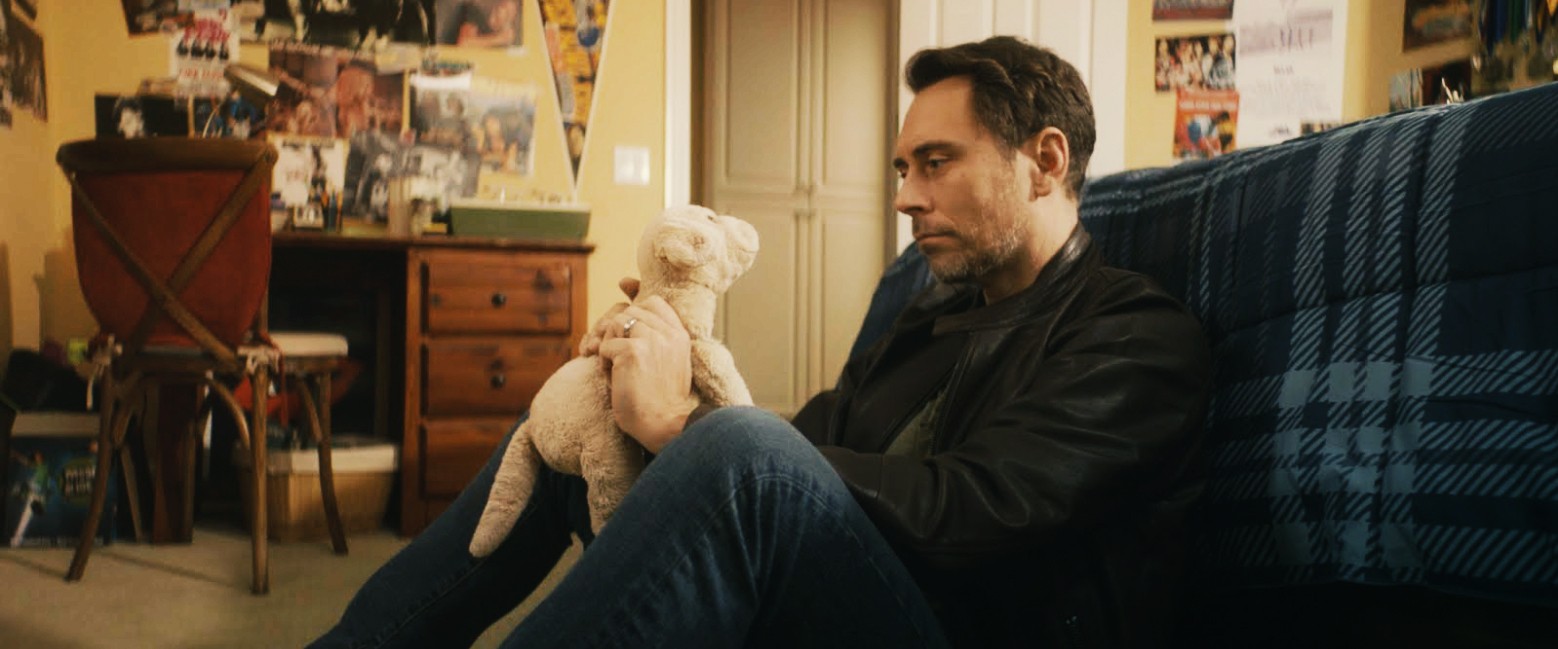
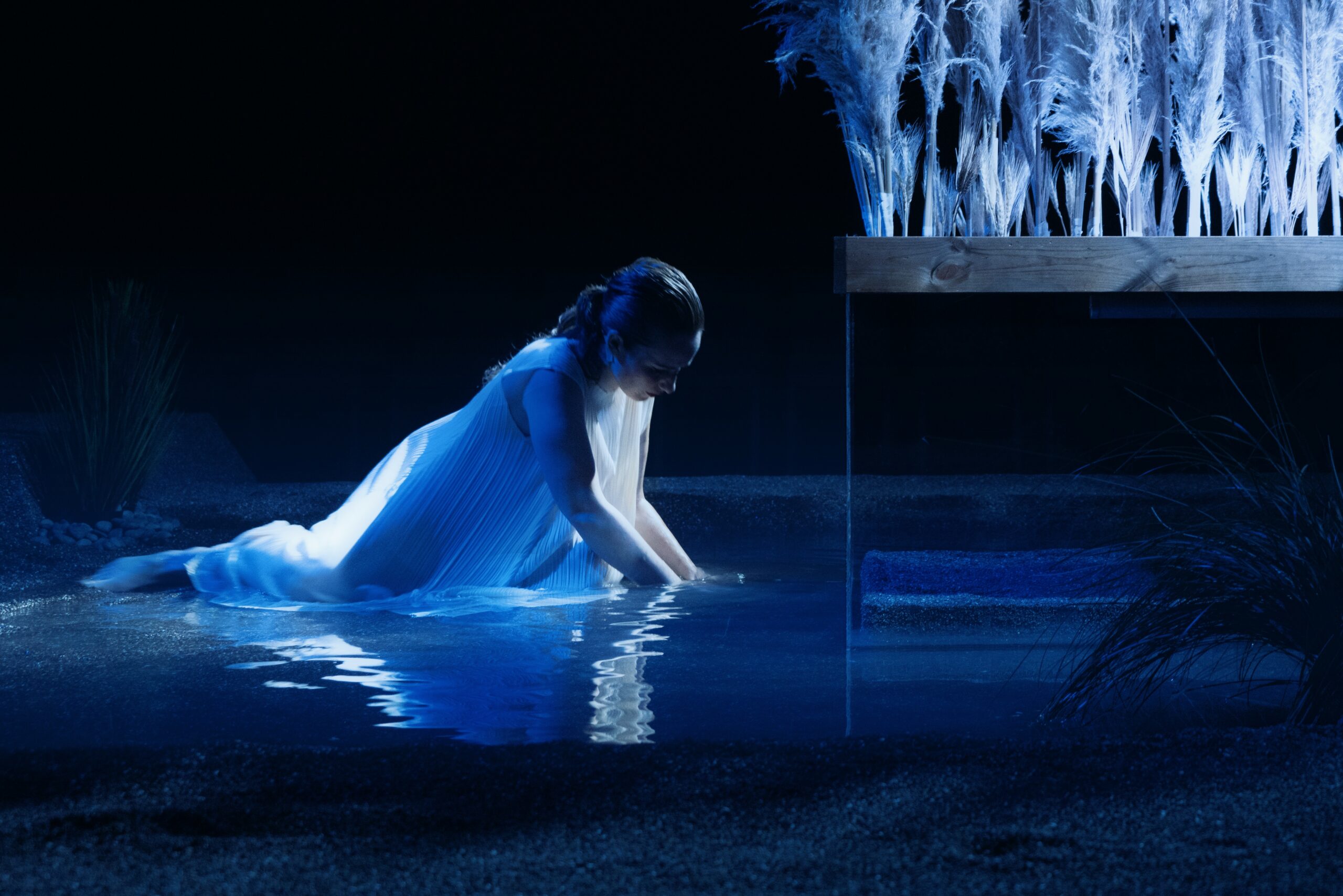
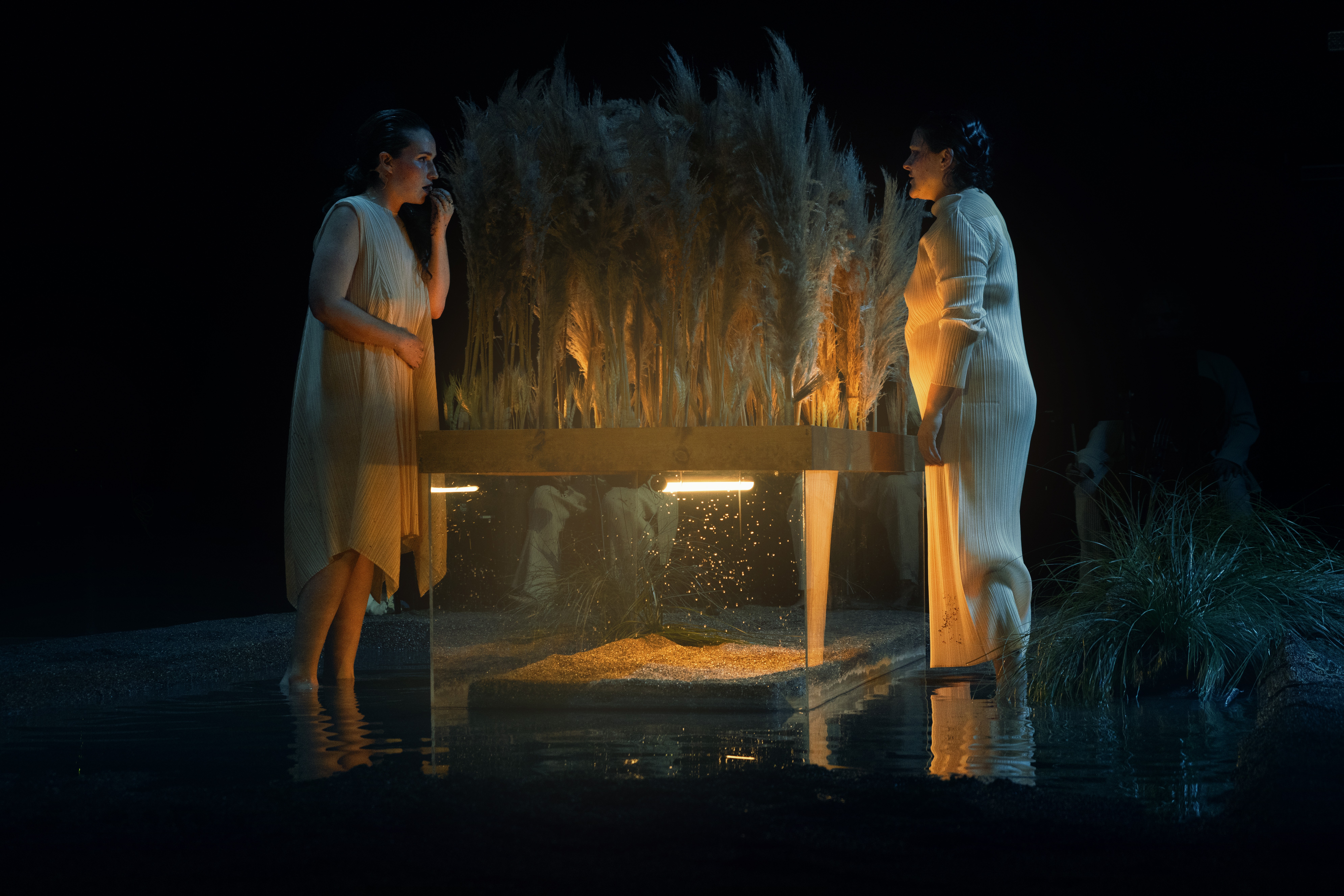
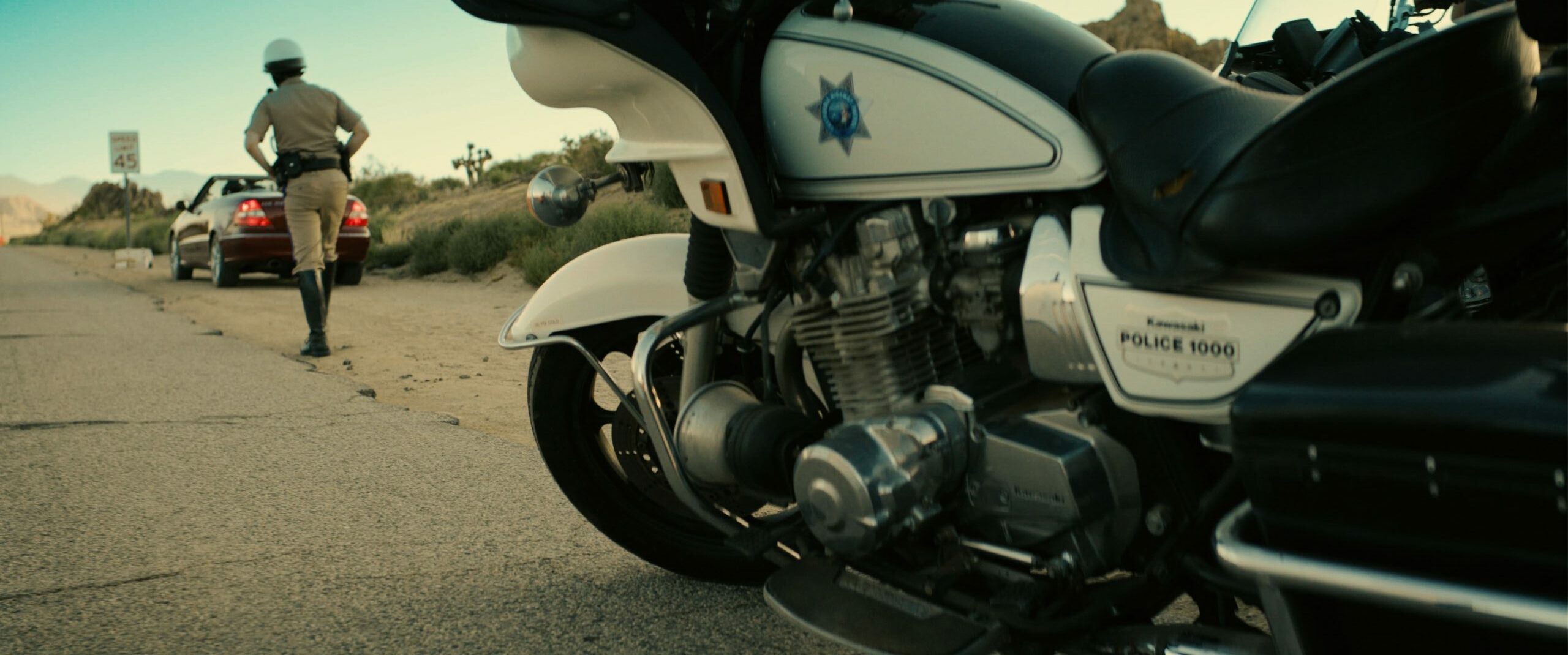
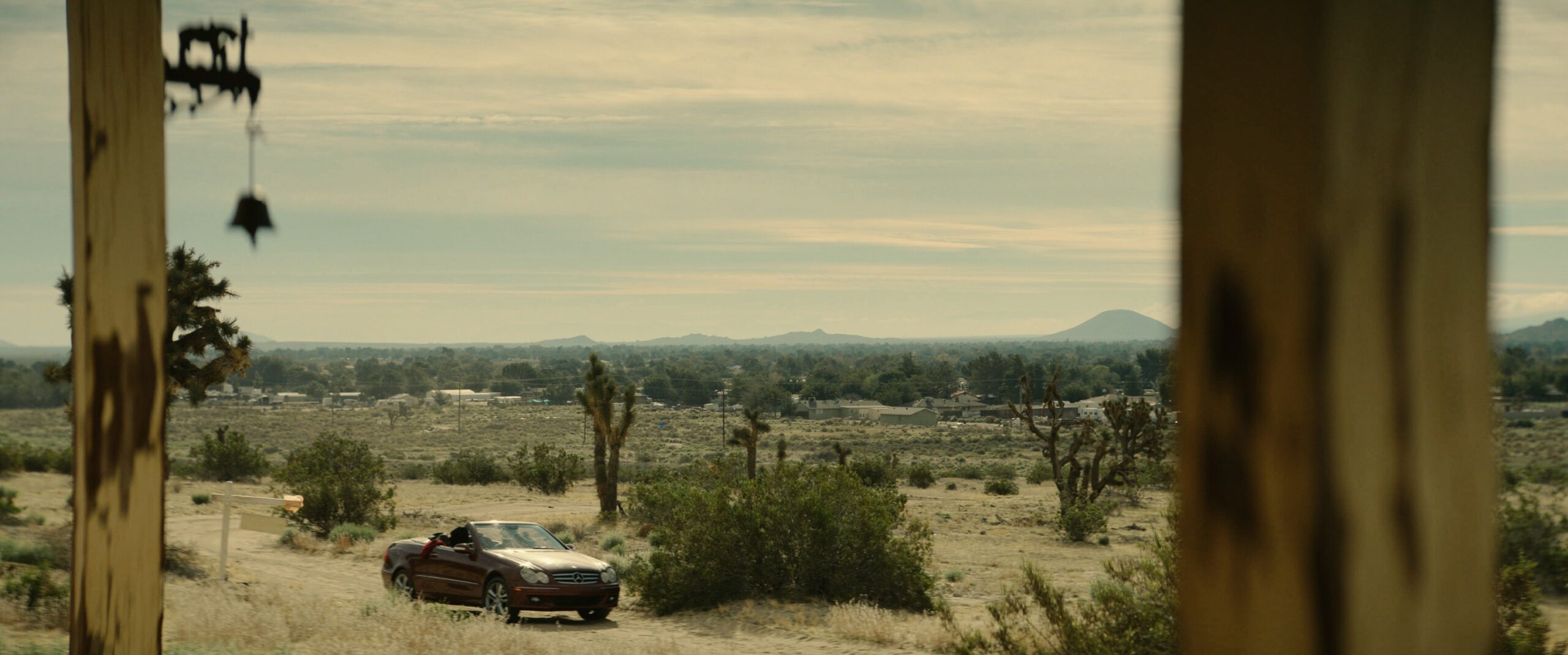
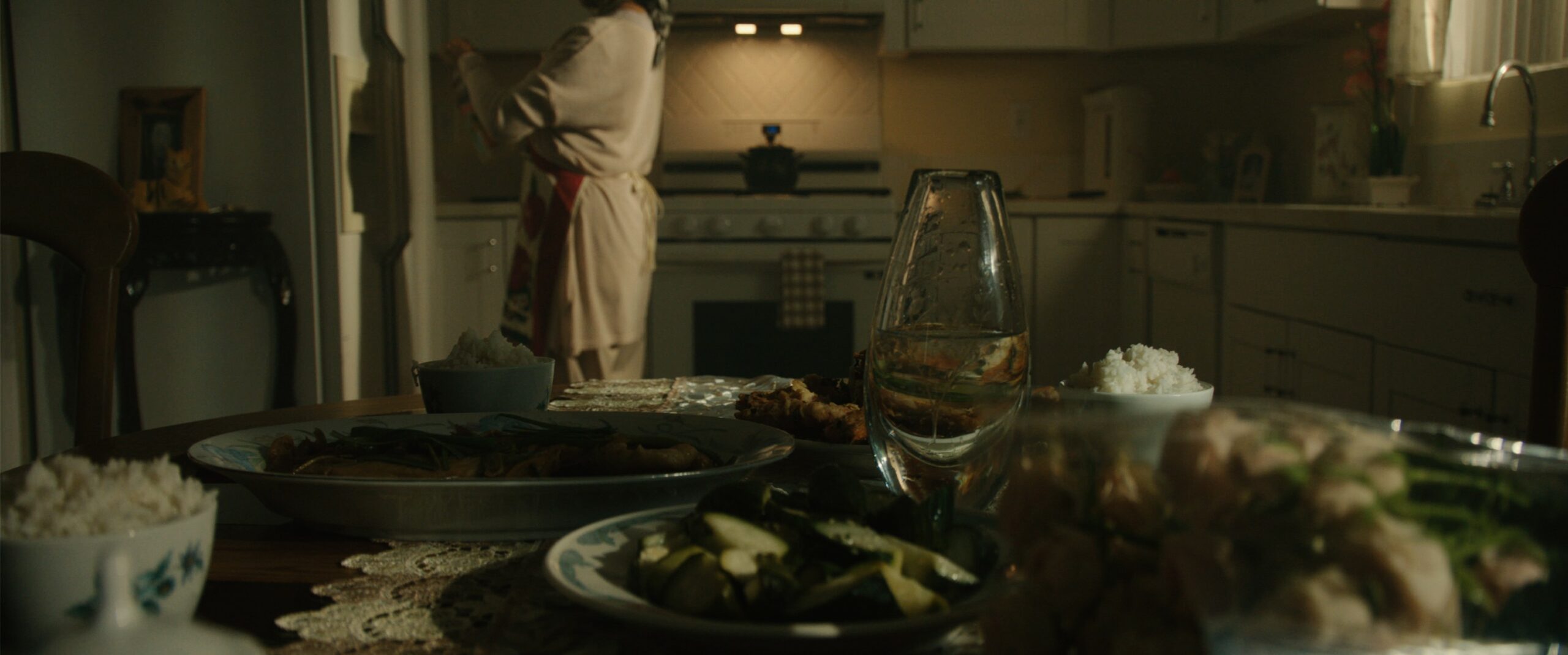
Image Credits
Ingrid Sanchez, Cooper Finn, Jordan Geiger.